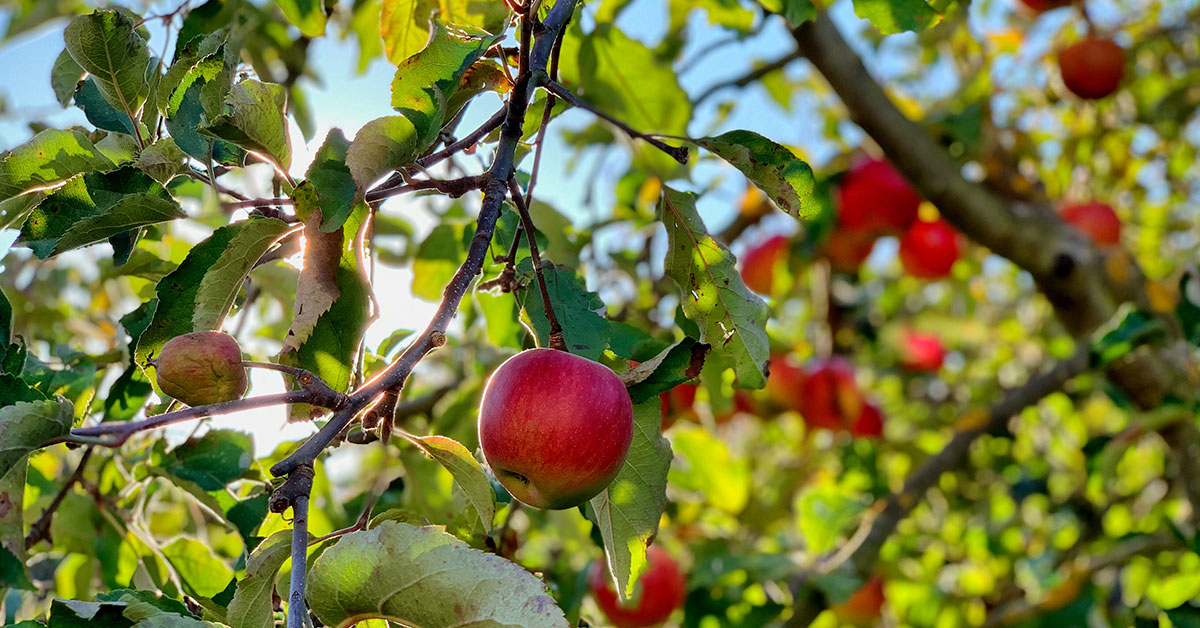

Alaska, known for its breathtaking landscapes and rugged beauty, may not be the first place that comes to mind when thinking about apple orchards. However, with the right knowledge and careful planning, growing apple trees in the Last Frontier is not only possible but can yield delicious and rewarding results. Understanding the unique challenges and opportunities presented by Alaska’s climate and growing conditions is crucial for successful apple cultivation. In this article, we will delve into the optimal timing for planting apple trees in Alaska, taking into account the state’s diverse regions and climatic variations.
Whether you’re a seasoned gardener or a novice enthusiast, this comprehensive guide will equip you with the knowledge needed to embark on a fruitful apple-growing journey in the northernmost state of the United States.
Best apple varieties to grow in Alaska
In Alaska, where the climate is generally colder, it is important to choose apple varieties that are hardy and can withstand the harsh conditions. Some apple varieties that are known to grow well in Alaska include:
- Haralson: This variety is extremely cold-hardy and can tolerate temperatures as low as -40°F (-40°C). It produces medium-sized apples that are tart and excellent for baking.
- Norland: Norland is an early-season apple variety that can handle the shorter growing season in Alaska. It is cold-hardy and produces medium-sized, bright red apples that are crisp and slightly tart.
- Goodland: Goodland is another cold-hardy apple variety that can withstand Alaska’s climate. It produces medium-sized apples that are sweet and juicy, making them great for fresh eating.
- Parkland: Parkland is a late-season apple variety that is well-suited for Alaska. It is cold-hardy and produces large, red apples that are sweet and slightly tart.
- State Fair: State Fair is a popular apple variety in Alaska due to its ability to thrive in colder climates. It produces medium-sized apples that are sweet and crisp, making them suitable for both fresh eating and cooking.
It is important to note that while these apple varieties are known to grow well in Alaska, the specific success of each variety may vary depending on factors such as microclimates, soil conditions, and local weather patterns. It is always a good idea to consult with local nurseries or experienced gardeners in your area for more specific recommendations.
When to plant apple trees in Alaska
In Alaska, the best time to plant apple trees varies depending on the specific hardiness zone. Alaska has several hardiness zones, ranging from Zone 1 in the north to Zone 7 in the southeast. Here are the recommended planting times for apple trees in each zone:
- Zone 1: In this extremely cold zone, with temperatures dropping below -50°F (-45°C), it is challenging to grow apple trees. However, if you have a sheltered location and choose cold-hardy apple varieties, you can try planting in late spring or early summer when the ground has thawed.
- Zone 2: This zone experiences very cold winters, with temperatures ranging from -50°F to -40°F (-45°C to -40°C). It is best to plant apple trees in late spring or early summer when the soil has warmed up and the risk of frost has passed.
- Zone 3: In this zone, where winter temperatures range from -40°F to -30°F (-40°C to -34°C), it is recommended to plant apple trees in late spring or early summer. This allows the trees to establish their root systems before the onset of winter.
- Zone 4: With winter temperatures ranging from -30°F to -20°F (-34°C to -29°C), the best time to plant apple trees in Zone 4 is also late spring or early summer. This gives the trees enough time to establish themselves before the colder months.
- Zone 5: In this zone, where winter temperatures range from -20°F to -10°F (-29°C to -23°C), the ideal time to plant apple trees is in late spring or early summer. This allows the trees to take advantage of the warm growing season and establish strong roots.
- Zone 6: With winter temperatures ranging from -10°F to 0°F (-23°C to -18°C), it is best to plant apple trees in late spring or early summer in Zone 6. This timing allows the trees to establish themselves before the arrival of winter.
- Zone 7: In the southeastern part of Alaska, where winter temperatures range from 0°F to 10°F (-18°C to -12°C), the best time to plant apple trees is still late spring or early summer. This gives the trees ample time to establish their roots before the colder months.
Regardless of the hardiness zone, it is important to choose apple tree varieties that are suitable for the specific zone’s climate. Additionally, providing proper care, such as mulching, watering, and protecting from extreme weather conditions, will increase the chances of successful apple tree growth in Alaska.
How to grow apple trees in Alaska
Growing apple trees requires careful planning and attention to detail. Here are the steps and considerations involved in successfully growing apple trees:
- Site Selection: Choose a location that receives full sun for at least 6-8 hours a day. Ensure the soil is well-drained, fertile, and has a pH level between 6.0 and 7.0.
- Variety Selection: Select apple tree varieties that are suitable for your climate and region. Consider factors such as chilling requirements, disease resistance, and desired fruit characteristics.
- Soil Preparation: Prepare the soil by removing any weeds, rocks, or debris. Loosen the soil to a depth of 12-18 inches and amend it with organic matter like compost or well-rotted manure.
- Planting: Dig a hole that is wide and deep enough to accommodate the tree’s root system. Spread the roots out in the hole and backfill with soil, ensuring the tree is planted at the same depth as it was in the nursery. Tamp down the soil gently to eliminate air pockets.
- Watering: Water the newly planted tree thoroughly, and continue to provide regular watering throughout the growing season. Aim to keep the soil consistently moist but not waterlogged.
- Pruning: Prune apple trees during the dormant season to shape the tree, remove dead or diseased branches, and improve airflow. Pruning also helps stimulate fruit production.
- Fertilizing: Apply a balanced fertilizer in early spring before new growth begins. Follow the manufacturer’s instructions for application rates. Avoid over-fertilizing, as it can lead to excessive vegetative growth at the expense of fruit production.
- Pest and Disease Management: Monitor your apple trees regularly for pests like aphids, apple maggots, and codling moths. Use organic pest control methods whenever possible, such as insecticidal soaps or horticultural oils. Implement disease prevention strategies like proper sanitation, regular pruning, and the use of disease-resistant varieties.
- Thinning: Thin the developing fruit in early summer to ensure larger, healthier apples. Remove excess fruit to allow the remaining ones to grow to their full potential.
- Harvesting: Harvest apples when they are fully ripe. Different apple varieties have different ripening times, so refer to the specific variety’s guidelines. Apples are usually ready for harvest when they easily detach from the tree with a gentle twist.
Remember, growing apple trees requires patience and consistent care. Regular monitoring, proper watering, and timely maintenance will help ensure healthy trees and a bountiful harvest.
When to harvest apples in Alaska
In Alaska, apple trees typically start producing fruit in late summer or early fall, depending on the specific variety and location within the state. The exact timing can vary due to the shorter growing season and cooler temperatures in Alaska compared to other regions. It is recommended to monitor the apples closely for ripeness indicators such as color, firmness, and taste.
Generally, apples are ready to be picked when they have developed their characteristic color, are firm to the touch, and have a sweet or slightly tart taste. It is advisable to consult with local gardeners or agricultural extension services in Alaska for more specific information on apple varieties that thrive in your area and their expected harvest times.
Common apple tree problems and fixes
There are several common problems that apple trees may encounter, along with their respective fixes:
- Pest infestation: Common pests that affect apple trees include aphids, codling moths, apple maggots, and mites. To address this issue, you can use insecticidal soaps, horticultural oils, or organic insecticides. Regularly inspect your trees for signs of infestation and take appropriate action promptly.
- Fungal diseases: Apple trees are susceptible to various fungal diseases such as apple scab, powdery mildew, and cedar apple rust. To combat these diseases, ensure proper air circulation by pruning and thinning the branches. Apply fungicides during the appropriate times in the growing season as a preventive measure.
- Nutrient deficiencies: Apple trees require a balanced supply of nutrients for optimal growth and fruit production. Common deficiencies include nitrogen, phosphorus, and potassium. Conduct a soil test to determine the nutrient levels and apply appropriate fertilizers accordingly. Organic options like compost and well-rotted manure can also help improve soil fertility.
- Watering issues: Overwatering or underwatering can cause stress to apple trees. Ensure that the soil is well-drained and water the trees deeply but infrequently. Mulching around the base of the tree helps retain moisture and regulate soil temperature.
- Sunburn: Excessive exposure to direct sunlight can lead to sunburn on apple tree bark and fruit. Protect the trunk with tree wraps or paint, and thin out the canopy to provide some shade for the fruit.
- Improper pruning: Incorrect pruning techniques can weaken the tree and reduce fruit production. Learn proper pruning methods for apple trees, including removing dead or diseased wood, shaping the tree, and thinning out excess branches to improve air circulation.
Remember, prevention is key to maintaining healthy apple trees. Regular monitoring, proper care, and timely action can help prevent many common problems from occurring in the first place.