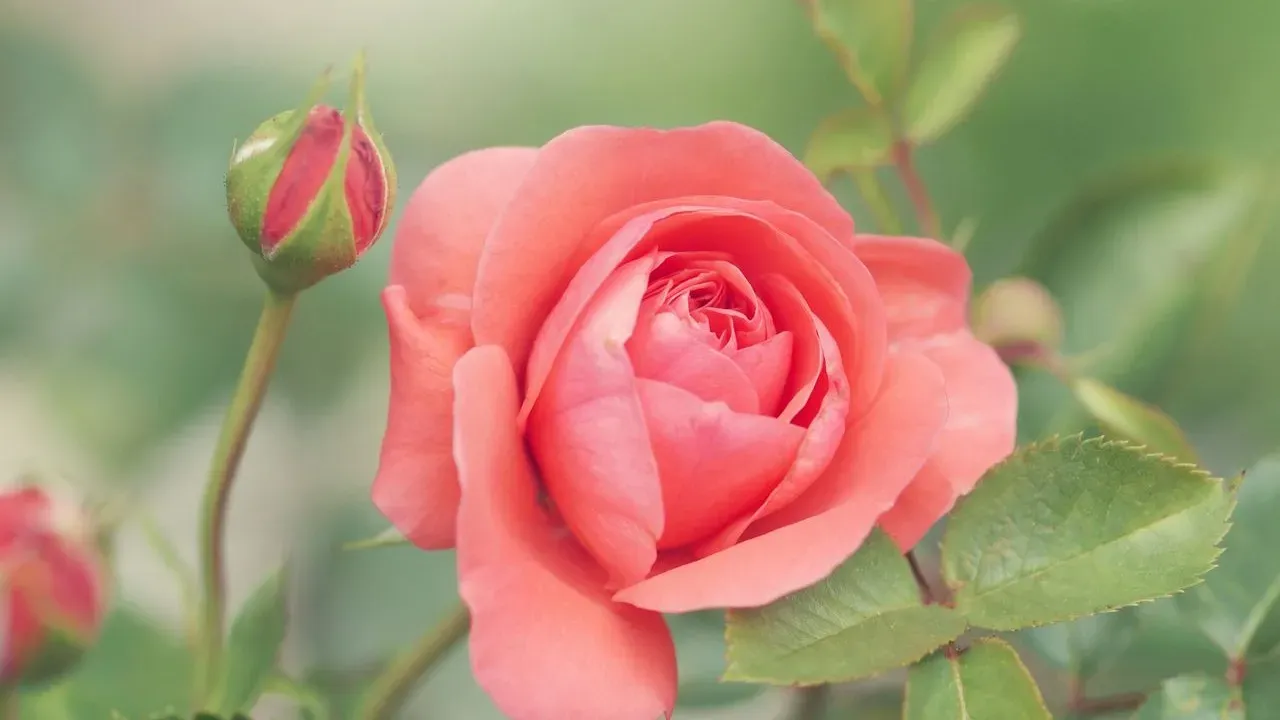

A gardener recently made the difficult decision to remove a rose that had outperformed every other plant in her collection. The move came despite the plant’s striking appearance and strong growth, highlighting a practical tension that many face when balancing visual appeal against year-round garden function. The choice reflects broader considerations about space, timing, and how a garden performs across seasons rather than in isolated moments of peak display. ([1])
The Limits of Short Bloom Windows
The rose in question, a David Austin variety known as Lady of Shalott, delivered impressive flowers but only for a limited period each year. In a garden that receives regular attention during quieter months, that narrow window of activity left too much of the prominent space underutilized. The decision to remove it was driven by the need to maintain consistent interest and activity throughout the growing season, not by any failure in the plant’s quality.
Replacement plans focused on a mix of mid- and late-season perennials chosen for easier maintenance and extended presence. This shift prioritizes plants that contribute reliably over longer stretches, even if individual blooms lack the same dramatic impact. The change illustrates how garden design often requires trade-offs between momentary spectacle and sustained performance.
Plants That Serve Multiple Roles
Not every late starter faces removal. A tall hardy hibiscus remains in place because it functions effectively as a structural background element during earlier months before its own flowers appear in September. Its bushy form supports the overall composition even when it is not the main attraction, showing that utility can outweigh immediate color in certain positions.
Long-blooming options such as Rudbeckia varieties, both taller and shorter forms, earn their keep through extended flowering and visible pollinator activity. While they may not match the rose in complexity or subtlety, their reliability across weeks provides a steadier contribution to the garden’s overall rhythm. The gardener noted sufficient pollinator support already exists on site, reducing pressure to add more of any single type.
Site Conditions and Plant Suitability
Another favored David Austin rose, Abraham Darby, simply failed to persist. After cutting back dead growth, the remaining base now offers structural support for neighboring plants that have filled the space. The outcome was attributed to insufficient sunlight rather than any inherent shortcoming of the cultivar, and the gardener emphasized that many others in the same region succeed with similar roses under better light conditions.
This experience led to a clear conclusion about matching plants to available resources. Landscape roses or other free-blooming alternatives were ruled out in favor of selections better aligned with the site’s realities. The episode underscores that even well-regarded plants can underperform when basic environmental needs are not fully met.
Timing Decisions for the Season Ahead
Fall provides a natural window for evaluating these kinds of changes and preparing revised plantings. By acting now, the gardener can establish new perennials that will shape the garden’s appearance in coming months without waiting for another abbreviated display. The process reflects a measured approach to garden management that weighs long-term function against short-term visual rewards.
Such adjustments are common among gardeners who view their spaces as evolving systems rather than static collections. The removal of a high-performing yet seasonally limited rose serves as a reminder that sustained garden success often depends on alignment between plant behavior and the specific demands of the site and its observers.
AI Disclaimer: This article was created with the assistance of AI tools and reviewed by a human editor.