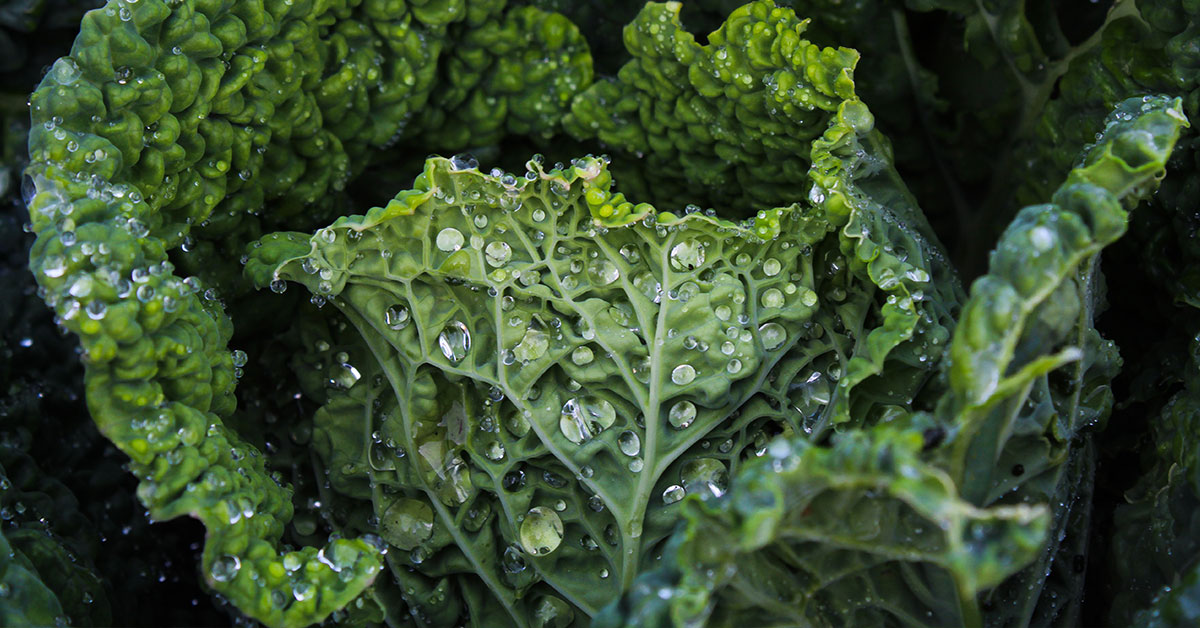

Harvesting kale is a simple and rewarding process that can be done at any time of the year. Kale is a versatile vegetable that can be harvested in the spring, summer, and autumn. Depending on the variety, kale can be eaten raw or cooked. In order to get the most out of your kale crop, it is important to understand when and how to harvest it. This article will provide an overview of when and how to harvest kale. Allowing you to enjoy the freshest kale around.
Why Do People Grow Kale?
Kale is an increasingly popular crop for home gardeners and farmers alike. Due to its versatility, health benefits, and ease of growth. It is a hardy, cool-season crop that is often planted in the early spring or late fall and can thrive in most climates. Additionally, kale is packed with vitamins and minerals and has been linked to numerous health benefits. Including improved blood sugar levels, reduced cholesterol, and increased antioxidant capacity.
It is a low-maintenance crop that requires minimal pest and disease control. Making it an ideal choice for gardeners who don’t want to spend a lot of time tending to their gardens. Kale has a unique flavor and texture, making it a versatile ingredient that can be used in salads, soups, and other dishes. With its numerous health benefits and ease of growth, it’s no surprise that kale is becoming a popular crop for home gardeners and farmers alike.
When To Harvest Kale
Harvesting kale is best done when the leaves are at their peak. This is usually just before the plant starts to flower. In the early stages of growth, kale leaves should be harvested as soon as they reach a desirable size. Which is usually at least four inches in length. Later in the season, when the plant is more mature, leaves can be harvested all at once. If you wish to keep their freshness, harvest over several weeks as needed. It is important to harvest kale before it reaches its peak maturity. This is due to the kale leaves becoming tough and bitter once they start to flower. When harvesting, be sure to leave some of the smaller leaves on the plant. As they will continue to grow and provide additional harvest later in the season.
How To Harvest Kale
Harvesting kale is fairly easy and can be done throughout the growing season. The best time to harvest is when the leaves are young, as this is when they are the most tender and flavorful. To harvest, cut off the leaves at the base of the plant, leaving the main stem intact. You can also cut the entire plant at the base if you want to harvest the entire plant. Make sure to remove any yellowing or damaged leaves, as this can negatively affect the taste and texture of the kale. If you’re harvesting late in the season, you may want to cut off the flowering stalks to help the plant focus its energy on producing more edible leaves.
Storing freshly harvested kale is easy and will help keep it fresh for up to five days. First, clean the leaves with cool water, then spin or pat them dry. Next, wrap the leaves loosely in a damp paper towel, place them in a plastic bag, and store them in the fridge. To make the leaves last even longer, you can blanch them before storing them. To blanch, bring a pot of water to a rolling boil, add the kale, and cook for two minutes. Remove the kale and place it in an ice bath to stop the cooking process. Once cooled, drain the kale and store.
Monitoring For Pests And Diseases
Identifying pests and diseases that harm freshly harvested kale can be done by closely examining the leaves of the plant. Look for discolorations, holes, and wilting. Common pests that attack kale include aphids, cabbage loopers, flea beetles, and spider mites. While common diseases include bacterial leaf spots, downy mildew, and clubroot. In addition to visual inspection, you can also take samples of the affected kale and send them to your local extension office for further examination and identification. Having the proper identification is the first step in treating and controlling pests and diseases in your kale crops.
Harvested kale is subject to pests and diseases that can cause spoilage and damage. To prevent or remedy these issues, inspect the kale prior to harvest and afterward, looking for signs of damage, discoloration, or pests. When signs of pests or disease are present, it is important to remove and discard the affected leaves. To prevent pests and diseases from spreading, it is important to practice proper crop rotation and avoid planting kale in the same area year after year. Appropriate fertilization and irrigation can also help to prevent pest and disease issues. Finally, it is important to monitor the kale regularly to ensure any pests or diseases are caught early and treated promptly.