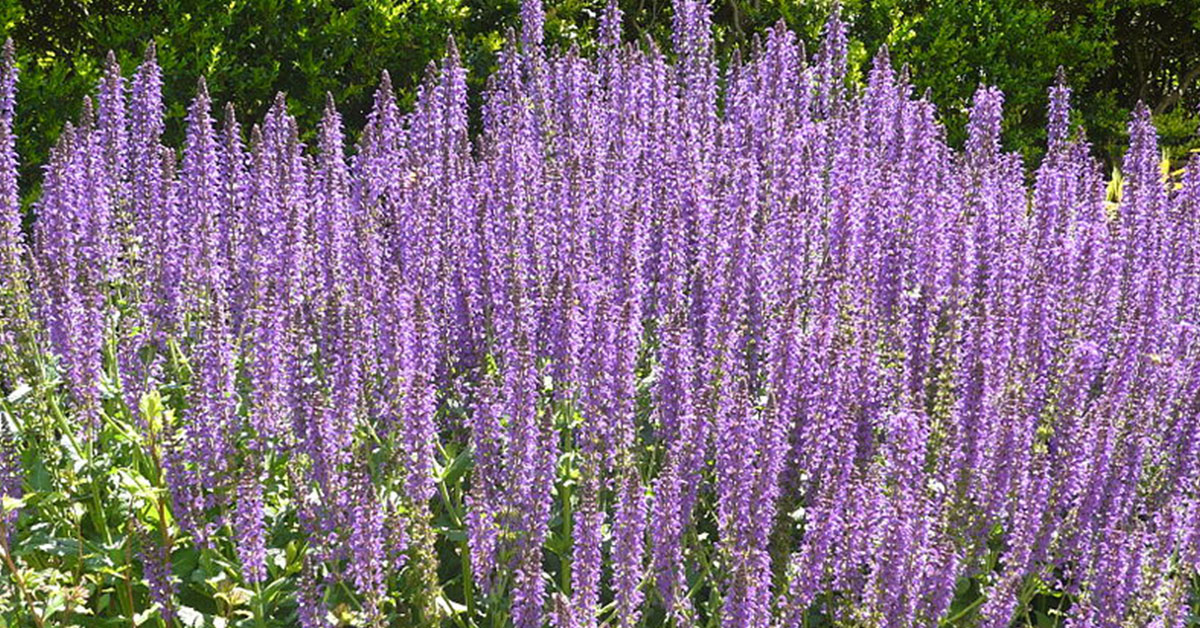

Welcome to the world of salvia gardening, where vibrant colors and delightful scents fill your outdoor space. Salvia, also known as sage, is a popular perennial plant that blooms profusely throughout the summer months, attracting pollinators and adding a touch of elegance to any garden. To ensure continuous blooming and maintain the plant’s overall health, deadheading becomes an essential practice. In this article, we will delve into the art of how to deadhead salvia, exploring the benefits, techniques, and timing required to keep your salvia plants looking their best.
Whether you are a seasoned gardener or a beginner, this guide will equip you with the knowledge and skills to enhance the beauty of your salvia garden and enjoy its splendor throughout the growing season.
Should you deadhead salvia?
Salvia, also known as sage, is a popular flowering plant that adds beauty and color to gardens. Deadheading, the process of removing spent flowers, is a common practice in plant care. When it comes to salvia, deadheading can be beneficial, but it is not always necessary. Here are some factors to consider when deciding whether or not to deadhead salvia:
- Aesthetics: Deadheading salvia can improve its appearance by removing faded or wilted flowers. This promotes a neat and tidy look in your garden and encourages the plant to produce new blooms.
- Extended blooming period: Deadheading salvia can stimulate the plant to produce more flowers. By removing spent blooms, you redirect the plant’s energy from seed production to new flower production. This can result in a longer blooming period, allowing you to enjoy the vibrant colors of salvia for an extended time.
- Self-seeding: Salvia plants are known to self-seed, meaning they drop seeds that can germinate and grow new plants. If you want to prevent self-seeding or control the spread of salvia in your garden, deadheading is essential. By removing the spent flowers before they produce seeds, you can prevent unwanted seedlings from popping up in your garden.
- Wildlife attraction: Salvia flowers are highly attractive to pollinators, such as bees and butterflies. If you want to support these beneficial insects and encourage biodiversity in your garden, you may choose to leave the spent flowers on the plant. The seed heads can provide food for birds during the winter months.
- Plant size and maintenance: Deadheading salvia can help control the size and shape of the plant. Some varieties of salvia tend to become leggy or overgrown if not pruned regularly. By removing spent flowers, you can prevent the plant from becoming too tall or sprawling.
In conclusion, deadheading salvia is not mandatory, but it can have several benefits. If you prioritize aesthetics, extended blooming, and preventing self-seeding, deadheading is recommended. However, if you want to attract pollinators or prefer a more natural look in your garden, leaving the spent flowers can be a good option. Ultimately, the decision to deadhead salvia depends on your personal preferences and the specific goals you have for your garden.
When to deadhead salvia?
Deadheading salvia is an important practice to maintain the health and appearance of the plant. Deadheading refers to the removal of spent flowers or seed heads. By doing so, you encourage the plant to redirect its energy towards producing new blooms, rather than setting seeds. The best timing to deadhead salvia depends on the specific variety and the climate in which it is grown. However, there are some general guidelines to follow:
- Regular Deadheading: For most salvia varieties, it is recommended to deadhead regularly throughout the blooming season. This means removing faded flowers as soon as they start to decline. Regular deadheading helps promote continuous blooming and prevents the plant from self-seeding excessively.
- Timing: Deadheading should be done when at least 50-75% of the flowers on a stem have faded. This ensures that you are not removing flowers prematurely, as some varieties may have a longer blooming period.
- Frequency: Depending on the growth rate and flowering habit of the specific salvia variety, you may need to deadhead every few days or once a week. Regular monitoring of the plant will help you determine when it’s time to deadhead.
- Tools: Deadheading can be done by pinching off the faded flowers with your fingers or using small pruning shears or scissors. Make sure to sanitize your tools before and after use to prevent the spread of diseases.
- Late Season Deadheading: Towards the end of the blooming season, you can allow some of the flowers to remain on the plant. This will allow the plant to set seeds, which can be collected for propagation or left for birds and wildlife to enjoy.
Remember, deadheading is not mandatory for all salvia varieties, as some are self-cleaning and do not require regular removal of faded flowers. It is always a good idea to research the specific variety you are growing to understand its deadheading requirements.
How to deadhead salvia
Deadheading salvia is an essential task to maintain the health and appearance of the plant. Deadheading refers to the removal of spent flowers or flower stalks. By doing this, you encourage the plant to produce more blooms, prevent self-seeding, and maintain a neat and tidy appearance. Here is a step-by-step guide on how to deadhead salvia:
- Timing: The best time to deadhead salvia is when the flowers have faded and started to wilt. It’s important to wait until the flowers have fully bloomed and begun to decline before deadheading. This allows the plant to complete its natural reproductive cycle.
- Tools: Gather a pair of clean, sharp pruning shears or scissors. It’s important to use clean tools to prevent the spread of diseases or infections.
- Identify spent flowers: Look for flowers that have lost their vibrant color and have started to wither or turn brown. These are the flowers that need to be deadheaded.
- Positioning: Locate the base of the flower stalk or stem where it meets the main stem of the plant. This is the point where you will make your cut.
- Cut at the right spot: Position your pruning shears or scissors just above a set of healthy leaves or a leaf node. Make a clean, angled cut about ¼ inch above the node. This ensures that the cut is neat and minimizes the risk of damaging the plant.
- Dispose of the spent flowers: Collect the removed flower stalks and dispose of them in a compost bin or green waste bin. This prevents any potential diseases or pests from spreading.
- Repeat the process: Continue deadheading any remaining spent flowers throughout the blooming season. Regular deadheading will encourage the plant to produce more flowers and prolong the blooming period.
- Maintenance: After deadheading, it’s important to provide proper care to your salvia plants. This includes regular watering, fertilizing, and monitoring for any signs of pests or diseases. Prune the plant in early spring to remove any dead or damaged growth and promote healthy new growth.
By following these steps, you can effectively deadhead your salvia plants and keep them blooming beautifully throughout the season. Remember to always observe the specific needs of your salvia variety, as some may have slightly different deadheading requirements.
Care guide after you deadhead salvia
After deadheading salvia, it is important to follow these detailed care guidelines:
- Timing: Deadheading should be done immediately after the flowers have faded and started to wither. This is usually during late summer or early fall.
- Tools: Use a pair of clean, sharp pruning shears or scissors to remove the spent flowers. Make sure to disinfect the tools before and after use to prevent the spread of diseases.
- Technique: Locate the spent flower stem just above a set of healthy leaves or a lateral bud. Cut the stem at a 45-degree angle, making a clean and precise cut. Avoid cutting too close to the leaves or buds to prevent damage.
- Removal: Collect the deadheaded flowers and dispose of them properly. Do not leave them on the ground as they can attract pests or diseases.
- Watering: After deadheading, water the salvia plant thoroughly to provide it with the necessary moisture. This helps in promoting new growth and overall plant health.
- Fertilization: Apply a balanced, slow-release fertilizer around the base of the plant after deadheading. This will provide the necessary nutrients for the plant to recover and produce new blooms.
- Mulching: Consider adding a layer of organic mulch around the base of the plant to conserve moisture, suppress weed growth, and regulate soil temperature. This will also improve the overall appearance of the garden.
- Maintenance: Regularly monitor the plant for any signs of pests or diseases. Remove any damaged or diseased foliage promptly to prevent the spread of infections.
- Pruning: If the salvia plant becomes leggy or overgrown, you can perform a more extensive pruning in early spring. Cut back the plant to about one-third of its height to encourage bushier growth and more abundant blooms.
- Continued Care: Continue to provide the salvia plant with adequate sunlight, water, and regular fertilization throughout the growing season. Monitor for any signs of stress or nutrient deficiencies and address them promptly.
By following these care guidelines, your salvia plant will have the best chance of recovering from deadheading and producing new healthy blooms.