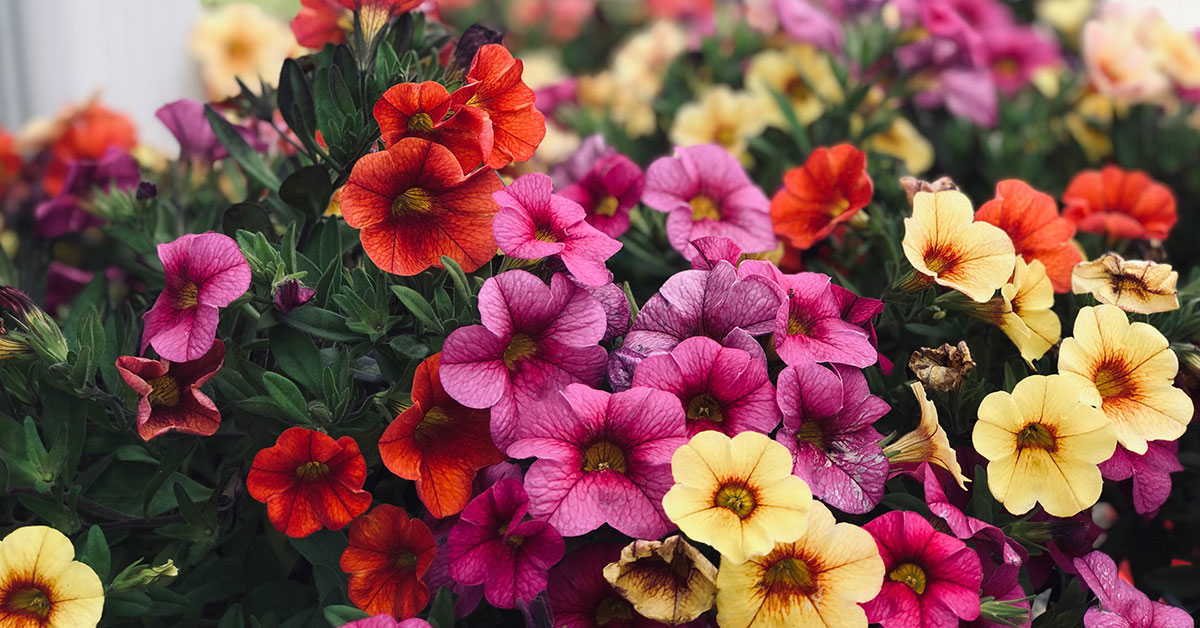

Welcome to the world of petunias, where vibrant colors and delicate blooms take center stage in any garden or container. Petunias are a popular choice for both novice and experienced gardeners due to their versatility, low maintenance, and ability to thrive in various climates. In this article, we will delve into the art of how to deadhead petunias, exploring the why, when, and how of this practice, enabling you to maximize the beauty and longevity of your petunia displays.
Whether you are a seasoned gardener or just starting your green thumb journey, this guide will equip you with the knowledge and skills to keep your petunias looking their best throughout the growing season.
Should you deadhead petunias?
Deadheading petunias is highly recommended for several reasons. Deadheading refers to the process of removing spent or faded flowers from the plant. Here’s a detailed explanation of why deadheading petunias is beneficial:
- Prolonged blooming: Petunias are known for their vibrant and abundant flowers. Deadheading helps to encourage continuous blooming throughout the growing season. By removing the faded flowers, you prevent the plant from diverting energy into seed production. Instead, it directs its resources towards producing new blooms, resulting in a longer flowering period.
- Enhanced appearance: Regular deadheading keeps petunias looking neat and tidy. As the flowers fade, they often become discolored or wilted, which can detract from the overall beauty of the plant. Removing these spent flowers improves the plant’s aesthetic appeal and ensures that it remains visually appealing.
- Preventing seed formation: If petunias are left to produce seeds, the plant’s energy is redirected towards seed development rather than flower production. This can lead to a decline in blooming and overall vigor. By deadheading, you prevent the formation of seeds, allowing the plant to focus on producing more flowers.
- Disease prevention: Faded flowers can become a breeding ground for pests and diseases. By removing them promptly, you reduce the risk of fungal diseases, such as botrytis blight, which can spread from decaying flowers to healthy parts of the plant. Deadheading also improves air circulation around the plant, reducing the chances of fungal infections.
- Seed collection: If you are interested in saving seeds from your petunias, deadheading is still recommended. By removing the spent flowers, you can control the pollination process and ensure that the seeds are collected from specific varieties. This allows you to maintain the desired characteristics of your petunias for future plantings.
When deadheading petunias, it’s important to follow these guidelines:
- Use clean, sharp pruners or scissors to make clean cuts just above a set of healthy leaves or buds. Avoid tearing or damaging the plant while removing the faded flowers.
- Deadhead regularly, ideally every few days or as soon as the flowers start to fade. This ensures that the plant remains tidy and encourages continuous blooming.
- If your petunias have become leggy or overgrown, you can also trim them back by one-third to promote bushier growth and more flowers.
In summary, deadheading petunias is highly beneficial for prolonging blooming, enhancing appearance, preventing seed formation, reducing disease risks, and even for seed collection. Regular deadheading will keep your petunias healthy, vibrant, and blooming throughout the growing season.
When to deadhead petunias?
Deadheading petunias is an essential task to keep them blooming vigorously throughout the growing season. Deadheading refers to the removal of spent flowers or flower heads. By doing so, you encourage the plant to redirect its energy towards producing new blooms rather than setting seeds. Here are some guidelines for the best timing to deadhead petunias:
- Regular Deadheading: Petunias benefit from regular deadheading, which means removing faded or wilted flowers on an ongoing basis. This helps maintain a neat and tidy appearance and promotes continuous blooming. Check your petunias every few days and remove any spent flowers you come across.
- Pinching Back: In addition to regular deadheading, it is also beneficial to pinch back the petunia plants occasionally. Pinching back involves removing the tips of the stems, including the spent flowers and a few inches of the stem below. This practice encourages branching and stimulates the growth of new flower buds.
- Timing: The best time to deadhead petunias is when the flowers have started to fade or wilt. It is important to catch them before they have a chance to develop seeds. Once a petunia flower has gone to seed, the plant’s energy is diverted towards seed production, and blooming may slow down.
- Weather Considerations: If you live in a hot climate, it is advisable to deadhead petunias early in the morning or late in the evening when temperatures are cooler. This minimizes stress on the plants and reduces the risk of wilting. Avoid deadheading during the hottest part of the day when the plants are under the most stress.
- Tools and Techniques: Deadheading petunias can be done by hand, simply by pinching off the faded flowers between your thumb and forefinger. Alternatively, you can use a pair of clean, sharp pruners or scissors to snip off the spent blooms. Make sure to disinfect your tools before and after use to prevent the spread of diseases.
Remember, deadheading petunias is an ongoing task throughout the growing season. By removing spent flowers regularly, you will encourage your petunias to produce more blooms, resulting in a longer and more vibrant display of color in your garden.
How to deadhead petunias
Deadheading petunias is an essential task to keep the plants blooming and looking their best. Here’s a step-by-step guide on how to deadhead petunias:
- Timing: Start deadheading petunias once they start to fade or wilt. Regular deadheading throughout the growing season will encourage continuous blooming.
- Tools: Gather a pair of clean, sharp pruning shears or scissors. Make sure they are sanitized to prevent the spread of diseases.
- Identify spent flowers: Look for flowers that have faded, wilted, or lost their vibrant color. These are the ones you need to remove.
- Pinch or cut: There are two methods you can use to deadhead petunias. The first method is pinching. Using your thumb and forefinger, pinch the stem just below the faded flower and gently twist it off. This method is suitable for small petunia varieties or when you have a large number of plants to deadhead. The second method is cutting. With pruning shears or scissors, cut the stem just above the first set of healthy leaves or leaf node. This method is more suitable for larger petunia varieties or when you want a neater appearance.
- Remove seed pods: After deadheading, check for any seed pods that may have formed. These are small, green, or brown structures at the base of the flower. Removing them will prevent the plant from putting energy into seed production and encourage more flower production.
- Dispose of the dead flowers: Collect the dead flowers and any debris from the deadheading process. Dispose of them in a compost bin or trash, away from the garden area to prevent the spread of diseases or pests.
- Water and fertilize: After deadheading, give your petunias a thorough watering to help them recover from the stress of flower removal. Additionally, consider applying a balanced, water-soluble fertilizer according to the manufacturer’s instructions to provide the plants with the necessary nutrients for healthy growth and blooming.
- Repeat: Deadheading is not a one-time task. It needs to be done regularly throughout the growing season to keep the petunias blooming. Aim to deadhead every 7-10 days or as soon as you notice faded flowers.
By following these steps, you can keep your petunias looking vibrant and encourage continuous blooming throughout the season.
Aftercare
After deadheading petunias, it is important to follow a few care guidelines to ensure the health and continued blooming of the plants. Here are the detailed steps:
- Remove spent flowers: Deadheading involves removing the faded or wilted flowers from the petunia plant. Pinch or cut off the flower stem just above the first set of healthy leaves or the nearest leaf node.
- Clean your tools: Before moving on to the next plant, make sure to clean your pruning shears or scissors with rubbing alcohol or a bleach solution. This helps prevent the spread of diseases between plants.
- Watering: Give the petunias a thorough watering after deadheading. This helps to replenish moisture lost during the process and ensures the roots receive enough water. Water the plants at the base, avoiding wetting the foliage to prevent diseases.
- Fertilization: Apply a balanced, water-soluble fertilizer to the petunias every two to three weeks during the growing season. This provides the necessary nutrients for healthy growth and continuous blooming. Follow the instructions on the fertilizer package for proper dilution and application.
- Pruning: Regularly trim back the petunia plants to maintain their shape and encourage bushier growth. Pinch back the tips of the stems by about 1/3 to promote branching. This will result in more flowers and a fuller appearance.
- Sunlight and temperature: Petunias thrive in full sun, so make sure they receive at least 6-8 hours of direct sunlight each day. They also prefer moderate temperatures, around 65-75°F (18-24°C). Protect them from extreme heat or cold, as it can affect their growth and flowering.
- Pest and disease control: Monitor the petunias for any signs of pests or diseases. Common issues include aphids, spider mites, and fungal diseases like powdery mildew. Treat any problems promptly using organic or chemical controls, depending on your preference.
- Mulching: Apply a layer of organic mulch around the base of the petunias to help conserve moisture, suppress weeds, and regulate soil temperature. Avoid piling the mulch against the stems to prevent rotting.
- Regular maintenance: Regularly inspect the plants for any signs of stress, nutrient deficiencies, or other issues. Remove any yellowing or damaged leaves promptly to maintain plant health.
By following these care guidelines after deadheading petunias, you can ensure their continued growth, blooming, and overall health throughout the growing season.