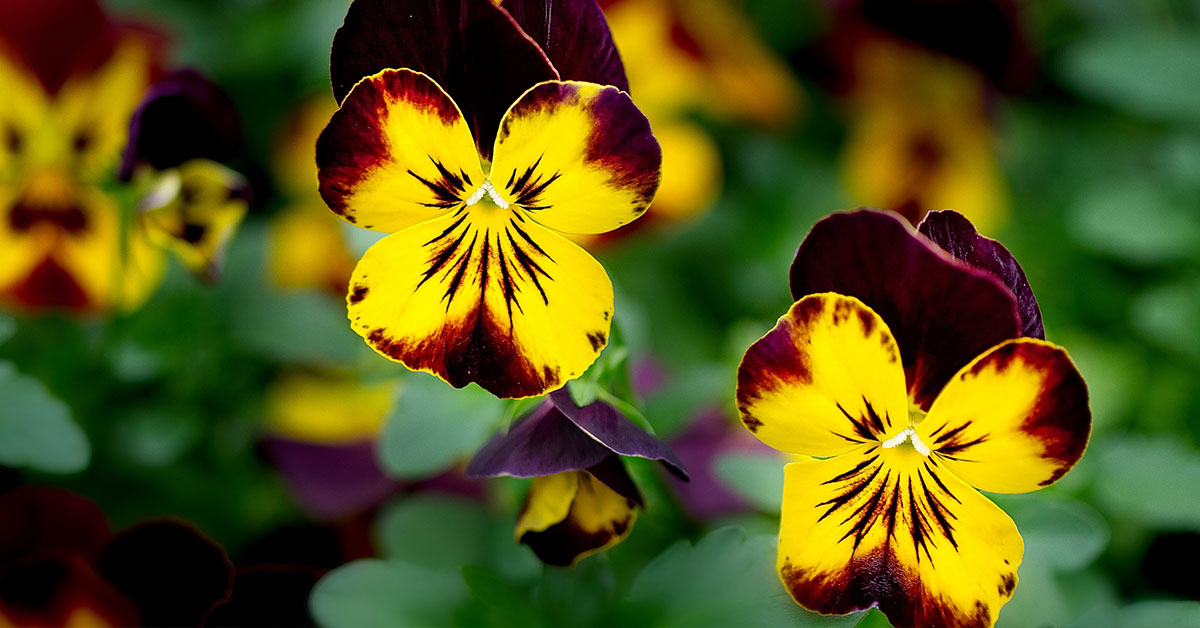

Pansies, with their vibrant colors and delicate blooms, are a popular choice for adding a splash of beauty to any garden or container. However, to ensure that these lovely flowers continue to thrive and produce abundant blooms throughout the growing season, it is essential to practice proper deadheading techniques. In this article, we will delve into the art of how to deadhead pansies, discussing the benefits, the best time to deadhead, and the step-by-step process to ensure your pansies remain healthy and blooming all season long.
Whether you are a seasoned gardener or a beginner, this comprehensive guide will equip you with the knowledge and skills needed to keep your pansies looking their best and thriving in your garden.
Should you deadhead pansies?
Deadheading pansies is a common practice that can help promote healthier and more abundant blooms. Deadheading refers to the removal of spent flowers or faded blooms from a plant. While it is not necessary to deadhead pansies, it can be beneficial for several reasons.
- Prolonged blooming: Deadheading pansies can encourage them to produce more flowers and extend their blooming period. By removing the spent blooms, you prevent the plant from diverting energy into seed production. Instead, the plant can focus on producing new flowers, resulting in a longer display of vibrant colors in your garden.
- Neat and tidy appearance: Regularly removing faded flowers keeps your pansy plants looking neat and tidy. As pansies age, their flowers can become discolored, wilted, or develop a mushy appearance. Deadheading prevents these unsightly blooms from detracting from the overall beauty of the plant.
- Preventing self-seeding: Pansies are known to self-seed, meaning they can drop their seeds and produce new plants in the same area. While this can be desirable in some cases, it can also lead to overcrowding and competition for resources. Deadheading prevents the formation of seeds, reducing the chances of self-seeding and allowing you to have more control over the plant’s growth.
Now, let’s discuss the process of deadheading pansies:
- Timing: Deadheading is best done when the flowers have started to fade or wilt. It is important to wait until the petals have lost their vibrant color but are still intact. This ensures that you are not removing flowers prematurely.
- Technique: To deadhead pansies, locate the faded flower just above the first set of healthy leaves or buds. Using a pair of sharp, clean pruners or scissors, make a clean cut just above the leaf or bud. Avoid cutting too close to the leaves or buds, as this can cause damage to the plant.
- Frequency: Deadheading should be done regularly throughout the blooming season, typically every 7-10 days or as needed. This allows you to remove spent flowers before they have a chance to develop seeds and redirect the plant’s energy towards new blooms.
- Maintenance: After deadheading, it is important to provide proper care to your pansies. This includes regular watering, fertilizing, and ensuring they receive adequate sunlight. By providing optimal growing conditions, you can maximize the benefits of deadheading and promote healthy growth.
In conclusion, while deadheading pansies is not necessary, it can be advantageous for prolonging blooming, maintaining a tidy appearance, and preventing self-seeding. By following the proper techniques and timing, you can enjoy a more vibrant and abundant display of pansy flowers in your garden.
When to deadhead pansies?
Deadheading pansies is an essential task to keep them blooming and looking their best throughout the growing season. Deadheading refers to the removal of spent flowers or flower heads. By doing this, you encourage the plant to redirect its energy into producing more flowers rather than setting seeds. Here are some guidelines for deadheading pansies:
- Regular Deadheading: Pansies should be deadheaded regularly, especially during the peak blooming period. This helps to maintain a neat appearance and prolong the flowering season. Aim to deadhead every 1-2 weeks or as needed.
- Timing: Deadheading can be done anytime during the growing season, from spring until the first hard frost. However, the best time to deadhead pansies is when the flowers start to fade and wilt. It’s important to remove the spent flowers before they have a chance to set seeds.
- Method: To deadhead pansies, simply pinch or snip off the faded flower heads just above a set of healthy leaves or buds. You can use your fingers or a pair of clean, sharp scissors or pruners. Make sure to sanitize your tools before and after use to prevent the spread of diseases.
- Removing Seed Pods: In addition to deadheading the flowers, it’s also a good idea to remove any seed pods that may have formed. Pansies can self-seed and become weedy if left to their own devices. By removing the seed pods, you prevent self-seeding and encourage the plant to put its energy into producing more flowers.
- Fertilization and Watering: After deadheading, it’s beneficial to fertilize pansies with a balanced, water-soluble fertilizer to provide them with the nutrients they need for continued growth and blooming. Additionally, make sure to water pansies regularly, especially during dry periods, to keep them healthy and hydrated.
Remember, deadheading pansies not only improves their appearance but also promotes continuous blooming. By following these guidelines, you can enjoy a longer and more vibrant display of pansy flowers in your garden.
How to deadhead pansies
Deadheading pansies is an essential task to keep these beautiful flowers blooming throughout the season. Here is a step-by-step guide on how to deadhead pansies:
- Timing: The best time to deadhead pansies is when the flowers start to fade or wilt. Regular deadheading will encourage the plant to produce more blooms and extend the flowering period.
- Gather your tools: You will need a pair of clean, sharp pruning shears or scissors. It’s important to use clean tools to prevent the spread of diseases.
- Identify spent flowers: Look for flowers that have lost their vibrant color, are wilting, or have started to form seed pods. These are the flowers that need to be removed.
- Positioning: Hold the stem of the spent flower gently with one hand, and with the other hand, position your pruning shears or scissors just above the first set of healthy leaves or buds.
- Cut the stem: Make a clean, angled cut just above the set of leaves or buds. This will encourage new growth and prevent any unsightly stubs.
- Dispose of the spent flowers: Collect the removed flowers and discard them in a compost bin or trash bag. This will help prevent the spread of diseases and pests.
- Repeat the process: Continue deadheading pansies regularly, ideally every few days or whenever you notice spent flowers. This will keep the plant looking tidy and promote continuous blooming.
- Water and fertilize: After deadheading, give your pansies a thorough watering to ensure they stay hydrated. Additionally, apply a balanced, water-soluble fertilizer according to the package instructions to provide the necessary nutrients for healthy growth and blooming.
- Monitor for pests and diseases: While deadheading, keep an eye out for any signs of pests or diseases, such as aphids, powdery mildew, or leaf spot. If you notice any issues, take appropriate measures to control them, such as using organic insecticides or fungicides.
- Mulch and weed: Apply a layer of organic mulch around the base of your pansies to help retain moisture, suppress weeds, and regulate soil temperature. Regularly remove any weeds that may compete with your pansies for nutrients and water.
By following these steps, you can ensure that your pansies remain healthy, vibrant, and in continuous bloom throughout the growing season.
Aftercare
After deadheading pansies, it’s important to follow these care guidelines to ensure their continued health and blooming:
- Remove spent flowers: Deadheading involves removing the faded or wilted flowers from the plant. This encourages the production of new blooms and prevents the plant from putting energy into seed production.
- Regular watering: Pansies prefer consistently moist soil, so water them regularly. Avoid overwatering, as it can lead to root rot. Water at the base of the plant to keep the foliage dry and prevent diseases.
- Fertilize: Pansies benefit from regular fertilization to promote healthy growth and blooming. Use a balanced, water-soluble fertilizer every two to three weeks, following the package instructions for application rates.
- Mulch: Apply a layer of organic mulch around the base of the plants to help retain moisture, regulate soil temperature, and suppress weed growth. This will also provide some insulation during colder months.
- Sunlight requirements: Pansies thrive in cool weather and prefer full sun to partial shade. Ensure they receive at least 4-6 hours of direct sunlight each day. In warmer regions, they may benefit from some afternoon shade to prevent wilting.
- Pruning: Regularly trim back any leggy or straggly growth to maintain a compact and bushy shape. This will also encourage the development of more flowers.
- Pest and disease control: Keep an eye out for common pests like aphids, slugs, and snails. Use organic pest control methods or insecticidal soap to manage infestations. Also, monitor for signs of diseases such as powdery mildew or leaf spot, and treat accordingly.
- Cold protection: Pansies are generally hardy, but they may need protection during severe cold spells. Cover them with frost blankets or bring potted pansies indoors if temperatures drop below their tolerance level.
- Regular maintenance: Remove any weeds that compete with pansies for nutrients and water. Also, check for any signs of stress or disease regularly to address issues promptly.
By following these care guidelines, you can help your pansies thrive and continue to produce beautiful blooms throughout the growing season.