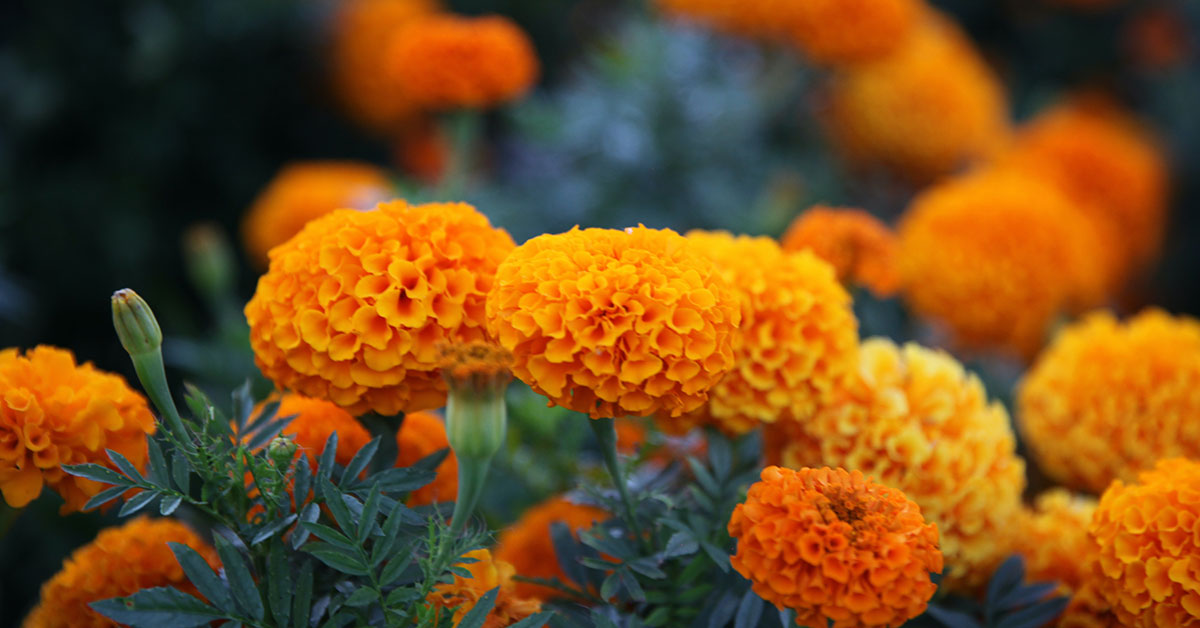

Marigolds, with their vibrant colors and delightful fragrance, are a popular choice for many gardeners looking to add a touch of cheer to their outdoor spaces. To ensure these beautiful flowers continue to bloom profusely throughout the growing season, it is essential to practice proper maintenance techniques, such as deadheading. In this article, we will delve into the art of how to deadhead marigolds, discussing the benefits, tools needed, and step-by-step instructions to help you master this simple yet effective technique.
Whether you are a seasoned gardener or a novice plant enthusiast, learning how to deadhead marigolds will undoubtedly contribute to a more vibrant and flourishing garden.
Should you deadhead marigolds?
Deadheading marigolds is generally recommended for several reasons. Deadheading refers to the removal of spent flowers or flower heads from a plant. Here’s a detailed explanation of why you should deadhead marigolds:
- Prolonged blooming: Marigolds are known for their vibrant and long-lasting blooms. Deadheading helps to promote continuous blooming by preventing the plant from diverting energy into seed production. By removing spent flowers, you encourage the plant to produce new buds and flowers, extending the blooming period throughout the growing season.
- Aesthetics: Deadheading improves the overall appearance of marigold plants. Removing faded or withered flowers keeps the plant looking tidy and attractive. It prevents the plant from appearing unkempt and maintains a neat and well-groomed appearance in your garden or containers.
- Preventing self-seeding: Marigolds are prolific self-seeders, meaning they can produce a large number of seeds that can germinate and grow new plants. Deadheading prevents marigolds from going to seed, reducing the chances of self-seeding and potential overcrowding in your garden. This is particularly important if you want to control the spread of marigolds or maintain a specific design or arrangement.
- Disease prevention: Removing spent flowers helps to prevent the spread of diseases and pests. Fungal diseases, such as powdery mildew, can easily develop on decaying flowers. By deadheading, you eliminate potential breeding grounds for diseases and pests, keeping your marigolds healthier and more resistant to common issues.
- Seed collection: If you are interested in collecting marigold seeds for future planting, deadheading allows you to control the seed production process. By selectively removing spent flowers, you can choose which flowers to allow to develop seeds. This gives you the opportunity to save seeds from the healthiest and most desirable plants, ensuring the quality of future generations.
To deadhead marigolds, simply pinch or cut off the faded flower heads just above a set of healthy leaves or buds. It is best to deadhead regularly, ideally every few days or once a week, to ensure continuous blooming and maintain the plant’s appearance. Overall, deadheading marigolds is a beneficial practice that promotes prolonged blooming, enhances aesthetics, prevents self-seeding, reduces disease risks, and allows for controlled seed collection.
When to deadhead marigolds
The best timing to deadhead marigolds is when the flowers start to fade and wither. Deadheading is the process of removing spent flowers to promote continuous blooming and prevent the plant from going to seed. By removing the faded flowers, you encourage the plant to redirect its energy towards producing new blooms.
For marigolds, it is generally recommended to deadhead them regularly throughout the growing season. As soon as you notice a flower starting to fade or lose its vibrant color, it’s time to deadhead. This can be done by pinching or cutting off the flower stem just above a set of healthy leaves or buds.
Regular deadheading not only keeps the plant looking tidy and attractive, but it also stimulates the production of new buds and extends the flowering period. Marigolds are known for their prolific blooming, and by removing spent flowers, you can enjoy a continuous display of vibrant blooms throughout the summer and into the fall.
Remember to dispose of the deadheaded flowers properly to prevent any potential diseases or pests from spreading. You can either compost them or discard them in the trash.
Overall, deadheading marigolds is a simple and rewarding task that will keep your plants healthy and blooming beautifully.
How to deadhead marigolds
Deadheading marigolds is an essential task to promote continuous blooming and maintain the overall health and appearance of the plants. Here is a detailed, step-by-step guide on how to deadhead marigolds:
- Identify spent flowers: Look for marigold flowers that have started to fade, wilt, or have turned brown. These are the flowers that need to be deadheaded.
- Prepare your tools: Get a pair of clean, sharp pruning shears or scissors. It is important to use clean tools to prevent the spread of diseases or pests.
- Locate the stem: Follow the stem of the spent flower down to where it meets the main stem or a leaf node. The leaf node is the point where a leaf attaches to the stem.
- Position your tool: Hold the stem of the spent flower gently with one hand, and with the other hand, position the pruning shears or scissors just above the leaf node or main stem.
- Cut the stem: Make a clean, angled cut just above the leaf node or main stem. The angle should be around 45 degrees, and the cut should be made about ¼ inch above the node.
- Dispose of the spent flowers: Collect the cut flowers in a container or bag to prevent them from falling on the ground. This will help reduce the risk of diseases and pests.
- Repeat the process: Continue deadheading marigold flowers throughout the blooming season. Regular deadheading encourages the plant to produce more flowers and prevents the formation of seed heads, which can divert energy away from blooming.
- Monitor for new growth: After deadheading, keep an eye on the plant for new growth and the development of new flower buds. Regular deadheading will help maintain a neat and tidy appearance and encourage the plant to produce more blooms.
- Water and fertilize: After deadheading, provide adequate water to the marigold plants, especially during dry periods. Additionally, fertilize the plants regularly with a balanced, water-soluble fertilizer to promote healthy growth and continuous blooming.
By following these steps, you can effectively deadhead marigolds and enjoy a longer blooming period with vibrant, healthy flowers.
Aftercare
After deadheading marigolds, it is important to follow a few care guidelines to ensure the health and continuous blooming of the plant. Here are the detailed steps to follow:
- Deadheading: Deadheading refers to the removal of spent flowers. Pinch or cut off the faded or wilted flowers just above a set of healthy leaves or buds. This process encourages the plant to produce more blooms.
- Watering: Marigolds prefer moderate watering. Water the plants deeply, allowing the soil to dry out slightly between waterings. Avoid overwatering, as it can lead to root rot and other diseases.
- Fertilization: Marigolds are relatively low-maintenance plants, but they benefit from occasional fertilization. Apply a balanced, water-soluble fertilizer every four to six weeks during the growing season. Follow the instructions on the fertilizer packaging for the correct dosage.
- Mulching: Apply a layer of organic mulch around the base of the marigold plants. Mulching helps retain moisture, suppresses weed growth, and regulates soil temperature. Use materials like straw, wood chips, or compost, and keep the mulch a few inches away from the plant stems to prevent rotting.
- Sunlight: Marigolds thrive in full sun, so ensure they receive at least six hours of direct sunlight each day. Insufficient sunlight can result in weak growth and reduced flowering.
- Pruning: Apart from deadheading, occasional pruning can help maintain the shape and health of marigold plants. If the plants become leggy or overgrown, trim back the stems by one-third to encourage bushier growth.
- Pest and disease control: Marigolds are generally resistant to pests and diseases. However, keep an eye out for common issues like aphids, spider mites, and powdery mildew. If necessary, use organic insecticides or fungicides to control infestations or diseases.
- Winter care: In colder climates, marigolds are typically grown as annuals. If you want to save seeds for the next season, allow some flowers to mature and dry on the plant. Once the plant dies back after the first frost, remove the dead foliage and cover the area with a layer of mulch to protect the soil during winter.
By following these care guidelines, your marigolds should continue to bloom beautifully throughout the growing season.