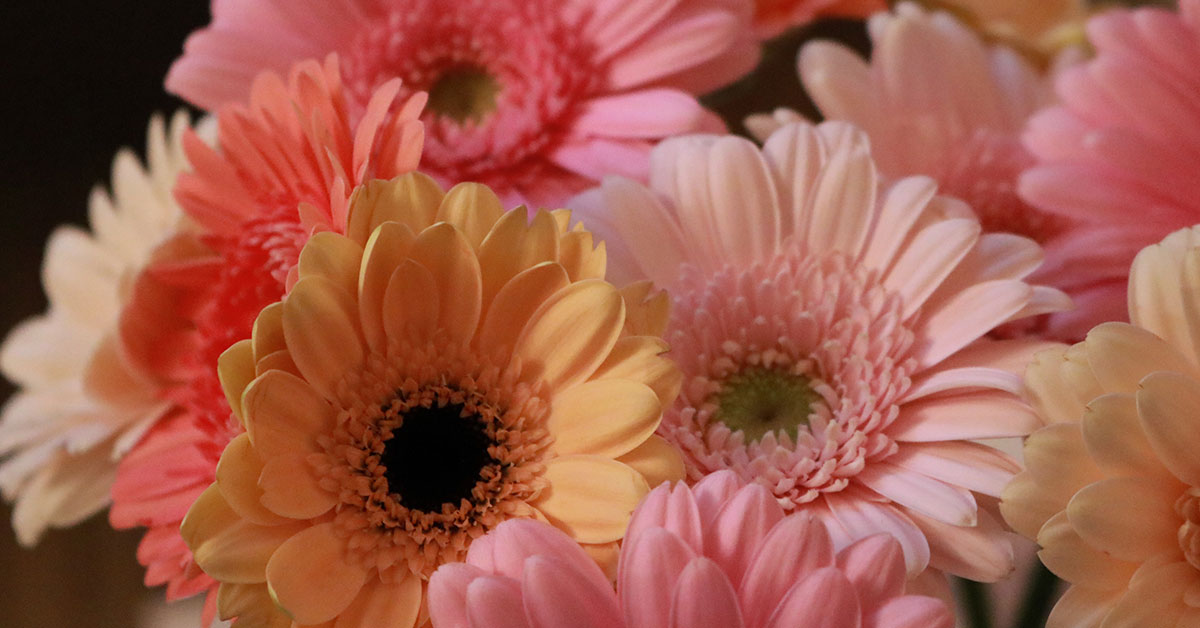

Welcome to our comprehensive guide on deadheading gerbera daisies! If you’re a plant enthusiast or a gardening enthusiast, you probably know that deadheading is a crucial practice to keep your flowers blooming beautifully. In this article, we will delve into the reasons why you should deadhead gerbera daisies, the best techniques to employ, and some additional tips to ensure your gerbera daisies thrive and dazzle in your garden. So, let’s get started and learn how to give your gerbera daisies the care they deserve!
Should you deadhead gerbera daisies?
Deadheading gerbera daisies is generally recommended for several reasons. Deadheading refers to the removal of spent flowers or flower heads from the plant. Here’s a detailed explanation of why deadheading gerbera daisies can be beneficial:
- Promotes continuous blooming: Gerbera daisies are known for their vibrant and long-lasting blooms. Deadheading helps to encourage the plant to produce more flowers. By removing the faded or spent flowers, you prevent the plant from diverting energy into seed production. Instead, it directs its resources towards producing new flower buds, resulting in a longer blooming period.
- Enhances aesthetic appeal: Gerbera daisies are prized for their beautiful and colorful flowers. However, as the flowers age, they can become discolored, wilted, or develop brown spots. Deadheading helps to maintain the plant’s overall appearance by removing these unsightly flowers. This keeps the plant looking fresh and attractive throughout the growing season.
- Prevents seed formation: Allowing gerbera daisies to go to seed can have some drawbacks. When the plant produces seeds, it can redirect its energy away from producing new flowers. Additionally, the formation of seeds can signal the end of the plant’s blooming cycle. Deadheading prevents seed formation, ensuring that the plant continues to focus on flower production.
- Prevents disease and pests: Leaving spent flowers on the plant can create a breeding ground for pests and diseases. Fungal diseases, such as powdery mildew or botrytis, can easily develop on decaying flowers. Deadheading removes these potential sources of infection, reducing the risk of disease and pests.
It’s worth noting that some gardeners prefer to leave a few spent flowers on the plant to allow for self-seeding. However, this can result in a less controlled and potentially overcrowded garden. If you choose to leave some flowers for self-seeding, be mindful of the plant’s overall health and appearance. In conclusion, deadheading gerbera daisies is generally recommended to promote continuous blooming, enhance aesthetic appeal, prevent seed formation, and reduce the risk of disease and pests. Follow the proper technique to ensure the best results and enjoy a beautiful and healthy gerbera daisy plant.
When to deadhead gerbera daisies?
The best timing to deadhead gerbera daisies is when the flowers start to fade or wilt. Deadheading is the process of removing spent flowers to encourage the plant to produce more blooms and maintain a tidy appearance. It also helps redirect the plant’s energy from seed production to root and foliage growth.
Here are some guidelines for deadheading gerbera daisies:
- Regularly inspect your gerbera daisies: Check your plants every few days to identify flowers that are fading or past their prime. It’s important to catch them early to prevent seed formation.
- Look for signs of fading: Fading flowers will start to lose their vibrant color and petals may become droopy or wilted. This is the ideal time to deadhead.
- Use clean and sharp tools: Before deadheading, make sure your tools (such as pruning shears or scissors) are clean and sharp. This helps prevent the spread of diseases and ensures a clean cut.
- Cut the stem above the first set of healthy leaves: Locate the stem just above the first set of healthy leaves, and make a clean cut at a 45-degree angle. This angle helps prevent water from pooling on the cut surface and potentially causing rot.
- Remove any seed heads or developing seed pods: If you notice any seed heads or developing seed pods, remove them as well. This prevents the plant from putting energy into seed production and encourages it to focus on producing more flowers.
- Dispose of the deadheaded flowers properly: Collect the deadheaded flowers and dispose of them in a compost bin or green waste. Do not leave them on the ground near the plant, as this can attract pests and diseases.
- Repeat the process throughout the blooming season: Gerbera daisies can have a long blooming season, so continue to deadhead regularly as new flowers fade. This will help prolong the blooming period and keep the plant looking its best.
By following these deadheading guidelines, you can help your gerbera daisies thrive and produce more beautiful blooms throughout the growing season.
How to deadhead gerbera daisies
Deadheading gerbera daisies is an important task to keep them blooming throughout the season. Here is a step-by-step guide on how to deadhead gerbera daisies:
- Timing: The best time to deadhead gerbera daisies is when the flowers start to fade and wilt. It’s important to remove the spent blooms promptly to encourage new growth and continuous blooming.
- Gather your tools: You will need a pair of clean, sharp pruning shears or scissors. Make sure they are sanitized to prevent the spread of diseases.
- Identify the spent blooms: Look for flowers that have started to fade, wilt, or turn brown. These are the ones you need to remove.
- Follow the stem: Trace the stem of the spent flower down to where it meets the main stem or a set of leaves. This is where you will make your cut.
- Cut above a leaf node: Using your pruning shears or scissors, make a clean cut just above a leaf node. A leaf node is where a leaf attaches to the stem. Cutting above a leaf node encourages new growth to emerge from that point.
- Dispose of the spent blooms: Collect the removed flowers and discard them in a compost bin or trash bag. Do not leave them on the ground near the plants, as they can attract pests or diseases.
- Repeat the process: Continue inspecting your gerbera daisies regularly and repeat the deadheading process as needed. This will vary depending on how quickly the flowers fade, but it’s generally recommended to deadhead every 1-2 weeks during the blooming season.
- Water and fertilize: After deadheading, give your gerbera daisies a thorough watering to ensure they stay hydrated. Additionally, you can apply a balanced liquid fertilizer according to the package instructions to provide the plants with essential nutrients for healthy growth and continuous blooming.
By following these steps, you can help your gerbera daisies stay healthy, promote new growth, and enjoy a longer blooming period.
Aftercare
After deadheading gerbera daisies, it is important to follow a few care guidelines to ensure the health and continued blooming of the plant. Here are the detailed steps:
- Timing: Deadheading should be done when the flowers have wilted and started to fade. It is best to remove the spent flowers as soon as possible to prevent the plant from wasting energy on seed production.
- Tools: Use a pair of clean and sharp pruning shears or scissors to cut the dead flowers. Make sure the tools are sanitized to avoid the spread of diseases.
- Technique: Locate the base of the flower stem, just above the first set of healthy leaves. Cut the stem at a 45-degree angle, about 1/4 inch above the leaves. This angle helps prevent water from pooling on the cut surface and reduces the risk of rot.
- Remove foliage: If any yellow or damaged leaves are present, remove them as well. This will improve the overall appearance of the plant and reduce the risk of diseases.
- Watering: After deadheading, water the gerbera daisies thoroughly. Ensure the soil is evenly moist, but not waterlogged. Gerberas prefer well-draining soil, so avoid overwatering.
- Fertilization: Apply a balanced, water-soluble fertilizer to the soil around the plant every two to four weeks during the growing season. Follow the instructions on the fertilizer package for the correct dosage.
- Sunlight: Gerbera daisies require bright, indirect sunlight for at least six hours a day. Place them in a location where they receive adequate light, but avoid direct sunlight during the hottest part of the day.
- Temperature and humidity: Gerberas prefer temperatures between 65-75°F (18-24°C). They also appreciate moderate humidity levels, so misting the leaves occasionally can be beneficial, especially in dry indoor environments.
- Pests and diseases: Regularly inspect the plants for pests like aphids, spider mites, or whiteflies. If any are found, treat them with appropriate organic or chemical insecticides. Also, watch out for diseases like powdery mildew or root rot, and take necessary measures to prevent or treat them.
- Propagation: If desired, gerbera daisies can be propagated by division. This is best done in spring or early summer. Carefully separate the plant into smaller clumps, ensuring each division has roots attached. Replant the divisions in well-draining soil and water thoroughly.
By following these care guidelines, your gerbera daisies should continue to produce healthy foliage and vibrant blooms throughout the growing season.