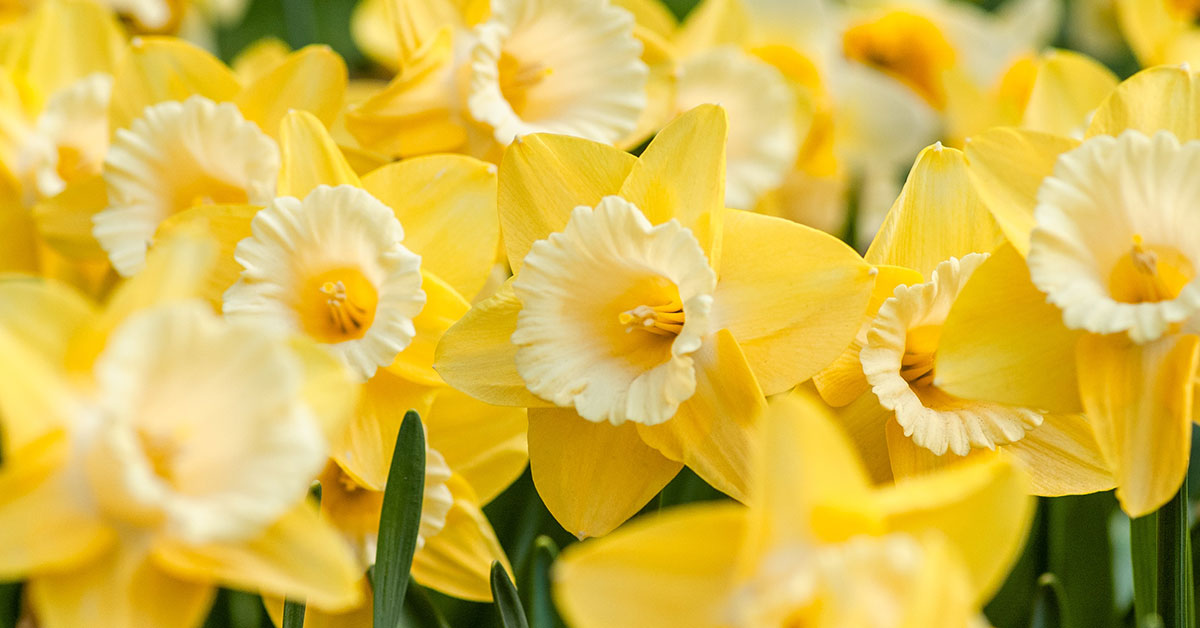

Welcome to our comprehensive guide on how to deadhead daffodils, where we will delve into the art of maintaining these vibrant and iconic spring flowers. Deadheading, the process of removing spent blooms, not only enhances the overall appearance of daffodils but also promotes healthier growth and ensures a bountiful display for years to come.
As a gardening enthusiast, you understand the importance of nurturing your plants, and daffodils are no exception. Whether you are a seasoned gardener or a beginner looking to learn the ropes, this article will provide you with step-by-step instructions, tips, and insights to master the art of deadheading daffodils and enjoy their radiant beauty to the fullest. So, grab your gardening tools and let’s embark on this journey together, unlocking the secrets to keeping your daffodils looking their best!
Should you deadhead daffodils?
Deadheading daffodils refers to the practice of removing the spent flowers from the plant once they have finished blooming. While deadheading is not necessary for the health of the daffodil plant, it can have several benefits.
- Aesthetics: Deadheading daffodils can improve the overall appearance of the plant and the garden. Removing the faded flowers prevents the plant from looking messy and allows the focus to remain on the healthy, vibrant blooms.
- Nutrient conservation: When daffodils produce seeds, they divert energy and nutrients from the bulb, which can weaken the plant over time. By deadheading, you prevent the formation of seeds, allowing the plant to redirect its resources towards bulb development and storage for the following year’s growth.
- Preventing self-seeding: Daffodils are known to self-seed, meaning they can produce new plants from dropped seeds. While this can be desirable in some cases, it can also result in overcrowding and competition for resources. Deadheading daffodils prevents self-seeding and helps maintain a more controlled and organized garden.
- Encouraging bulb growth: Daffodils rely on their bulbs to store energy for future growth and blooming. By removing spent flowers, you redirect the plant’s energy towards bulb development, allowing it to grow stronger and produce more flowers in the following seasons.
However, there are a few considerations to keep in mind when deadheading daffodils:
- Timing: It is important to wait until the daffodil flowers have fully faded before deadheading. This allows the plant to complete its natural process of seed production and nutrient transfer to the bulb.
- Leave the foliage: After deadheading, it is crucial to let the daffodil foliage remain intact until it turns yellow and dies back naturally. The leaves continue to photosynthesize and provide energy to the bulb for future growth. Prematurely removing the foliage can weaken the plant and reduce its ability to produce flowers in the following years.
In summary, while deadheading daffodils is not essential, it can enhance the appearance of the plant, conserve nutrients, prevent self-seeding, and promote healthier bulb growth. Just remember to wait until the flowers have fully faded and allow the foliage to die back naturally.
When to deadhead daffodils
Deadheading daffodils is an important practice to maintain the health and appearance of the plants. Deadheading refers to the removal of spent flowers or seed heads. The timing for deadheading daffodils depends on the specific goal you have in mind.
- Prolonging Blooming Period: If you want to extend the blooming period of your daffodils, it is best to deadhead them as soon as the flowers start to fade. This will prevent the plant from putting energy into seed production and redirect it towards storing nutrients for next year’s blooms. By removing the spent flowers, you encourage the plant to focus on bulb development rather than seed formation.
- Preventing Seed Formation: If you want to prevent daffodils from producing seeds altogether, deadhead them as soon as the flowers start to fade. This is particularly important if you have hybrid daffodils, as allowing them to produce seeds can result in cross-pollination and affect the purity of future blooms.
- Naturalizing and Seed Collection: If you are growing daffodils for naturalizing or collecting seeds, you can leave the spent flowers on the plant until they have fully dried and the seeds have matured. This usually occurs around 6-8 weeks after blooming. Allow the seed heads to turn brown and dry out before collecting them. Be aware that growing daffodils from seeds can take several years to produce blooming-sized bulbs.
In general, it is recommended to deadhead daffodils once the flowers have faded, but before seed formation begins. This timing allows the plant to focus its energy on bulb development and ensures a healthier and more vigorous plant for the following year.
How to deadhead daffodils
Deadheading daffodils is an essential task to maintain the health and appearance of these beautiful spring flowers. Deadheading refers to the removal of spent flowers, which encourages the plant to redirect its energy towards bulb development rather than seed production. Here is a step-by-step guide on how to deadhead daffodils:
- Timing: The best time to deadhead daffodils is immediately after the flowers have faded and started to wilt. This is usually in late spring or early summer, depending on your climate and the specific daffodil variety.
- Tools: Gather the necessary tools before you begin. You will need a pair of sharp, clean pruning shears or scissors. It’s important to use clean tools to prevent the spread of diseases.
- Identify spent flowers: Look for daffodil flowers that have lost their vibrant color and are starting to wither. The petals may be drooping or browning. These are the flowers that need to be deadheaded.
- Cut the stem: Locate the stem of the spent flower and follow it down to where it connects with the main stem or foliage. Position your pruning shears or scissors just above this junction and make a clean, angled cut. The angle helps prevent water from pooling on the cut surface and potentially causing rot.
- Remove seed pods: After deadheading the flowers, check for any developing seed pods. These are small, green, and elongated structures that form at the base of the flower. If present, remove them by cutting them off at the base of the stem. This step is crucial as it prevents the plant from wasting energy on seed production.
- Clean up: Collect the cut flowers, stems, and seed pods and dispose of them properly. Do not leave them on the ground near the daffodils, as they can attract pests or diseases.
- Water and fertilize: After deadheading, water the daffodil plants thoroughly to provide them with adequate moisture. Additionally, consider applying a balanced fertilizer to promote healthy bulb growth and replenish nutrients.
- Leave foliage intact: It’s important to leave the daffodil foliage intact after deadheading. The leaves continue to photosynthesize and provide energy to the bulb for next year’s blooms. Allow the foliage to turn yellow and wither naturally before removing it.
By following these steps, you can effectively deadhead your daffodils and help them thrive. Remember, regular deadheading not only improves the appearance of the plants but also encourages stronger bulb development, resulting in more robust blooms in the following seasons.
Aftercare
After deadheading daffodils, there are a few care guidelines to follow to ensure the health and vitality of the plants:
- Remove the spent flower heads: Deadheading involves removing the faded or spent flower heads from the daffodil plant. This prevents the plant from using its energy to produce seeds and redirects it towards bulb development.
- Allow the foliage to yellow and wither naturally: After deadheading, it’s important to let the foliage of the daffodils remain intact until it turns yellow and starts to wither. This process usually takes around six weeks. During this time, the leaves are still photosynthesizing and providing nutrients to the bulb for next year’s growth.
- Avoid cutting back or tying up the foliage prematurely: It may be tempting to tidy up the garden by cutting back or tying up the daffodil foliage, but this should be avoided. The leaves need to absorb sunlight and convert it into energy for the bulb. Prematurely cutting back the foliage can weaken the bulb and reduce its ability to produce flowers in the following year.
- Provide adequate water and nutrients: Daffodils require regular watering during their active growth period, which includes after deadheading. Ensure the soil is consistently moist but not waterlogged. Additionally, you can apply a balanced fertilizer or compost around the plants to provide essential nutrients for healthy bulb development.
- Avoid removing or disturbing the bulbs: Daffodil bulbs should be left undisturbed in the ground unless they become overcrowded. If overcrowding occurs, it’s best to lift and divide the bulbs during their dormant period in late summer or early autumn.
By following these care guidelines, you can help your daffodils recover from deadheading and ensure they continue to thrive and produce beautiful blooms in the future.