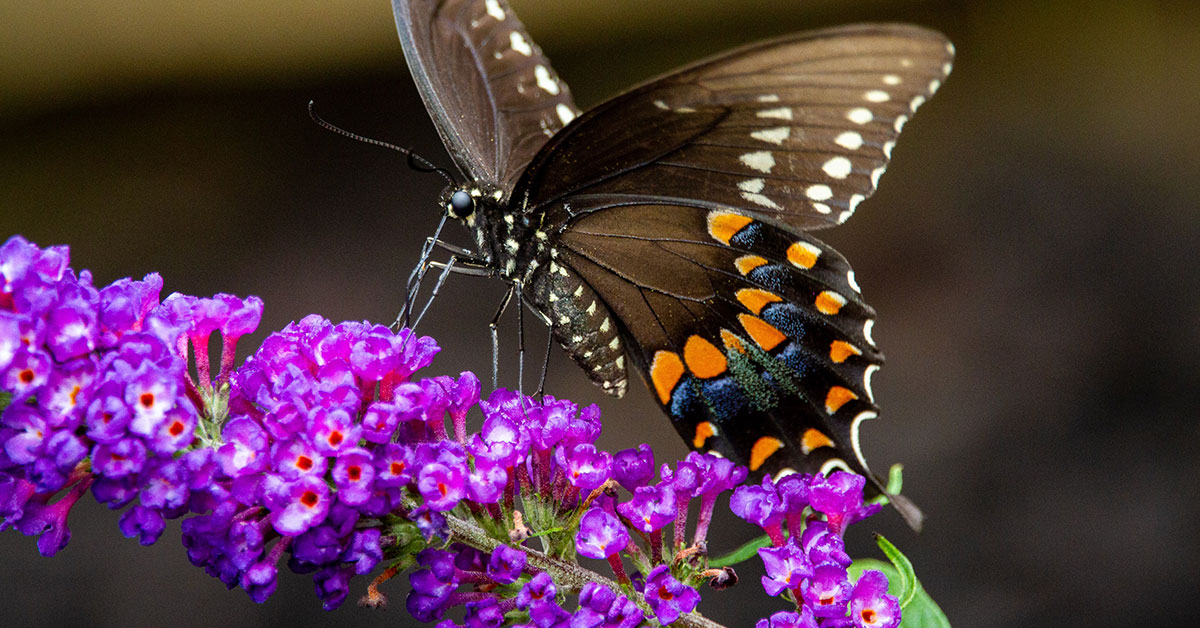

Welcome to our comprehensive guide on how to deadhead butterfly bush, a vital practice for maintaining the health and beauty of these stunning flowering shrubs. As an expert in gardening and plant care, I am excited to share with you the step-by-step process of deadheading butterfly bush, which involves removing spent flowers to encourage new growth and prolong blooming.
By implementing this simple technique, you can ensure your butterfly bush remains vibrant, attracts pollinators, and continues to grace your garden with its captivating colors throughout the growing season. So, let’s delve into the world of deadheading butterfly bush and discover the secrets to maintaining its optimal health and beauty.
Should you deadhead butterfly bush?
Butterfly bushes (Buddleja davidii) are popular flowering shrubs known for attracting butterflies and other pollinators to the garden. Deadheading, the practice of removing spent flowers, is a common technique used to promote continuous blooming and maintain the overall health and appearance of many flowering plants. However, when it comes to butterfly bushes, deadheading is a matter of personal preference and specific goals. Here are some factors to consider when deciding whether or not to deadhead butterfly bushes:
- Continuous Blooming: Deadheading spent flowers on butterfly bushes can encourage the plant to produce more blooms throughout the growing season. This is particularly beneficial if you want a longer period of vibrant flowers in your garden.
- Seed Production: If you allow the spent flowers to remain on the plant, they will eventually produce seed pods. These pods can add visual interest to the garden and provide food for birds during the winter months. If you enjoy the natural look and want to support wildlife, you may choose to leave the spent flowers on the plant.
- Plant Size and Shape: Deadheading can help maintain a more compact and tidy appearance for butterfly bushes. By removing spent flowers, you prevent the plant from putting energy into seed production, which can result in a more bushy and compact growth habit.
- Self-Seeding: Butterfly bushes are known for their ability to self-seed and spread in the garden. If you deadhead the spent flowers, you can reduce the chances of the plant spreading excessively and potentially becoming invasive in certain regions.
Based on these considerations, here are some guidelines for deadheading butterfly bushes:
- If your primary goal is to promote continuous blooming, deadhead the spent flowers regularly throughout the growing season. This can be done by cutting the flower stalks back to a pair of healthy leaves or buds.
- If you prefer a more natural look, want to support wildlife, or are not concerned about continuous blooming, you can leave the spent flowers on the plant to produce seed pods.
- If you want to prevent self-seeding and maintain a compact growth habit, deadhead the spent flowers before they have a chance to produce seed pods. Regularly monitoring the plant and removing spent flowers promptly is key.
Remember to use clean and sharp pruning shears or scissors when deadheading to minimize damage to the plant. Additionally, it’s important to note that butterfly bushes benefit from an annual pruning in late winter or early spring to remove dead or damaged wood and promote new growth. Ultimately, the decision to deadhead butterfly bushes depends on your personal preferences, desired outcomes, and the specific conditions in your garden.
When to deadhead butterfly bush
The best timing to deadhead butterfly bush (Buddleja davidii) is during the late summer or early fall. Deadheading refers to the removal of spent flowers to encourage new growth and prolong the blooming period of the plant.
Here are some guidelines to follow when deadheading butterfly bush:
- Wait until the majority of the flowers on the butterfly bush have faded and started to dry out. This is usually around late summer or early fall, depending on your region and the specific cultivar of butterfly bush you have.
- Use a pair of sharp pruning shears or scissors to remove the spent flowers. Make sure your tools are clean and sterilized to prevent the spread of diseases.
- Look for the faded flower clusters, known as panicles, and cut them back to a healthy set of leaves or buds. You can trim the panicles individually or cut back the entire stem to a desired length.
- When cutting, make the cut just above a leaf node or bud. This will encourage new growth to emerge from that point.
- If you have a large butterfly bush with many faded flowers, you can also consider using hedge shears to give the plant an overall trim. This will help maintain a more compact and tidy appearance.
- After deadheading, it’s a good idea to give the butterfly bush a thorough watering to help it recover and promote new growth.
By deadheading your butterfly bush, you can encourage the plant to produce more flowers and extend the blooming season. Additionally, removing the spent flowers prevents the plant from expending energy on seed production, allowing it to focus on growth and overall health.
How to deadhead butterfly bush
Deadheading a butterfly bush is an essential task to promote continuous blooming and maintain the overall health and appearance of the plant. Here is a step-by-step guide on how to deadhead a butterfly bush:
- Timing: The ideal time to deadhead a butterfly bush is during the blooming season, which typically occurs from late spring to early fall. It’s best to deadhead after the flowers have faded and started to wither.
- Gather the necessary tools: Before you begin deadheading, gather a pair of clean and sharp pruning shears or scissors. Make sure they are sanitized to prevent the spread of diseases between plants.
- Identify spent flowers: Look for flowers that have faded, wilted, or turned brown. These are the ones you need to remove. Spent flowers are usually easy to spot as they stand out from the healthy, vibrant blooms.
- Cut above the node: Locate the first set of healthy leaves below the spent flower. Position your pruning shears or scissors just above this set of leaves, and make a clean and angled cut. Cutting above the node encourages new growth and prevents unsightly stubs.
- Remove clusters or individual flowers: Depending on the butterfly bush variety, flowers may grow in clusters or individually along the stem. If they grow in clusters, you can remove the entire cluster by cutting above the first set of healthy leaves below it. If they grow individually, cut each spent flower individually.
- Dispose of the dead flowers: Collect the removed flowers and dispose of them properly. You can add them to your compost pile if it is well-maintained and can handle plant material. Otherwise, discard them in a green waste bin or municipal composting facility.
- Repeat the process: Continue deadheading the butterfly bush, moving from one spent flower to another, until you have removed all the faded blooms. Be sure to take breaks and step back occasionally to assess the overall appearance of the plant and identify any missed flowers.
- Water and fertilize: After deadheading, give the butterfly bush a thorough watering to help it recover from the stress of pruning. Additionally, consider applying a balanced slow-release fertilizer according to the manufacturer’s instructions to provide the plant with the necessary nutrients for healthy regrowth.
- Monitor and repeat: Regularly monitor your butterfly bush for new spent flowers and repeat the deadheading process as needed throughout the blooming season. This will encourage continuous blooming and maintain a neat and tidy appearance.
By following these steps, you can effectively deadhead your butterfly bush and promote its overall health and beauty. Remember to provide proper care, including regular watering, adequate sunlight, and occasional pruning, to ensure the long-term success of your butterfly bush.
Aftercare
After deadheading a butterfly bush, it is important to follow a few care guidelines to ensure its health and encourage new growth. Here are the detailed steps:
- Timing: Deadhead your butterfly bush after the flowers have faded and started to wither. This is typically done in late summer or early fall, but you can also deadhead throughout the blooming season to promote continuous flowering.
- Tools: Use clean and sharp pruning shears or scissors to deadhead the plant. Make sure to sanitize the tools before and after use to prevent the spread of diseases.
- Deadheading technique: Locate the spent flower cluster or individual flowers on the butterfly bush. Cut the stem just above the first set of healthy leaves or leaf node. This encourages new growth from the leaf nodes and prevents the plant from wasting energy on seed production.
- Remove diseased or damaged growth: While deadheading, inspect the plant for any diseased or damaged branches or leaves. Cut them back to healthy growth to prevent the spread of diseases and maintain the overall health of the plant.
- Clean up: Collect and remove all the dead flower heads, leaves, and any other debris from around the plant. This helps prevent the buildup of pests and diseases and keeps the garden tidy.
- Watering: After deadheading, water the butterfly bush deeply to ensure the roots receive adequate moisture. This helps the plant recover from the stress of deadheading and promotes new growth.
- Fertilization: Apply a balanced slow-release fertilizer around the base of the plant according to the package instructions. This provides essential nutrients for healthy growth and flowering.
- Mulching: Apply a layer of organic mulch, such as wood chips or compost, around the base of the plant. Mulching helps retain moisture, suppresses weeds, and regulates soil temperature.
- Regular maintenance: Throughout the growing season, continue to monitor the butterfly bush for any spent flowers and repeat the deadheading process as needed. This will encourage continuous blooming and maintain the plant’s overall appearance.
By following these care guidelines, your butterfly bush should thrive and provide you with beautiful blooms throughout the season.