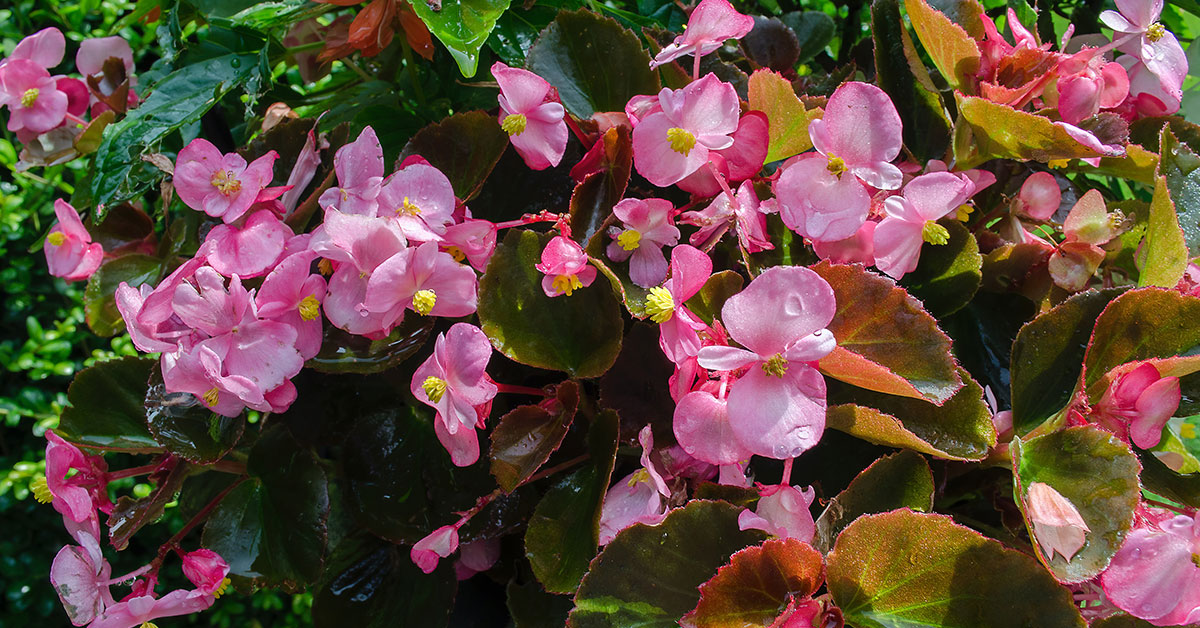

Welcome to the world of begonias, where vibrant colors and delicate blooms come together to create a stunning display in any garden or indoor space. One essential aspect of caring for begonias is deadheading, a simple yet crucial technique that promotes continuous blooming and keeps your plants looking their best. In this article, we will delve into the art of how to deadhead begonias, exploring the reasons behind this practice, the tools you’ll need, and step-by-step instructions to ensure you do it correctly.
Whether you’re a seasoned gardener or a beginner, mastering the art of deadheading begonias will not only enhance the beauty of your plants but also contribute to their overall health and longevity. So, let’s get started and unlock the secrets to a flourishing begonia garden!
Should you deadhead begonias?
Deadheading begonias is a common practice that can benefit the overall health and appearance of the plant. Deadheading refers to the removal of spent flowers or flower heads from a plant. Here is a detailed explanation of whether or not one should deadhead begonias:
- Promotes continuous blooming: Deadheading begonias encourages the plant to produce more flowers. By removing the faded or spent flowers, you prevent the plant from diverting energy into seed production. Instead, the plant will redirect its resources towards developing new buds and blooms. This results in a longer blooming period and a more vibrant display of flowers.
- Enhances aesthetic appeal: Regular deadheading helps to maintain the visual appeal of begonias. Faded flowers can look unsightly and may detract from the overall beauty of the plant. By removing them, you keep the plant looking fresh and tidy. This is especially important for begonias grown in containers or as bedding plants, where appearance is a key consideration.
- Prevents seed formation: Begonias are known for their prolific seed production. If left to mature, the spent flowers will develop seed pods. Allowing the plant to produce seeds can be beneficial if you want to collect and propagate them. However, if you are more interested in promoting continuous blooming and preventing self-seeding, deadheading is essential. Removing the spent flowers prevents the plant from using energy to produce seeds, allowing it to focus on new growth and blooming.
- Reduces disease and pest issues: Deadheading begonias can help minimize disease and pest problems. Faded flowers can become a breeding ground for pests and diseases, as they often retain moisture and provide a suitable environment for fungal growth. By removing the spent flowers promptly, you reduce the risk of diseases such as powdery mildew or botrytis. Additionally, removing the flowers can also deter pests that are attracted to decaying plant material.
- Maintenance and time considerations: Deadheading begonias can be a time-consuming task, especially if you have a large number of plants. However, the frequency of deadheading depends on the begonia variety and its blooming habits. Some begonias naturally drop their spent flowers, while others require regular deadheading. It is important to observe your specific begonia variety and deadhead as needed to maintain its appearance and promote continuous blooming.
In conclusion, deadheading begonias is generally recommended to promote continuous blooming, enhance aesthetic appeal, prevent seed formation, reduce disease and pest issues, and maintain the overall health of the plant. However, it is important to consider the specific variety of begonia you are growing and its blooming habits before deciding on the frequency of deadheading.
When to deadhead begonias
Deadheading begonias is an essential task to promote continuous blooming and maintain the overall health and appearance of the plant. The timing for deadheading begonias depends on the type of begonia you have. There are two common types: fibrous begonias (such as wax begonias) and tuberous begonias.
Fibrous Begonias:
Fibrous begonias are known for their continuous blooming throughout the growing season. To deadhead fibrous begonias, follow these guidelines:
- Regularly inspect the plant for spent flowers. Spent flowers are those that have faded, wilted, or lost their vibrant color.
- Deadhead fibrous begonias as soon as you notice spent flowers. This can be done by pinching off the entire flower stem just above a leaf node or by cutting it with clean pruning shears.
- It is recommended to deadhead fibrous begonias every 1-2 weeks, or as needed, to encourage new flower production.
Tuberous Begonias:
Tuberous begonias produce larger, showier flowers but have a more specific blooming period. To deadhead tuberous begonias, follow these guidelines:
- Tuberous begonias typically bloom from late spring to early fall. Deadheading should be done during this blooming period.
- As with fibrous begonias, look for spent flowers and remove them promptly. Pinch or cut the flower stem just above a leaf node.
- Deadheading tuberous begonias not only promotes new flower growth but also prevents the plant from wasting energy on seed production.
- Towards the end of the blooming period, allow some flowers to remain on the plant to produce seeds. Collect these seeds for propagation if desired.
Remember, deadheading begonias is not only beneficial for aesthetics but also helps divert the plant’s energy towards producing new blooms. Regular deadheading will keep your begonias looking vibrant and healthy throughout the growing season.
How to deadhead begonias
Deadheading begonias is an important task to keep these plants healthy and promote continuous blooming throughout the growing season. Here is a step-by-step guide on how to deadhead begonias:
- Identify spent flowers: Look for flowers that have faded, wilted, or turned brown. These are the flowers that need to be removed.
- Prepare your tools: Get a pair of clean, sharp pruning shears or scissors. It is important to have clean tools to prevent the spread of diseases.
- Choose the right time: Deadhead begonias when the flowers are fully spent. This is usually when the petals have fallen off, and you can see the seed pods forming behind the flower.
- Locate the seed pods: Behind the faded flower, you will find a small, swollen seed pod. This is where the begonia is producing seeds. It is important to remove these seed pods to redirect the plant’s energy towards producing new flowers instead of seeds.
- Cut the stem: Using your pruning shears or scissors, cut the stem just above the first set of healthy leaves below the spent flower. Make sure to make a clean cut without damaging the surrounding foliage.
- Dispose of the spent flowers: Collect the removed flowers and seed pods and dispose of them properly. Do not compost them, as they may contain diseases or pests.
- Repeat the process: Continue deadheading begonias regularly throughout the growing season. Aim to deadhead at least once a week or whenever you notice spent flowers.
- Monitor for new growth: After deadheading, keep an eye on your begonias for new growth. You should start to see new flower buds forming within a few weeks.
- Provide proper care: Along with deadheading, ensure your begonias receive proper care. This includes regular watering, well-draining soil, and appropriate sunlight exposure based on the begonia variety you have.
By following these steps, you can help your begonias stay healthy, encourage continuous blooming, and maintain an attractive appearance throughout the growing season.
Aftercare
After deadheading begonias, it is important to follow a few care guidelines to ensure the health and continued blooming of the plant. Here are some detailed steps to follow:
- Deadhead properly: Deadheading involves removing spent flowers from the plant. Use clean, sharp scissors or pruning shears to cut the stem just above a healthy leaf node or bud. This encourages new growth and more blooms.
- Remove any yellow or damaged leaves: Inspect the begonia plant for any yellow or damaged leaves and gently remove them. This helps prevent the spread of diseases and maintains the plant’s overall appearance.
- Watering: Begonias prefer consistently moist soil but not waterlogged conditions. Water the plant thoroughly after deadheading, allowing the water to reach the root zone. Ensure proper drainage to prevent root rot.
- Fertilization: Begonias benefit from regular fertilization during the growing season. Use a balanced, water-soluble fertilizer diluted to half strength, and apply it every two to four weeks. Avoid over-fertilizing, as it can lead to excessive foliage growth with fewer blooms.
- Light and temperature: Begonias thrive in bright, indirect light. Place them in a location with filtered sunlight or partial shade. Avoid direct sunlight, as it can scorch the leaves. Begonias prefer temperatures between 65-75°F (18-24°C) during the day and slightly cooler temperatures at night.
- Humidity: Begonias appreciate higher humidity levels. If the air in your home is dry, consider using a humidifier or placing the plant on a tray filled with water and pebbles. Just ensure the pot is not sitting directly in the water.
- Pruning: Regular pruning helps maintain the shape and size of the begonia plant. Trim back any leggy or overgrown stems to encourage bushier growth. Prune selectively, removing only the necessary parts.
- Pest control: Keep an eye out for common pests like aphids, mealybugs, and spider mites. If you notice any infestation, treat it promptly with organic insecticidal soap or neem oil, following the instructions on the product label.
- Winter care: If you live in a region with cold winters, begonias are typically treated as annuals or brought indoors. Before the first frost, dig up the tubers or take cuttings to propagate new plants. Store tubers in a cool, dry place until spring, and provide indoor begonias with bright light and reduced watering during the dormant period.
By following these care guidelines, your begonias should continue to thrive and produce beautiful blooms throughout the growing season.