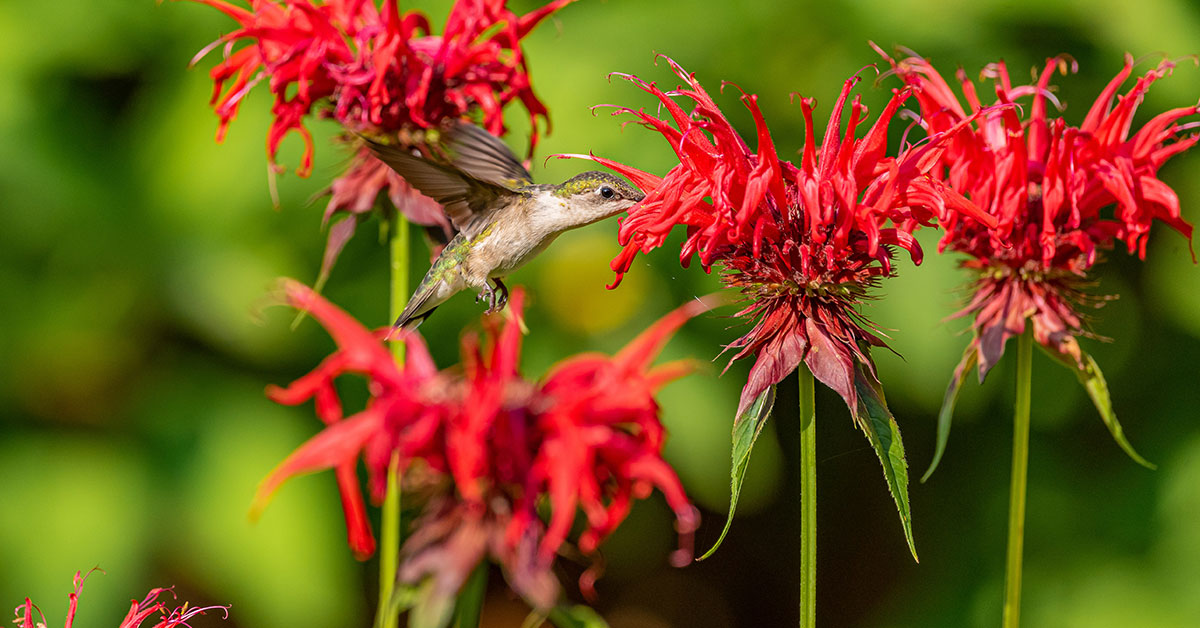

Bee balm, also known as Monarda, is a vibrant and beloved addition to any garden. With its striking flowers and ability to attract pollinators, it’s no wonder why many gardeners choose to include this perennial in their landscape. To ensure the continued health and beauty of your bee balm plants, it is crucial to practice regular deadheading. Deadheading is the process of removing spent flowers, which not only promotes new growth but also extends the blooming period. In this article, we will delve into the art of how to deadhead bee balm, providing you with step-by-step instructions and valuable tips to help you maintain a flourishing and visually appealing garden.
Whether you are a seasoned gardener or just starting out, mastering the technique of deadheading bee balm will undoubtedly enhance your gardening skills and bring joy to your outdoor space.
Should you deadhead bee balm?
Bee balm, also known as Monarda, is a beautiful flowering plant that is highly attractive to bees, butterflies, and hummingbirds. Deadheading is the process of removing spent flowers from a plant to encourage new growth and prolong the blooming period. When it comes to deadheading bee balm, the decision depends on your specific goals and preferences. Here are the factors to consider when deciding whether or not to deadhead bee balm:
- Prolonging blooming period: Deadheading bee balm can help extend the flowering season. By removing spent flowers, you prevent the plant from diverting energy into producing seeds and instead encourage it to produce more blooms. This can result in a longer-lasting and more vibrant display of flowers.
- Self-seeding: Bee balm is known for its ability to self-seed, meaning it drops seeds that can germinate and grow new plants. If you want to encourage self-seeding and naturalize your garden, it’s best to leave the spent flowers on the plant. This allows the seeds to mature and scatter naturally, potentially leading to new bee balm plants in the following seasons.
- Attracting wildlife: Bee balm is a favorite of pollinators, especially bees and butterflies. If you want to provide a food source for these beneficial insects, it’s recommended to leave the spent flowers on the plant. The dried flower heads can still provide nectar for pollinators and also offer winter interest in the garden.
- Aesthetics: Deadheading bee balm can improve the overall appearance of the plant. Removing faded flowers keeps the plant looking tidy and prevents it from appearing unkempt. If you prefer a neater and more groomed garden, deadheading can be beneficial.
Considering these factors, you can choose to deadhead bee balm selectively or not at all. Here are some options:
- Selective deadheading: If you want to prolong the blooming period and maintain a tidy appearance, you can deadhead bee balm selectively. Remove only the spent flowers while leaving some intact to allow for self-seeding and wildlife attraction.
- Complete deadheading: If you prioritize a prolonged blooming period and don’t mind sacrificing self-seeding, you can deadhead all the spent flowers. This will encourage the plant to produce more blooms and potentially extend the flowering season.
- No deadheading: If you want to encourage self-seeding, attract pollinators, and enjoy the dried flower heads in winter, you can choose not to deadhead bee balm at all. This allows the plant to go through its natural life cycle, including seed production.
Ultimately, the decision to deadhead bee balm depends on your personal preferences, the specific goals for your garden, and the overall aesthetic you desire.
When to deadhead bee balm
Deadheading bee balm (Monarda) is an important task to maintain the plant’s appearance and promote continuous blooming. Deadheading refers to the removal of spent flowers. The timing for deadheading bee balm depends on the specific species and the desired outcome.
- Regular Deadheading: For most bee balm varieties, regular deadheading is recommended throughout the blooming season. As soon as a flower begins to fade and lose its vibrant color, it should be removed. This encourages the plant to produce more flowers and prolongs the blooming period. Regular deadheading can be done on a weekly basis or as needed.
- Late Summer/Fall Deadheading: Towards the end of the blooming season, usually in late summer or early fall, you can deadhead bee balm more aggressively. This involves cutting the entire plant back to a few inches above the ground. This practice helps rejuvenate the plant, prevents self-seeding, and encourages a fresh flush of growth for the following year.
- Leave Some Seedheads: If you want to attract birds to your garden, you may choose to leave some of the spent flowers on the plant to develop seedheads. These seedheads provide a food source for birds during the winter months. However, if self-seeding is a concern or if you want to maintain a neater appearance, it is best to remove most of the seedheads.
It’s important to note that bee balm is a prolific self-seeder, so deadheading can help control its spread. Additionally, removing spent flowers before they have a chance to set seed can redirect the plant’s energy towards producing more blooms.
In summary, regular deadheading of bee balm throughout the blooming season is recommended, while a more aggressive deadheading in late summer or fall can help rejuvenate the plant. Adjust the deadheading approach based on your desired outcome, whether it’s promoting continuous blooming, preventing self-seeding, or attracting birds.
How to deadhead bee balm
Deadheading bee balm is an important task to maintain the health and appearance of the plant. Here is a step-by-step guide to help you deadhead your bee balm:
- Timing: The best time to deadhead bee balm is when the flowers start to fade and wilt. This is usually in late spring or early summer, depending on your region and the specific variety of bee balm you have.
- Tools: Gather the necessary tools before you start. You will need a pair of clean, sharp pruning shears or scissors. It’s important to use clean tools to prevent the spread of diseases.
- Identify spent flowers: Look for flowers that have faded, wilted, or turned brown. These are the ones you want to remove. Spent flowers can be easily identified by their drooping appearance and lack of vibrant color.
- Cut above a leaf node: Locate a healthy leaf node, which is the point where a leaf attaches to the stem. Using your pruning shears or scissors, make a clean cut just above the leaf node. This ensures that new growth will emerge from the node and helps maintain the plant’s shape.
- Remove entire flower cluster: If the entire flower cluster has wilted, you can remove it by cutting the stem just above the first set of healthy leaves. This encourages the plant to produce new blooms and prevents the formation of seeds, which can divert energy from flower production.
- Dispose of spent flowers: Collect the removed flower clusters and dispose of them properly. You can add them to your compost pile if it is well-maintained and hot enough to break down plant material. Otherwise, discard them in the trash to prevent the spread of diseases or pests.
- Repeat as needed: Continue deadheading bee balm throughout the blooming season as new flowers fade. Regular deadheading encourages the plant to produce more blooms and prolongs the flowering period.
- Post-deadheading care: After deadheading, give your bee balm a thorough watering to help it recover from the stress of flower removal. Apply a layer of organic mulch around the base of the plant to conserve moisture and suppress weed growth.
By following these steps, you can keep your bee balm looking tidy and promote continuous blooming throughout the season.
Aftercare
After deadheading bee balm, it is important to follow a few care guidelines to ensure the health and vitality of the plant. Here are the detailed steps:
- Remove spent flowers: Deadheading involves removing the faded or spent flowers from the plant. Use clean and sharp pruning shears or scissors to cut the flower stem just above the first set of healthy leaves or nodes. This encourages the plant to redirect its energy towards new growth and the production of more flowers.
- Clean up the area: Once you have deadheaded the bee balm, remove any fallen petals or debris from around the plant. This helps prevent the spread of diseases and pests.
- Watering: Water the bee balm thoroughly after deadheading to ensure the plant receives adequate moisture. Water deeply at the base of the plant, avoiding wetting the foliage, as this can lead to fungal diseases. Bee balm prefers consistently moist soil, so monitor the moisture level and water as needed throughout the growing season.
- Fertilization: Apply a balanced, slow-release fertilizer around the base of the plant after deadheading. This provides essential nutrients to support new growth and flower production. Follow the manufacturer’s instructions for the appropriate amount and frequency of application.
- Mulching: Apply a layer of organic mulch, such as wood chips or compost, around the base of the bee balm plant. Mulching helps retain soil moisture, suppresses weed growth, and provides insulation to the roots. Leave a small gap around the stem to prevent moisture accumulation and potential rot.
- Pruning: If the bee balm has become leggy or overgrown, you can perform a more extensive pruning after deadheading. Cut back the entire plant by about one-third to promote bushier growth and maintain a compact shape. This is best done in early spring or late fall.
- Pest and disease control: Regularly inspect the bee balm for any signs of pests or diseases, such as aphids, powdery mildew, or rust. If detected, take appropriate measures to control and treat the issue. This may involve using organic insecticides or fungicides, or simply removing affected plant parts.
By following these care guidelines after deadheading bee balm, you can help the plant thrive and continue to produce beautiful flowers throughout the growing season.