

Few meals carry as much cultural weight in Britain as the Sunday roast. It’s the smell of something slow-cooking in the oven, the clatter of a table being laid, the argument about whether gravy goes on everything or just the meat. For generations, it was simply what Sundays meant.
Yet in recent years, the question of whether the tradition is fading has become harder to shrug off. Energy bills, changing family structures, busier weekends, and a wave of plant-based alternatives have all left their mark on this beloved institution. The picture, though, is more complicated than a simple decline story.
A Tradition That Goes Back Centuries
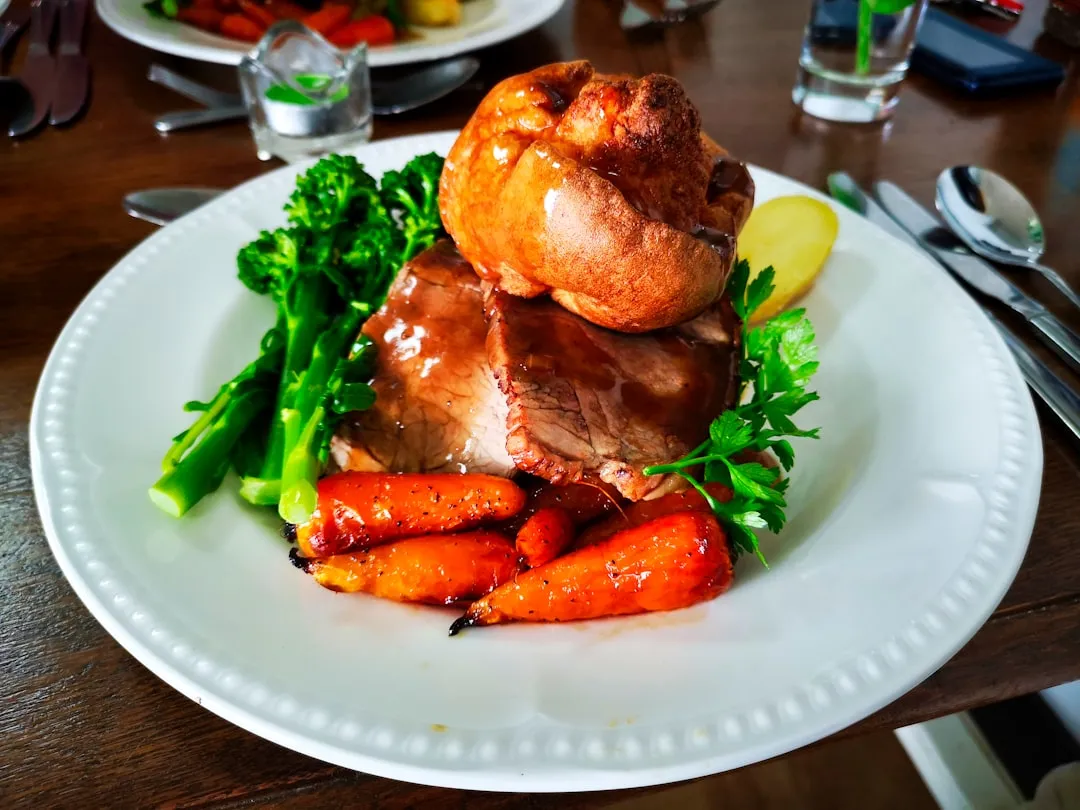
The tradition of a roast on Sunday dates back to medieval England, when serfs were given Sundays off and would gather to feast on roasted meat after church. Many say the tradition has its roots in the 1700s, when families would leave a cut of meat cooking while they attended church, so that when they returned, the meat would be ready to eat and the juice could be used for gravy.
The roast dinner is often said to have originated in Britain during the reign of King Henry VII in 1485, and his royal guards ate so much roast beef that they became known as the Beefeaters, a nickname still used today. With the rise of the middle class and urbanisation during the Industrial Revolution, affordable cuts of meat became more accessible, making the roast a weekly staple in many homes, formalising Sunday lunch as a time for families to come together.
The Numbers Behind the Decline
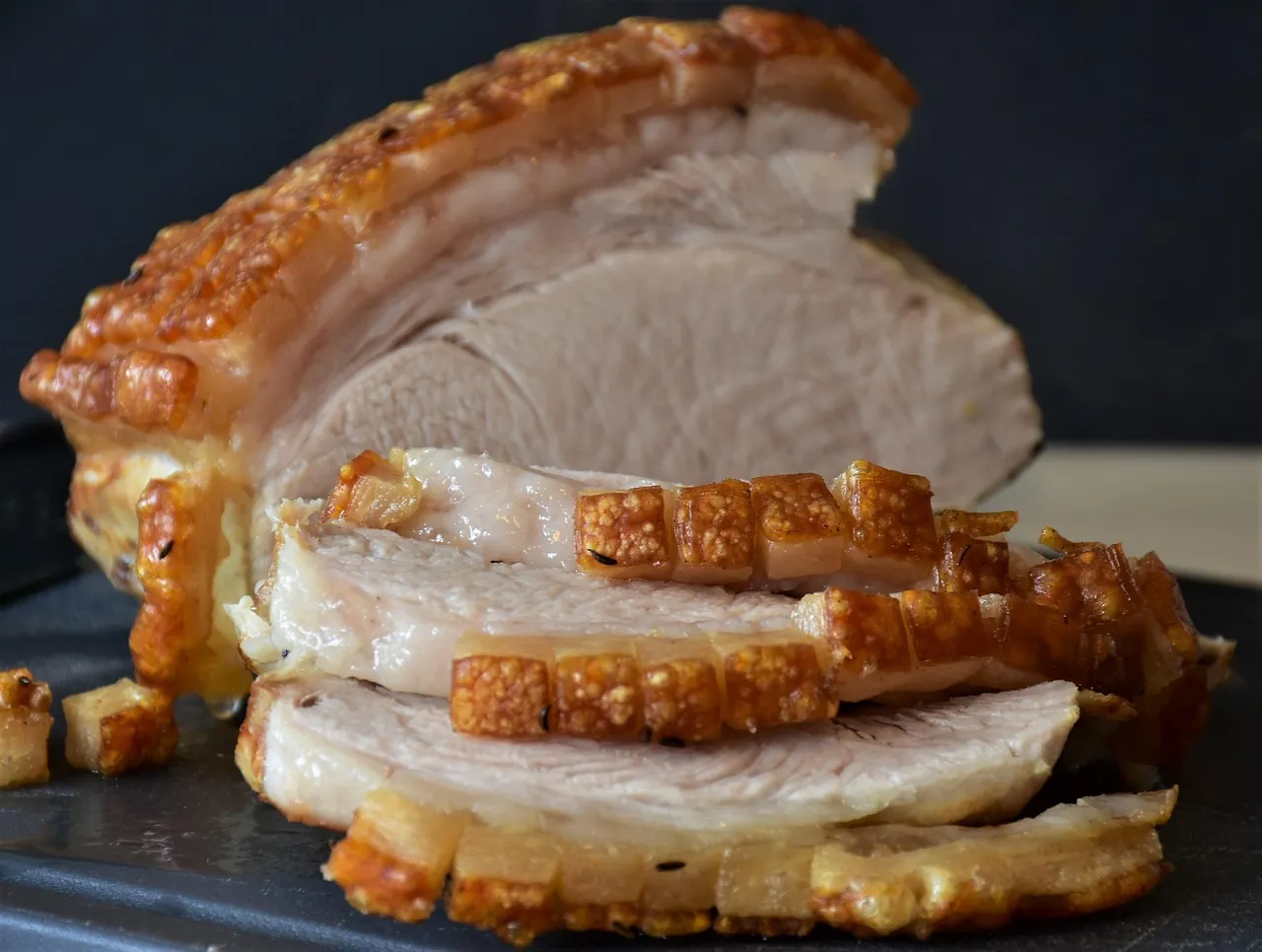
Over a measured period, the number of Sunday roast occasions in the UK declined by more than 39 million, though at the same time, roasts were being consumed during the week, adding over 51 million occasions to the overall number. That shift in timing tells you something meaningful about how the meal is changing rather than disappearing entirely.
According to Nick White, head of beef and lamb domestic marketing for the Agriculture and Horticulture Development Board, over a ten-year period ending in 2017, the year-on-year decline in roast occasions was between five and eight per cent. In terms of meal occasions, that represented roughly 100 million occasions lost.
Energy Bills and the Oven Problem
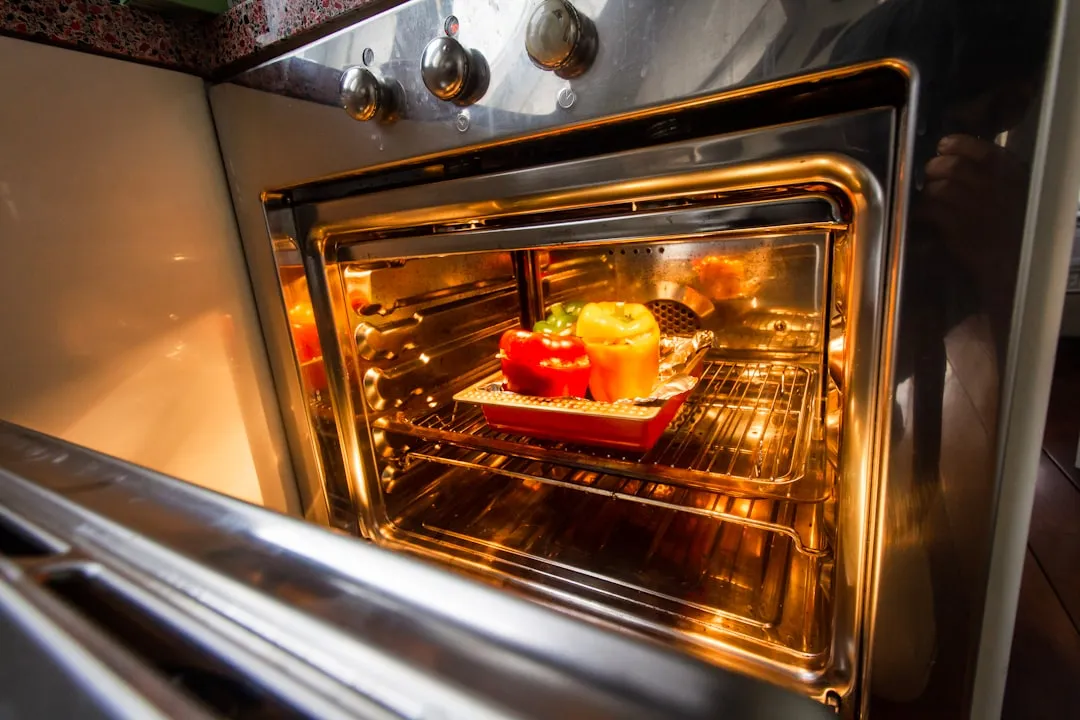
A quarter of cooks now say they are less likely to prepare a Sunday roast, and nearly a fifth say they will no longer use their oven at all as they respond to the cost-of-living crisis, according to survey data. The same survey, which polled over 2,000 adults and more than 1,000 children, found that 23 per cent of cooks say they use the oven and hob less, with 21 per cent increasingly turning to the microwave.
Nearly a fifth of respondents said they are choosing ingredients that are faster to cook, or looking for recipes that are speedier to prepare. The oven-roasted joint, which can take two to three hours and costs considerably more to run than a microwave or air fryer, has become an unintended casualty of household economics.
How Cooking Habits Are Shifting
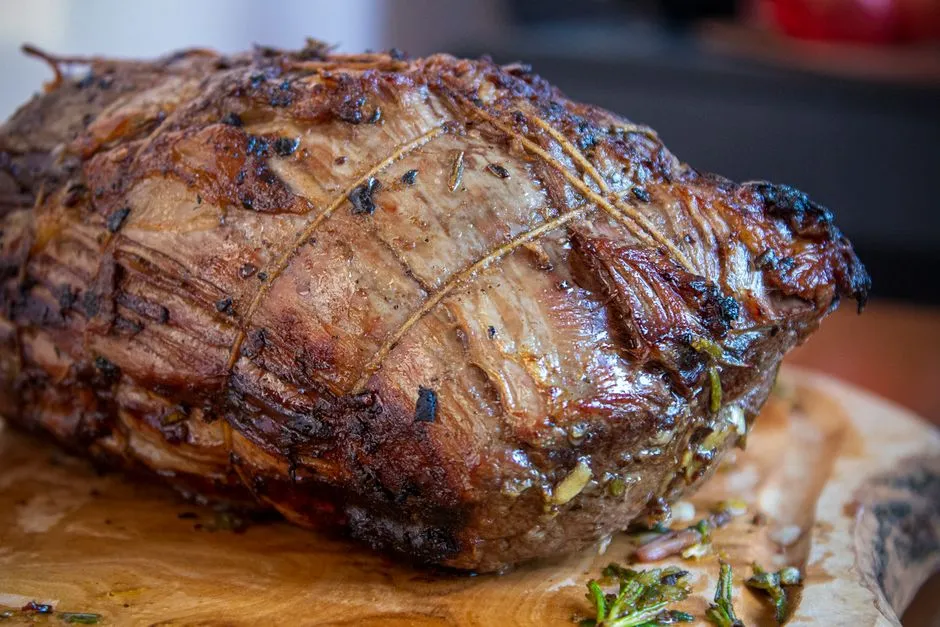
Roast dinners are traditionally made in ovens, but they can be made using more energy-efficient appliances such as air fryers and slow cookers, and statistics show that nearly half the nation owns a slow cooker, with roughly a third having access to an air fryer. This isn’t just a marginal change. It signals a real rethinking of how a roast actually gets made.
Modern roasts have evolved to include vegetarian, vegan and gluten-free versions, air-fried potatoes, and seasonal vegetables. The dish is adapting to available technology and dietary shifts, which may be one of the reasons it has proved more resilient than some predicted.
Sunday Is No Longer a Day of Rest

With so many Britons living in smaller households and Sunday no longer a day of rest, roast dinners just take too much time out of a person’s day to be made every week, and it used to be that virtually nothing was open on a Sunday, but now the high street is just as busy on a Sunday as it is on a Saturday.
It used to be that people shopped on a Saturday, but now Sunday has become a shopping day too, and when you’re out shopping, you’re eating on the go, choosing takeaway or something that is really easy and quick to cook. The structural shift in how Britons spend their weekends may be the single biggest factor quietly undermining the tradition at home.
What We’re Actually Eating Now
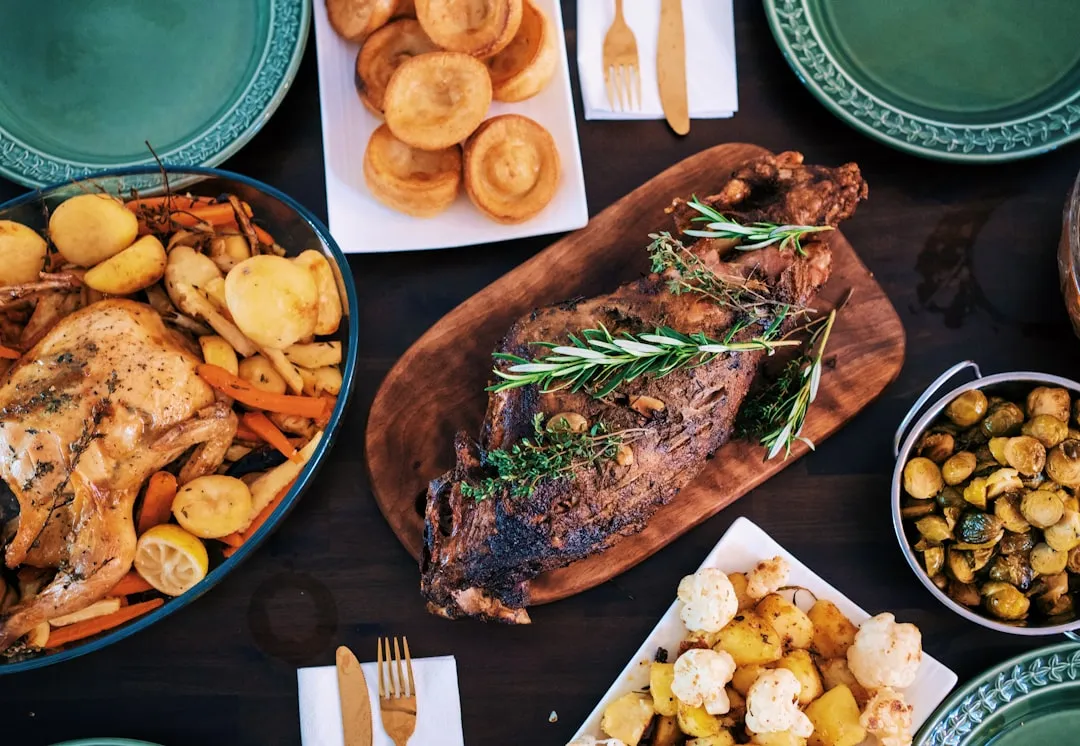
Consumption of roast beef is on the decline, down nearly eight per cent year on year in Kantar’s tracking data, while roast chicken and roast turkey are seeing the biggest growth, up roughly 14 per cent and 11 per cent respectively. Accompaniments are shifting too, with the number of roasts that included peppers growing by more than a quarter over one measured year, and a survey of over 1,000 people found that not everyone considers meat to be a key component at all.
Around 84 per cent of those surveyed considered roast potatoes to be essential, while 65 per cent said they could not go without Yorkshire puddings, and among younger women aged 18 to 44, only 75 per cent thought meat had to be included, compared to over 83 per cent of women over 55. The roast, it seems, is slowly redefining itself from the inside out.
The Rise of the Vegetarian and Vegan Roast
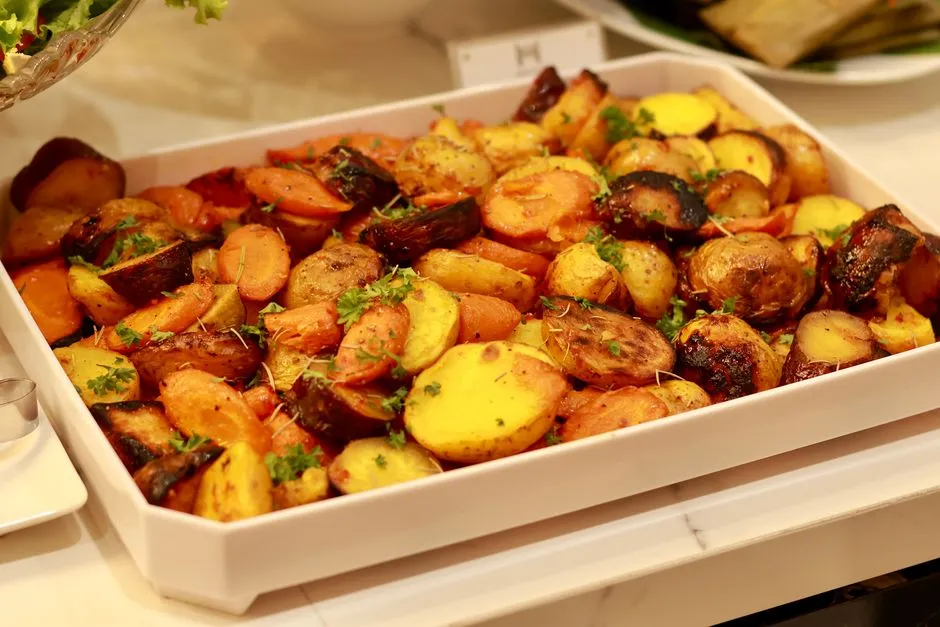
The rise of vegetarian and vegan options like nut roasts, mushroom Wellington and roasted veggie platters means that even more people can now enjoy this traditional meal. In recent years, chefs and home cooks have experimented with new and innovative ways to elevate the Sunday roast, using different cuts of meat, incorporating international flavours, and offering vegetarian or vegan alternatives, while slow-cooked meats such as pulled pork or brisket are becoming increasingly popular.
Vegetarians and vegans are no longer left out of the tradition, with delicious substitutes like butternut squash wellington, celeriac steak, and nut roast making the perfect Sunday roast for non-meat-eaters. Far from being a niche afterthought, plant-based roast options now appear on the menus of some of the most respected gastropubs in the country.
Pubs and Restaurants Keeping the Flame Alive
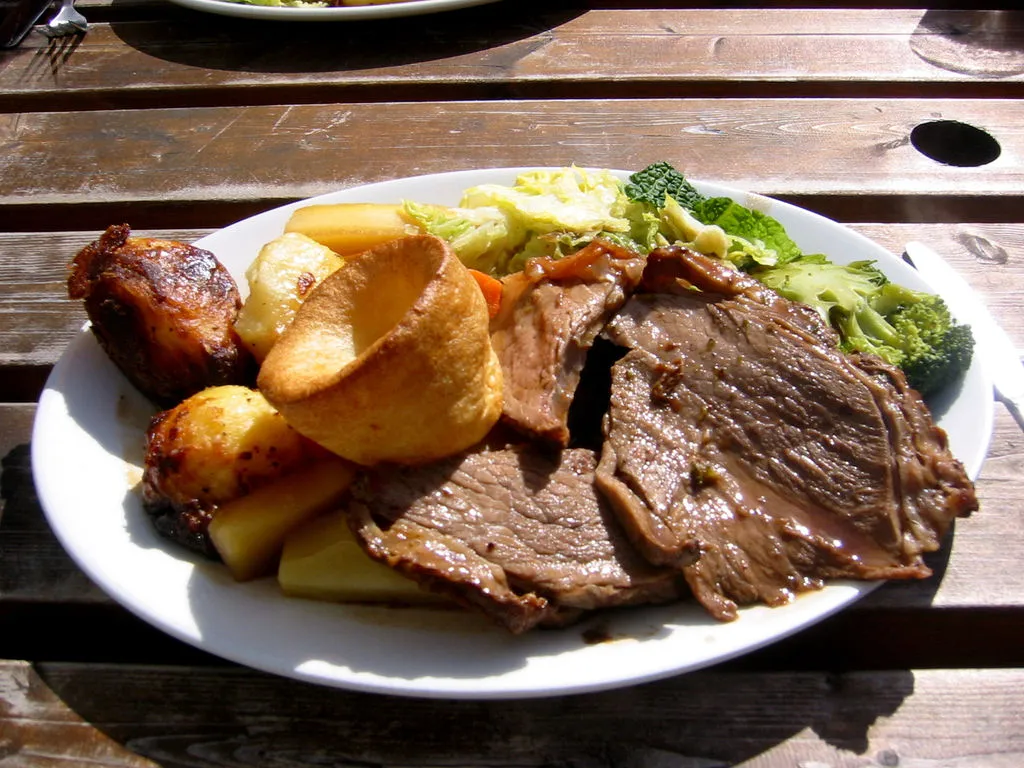
In recent decades, Britain’s best pub chefs have, by focusing on seasonal ingredients, rare-breed meats and painstaking preparations of roast potatoes or root vegetables, brought a fresh glamour to this Sunday afternoon ritual. The pub roast has arguably raised the bar so high that home cooking struggles to compete on the same terms.
In the modern times we find ourselves in, the only evolution to the Sunday ritual appears to be that standards are at an all-time high. Michelin-starred pubs now dedicate entire menus to the meal, and booking a Sunday table weeks in advance has become standard practice in major cities. Popularised by King Henry VII in the 15th century, the Sunday roast is now found across London’s gastropubs and restaurants, featuring everything from chicken, lamb, pork and beef to vegetarian and vegan alternatives.
Roast Occasions Are Actually Growing Again
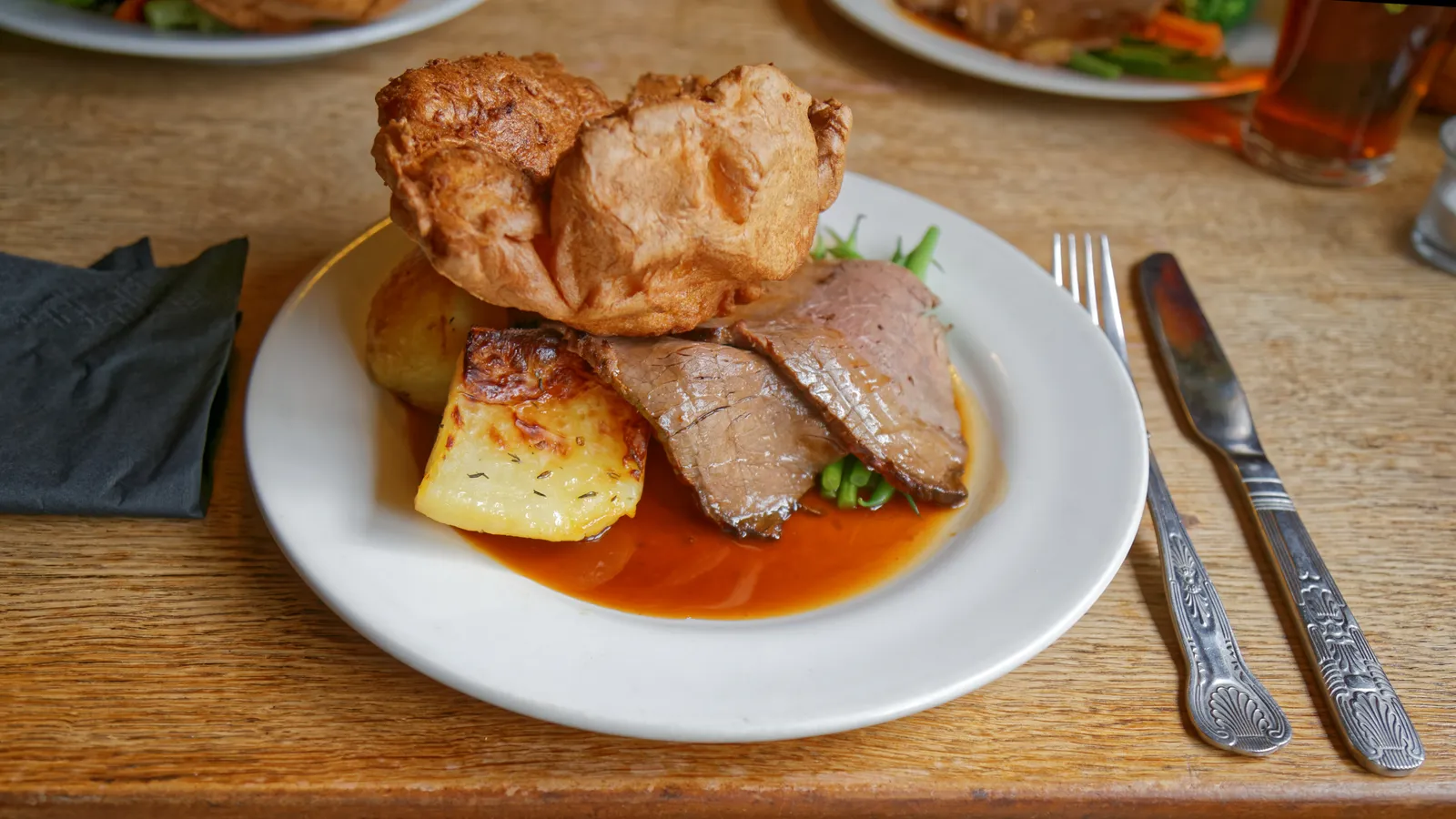
Following 18 months of decline, roast occasions have grown, and while we might not always be preparing them on a Sunday specifically, the humble roast is still enjoyed on average more than once a week and is reaching more consumers than before. The day has shifted, but the appetite has not disappeared.
People from all age groups have increased their consumption of a roast dinner, apart from families with children under the age of nine, who used to be the core audience, with occasions rising most among empty nesters and families with older children, up by over 14 per cent and 12 per cent respectively. This is a meaningful reversal of what many observers had assumed was a one-way decline.
What the Roast Means Beyond the Plate
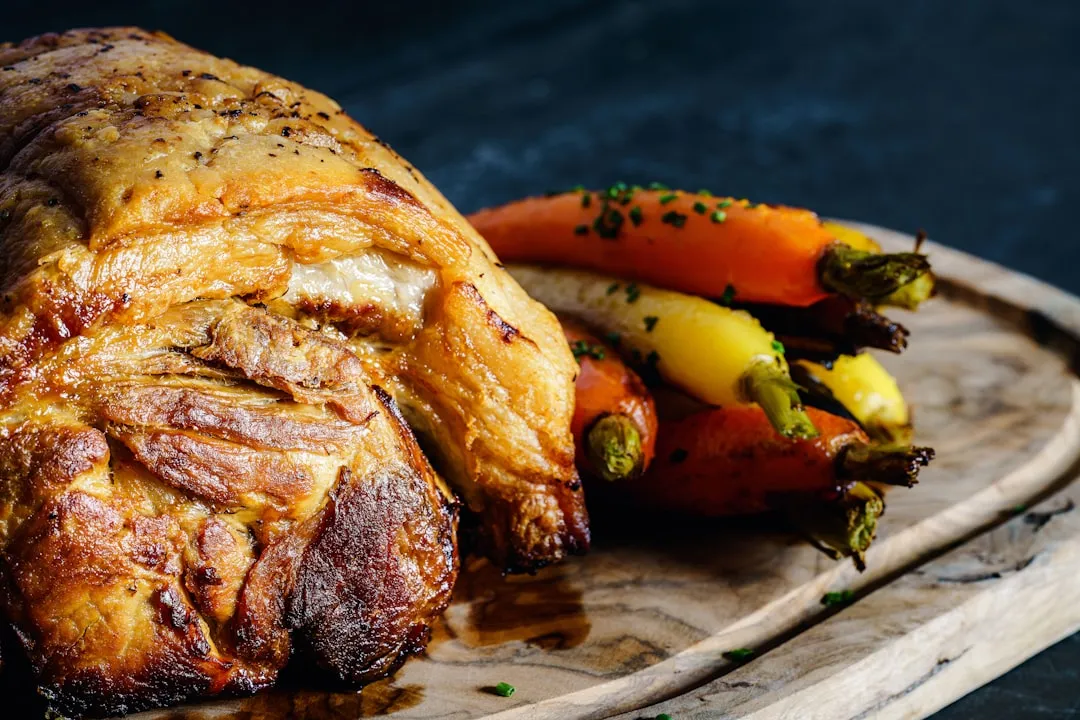
The Sunday roast endures because it is more than just a meal. It is a warm reminder of childhood, family gatherings and cherished traditions, bringing back memories of sitting around the table with loved ones. That emotional pull is hard to quantify in a survey, but it shows up in the way people talk about the meal, defend it, and return to it even after years away.
Despite the rise of fast food and convenience meals, the Sunday roast has remained a beloved tradition in the UK, and its enduring appeal lies in its ability to bring people together, provide comfort and nourishment, and evoke feelings of nostalgia and warmth. This classic British meal has been a Sunday tradition in pubs and homes across the UK for centuries, and it has truly stood the test of time.
The Roast Reinvented for 2026
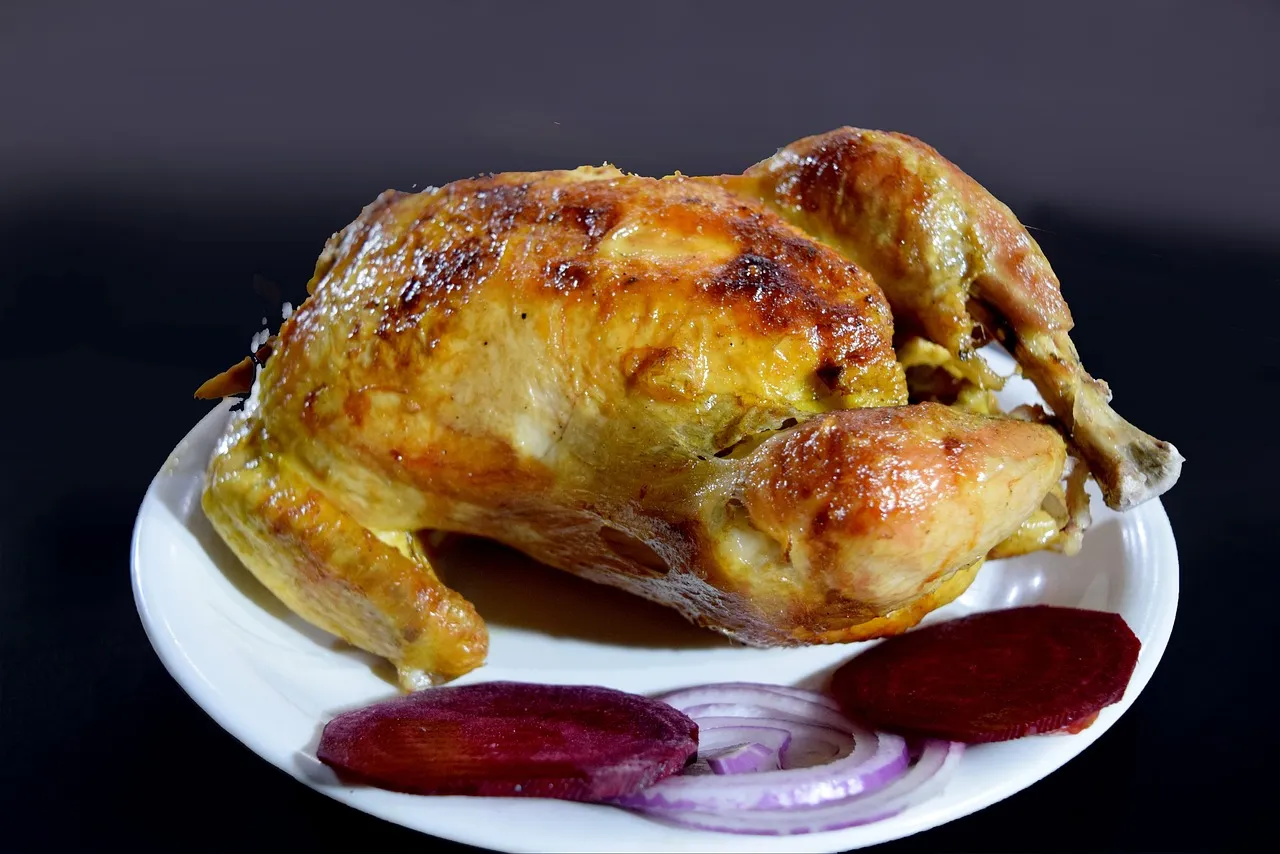
Restaurants in London are now offering Portuguese-style Sunday sessions, Jamaican-inspired roasts, and Nordic roast interpretations alongside more traditional offerings. That breadth of interpretation would have puzzled a cook from even 30 years ago, but it also shows how alive the concept remains. A meal that can absorb influences from around the world without losing its sense of occasion is one with genuine staying power.
Global influences such as spices from India or herbs from the Mediterranean can add exciting new dimensions to the traditional roast. Interestingly, working-class families in the 19th century would often drop off a portion of meat at their local baker on a Sunday morning and pick it up fully roasted on their way home, a detail that reminds us the meal has always found a way to flex with the times. The 2026 version might arrive by delivery app rather than from a baker’s oven, but the impulse behind it is the same.
The Takeaway
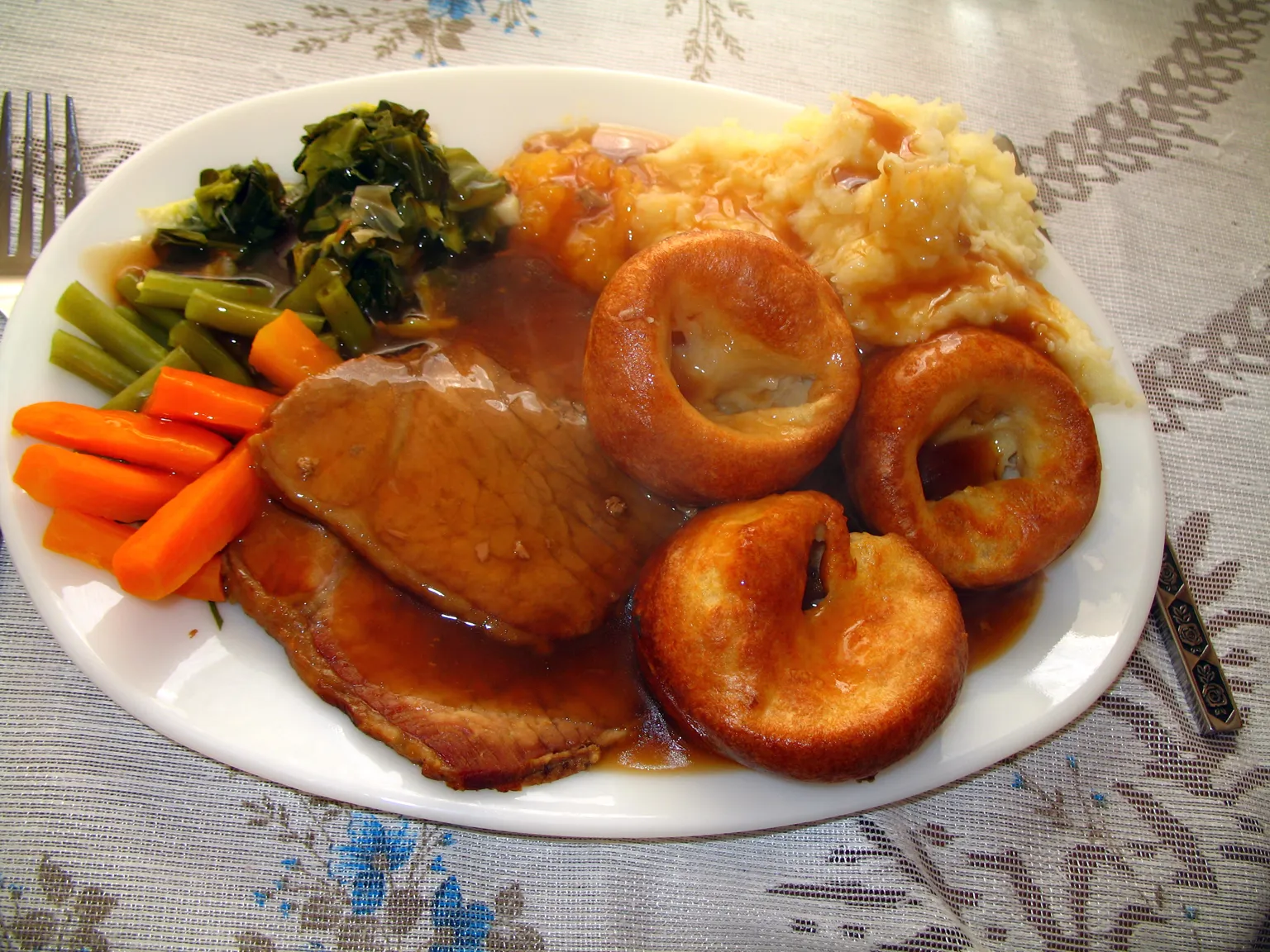
The Sunday roast has not died. It has migrated: from the home kitchen to the gastropub, from Sunday to Thursday, from beef to chicken, from the oven to the air fryer. The data suggests a meal in transition rather than in terminal decline, and the cultural attachment to it runs deep enough that each generation seems to find its own version worth preserving.
What’s changed most is not what goes on the plate but what the occasion looks like around it. Smaller households, busier Sundays, and tighter budgets have reshaped the ritual without erasing it. If anything, the meals that survive long enough to become contested, debated, and fiercely defended tend to be the ones with the longest futures ahead of them.
AI Disclaimer: This article was created with the assistance of AI tools and reviewed by a human editor.