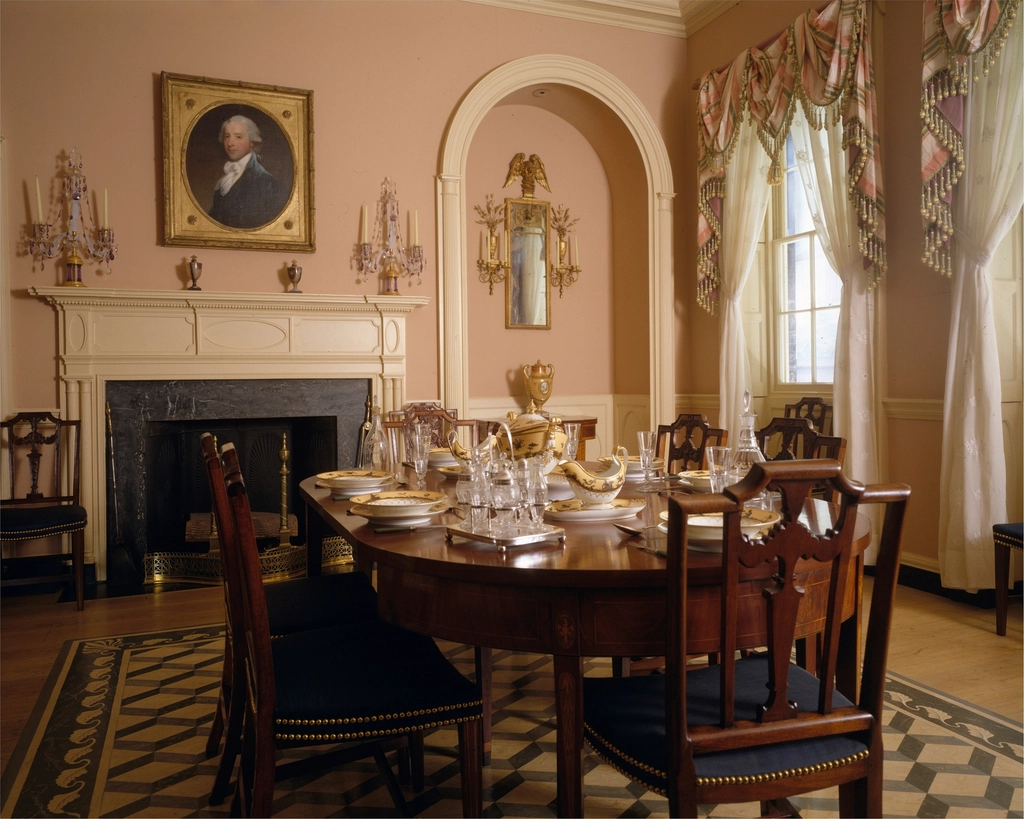

There was a time when the formal dining room occupied a kind of sacred status in the American home. It held the good china, the matching chairs nobody sat in between Thanksgiving and Christmas, and a chandelier that always seemed slightly too large for the space. It was a room built for occasion, not for Tuesday.
Somewhere between the rise of open floor plans, the pandemic, and a generation of homeowners who never much cared for inherited silverware, that room started quietly disappearing. What replaced it is more complicated than a simple design shift. It’s a story about how people actually live now, what they value in square footage, and why the concept of “formal” has become a moving target.
The Room That Sat Empty Most of the Year
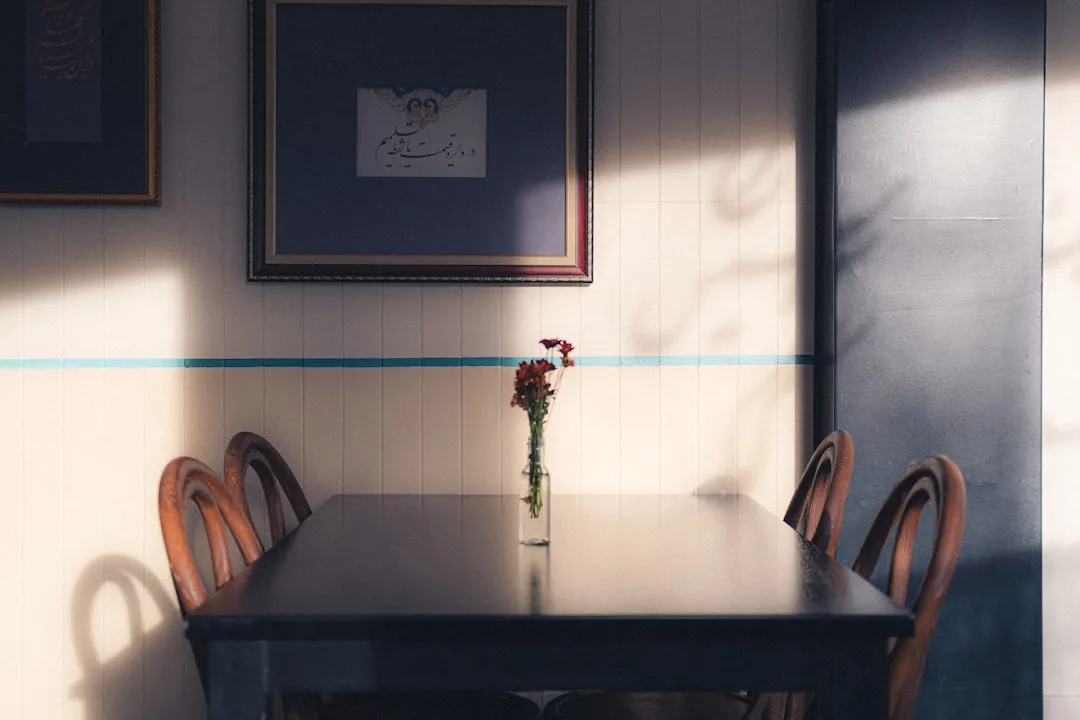
Formal dining rooms reserved for special occasions and holidays have been becoming a thing of the past for some time. By 2025, homeowners were clearly prioritizing casual, everyday dining spaces that could adapt to multiple uses. The math was never especially flattering for the traditional dining room. A dedicated space that sits unused roughly forty-nine weeks out of the year is hard to justify in a culture increasingly focused on maximizing every square foot.
Whether it’s a cozy family dinner, a work-from-home setup, or a homework station, the dining room needs to be a versatile and functional space. That shift in expectation, from single-purpose to multi-functional, is probably the clearest explanation for what happened. People didn’t stop eating together. They stopped cordoning that activity off into a separate, untouchable room.
Open-Plan Living Changed the Architecture of Everything
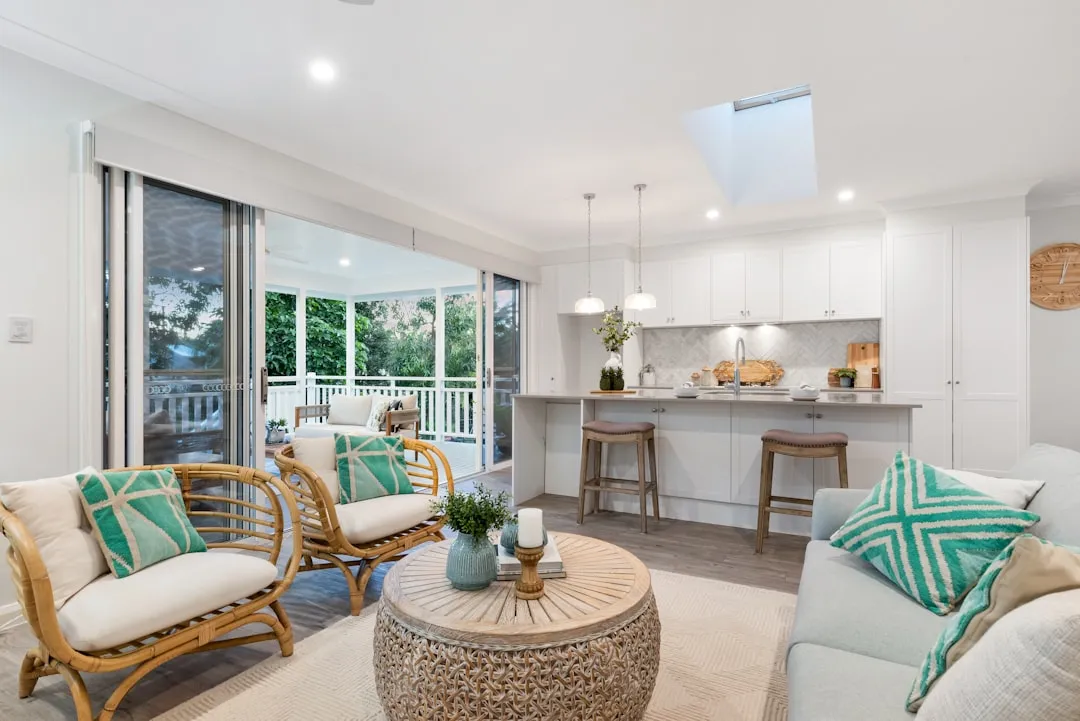
Open floor plans gained popularity in the mid-20th century, fueled by the desire for larger communal spaces that encourage interaction and flexibility. The concept involves removing walls between common areas like the kitchen, living room, and dining room to create a more expansive and connected living space. As that aesthetic spread into mainstream homebuilding, the formal dining room became architecturally inconvenient. A room with a door and four walls didn’t fit neatly into a floor plan that prized flow above all else.
This design fosters a sense of openness and flow, making homes feel larger and more inviting. The appeal was real. Open kitchens felt more sociable, more modern. The host could stay connected to guests without disappearing into a separate room. For a while, that genuinely seemed like progress.
The Kitchen Absorbed It All
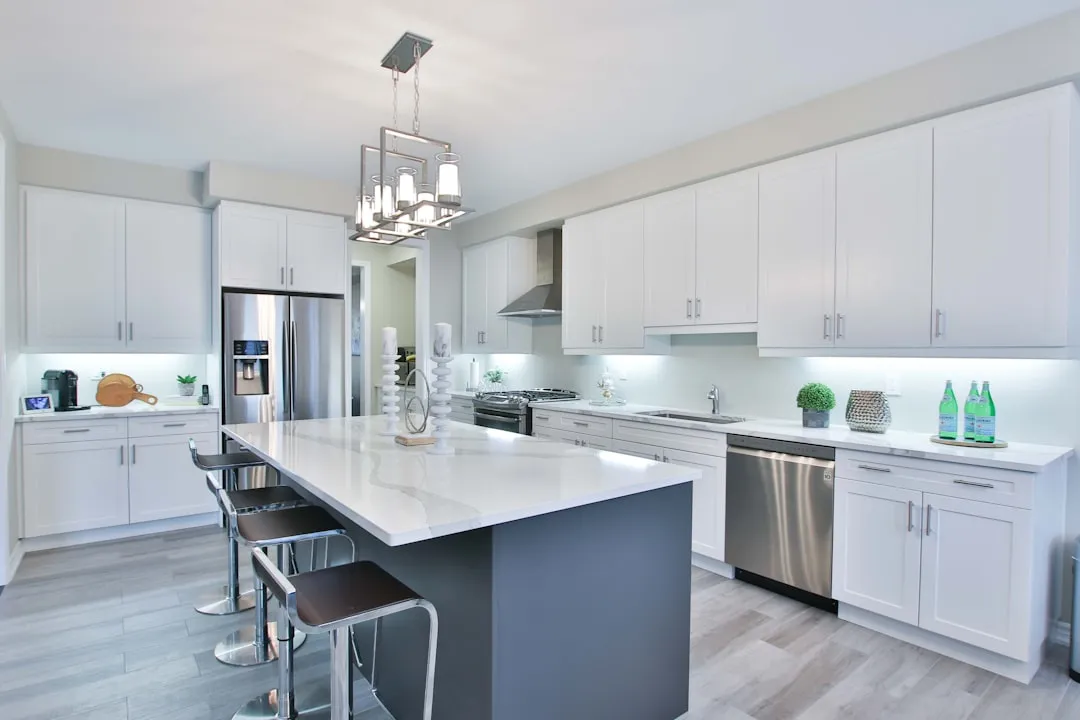
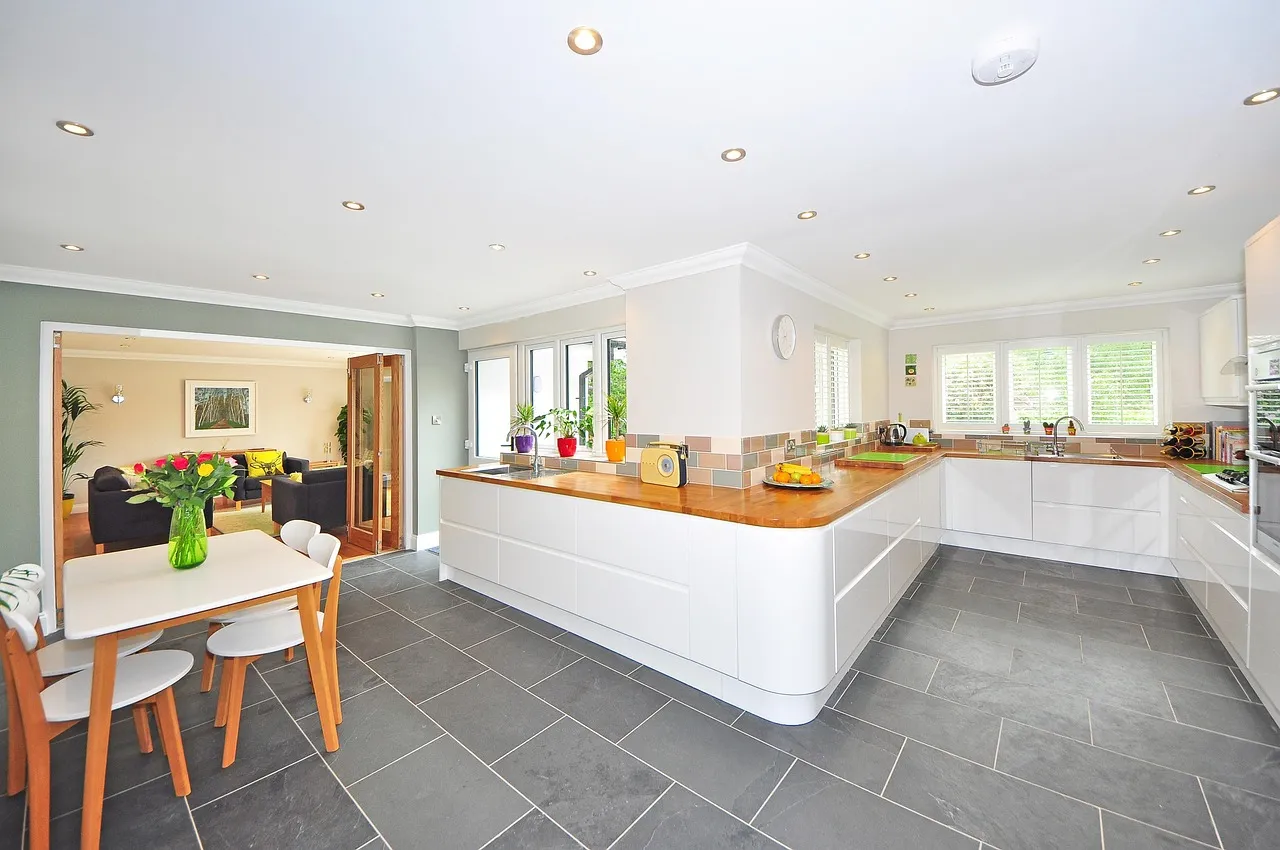
Formal dining rooms are disappearing as kitchens expand to become multi-functional command centers, with all survey respondents agreeing that lifestyle enhancements will be popular kitchen layout features. The kitchen didn’t just gain counter space. It gained territory. Islands replaced dining tables, bar stools replaced side chairs, and the breakfast nook quietly swallowed the role the dining room once played every single night.
While the overall size of U.S. homes declines, the vast majority of industry professionals expect the kitchen footprint to increase over the next three years. As the kitchen expands, it further influences the whole home design. The NKBA’s 2026 Kitchen Trends Report, drawing on input from 634 industry professionals across North America, confirmed this pattern is not slowing down. The report identifies five primary methods homeowners are using to increase kitchen space: physical home additions, eliminating formal dining rooms, claiming space from adjacent living areas, removing walls for open-concept layouts, and visual expansion through hidden storage and appliance concealment.
Remote Work Turned Every Room Into a Potential Office
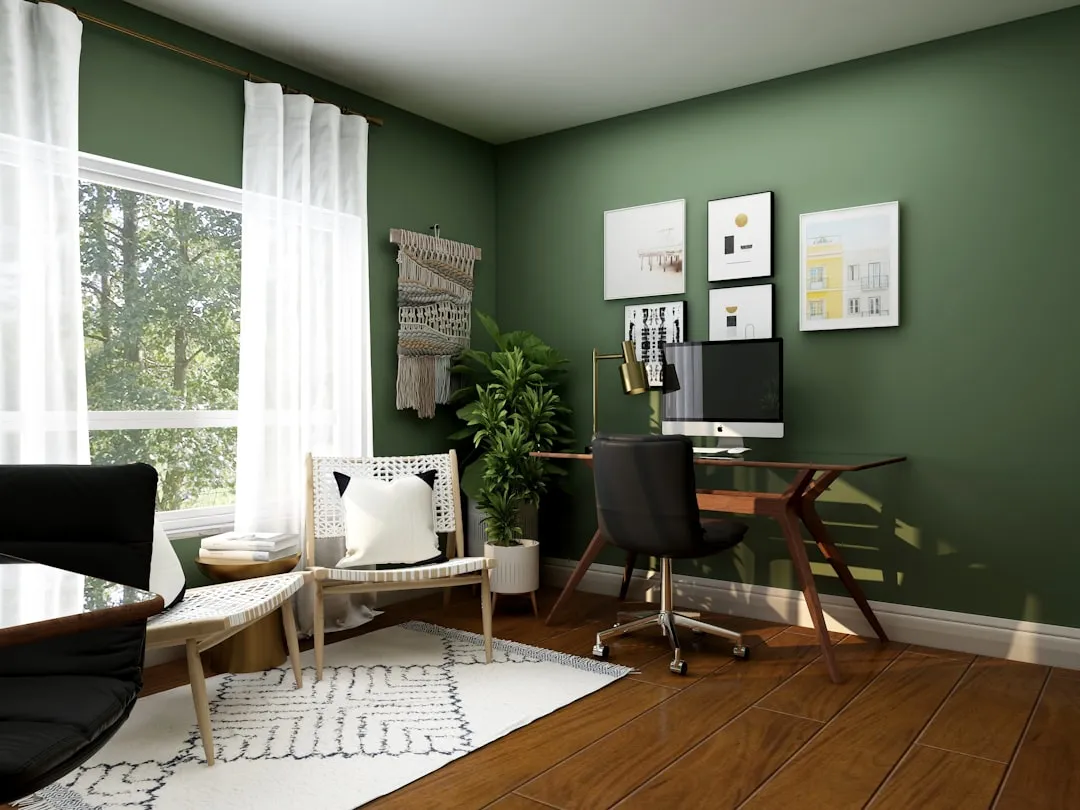
About 35 percent of employed people did some or all of their work remotely in 2025, up from 33 percent in 2024, according to the Bureau of Labor Statistics’ latest American Time Use Survey. That sustained shift created intense pressure on home layouts. The formal dining room, already struggling to justify itself, suddenly looked like prime real estate for a proper desk setup.
In the last few years, home offices have taken on far greater importance across the U.S. than ever before. Research suggests that by 2025, roughly 36 million Americans were working remotely. Working from home, whether in a hybrid model or fully remote, requires a designated area to do so. The dining room, with its natural light and relative separation from the living area, made a surprisingly functional office. Many homeowners never switched it back.
Built-In Storage and Formal Furnishings Fell Out of Favor
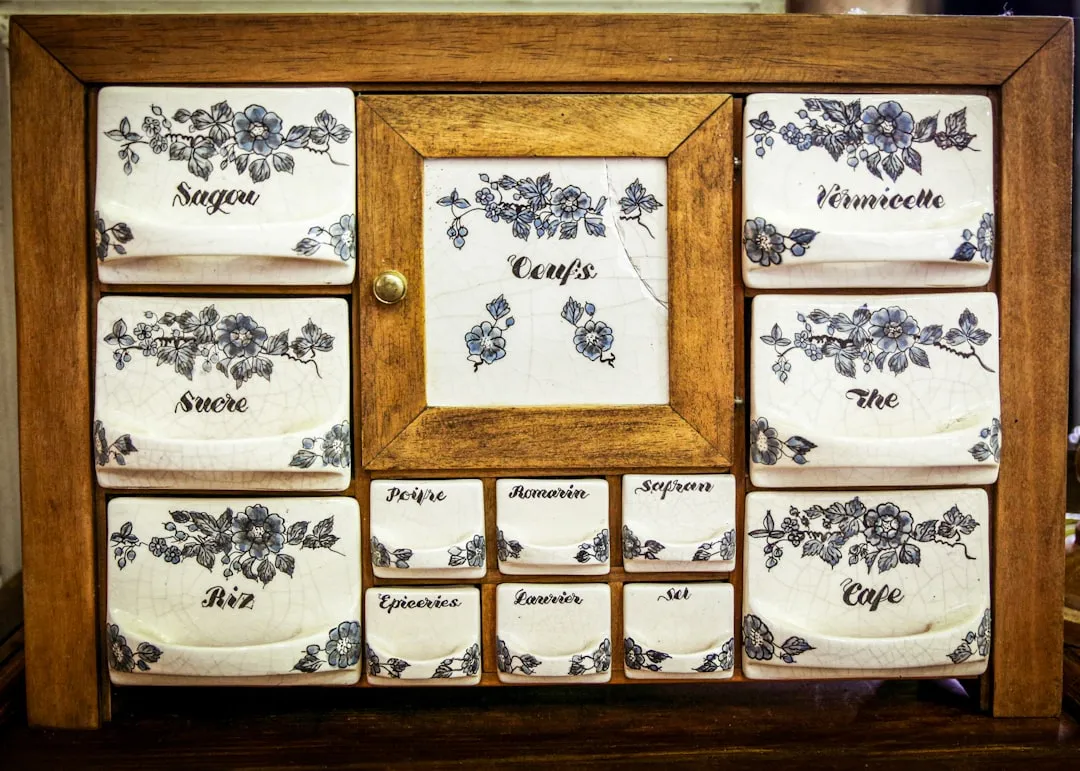
A Realtor.com report, which aggregated details from over a million home listings, suggests ornate design details are no longer being featured in homes, and in the case of dining rooms, this includes built-in storage. The credenza, the china hutch, the coordinated servingware display: all of it started reading as dated rather than distinguished. Younger buyers especially were uninterested in inheriting someone else’s idea of how a dining room should look.
It’s likely that homeowners want to make every space as multipurpose as possible. Freestanding furniture provides freedom that more permanent fixtures can’t, and purchasing a home without built-in features means less risk of having to take on future projects. Flexibility, in other words, became the new luxury. The ability to rearrange, repurpose, and reinvent a room without a renovation permit started mattering more than permanence.
Generational Tastes Reshaped What “Home” Means
The formal dining room has experienced fluctuating popularity over the past few decades, with some favoring it and others opting for a more casual dining experience at home. Much of that fluctuation tracks with generational attitudes. Boomers grew up with the formal dining room as a symbol of household aspiration. Their children and grandchildren largely saw it as a symbol of inaccessible, fussy living.
Generational differences are driving specific design choices for kitchen remodeling projects. Gen X households represent roughly a third of projects, while Boomers account for about another third, with both groups spending the most on renovations. Millennials without children seek more entertaining space, Boomers desire more accessible kitchens, and Gen X focuses on features that increase home value and support multi-generational living. Each group wants something different from the space, but what they share is a preference for rooms that actually get used.
Casual Dining and the “Every Night” Philosophy
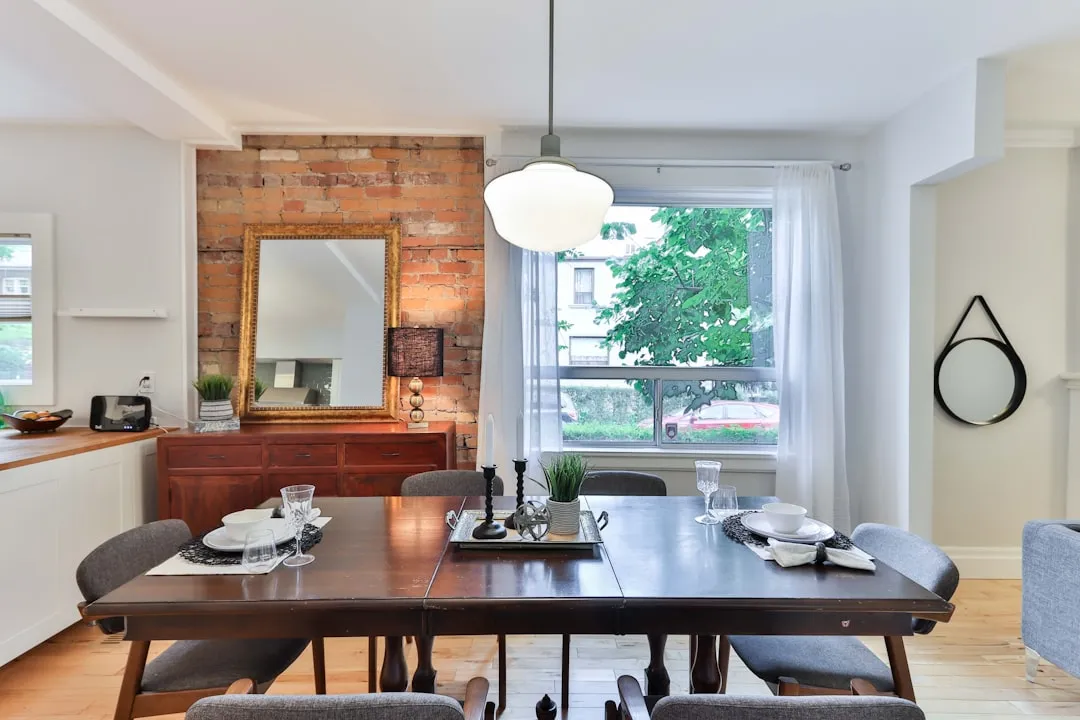
The biggest shift in recent years is the move towards dining spaces that are sustainable, multi-functional, and personality-driven. That phrase, “personality-driven,” says a lot. The formal dining room was never especially personal. It existed to impress guests, to signal taste, to perform a kind of domestic propriety. The rooms replacing it are meant to express who the homeowners actually are, not who they’re hoping to appear to be.
This shift towards a more lived-in, curated aesthetic allows for personal expression and creates a space that feels truly inviting and comfortable. The stark, cold minimalism of previous eras is giving way to warmth and character through layered, textured design. The best dining spaces of the present are ones where people genuinely want to linger, not ones they leave the moment the plates are cleared.
The Downsizing of American Homes Plays Its Part
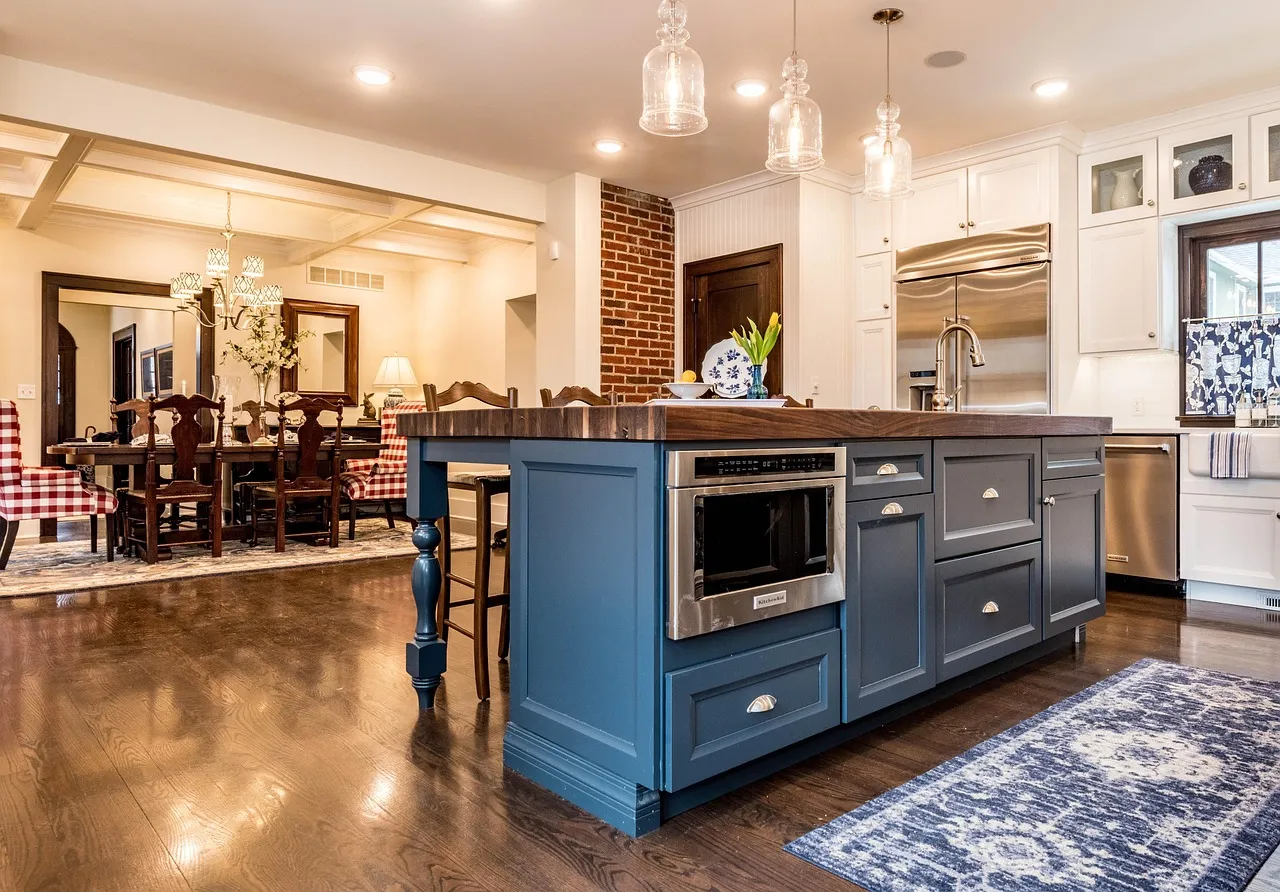
The kitchen’s footprint kept growing in 2025, and even as overall home sizes trend smaller, designers reported continued expansion of the kitchen, reinforcing its role as the home’s social, functional, and aesthetic hub. Smaller homes mean hard choices about what gets dedicated space. When square footage is tight, a room used a few times a year doesn’t make the cut. The kitchen, by contrast, earns its keep every single day.
Open kitchens strengthened the connection between kitchen, living, and outdoor spaces, replacing traditional dining rooms with multifunctional islands, banquettes, and integrated storage. These aren’t just design choices. They’re practical concessions to the reality of how contemporary families actually organize their time and their homes.
The Surprising Comeback Nobody Fully Predicted
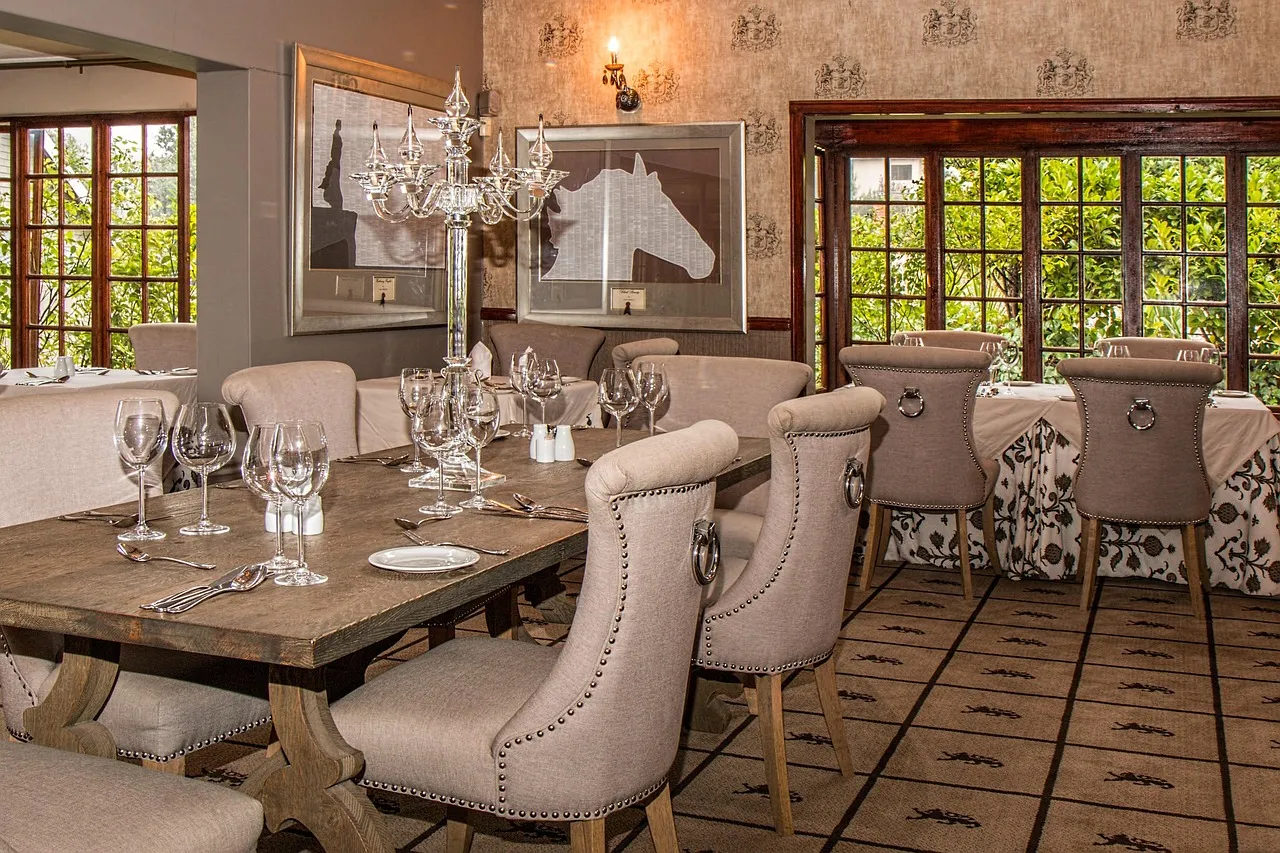
Here’s the twist. After years of decline, the formal dining room is showing signs of life again, though in a form its original incarnation would barely recognize. Homeowners want real dining rooms again. Gone are the afterthoughts wedged between the kitchen and the living room, traded for fully realized, design-forward spaces that can hold a dinner party on a Saturday and still feel cozy on a Tuesday night.
After years of being sidelined by open-concept layouts and eating in front of the television, the dining room is one of the most energized spaces in the home right now. Interior designers across the country are reporting a clear uptick in client requests for defined, dedicated dining spaces. The dining room is back because the definition of formal has changed: it no longer means reserved for special occasions, but rather a space worthy of every meal.
What the New Dining Room Actually Looks Like
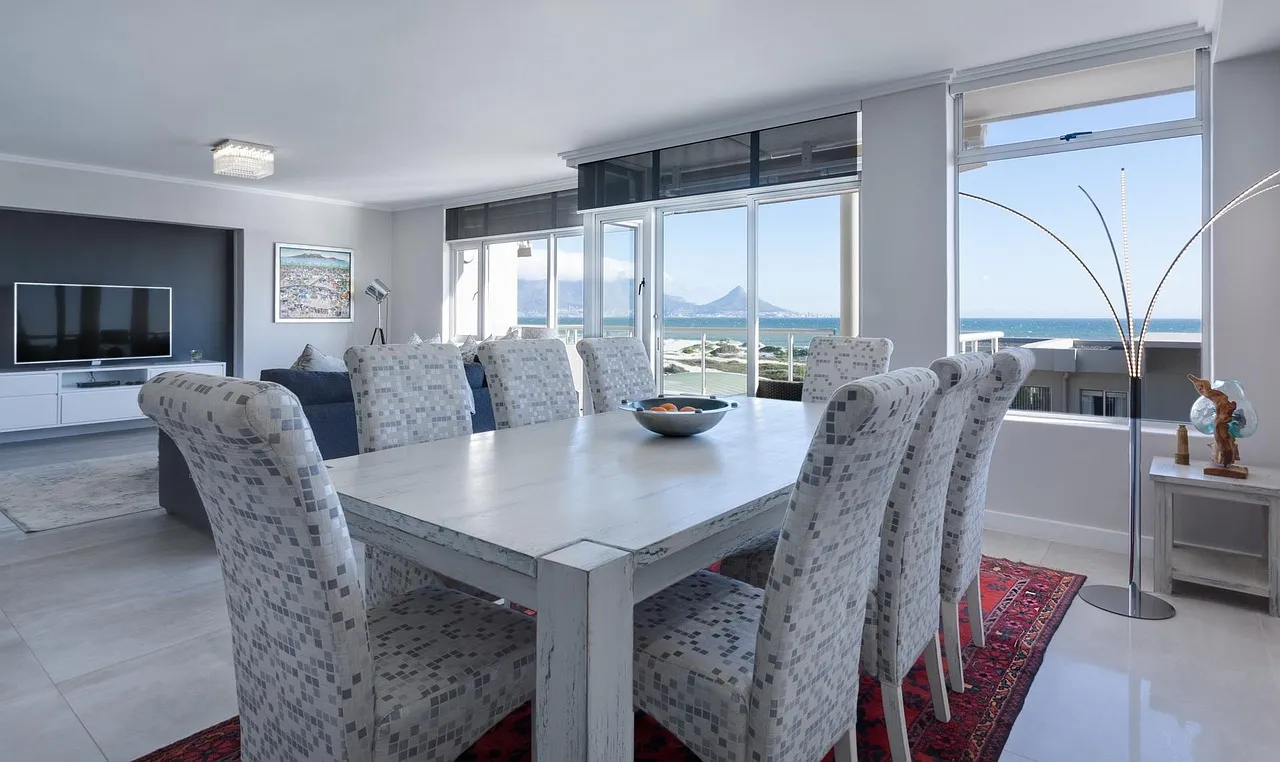
Designers predict we’ll enjoy the best of both worlds, as both formal dining rooms and multifunctional dining spaces will be in vogue. The new version isn’t built around matching furniture sets, rigid chair arrangements, or a china cabinet that nobody opens. It’s built around atmosphere, flexibility, and the kind of warmth that makes people want to sit down and stay awhile.
Sustainability has taken center stage in dining room design, with a surge in the use of wood, bamboo, and responsibly sourced materials that prioritize environmental consciousness. These natural, eco-friendly options bring warmth and character to a space and align with consumers’ growing preference for sustainable choices, especially among younger demographics. The room has changed in purpose, in materials, and in meaning. What hasn’t changed is the underlying human impulse behind it: people want a good place to gather and eat.
The Takeaway
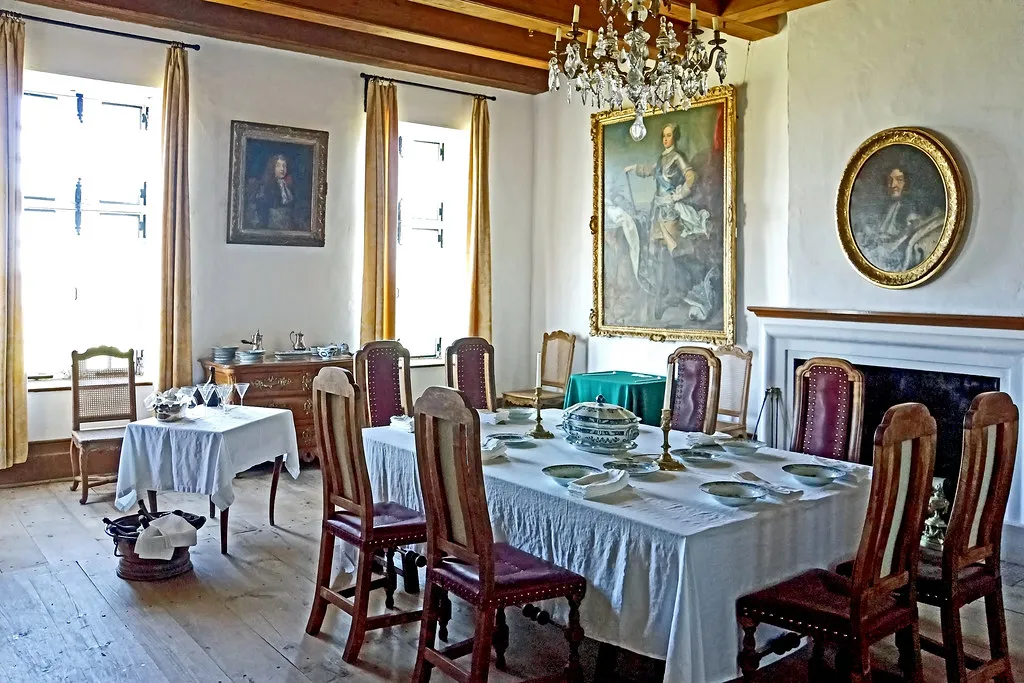
The formal dining room didn’t exactly die. It transformed. The stiff, occasion-only room of past decades gave way to open kitchens and multipurpose spaces, pushed out by shifting lifestyles, smaller homes, remote work, and generational tastes that simply had no use for a room built around performance rather than pleasure.
Now, something is circling back. Not the same room, but the same idea behind it: that eating together deserves a proper place. Gone are the afterthoughts wedged between the kitchen and the living room, and after years of being sidelined, the dining room is one of the most energized spaces in the home right now. What that space looks like going forward is still being worked out, and that’s probably what makes it interesting again.
AI Disclaimer: This article was created with the assistance of AI tools and reviewed by a human editor.