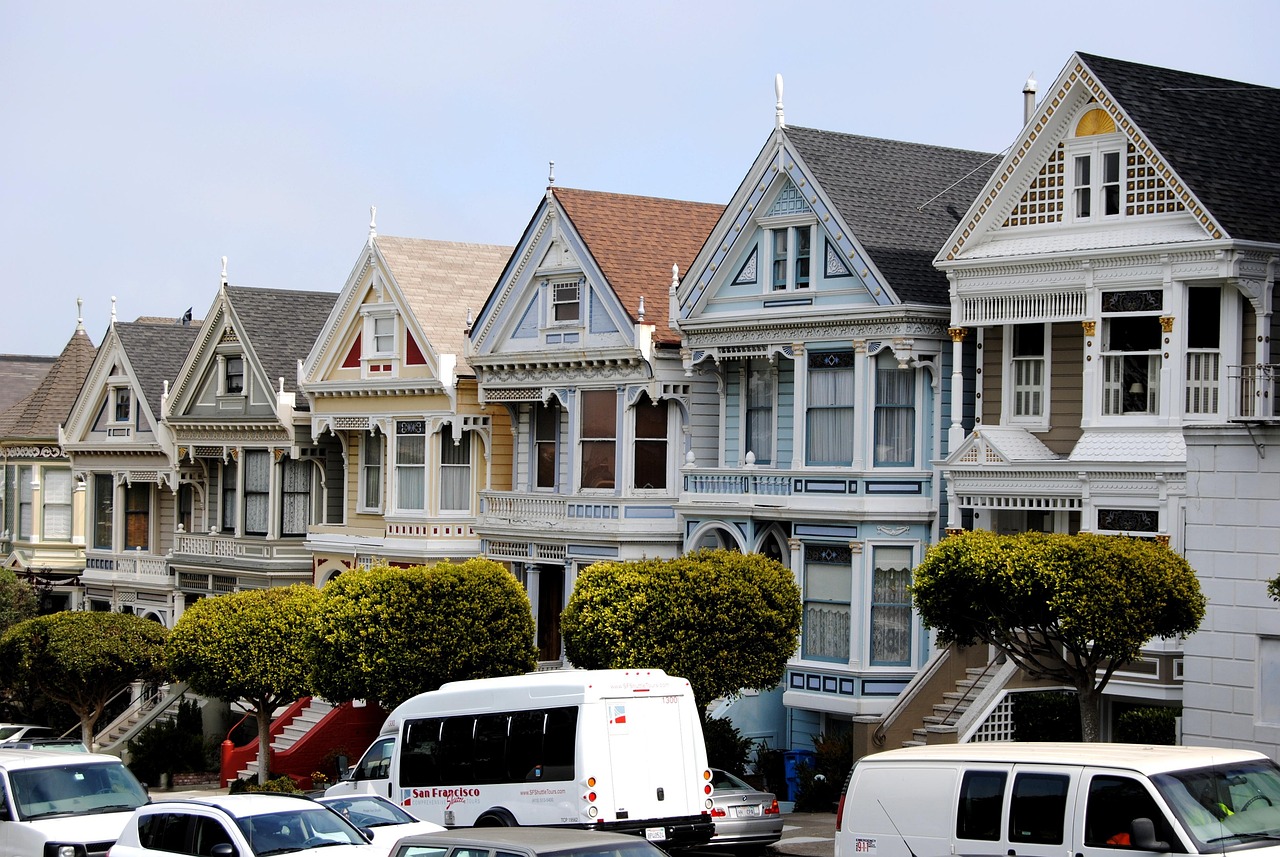

There used to be a kind of neighborhood gravity. You borrowed a cup of sugar, you waved from the porch, you knew the family across the street before you even learned their last name. That rhythm felt permanent, like something baked into the way people lived. It wasn’t.
The numbers today tell a different story. Only about three in ten Americans know their neighbors beyond a casual level, according to a 2026 Rocket Mortgage survey. That’s not a marginal shift. It’s a generational rearrangement of how people relate to the people closest to them physically.
The Numbers Are Hard to Ignore
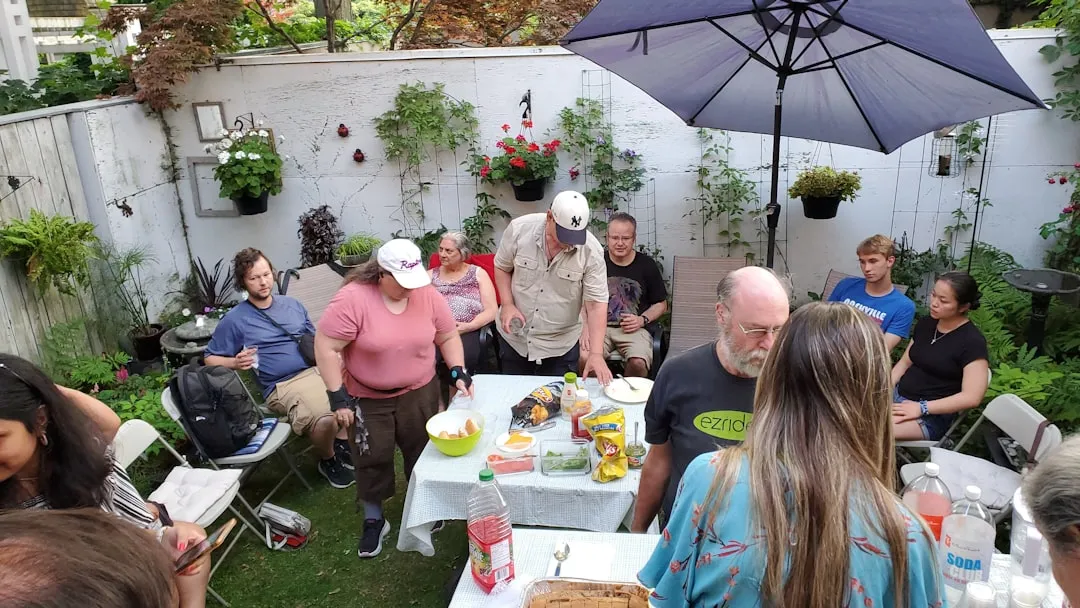
About a quarter of U.S. adults say they know all or most of their neighbors, while another sixty-two percent know only some of them, and twelve percent don’t know any of them at all. Those figures come from a Pew Research Center survey conducted in March 2025 with nearly 9,500 adults.
The shares of Americans who say they know and trust their neighbors have both decreased in recent years. Back in 2018, thirty-one percent of Americans said they knew all or most of their neighbors, and in 2015, more than half said they trusted all or most of them. The slide has been slow but steady.
Social Evenings with Neighbors Have All but Vanished

The share of Americans who spend a social evening with a neighbor at least several times per month has declined from forty-four percent in 1974 to twenty-eight percent in 2022. That’s not a dip. That’s roughly a halving of neighborly social life over fifty years.
In 2012, nearly six in ten U.S. adults said they spoke with their neighbors at least a few times a week. Today, just forty percent say the same. That’s a drop of nineteen percentage points. The Survey Center on American Life, which tracks this data, describes the change as a significant withdrawal from neighborhood life.
Young Adults Are Pulling Back the Most
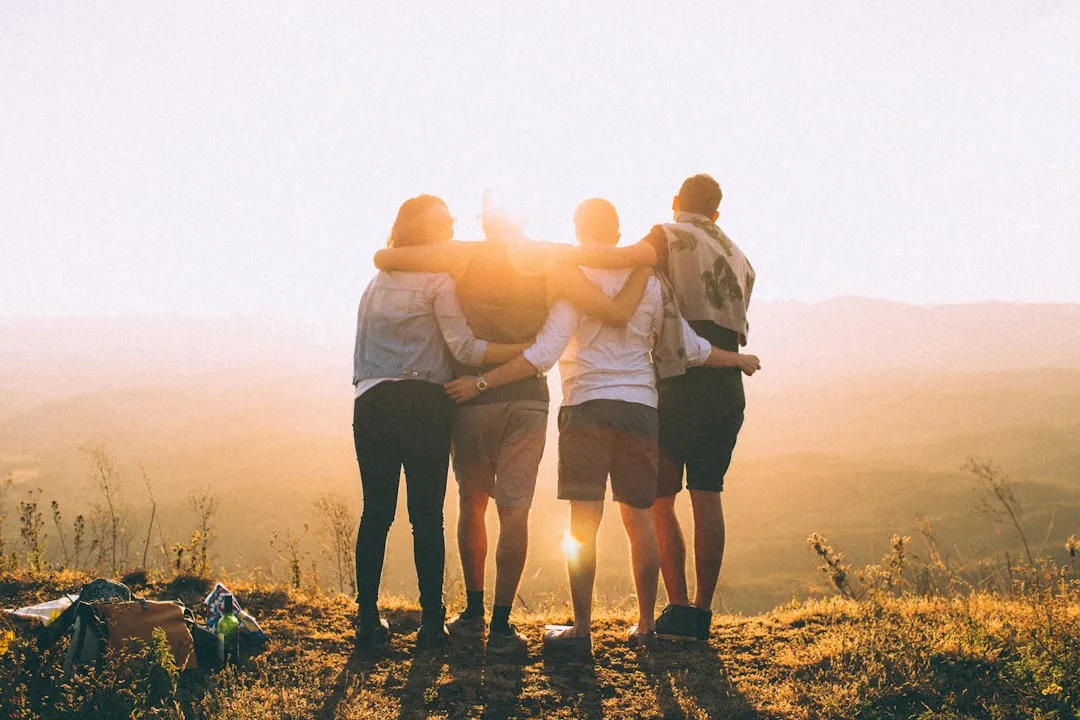
The drop in interaction has been especially sharp among young adults. Over the past thirteen years, the share of eighteen to twenty-nine year-olds who talk with their neighbors weekly has fallen twenty-six percentage points to just twenty-five percent. That’s a striking contrast to older generations, who have held on to more of these ties.
By comparison, the share of adults aged sixty-five and older who regularly speak with their neighbors has declined only seven percentage points, to fifty-six percent. Among young adults, roughly seven in ten say good neighbors should stay out of personal matters, compared to just over half of seniors. The attitude toward neighborliness itself has shifted, not just the behavior.
Trust Has Declined Along with Familiarity

Just forty-four percent of Americans say they trust most or all of their neighbors, a decline from fifty-two percent a decade ago. Only twenty-six percent know most of their neighbors. Knowing someone and trusting them tend to go hand in hand, and the erosion of one tends to weaken the other.
The ever-worsening trust crisis appears to be fueled more by interactions with community members than by interactions with friends and family. In other words, the breakdown isn’t primarily happening inside households. It’s happening between them.
Homeowners vs. Renters: A Widening Gap
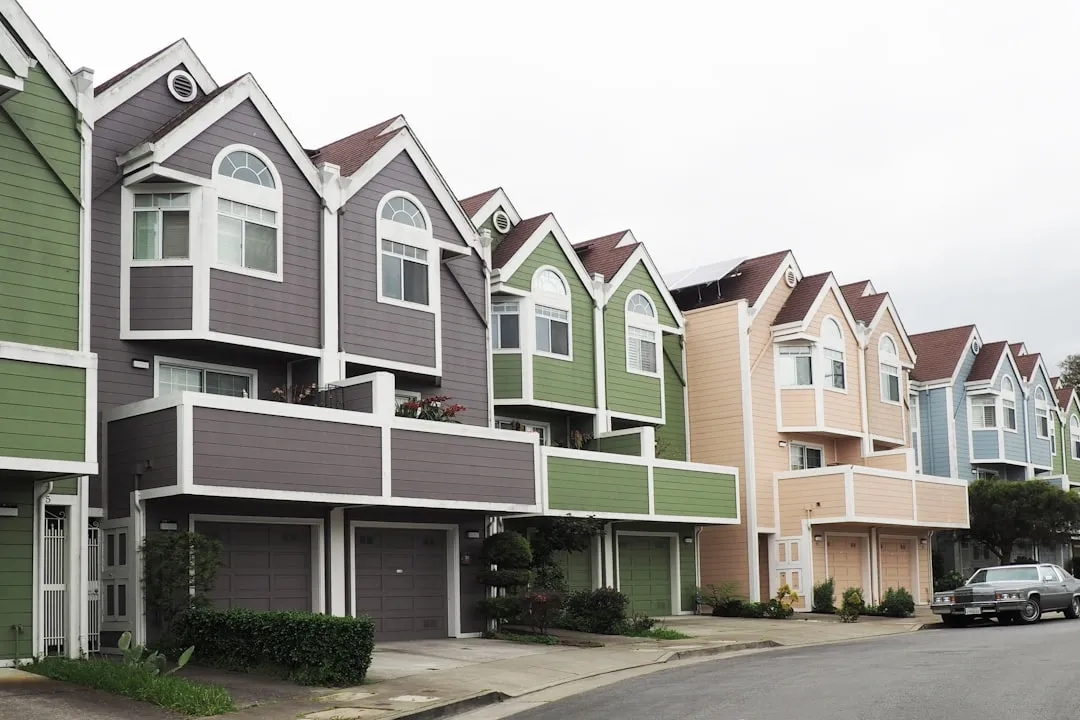
Although roughly nine in ten Americans overall say they know the names of at least some of their neighbors, this includes nearly all homeowners but barely three-quarters of renters. That gap reflects something real about how stability shapes familiarity. When people move frequently, the investment in knowing a neighbor simply doesn’t have time to develop.
Americans value good neighbors so much that roughly eight in ten say having them is just as important as price or location when buying a home. The desire for community is there. The conditions that make it grow, apparently less so.
How Suburban Design Works Against Connection
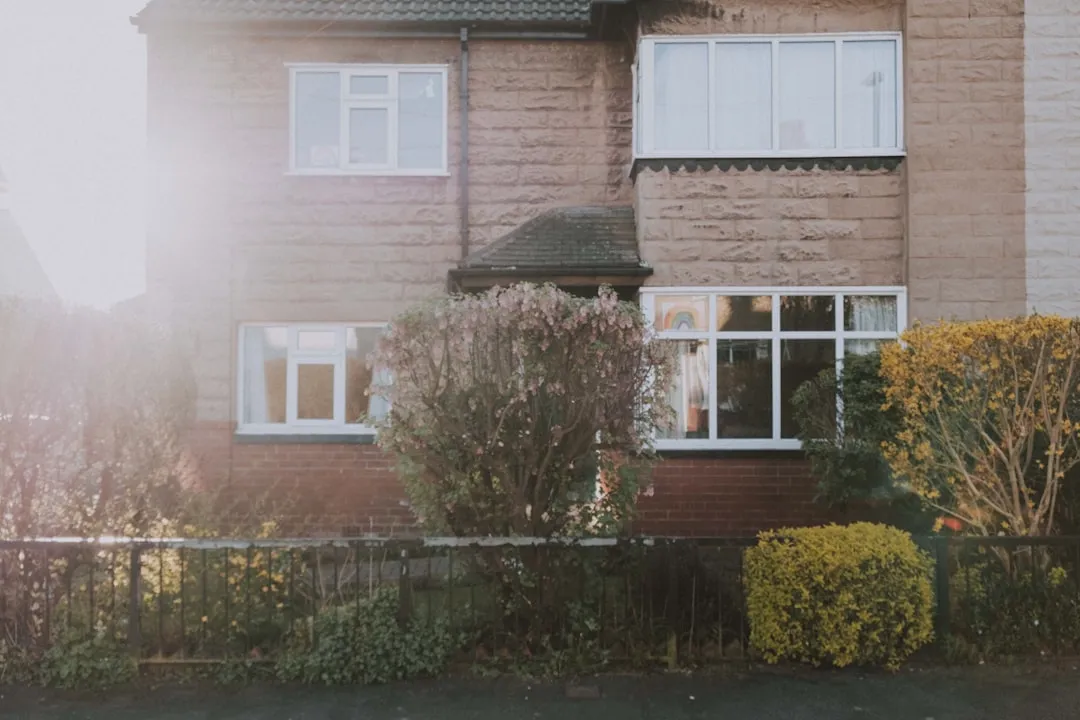
Urban planners and sociologists increasingly point to design choices that prioritize cars, privacy, and efficiency over human interaction. When neighborhoods lack shared spaces, walkability, and natural gathering points, casual social contact slowly disappears. Over time, isolation becomes built into the landscape itself.
In walkable areas, people greet each other while walking dogs, pushing strollers, or commuting short distances. In car-centric suburbs, interaction is reduced to brief driveway waves, if that. The built environment doesn’t just reflect how people relate to each other. It actively shapes it.
The Paradox of Being Hyper-Connected and Isolated
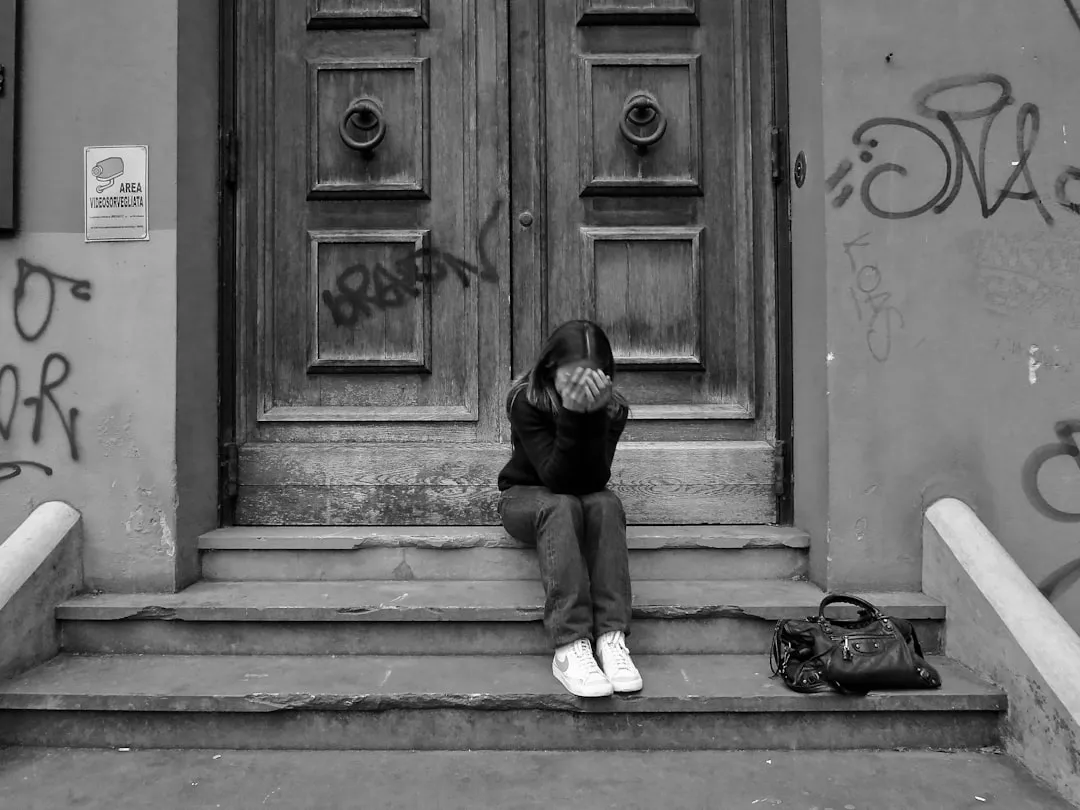
As Americans spend more of their time online, the neighborhood, once a primary physical location for real-world socialization, is playing less of a central role than ever before. Digital platforms promised connection, but they haven’t replaced what happens in person, on a porch or a sidewalk.
In the absence of shared physical spaces, digital platforms have stepped in, but they haven’t fully filled the gap. Only about one in four Americans say online platforms and social media help facilitate relationships with people in their neighborhood. The tools are there. The warmth they produce isn’t quite the same.
The Health Consequences Are Real

Census data shows that roughly two in five Americans in 2024 said they deal with loneliness sometimes, usually, or all the time. Loneliness has links to cardiovascular disease, stroke, dementia, anxiety, depression, and suicide. These aren’t abstract risks. They accumulate quietly over years.
Poor social relationships, social isolation, and loneliness can increase the risk of heart disease by twenty-nine percent and risk of stroke by thirty-two percent, according to data published by the U.S. Department of Health and Human Services. Among older adults, chronic loneliness and social isolation can increase the risk of developing dementia by approximately fifty percent.
The Hesitation Barrier: Why People Don’t Just Knock
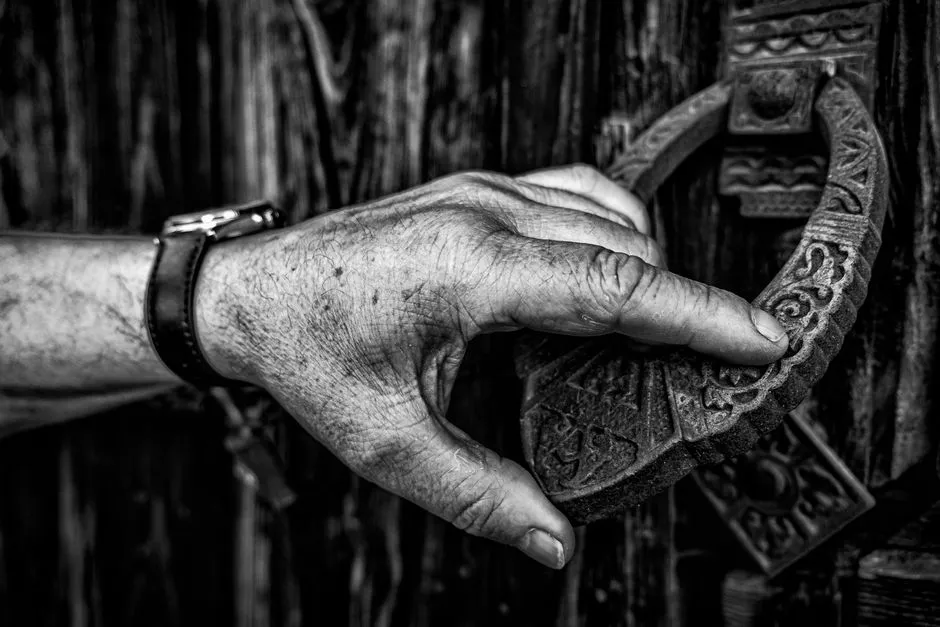
The dynamic has shifted dramatically, with hesitation emerging as the most prominent barrier to connection. Four in ten Americans say knocking on a neighbor’s door feels too bold, while twenty-two percent say they feel awkward making the first move. It’s not indifference that keeps people apart. Often, it’s the fear of intruding.
Connection doesn’t require a big gesture: more than half of respondents say small, repeated moments, a quick hello, a short conversation, or returning a misdelivered package, do more to build relationships than planned gatherings. The barrier, it turns out, is lower than people assume. They just haven’t tried.
Signs That the Appetite for Community Hasn’t Disappeared
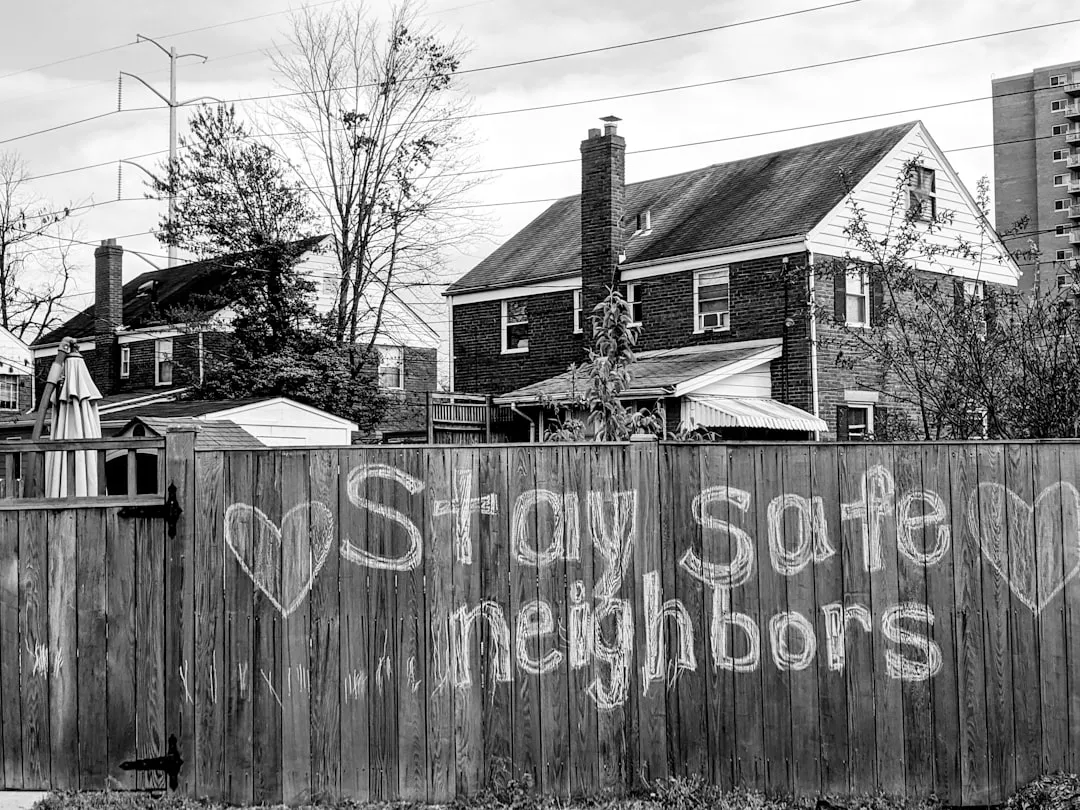
Nearly eighty percent of Americans say strong neighborhoods improve their quality of life, though only about one in six actively seek out interactions with their neighbors. Yet sixty-eight percent report receiving support from a neighbor in the past year. The gap between what people value and what they practice is striking.
The 2025 American Neighbor Survey explores the various ways in which Americans are and are not interacting with the people in their immediate communities. In the past decade, the frequency of neighborly interactions has plummeted. Still, more people now say a good neighbor helps in emergencies, looks out for safety, and checks in on older neighbors. The impulse toward mutual care hasn’t vanished. It’s just waiting for a reason to show itself.
The Takeaway
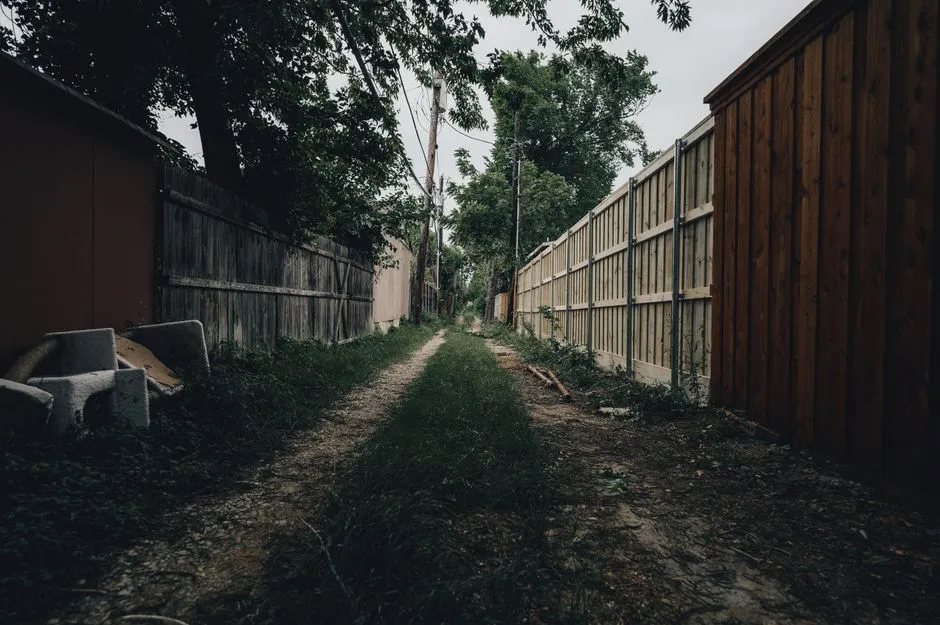
Knowing a neighbor’s name was never a small thing. It was a signal of something larger: that the people around you weren’t strangers, that the street you lived on was also a community. The data shows that signal is getting quieter. Not gone, but dimmer.
What the numbers can’t fully capture is how reversible this might be. Surveys consistently show that people want connection, feel better when they have it, and often just need a small opening to pursue it. The neighbor whose name you don’t know yet is probably in the same situation. Someone has to go first.
AI Disclaimer: This article was created with the assistance of AI tools and reviewed by a human editor.