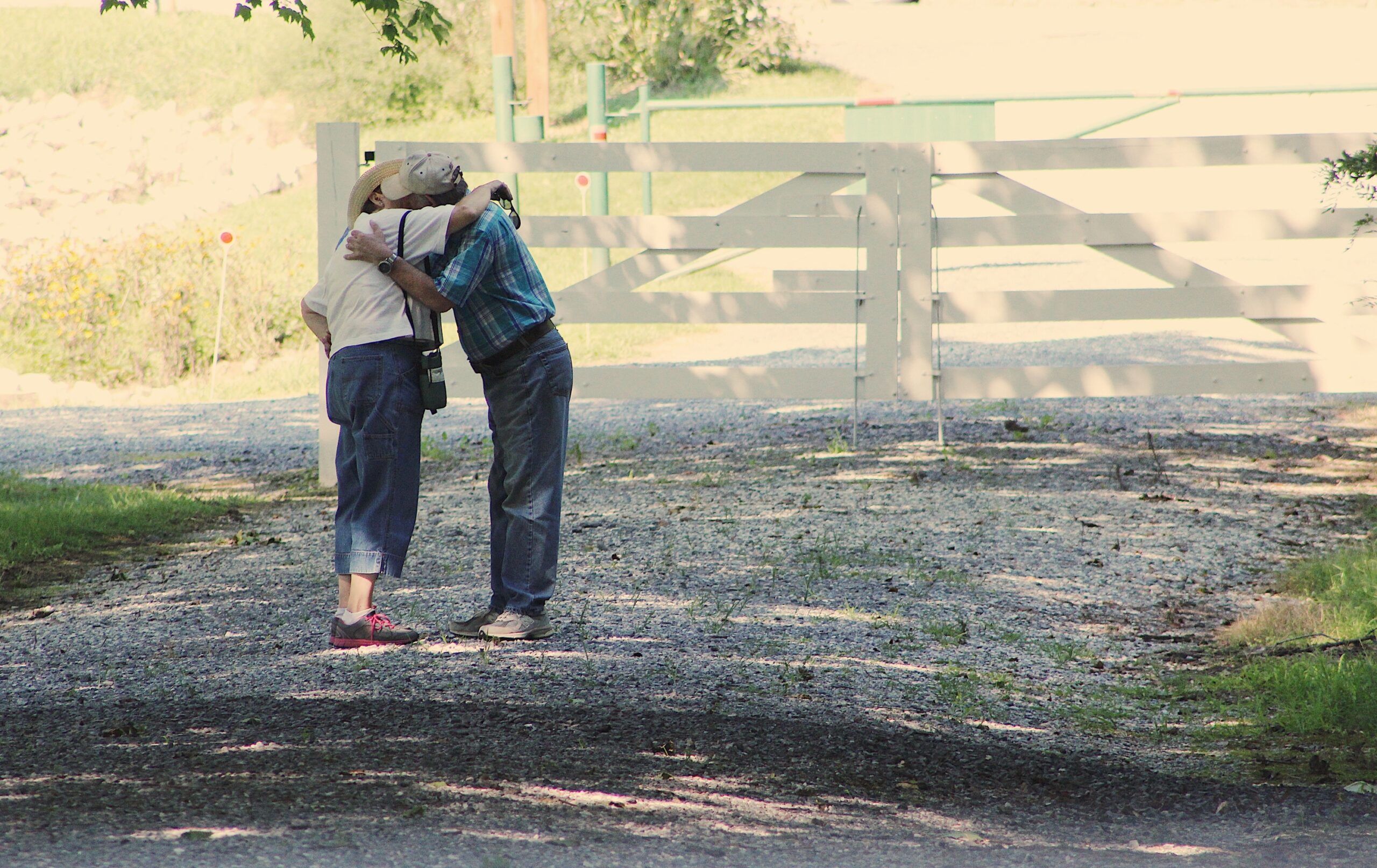

There’s a small ritual that once meant something. You ran out of an ingredient mid-recipe, knocked on the door next door, and a neighbor handed it over with a brief chat on the doorstep. Nobody thought much of it. It was just ordinary life. Today, most people would sooner place a grocery delivery order than knock on a wall they share with someone they’ve never actually met.
This isn’t nostalgia talking. The numbers are striking, the research is consistent, and the shift is documented well enough that multiple major institutions have begun treating it as a public health issue, not just a social footnote.
The Numbers Are Harder to Ignore Than You’d Think
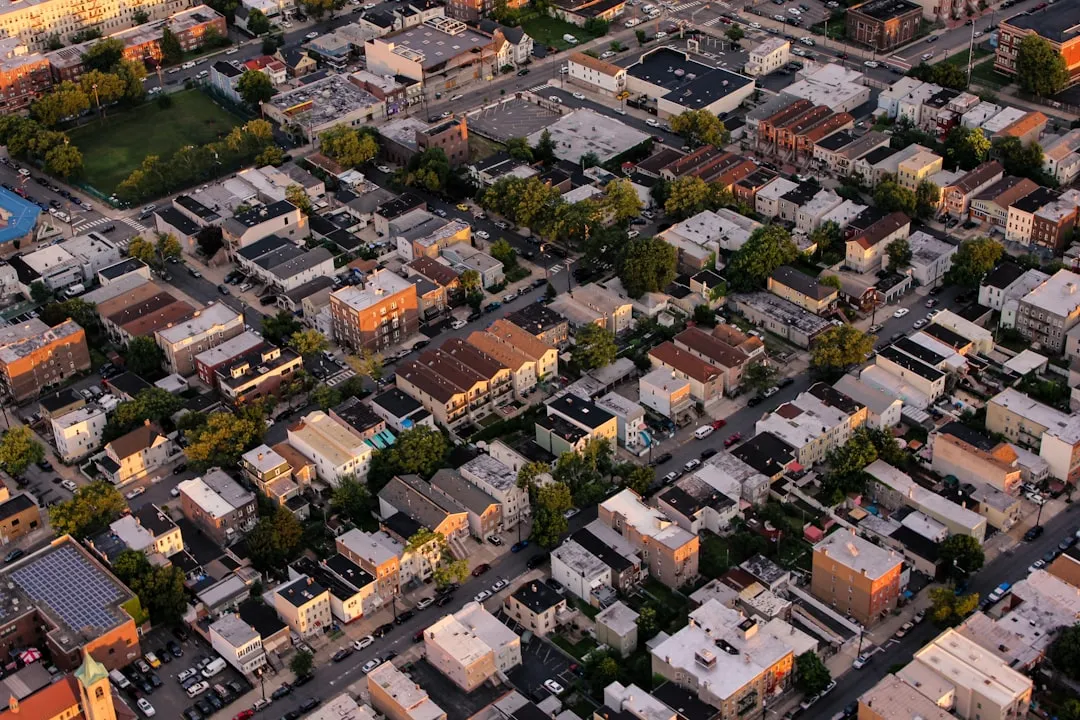
Only about three in ten Americans know their neighbors beyond a casual level, according to a 2026 Rocket Mortgage survey. Fifty years ago, around eighty percent of Americans said neighborhoods were places where people naturally connected.
A Pew Research Center survey from May 2025 found that just forty-four percent of Americans say they trust most or all of their neighbors, down from fifty-two percent a decade ago. Only about a quarter know most of their neighbors, and twelve percent report knowing none of them at all.
In 2025, most Americans interacted with their neighbors sparingly. More than four in ten talked with neighbors no more than a few times a month, while seventeen percent reported not talking to their neighbors at all.
Chatting Across the Fence Used to Be the Default

Back in 2012, roughly fifty-nine percent of Americans chatted with their neighbors a few times per week. By 2025, that number had dropped to forty-one percent. That’s a significant erosion in just over a decade, and it didn’t happen because people moved further apart.
According to the 2025 American Neighbor Survey by the American Enterprise Institute, the frequency of neighborly interactions has plummeted in the past decade. This withdrawal has been particularly prevalent among young adults, while seniors have remained more consistently in touch with their neighbors.
The share of Americans who spend a social evening with a neighbor at least several times per month declined from forty-four percent in 1974 to twenty-eight percent in 2022. That’s a slow bleed over generations, not one sudden break.
The Home Became a Bunker
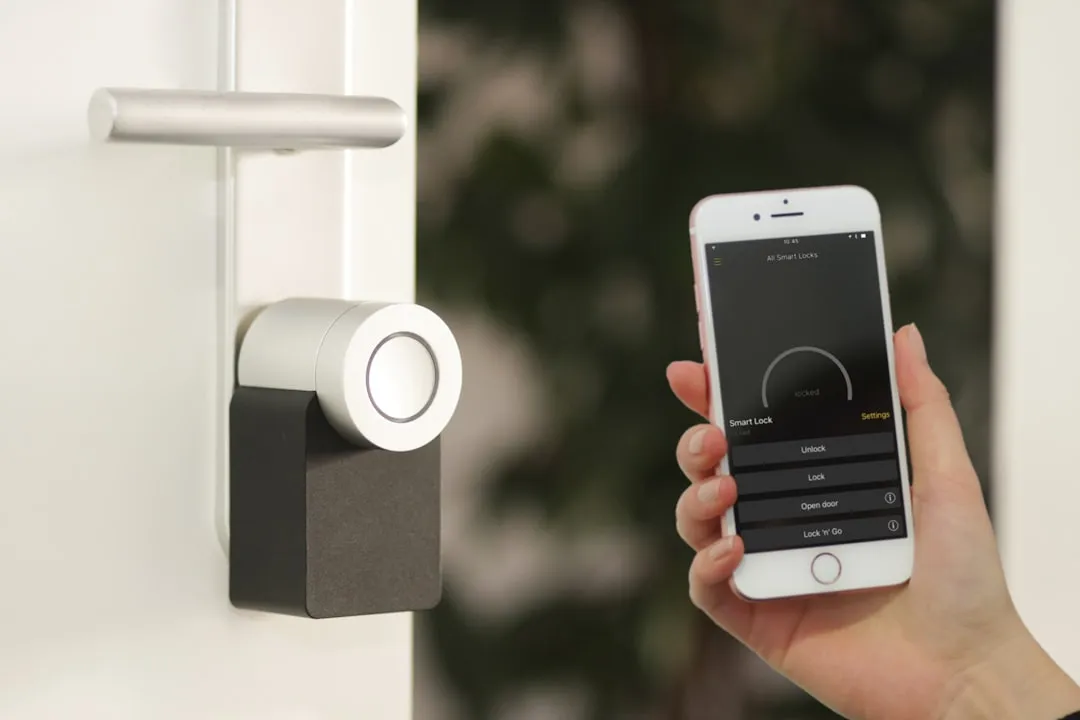
Researchers at the Survey Center on American Life point to technology as a significant factor. Homes have effectively become entertainment bunkers that let Americans stream, scroll, get directions, and find recommendations without ever needing to knock on a neighbor’s door.
Smartphones transformed how we communicate, work, and entertain ourselves. While they offer connectivity and convenience, they also carry a hidden cost: the erosion of our sense of community. This paradox of enhanced digital communication alongside diminished real-world interaction raises real questions about the future of our social fabric.
Virtual interaction often substitutes for face-to-face communication, leading to weaker relationships. Studies show that while people may have hundreds of online contacts, their actual social networks are shrinking.
Knocking Feels Bold Now

Four in ten Americans say knocking on a neighbor’s door feels too bold, while twenty-two percent say they feel awkward making the first move. That’s a striking reframe. What was once a basic act of community has become something that requires a certain kind of nerve.
Only about one in six Americans say they intentionally seek out neighborly interactions, yet sixty-eight percent report having received some form of support from a neighbor in the past year. The desire for connection hasn’t vanished. The willingness to initiate it has.
Nearly forty-two percent of Americans say people in their neighborhoods tend to keep to themselves. It’s become a self-reinforcing loop: nobody reaches out, so everyone assumes nobody wants to be reached.
Third Places Are Fading Too

Part of the shift may be tied to the decline of traditional “third spaces,” neighborhood spots like restaurants, parks, and libraries where connection once happened naturally. The desire for those spaces remains strong, with the vast majority saying opportunities to connect outside of home and work are at least somewhat important.
The Urban Institute detailed in 2024 how declining government funding for public spaces had left many dilapidated and underutilized, or privatized and no longer free to access. A growing number of younger Americans also cite rising costs as a reason to spend less time socializing outside their homes.
In the absence of shared spaces, digital platforms have stepped in, but they haven’t fully filled the gap. Only about a quarter of Americans say online platforms and social media help facilitate relationships with people in their neighborhood.
Urban, Suburban, Rural: Location Still Makes a Difference
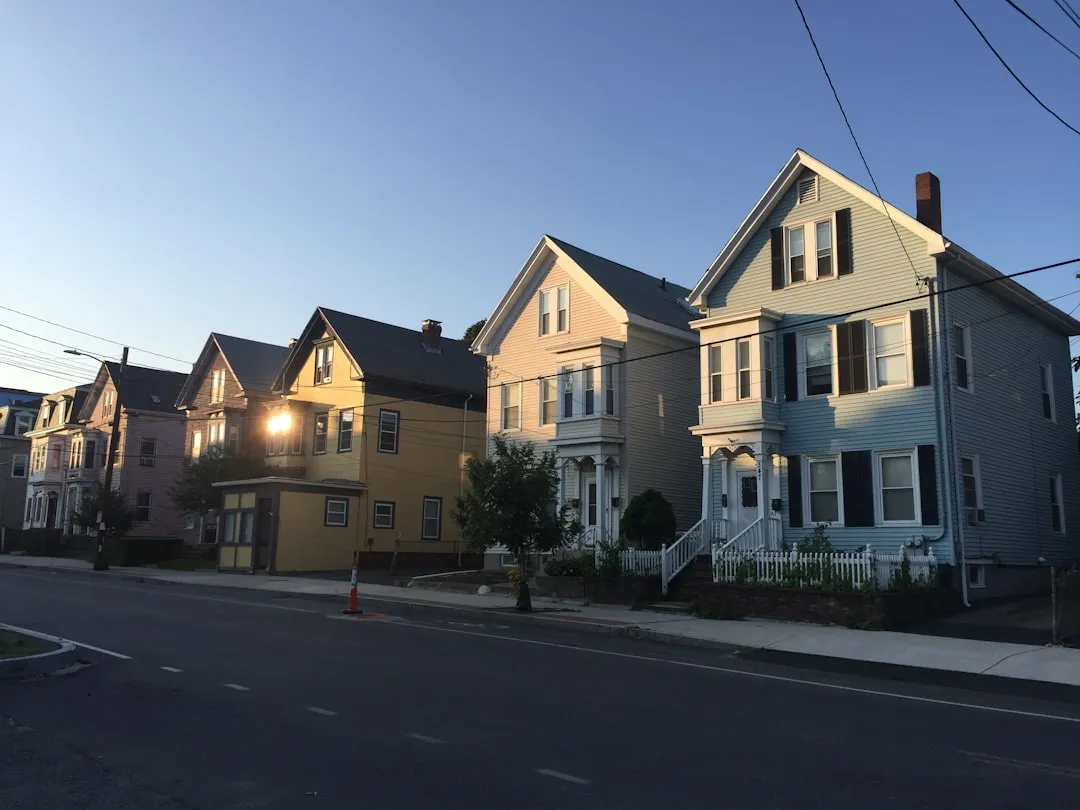
Just thirty-one percent of all U.S. adults are acquainted with all or most of their neighbors. Rural dwellers are the most familiar with nearby residents, with forty percent knowing most or all of them. By comparison, only about a quarter of urban residents know their neighbors well.
In 2023, older adults were more likely than younger adults to report frequent interactions with their neighbors, with only about thirty-eight percent of Americans aged twenty-five to thirty-four doing so, compared to sixty-one percent of those aged seventy-five and older.
Among those who attend religious services weekly, roughly half talk to their neighbors regularly, compared with fewer than one-third of Americans who never attend religious services. Shared routine and shared space still matter more than most people realize.
The Trust Deficit Runs Deep
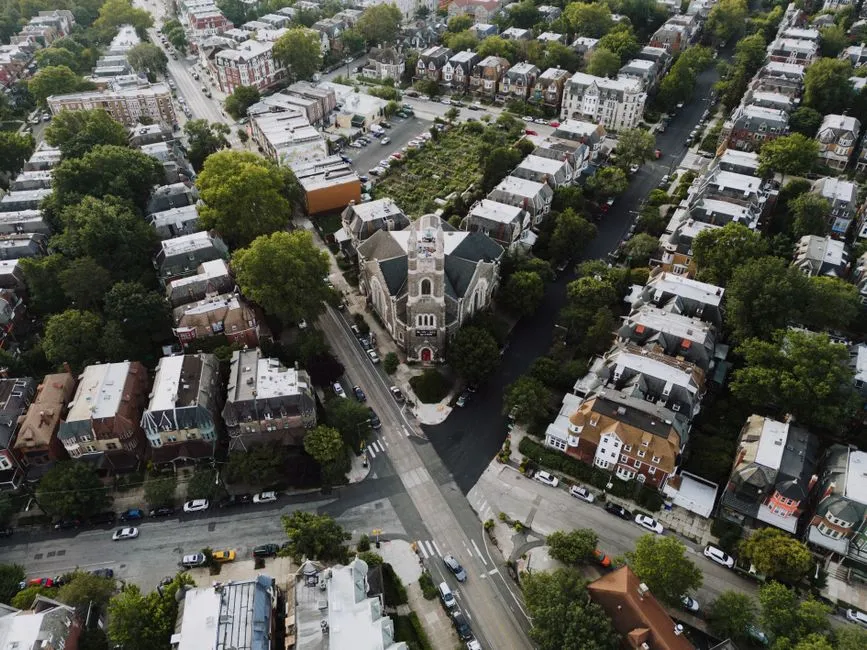
A March 2025 survey found that more than two-thirds of people who say their neighbors are similar to them racially, politically, and educationally also say they trust most or all of their neighbors. By contrast, most people who see their neighbors as very different say they trust only some or none of them.
Americans who express trust in others are more likely to say they would help their friends and neighbors. Trusters are also more likely to say they would bring a meal to a neighbor who was sick and loan money to a friend in an emergency.
Research in Missouri between 2022 and 2024 found a growing emphasis on privacy, a decline in deeper social interactions, and a persistent but fragile value placed on trust and mutual support. Survey data shed light on the challenges and opportunities for fostering stronger neighborhood connections in a rapidly changing cultural landscape.
This Is Now a Public Health Issue

In 2023, then U.S. Surgeon General Vivek Murthy declared loneliness an epidemic and cited research equating its harmful effects to smoking fifteen cigarettes a day. That comparison was deliberate. It was meant to jolt people out of treating isolation as a lifestyle preference.
Research has linked chronic loneliness to depression, dementia, and early death. In 2024, the U.S. Centers for Disease Control and Prevention reported that one in three U.S. adults feel lonely, while a Meta-Gallup survey spanning one hundred forty countries found that more than a billion people experience significant social isolation.
Loneliness and social isolation increase the risk of stroke, heart disease, diabetes, cognitive decline, and premature death. People who are lonely are also twice as likely to become depressed. Knowing your neighbor’s name, it turns out, isn’t a small thing.
Young Adults Are the Most Disconnected Group

According to the American Psychological Association’s 2025 Stress in America survey, loneliness and emotional disconnection appear to have become a defining feature of life in America. More than half of U.S. adults reported feeling isolated, left out, or lacking companionship often or some of the time.
Around a quarter of remote workers say their social skills have declined since setting up a home office, according to a 2024 ResumeBuilder survey. Remote work removed the last reliable daily structure that put people in contact with others. For many younger adults, it also removed the one daily reason to leave the house.
The result has been plummeting trust and friendliness in communities that used to drive local economies and individual ambition. A specific area’s social capital, meaning the collective value of local trust and relationships, has been associated with better academic performance and fewer cases of violence and crime.
Small Moments Are Still the Starting Point
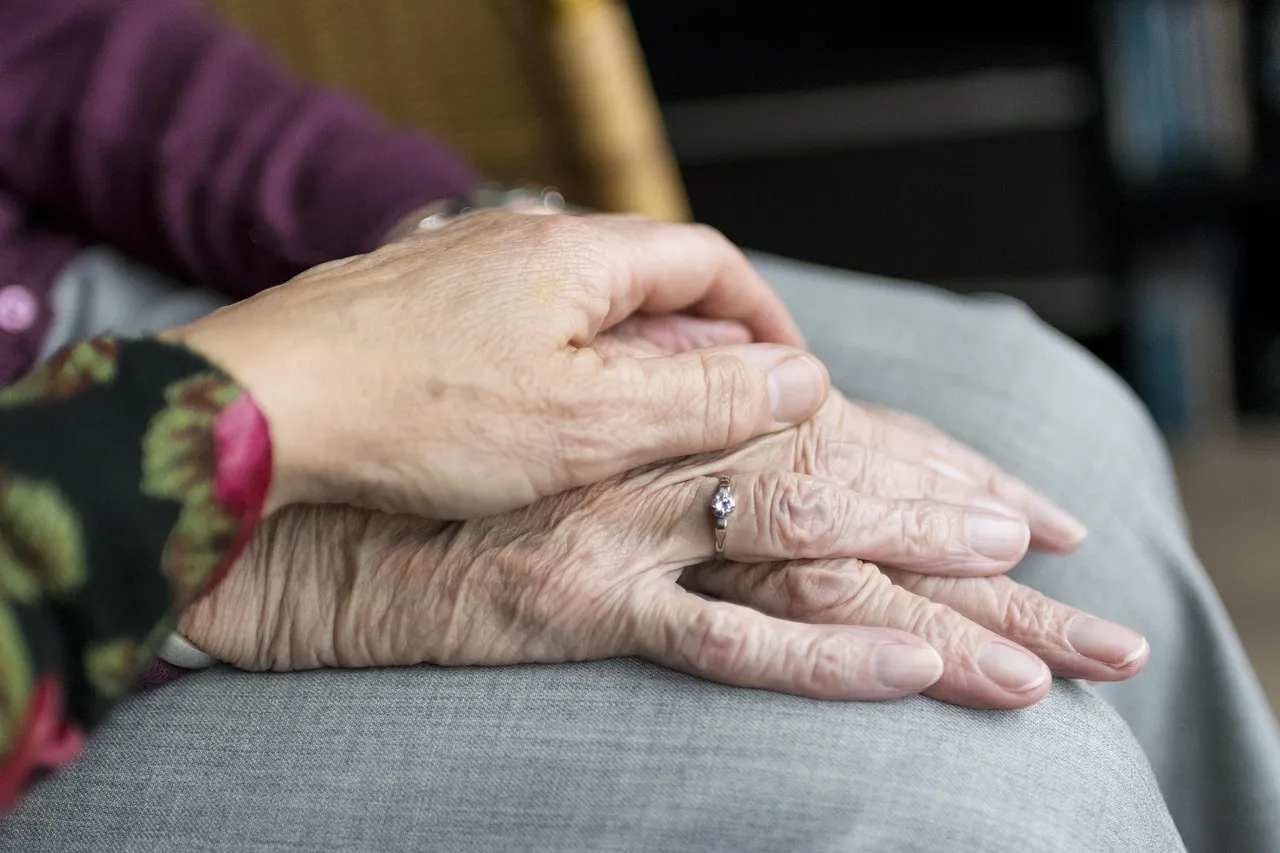
More than half of survey respondents say small, repeated moments, such as a quick hello, a short conversation, or returning a misdelivered package, do more to build relationships than planned gatherings. The cup of sugar was never really about the sugar. It was about the doorstep conversation that followed.
Only about one in six Americans say they intentionally seek out neighborly interactions, yet most report receiving neighbor support in the past year. The data suggests that while people may not actively pursue connection, they still show up when it matters, with more than half saying they would turn to a neighbor in an emergency.
More people now say a good neighbor helps in emergencies, looks out for safety, and checks in on older neighbors, with these traits rising noticeably between the 2022 and 2024 surveys. The instinct hasn’t gone away. It’s just waiting for someone to act on it first.
What Comes Next
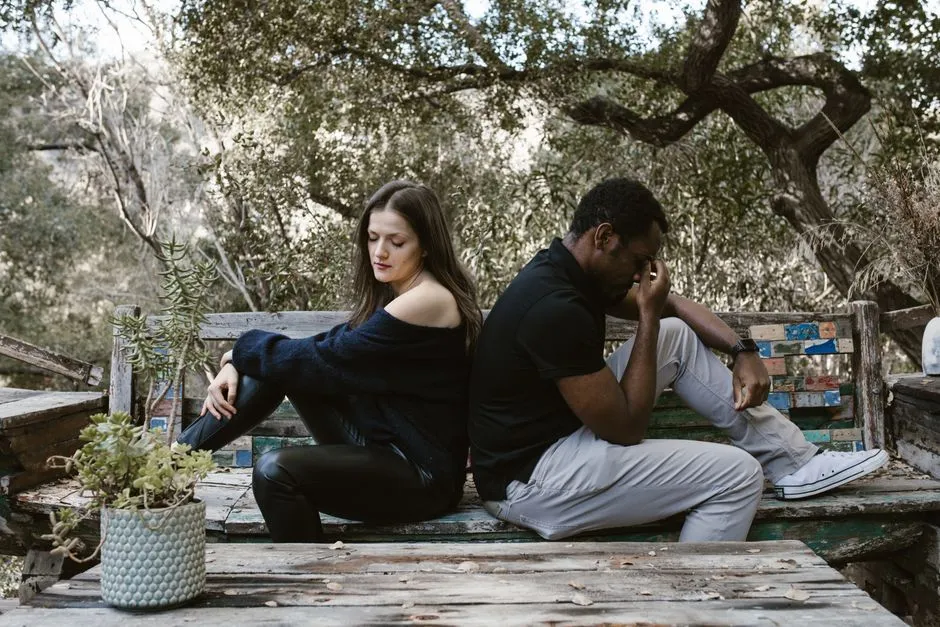
The data from 2024, 2025, and 2026 tells a consistent story: these numbers don’t describe a hidden wellspring of community spirit. They reveal a society growing more disconnected, fragmented, and cautious about those closest to home.
In May 2025, the World Health Assembly adopted its first-ever resolution on social connection, urging member states to develop and implement evidence-based policies and programs to raise awareness and promote positive social connection for mental and physical health. It’s worth noting that it took a global resolution to address something that once happened over a doorstep.
The cup of sugar wasn’t a transaction. It was a signal: I know you’re there, and that matters. Rebuilding that instinct doesn’t require an app or a policy. It just requires someone to knock first.
AI Disclaimer: This article was created with the assistance of AI tools and reviewed by a human editor.