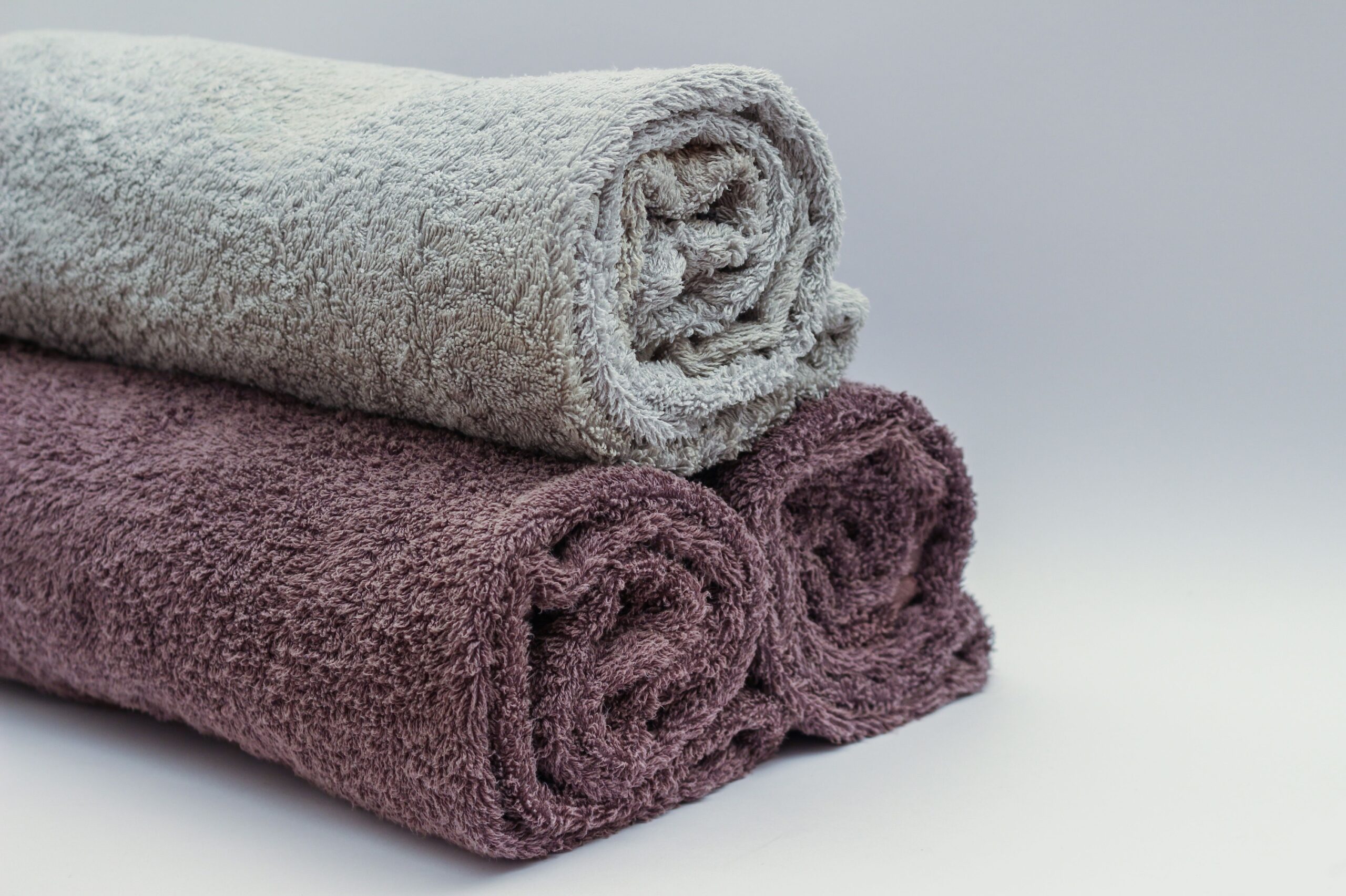

Most people don’t give much thought to how they fold a towel. It’s one of those invisible routines, tucked into the rhythm of an ordinary day. Yet what happens in those ten seconds of folding, rolling, or loosely balling the thing up and shoving it on a shelf, may actually be saying something real about how you’re wired.
Psychologists have spent decades connecting small daily habits to broader personality traits, and the evidence is surprisingly consistent. The way you handle the mundane stuff, from folding laundry to organizing a desk, tends to reflect patterns that show up in almost every area of your life.
The Precise Folder: Symmetry as a Personality Statement
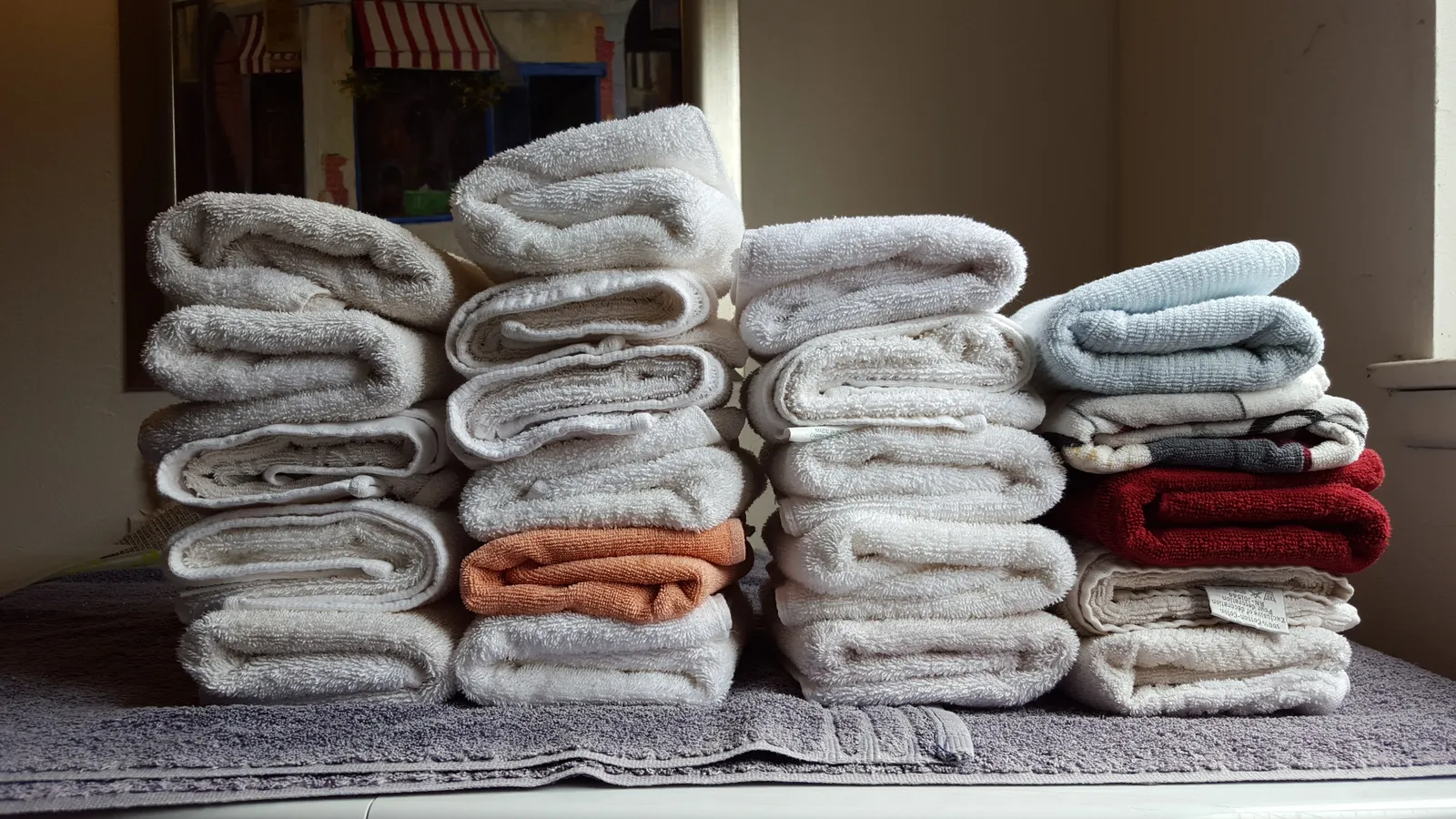
Some people fold their towels with crisp, deliberate edges, every corner aligned. This isn’t just tidiness for its own sake. According to experts, regularly folding items is often linked to conscientiousness, one of the major personality traits in the Big Five psychological model. People who fold precisely tend to be detail-oriented at work too, the kind who double-check their own work before anyone else has a chance to.
Conscientiousness measures a person’s tendency toward self-discipline, organization, carefulness, and goal-directed behavior. The towel is just one visible expression of this. While personality traits are generally stable, research shows that conscientiousness tends to increase with age, which may explain why perfectly folded linen closets tend to belong to people over forty.
The Roll-It-Up Type: Efficiency Over Aesthetics
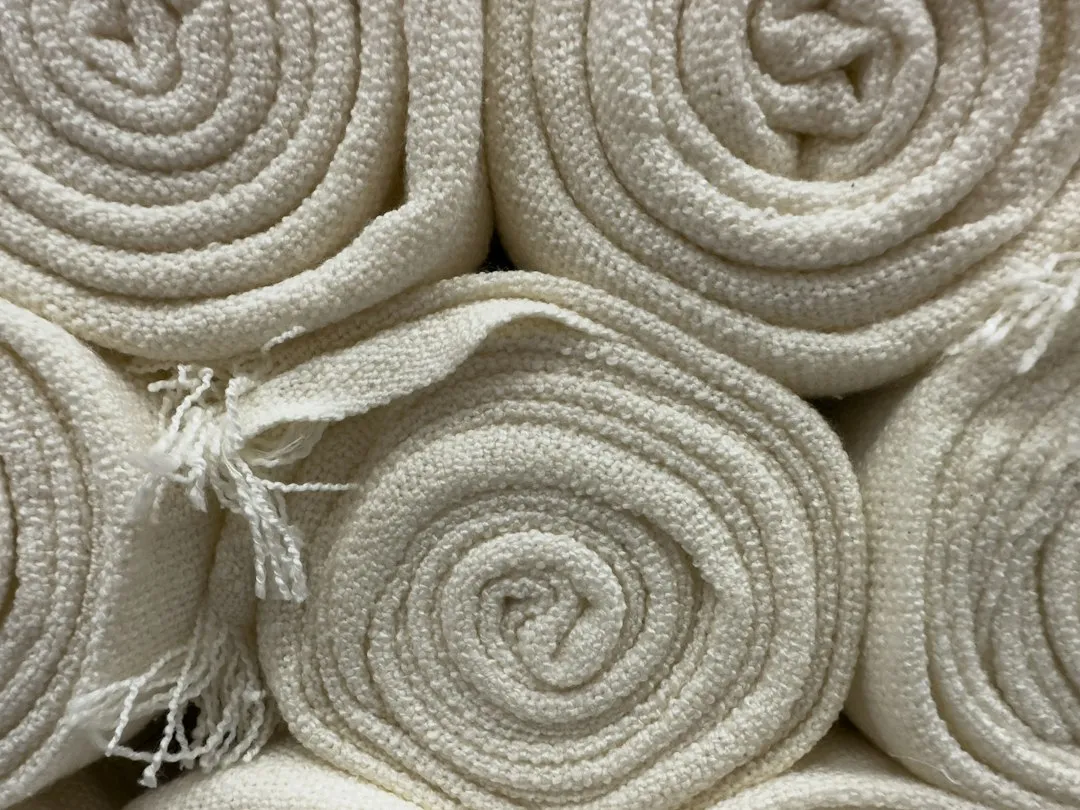
Rolling towels is practical. It saves space, reduces creasing, and looks decent enough in a bathroom cabinet. People who roll tend to be pragmatic thinkers who care about outcomes more than process. They want the result without the ceremony.
Psychologists believe small everyday routines can reveal surprisingly much about a person’s personality and their overall approach to life. The roller often applies this same logic elsewhere: they’ll find a workaround before they read the full instruction manual. High scorers in conscientiousness are typically reliable, methodical, and driven, while low scorers are more spontaneous and flexible, and rollers often live somewhere in the flexible middle.
The Leave-It-Loose Person: Freedom From Structure

Loosely folding a towel, or just loosely draping it over a hook without any real method, doesn’t necessarily mean laziness. According to psychologists, these habits are often connected with more spontaneous personality types who rely less on structure and more on intuition. There’s a certain comfort in not requiring perfect order to feel at ease.
Psychology suggests you might actually have a higher tolerance for ambiguity and unfinished business. Some researchers link this to a personality trait called “low need for cognitive closure.” In other words, an imperfectly folded towel just doesn’t trigger the same psychological alarm it would for someone else. That’s not a flaw. It’s a feature.
The Person Who Folds It Back the Way They Found It
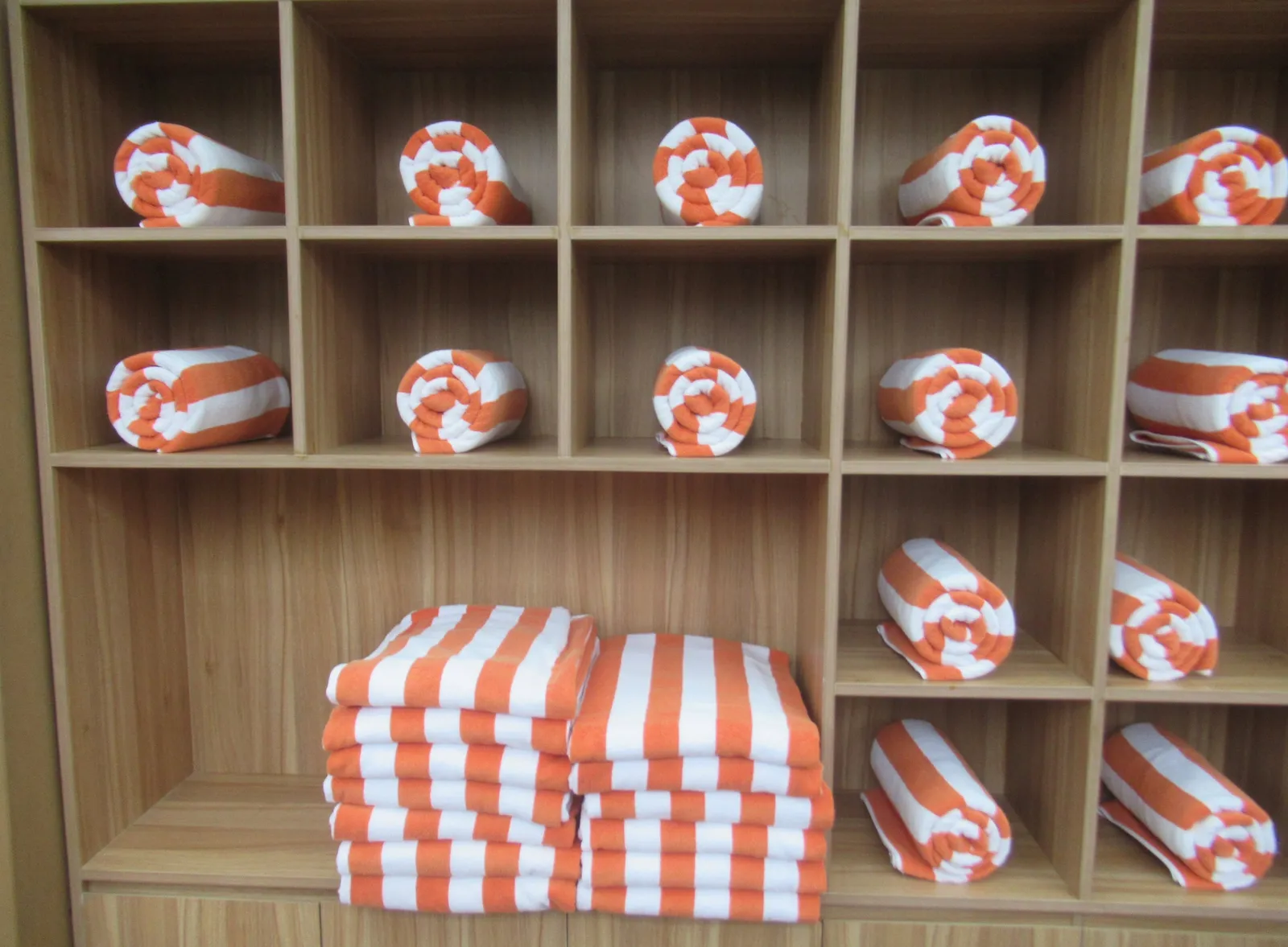
This is the person at someone else’s house who notices how the towels were stacked and carefully replicates the fold after using one. Paying attention to small details and preferences without being asked is considered a key predictor of a lasting marriage and of strong relationships in general. It’s a form of quiet attentiveness most people don’t even consciously register.
Research on personality and long-term relationships consistently finds that people high in agreeableness report greater relationship satisfaction and longevity, and a big part of why is flexibility. The person who mirrors the household’s existing fold is signaling something: they notice, they adapt, and they don’t need to impose their own system on someone else’s space.
The Person Who Needs It Done One Specific Way (And Only That Way)
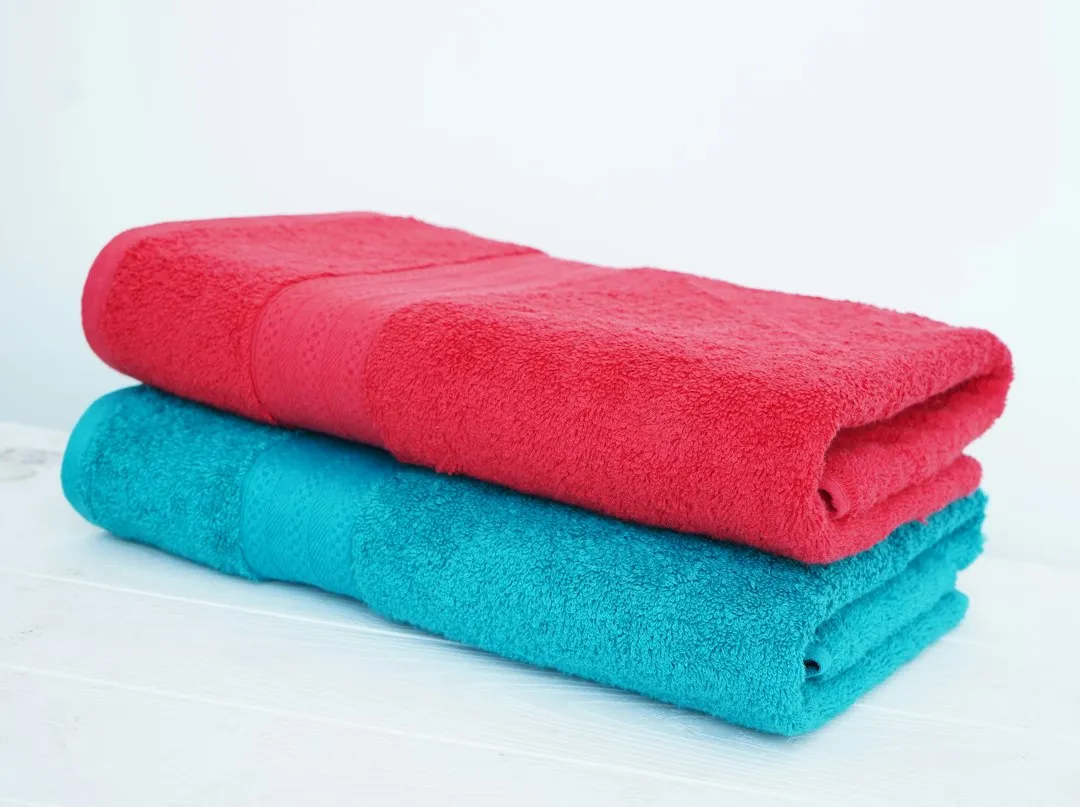
We all know someone like this. The towel must be folded in thirds, never in half. The hotel fold is acceptable; anything else is not. Some people get genuinely flustered, even upset, if a towel isn’t folded precisely to their liking. What might seem like mere eccentricity is, according to behavioral psychology, a window into a person’s fundamental relationship with control.
According to research published in the Journal of Experimental Social Psychology, people who feel a lack of control in one area of their lives often compensate by creating rigid structures in others. The towel is rarely really about the towel. Research from the National Institutes of Health suggests that for some, visual disorder can activate the body’s stress response in a way similar to an actual threat. That’s worth knowing before starting an argument about the linen closet.
The Folder Who Does It Without Thinking
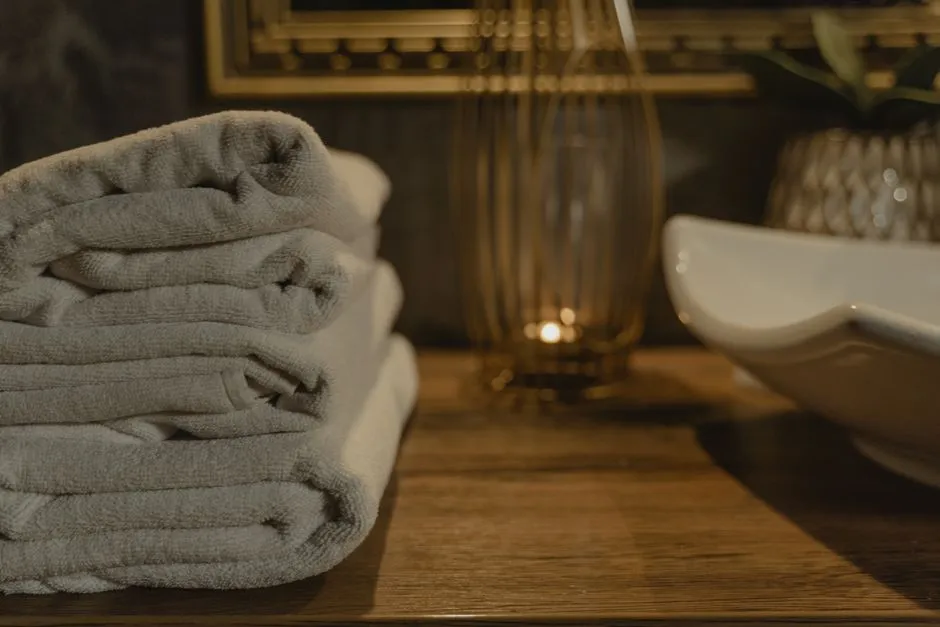
Some people fold on autopilot, same method every time, without consciously deciding to. This kind of automated behavior speaks to deeply embedded habit loops. The person who does it the same way whether they’re at a hotel, a friend’s house, or their own apartment at midnight when nobody’s watching reflects conscientiousness, which is one of the strongest personality predictors of long-term relationship satisfaction, precisely because it doesn’t turn off.
Habits formed without deliberate intention tend to be the most stable. Psychologists have studied the connection between our daily habits and personality traits for decades. The unconscious folder isn’t performing orderliness for anyone’s benefit. It’s simply who they are.
The Creative Folder: Fans, Swans, and Spa-Style Displays

Some people fan-fold their hand towels, roll a washcloth into a flower shape, or arrange the bathroom shelf like a boutique hotel. This is a form of creative expression applied to something most people dismiss as mundane. Research published in Frontiers in Psychology examined the relationship between folding performance, personality traits, and spatial ability, finding meaningful connections between how people engage with folding tasks and broader cognitive and personality patterns.
One of the well-established factor models of personality is the Big Five model, which describes personality using five factors: neuroticism, extraversion, openness to experience, agreeableness, and conscientiousness. The creative folder tends to score high in openness to experience, the trait most associated with imagination and a preference for novelty. Even in a bathroom cabinet, they find a small canvas.
The Stress-Folder: Tidying as Emotional Regulation

Ever noticed that some people suddenly start aggressively folding towels or reorganizing drawers when they’re anxious? This is a recognized pattern. According to research published in the Journal of Experimental Social Psychology, people who feel a lack of control in one area of their lives often compensate by creating rigid structures in others. Similarly, people who fixate on towel folding often turn to organizing when stressed.
Tidying and folding become a way to restore a sense of order when life feels chaotic. The repetitive motion of folding can be surprisingly meditative. There’s real logic to it. When you can’t control the big things, controlling the small ones provides genuine psychological relief, even if only temporarily.
The Person Who Lets It Pile Up and Then Folds It All at Once
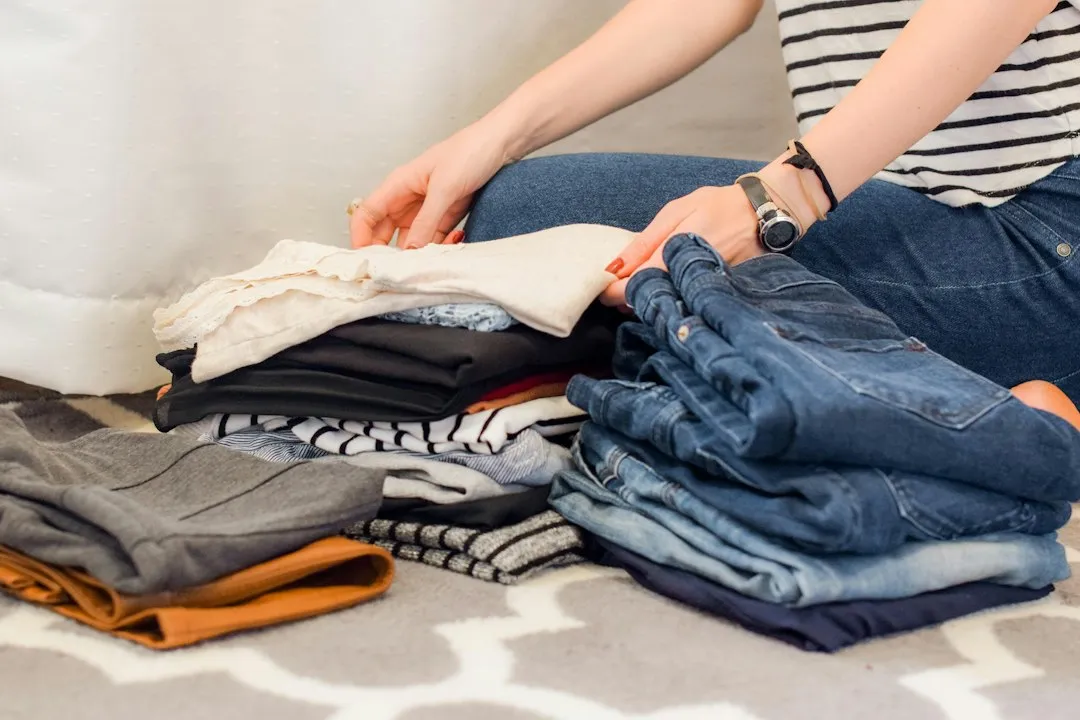
The batch-folder. Towels accumulate for a week, then one Sunday afternoon they’re all sorted and stacked in one focused session. People who fold clothes immediately tend to score higher in something psychologists call “completion tendency.” This isn’t just about being organized. Research from behavioral psychology suggests these individuals have a strong internal drive to close open loops in their mental space. The batch-folder, by contrast, tolerates those open loops comfortably until the right moment arrives.
People who delay folding often report feeling more relaxed about household tasks in general. This isn’t avoidance so much as a different internal rhythm. Batch-folders often apply the same logic to email, errands, and even social plans: they prefer a single focused push over constant small efforts spread across the week.
The Person Who Doesn’t Have a Method at All
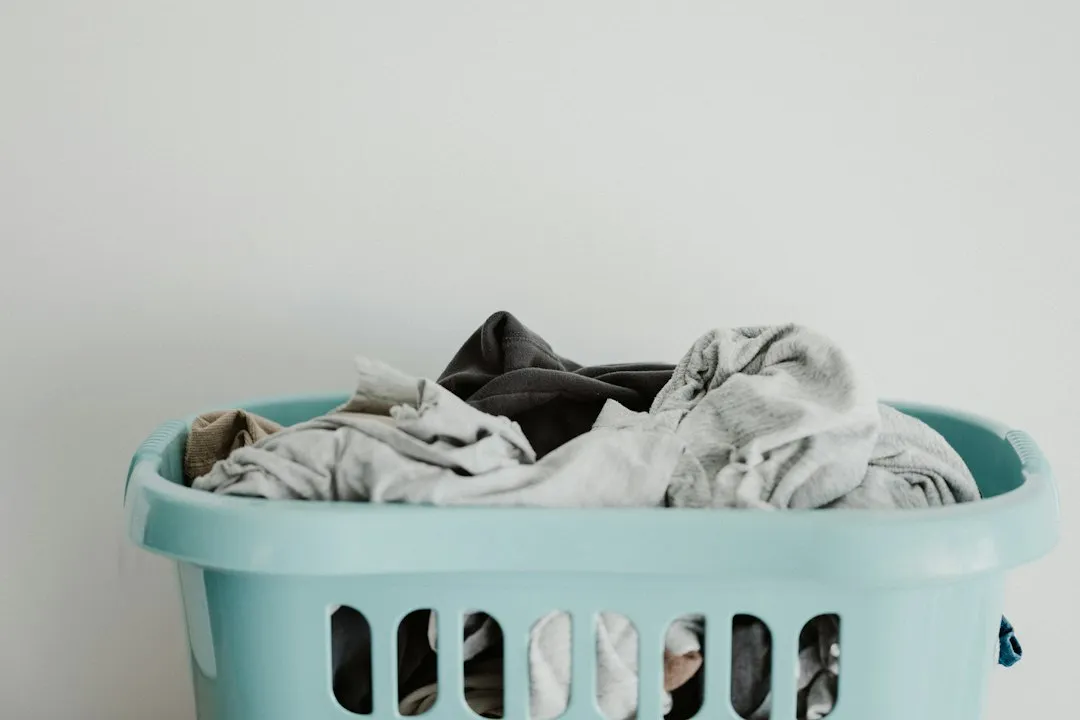
No consistent fold, no preferred style, different every time depending on what mood they’re in. This group is often misread as disorganized, but the picture is more nuanced. Even something as ordinary as folding laundry may quietly reveal how a person approaches daily responsibilities, organization, and mental well-being. For the method-free folder, domestic tasks simply occupy a low priority in their mental hierarchy, which can be perfectly functional if other areas of life are running smoothly.
The simple act of folding versus stuffing reveals psychological patterns that shape everything from self-control and decision-making to how you treat your future self. That’s a lot of weight to put on a bathroom towel. Still, the pattern is there if you look for it. Couples and individuals who do things without expecting credit or keeping score tend to have stronger relationships in the long run, and the method-free folder, unbothered by convention, often carries that same easygoing quality into every area of life.
The Takeaway
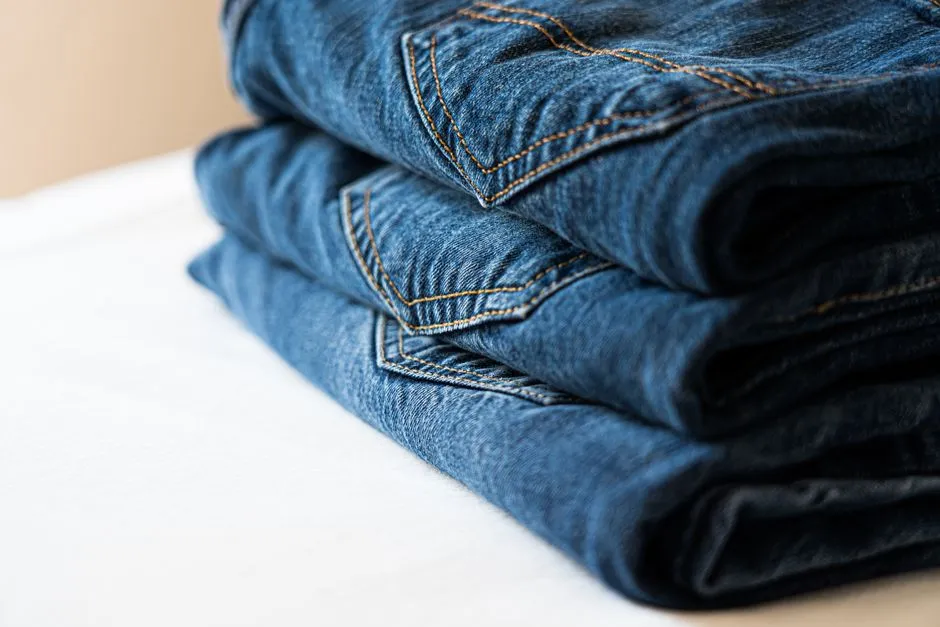
None of these folding types are inherently better or worse. Research confirms that the Big Five personality model is valuable for understanding personality traits and predicting general behavior patterns. What it doesn’t do is rank them. Precision and flexibility, structure and spontaneity, all carry genuine advantages depending on the context.
What’s worth noticing is that the small stuff really does mirror the big stuff. Folding laundry often reflects personality, values, and lifestyle. Even something as ordinary as this may quietly reveal how a person approaches daily responsibilities, organization, and mental well-being. The next time someone complains about how you fold a towel, maybe take it as the personality deep-dive it actually is.
AI Disclaimer: This article was created with the assistance of AI tools and reviewed by a human editor.