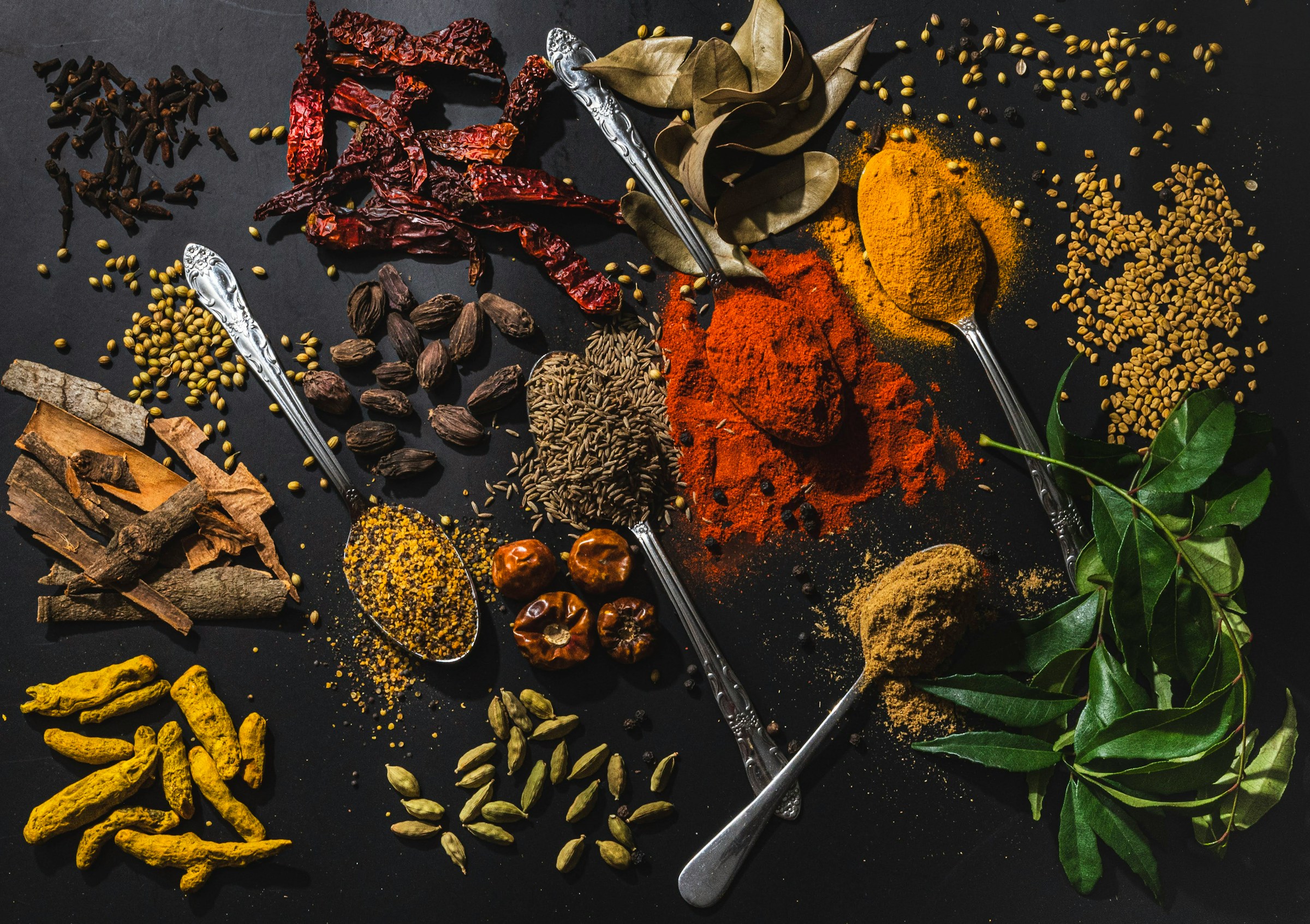

Most people glance at their spice rack without giving it much thought. It’s just a collection of little jars, shuffled around between cooking sessions, dusty on the back row, organized or chaotic depending on the week. Yet what sits on those shelves turns out to reflect something genuinely interesting about the person standing in front of them.
Food psychology has spent the past two decades connecting our taste preferences to personality traits, risk tolerance, cultural identity, and even our emotional lives. The science is real, and it’s worth a closer look.
The Spice-Heavy Rack: You’re a Sensation Seeker
If your rack is dominated by hot chilies, cayenne, and bold blends, there’s a consistent body of research that describes your personality type fairly accurately. Personality traits account for a substantial portion of the variance in both people’s preference for and frequency of consumption of spicy foods, with sensation seeking and reward sensitivity shown to correlate with a greater liking for spicy foods and more frequent chili intake.
The liking or disliking of spicy foods is not solely determined by sensitivity to capsaicin, but personality factors also influence the affective response to its burning sensation. Sensation Seeking and Sensitivity to Reward were linked with the liking of spicy foods and with reported chili intake.
Recent social media trends have also increased some people’s exposure to very spicy foods, linked to their sensation-seeking tendencies. So that growing chili collection? It may say something about how you approach life generally, not just dinner.
The Bare-Bones Rack: Salt, Pepper, Done
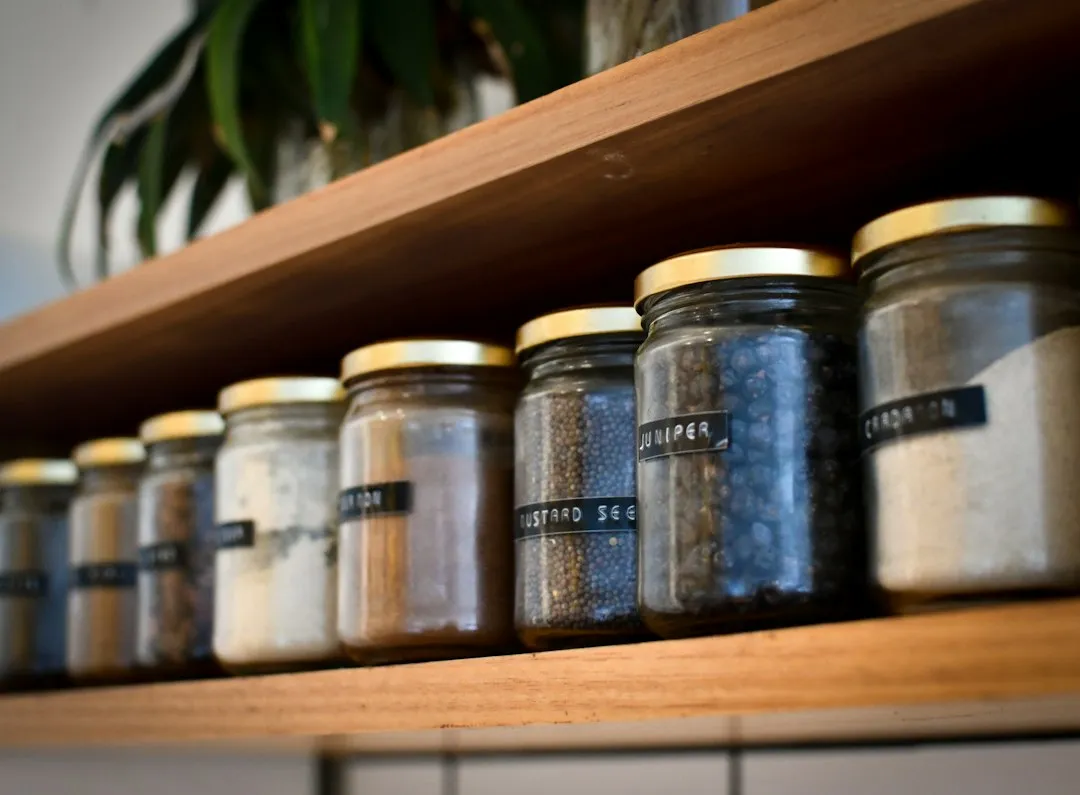
A minimalist spice rack, stocked only with the basics, tells its own story. It tends to reflect someone who values simplicity, predictability, and routine over novelty. Preferences for sweet or bland foods were negatively correlated with sensation seeking, suggesting that those who gravitate toward simple, mild flavors tend to score lower on measures of thrill-seeking.
That’s not a criticism. Plenty of research in personality psychology shows that people who prefer low-stimulation environments are often more methodical, detail-oriented, and consistent. The inclination towards spicy foods signifies an adaptive interaction among biology, personality, and culture, which means those without that inclination are simply expressing their own version of the same adaptive process.
The Well-Organized Rack: Probably Conscientious
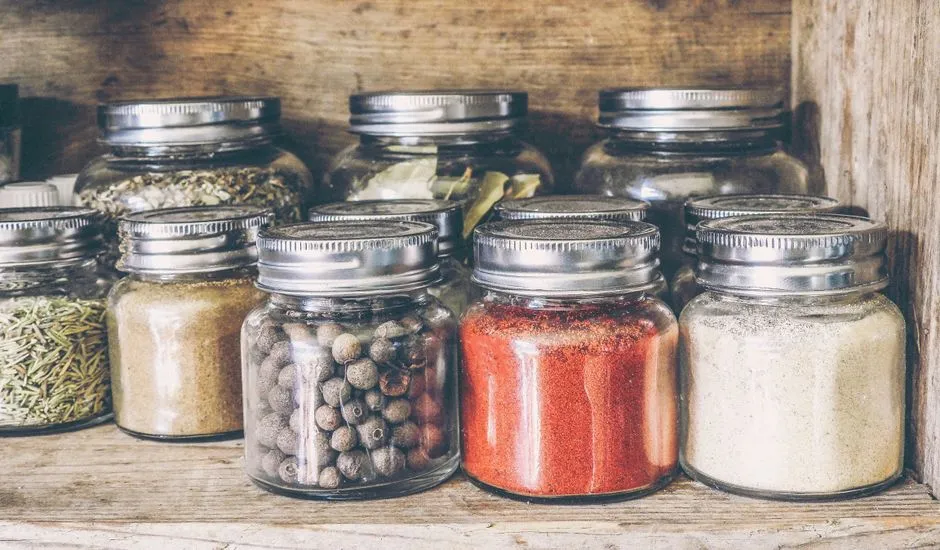
Alphabetical order. Labels facing forward. Every jar in its designated spot. If this describes your spice setup, it’s likely not an accident. A major theme of recent personality research is the role of context in shaping behavior, with personality trait theory emphasizing the generalization of trait influences across contexts.
The five-factor model of personality identifies conscientiousness as the trait most strongly associated with orderly environments and disciplined habits. People who organize their kitchens tend to bring that same structure to their schedules, finances, and work. The spice rack is a small window into a broader operating style.
The Cluttered, Expired-Jar Rack: Time-Poor, Spontaneous, or Both
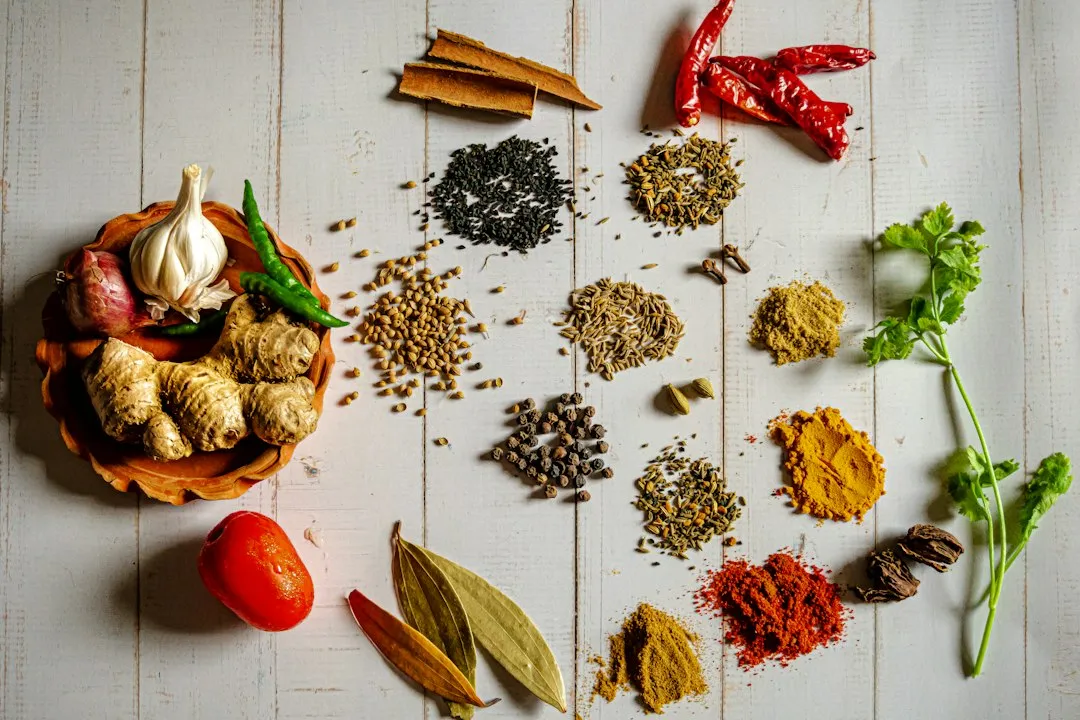
Jars with no lids, spices from three years ago, a mystery tin with no label. This kind of rack doesn’t necessarily signal disorganization in every area of life, but it often reflects someone who is living reactively rather than proactively. Ground spices are favored by roughly seven in ten households for their convenience, particularly in busy urban settings where time is a premium.
Interestingly, spontaneous cooks often build richer flavor instincts over time precisely because they aren’t following a recipe to the letter. The expired spices are a problem, admittedly, but the impulsive reach for whatever seems right can produce unexpectedly good results.
The Globally Stocked Rack: Curious and Open to Experience
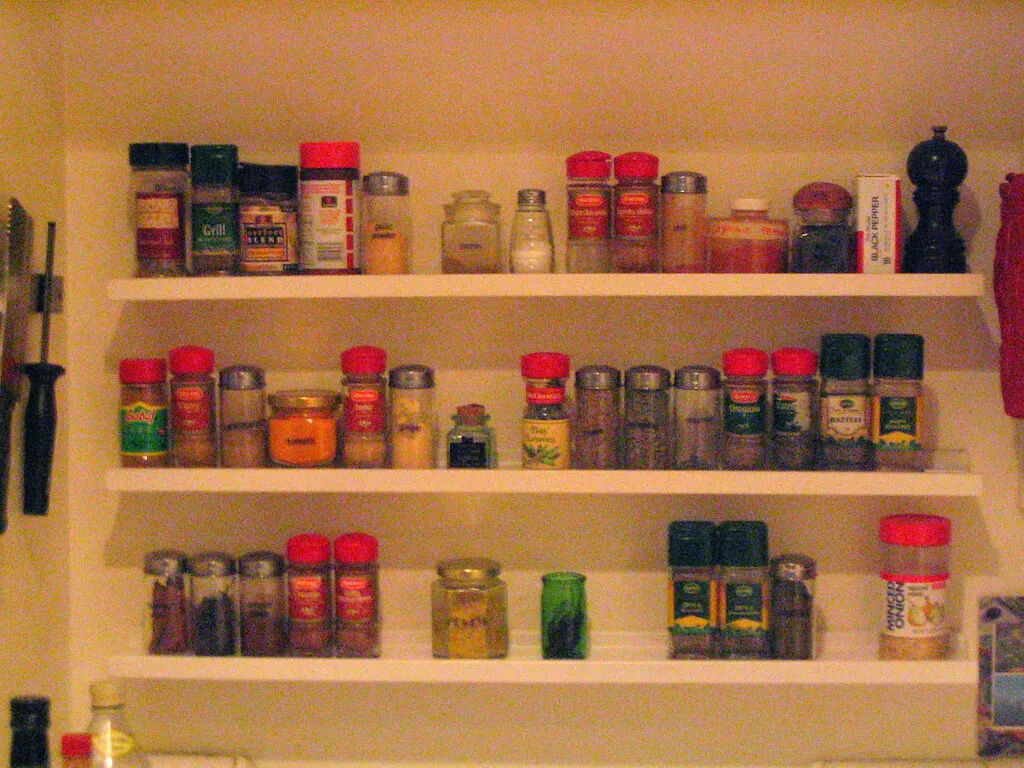
Sumac next to smoked paprika. Fenugreek beside za’atar. A rack that spans multiple continents suggests something specific about the person who built it. Personality traits have been linked to olfactory sensory thresholds and olfactory identification abilities, with much of the research focusing on Sensation Seeking and Openness to Novel Experiences, the latter being linked to a preference for spicy and diverse foods.
Compared with non-foodies, foodies are more venturesome, extraverted, and open to experience. A globally diverse spice collection is one of the clearest kitchen indicators of a high score on openness, the personality dimension most associated with intellectual curiosity, creativity, and cultural exploration. The U.S. has seen roughly fifteen percent growth in spice consumption since 2019, driven by demand for ethnic cuisines.
The All-Organic, Label-Checked Rack: Health-Conscious and Values-Driven
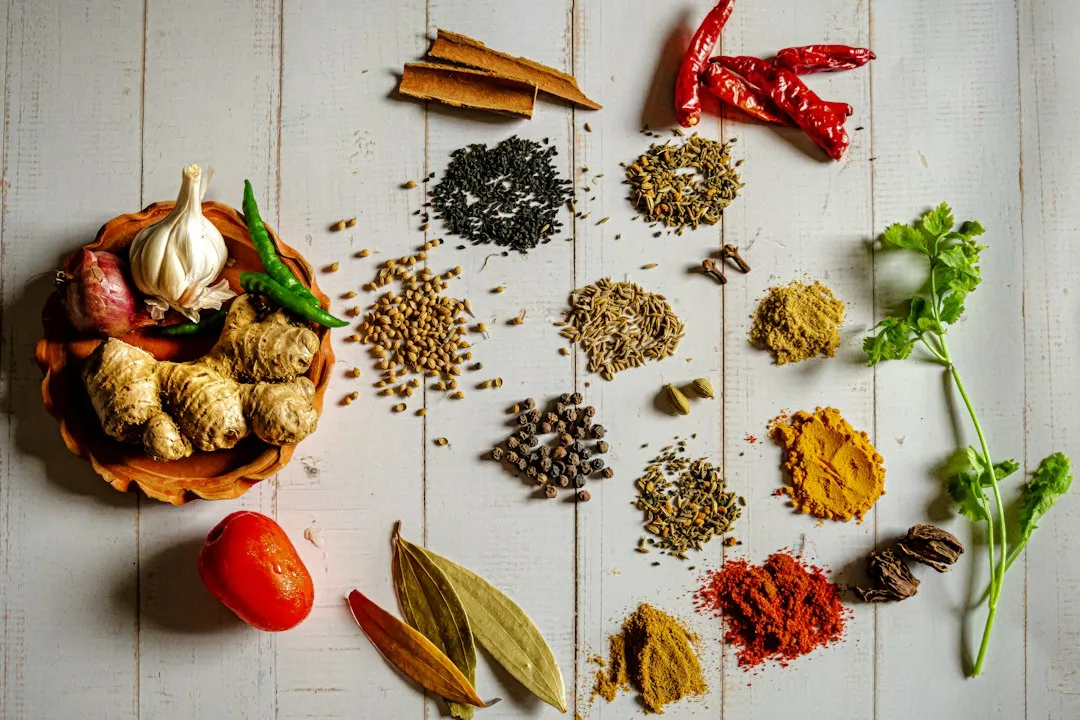
When every jar is certified organic and you’ve checked the country of origin, that’s about more than flavor. It signals a consumer who thinks systemically about their choices. Around sixty-five percent of U.S. households now buy organic spices, up from roughly forty percent in 2015. That’s a substantial shift in a relatively short time.
Organic products are set to post the fastest growth rate in the U.S. seasonings and spices market through 2031. People who gravitate toward organic spice collections tend to be more deliberate shoppers across the board, valuing traceability and provenance in their food choices. It’s a purchasing philosophy that extends well beyond the kitchen shelf.
The Spice Blend Collector: Social, Convenience-Oriented, Trend-Aware
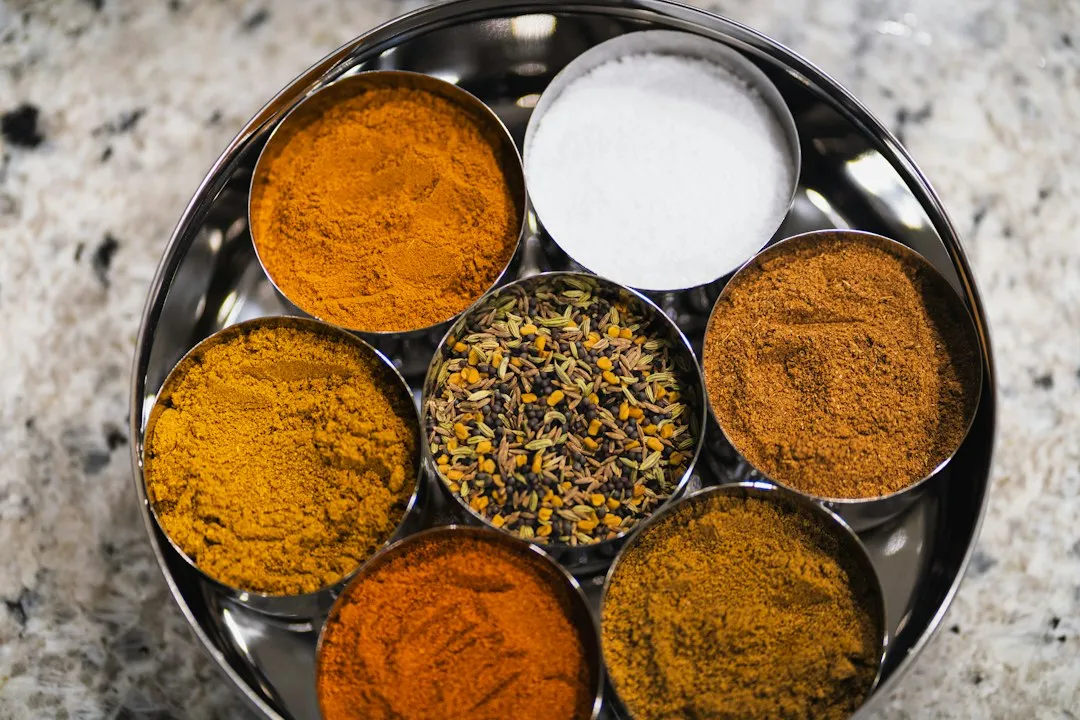
If your rack leans heavily on pre-made blends, harissa pastes, and everything-bagel seasoning, you’re in good company with a very large and fast-growing group of consumers. Spice blends have been identified as the fastest-growing product segment in the global spice market. They appeal to people who want bold flavor without the expertise barrier.
Psychologically, blend buyers tend to be sociable cooks who cook for others, want reliable results, and enjoy the experience of eating without necessarily obsessing over the process. Sensation seeking has been linked with preference for spicy foods, meat, and alcohol, while impulsiveness and openness to experience correlate with sweet taste preference. Blend collectors sit comfortably between adventure and familiarity, which is a very human balancing act.
The Gender Divide: It Shows Up in the Rack, Too
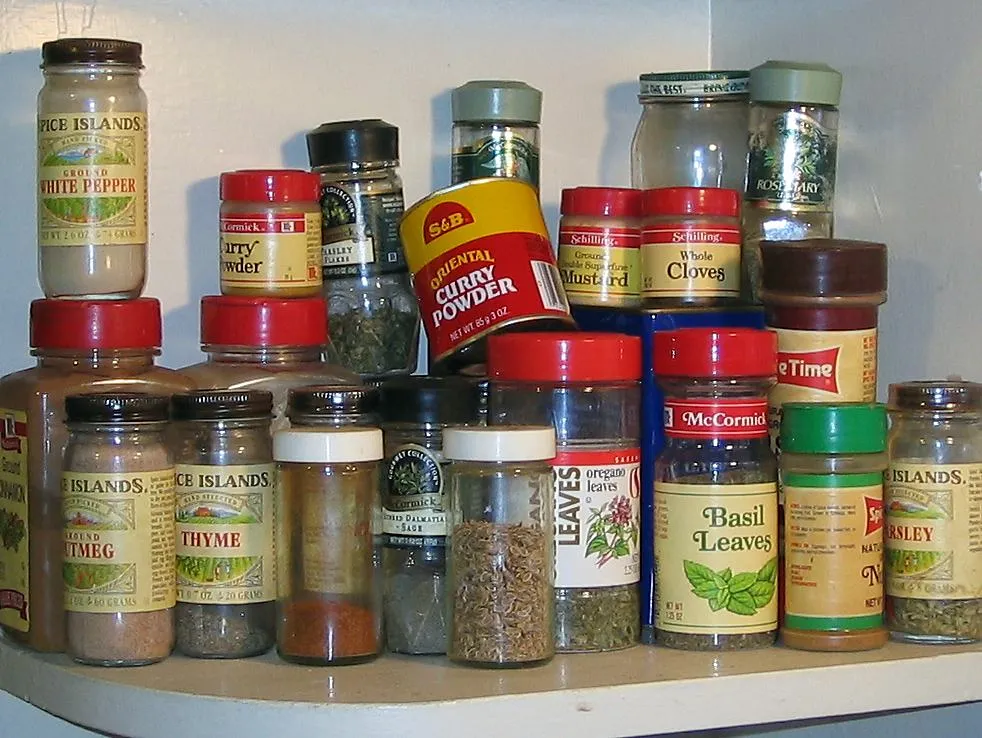
Research has found that men and women are not entirely identical in their spice motivations, even when they both enjoy bold flavors. Differential effects of personality traits were seen in men versus women: in men, sensitivity to reward associated more strongly with liking and consumption of spicy foods, while in women, sensation seeking associated more strongly with liking and intake.
This distinction is subtle but meaningful. It suggests that a woman with a chili-heavy rack may be motivated primarily by novelty and stimulation, while a man with an identical rack may be responding more to pleasure and reward signals. The jars look the same from the outside. The psychology underneath is a little different.
The Childhood Spice Legacy: Culture Outweighs Personality in Early Habits
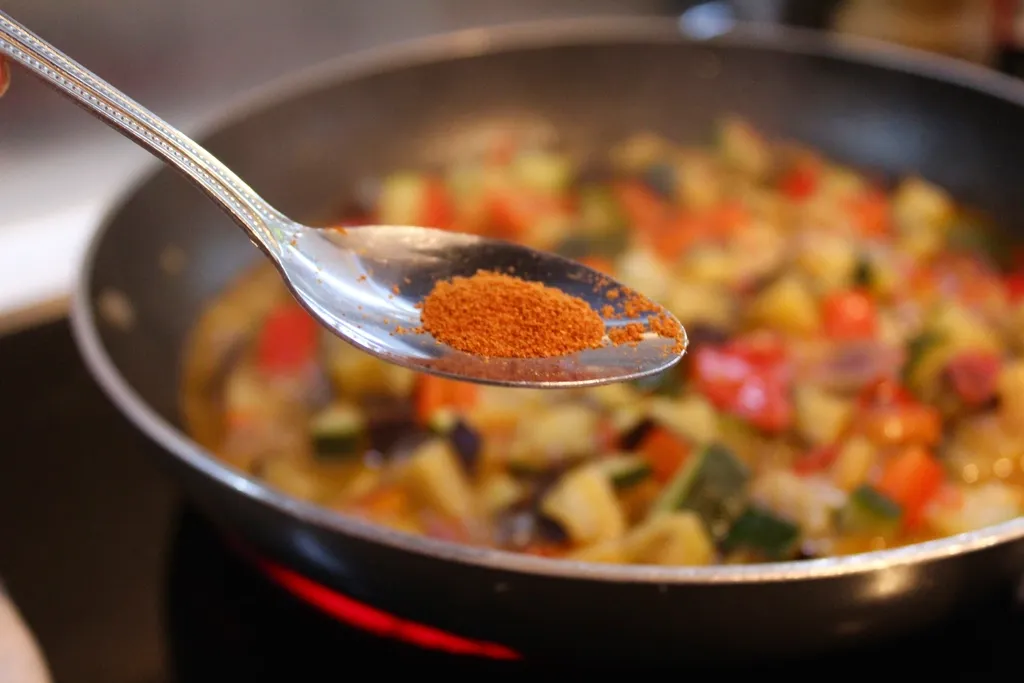
Not every spice preference is a pure personality readout. Upbringing plays a surprisingly large role. Regular spicy food users, the majority consuming these foods since childhood, scored comparably to non-users on sensation seeking, suggesting that the early introduction of spicy foods may serve as a more potent influence on lifelong food preferences than underlying personality characteristics.
This complicates the personality picture in an interesting way. Someone who grew up in a household cooking with turmeric, cardamom, and chili every day isn’t necessarily high in sensation seeking. They’re expressing a cultural and familial inheritance. Spice preference varies by country and culture and is also markedly shaped by personality traits, but neither force operates entirely alone.
The Growing Rack: You’re Part of a Larger Shift
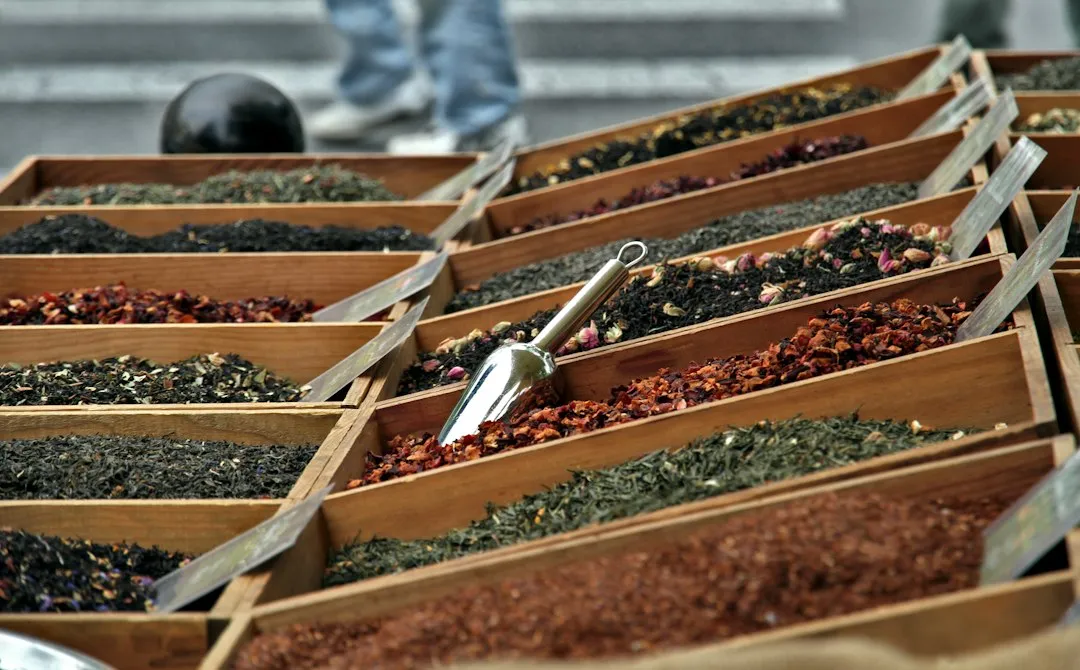
If your spice collection has quietly expanded over the past few years, you’re not alone in that. The numbers behind it are striking. The U.S. spice market is expected to reach roughly 15.8 billion dollars by 2033, up from 9.19 billion in 2024. That growth isn’t just driven by population increase. It reflects a genuine deepening of culinary curiosity across the country.
Over seventy percent of American restaurant menus featured spicy dishes in 2025, a cultural signal that filters back into home kitchens. Post-pandemic, household spice consumption increased by roughly twenty-five percent in the U.S. due to more home cooking. A rack that keeps growing tells the story of someone who has become more interested in cooking, more confident in the kitchen, and more willing to experiment.
The Takeaway
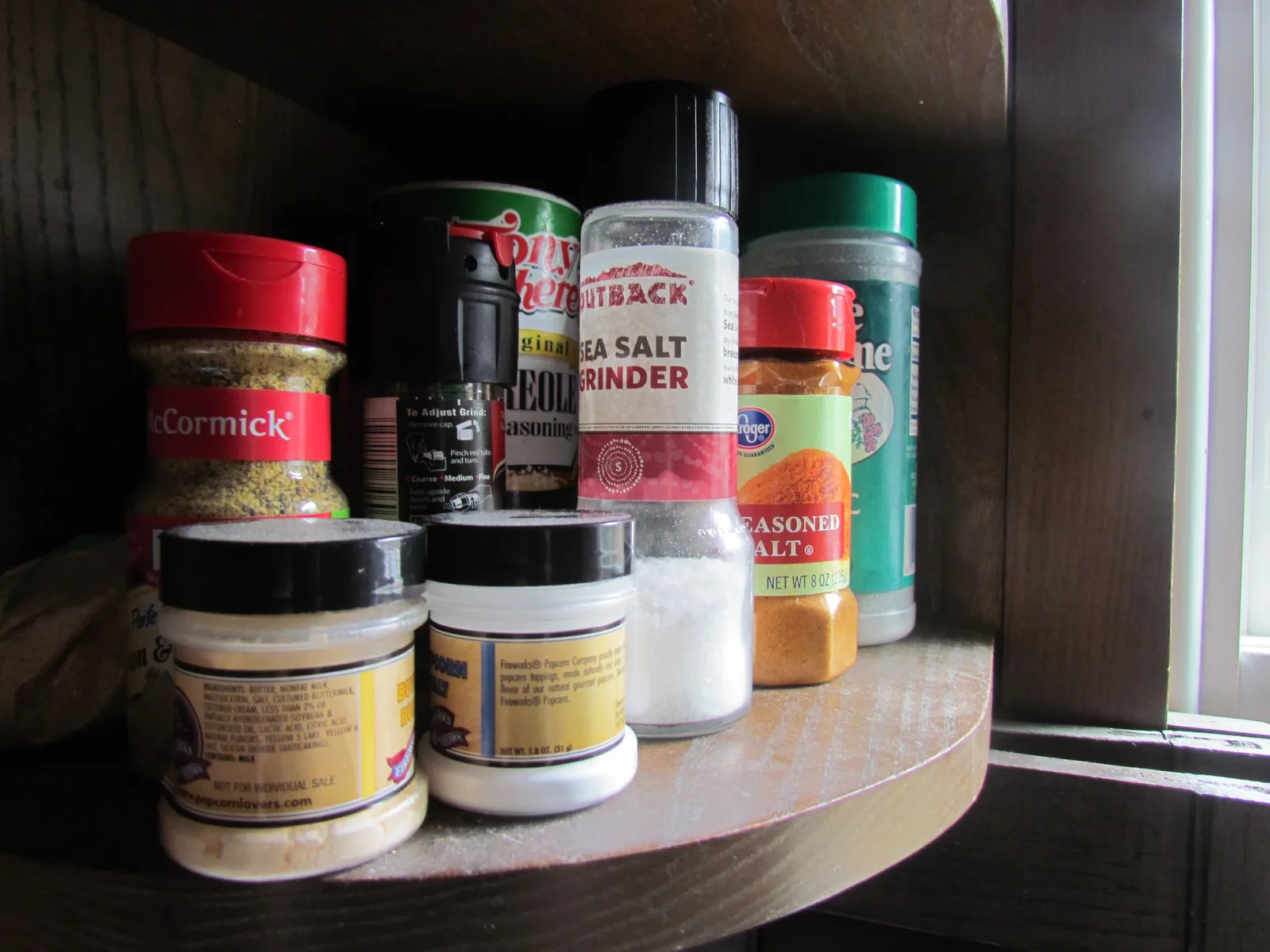
Your spice rack isn’t a personality test with a definitive result. The research is clear that traits like sensation seeking, openness, and conscientiousness genuinely shape what we reach for in the kitchen, but culture, childhood, and convenience all leave their mark too.
What the evidence does confirm is that there’s a real and meaningful relationship between how we season our food and how we’re wired. The next time someone opens your cupboard, they’re getting a glimpse of something more than your cooking habits. Whether that’s comfort, curiosity, order, or adventure, the shelves tend to tell a fairly honest story.
AI Disclaimer: This article was created with the assistance of AI tools and reviewed by a human editor.