
You’re the Impulse Buyer

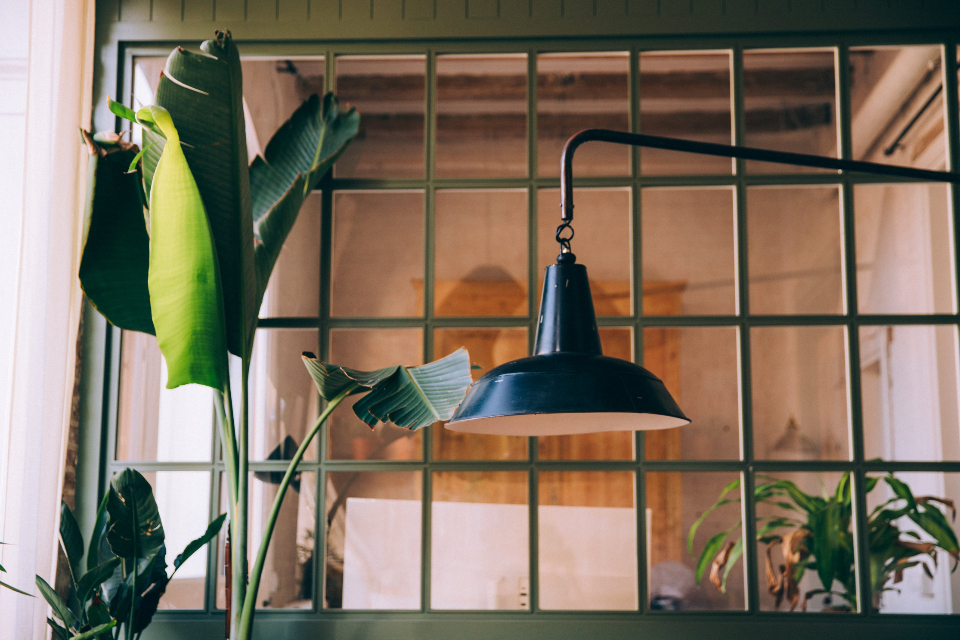
You didn’t walk into the store for a plant. You walked in for potting soil, maybe a watering can, and somehow you’re leaving with a monstera that barely fits in your car. Research suggests roughly four out of five houseplant purchases are impulsive, so you’re in very good company. Millennials and Generation X respondents were the most likely to admit to making an impulsive plant purchase in the last year, with three in four millennials and roughly the same share of Gen Xers owning up to it. There’s real psychology behind this. Consumers buy plants on impulse to make themselves feel better, and research indicates the colors of flowers and plants help create or express moods and celebrate their personalities.
You’re the Wellness Seeker
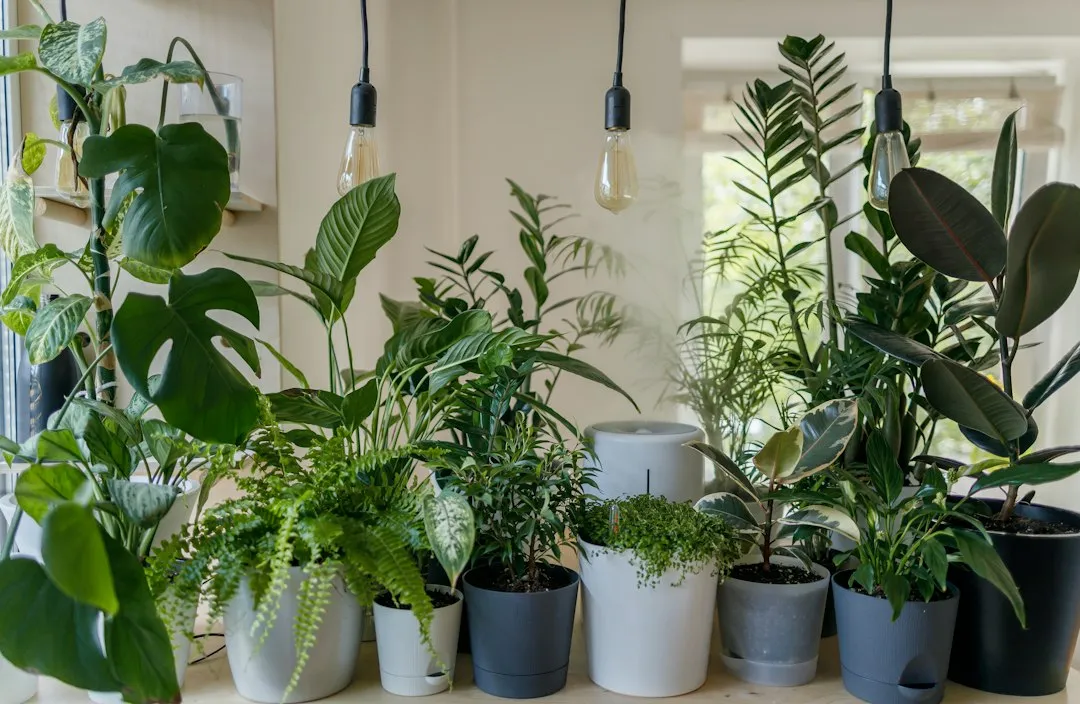
Your plants aren’t decoration. They’re a mental health strategy. You place them deliberately, you notice when they’re drooping, and you feel genuinely unsettled if the room starts feeling sparse. About four out of five plant owners say houseplants have a positive effect on their mental health, and a significant share of millennials say plant parenting has led them to take better care of themselves. The numbers from the Floral Marketing Fund back this up clearly. Nearly all purchasers, over 96 percent, agreed to some extent that houseplants make them feel happier, with more than four in five agreeing or strongly agreeing. These findings reinforce the deep connection consumers make between houseplant ownership and personal well-being.
You’re the Collector
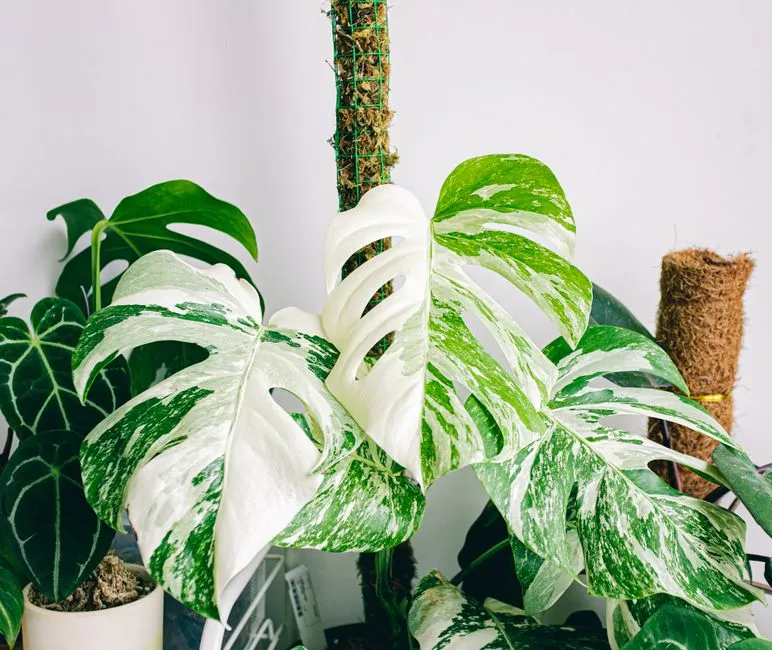
A regular pothos isn’t enough anymore. You want the variegated one, the rare alocasia, the cultivar with the story behind it. Garden Media Group’s 2026 trend work places plant collecting among the year’s defining garden movements, especially for Gen Z and millennials. Collectors aren’t just shopping for greenery; they’re building something. Collectors in urban environments own an average of fifteen houseplants, and the rarer the find, the more satisfying the acquisition. For this type of buyer, the hunt is at least half the point.
You’re the Extrovert with a Green Thumb
Your plant collection is partly for you, but it’s also very much for anyone who comes to visit. You light up when someone compliments a plant, and you’re always ready to give a cutting to a friend. Research published in a Cinch Home Services survey found that people who scored highly in extraversion owned the highest average number of houseplants, at nearly seven plants on average. Plants, for the extrovert, function almost socially. They’re conversation starters, gifts, and a signal of warmth and welcome that works even when no one is home yet.
You’re the Anxious Overachiever
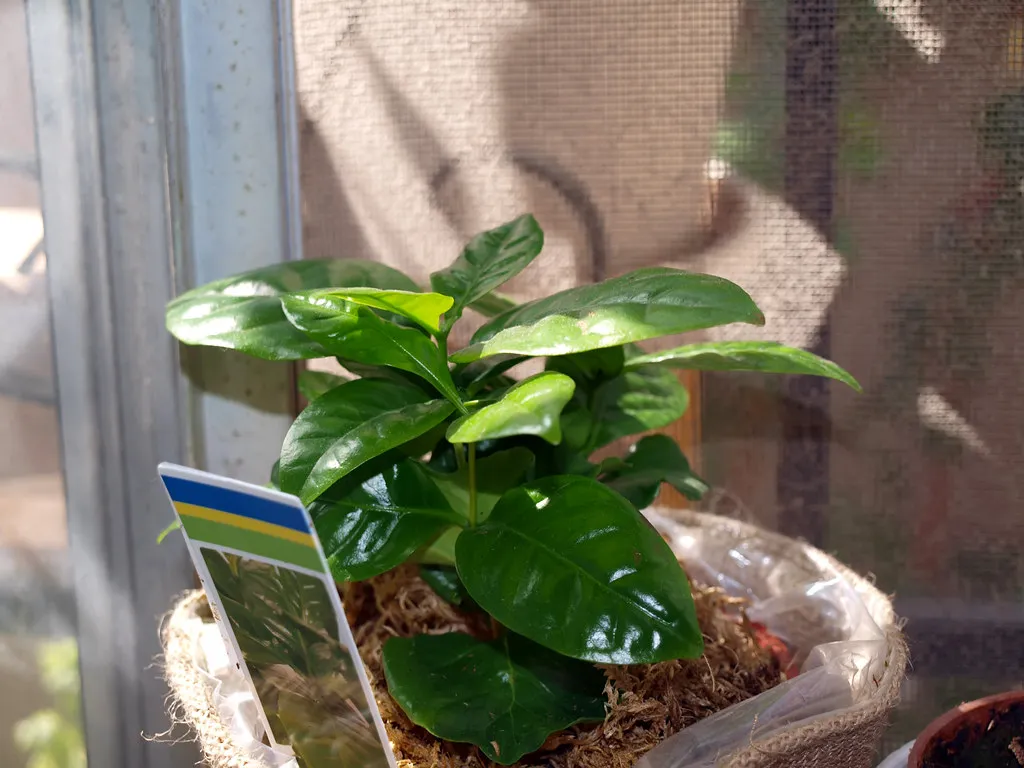
You bought a grow light before you even had a plant. Your humidity gauge has its own designated shelf. You read three care guides before watering anything. About two thirds of millennials call themselves “plant murderers,” and roughly half say they’re nervous about whether they can keep their plants alive. That anxiety, oddly enough, doesn’t stop them from buying more. Nineteen percent of millennials say keeping plants alive is more stressful than getting a root canal, yet the shelves keep filling up. This particular buyer type invests heavily, worries constantly, and loves deeply.
You’re the Social Media Shopper
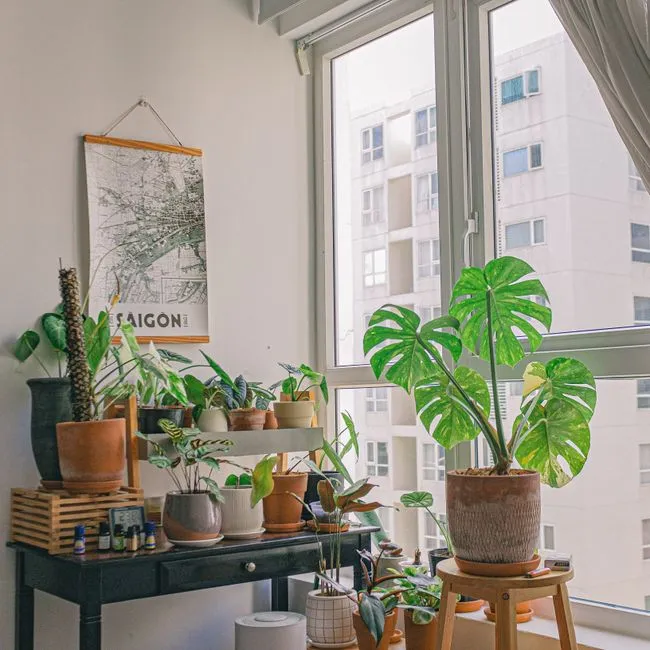
You saw it on a feed, you wanted it immediately, and you found a shop within the hour. The plant didn’t come from a garden center; it came from a reel. A 2025 study found that 73 percent of houseplant purchasers reported having purchased from a houseplant business after viewing its social media content. This isn’t shallow behavior. It reflects a genuine, visually driven relationship with plants where discovery and community happen online first. About 60 percent of Gen Z houseplant buyers use TikTok for care advice, turning what starts as a scroll into a full-on plant education.
You’re the Practical Gifter
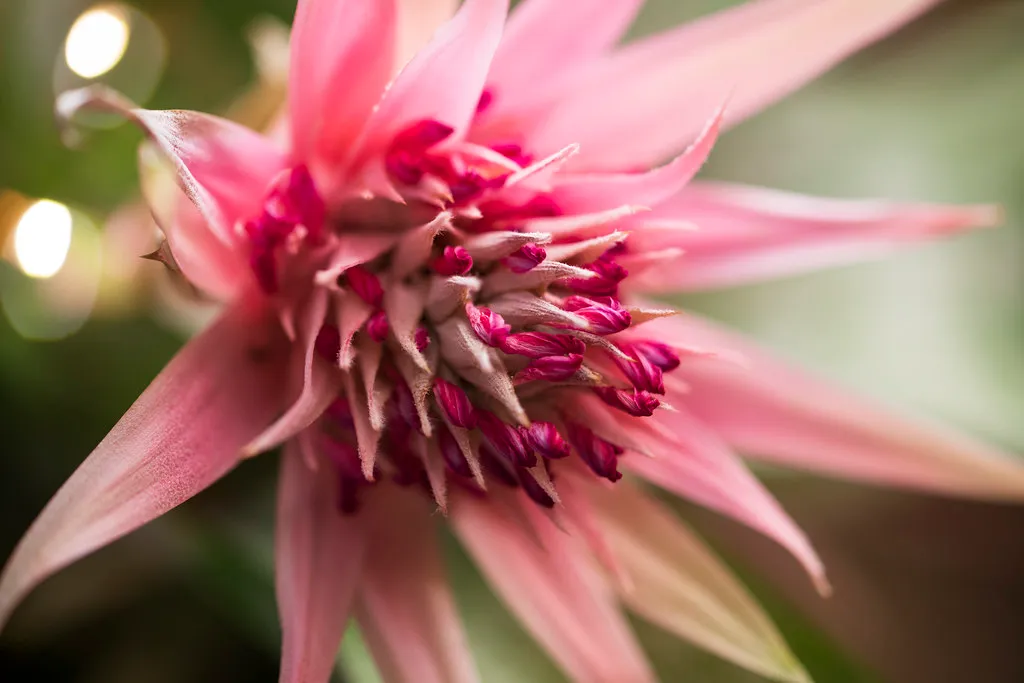
You stopped giving candles and wine years ago. Now you bring plants. A get-well succulent, a housewarming fern, a thank-you orchid. It signals thoughtfulness without overcomplicating the message. Consumers surveyed in 2025 were more likely than those surveyed in 2019 to consider houseplants appropriate gifts for a variety of occasions, including get-well wishes, thank-you gifts, and personal enjoyment. There’s a quiet intelligence in this habit. Plants are living, lasting, and personal without being too personal. The gifter who reaches for a plant has usually thought more carefully about the recipient than their relaxed shopping style suggests.
You’re the Reluctant Beginner
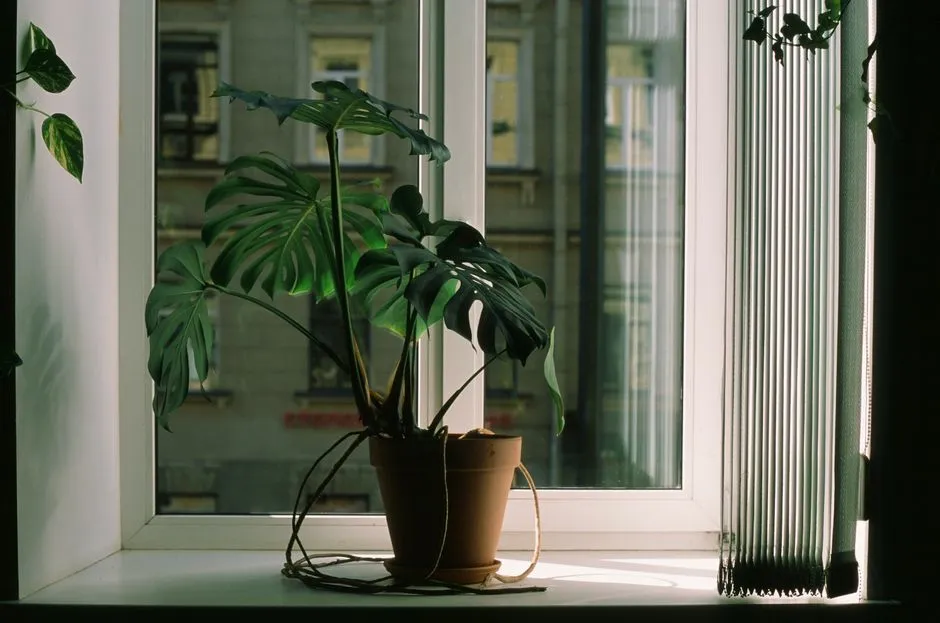
You haven’t bought a plant yet, but you’re thinking about it. Maybe it’s the pet situation, maybe it’s the commitment, maybe it’s the budget. About 77 percent of surveyed non-purchasers indicated they would or might consider purchasing a houseplant in the future, with common barriers including concerns about pets, keeping plants alive, and spending priorities. The reluctance here is well-documented and completely understandable. What’s interesting is that the hesitation isn’t about indifference. It’s about caring enough to worry about getting it wrong.
You’re the Gen Z Plant Parent
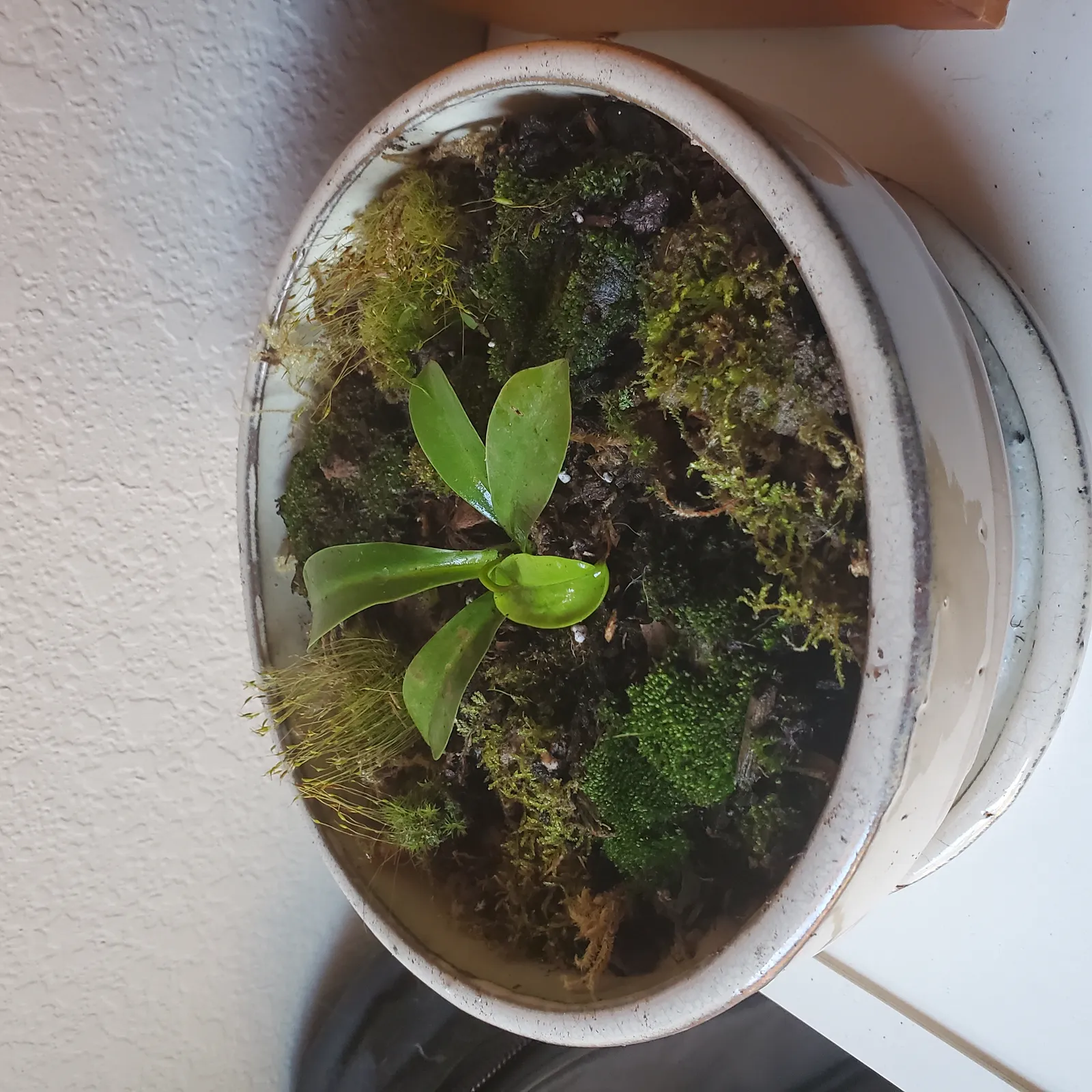
Contrary to the common assumption that millennials dominate the plant world, Gen Z is quietly leading. Among those surveyed, Generation Z averaged the highest number of houseplants at nearly seven per person, followed by baby boomers, Gen X, and then millennials. The generation is growing its share of the market fast. Gen Z accounted for about one in four U.S. houseplant purchases, up from roughly one in five just a few years earlier, with millennials and Gen Z treating plants as an affordable luxury and increasing their plant spending faster than older cohorts. For this generation, plant ownership doubles as aesthetic identity and a small, controllable act of nurturing in a world that often feels anything but.
You’re the Strategic Investor
You buy fewer plants than you used to, but every purchase is considered. You know what you want, you know what you’ll spend, and you’re already thinking about where the next one will go. Consumers are buying less frequently but spending more. Compared to 2019 and 2021, houseplant purchasers surveyed in 2025 owned more plants and reported higher spending across comparable categories, despite purchasing less frequently. This kind of shopper represents a maturing relationship with the hobby. Foliage plant sales grew by nearly 35 percent between 2019 and 2024, reaching over 930 million dollars, fueled in part by buyers who have moved from casual acquisition to deliberate curation.
The Takeaway
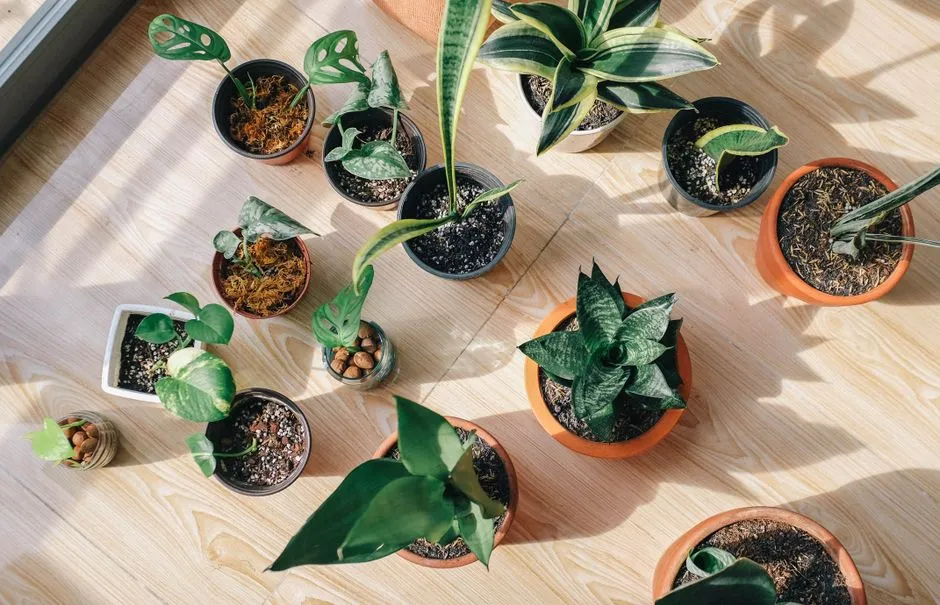
Plant shopping has never been purely about plants. It’s about mood, identity, care, and belonging. Whether you’re a compulsive impulse buyer hiding succulents from your partner or a meticulous collector chasing a rare variegated cultivar, the habit is a window into something real.
What unites nearly all plant buyers, regardless of personality type, is a shared belief that living with plants is simply better than living without them. That’s not a marketing claim. Nearly all purchasers, over 96 percent, agreed to some extent that houseplants make them feel happier. That number is hard to argue with.
AI Disclaimer: This article was created with the assistance of AI tools and reviewed by a human editor.