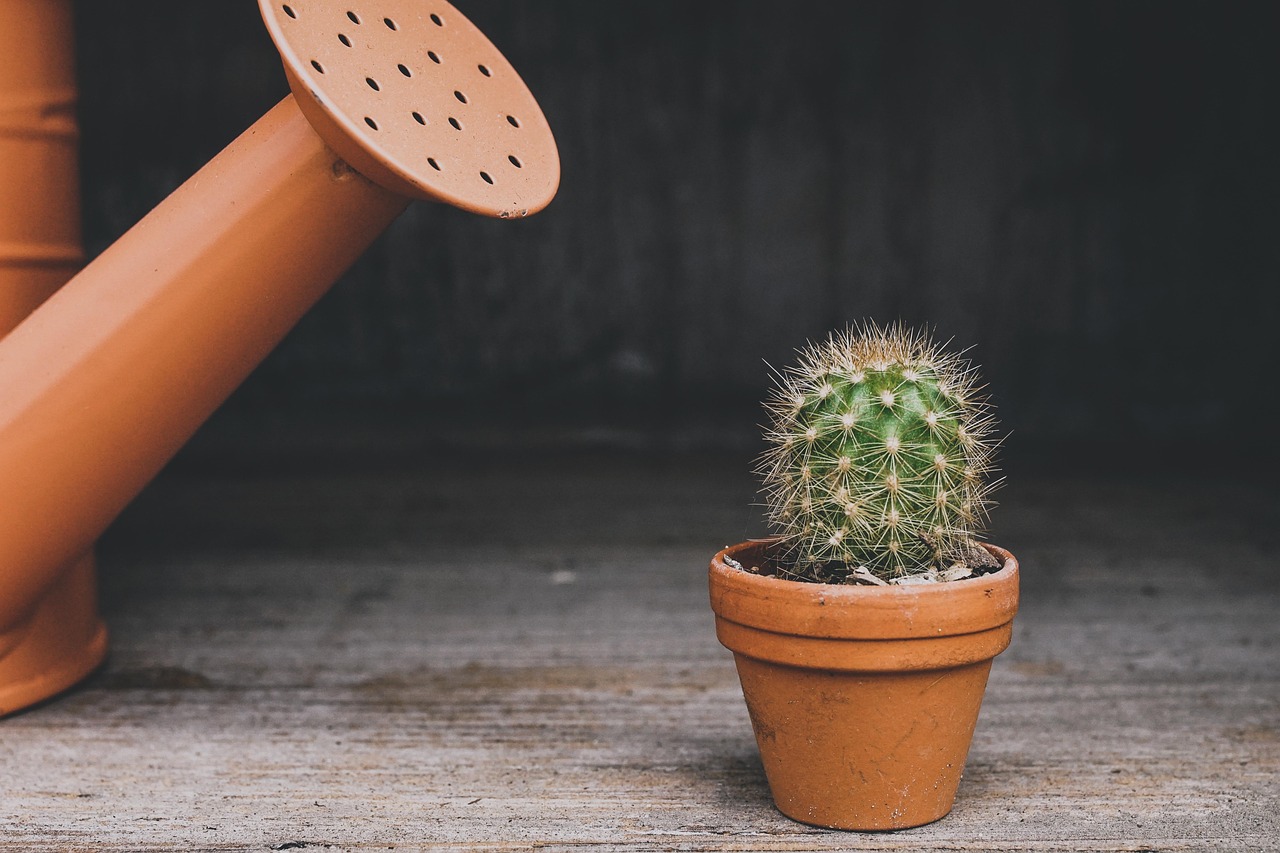

There’s something quietly revealing about what you reach for before you’ve fully woken up. Your first cup of the day is a small decision, made half on autopilot, shaped by years of habit and a few deep-seated personality wiring. It turns out that same wiring tends to follow you right out the back door.
Coffee personality research suggests that your preferred brew, how you order it, and even when you drink it can reflect meaningful psychological traits including openness to experience, conscientiousness, and sensation-seeking tendencies. Those same traits show up in how people plan, maintain, and even abandon their gardens. The overlap is more than coincidence.
The Black Coffee Drinker: Purposeful, No-Nonsense, and Deeply Functional
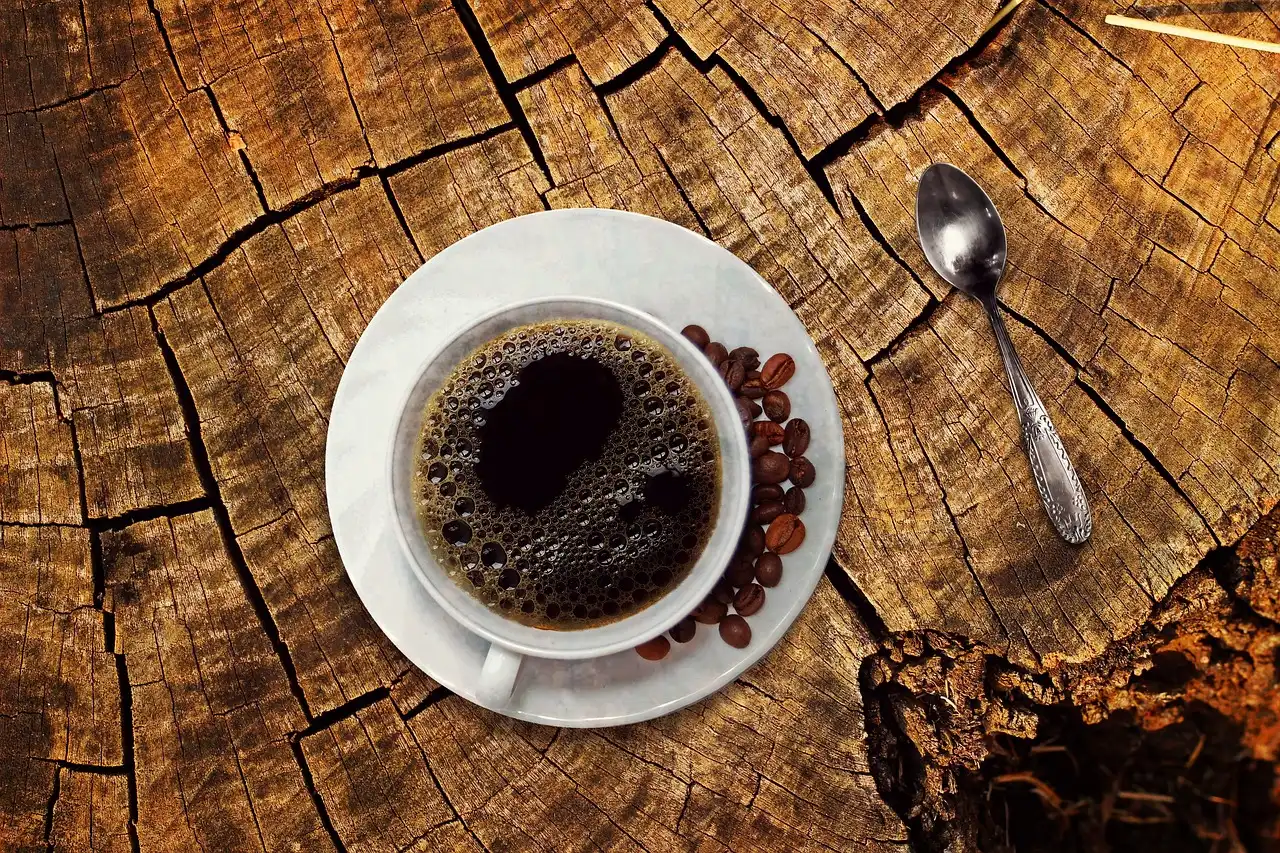
Research has shown that black coffee drinkers often prefer simplicity and efficiency, while those who favor sweeter, milk-based drinks tend to be more social and comfort-driven. In the garden, this translates clearly. The black coffee gardener isn’t growing ornamentals for show. They want a productive raised bed, clean rows of vegetables, and a compost bin that actually works.
Individuals opting for black coffee tended to have straightforward personalities, bold and no-nonsense behavioral attitudes. Their garden reflects that. Don’t expect whimsy or meandering pathways. Expect precision, clear purpose, and an honest reckoning with what grows and what doesn’t.
The Latte Lover: Warm, Social, and Garden-Party Ready
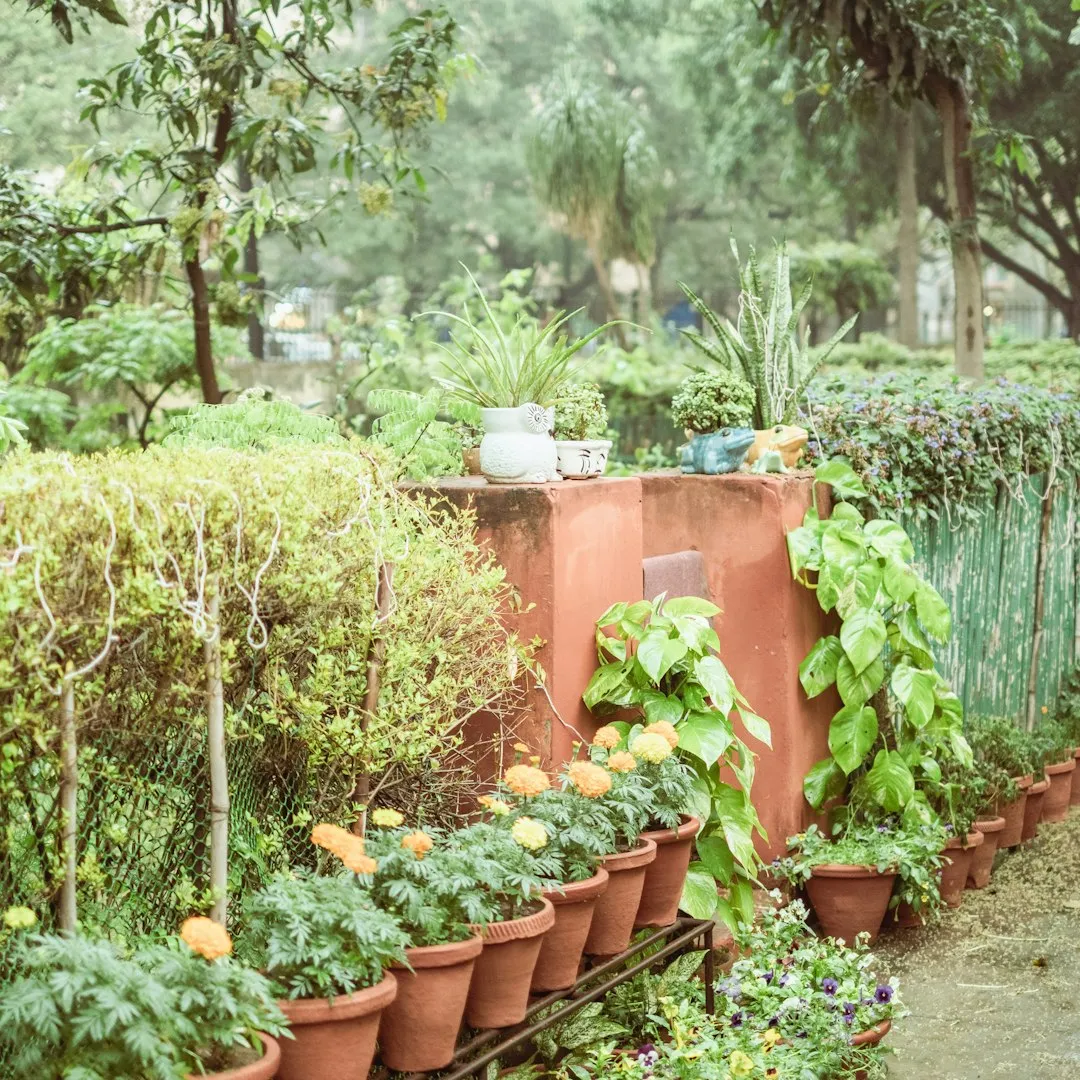
Durvasula’s study found that latte drinkers tend to be warm, open, and even generous. This generosity tends to spill right into their outdoor space. The latte gardener plants with community in mind. There’s always a surplus of tomatoes to share, and the garden itself is designed to be comfortable for visitors.
Latte drinkers often prioritize comfort and creativity, appreciating a creamy smooth texture that indicates a friendly nature. This choice reflects a sociable attitude and an appreciation for aesthetics. Lattes can also point to a nurturing personality, as you may enjoy making others feel welcome and at ease. Their gardens look lived-in and loved. Think herb borders near the kitchen door and a well-placed bench.
The Espresso Drinker: Decisive, Intense, and Obsessed with Results
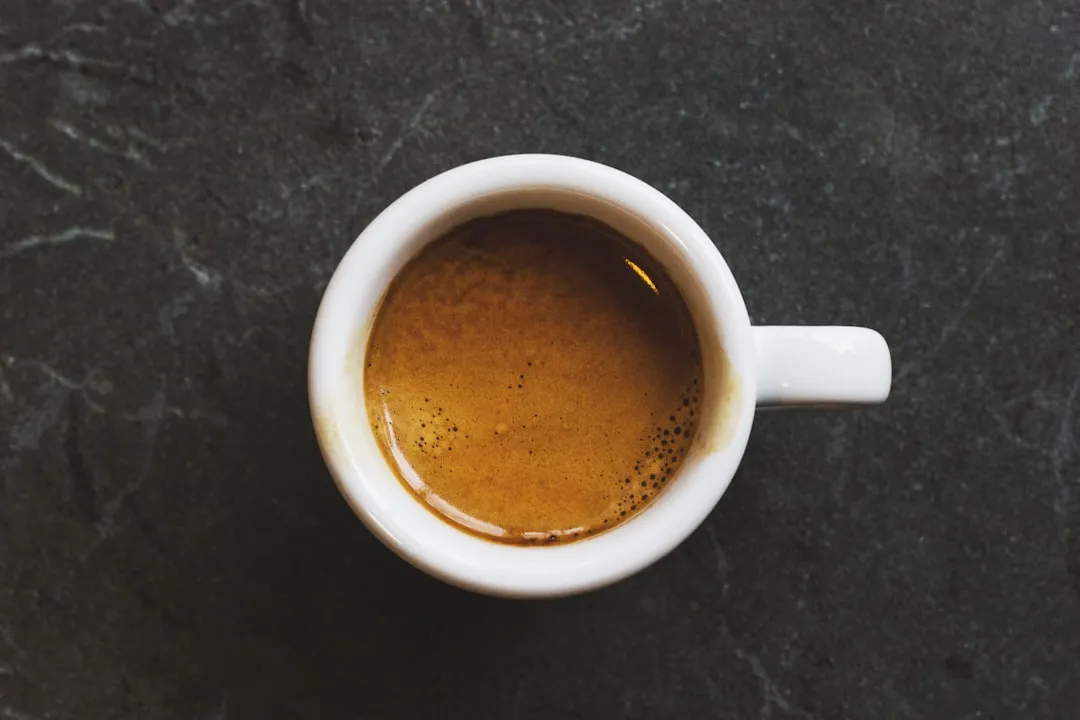
Espresso drinkers tend to be decisive and results-oriented, valuing quick solutions and intense experiences. They often exhibit confidence and efficiency in their choices. In the garden, this plays out as an almost tactical approach to planting. Espresso gardeners research soil amendments, test pH levels, and track germination rates.
Espresso drinkers tend to appreciate precision and craftsmanship. They’re the ones who build the most ambitious cold frames in February and have a spreadsheet tracking which cultivar outperformed the others. Impatience can be a weakness. Overwatering in the name of acceleration is not uncommon.
The Cold Brew Enthusiast: Trend-Aware, Methodical, and Forward-Looking
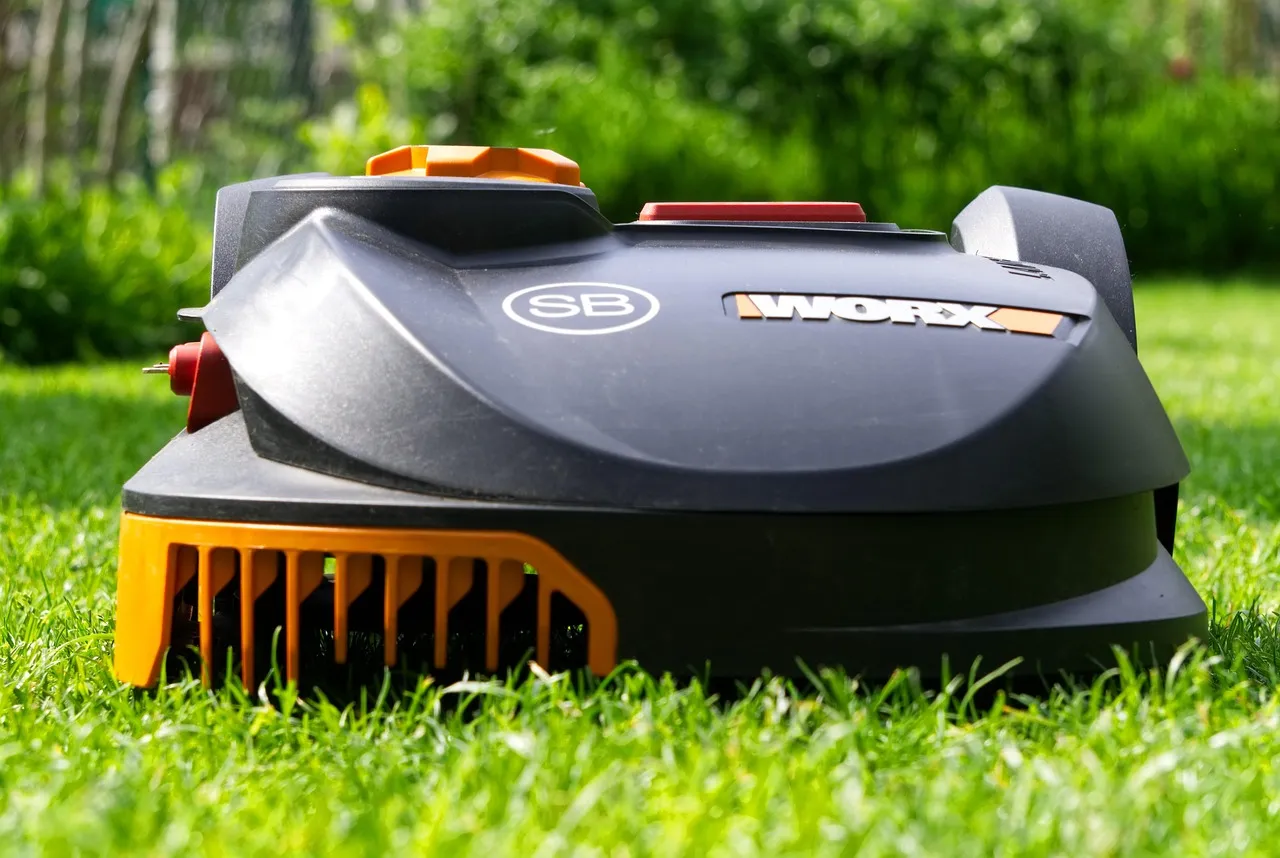
Cold brew drinkers are often planners. After all, cold brew itself requires patience and preparation. People who gravitate toward cold brew tend to appreciate efficiency, convenience, and consistency. Their gardens tend to be technically smart. Drip irrigation systems, smart soil sensors, and succession planting calendars are all very much on brand.
Cold brew enthusiasts often embrace modern trends and health-conscious choices. Their lifestyle may focus on wellness and staying current with the latest innovations. You’ll likely find them growing microgreens indoors, experimenting with vertical planters, or quietly obsessing over native pollinator plants long before it became a mainstream movement.
The Cappuccino Fan: Creative, Adventurous, and Aesthetic-First
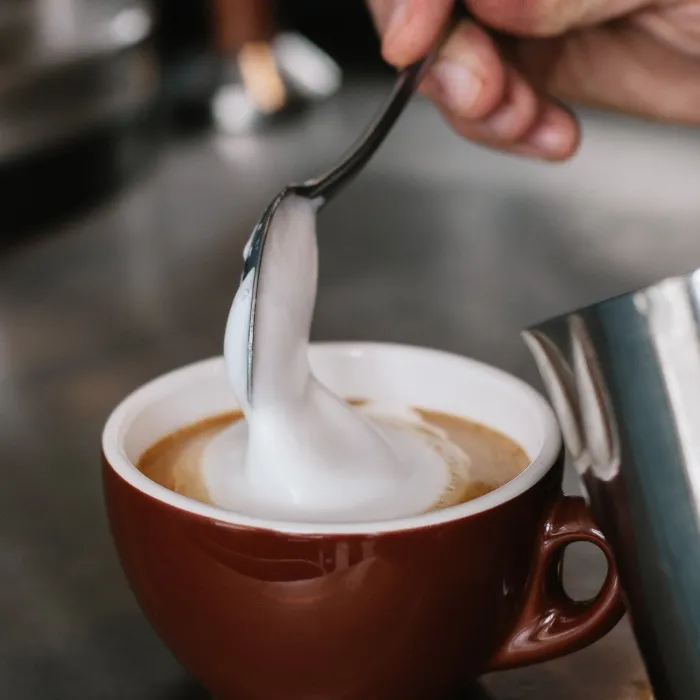
Cappuccino lovers tend to be creative and artistic, with an eye for aesthetics. They may pursue careers or hobbies that allow them to express their artistic talents and attention to detail. Their gardens are genuinely beautiful spaces. Colour theory gets applied to flower beds. Texture contrast between plants is intentional, not accidental.
Cappuccino connoisseurs are typically adventurous and open-minded. They enjoy exploring different flavor profiles and may experiment with various milk alternatives or unique toppings to enhance their coffee experience. That same experimental streak shows up in heirloom seed trials, unusual colour combinations, and an ongoing willingness to rip out last year’s plan and start over with something better.
The Flavored Latte Drinker: Optimistic, Seasonal, and Novelty-Driven
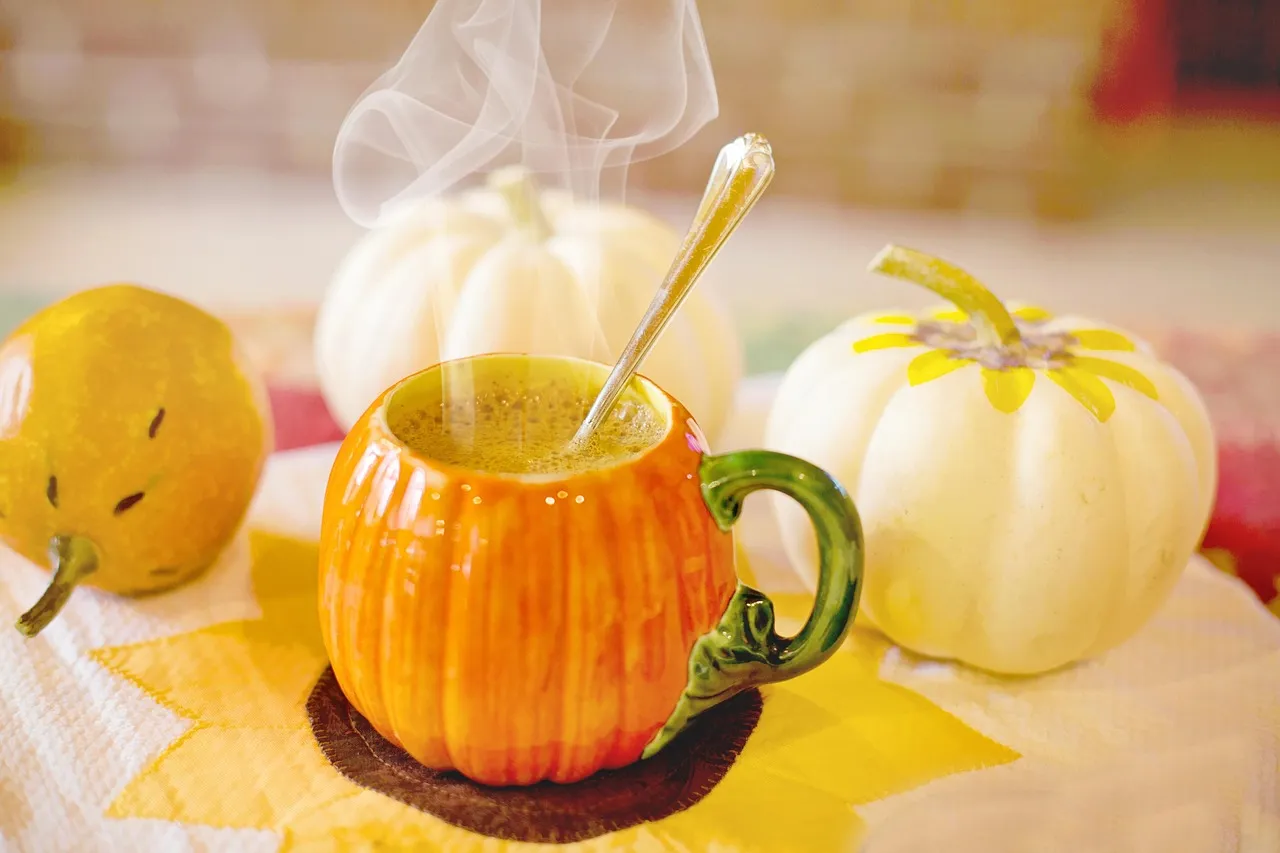
Whether it’s vanilla, caramel, hazelnut, or a seasonal favorite, flavored coffee drinkers often enjoy trying new things and adding a little excitement to everyday routines. They view coffee as an experience rather than simply fuel. They’re not afraid to express their personality and often bring positive energy to the people around you. This translates to a garden that gets redecorated with the seasons.
Choosing a specialized drink, like a flavored cold brew or seasonal pumpkin spice latte, indicates a playful and adventurous side. You enjoy trying new things and often seek out experiences that excite you. The flavored latte gardener is the one who goes heavy on spring bulbs, plants whatever is trending that season, and genuinely delights in a garden that looks different every few months.
The Decaf Drinker: Detail-Oriented, Health-Conscious, and Meticulous
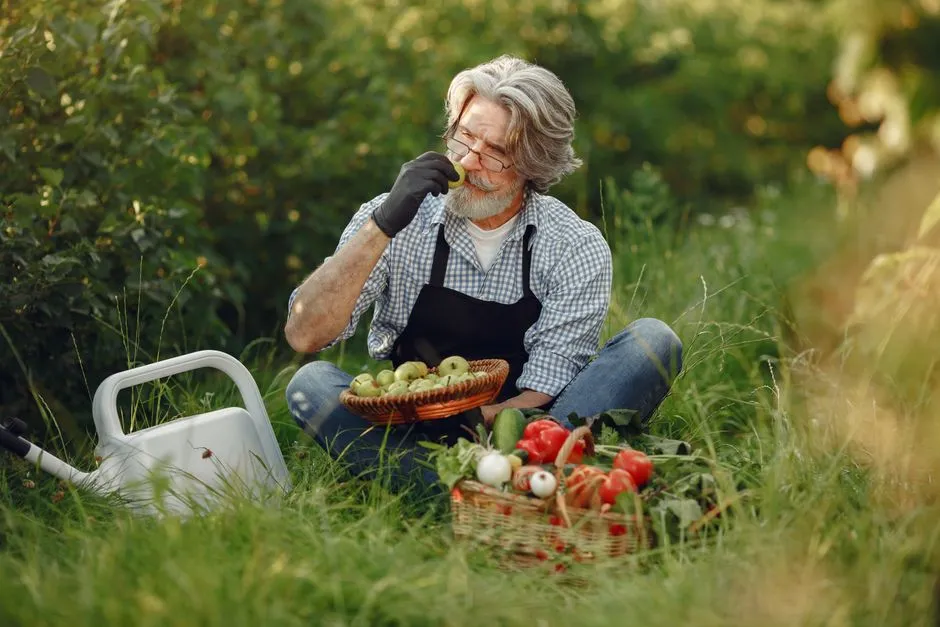
Durvasula’s survey found that participants who opted for very specific orders, such as choosing decaf coffee or milk alternatives, were more likely to be controlling, obsessive, and perfectionistic. On the upside, they were also more likely to make healthy choices. In the garden, this perfectionism is a genuine superpower when it stays proportionate.
Decaf consumers are health-conscious and caffeine-sensitive, participating in coffee culture on their terms. Their gardens tend to be chemical-free, rigorously organic, and meticulously labeled. Every seedling has a tag. Every harvest gets logged. The compost pile has a turning schedule. It works remarkably well, so long as they don’t let the perfectionism stall momentum entirely.
The Frappuccino or Blended Coffee Drinker: Carefree, Spontaneous, and Gloriously Chaotic
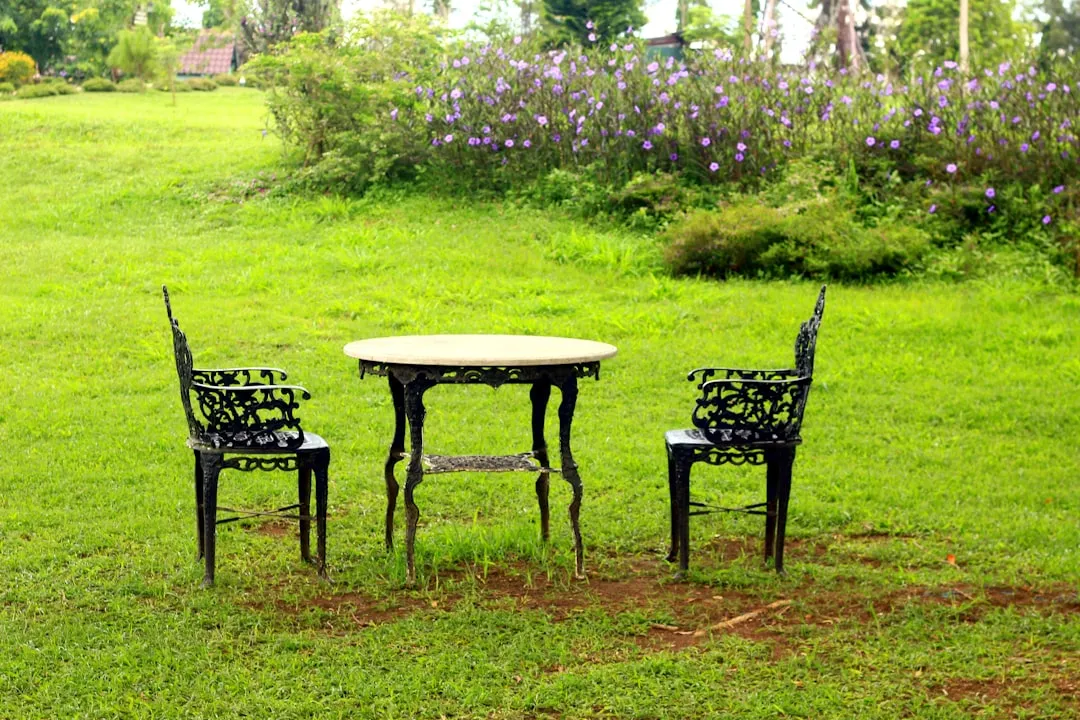
The personality traits associated with frappuccinos and other sugary coffee drinks tended to be more carefree, laid back, and easy-going. They’re the type of people you’d consider “young-at-heart” despite their age. Their gardens reflect that entirely. Beds overflow. Self-seeded volunteers stay put. The “plan” is more of a general direction.
For blended or iced coffee drinkers, personality traits can include boldness and spontaneity. This spontaneity makes for genuinely joyful gardens, even if they’re somewhat unpredictable. The best volunteers sprout between paving stones. An impulse buy of a climbing rose becomes the best thing they ever planted. Not everything works, but when it does, it’s spectacular.
The Alternative Milk Orderer: Conscientious, Principled, and Environmentally Tuned In

Adding alternative milks could indicate health-conscious choices. More broadly, research on personality and coffee habits connects this kind of customization with conscientious and values-driven behavior. Studies in consumer psychology and the Big Five personality model have found statistically significant correlations between food and drink preferences and stable personality characteristics.
The oat milk or almond milk garden is likely to be wildlife-friendly and ecologically considered. One in three respondents stated they would purchase mostly or all organic products for their garden. One in three U.S. adults purchase plants to help wildlife, up considerably since 2020. One in four people buys native plants, also up significantly from recent years. The alternative milk orderer is almost certainly in all three groups.
The “Whatever’s Brewing” Gardener: Adaptable, Community-Minded, and Evergreen
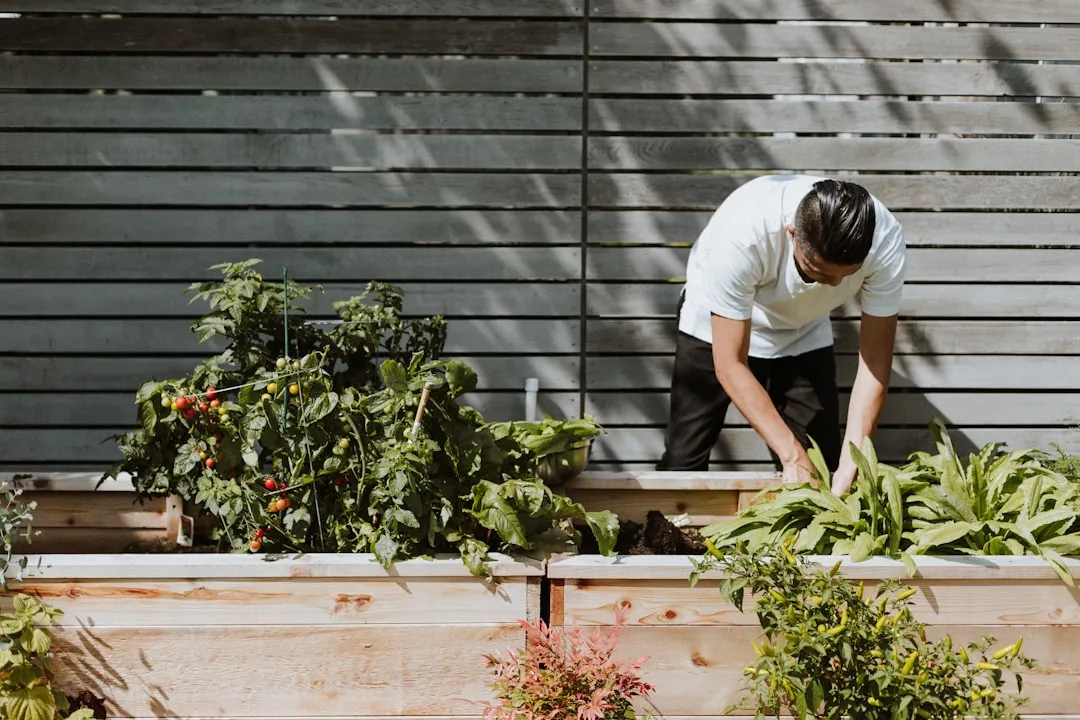
Coffee preferences typically evolve throughout life, often tracking broader personality development. Research on personality change across the lifespan shows that most people become more conscientious and agreeable with age. The gardener who drinks whatever is available, no fuss required, is often the most adaptable in their outdoor space too.
Americans garden for a mix of practical, aesthetic, emotional, and personal reasons rather than any single dominant one. The most common motivations include making the home look nice, supporting mental wellbeing, and having access to fresh produce. The flexible coffee drinker reflects this neatly. Their garden isn’t built around a single ambition. It shifts with the season, the year, and whoever happens to be visiting.
The Shared Thread: Every Coffee Order Leads Back to the Soil
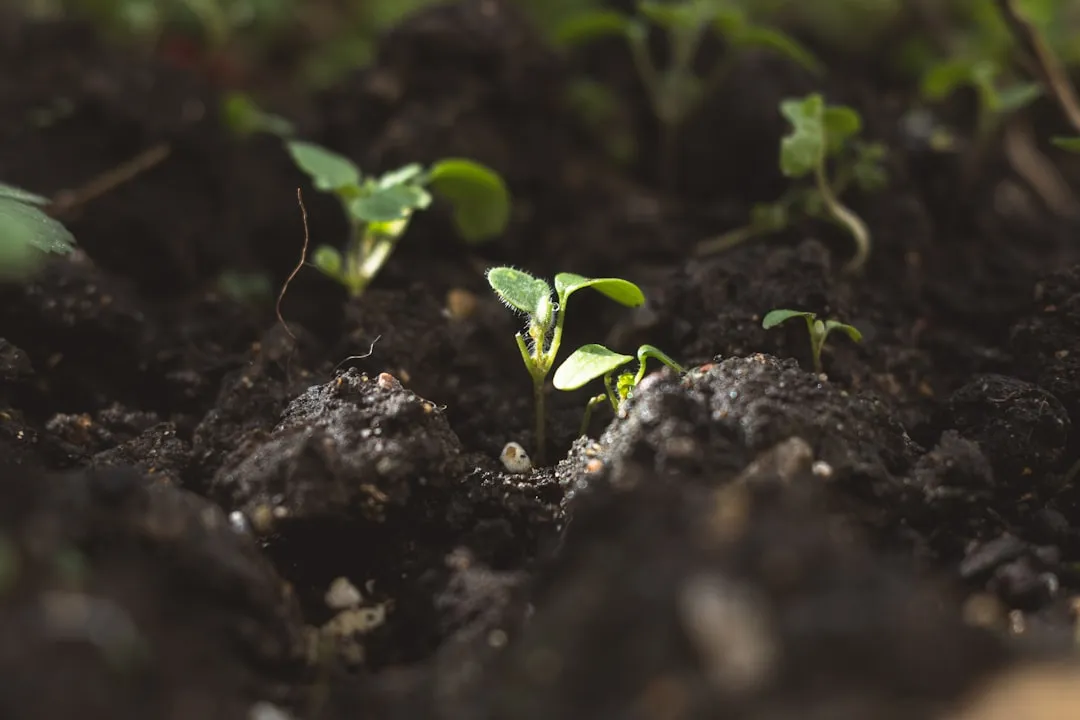
Regardless of the order, one thing holds across coffee preferences and garden styles alike. Psychologically, gardening fosters mindfulness, emotional stability, cognitive function, and social cohesion, reducing stress, anxiety, and depression. The act of tending to a living thing, however it’s approached, consistently returns more than it takes.
Gardening for at least 150 minutes per week was associated with better mental wellbeing. Spending roughly two and a half hours gardening weekly was associated with improved life satisfaction. Whether you’re a precision espresso gardener or a spontaneous frappuccino planter, the soil doesn’t particularly care. It rewards attention in all its forms.
Final Thoughts
The coffee-to-garden connection isn’t a science. As Durvasula herself noted, “we are no more defined by our coffee orders than we are by our astrological signs.” Still, the patterns are genuinely interesting, and the underlying traits that shape what you order in the morning do tend to shape how you think, plan, and respond to setbacks in the garden too.
Maybe the more useful question isn’t what your coffee says about you, but whether your garden is really getting what it needs from the person you already are. Small daily decisions shape routines and reflect how we manage stress, express ourselves, and navigate change. A morning cup and a morning garden check: both rituals, both quietly honest about who’s doing them.
AI Disclaimer: This article was created with the assistance of AI tools and reviewed by a human editor.