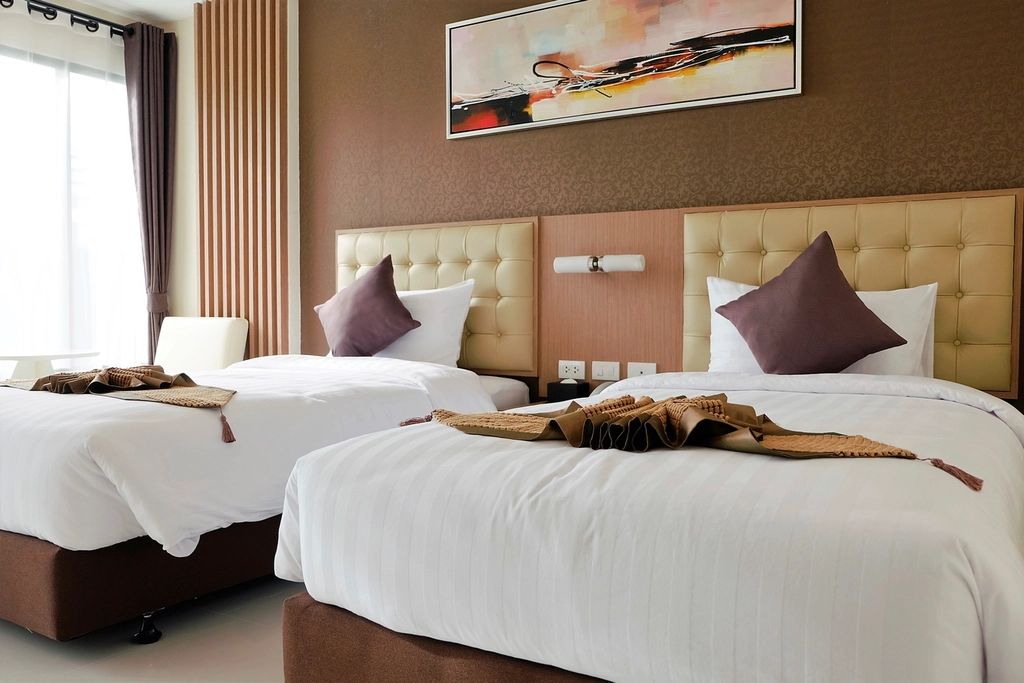

1. The Bed Tells the Truth About Your Priorities
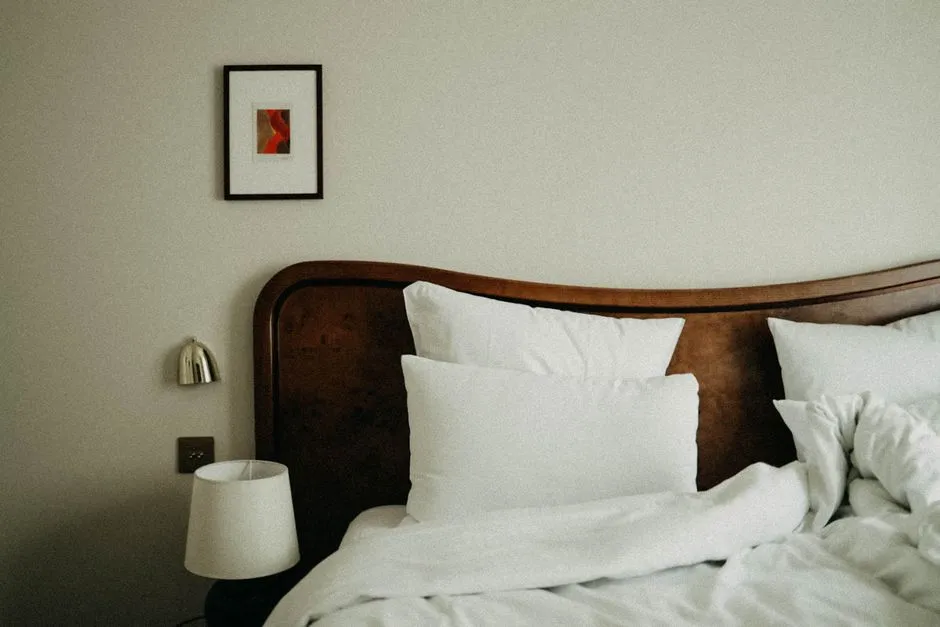
The bed is the first thing a guest quietly evaluates, and the verdict comes fast. In 2025, roughly three in four overnight guests said bedding quality matters more than any other room feature, more than decor, lighting, or amenities, according to DZEE USA. That’s a striking number, and it means a tired mattress or mismatched sheets carries real weight.
Two in five Americans said they felt embarrassed by where their overnight guests slept, and nearly two in five hosts admitted they apologized about their guest’s sleep setup during a single overnight stay. Apologizing before a guest even lies down sets a tone no amount of hospitality can fully undo.
In 2025, roughly four out of five travelers said high-quality, matching linens made their stay feel noticeably better, even when nothing else in the room changed. A well-made bed, then, is not an aesthetic choice. It’s a statement of care.
2. Cleanliness Signals Respect, Not Obsession

A clean guest room communicates something specific: that you prepared this space for another person, not just cleared it out for them. Travelers consistently rank cleanliness as the number-one step a host can take to ensure a positive guest experience, according to an Ecolab survey, with guestroom cleanliness listed as one of the most important factors alongside friendly staff.
Guests identify three top signals of a clean room: no odor or a pleasant fragrance, no dirty or moldy shower or tub, and clean, soft linens. These are achievable details. None of them require renovation, only intention.
Room cleanliness was one of the most influential negative factors on a guest’s overall experience score in 2024, with significant point deductions in hospitality satisfaction research by TrustYou. The same applies at home. A dusty surface or stale smell says more than you’d want it to.
3. Storage Space Reveals Whether You Thought About Them
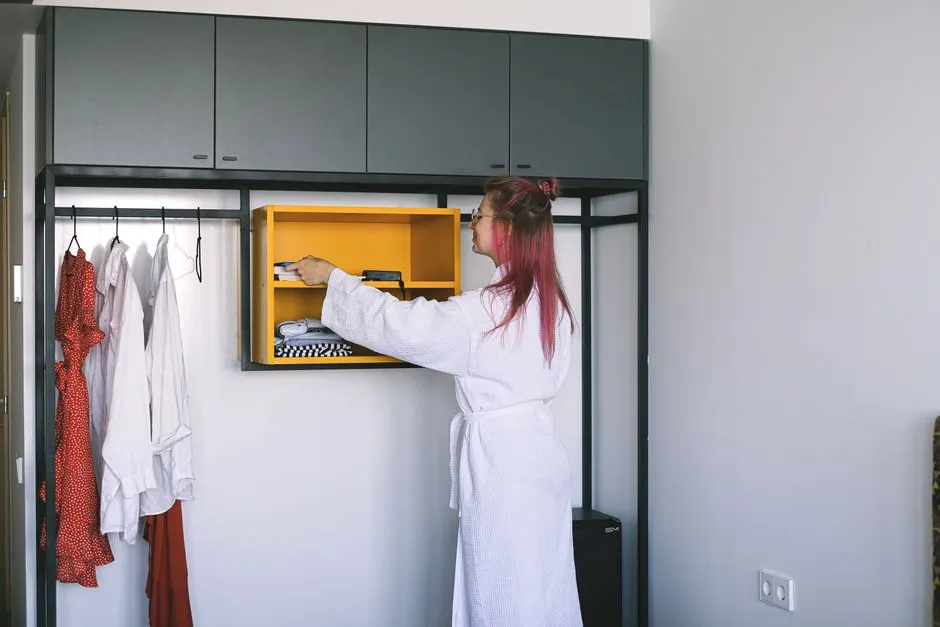
A guest arriving with a suitcase and nowhere to put it is quietly uncomfortable. It’s not a crisis, but it signals that the room was not really imagined as a place for someone else to live in temporarily. A single drawer left empty, a few hangers in a closet, or even a small luggage rack can change that feeling entirely.
Research shows that consumers seek lodging experiences that reflect the comfort of their home lives, from additional blankets in-room to the ability to select bedding and more. The same instinct applies to private hosting: guests want to feel settled, not like a temporary inconvenience in someone else’s storage room.
The absence of usable space often means the guest room is functioning as something else most of the year, which is completely normal. The difference is whether a host takes ten minutes to clear it out before someone arrives. That act, small as it is, says a great deal.
4. Lighting Choices Reflect Emotional Intelligence
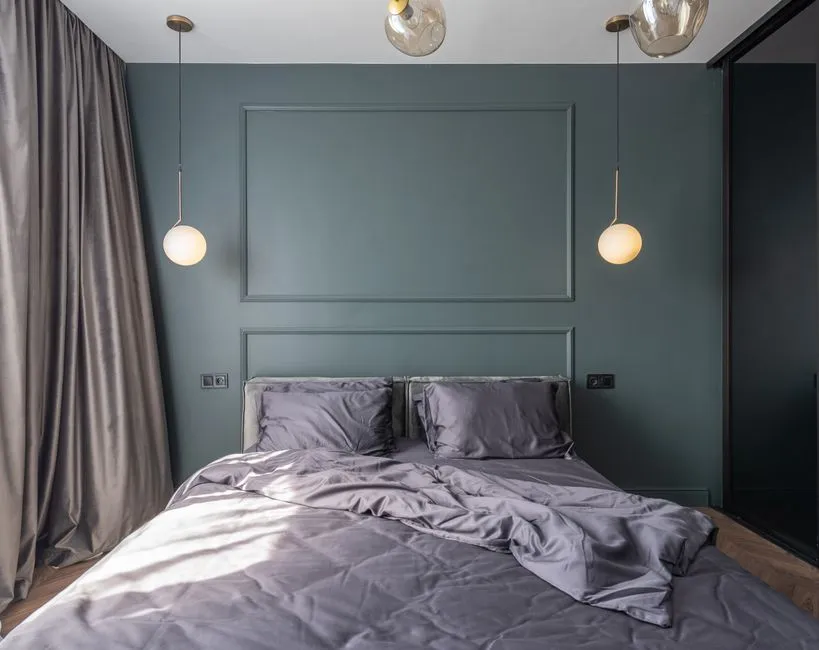
Overhead lighting that floods the room with the energy of a hospital corridor is not an accident. It’s a blind spot. Good guest room lighting means giving someone options: a bedside lamp for reading, softer light in the evening, and ideally some way to block daylight in the morning.
Giving guests a few lighting options is listed among the foundational elements of a welcoming guest bedroom, alongside window treatments and temperature control. These are linked details. A room that’s easy to darken at night and wake up gently in signals that you understand how people actually sleep.
Hosts who get this right don’t necessarily spend more money. They just think one step ahead. A blackout curtain and a lamp with a warm bulb cost very little and communicate a level of thoughtfulness that guests remember long after the visit.
5. Temperature Control Is a Trust Signal

Few things disturb a night’s sleep faster than a room that’s too warm or too cold with no obvious way to fix it. Guests often struggle with temperature in unfamiliar rooms, and there’s not much they can do if the host hasn’t anticipated this. Leaving an extra blanket on the bed, mentioning how the thermostat works, or placing a small fan in the room are gestures that go a long way.
Research from J.D. Power’s 2025 Hotel Satisfaction Study identified pillows, bed linens, HVAC noise, and outside noise as factors that turn room comfort into measurable satisfaction risk. While that data comes from hotels, the human experience of sleeping in an unfamiliar space is identical whether it’s a hotel or a friend’s spare room.
Giving a guest the ability to self-regulate their temperature, without having to wake you up and ask, shows a kind of emotional intelligence that good hosts develop naturally over time. It’s about removing friction before anyone has to feel awkward about it.
6. The Bathroom Setup Tells Guests How Welcome They Really Are

Whether guests have a private bathroom or share yours, the basics matter. Top amenities guests appreciate for a home-like experience include their preferred toiletries in-room, cited by roughly one in three guests surveyed. Setting out a fresh bar of soap, a clean towel, and a small space for toiletries costs almost nothing but signals genuine preparation.
Providing an assortment of toiletries is one of the guest bedroom ideas most likely to make visitors feel genuinely welcome. It removes the small awkward dance of guests rummaging through your cabinets or going without something they need. The bathroom is intimate territory. How you handle it reflects how comfortable you are having someone else in your home.
7. Wi-Fi Access Shows You Understand Modern Life

Failing to give a guest the Wi-Fi password, or making them ask for it twice, is one of the smallest but most telling oversights a host can make. Connectivity isn’t a luxury anymore. People need it to stay in touch with family, navigate their return trip, or simply unwind the way they normally do.
A better Wi-Fi connection than currently available was the top amenity desired by guests seeking a home-like experience, cited by roughly three in five people surveyed. Writing the password on a small card and placing it on the bedside table is the kind of detail that feels effortless once you know to do it.
Roughly two in five guests said that having a smart TV or the ability to stream their entertainment is now a necessary amenity, up from about one in five in 2019. Even if your guest room is simple, giving people access to entertainment they can control themselves respects their autonomy and their time.
8. Personal Clutter in the Guest Room Sends a Mixed Message
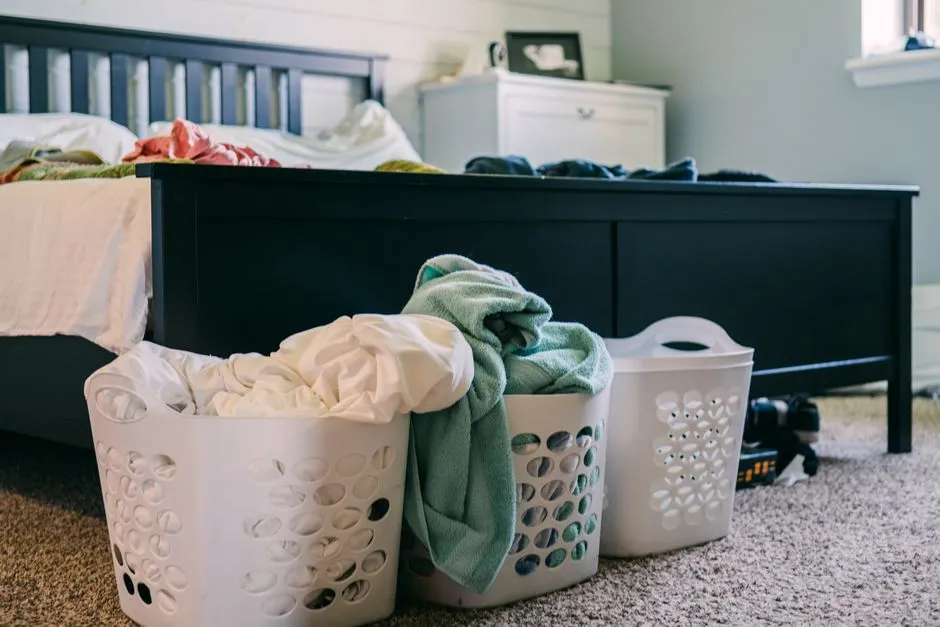
A guest room that doubles as your home office, craft studio, or overflow wardrobe isn’t a problem in itself. Most households don’t have the luxury of a dedicated, always-ready spare room. Research from Amerisleep found that roughly four in five Gen Z adults lack a dedicated guest room entirely. Space is a constraint most people understand.
What matters is how you handle it. Clearing personal items off the desk and nightstand before a guest arrives signals that this space is temporarily theirs. Leaving your work files on the chair, your clothes on the door hook, and your half-finished projects on the shelf says something different. It says the guest is fitting around your life rather than being welcomed into it.
One in three Americans said they had held off on inviting someone to stay overnight because they felt uncomfortable about their guest setup. That discomfort often comes down to exactly this: a room that doesn’t feel ready for another person. A little clearing goes further than a lot of decorating.
9. Small Thoughtful Extras Reveal the Type of Host You Are
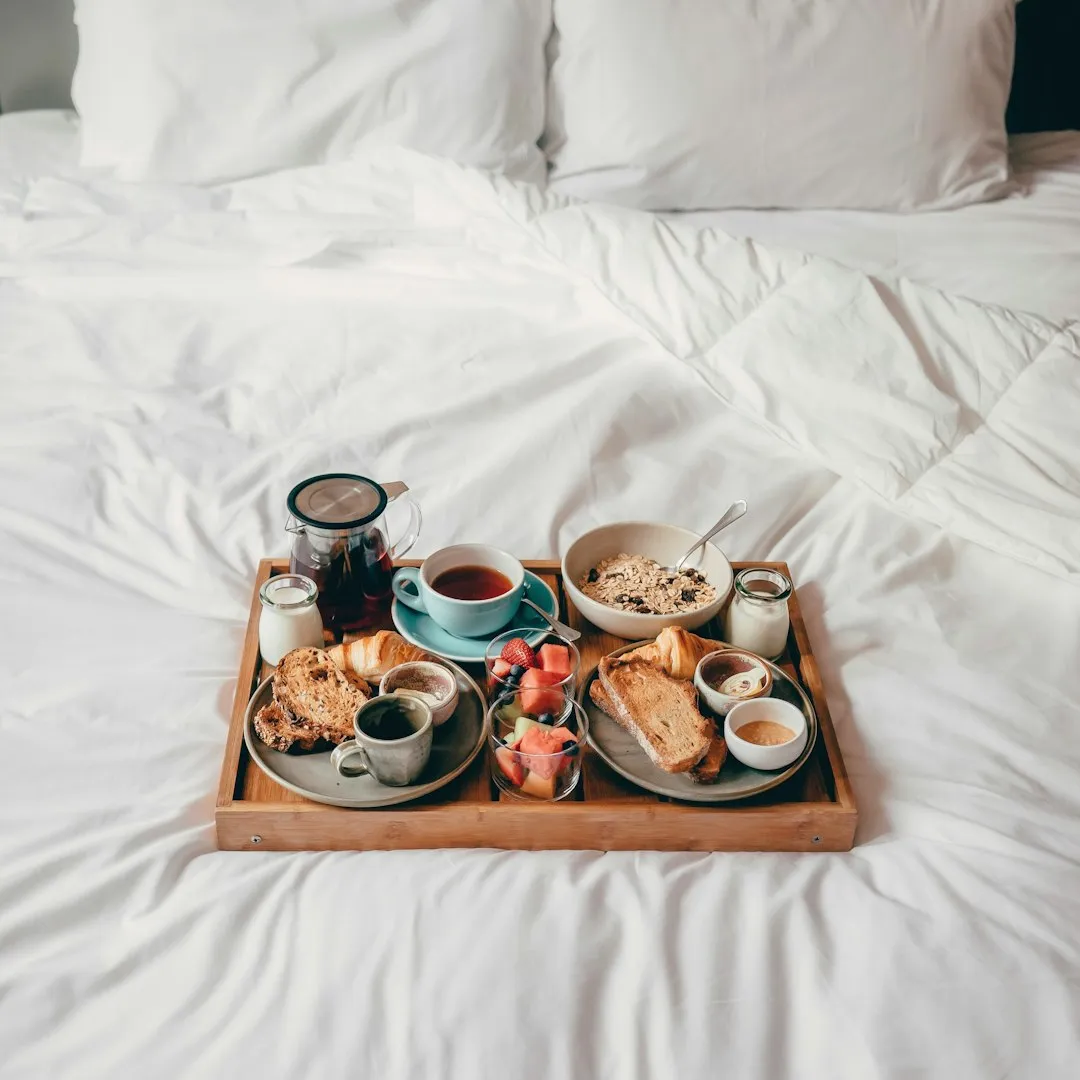
There’s a category of hosting detail that falls between necessity and luxury. A glass of water on the nightstand. A spare phone charger. A local coffee recommendation on a note card. These things are not expected, which is precisely why they land so well. They show that you thought about your guest as an individual, not just a body that needed a bed.
The key to great hospitality is anticipating guests’ needs, and that holds as true in a home as it does in a hotel. The anticipation, not the expense, is what guests remember. A cheap candle with a pleasant scent in the corner of the room often does more for a guest’s experience than a new piece of furniture.
Experiences that tap into guest preferences, whether it’s a bespoke touch or a highly relevant personal detail, create perceived value that directly influences how welcomed someone feels. At home, that might be as simple as remembering a guest drinks tea and leaving an electric kettle and a few bags on the dresser.
10. How You Invite Guests Reflects Your Confidence as a Host

Some hosts never extend the invitation at all because they’re anxious about what the room might say about them. Roughly one in three Americans have delayed inviting overnight guests specifically because of concerns about their guest setup. That hesitation, while understandable, often robs both parties of time they’d genuinely enjoy.
Research from Amerisleep found that more than one in four guests have avoided revisiting someone after a particularly poor sleep experience. So there’s a real cost to neglecting the basics. Still, the solution isn’t a perfect room; it’s an honest one. A host who says “it’s not fancy but I’ve made it as comfortable as I can” creates warmth that a flawless room without warmth never achieves.
Roughly one in three Americans have spent money upgrading their guest sleep setup in the past year, averaging around $173 per household. That’s a modest investment. The bigger investment is simply paying attention, and that costs nothing at all.
The Takeaway
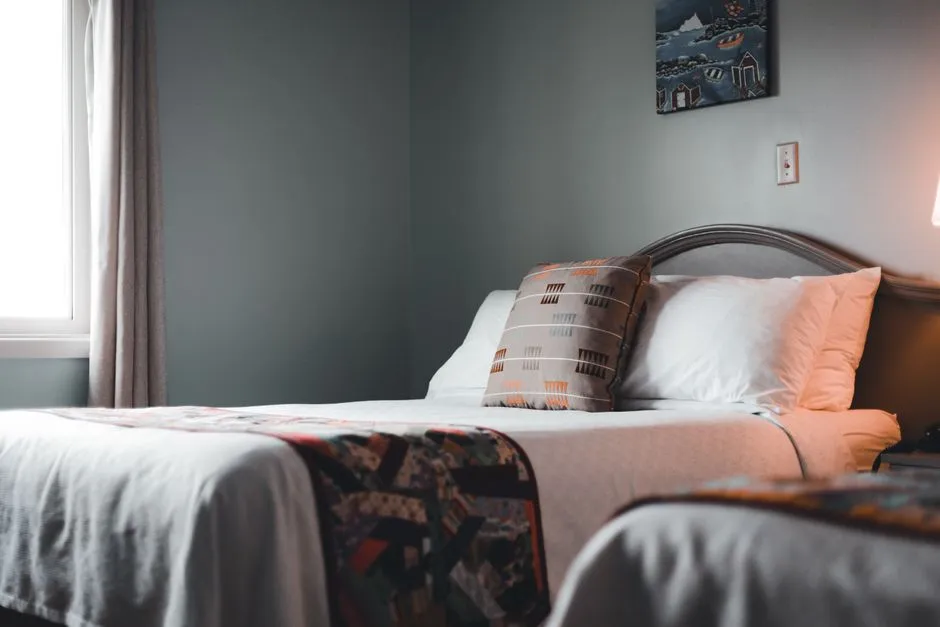
Your guest room doesn’t need to look like a boutique hotel to communicate that you’re a good host. It needs to feel like it was prepared for someone. Cleanliness, a decent bed, some storage space, a bit of warmth, and a few thoughtful details do most of the work. The rest is just noise.
What guests carry away from a stay isn’t usually a mental checklist of what you got right. It’s a feeling. That feeling is built from dozens of small decisions you made before they arrived. The guest room, for better or worse, is where most of those decisions show up.
AI Disclaimer: This article was created with the assistance of AI tools and reviewed by a human editor.