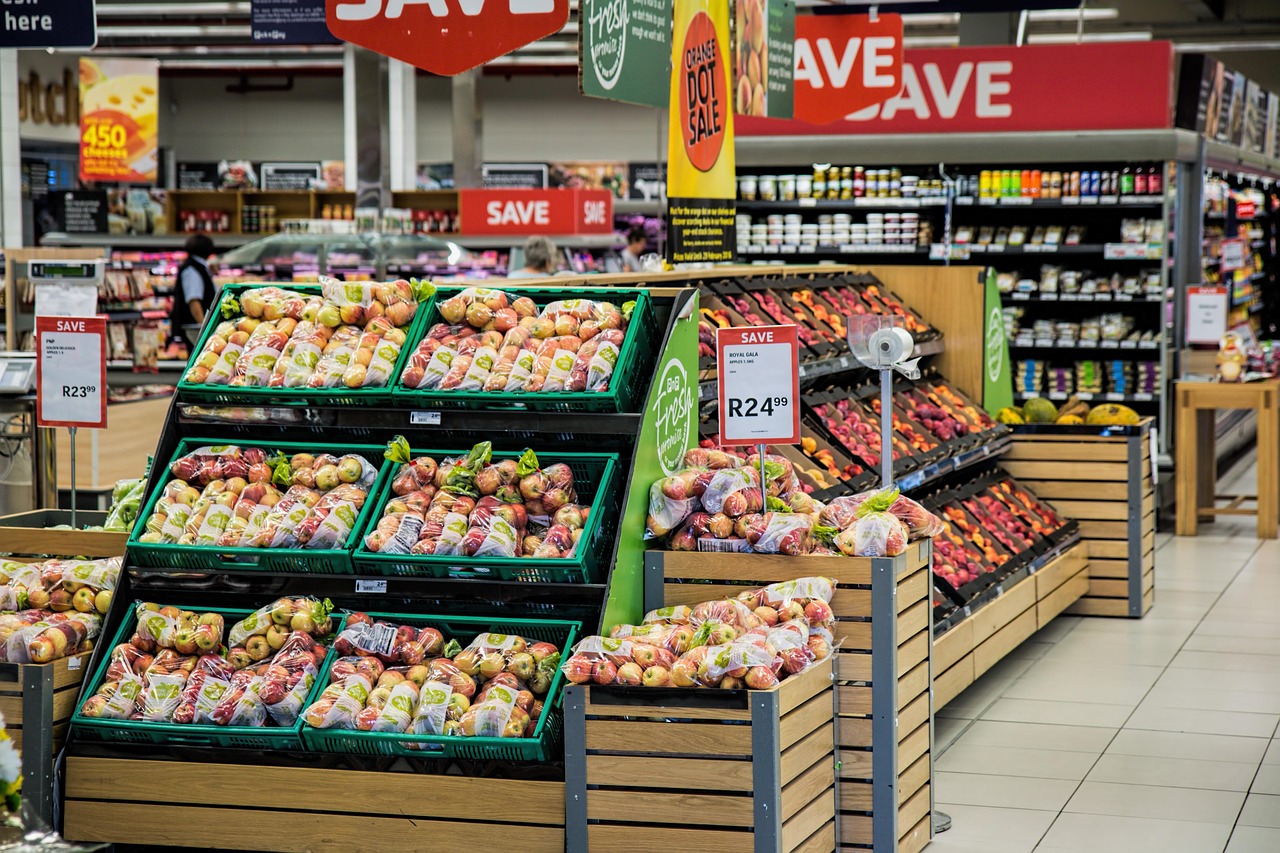

Most people don’t think twice about what lands in their cart. You grab what you need, check out, and go home. Yet that casual, half-automatic process turns out to reveal quite a bit about how comfortable you actually feel in the kitchen.
There’s a reason researchers, food organizations, and retail data analysts have been paying close attention to shopping habits lately. The link between what people buy and how confidently they cook is more direct than it might seem. Here’s what the evidence suggests about those quiet choices you make in every aisle.
The Fresh Produce Test
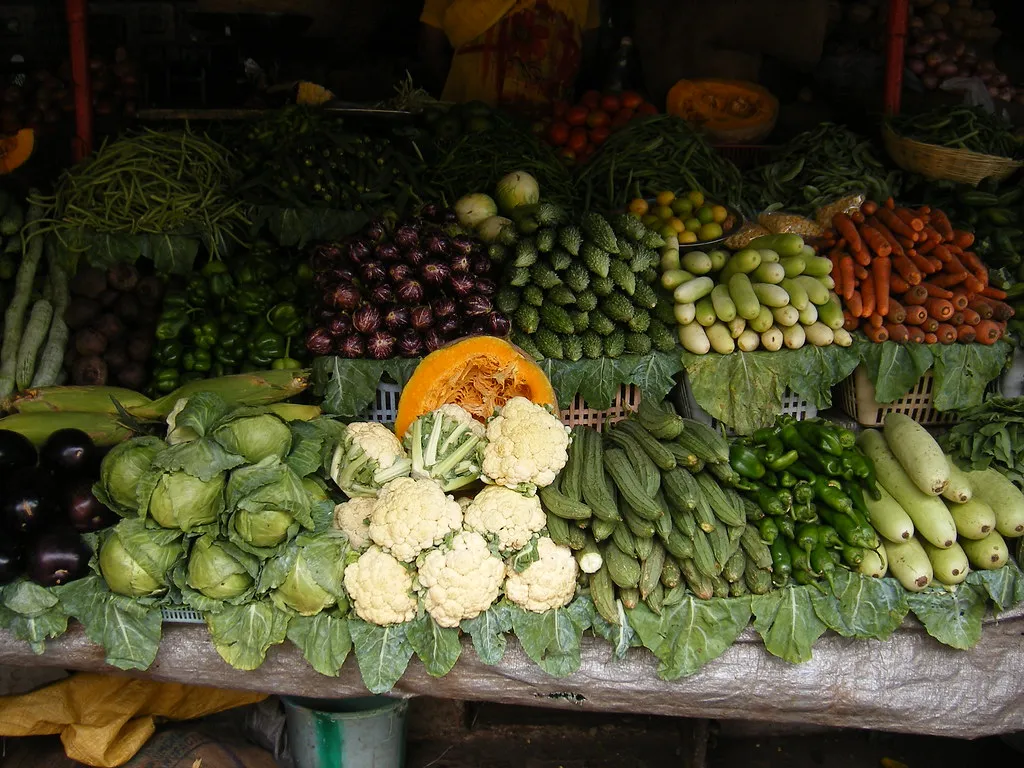
Walk past someone’s cart and count the fresh vegetables. It sounds simple, but it’s actually one of the clearest signals of cooking confidence. Fruits and vegetables are among the most important items in a healthy grocery cart, providing fiber and numerous vitamins and minerals. The confident cook loads up on raw produce because they know what to do with it once they get home.
College students and newer cooks often rely more heavily on convenience foods partly due to a lack of cooking skills, knowledge, or confidence in food preparation. Reaching for a bag of pre-washed, pre-cut salad mix is not a moral failing, but it does tend to correlate with less time spent cooking from scratch. The person buying a whole head of cabbage, a bunch of beets, and a fennel bulb almost certainly knows what they’re making for dinner.
The Pantry Staples Signal
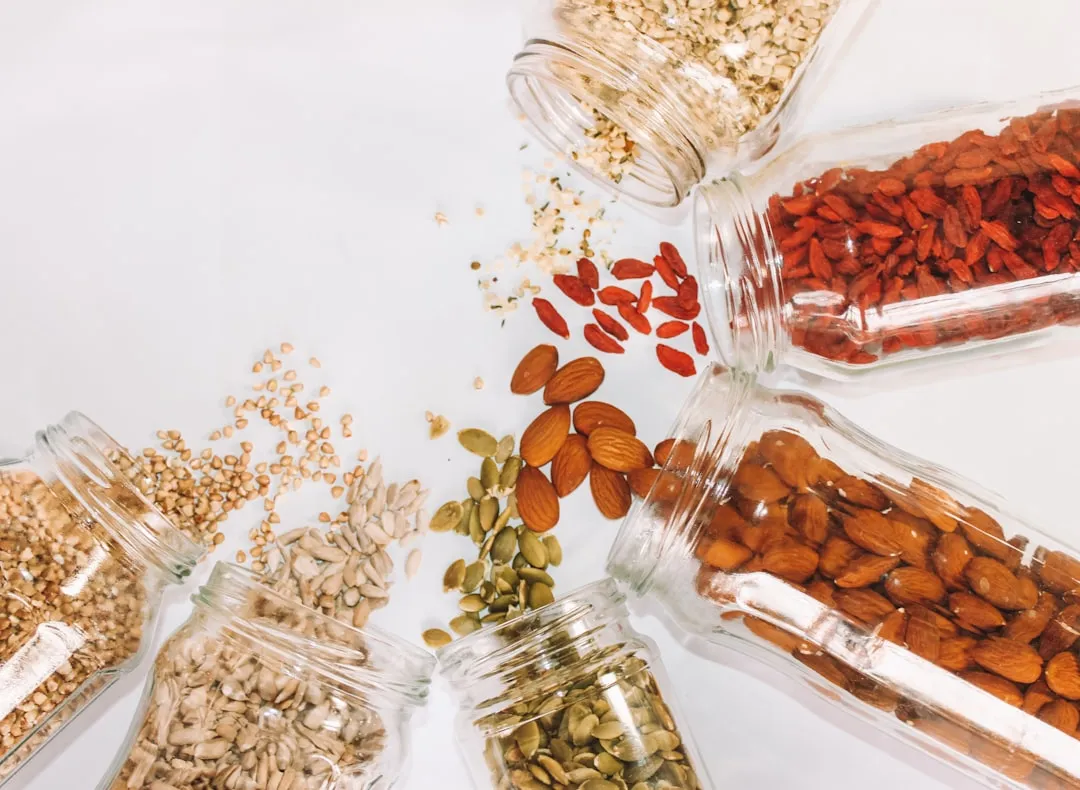
Confident cooks stock their pantries with purpose. Olive oil, dried lentils, whole canned tomatoes, a range of spices, and raw grains are the building blocks that give you flexibility throughout the week. When your pantry is well stocked, a nutritious and tasty meal or snack is just minutes away. That’s not an accident – it’s the result of thinking ahead.
A cart loaded with bulk bags of rice, family-sized packs of meat, and large quantities of pantry staples points to a long-term planner who is thinking about future meals and stocking up to save time and money. This kind of shopping requires a mental map of the week’s meals before you’ve even entered the store. It’s a skill that develops quietly over years of cooking.
How Much Processed Food Is in There?
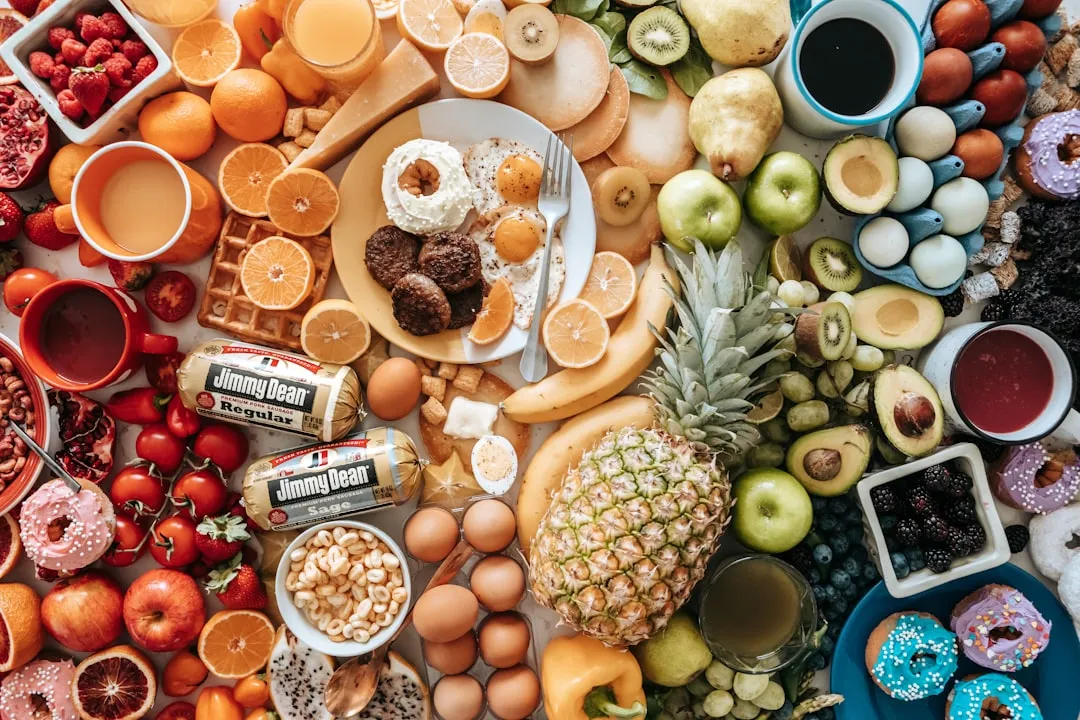
Processed and ultra-processed foods occupy an enormous share of most grocery stores. A database called GroceryDB, covering over 50,000 food items sold by Walmart, Target, and Whole Foods, reveals the degree of processing across food items and categories. The findings make clear just how many options skew toward highly processed formulations. A cart filled primarily with these products often signals a cook who either lacks the time, the confidence, or both.
Concerns about ultra-processed foods, which are high in sugar, salt, and fat, have been cited as a factor driving people back to home cooking, with roughly six in ten respondents in one survey saying they cook at home specifically to reduce their consumption of these products. The shift is real, and it’s showing up in what people consciously choose to put in their carts.
The Knife-Skill Clue: Whole vs. Pre-Cut
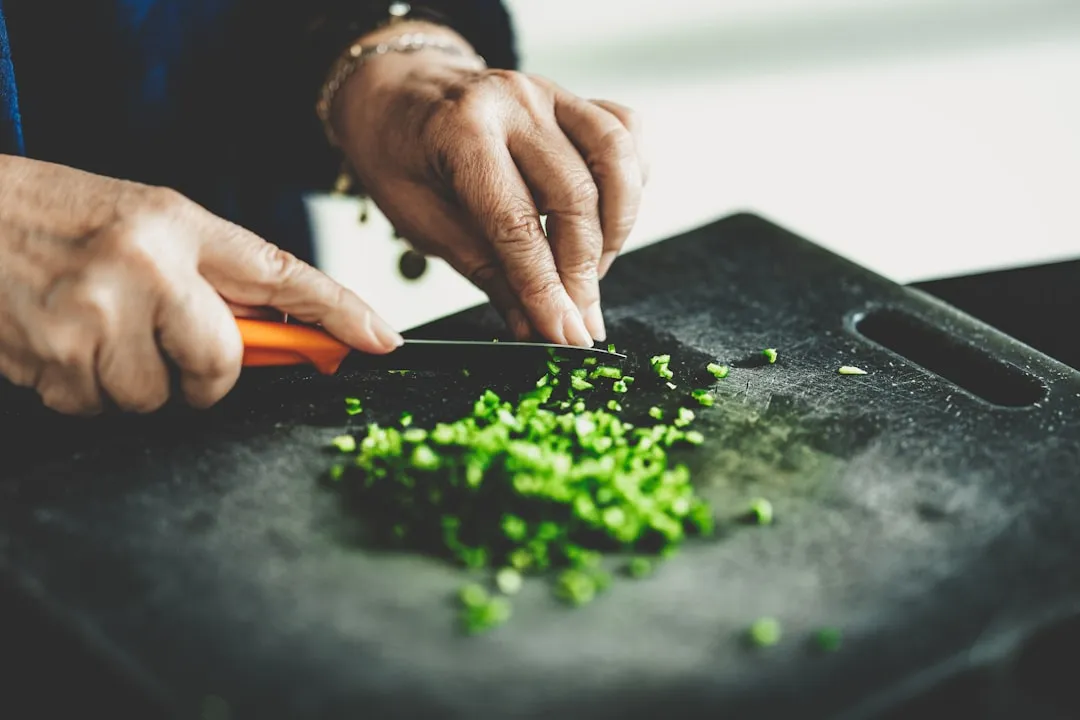
Here’s a subtle but telling detail: whether you buy whole vegetables or their pre-cut, pre-portioned cousins. Buying a whole butternut squash or a head of cauliflower implies you’re comfortable with a knife and aren’t intimidated by the prep work involved. A striking quarter of adults skip preparing specific foods because they are not confident using a knife. That’s not a small number.
Pre-cut convenience items serve a genuine purpose, especially for busy households. Still, the consistent choice of whole, unprocessed vegetables over their packaged alternatives usually tracks with a cook who’s more experienced and, importantly, more willing to experiment. It’s a small choice that hints at a larger relationship with cooking overall.
Whether You Shop With a List
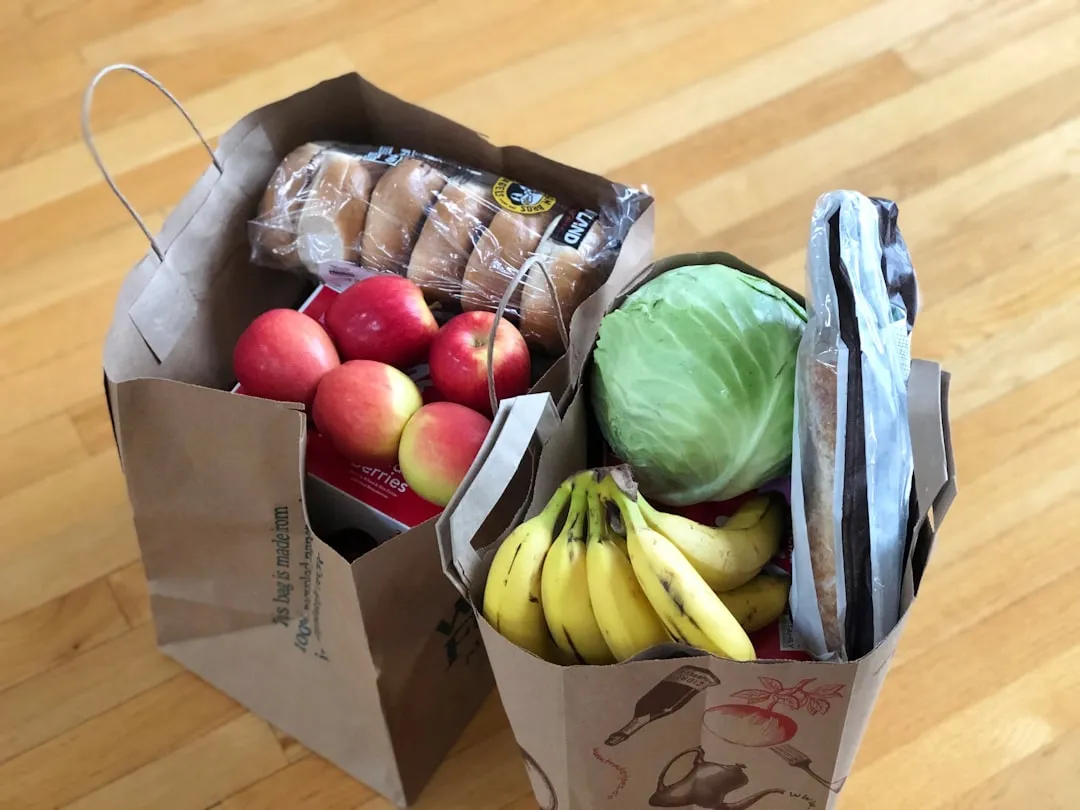
Arriving at the grocery store without a list and still leaving with a coherent set of ingredients for actual meals is a real skill. Traditional methods like list-making are used by roughly four in five shoppers, alongside taking household inventory, meal planning, and seeking out coupons or discounts. The people who skip the list and still cook well tend to have internalized a mental library of recipes and flavor combinations.
Grocery shopping planning plays a pivotal role in how consumers navigate their shopping experience, and research from 84.51° reveals that younger shoppers struggle with grocery shopping planning more than older, more seasoned shoppers, with established routines and cooking experience making it easier for older generations while younger shoppers often feel overwhelmed. That gap between generations is partly a confidence gap – and it starts long before anyone turns on the stove.
What the Protein Section Tells You
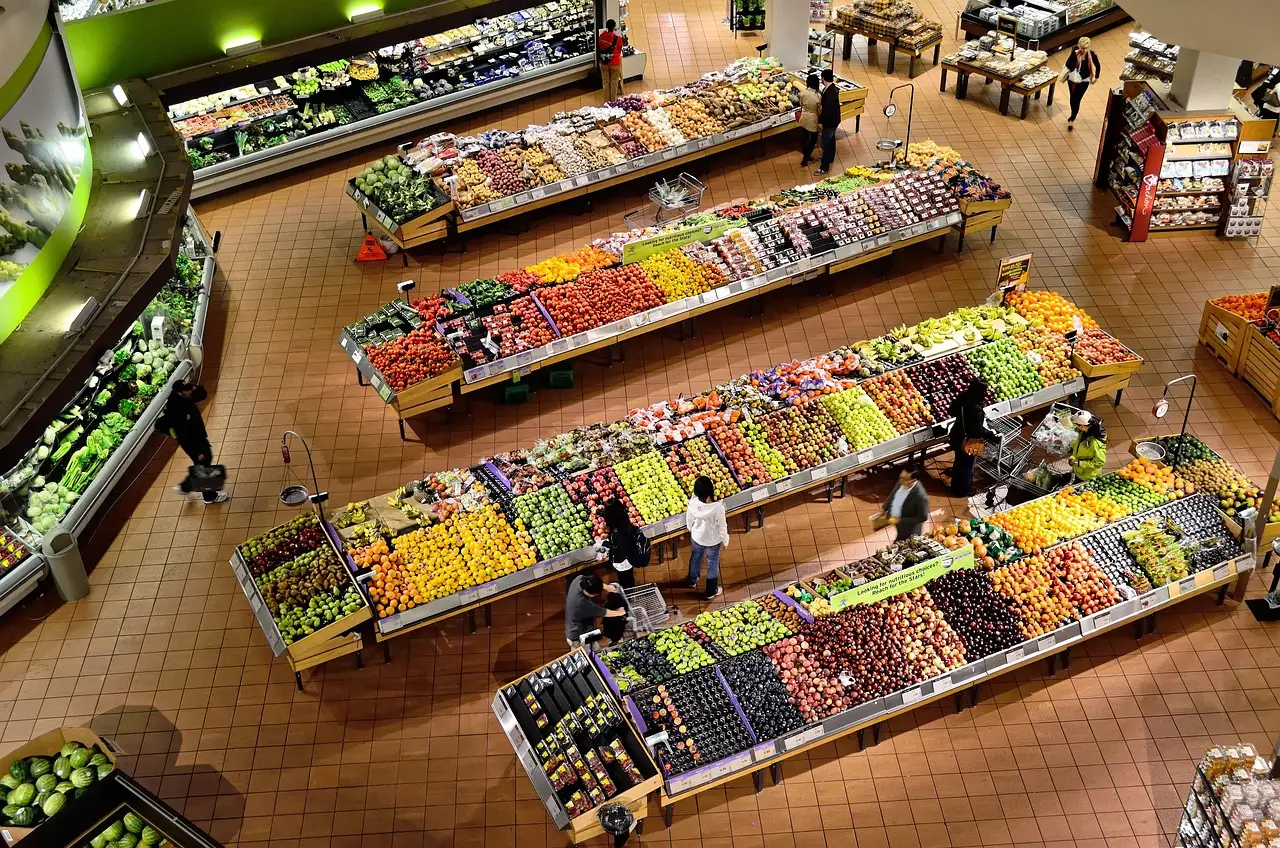
The protein aisle is where cooking confidence often becomes most visible. A cart with pre-marinated, oven-ready chicken thighs says something different from one carrying a whole raw chicken or a piece of fresh fish that needs filleting. Confident cooks tend to buy proteins in their less-processed forms and season them at home. Only about fourteen percent of Americans describe their kitchen skills as “advanced” or “expert,” which helps explain why ready-to-cook protein products continue to grow in popularity.
That said, buying a marinated protein isn’t a failure of skill. It’s often a practical time decision. The meaningful difference lies in whether it’s your only option or simply a shortcut you’re choosing consciously. Confident cooks tend to have a full range of choices available to them and pick based on the day, not out of limitation.
The Meal Prep Cart vs. the Day-By-Day Cart
Some carts are clearly built around a week of planned meals. Others look like they were assembled on the fly, with enough food for tonight and maybe tomorrow. A significant share of Americans, roughly four in ten, don’t have groceries on hand when they need them. That single fact drives a lot of takeout orders and last-minute decisions that undermine otherwise good intentions about cooking.
While batch cooking and meal prepping have become trendy habits, not everyone feels confident in their ability to prepare a week’s worth of food, and the majority of adults are not the type to meal prep at all. The structured, forward-looking cart belongs to someone who has learned to think in meals rather than ingredients – a skill that takes time and practice to develop.
Ingredient Variety as a Confidence Barometer
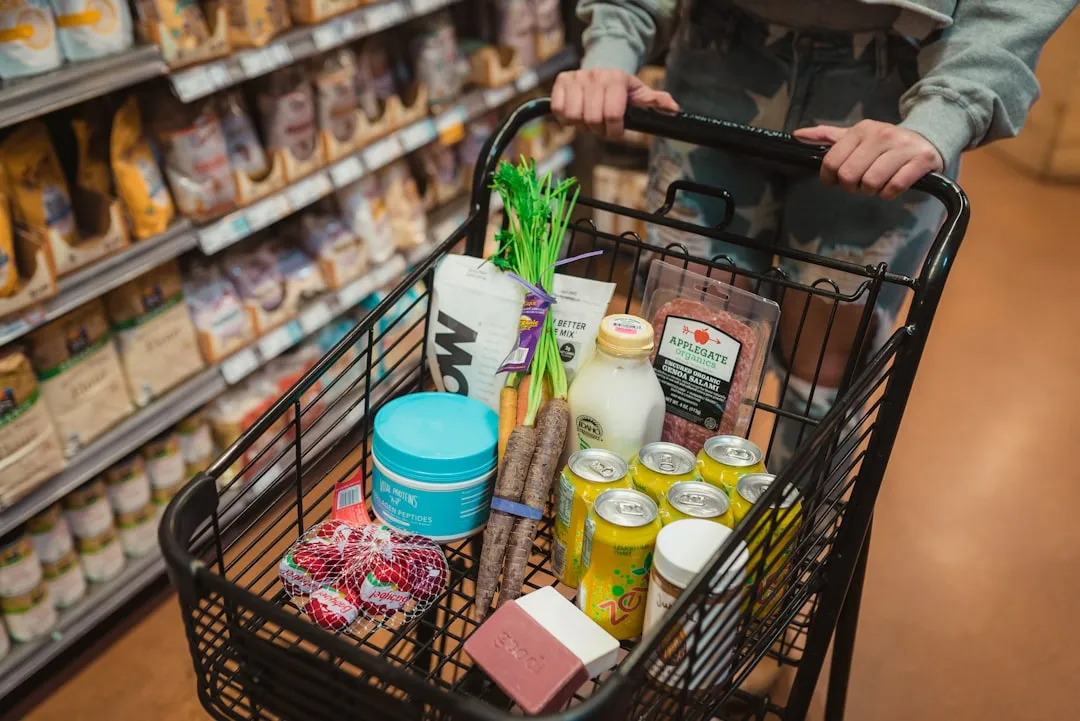
Variety is a quiet indicator. The cook who regularly tries a new grain, an unfamiliar spice, or a vegetable they haven’t cooked before is building confidence through exploration. Friends and family remain the overall top source of cooking inspiration for many Americans, but YouTube and social media channels now rival traditional learning, with nearly four in ten younger adults turning to TikTok for recipe ideas. That curiosity translates directly into a more adventurous grocery cart.
Compare that to the shopper whose cart looks almost identical every single week. Routine shopping isn’t inherently bad – many skilled cooks have a reliable rotation that works. The difference is whether that routine reflects mastery or avoidance. A cart that never changes because you’re afraid to cook something unfamiliar is a different thing entirely from one that reflects conscious, practiced choices.
The Role of Economics in Cooking Confidence

It would be unfair to read every budget-focused cart as a lack of confidence. Rising food costs have pushed many capable, experienced cooks toward cheaper cuts, store brands, and more economical ingredients. In 2024, grocery prices rose about one and a half percent, while restaurant prices climbed more than three and a half percent – more than double the grocery increase. That widening cost gap has driven more people back toward home cooking.
The shift toward home cooking for savings is especially marked among adults aged thirty to forty-four, with a significant portion citing cost savings as their primary motivation for cooking at home. Economic pressure, then, is pushing some people into the kitchen who might otherwise be less engaged. That’s actually building cooking confidence over time, even if the initial motivation is purely financial.
Confidence Grows With Every Trip
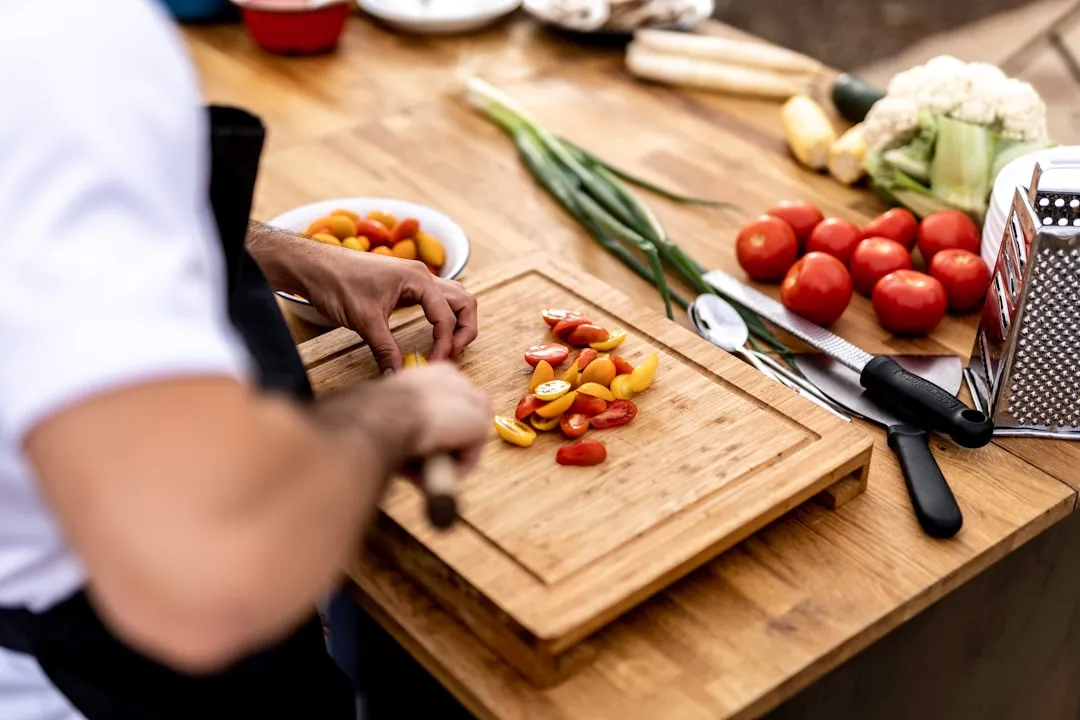
Perhaps the most important thing the research makes clear is that cooking confidence isn’t fixed. Over sixty-two percent of Americans describe themselves as “very” or “extremely” confident in the kitchen, with only about fourteen percent struggling or unsure about their cooking skills. That’s a fairly strong baseline, and it reflects the cumulative effect of simply cooking regularly over time.
In fact, the vast majority of Americans expect to cook as much as the previous year or more in the coming twelve months. Each shopping trip, each new ingredient, each meal that comes together reasonably well adds a small deposit to a growing confidence account. The American home kitchen is at a crossroads of tradition and innovation, shaped by digital learning, economic pressure, and a desire for health and connection. Your cart, modest or ambitious, is part of that evolving story.
The Bigger Picture in the Cart

Your grocery cart isn’t a report card. It’s a snapshot – of your week, your budget, your energy levels, and yes, your comfort in the kitchen. The confident cook isn’t the one with the most exotic ingredients or the most elaborate meal plan. They’re the one who shops with intention, however simply. The good news is that every small step toward buying and cooking whole ingredients builds the kind of familiarity that eventually stops feeling like effort and starts feeling like second nature. The cart changes as the cook does.
AI Disclaimer: This article was created with the assistance of AI tools and reviewed by a human editor.