

Most gardeners spend more time looking at their plants than looking at the ground beneath them. That’s understandable. Leaves are visible, dramatic, and relatively easy to read. But the real story, the one that explains why a tomato plant turns yellow or why a row of lettuce stays stubby and pale, is almost always unfolding a few inches below the surface.
Soil communicates constantly. Its color, texture, smell, and the behavior of the plants growing in it all carry information about what’s present, what’s missing, and what’s locked away in a form roots simply cannot reach. Learning to listen to that signal is one of the most practical skills a gardener can develop.
Yellow Leaves Are Not Always a Watering Problem
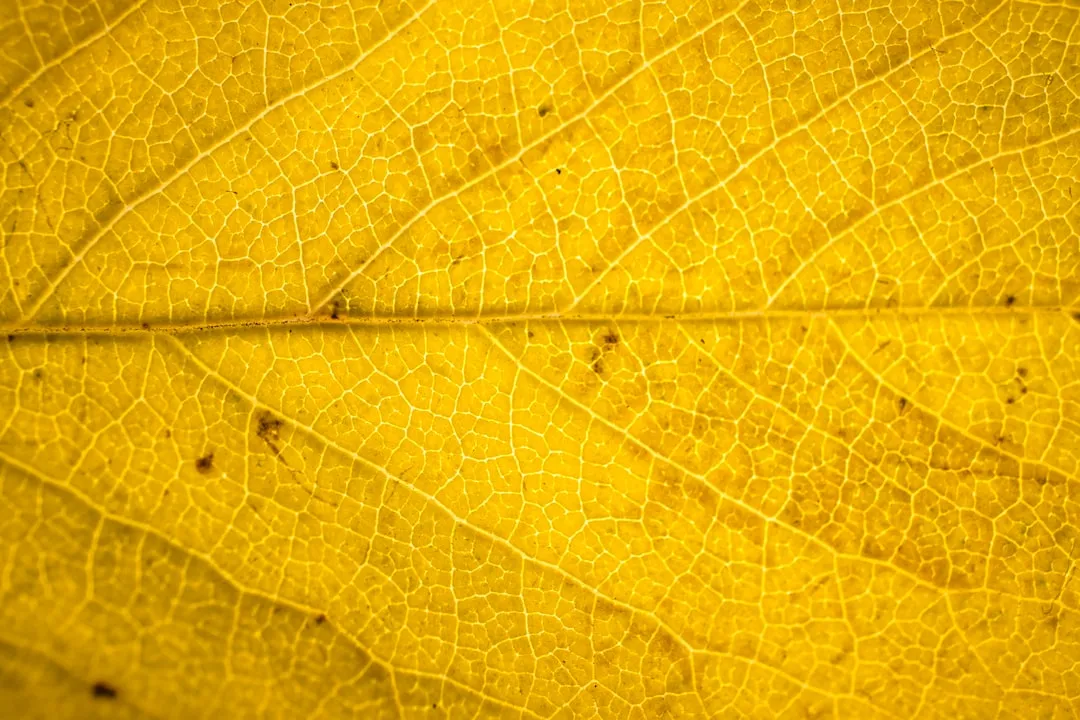
When leaves go yellow, the first instinct is usually to water more or water less. That’s often the wrong diagnosis. Changes in leaf color are frequently a sign that plants aren’t getting the nutrients they need, and pale, yellow, or reddish-colored leaves are common alongside stunted growth and poor flowering.
Spindly, stunted plants with pale yellow leaves, sometimes with pink tints, where older leaves are affected first and yellowing spreads to younger foliage, often point to a lack of nitrogen. Nitrogen is one of the most easily depleted nutrients in garden soil because it moves with water and washes out quickly after rain.
It’s not always easy to identify nutrient deficiencies just by looking at a plant because the symptoms of several deficiencies are similar in appearance, and more than one nutrient may be deficient at the same time. Other stresses such as disease, drought, excess water, herbicide residue, or salt injury may also cause symptoms that look like nutrient deficiency.
Where Yellowing Appears on the Plant Actually Matters
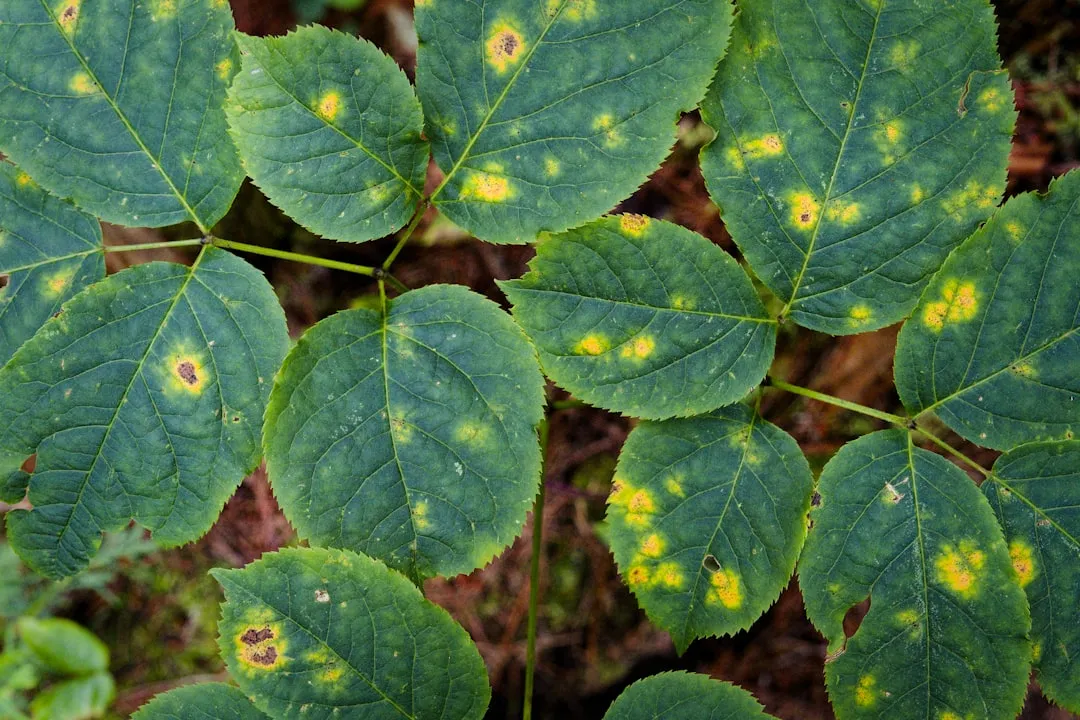
For mobile nutrients like nitrogen, phosphorus, and potassium, symptoms appear on older leaves first, while for immobile nutrients like calcium, sulfur, and iron, the symptoms appear on newer leaves first. This location pattern is one of the most reliable visual clues a gardener has before spending money on amendments.
Nitrogen deficiency is first seen on older, lower leaves, whereas sulfur deficiency shows up first on upper, younger leaves. These two conditions can look similar at a glance, but their location tells a different story entirely.
Once you know where to look on the plant, the diagnosis becomes much more precise. It still isn’t foolproof, but it narrows the options considerably and helps avoid the common mistake of adding the wrong nutrient to soil that already has plenty of it.
Soil pH Is the Master Switch for Nutrient Availability
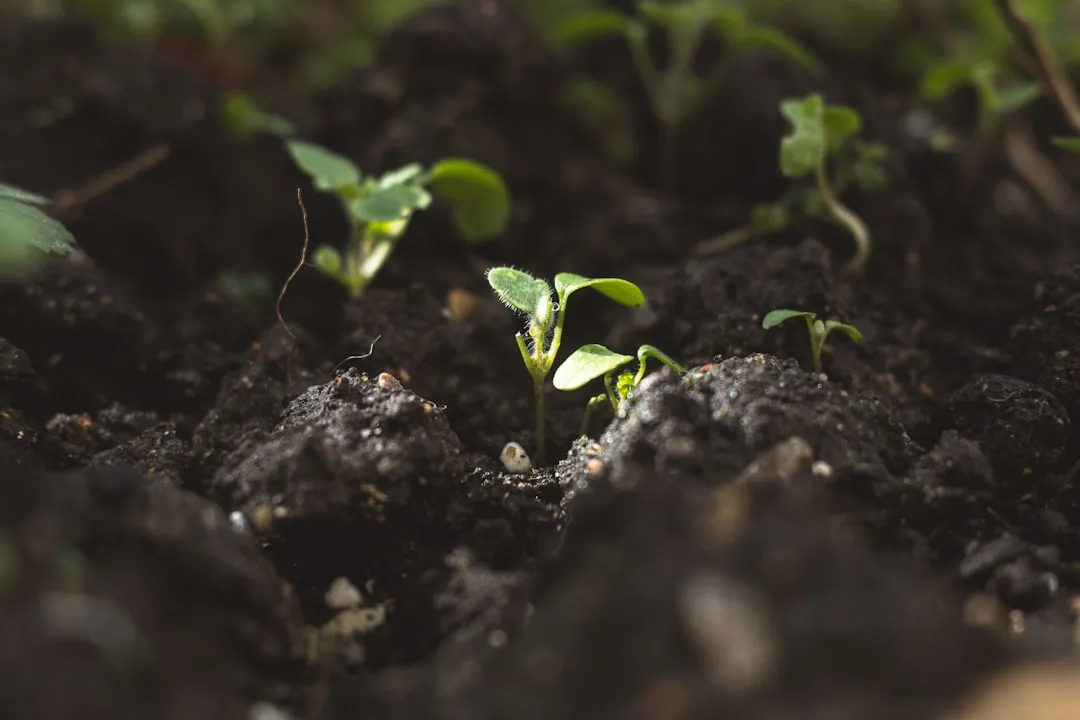
Soil pH is the most important soil factor affecting the availability of nutrients for plants and impacting their growth. A nutrient can be physically present in your soil in abundance and still be completely inaccessible to roots if the pH sits outside the right range.
Maximum phosphorus availability occurs when soil pH ranges between 6 and 7. In acidic soils, aluminum and iron form strong bonds with phosphate, while at higher pH, calcium is the dominant cation and soil phosphate tends to convert to insoluble calcium phosphate. Either extreme effectively locks phosphorus away.
Soil pH has a global average of 6.36 with considerable regional variability, according to a 2024 review published in the European Journal of Soil Science that analyzed over 655,000 soil samples worldwide. Generally, a soil pH between 6.0 and 7.5 is acceptable for most plants, as most nutrients become available in this range.
Too Acidic: What Happens Below pH 6.0
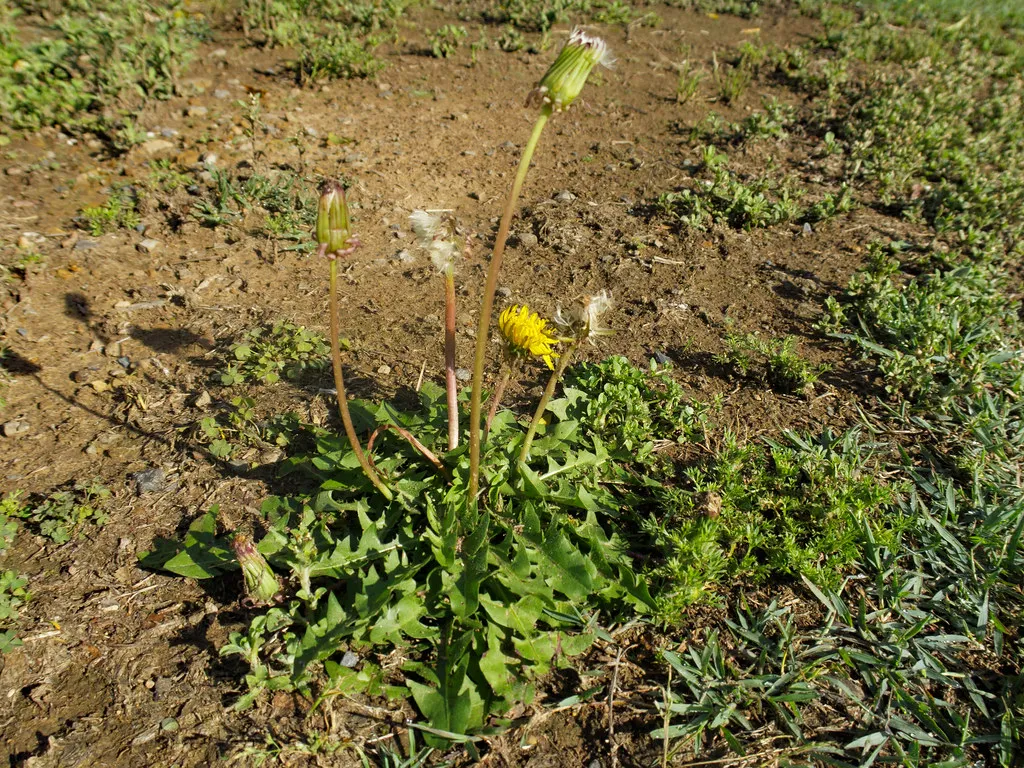
When pH drops below 6.0, nutrients like phosphorus, nitrogen, and potassium become less available, and levels of magnesium and calcium often decline. Acidic soils can also release elements such as aluminum, manganese, and iron in harmful amounts toxic to plant roots.
Another issue with acid soils is that elements like aluminum are much more soluble and may be taken up in quantities that can harm plants. This is a direct toxicity problem, not just a deficiency one. The plant doesn’t simply go without a nutrient. It absorbs something actively harmful in its place.
Nitrogen is most readily available to plants where soil pH is higher than 5.5. In acidic soils, nitrification is inhibited, reducing the availability of nitrate. The practical result is that even well-fertilized acid soil can leave plants nitrogen-starved through no shortage of the element itself.
Too Alkaline: The Problems Above pH 7.5
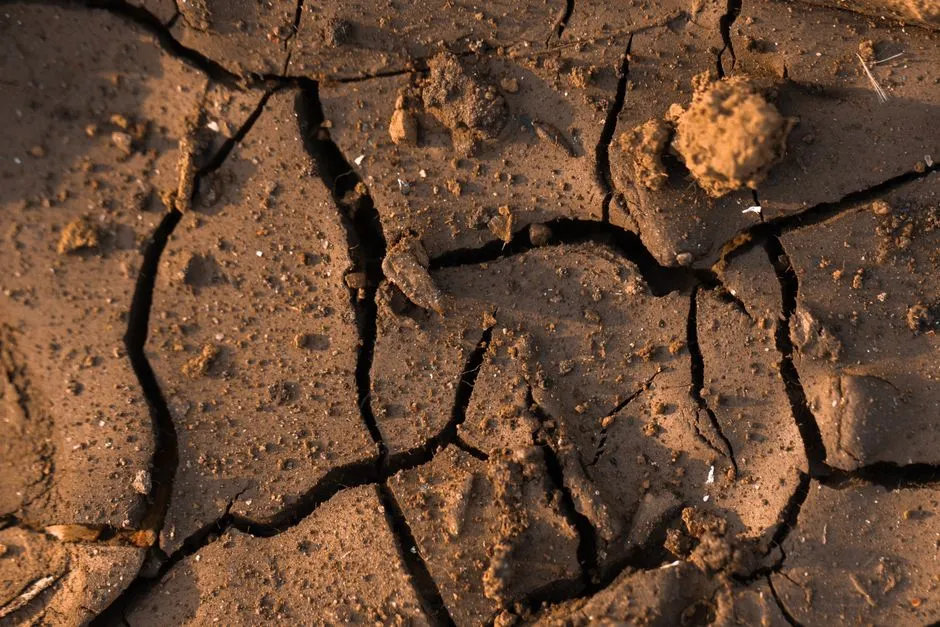
High pH can be equally problematic. Above 7.5, essential nutrients including micronutrients like iron, copper, manganese, zinc, and boron may become inaccessible. This is why plants in chalky or overlimed soils often show the pale, washed-out appearance associated with iron or manganese deficiency even when those elements are present in the soil.
In garden vegetable beds, excessively high pH often results from overuse of lime, wood ashes, or compost. Gardeners trying to raise soil pH sometimes overshoot the target, creating a new set of problems in the process. It’s a situation that’s more common than most realize.
Most secondary and micronutrient deficiencies are easily corrected by keeping the soil at the optimum pH value. Before buying expensive micronutrient supplements, checking and correcting pH is almost always the better first step.
The Hidden Hunger Problem: Deficiencies You Cannot See Yet
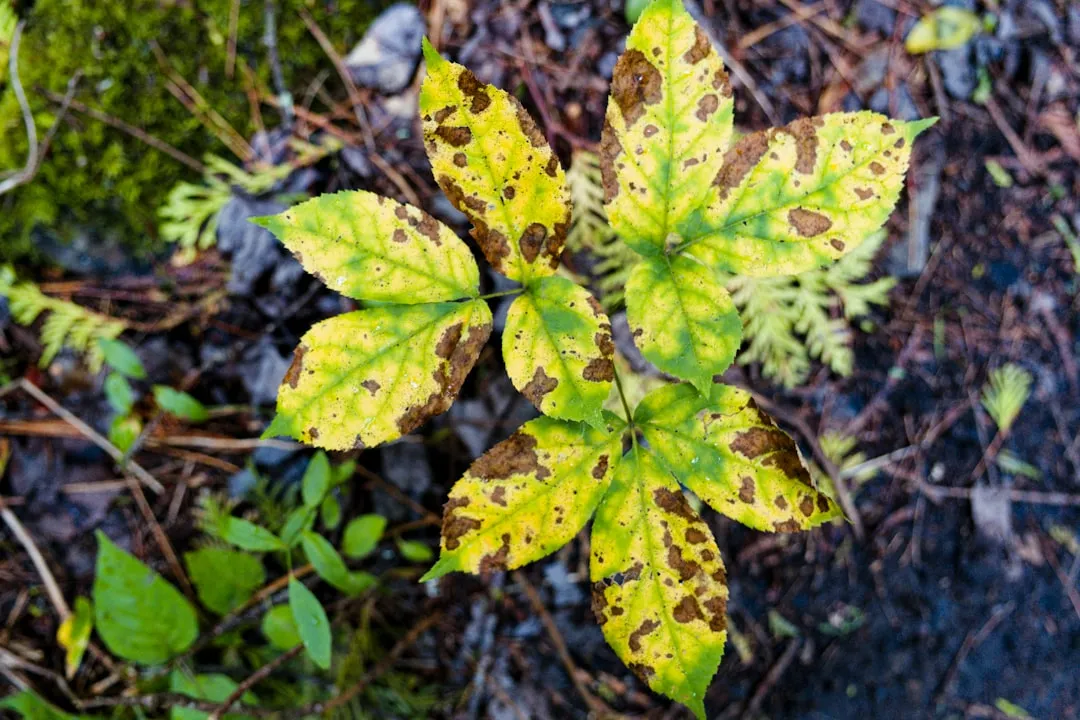
Nutrient deficiencies in plants become visually apparent when they reach an acute stage. However, there’s also “hidden hunger,” where deficiencies aren’t yet visible but still affect plant growth. A plant can be running short on a critical nutrient for weeks before any leaf changes appear.
Not all nutrient deficiencies in plants exhibit visible symptoms. Some deficiencies can be “hidden,” meaning they do not manifest apparent visual signs, especially in the early stages. During the initial phases, there might not be any visible signs of stress or deficiency at all.
Promptly addressing nutrient deficiencies is crucial because once symptoms become visible, it may already be too late to fully correct the damage done to the plant. This underscores the importance of regular soil testing and proactive nutrient management practices to prevent deficiencies from reaching an acute stage.
Compacted Soil Starves Roots Even When Nutrients Are Present
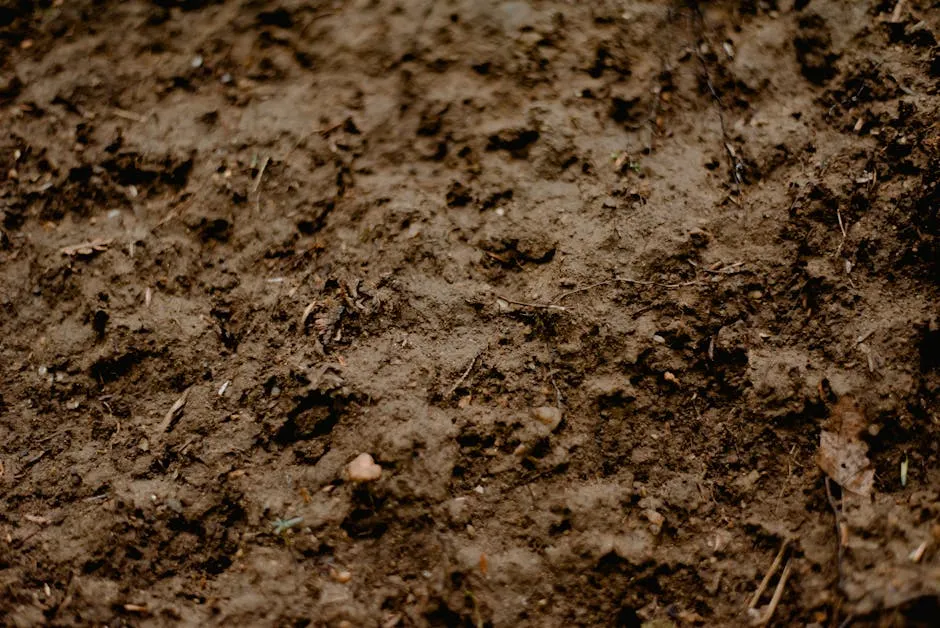
Compaction drastically reduces the spaces between soil particles. These pore spaces are vital for holding air and water, both essential for root respiration and nutrient uptake. The soil becomes denser and heavier, making it physically harder for roots to penetrate and expand, limiting the plant’s ability to access nutrients and water from a wider area.
Increased penetration resistance of the soil reduced the plants’ ability to absorb nitrogen, potassium, magnesium, and sodium. Those are not minor secondary nutrients. They include the three primary macronutrients that every plant needs in the largest quantities. Compaction is not just a physical problem; it’s a nutritional one.
Nitrogen is affected in several ways by compaction: poorer internal drainage causes more denitrification losses and less mineralization of organic nitrogen, and diffusion of nitrate and ammonium to plant roots is slower in compacted wet soils. In humid temperate climates, soil compaction primarily increases denitrification loss and reduces nitrogen mineralization.
Organic Matter Is Your Soil’s Long-Term Nutrient Bank
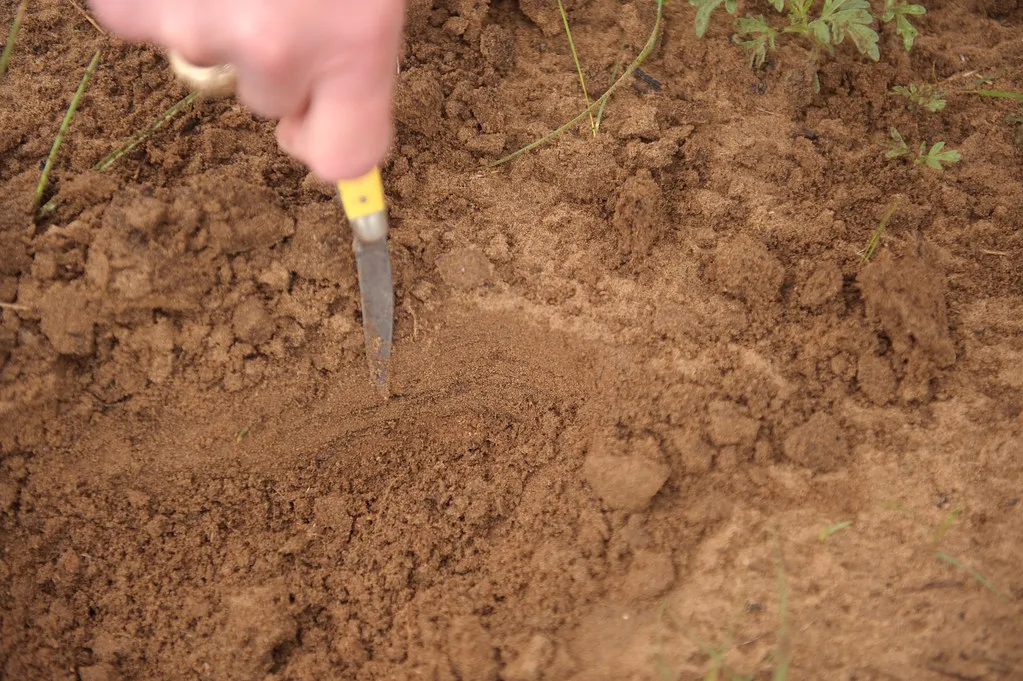
In one acre of land, every one percent of soil organic matter can store up to 1,000 pounds of nitrogen, which can be made available to plants through microbial activity at a rate of roughly two to three and a half percent per year. That slow, steady release is far more valuable to long-term soil health than a single application of synthetic fertilizer.
Soil organic matter can provide much of the nitrogen, phosphorus, sulfur, and micronutrients that plants need. Organic compounds can enhance phosphorus availability through several mechanisms, including forming more soluble organophosphate complexes and increasing the mineralization of organic phosphorus into plant-available forms.
Organic matter is the organic part of the soil and is the most important indicator of soil health. According to the USDA (2024), soil health is the continued capacity of soil to function as a vital, living ecosystem that sustains plants, animals, and humans. That definition is worth keeping in mind every time you reach for a bag of fertilizer as a shortcut.
Calcium Deficiency Shows Up in Surprising Places
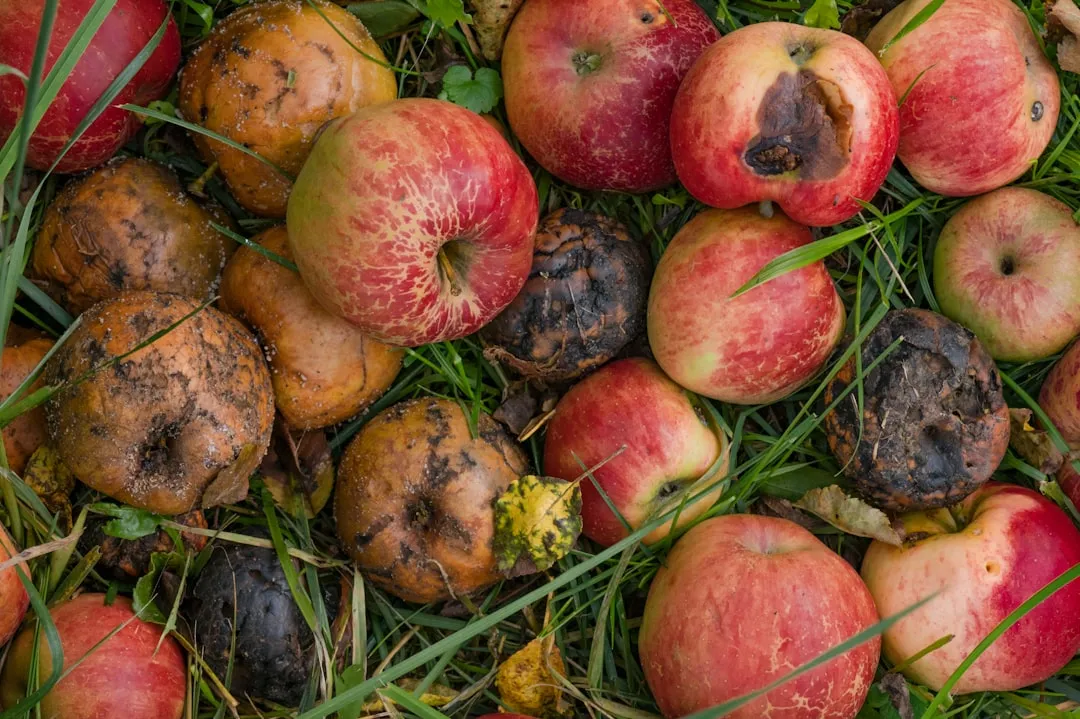
Typical calcium deficiency symptoms are poor leaf expansion and curling, followed by necrotic patches in young leaves. Calcium deficiency can also cause misshapen fruit and aborted buds. Many gardeners encounter this without ever linking it to a nutrient problem.
If you find the tips of tomatoes or peppers rotting, cavity spot in carrots, or black heart in peanuts and celery, the plants are likely calcium deficient. Blossom end rot on tomatoes is one of the most frequently misdiagnosed problems in the home garden, and calcium is almost always central to it.
Lack of moisture in the soil can lead to insufficient uptake and transportation of calcium within plants, which leads to symptoms similar to calcium deficiency. So before adding a calcium amendment, it’s worth checking whether consistent moisture is the real missing ingredient, since the two problems can look identical.
Soil Testing Is the Only Way to Know for Certain
There are three basic tools to diagnose which nutrients may be lacking and causing poor plant growth: soil testing, plant tissue testing, and visual observation of plants for nutrient deficiency symptoms. Soil and tissue testing compare values measured by laboratory analyses to amounts considered sufficient based on research, while visual assessment is qualitative.
Soil testing helps determine whether a specific nutrient should be added before the crop shows signs of deficiency. Given the time and expense of soil sampling, typically one sample is sent in for a field, garden, or lawn, providing an average value of soil nutrients over a large area. For most home gardeners, that single annual test offers more reliable information than a season’s worth of visual guessing.
The best way to confirm a nutrient deficiency is to test both your soil and plant tissue. Visual clues are useful starting points, but they are not a substitute for knowing the actual numbers. A test takes the guesswork out of amendments and prevents the common mistake of adding what the soil doesn’t need.
Conclusion

Soil is far more communicative than it gets credit for. The pale leaf, the stunted stem, the fruit that rots before it ripens, these aren’t random misfortunes. They’re messages, and most of them trace back to nutrient availability, pH balance, organic matter levels, or physical structure.
The encouraging part is that most soil problems are correctable once they’re correctly identified. A simple pH test, a soil sample sent to a lab, or even a careful look at which leaves are yellowing and in what pattern can point a gardener toward a specific, workable solution rather than a scattershot approach of adding whatever’s on sale.
Good soil takes time to build, but the foundation of that work is simply paying attention. The soil in your garden has been speaking all along.
AI Disclaimer: This article was created with the assistance of AI tools and reviewed by a human editor.