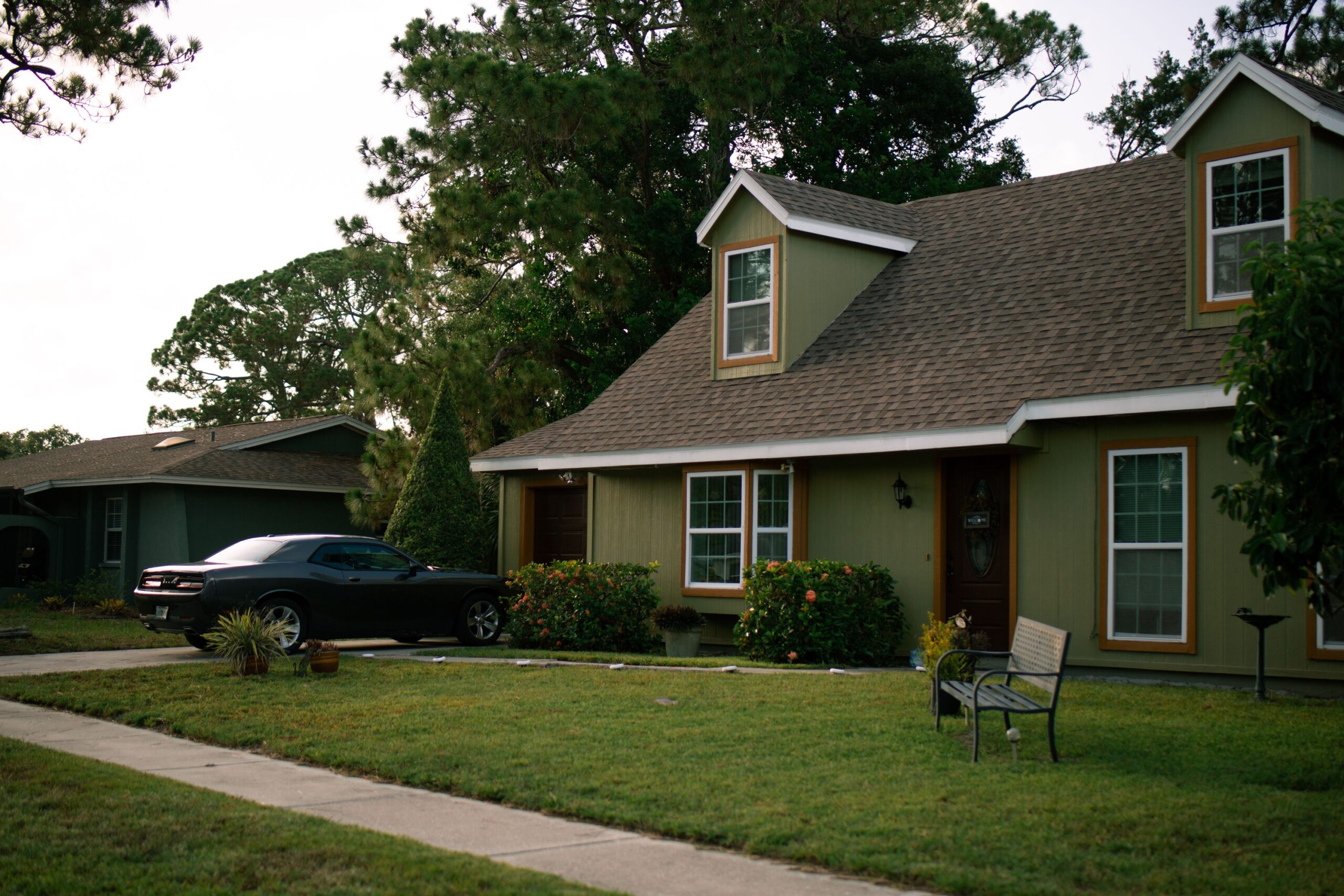

Most people think of a front yard as just grass, a few shrubs, and maybe a flower pot by the door. In reality, the choices you make out there – consciously or not – say something surprisingly specific about who you are. Researchers in environmental psychology and urban planning have spent years studying the relationship between personal space and individual identity, and the front yard turns out to be one of the most readable canvases a person has.
A University at Buffalo study published in 2024 found that residents negotiate their relationship with passersby and public space through the way they inhabit and adapt the public-private interface in front of their homes. That negotiation rarely feels deliberate. You pick what you like. You plant what you want to look at. You keep things tidy or let them go loose. The result is a self-portrait most homeowners never realize they’ve painted.
The Immaculate Lawn: Precision and the Need for Order
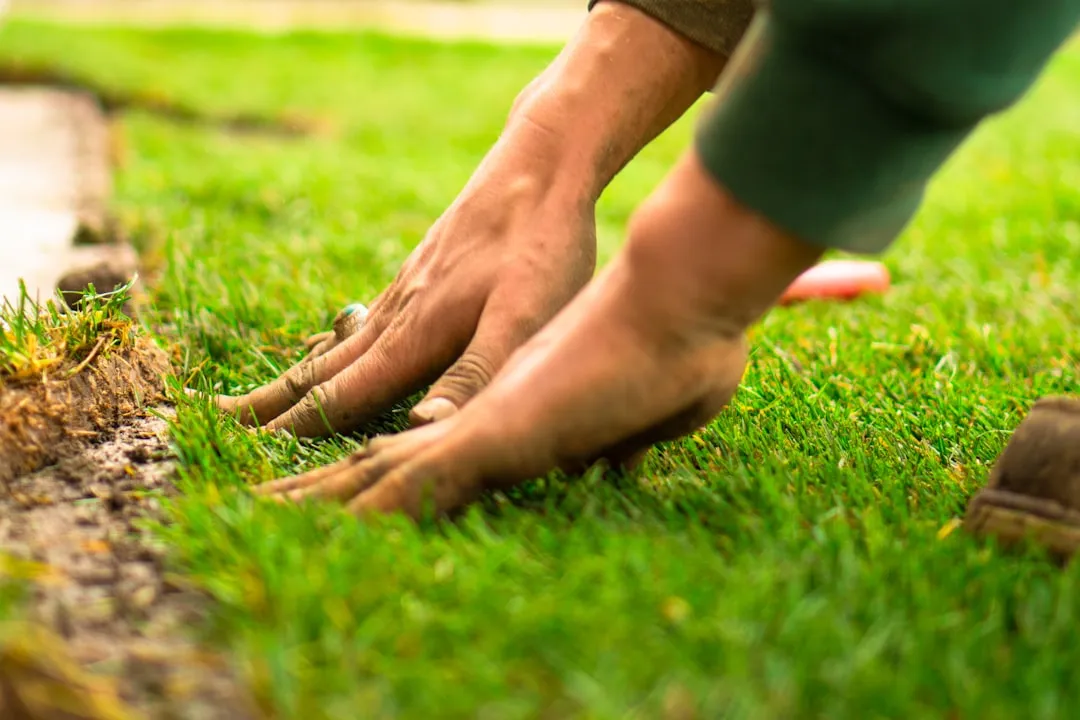
A front yard with a perfectly edged lawn, symmetrical shrubs, and not a single weed in sight tends to reflect one thing above almost everything else: conscientiousness. Conscientiousness is often regarded as the most influential factor when it comes to keeping spaces tidy, and individuals who score high on it tend to be organized, goal-oriented, and self-disciplined – traits that naturally lead them to maintain a cleaner and more organized environment.
Highly conscientious individuals crave order, and their homes reflect precision, discipline, and thoughtful design. You’ll often find structured layouts, color-coordinated spaces, and spotless surfaces – minimalist design suits this trait perfectly, with clean lines and clutter-free zones that promote a sense of control.
The tightly maintained front yard is not just about aesthetics. It signals to the neighborhood that standards matter to this person. There’s a reason these are the homeowners who notice when the neighbor’s hedge has grown two inches too tall.
The Wildflower Meadow: Creative, Open, and a Little Rebellious

If someone’s replaced their lawn with a loosely planted mix of wildflowers, ornamental grasses, and flowering perennials, the most likely personality trait at work is high openness to experience. According to research in environmental psychology, people who prefer rich, layered environments tend to score high in openness to experience, one of the Big Five personality traits associated with creativity, curiosity, and comfort with complexity.
Openness to experience reflects a person’s level of imagination, curiosity, intellectual depth, and preference for variety – and it is associated with creativity, cognitive flexibility, and emotional insight. These are the homeowners who read about pollinators, attend local plant swaps, and feel a quiet irritation when someone paves over their front garden for parking.
Native plants offer aesthetic and ecological benefits for residential landscapes, and they help restore local ecosystems, increase biodiversity, and provide ideal habitat for wildlife. Choosing them is also, whether the homeowner articulates it or not, a statement about values.
The Bare Concrete or Paved Front Yard: Pragmatism Over Performance
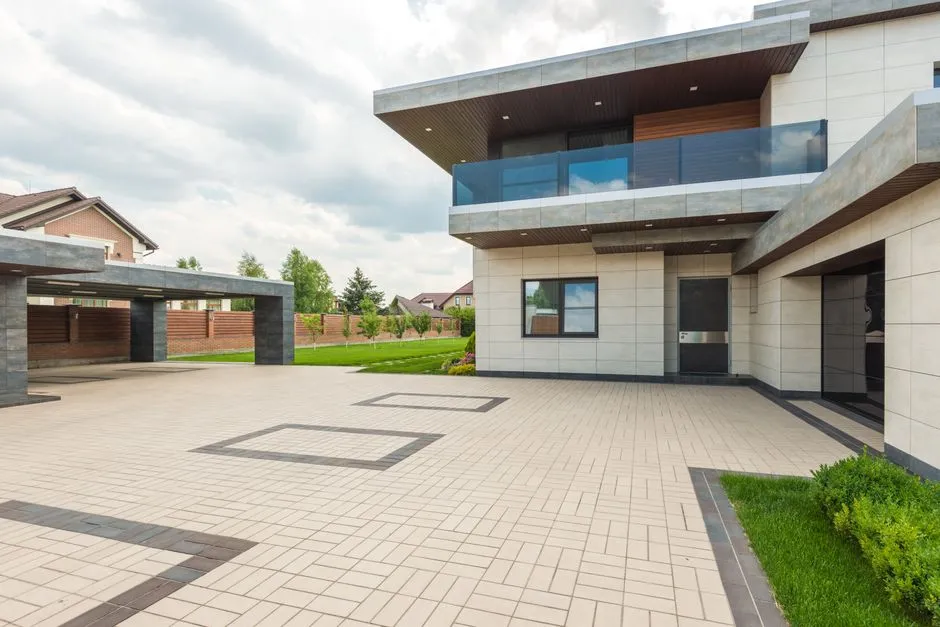
Fully paved front yards, often with a car parked on them, read as ruthlessly practical. The person living there has decided that function beats form, and they’re not particularly interested in external opinion. This isn’t negligence – it’s a clear priority system. Time, money, and effort are going somewhere else.
Psychologists associate minimalist tendencies with a strong need for autonomy and cognitive control, and people drawn to this kind of stripped-back aesthetic often describe their living space as the one place where they set the rules.
There’s also something honest about it. A paved yard makes no pretense. It doesn’t perform warmth or community. It just does what the owner needs it to do, and that bluntness is itself a personality signal.
The Colorful, Eclectic Yard Full of Décor: Extroversion on Display
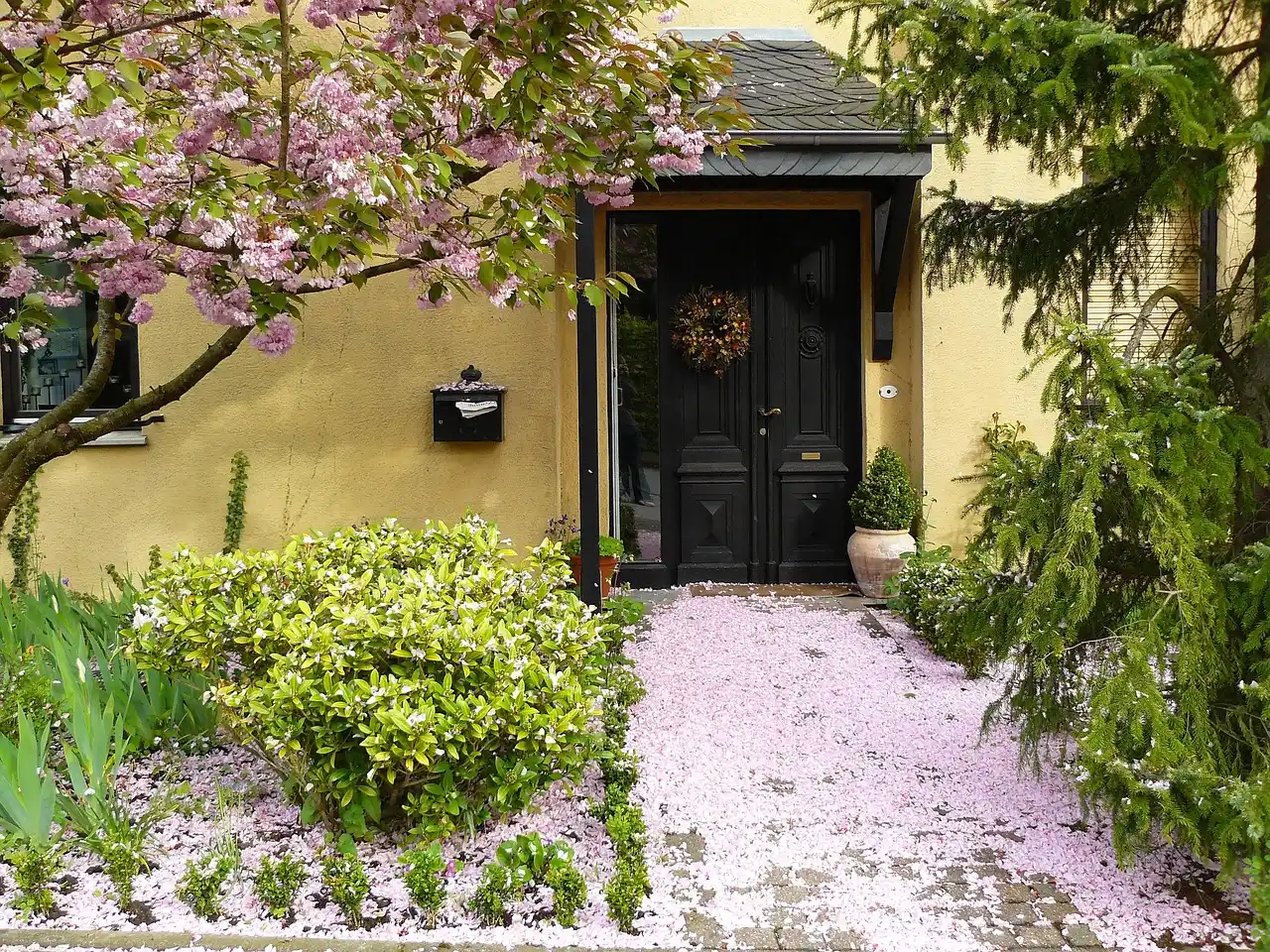
Garden gnomes, painted rocks, wind chimes, seasonal flags, a mix of containers in every color imaginable – this front yard is unmistakably extroverted. The homeowner wants to be noticed, wants to start conversations, and genuinely enjoys creating a reaction in people passing by. In one study, professors at the University of Buffalo found that people who lived in neighborhoods with front yards that had eye-catching elements – elaborate flower beds, inviting porch swings, or colorful garden gnomes – felt more connected to their communities.
Front yards are where people meet and get to know most of their neighbors, and “lush plantings, porches or trinkets can capture the attention of passersby and spark conversation.” The extroverted yard is essentially an open invitation, and the person behind it usually means it sincerely.
The Big Five personality traits include openness to experience, conscientiousness, extroversion, agreeableness, and neuroticism – and extroversion, defined by sociability and a preference for external stimulation, is the trait most visibly expressed through bold, busy outdoor decorating choices.
The Cottage Garden: Warmth, Sentiment, and High Agreeableness
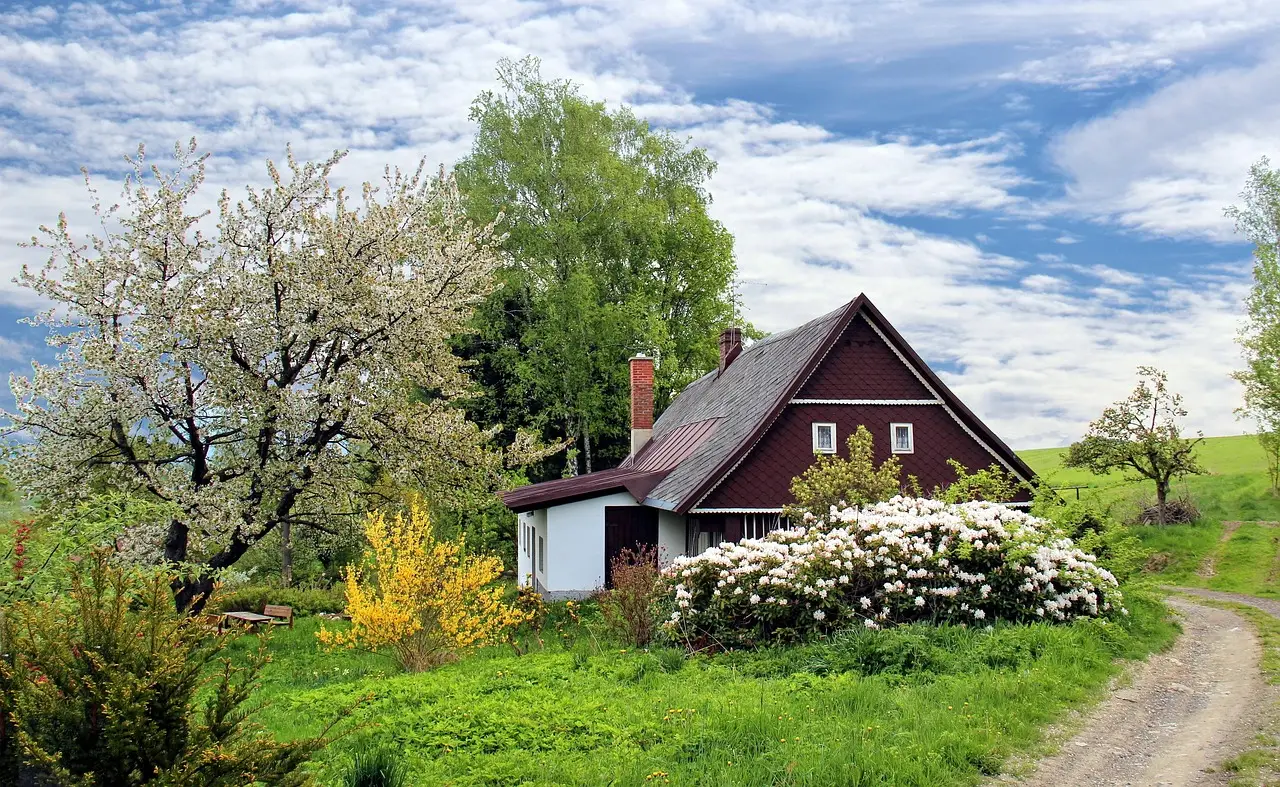
Soft, rounded flower beds, old-fashioned roses, a bench tucked near the path, maybe a birdbath – the cottage garden aesthetic tends to belong to people who score high in agreeableness. Agreeable people are portrayed as cooperative, forgiving, likeable, kind, and sympathetic, and fundamentally they want harmony and value getting along with others.
An enticing front landscape complements the house, serving as an inviting space that extends from the curb to the front door – and the true purpose of a front yard landscape is to create a welcoming exterior and transition from the street to the entrance of the house. For the highly agreeable homeowner, this welcoming quality isn’t just good design – it’s an expression of genuine warmth.
These are often the neighbors who know everyone on the street by name and leave fresh herbs by the gate for anyone who wants them. The garden is simply the physical version of that impulse.
The Native Plant Habitat Yard: Environmental Values Made Visible

Replacing traditional turf and ornamentals with regional native species has become one of the fastest-growing yard trends in recent years. A 2024 survey from Homegrown National Park, drawing from over 1,400 responses across the country, showed that a large number of first-time native plant gardeners and longtime habitat restorers are taking meaningful steps to support biodiversity – often in more than one way.
Integrating more native plants into front yards, as well as streetscapes and parks, creates more opportunities for local insects, including pollinators, and birds to move across the landscape. Homeowners who do this tend to see their yard as part of a larger system, not just a private aesthetic space.
Native plant landscaping can provide unique support for native wildlife in urban settings, and the person who chooses this path is usually motivated by a clear environmental ethic – a personality that values long-term thinking over short-term tidiness.
The Symmetrical, Formal Layout: Control, Status, and Tradition
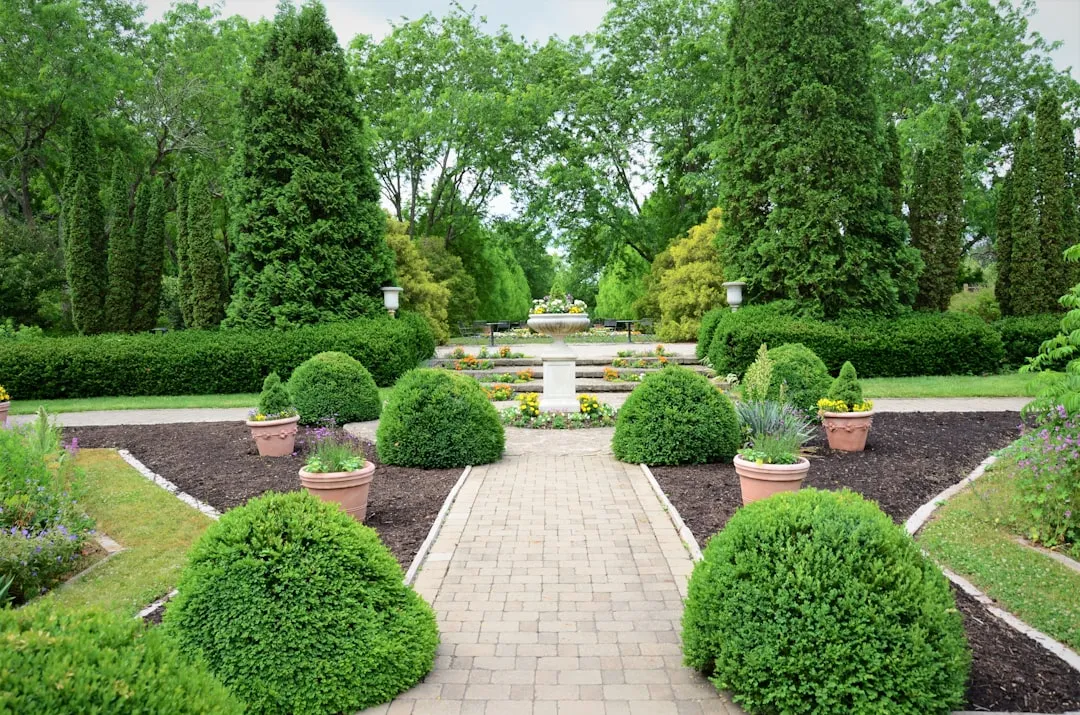
Two matching topiaries. An arrow-straight path. Boxwood hedges trimmed to identical heights. The formal front yard is a signal of traditionalism and a preference for hierarchy and structure. A clear relationship exists between human personality and architectural preferences, and formal, symmetrical design tends to attract people who are more conventional in their values and who place weight on social standing.
The home’s style helps guide the front landscape design, and while a more modern home may demand monochromatic, symmetrical topiaries, shrubs, and trees, a cottage-style house lends itself to a colorful, informal tumble of plants. The person who chooses formality regardless of architectural context is making a deliberate statement about order and propriety.
It’s worth noting there’s nothing wrong with this tendency. People who prize tradition and structure often build remarkably stable, well-maintained communities. The formal yard is their equivalent of a firm handshake.
The Overgrown or Neglected Yard: Overwhelm, Not Indifference

A yard that has clearly gone without attention – cracked pathway, overgrown shrubs, dead patches in the lawn – is rarely the product of someone who simply doesn’t care. More often, it reflects a person stretched too thin. Life circumstances, health, financial pressure, or mental load have simply pushed yard maintenance far down the list.
Studies show that first impressions form in just seven to ten seconds upon pulling into the driveway, which is why a visibly neglected yard tends to generate assumptions about the occupant that often turn out to be wrong. The house might be warm and full inside.
Some people like to blend in with the neighbors, while others like to stand out – and designing a garden is ultimately about what makes you happy. Someone too overwhelmed to garden at all still has values. They’re just not currently visible from the street.
The Vegetable and Kitchen Garden Out Front: Practicality Meets Openness
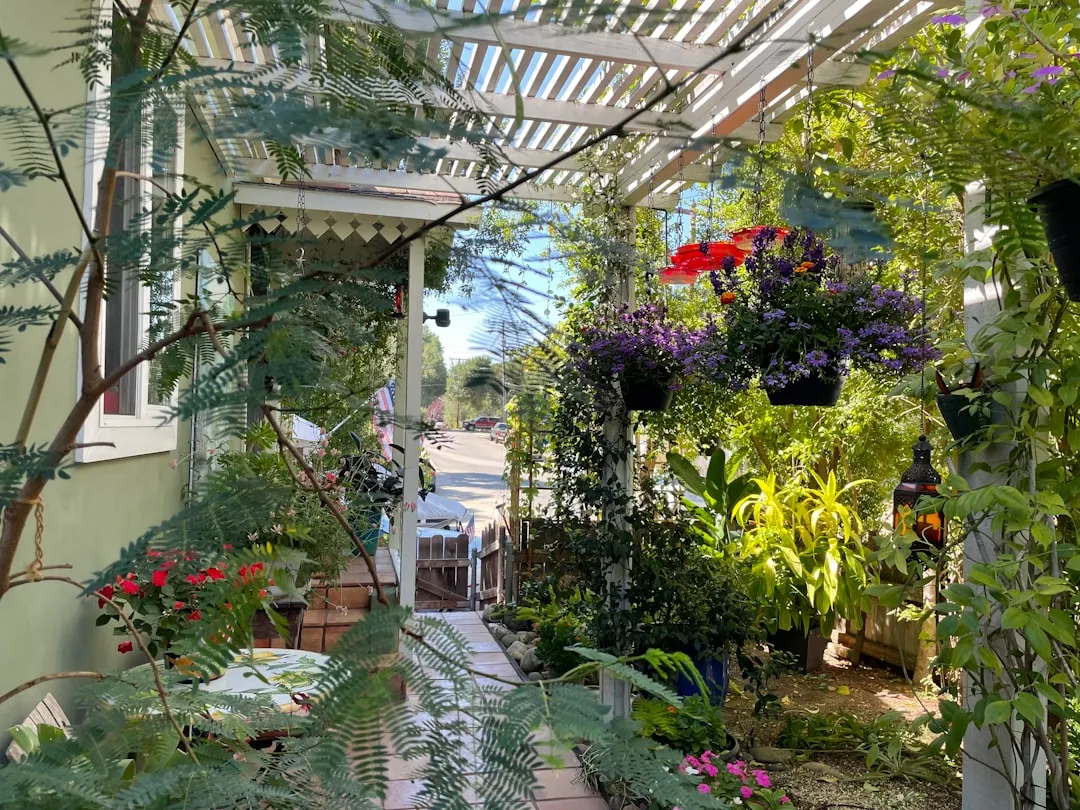
Using the front yard for raised vegetable beds, herbs, and fruit trees is still seen as unconventional in many neighborhoods, which makes it a particularly strong personality signal. These homeowners tend to combine high openness with a deep practical streak – they want their outdoor space to actually do something. Social norms predict landscaping preferences and landscaping behavior in the front yard but not the backyard, which means choosing an edible front garden requires a certain ease with being slightly out of step with the neighborhood norm.
Research on new gardeners found that social support systems and overcoming challenges increased engagement and improved outcomes, and within-garden outcomes nearly universally experienced included feelings of accomplishment, success, and pride, as well as a connection to nature including appreciation, restoration, and wonder.
Frontyard food growers tend to be generous, too. They’re usually the ones who leave zucchini on the porch for anyone who passes. That combination of resourcefulness and community-mindedness is a coherent personality type in its own right.
The Carefully Curated Minimalist Yard: Deliberate, Self-Aware, Quietly Confident
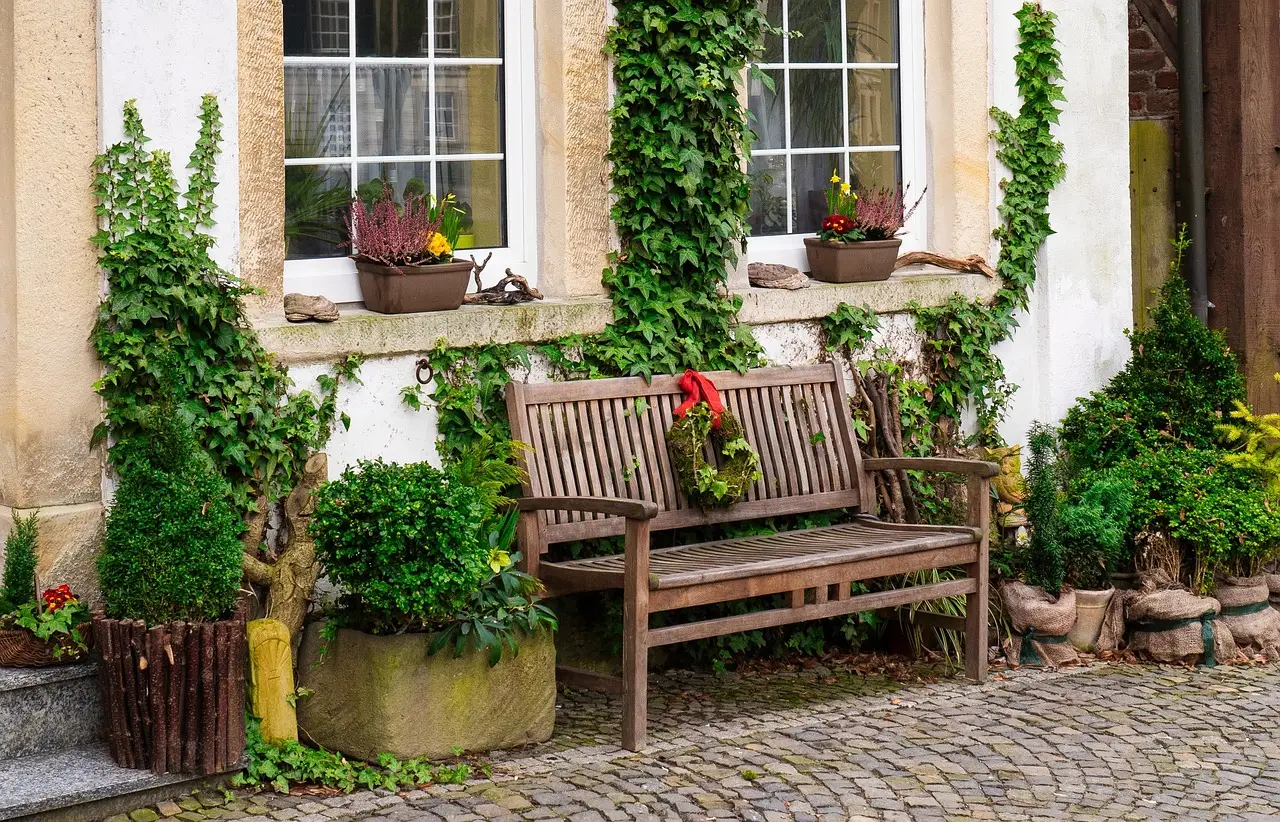
A few well-chosen plants, clean lines, intentional materials, nothing wasted – the minimalist front yard takes genuine effort to achieve and maintain, even though it looks effortless. Psychologists associate minimalist tendencies with a strong need for autonomy and cognitive control, and people drawn to this aesthetic often describe their space as the one place where they set the rules – not out of rigidity, but self-knowledge, since the deliberate absence of visual clutter is a form of active decision-making.
A well-designed front yard is a good investment in a property, and it’s the first thing people see – which can make a home much more valuable. The minimalist homeowner understands this, but isn’t primarily motivated by it. They’re motivated by clarity. The yard looks the way it does because that’s exactly how they want it.
Homes with high curb appeal tend to sell for an average of seven percent more than similar homes with an uninviting exterior, according to a joint study by the University of Alabama and the University of Texas at Arlington – but for the deliberate minimalist, that’s a side benefit, not the point. The yard is a reflection of an interior life that values intention over accumulation.
The Takeaway
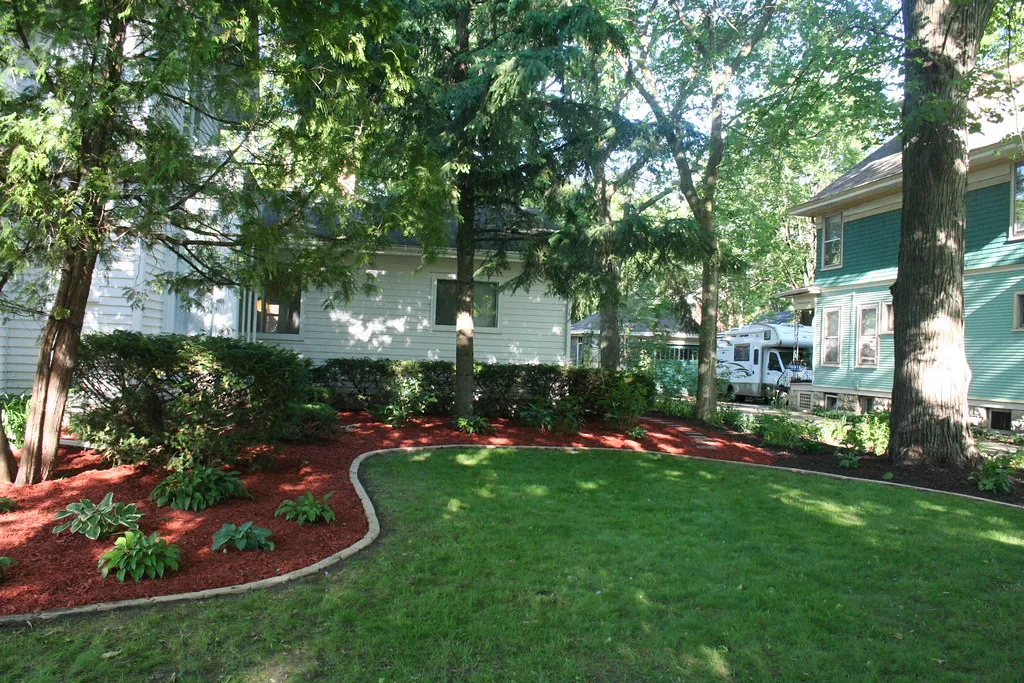
Your front yard is the one part of your home that faces the world whether you invite it to or not. Every decision embedded in it – the plants, the paths, the clutter or lack of it – carries a trace of who you actually are, distinct from who you present yourself to be in other contexts.
Your answers to basic personality questions will guide you toward which features in your outdoor space you want to include in your new landscape design, and for a deeper look at your personality type, grading yourself on the Big Five Personality Trait Spectrum used in psychology can be genuinely revealing.
None of these yard types is better than another. What matters is the degree to which the space outside your door actually reflects the person inside. A front yard that aligns with who you are tends to feel right in a way that’s hard to articulate – and that feeling, it turns out, is worth paying attention to.
AI Disclaimer: This article was created with the assistance of AI tools and reviewed by a human editor.