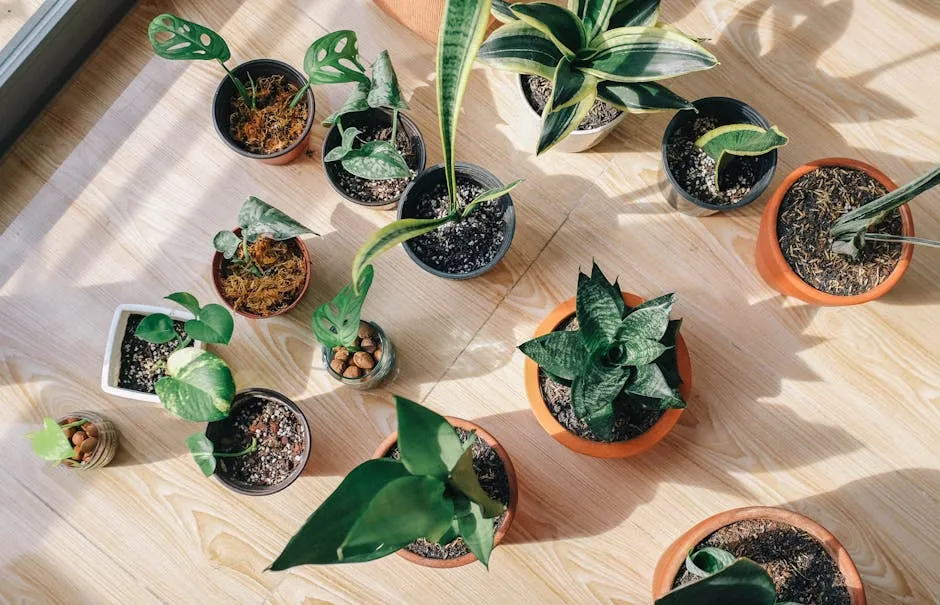

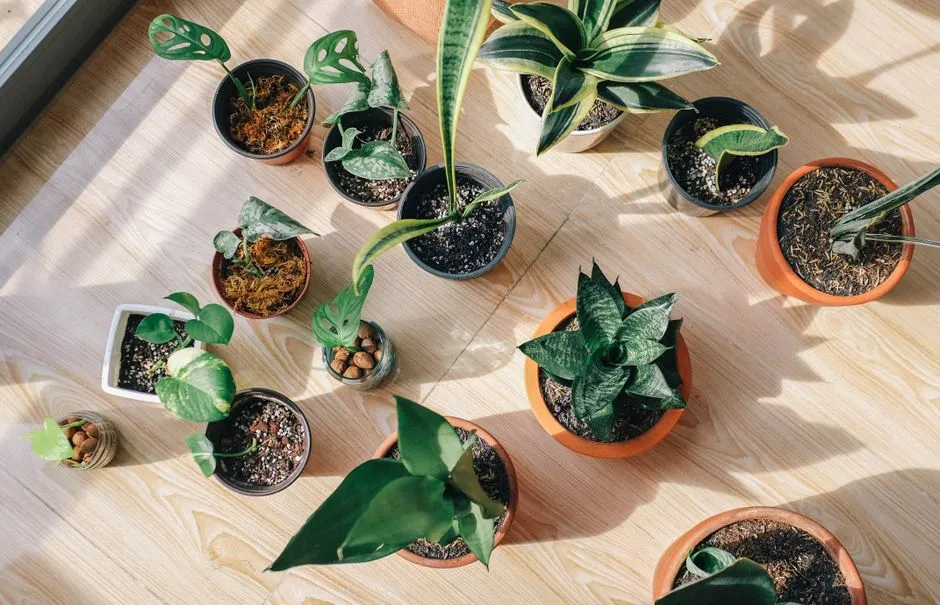
There’s something telling about which plant a person reaches for when their stress levels creep up. Not in a mystical sense, but in a practical one. The plants we choose to live with reflect how much care we’re willing to give, how much chaos we can tolerate, and how much beauty we need in our daily surroundings.
Research has linked houseplants to reduced stress, lower blood pressure, and an improved state of mind. The trailing varieties in particular have become a major part of modern home life, spilling from shelves and hanging baskets in a way that feels both effortless and intentional. The plant you gravitate toward says more about your coping style than you might expect.
The Pothos Person: You Thrive Under Pressure (But Hate Being Micromanaged)
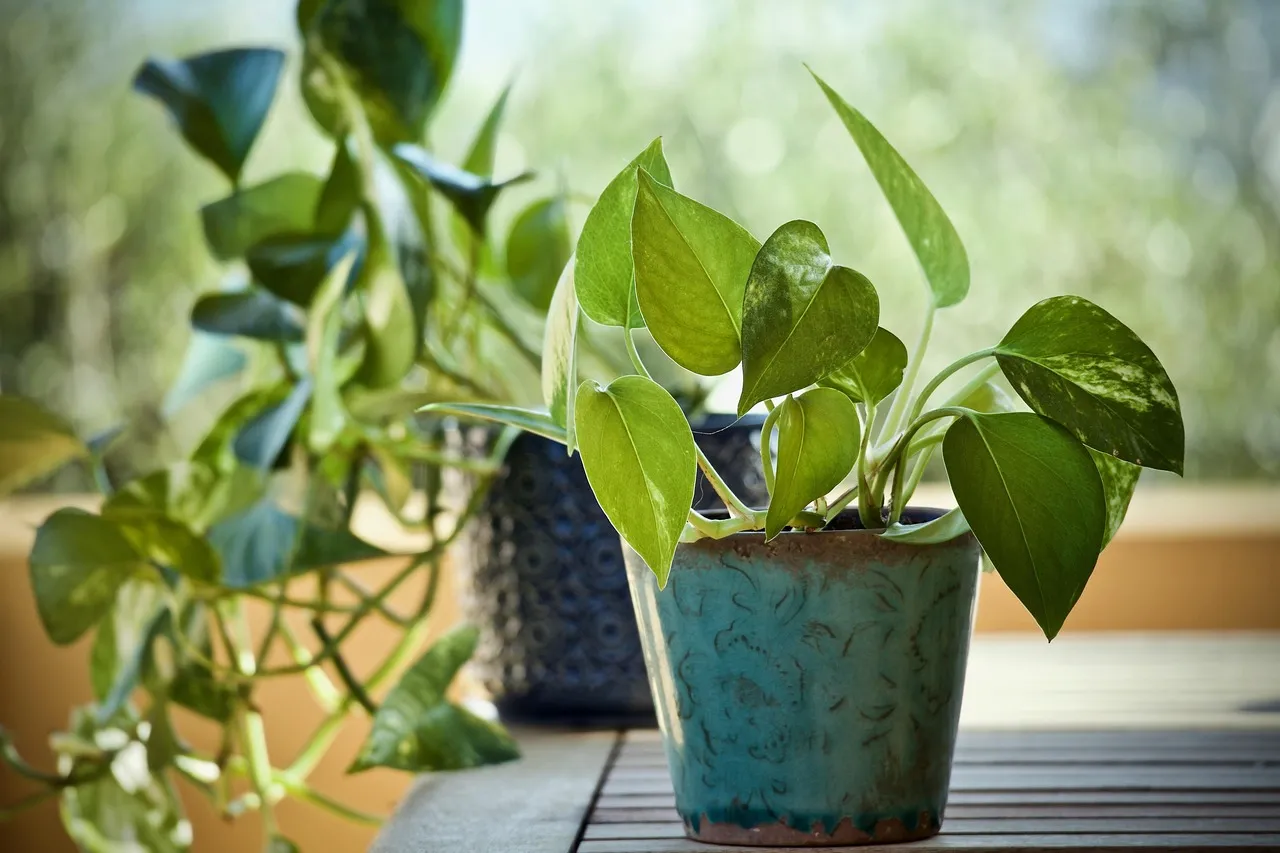
Pothos is, by far, one of the most popular houseplants available, and it’s common knowledge that it is among the simplest houseplants to maintain, which explains why it’s always so popular. People who love pothos tend to be pragmatic stress copers. They don’t spiral over imperfection. They look for the path of least resistance, and they’re usually right to do so.
Pothos is a resilient trailing plant that flourishes even when neglected. There’s a quiet confidence in choosing a plant you know won’t punish you for a missed watering. Pothos is a popular indoor houseplant grown for its vining habit and heart-shaped leaves that occur in an array of colors and variegated patterns. The pothos parent tends to handle stress by streamlining, simplifying, and refusing to catastrophize.
The Heartleaf Philodendron Person: You Need Connection to Calm Down
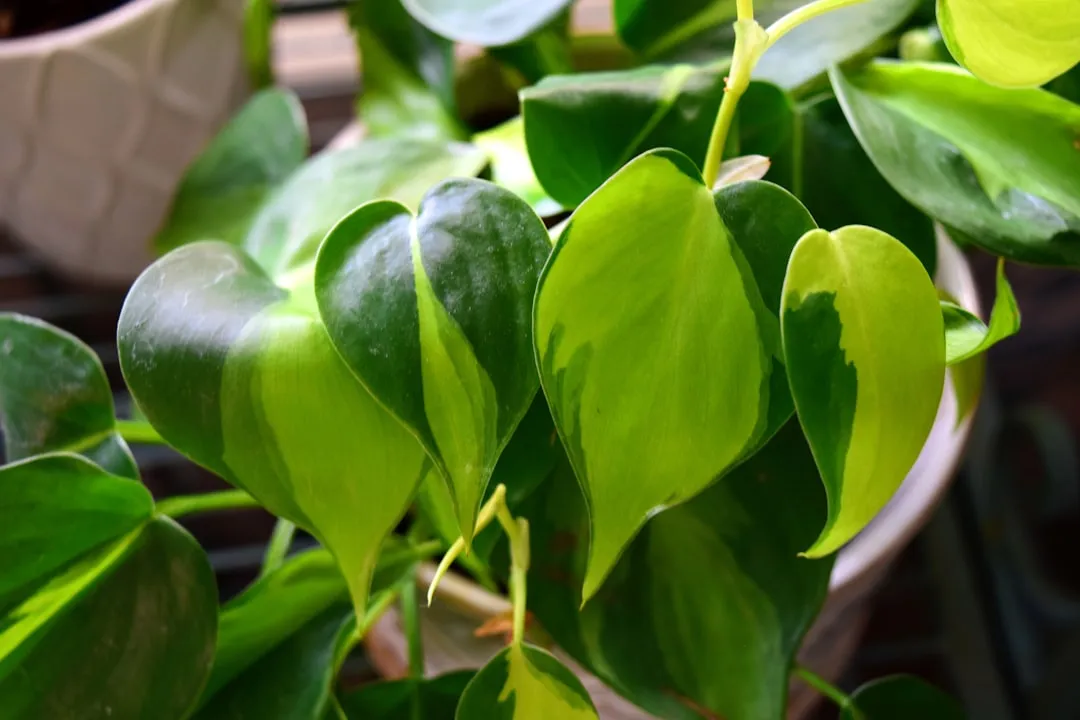
Philodendron is a larger genus with over 450 species, showcasing a greater variety in plant form and leaf appearance, including everything from the trailing Philodendron hederaceum ‘Brasil’ to the imposing Philodendron bipinnatifidum with its large, deeply cut leaves. People drawn to this genus are often deeply curious and community-oriented. Stress, for them, becomes manageable through conversation and shared experience.
Walk into almost any plant shop or scroll through plant inspiration online, and you’re bound to see pothos and philodendron everywhere. They’re both incredibly popular, super resilient, and fantastic for adding lush, trailing greenery to any space. The philodendron collector in particular tends to seek variety and growth as a way of coping, always adding something new to the mix rather than staying static under pressure.
The String of Pearls Person: You’re an Aesthete Who Handles Stress Selectively
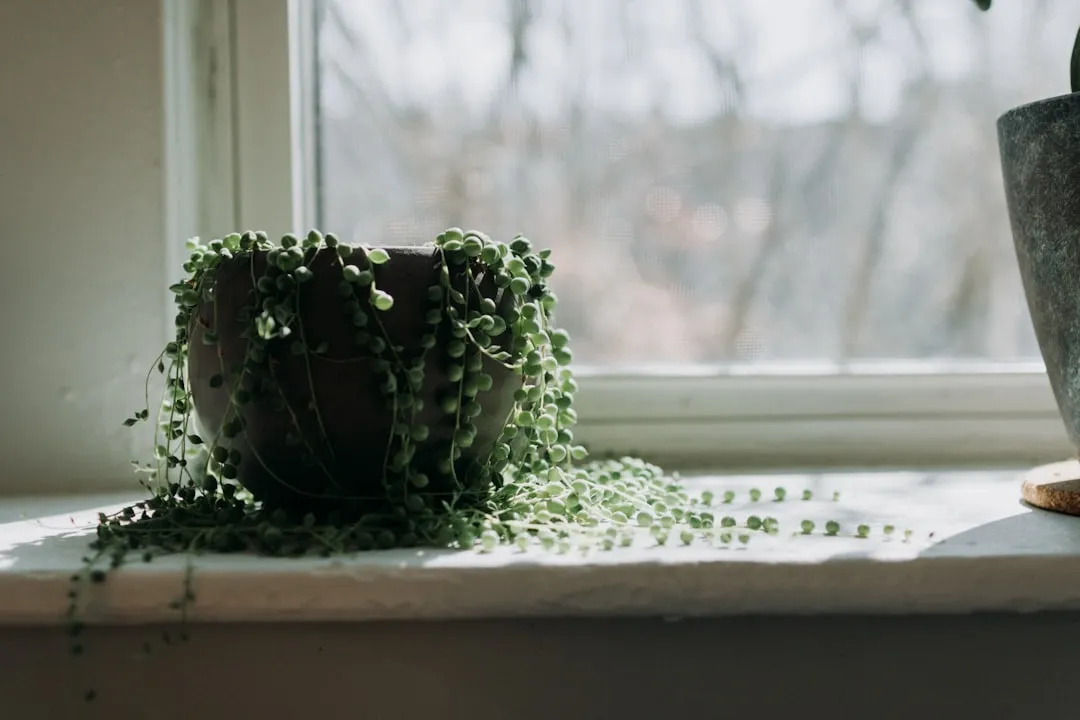
The string of pearls plant, known scientifically as Curio rowleyanus, is a diverse and striking succulent. Also known as string of beads, its cascading stems are adorned with distinctive pea-like leaf structures that call to mind an elegant string of pearls. Owners of this plant tend to be highly visual and design-conscious. When stressed, they often turn to aesthetic rituals, cleaning, rearranging, or creating beauty in their environment.
Caring for a string of pearls plant is as straightforward as most succulents; all you need is the right light, water levels, and soil to give it a happy environment in which to flourish. The catch is that “straightforward” still requires precision. String of pearls people handle some kinds of stress beautifully but may struggle when conditions are fully out of their control.
The Tradescantia Person: You Process Stress Fast and Move On
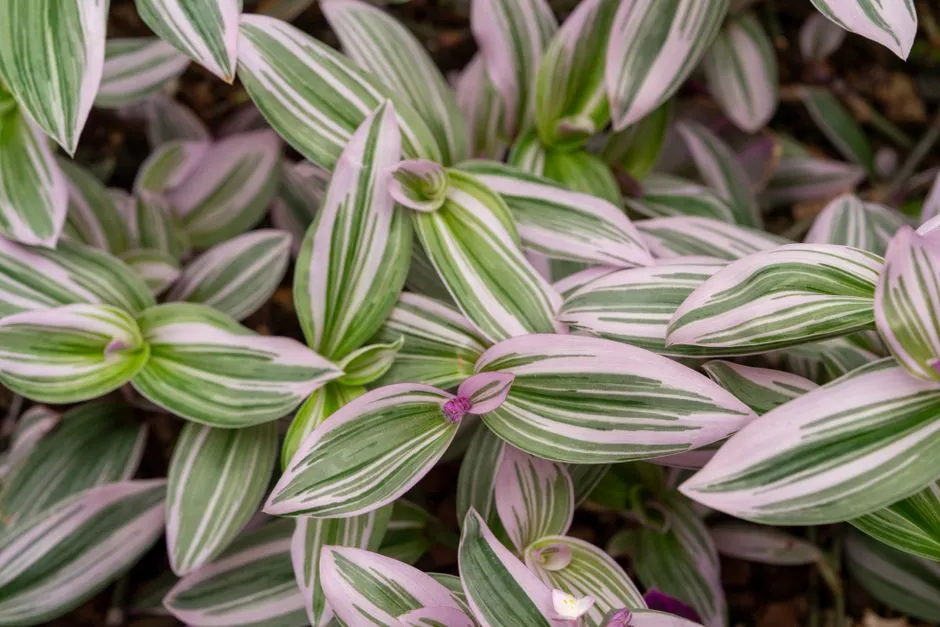
Variegated Monstera, Tradescantia, and Ficus, all with their own unique leaf prints, are being snapped up by collectors hungry for botanical individuality. Tradescantia, with its rapid growth and vivid purple or striped foliage, appeals to people who like to see results quickly. These are typically action-oriented stress copers. When something goes wrong, they move immediately toward fixing it.
The plant itself rewards this style. Tradescantia grows fast, propagates easily, and recovers quickly from neglect. People who keep it tend to match that energy, bouncing back from setbacks without dwelling too long. They’re rarely the type to ruminate.
The Hoya Person: You’re Patient, and That’s Your Superpower
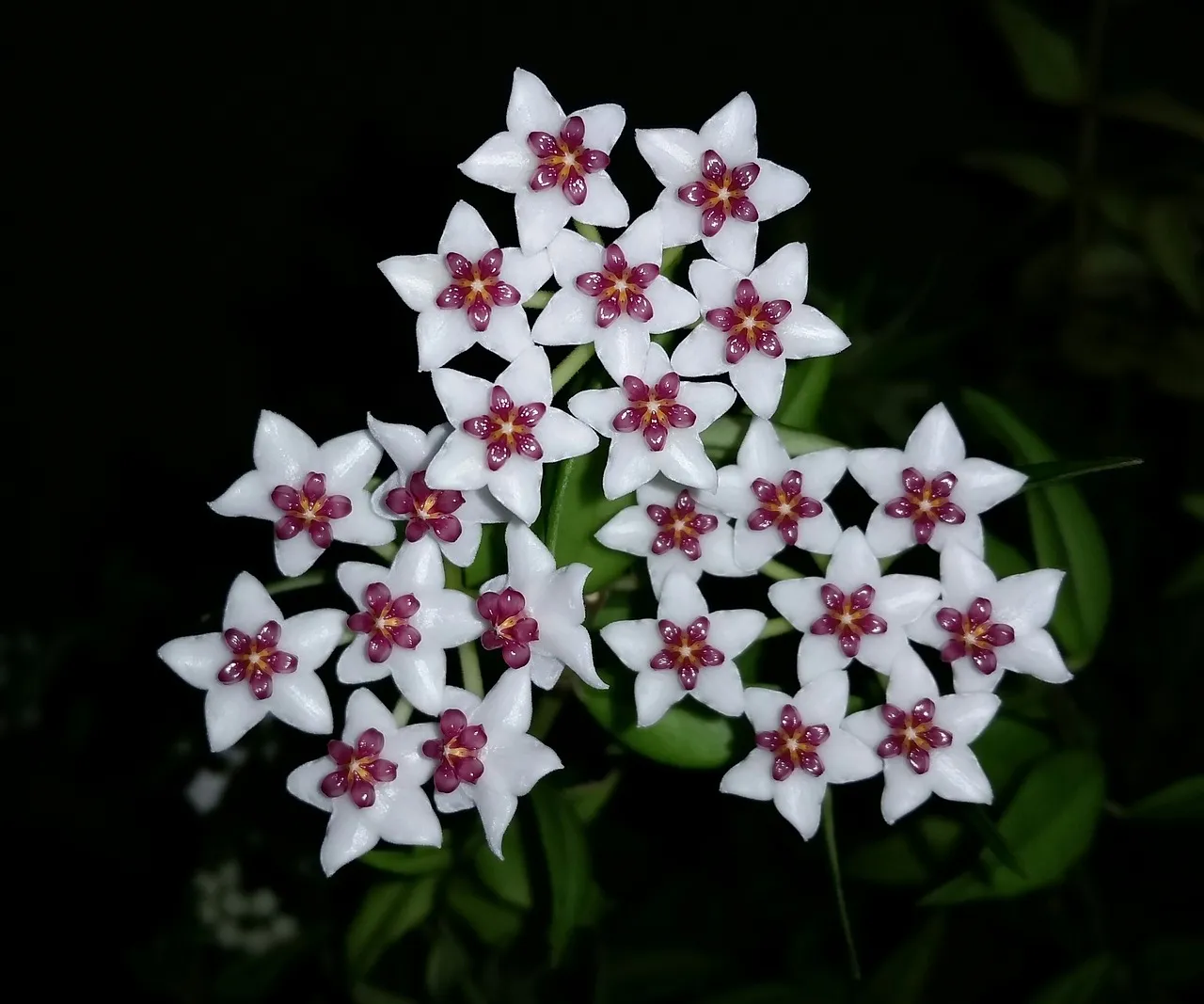
Stunning trailing plants worth adding to any collection include the Hoya Krimson Queen alongside Manjula Pothos, Variegated String of Pearls, Philodendron Brasil, and Monstera Adansonii. Hoya owners occupy a particular niche in the plant world. These plants are slow growers that reward patience with waxy, sculptural leaves and occasional flowers. The people who choose them often have a long-game mindset when it comes to stress.
Hoya’s twisted, waxy vines make it one of the most sought-after trailing plants of 2025. Hoya people tend not to panic. They’ve accepted that some things take time, and they’ve built their coping strategies around that acceptance rather than fighting it.
The Spider Plant Person: You’re a Natural Caretaker Who Can Overextend
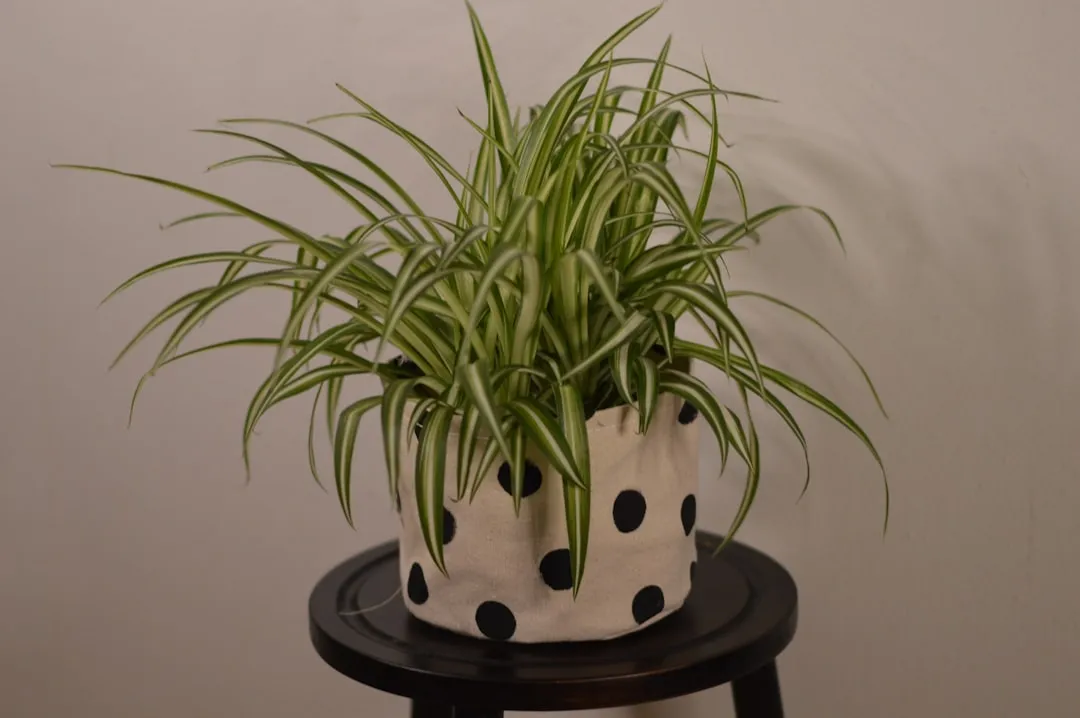
The spider plant’s trailing leaves are non-toxic and make a striking addition to any space. Spider plant enthusiasts are often the people others turn to in a crisis. They’re nurturing, organized under pressure, and genuinely good at managing other people’s stress. The challenge is that they sometimes neglect their own needs in the process.
The spider plant itself mirrors this dynamic. It produces baby plantlets prolifically, essentially caring for new growth while still maintaining the parent plant. Those who love it often recognize that same impulse in themselves. Research shows the mental health benefits of houseplants include reduced stress, increased happiness, better focus, and lower anxiety, and caretaking types often find that tending to plants gives them a rare moment of receiving rather than constantly giving.
The Devil’s Ivy (Golden Pothos) Person: You Cope by Creating Order
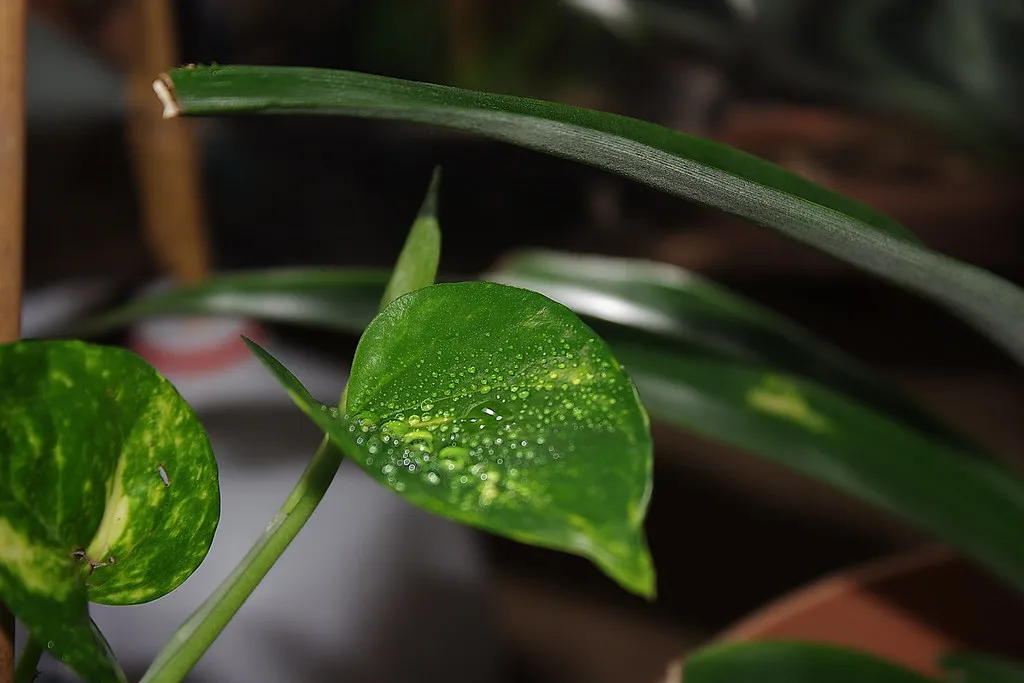
Pothos, specifically the ‘Jade’ variety, has seen sales jump nearly 45-fold in recent years thanks to its easy care and trailing habit. Golden pothos, often called devil’s ivy, has a particularly devoted following. Its name comes from the fact that it stays green even in near-dark conditions, a quality that appeals to people who find control reassuring.
Native to tropical regions in the South Pacific, pothos is especially versatile in indoor environments and can be allowed to trail, climb, or be trimmed back for a bushier appearance. That flexibility is precisely what attracts a certain type of person. They like having options. When stress arrives, they tend to reorganize their space, their schedule, or their priorities, just as they’d redirect a trailing vine.
The Monstera Adansonii Person: You Seek Meaning in Difficult Moments
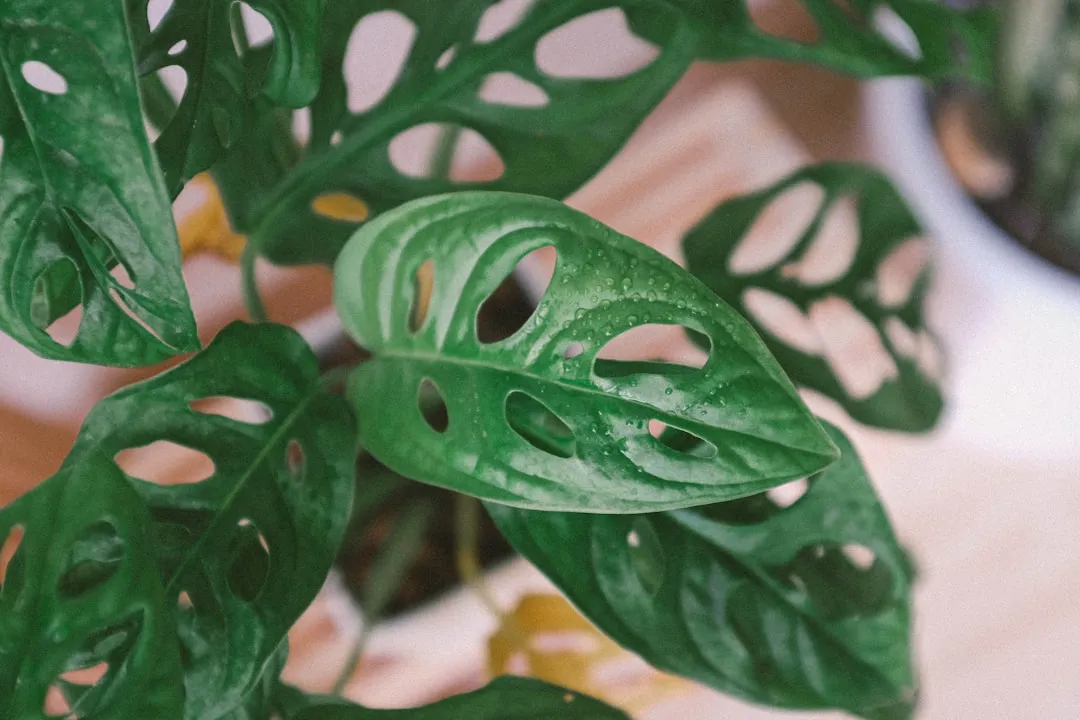
Variegated Monstera, the Philodendron Squamiferum, and Syngonium Albo are among the most sought-after rare finds for enthusiastic collectors. Monstera adansonii, with its distinctive fenestrated leaves and trailing vines, attracts people who are drawn to complexity. These aren’t folks who shy away from difficult emotions. They tend to lean into them, looking for lessons rather than escape routes.
Access to nature improves human wellbeing by mitigating attention fatigue and reducing stress, and there is a reciprocal connection between mindfulness and connectedness to nature. Monstera adansonii owners often use their plant care routines as a form of active mindfulness, a structured way to stay present when life feels particularly loud.
The Satin Pothos (Scindapsus) Person: You Cope Quietly and Independently
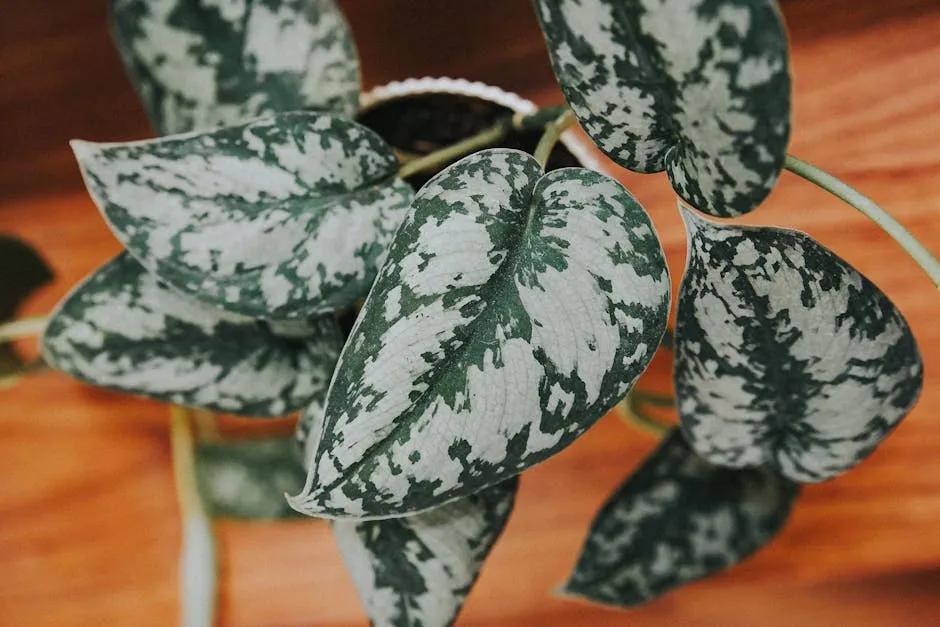
A twist on the classic pothos, the satin pothos features shimmering, silvery foliage and thrives in low light. This low-maintenance, air-purifying plant stands out with its striking silver-green leaves and ability to thrive on neglect. People who choose this understated but striking plant often have a quiet resilience that isn’t immediately obvious to others. They don’t broadcast their stress, and they don’t need a lot of external reassurance.
Studies show that being with and caring for plants has a direct correlation to reduced cortisol levels, resulting in lowered anxiety and improved mood. For satin pothos owners, that cortisol reduction tends to happen in private, solitary moments of care. They water, they wipe down the leaves, they check in quietly. Stress management, for them, is an interior process.
The String of Hearts Person: You Cope Through Ritual and Routine

Stressful life events often trigger rumination and pose risks to mental health, but these risks can be managed through coping strategies, and contact with nature has been shown to reduce rumination and enhance mental well-being. String of hearts, with its delicate vining stems and small heart-shaped leaves, appeals to people who are thoughtful and systematic about self-care. They tend to use routines as anchors when everything else feels uncertain.
In a study published in the Journal of Physiological Anthropology, researchers found that subjects felt more comfortable and relaxed when working with plants compared to performing computer tasks. String of hearts owners intuitively understand this. They’ve built plant care into their daily rhythm not because it’s fashionable, but because it genuinely helps them feel grounded. The ritual matters as much as the plant itself.
Why the Plant You Choose Reflects More Than Taste
Research suggests that houseplants do not automatically improve mental health. Instead, the benefits are shaped by the context and structure of interaction. That’s the nuance often missing from the broader conversation about plants and well-being. It’s not just about having greenery in your home. It’s about what that greenery asks of you, and whether that aligns with how you naturally respond to pressure.
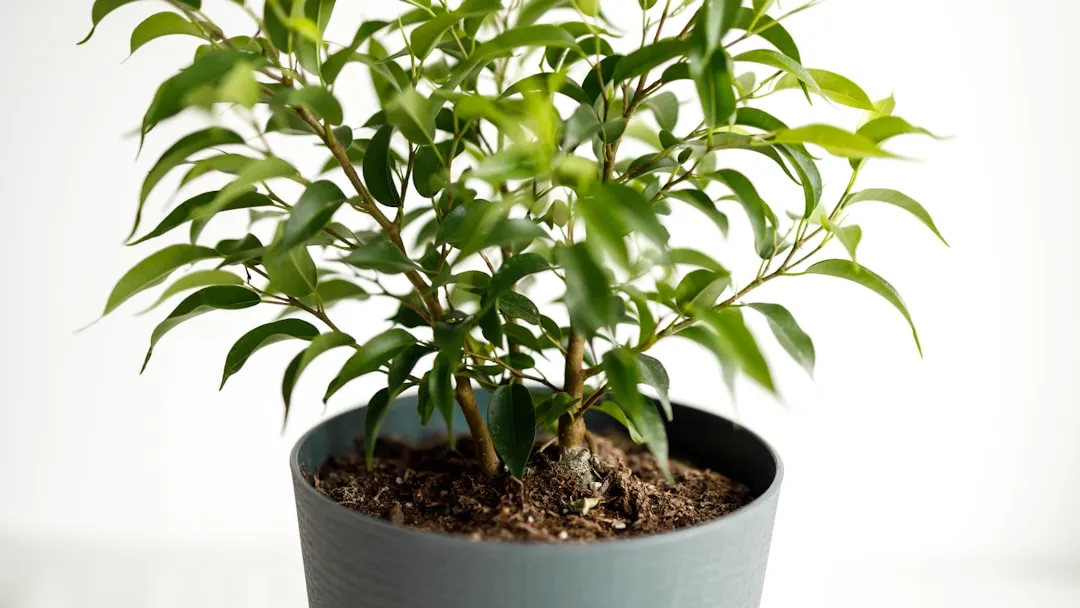
Psychological studies have shown that curved objects elicit positive emotions in humans, and research demonstrates that these outcomes also apply to houseplants. Plants with rounded leaves, such as weeping fig and pothos, were seen by study participants as more beautiful and relaxing. The trailing plants most people gravitate toward share that softness of form. Access to nature improves human wellbeing by mitigating attention fatigue and reducing stress.
The plant on your shelf isn’t a personality test with a definitive answer. It’s more like a small, leafy mirror. Look at what you’ve chosen, how you care for it, and whether it’s actually thriving. That tells you something honest about how you’re doing, and perhaps what kind of patience you still have left to give.
AI Disclaimer: This article was created with the assistance of AI tools and reviewed by a human editor.