

There’s something quietly telling about the plants people choose to bring into their homes. A lavender bunch on the windowsill reads very differently from a cluster of thorned succulents on a desk. When researchers surveyed over 1,000 people about their houseplant experience and compared that data to their Big Five Personality Test results, they found that preferences for specific species, from succulents and cacti to fiddle leaf figs, can be meaningfully linked to personality traits. The cactus, in particular, is a plant that does its talking through texture. It says: admire me, but keep your distance.
Personal boundaries are one of the key concepts in modern psychology, reflecting important aspects of internal and interpersonal dynamics. This topic directly influences emotional well-being, the quality of relationships, and the overall state of mental health. The issue of establishing and maintaining personal boundaries has become especially significant in modern society, where rapid change in all spheres of life often threatens individual identity and psychological well-being. So the next time you find yourself drawn to one spiky species over another, it might be worth pausing. The cactus you love could be saying something real about the limits you live by.
The Saguaro: Tall, Proud, and Holding the Line
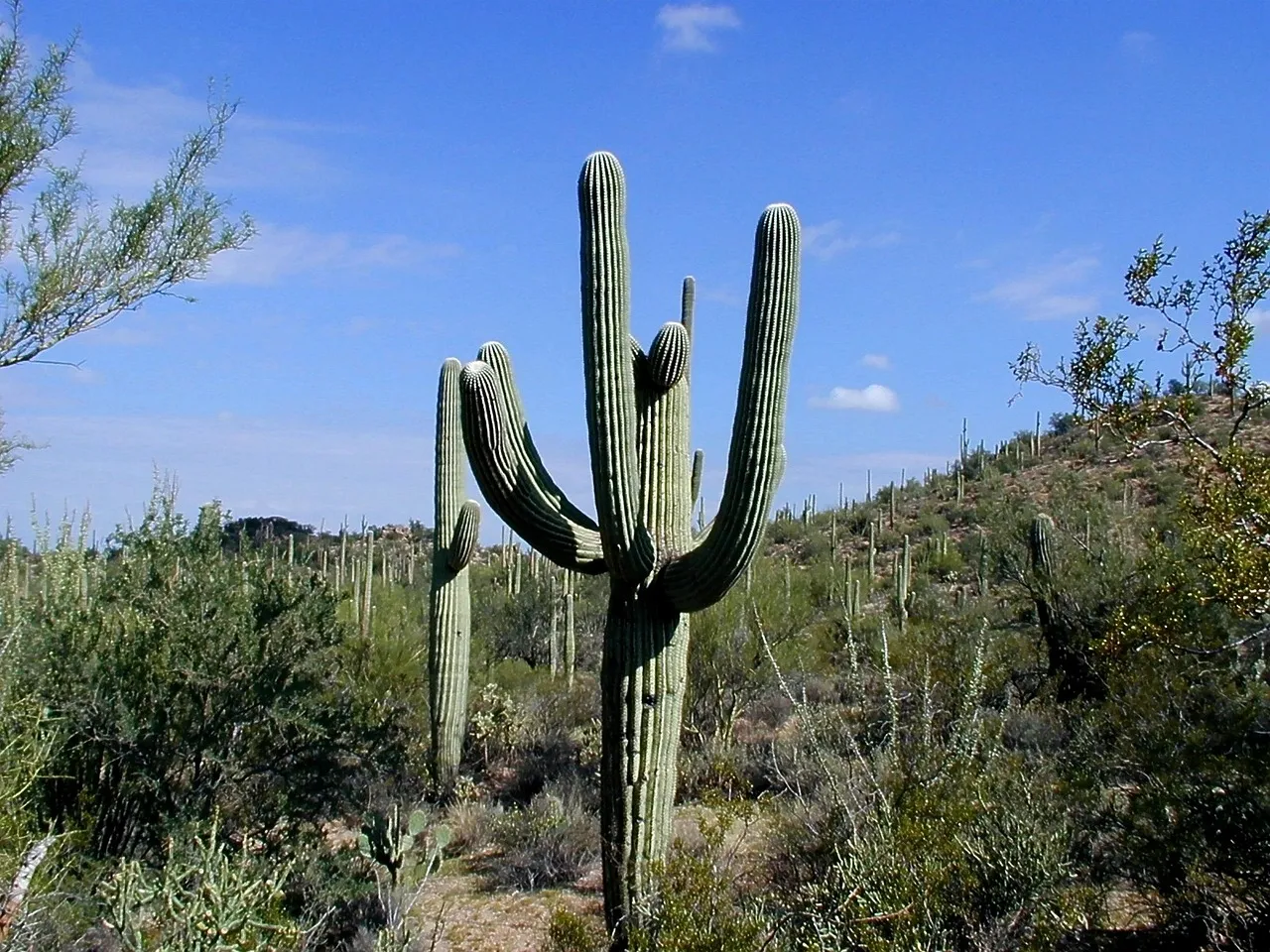
The saguaro is the cactus most people picture when the word comes to mind. Iconic of the American Southwest, the saguaro cactus symbolizes resilience and provides habitat for various wildlife in the Sonoran Desert. Its arms raise upward as it matures, like someone who has decided, firmly, that they will not be moved.
People who gravitate toward saguaros tend to be deeply independent. They often set clear, non-negotiable limits in their personal lives and don’t apologize for them. Personalities with rigid boundaries tend to rigorously defend their personal space. They are usually reluctant to share their feelings, thoughts, or emotions with others and may tend toward isolation.
That’s not necessarily a flaw. A well-planted saguaro is a pillar of its ecosystem, and a person with firm, consistent limits can be one of the most trustworthy people in any room. The key is knowing when firmness serves you and when it simply keeps good things out.
The Golden Barrel Cactus: Brilliant Exterior, Guarded Interior
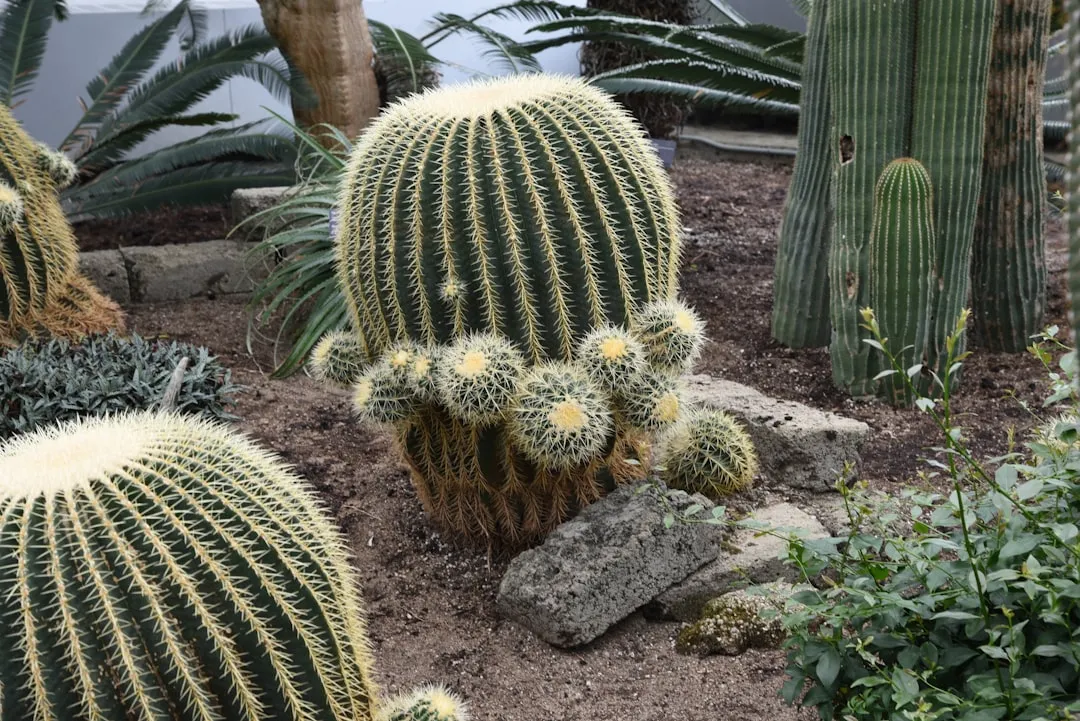
The golden barrel cactus has a globe-like appearance recognized by its magnificent color from vertical yellow ribs that line its edges. Its spines will light up any landscape with striking color. This architectural beauty is a signature cactus of the Southwest desert. It’s visually generous but physically unapproachable.
People who love this cactus often present a warm, even radiant face to the world while maintaining quietly strict emotional limits underneath. Emotional boundaries include discerning when is the appropriate time to share or not share emotions, in order to prevent emotional dumping and to limit sharing with those who respond with invalidation and criticism. The golden barrel person has likely learned, sometimes the hard way, to protect what’s inside.
The golden barrel cactus is rare and endangered in nature. There’s an interesting parallel there. People who maintain strong emotional borders often have interior lives that feel rare and precious to them, not hidden from cruelty, but simply saved for the right context.
The Barrel Cactus: Steady, Compact, and Self-Sustaining
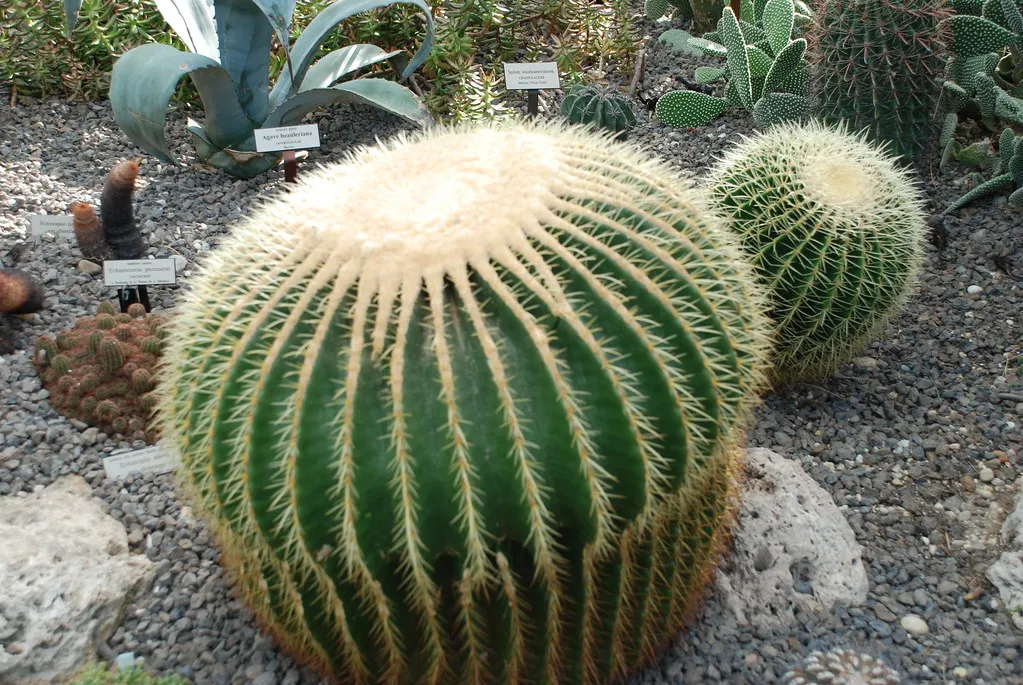
The barrel cactus doesn’t grow dramatically tall or spread wide. Barrel cacti have evolved to survive in some of the harshest conditions on Earth. Their ribbed stems allow them to expand and store water during periods of rainfall and contract during long droughts. They are highly drought-tolerant and require minimal water.
People drawn to this species tend to be self-contained by nature. They don’t require a lot of external validation to feel stable. Boundaries promote psychological safety in relationships at work, home, and with partners by protecting well-being and limiting the stress response. For barrel cactus people, that internal resource management is second nature.
Barrel cactus plants are known for their longevity. Species like the golden barrel cactus and fishhook barrel cactus can live for over 100 years, making them some of the longest-living plants in the desert. Longevity, in people and plants alike, often comes down to knowing exactly how much you can give before you need to pull back and replenish.
The Prickly Pear: Soft Fruit, Sharp Surface
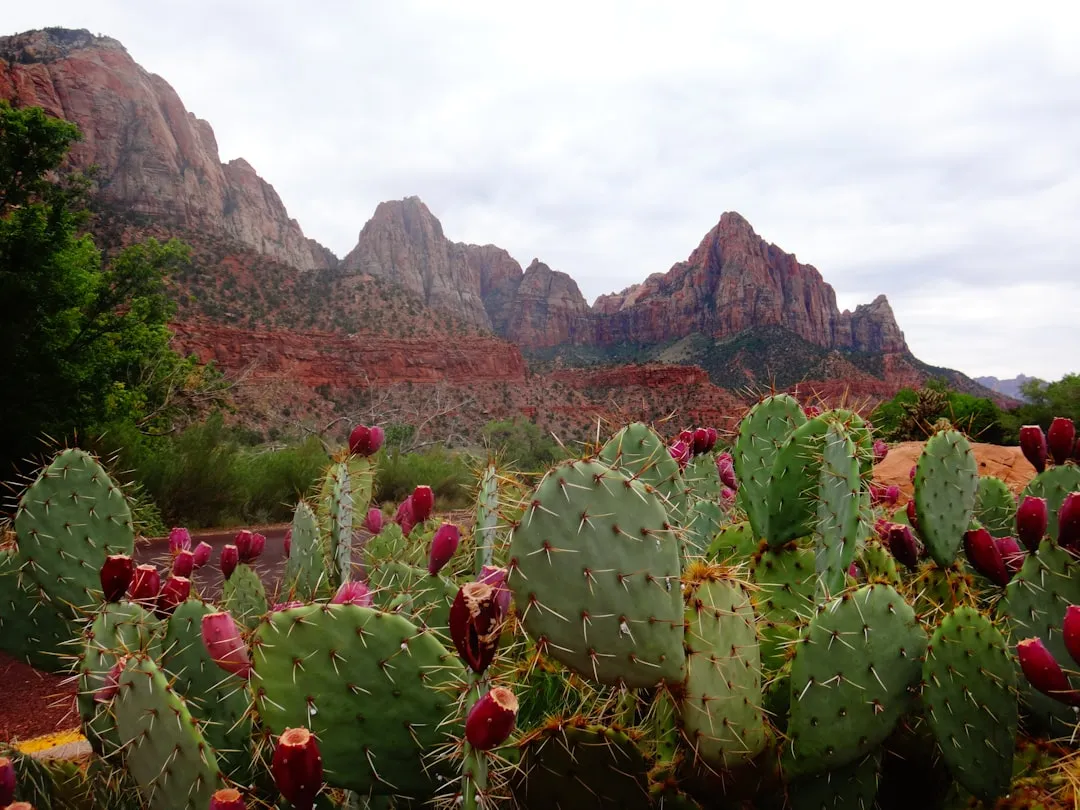
The prickly pear is perhaps the most layered cactus in the botanical world. On the outside: clusters of needles fine enough to be nearly invisible. On the inside: sweet, vibrant, deeply nourishing fruit. Prickly pear cactus (Opuntia species) has been used in traditional medicine for its anti-inflammatory properties and potential benefits for managing conditions such as diabetes and high cholesterol.
People who love prickly pears often have what psychologists call “spongy” boundaries. Those with spongy boundaries may demonstrate elements of both soft and rigid boundaries depending on the situation. They may be open to interaction with others and willing to share their feelings and thoughts, but they may also have some defensiveness or protection to safeguard their privacy.
This combination is genuinely common. Most people have a mix of different boundary types. Someone could have healthy boundaries at work, porous boundaries in romantic relationships, and a mix of all three types with their family. The prickly pear person knows this truth better than almost anyone.
The Cholla Cactus: Distance Is Non-Negotiable
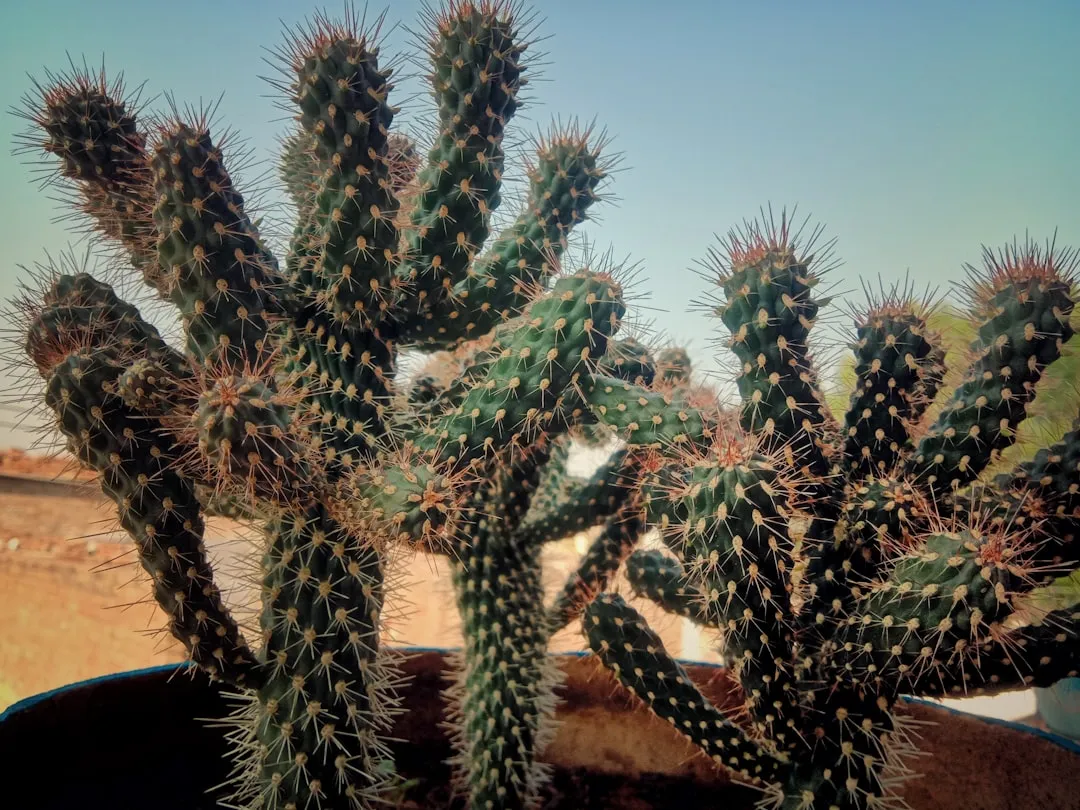
Cholla cacti are notoriously difficult to get close to. Their spines are barbed and detach on contact, practically jumping at anyone who gets too near. They earned the nickname “jumping cholla” for exactly that reason. The spiny exterior discourages larger predators, making it a valuable habitat for smaller desert creatures.
People who feel a pull toward the cholla aesthetic, sharp, complex, and best appreciated from a few feet away, may have particularly firm physical or emotional limits. A lack of healthy personal boundaries can lead to emotional and physical fatigue. Physical boundaries refer to one’s personal space, privacy, and body. For cholla people, protecting that space isn’t aggression. It’s a deeply practiced survival skill.
The important self-check here is whether those limits are protective or preemptive. Healthy boundaries are flexible. A person easily understands and determines at what level they are comfortable communicating. A person is able to get closer or, conversely, move away if they understand that something is not working out in a relationship. The cholla person’s work is learning when it’s safe to be still.
The Pincushion Cactus: Small but Fiercely Defended
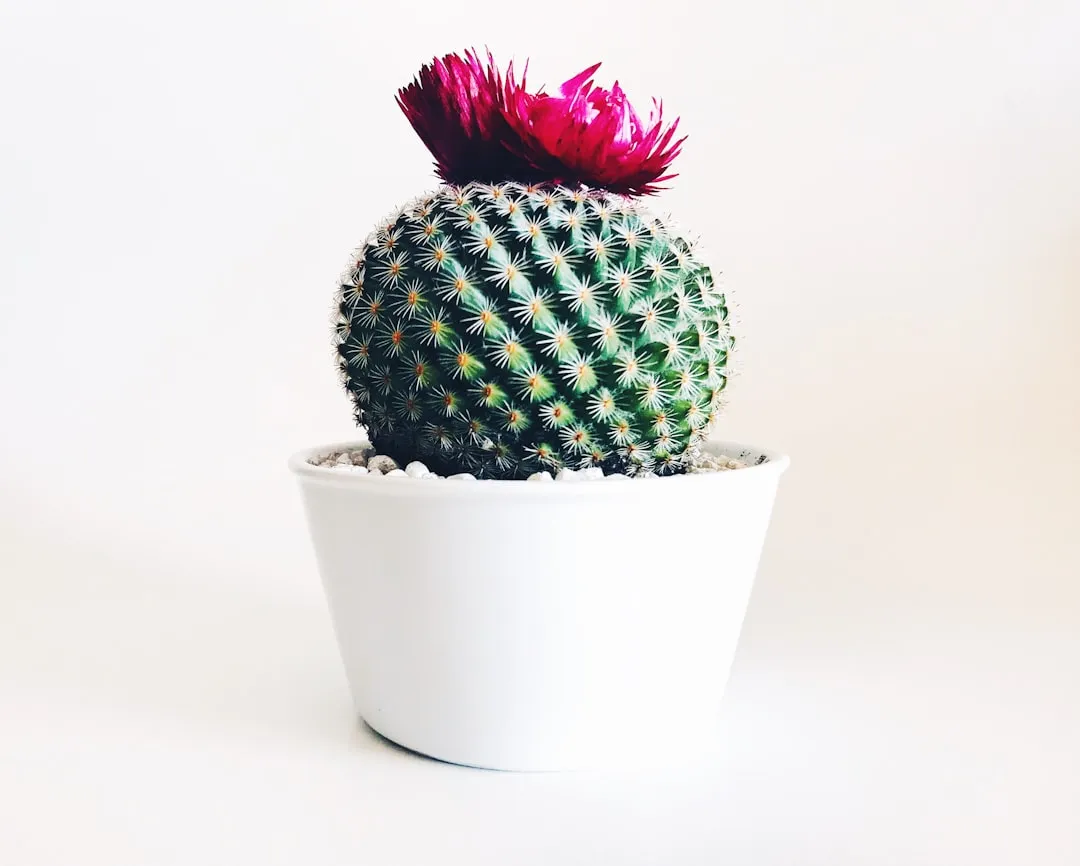
Don’t let the size fool you. The pincushion cactus (Mammillaria) is small, often fitting in the palm of a hand, but it’s covered in neat rows of dense spines arranged like a security system. What it lacks in height, it compensates for in precision.
People who favor small, compact, heavily spined cacti often have very defined, thoughtful limits. Mental and intellectual boundaries include discerning when is the appropriate time to discuss or not discuss a certain topic, and the willingness to converse with another and to try to understand their thoughts, ideas, and perspectives. These are people who know exactly which conversations they’ll engage in and which they won’t.
They’re selective, not cold. Boundaries are the limits and rules we set for ourselves within relationships. A person with healthy limits can say “no” to others when they want to, but are also comfortable opening themselves up to intimacy and close relationships. Pincushion cactus people have usually worked hard to understand that balance.
The Organ Pipe Cactus: Harmonious but Structured
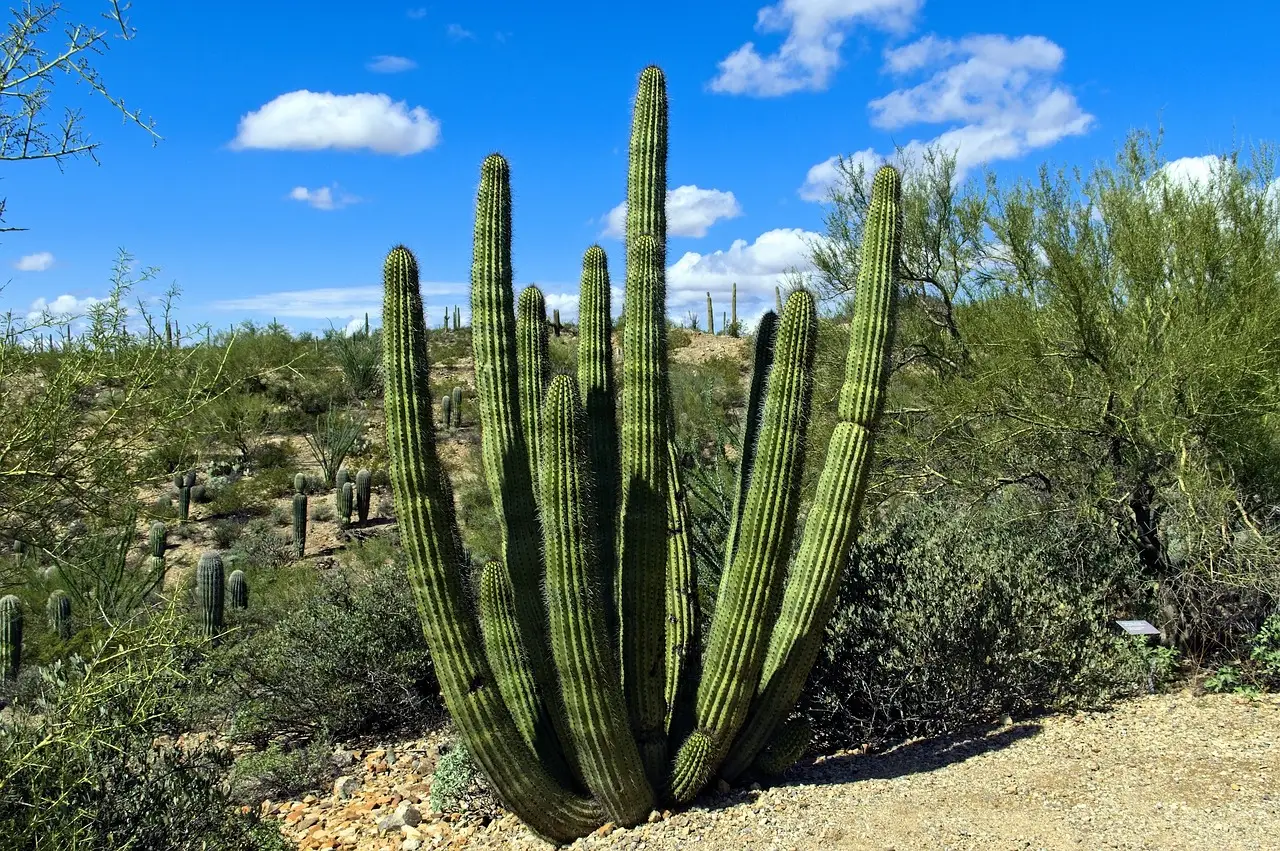
Resembling organ pipes, the organ pipe cactus is a Sonoran Desert native that blooms with large, fragrant white flowers during warm summer nights. It’s a cactus that rewards patience. The bloom only comes after long, dry stretches, and it arrives in the dark, quietly.
People drawn to this cactus often have a strong internal structure but remain capable of real warmth, once conditions feel right. The psychologist E. Fromm considered the concept of expanded boundaries, asserting that a healthy person has expanded boundaries that allow them to openly interact with the surrounding world and other people while maintaining inner independence and individuality. Fromm emphasizes the importance of recognizing one’s own needs and desires, as well as developing the ability to interact with others without losing one’s own sense of self.
This is the organ pipe cactus person exactly. They have structure, yes, but their truest self only flowers when the conditions are genuinely safe. That’s not weakness. That’s wisdom.
The Star Cactus: Visual Openness, Careful Access
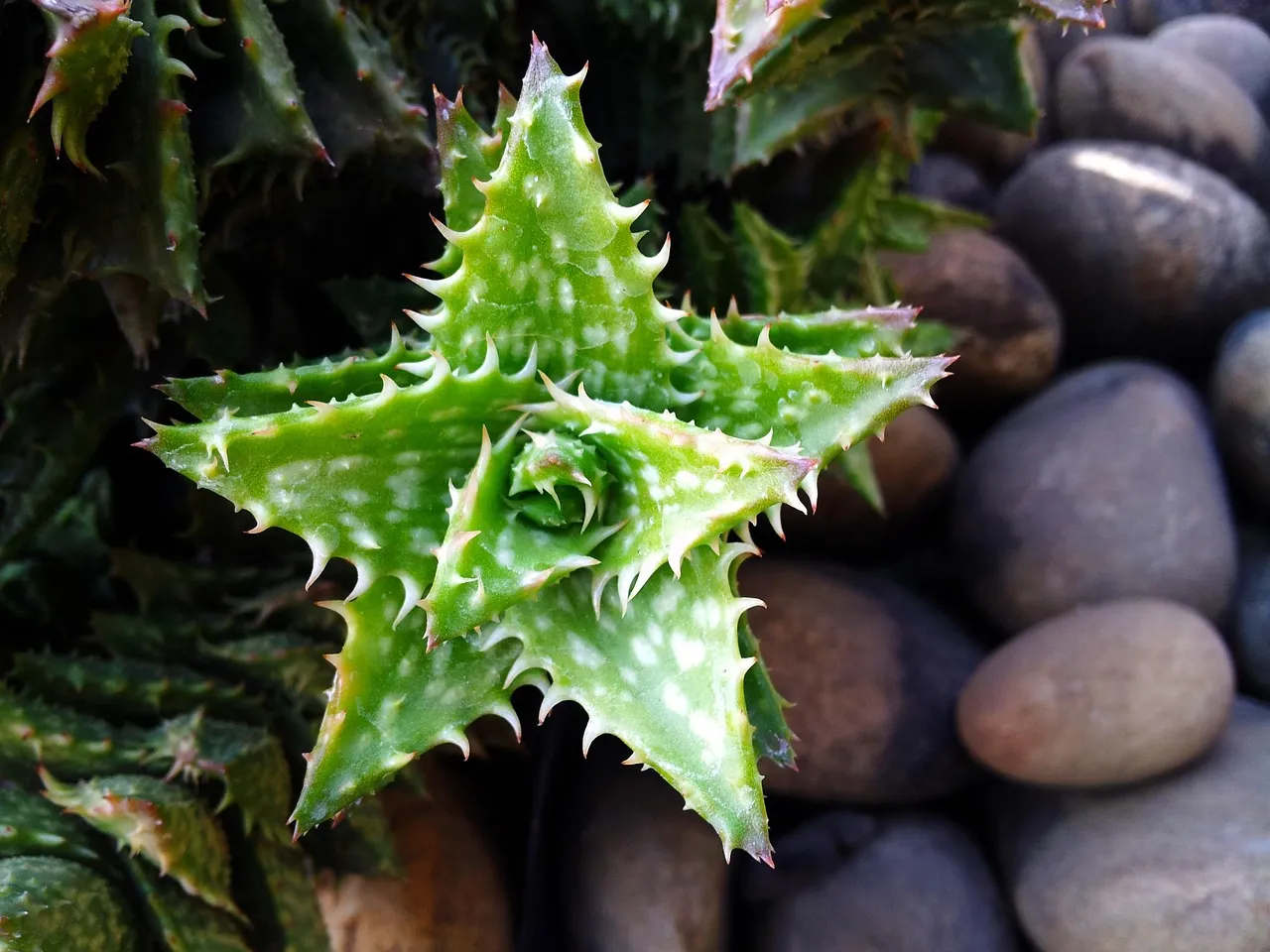
The star cactus (Astrophytum asterias) looks almost approachable. Its flat, geometric shape and lack of aggressive spines make it seem softer than most. The genus name Echinocactus originates from the Greek words echinos, meaning “hedgehog,” and kaktos, meaning “thistle,” and the group is known for its rounded, ball-like shape. The star cactus sits on that same family tree but leans toward openness in form.
Fans of the star cactus often project an accessible, even gentle exterior. Yet they remain careful about what they actually share. Healthy emotional limits include guidelines on when to share, and when not to share, personal information. Gradually sharing personal information during the development of a relationship is healthier than revealing everything to everyone immediately.
This is a mature and genuinely functional boundary style. The star cactus person has learned that warmth and openness don’t mean unfiltered access. They give people time to earn the closer view.
The Columnar Cactus: Vertical Ambition, Limited Horizontal Reach
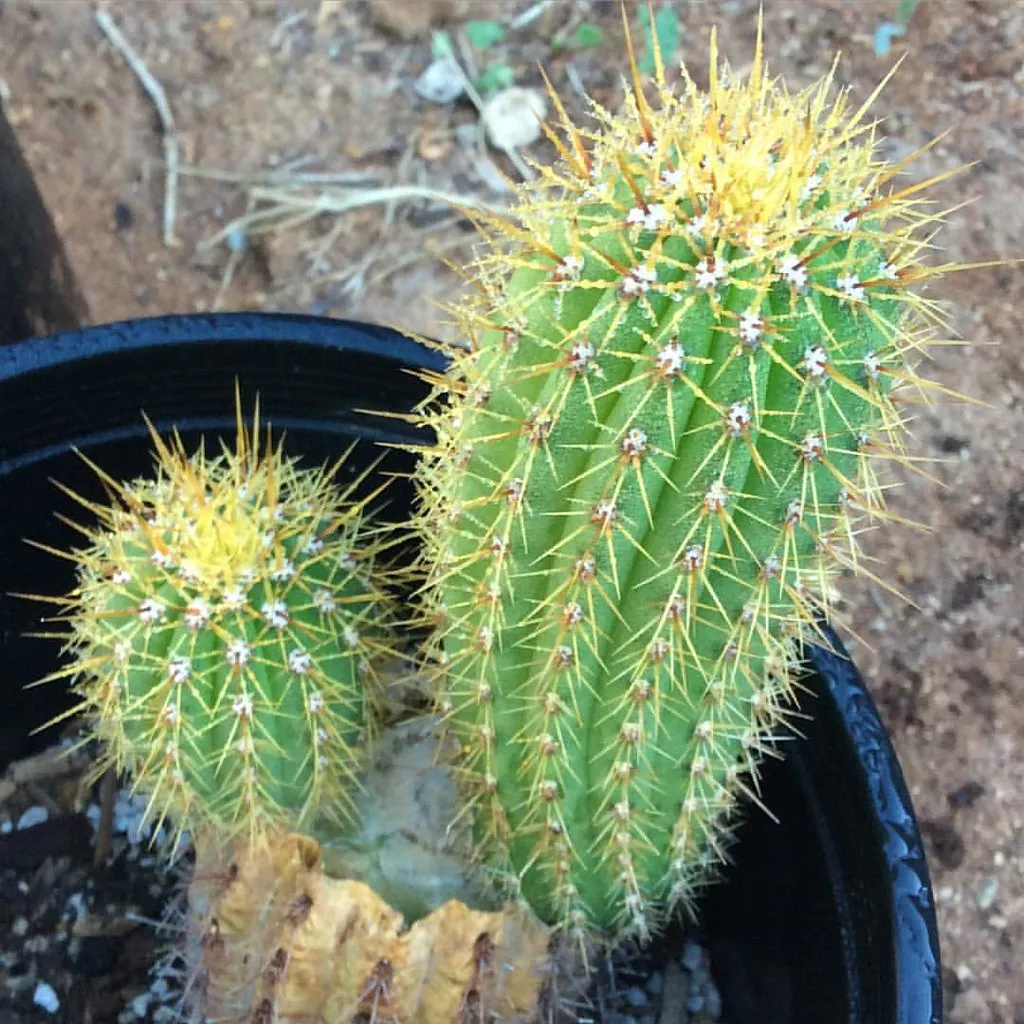
Columnar cacti, think tall, unbranched pillars shooting straight upward, project forward momentum and vertical ambition. Some species of barrel cactus, such as the desert barrel cactus, reach over one meter in height at maturity and have been known to reach nearly three meters in exceptional cases. These plants don’t sprawl. They rise.
People who are drawn to columnar forms often have strong professional or intellectual limits. Professional boundaries involve learning to distinguish between work and non-work priorities, advocating for fair compensation, and recognizing comfort levels in how one engages with colleagues. These are people who are clear about where their role ends and where another person’s begins.
The shadow side is that vertical focus can sometimes mean limited horizontal connection. A person with low self-esteem has a high probability of difficulty distancing themself from other people, and empirical research confirms that the ecology of personal limits depends heavily on self-esteem. For the columnar cactus person, it’s worth checking whether height is protecting growth or just preventing it.
The Flowering Cactus: Boundaries That Bloom on Their Own Terms
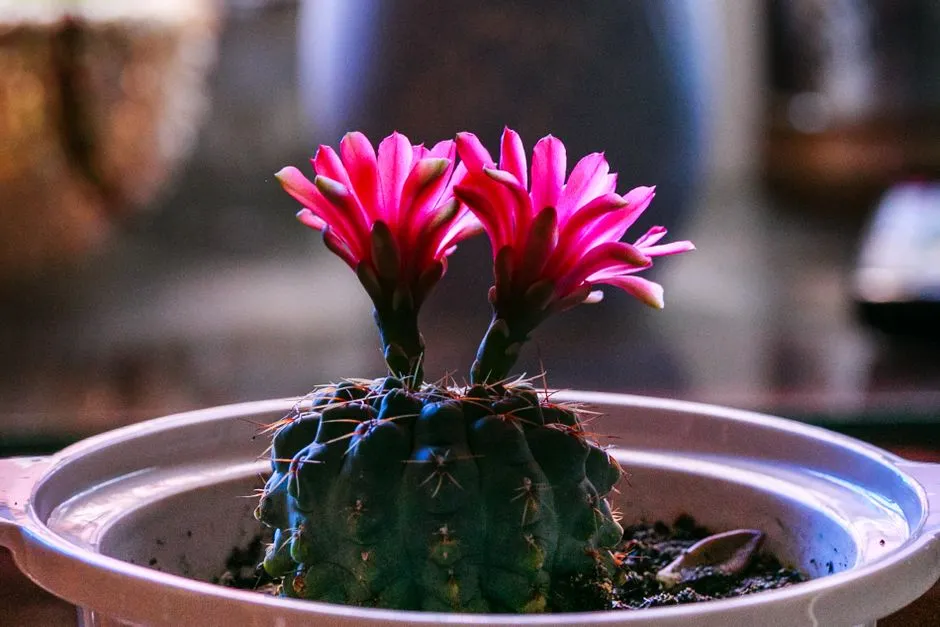
Some cacti bloom rarely, brilliantly, and briefly. Flowers appear at the top of the plant only after many years. The barrel cactus can live to be over 100 years old. Barrel cactus buds typically start to bloom in April with a bright yellow or orange flower. The wait is part of what makes the moment meaningful.
People who love flowering cacti, particularly those that bloom seasonally or unexpectedly, often have limits that are highly context-dependent. Flexible personal limits are considered the healthiest and most adaptive. They open when the conditions are genuinely right, not on demand, and not reflexively shut down, either.
Researchers found that avid plant parents tend to score much higher on the Big Five trait of openness to experience, the curiosity-and-creativity factor, than people who don’t keep greenery. For the flowering cactus person, that openness is real. They just know that the most valuable things, in plants and in relationships alike, tend to bloom on their own schedule.
What the Spines Are Really Telling You
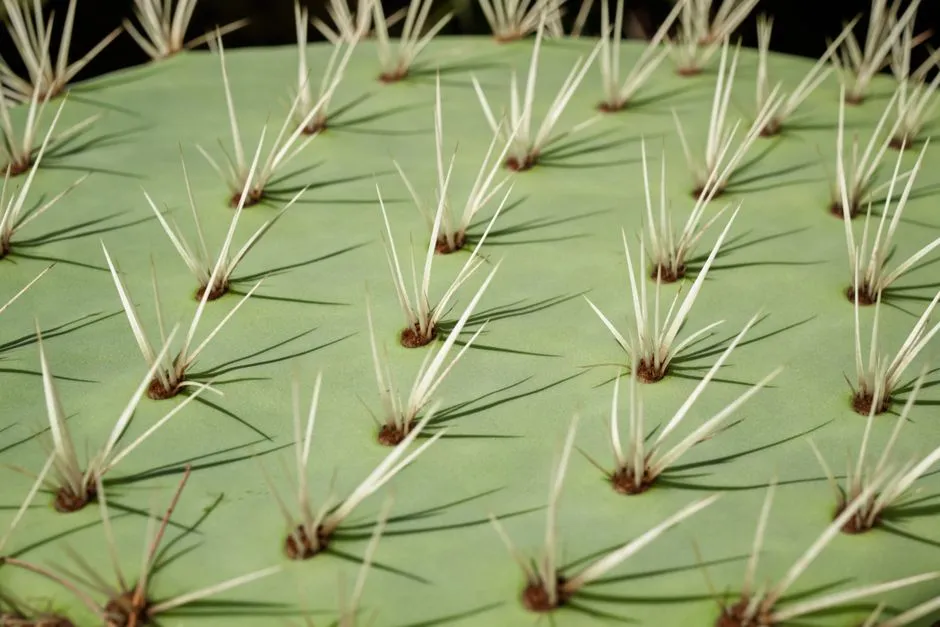
Personal limits are one of the key concepts in modern psychology, reflecting important aspects of internal and interpersonal dynamics. This topic directly influences emotional well-being, the quality of relationships, and the overall state of individuals’ mental health. The cactus you choose doesn’t dictate your psychology, but it can hold up an interesting mirror.
Boundaries exist on a spectrum from porous to rigid, and everyone has a combination of different limit styles in different situations and with different people. The same is true of cacti. No species is purely soft or purely armored. They all carry water inside and spines outside, in their own particular proportion.
The spines on a cactus aren’t there to keep everything away permanently. They’re there to ensure that what finally gets close has proven itself worth the care. That, maybe more than any personality quiz, is what our favorite prickly plants are trying to say.
AI Disclaimer: This article was created with the assistance of AI tools and reviewed by a human editor.