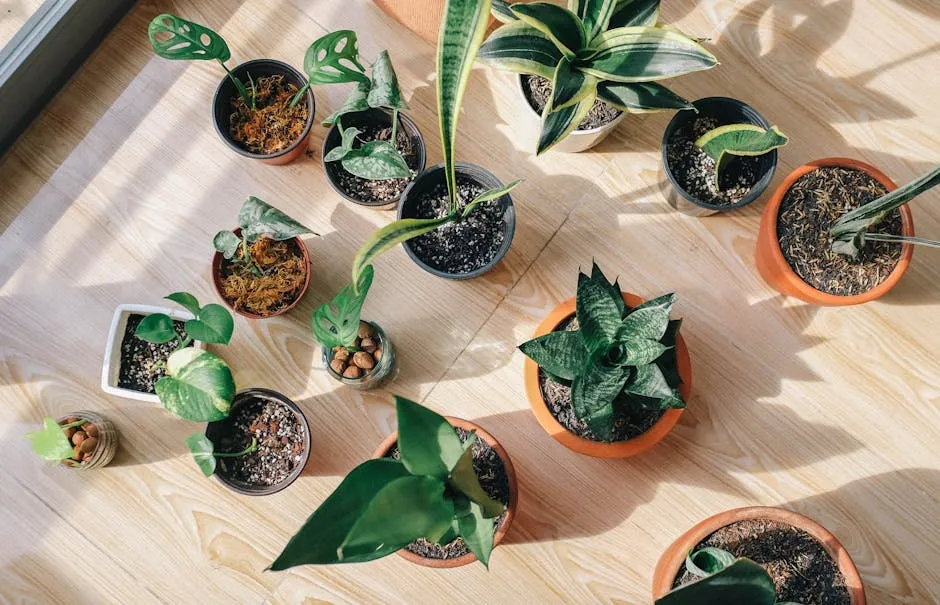

There’s a reason you keep reaching for that particular plant at the nursery. Maybe it’s the one you’ve always bought on impulse, or the one that just feels right on your windowsill. Whatever the draw, research increasingly suggests those choices are far from random.
The global indoor plant market has grown to roughly 21 billion dollars as of 2025, and the culture around houseplants has shifted from weekend hobby to genuine lifestyle identity. The Garden Media Group’s 2026 Garden Trends Report found that roughly two in five Gen Z consumers now identify as plant collectors rather than casual owners – a sign that people are assigning real meaning to their greenery. The plant you choose might say more about you than your home decor ever could.
The Succulent Lover: Independent and Self-Sufficient
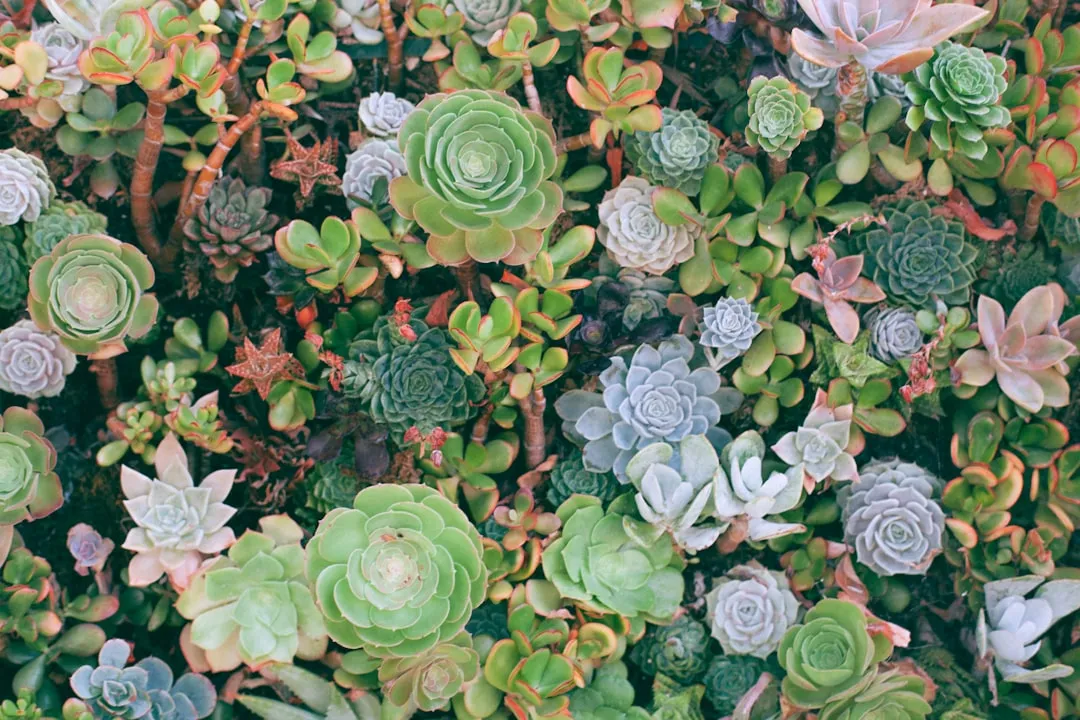
People drawn to succulents tend to have an independent streak and considerable inner strength. Succulents symbolize perseverance and survival, thriving in tough conditions.
Succulent owners are often creative collectors, with an artistic and inventive nature reflected in their love for these varied, unique little plants. Each succulent in a collection is a testament to a creative spirit and love for variety.
In a survey of over 1,000 plant owners cross-referenced with the Big Five Personality Test, people with high scores in openness to experience opted notably for succulents and cacti. It’s a fitting match: openness is all about curiosity, novelty-seeking, and comfort with the unconventional.
The Monstera Owner: Bold, Social, and Adventurous
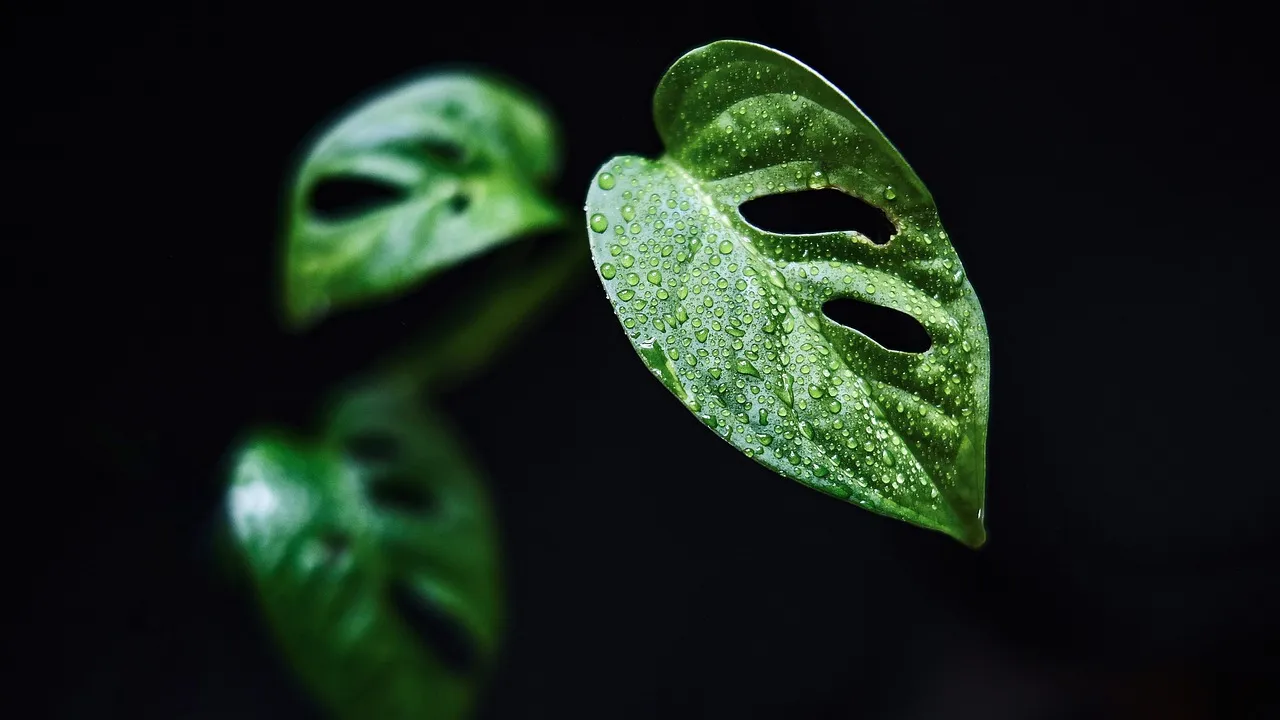
Owners of the Monstera Deliciosa are often the social butterfly of the group. Just like the chosen plant, they love being in the spotlight, and the large, distinctive leaves reflect an outgoing and sociable nature. They thrive in company and enjoy standing out in a crowd.
Monstera lovers often reflect the plant’s flair by embracing creativity and asserting independence, gravitating toward bold experiences and pursuing new adventures.
Monsteras thrive in dynamic, ever-changing environments and need a little controlled neglect, mirroring independent personalities who love space and freedom. If you’re someone seeking variety and excitement, this bold, statement-making plant reflects your zest for life and adaptability to new situations.
The Snake Plant Parent: Reliable and Grounded
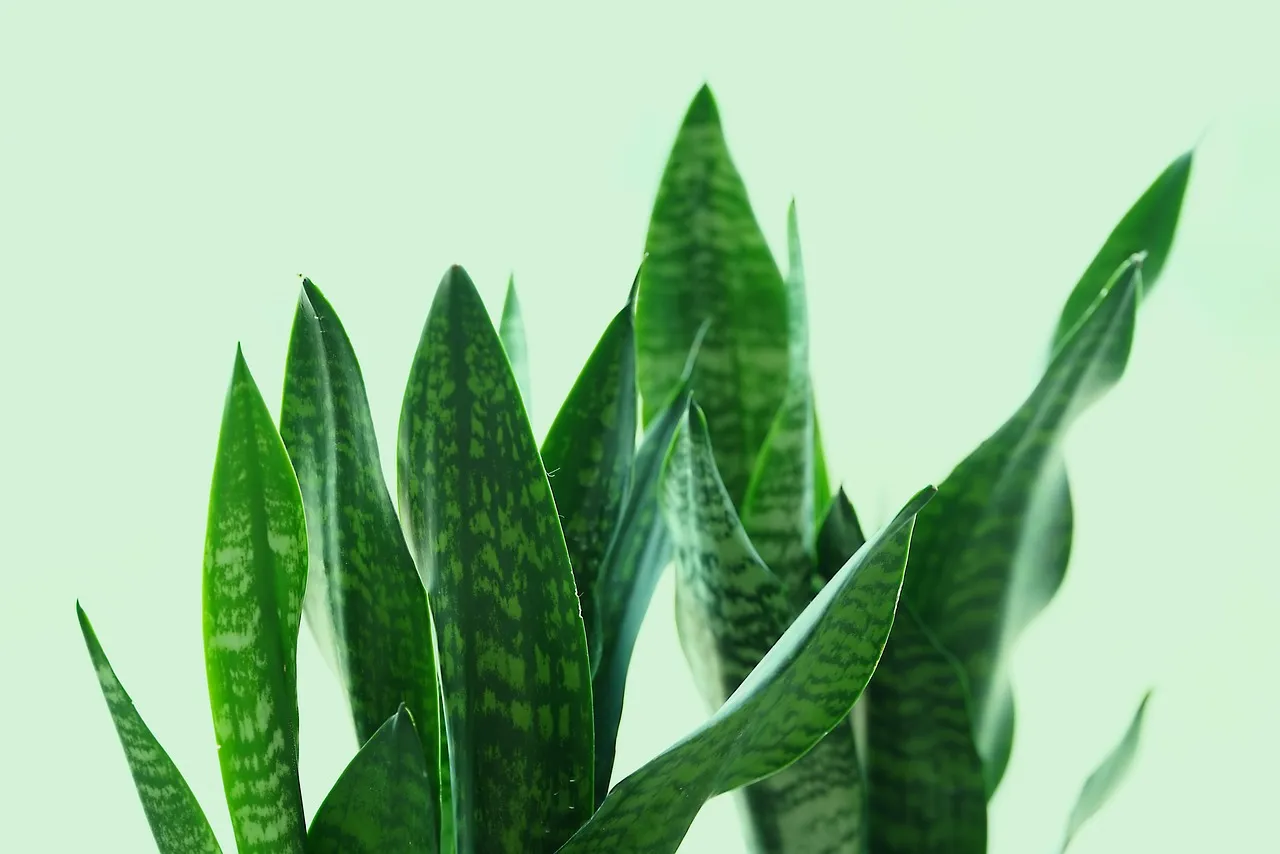
If you’re a fan of the snake plant, celebrated for its upright, sturdy leaves and low-maintenance care, your personality tends toward reliability and groundedness. The tough nature of the snake plant mirrors a steady and practical approach to life. Its ability to thrive in almost any condition reflects an adaptable and steady nature.
If consistency, reliability, and steadfastness are your strengths, you align well with the snake plant. Known for surviving droughts and thriving on rare care while constantly giving back, it mirrors those who silently care for others while expecting little in return. If friends count on you for support and practical advice, this resilient plant reflects your dependable nature.
The Fiddle Leaf Fig Fan: The Perfectionist Trendsetter
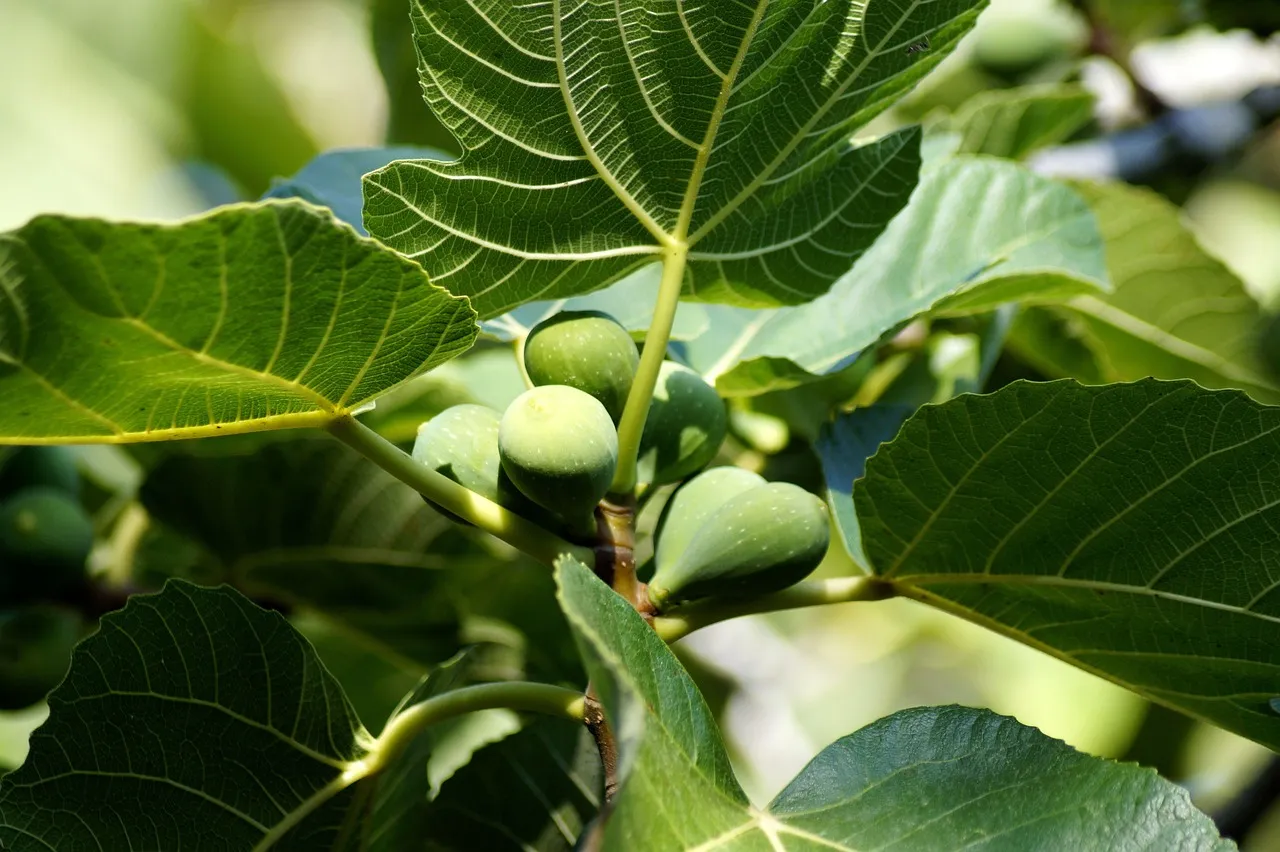
Fiddle Leaf Fig owners are likely trendy perfectionists, always in step with the latest styles and trends, with a keen eye for detail and no fear of a challenge.
People who scored higher in neuroticism were most likely to be associated with the fiddle leaf fig. Despite its popularity, the fiddle leaf is notorious as one of the most difficult plants to keep alive, requiring the perfect balance of both water and sun exposure. Potentially fitting for those with more neurotic tendencies, owners also need to clean individual leaves, use the right kind of water, and avoid drafts.
If your favorite plant is the fiddle leaf fig, you likely appreciate elegance and style. Known for its large, glossy leaves, it requires attention but rewards with bold beauty. There’s a particular type who finds that trade-off deeply satisfying.
The Pothos Person: Easygoing and Adaptable
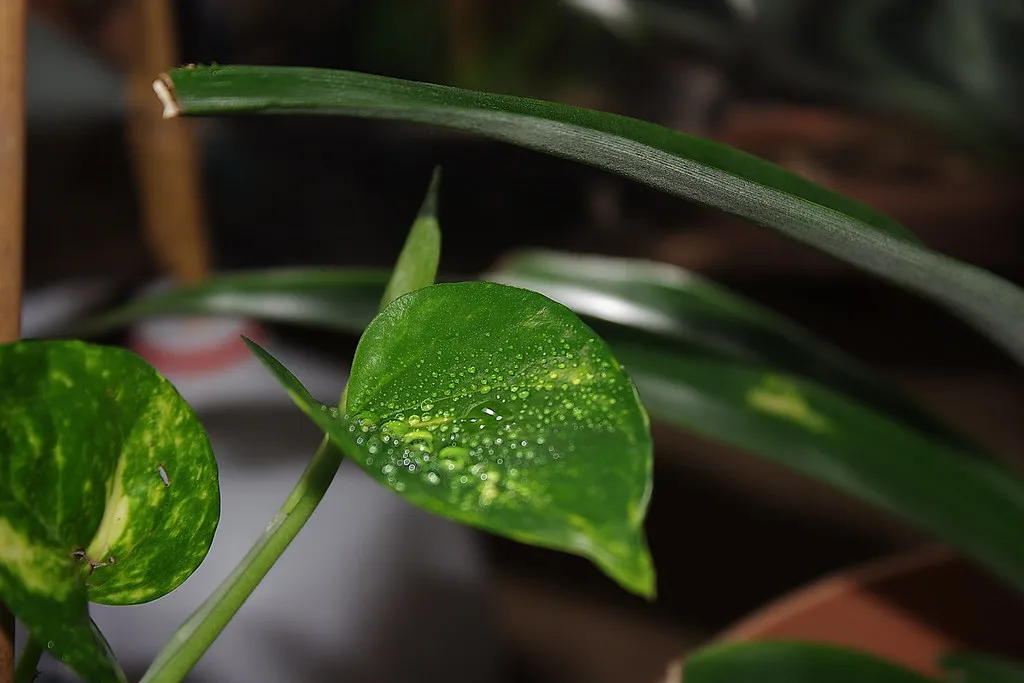
If you are the proud owner of a Pothos, you likely embody the traits of an easygoing optimist. These are people who tend to take life without making it harder than it needs to be.
Pothos is flexible and forgiving, a perfect fit for spontaneous and adaptable personalities. The plant asks little and gives back generously – a fair summary of how its owners often operate in relationships, too.
The Golden Pothos can take a beating and keep on thriving through long nights and lonely days, making it a great choice for the person on the go, a busy student, or someone new to houseplants. That resilience appeals to people who prefer function alongside beauty.
The Orchid Enthusiast: Sophisticated and Detail-Oriented
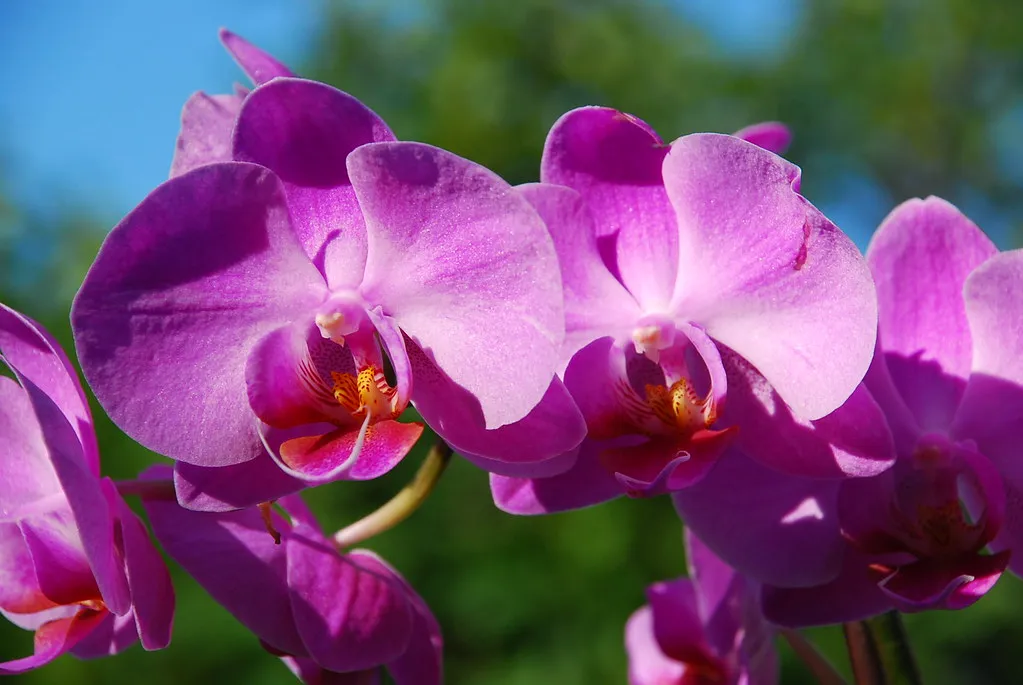
Owners of orchids are the sophisticated optimists of the plant world. They possess a certain elegance, with a keen eye for beauty and a natural gravitation towards the finer things in life.
Known for their exotic blooms and delicate appearance, orchids thrive under attentive care, mirroring people who flourish with close, patient nurturing and environments that value subtlety and sophistication. If you’re often described as “elegant” or “poised,” the orchid speaks volumes about your refined personality.
People who love orchids are often perfectionists with a keen eye for detail. They have a refined taste and enjoy surrounding themselves with things that are aesthetically pleasing. Their personality is sophisticated and calm, and they value quality over quantity.
The Cactus Collector: Independent and Introverted

If you find your home adorned with a variety of cacti, you’re likely an independent soul. Self-reliance and resilience are your key traits, much like the cacti themselves, thriving in tough conditions with minimal care.
Self-reliance and resilience define the cactus owner. You value your personal space and can flourish in solitude, not unlike the cactus that stands tall in the barren desert. There’s a quiet confidence in choosing a plant that asks almost nothing of you.
Gifting or keeping a cactus signals that you value resilience and admire strength. The pattern shows up in how cactus people approach setbacks too: they don’t need much external support to recover.
The Aloe Vera Owner: Practical and Empathetic
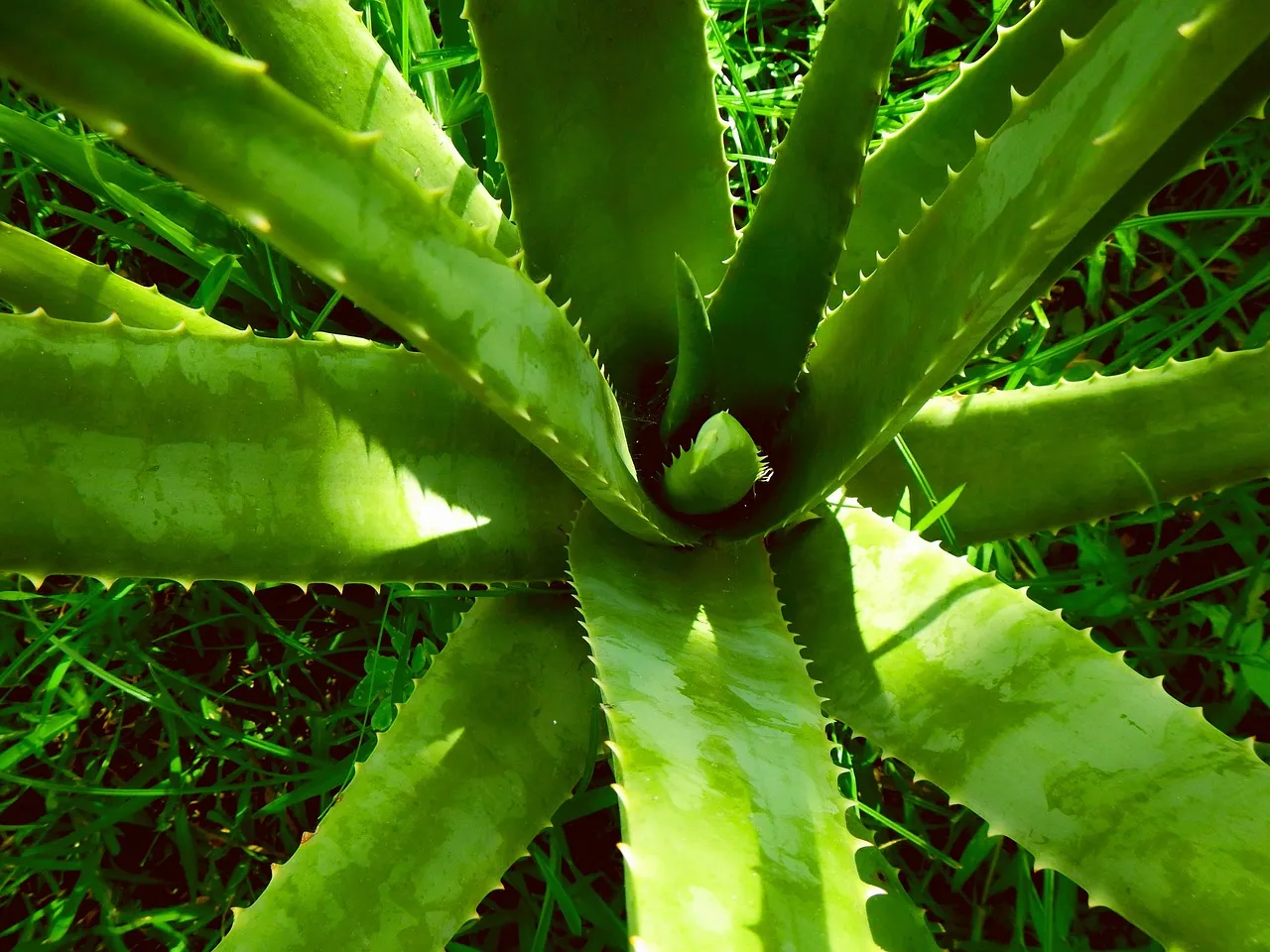
If you have an Aloe Vera plant in your home, chances are you embody the traits of a Practical Healer. You’re a resourceful individual, always seeking natural remedies for common ailments and taking a functional approach to your living space. The Aloe Vera plant’s healing properties perfectly align with an empathetic nature.
Key traits of aloe vera owners include being compassionate, healing, generous, and empathetic. Aloe Vera is not just beautiful but also healing, soothing burns and skin irritations, just as caregivers soothe the emotional wounds of others.
The Peace Lily Parent: A Natural Harmonizer
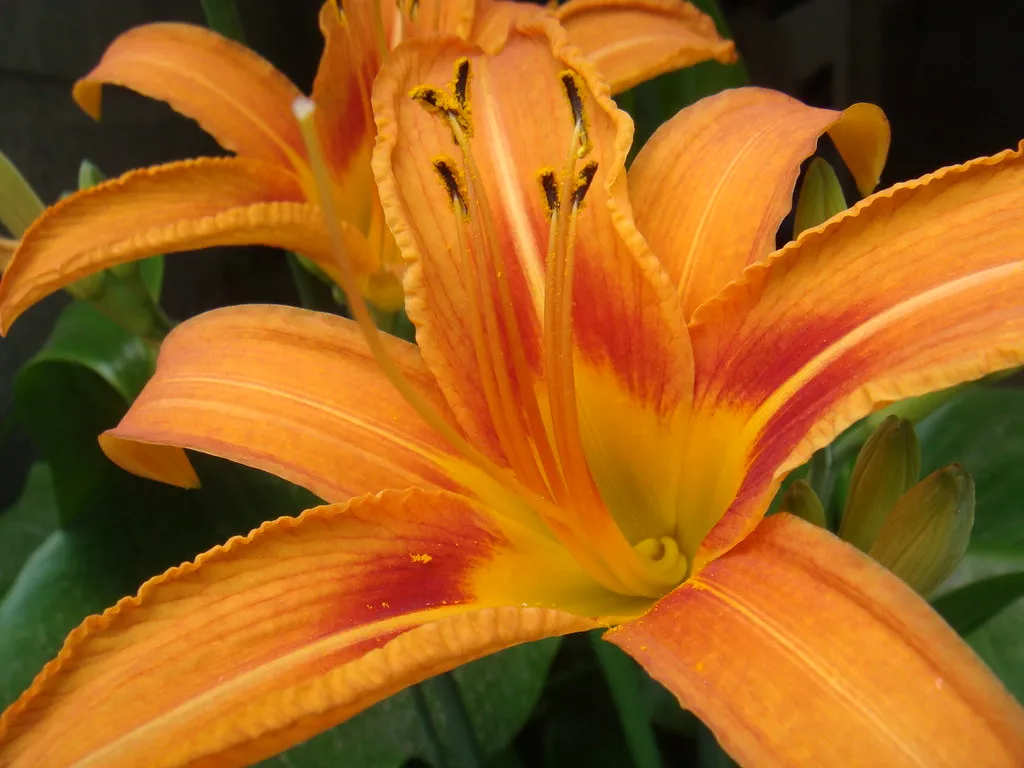
If your houseplant of choice is a Peace Lily, chances are you’re a harmonious peacemaker. Characterized by a calm demeanor and a caring nature, you seek balance and tranquility in your life. Known for their stunning white blooms, these plants symbolize peace and tranquility, mirroring your aspirations for a serene environment.
The Peace Lily carries its own clear message: you value harmony and want to bring calm to someone’s life. Peace Lily owners often show up as the mediators in their social circles, the ones who smooth things over before anyone else even notices tension.
What Plant Ownership Reveals About Us All
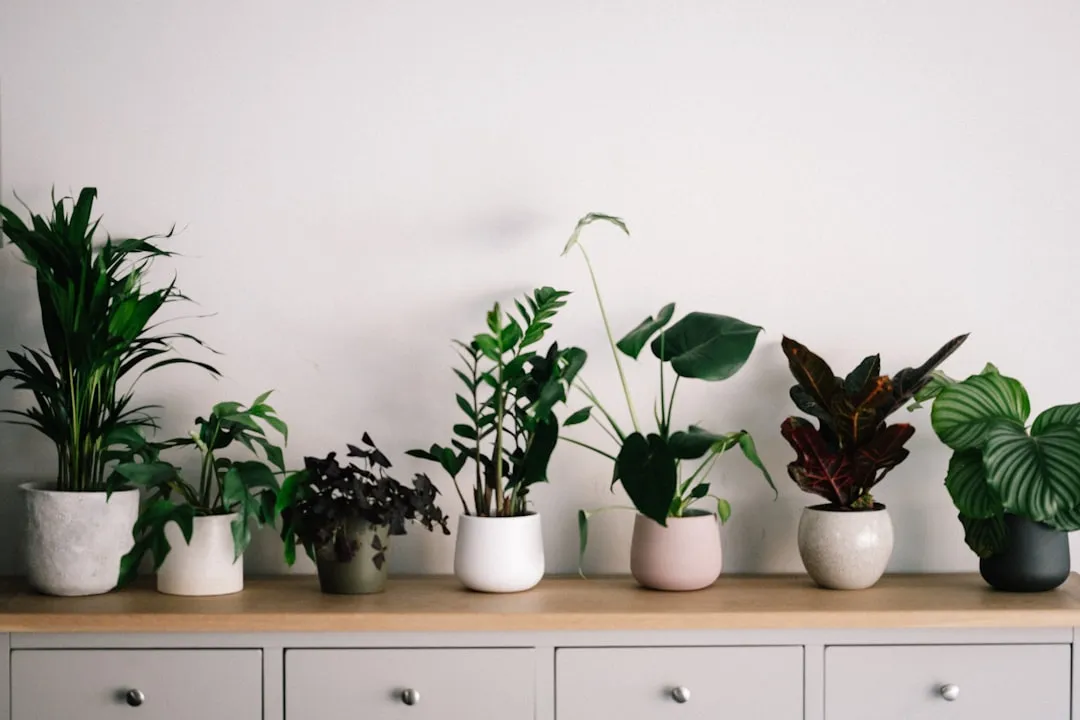
Researchers found that avid plant parents tend to score much higher on the Big Five trait of openness to experience – the curiosity-and-creativity factor – than people who don’t keep greenery. That trait alone spans a wide range of plant preferences, which is part of why the connection between plant choice and personality feels so consistent.
A published study found that participants who self-classified as houseplant carers reported higher levels of mental well-being compared to non-carers. Specifically, hours spent caring for houseplants, the number of plants owned, and the years of keeping houseplants were all positively associated with greater levels of mental well-being and the trait of mindfulness.
The practice of maintaining indoor plants is analyzed in psychological research as a form of micro-stewardship, a manageable and symbolic act of ecological care that can shape an individual’s broader environmental ethic. In other words, your plant isn’t just alive on your shelf. It’s a quiet, ongoing expression of who you are – and who you’re choosing to be.
The most honest thing about plant choices is that we rarely overthink them. We pick what resonates, and something in us already knows why. That instinct is worth trusting.
AI Disclaimer: This article was created with the assistance of AI tools and reviewed by a human editor.