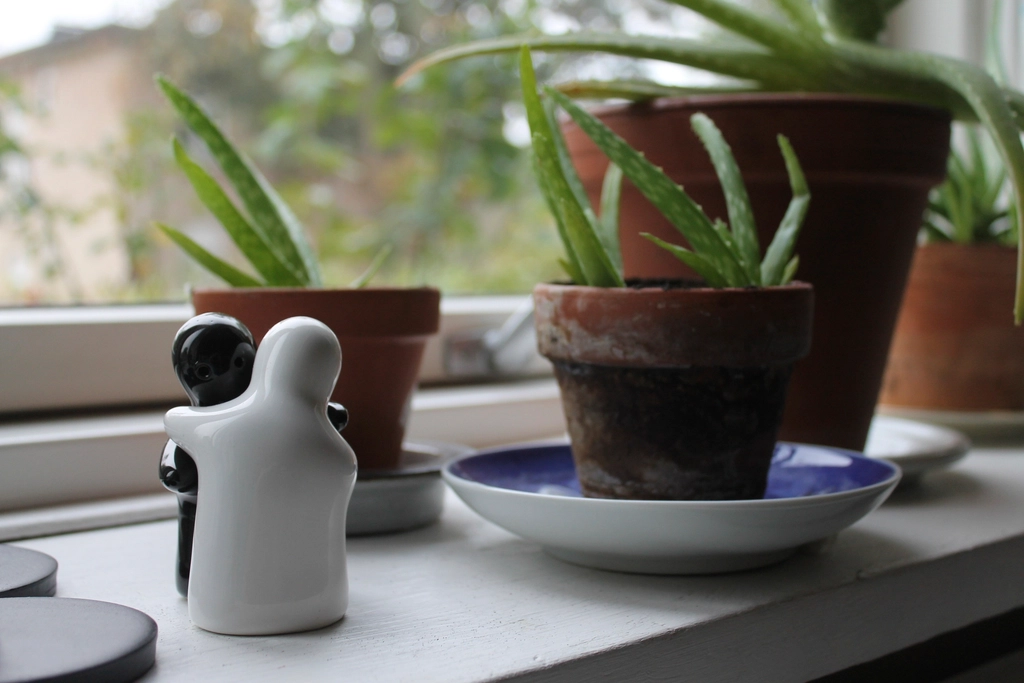

There’s a particular kind of pride that comes from keeping a plant alive when you swore you had no talent for it. Maybe it’s the snake plant in the corner that’s survived three moves and two years of forgotten watering days, or the pothos vine that somehow keeps sending out new leaves no matter how little attention it gets. People don’t just pick houseplants at random. The ones we gravitate toward, and the ones we manage to keep breathing, often say something quieter and more personal than we realize.
Psychologists have started paying closer attention to this connection between plant care and human coping, and the findings are more grounded than the wellness-industry buzz around “plant parenting” might suggest. What follows is a walk through ten of the toughest houseplants around, and what each one might be mirroring back about the way you handle stress, setbacks, and the slow work of holding yourself together.
The Snake Plant: Steady Endurance Without Drama
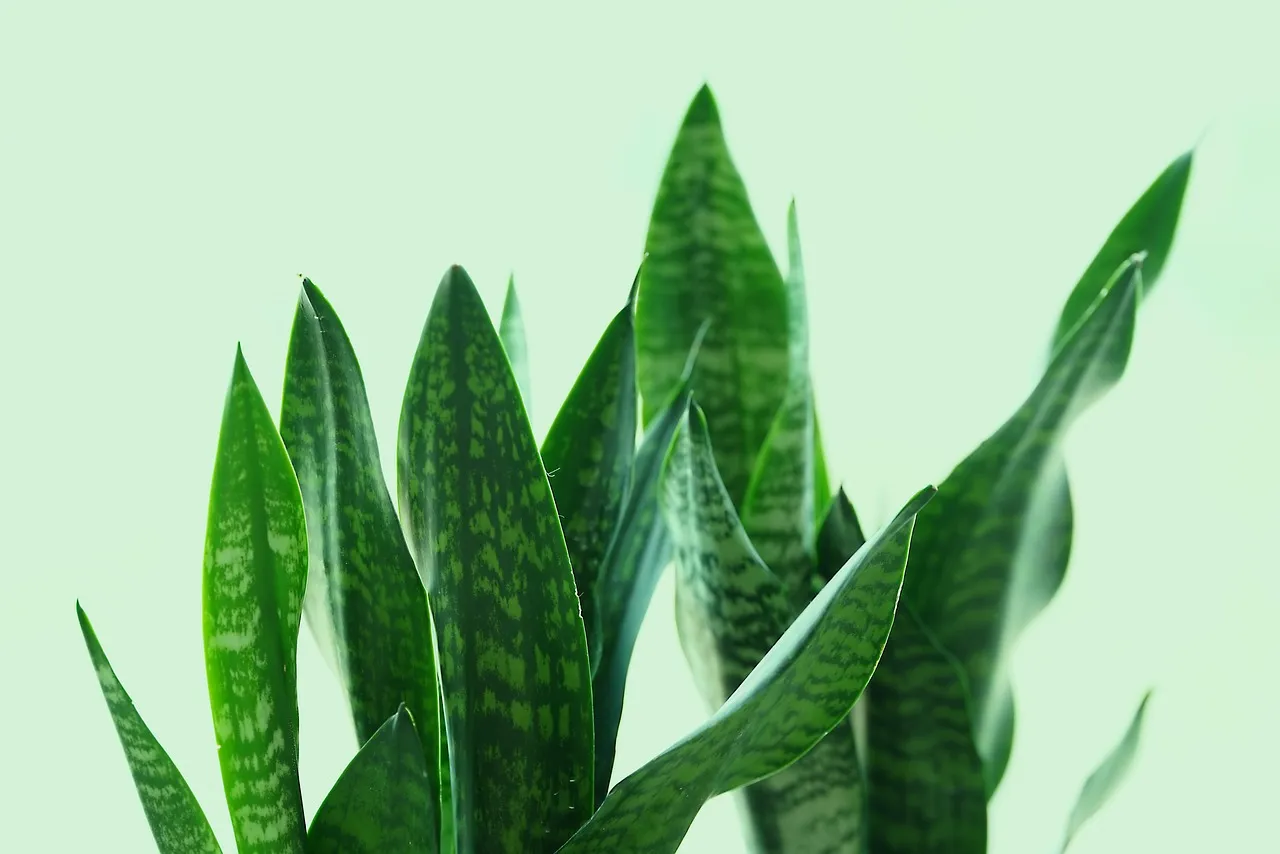
People who gravitate toward snake plants tend to value quiet, unglamorous consistency over dramatic effort. Snake plant tops many lists of favorite low-maintenance houseplants because it’s so adaptable, growing in bright, medium, or low light, and tolerating watering schedules ranging from regular to several weeks apart.
Snake plants have long, upright leaves that can grow up to three feet tall and live up to fifteen years, which is a long time to share a windowsill with something. The catch is that its resilience has limits: root rot from too much water is the most common issue with a snake plant, so the soil needs to dry completely between waterings. If that sounds like you, someone who copes best by pulling back and giving things space rather than overcorrecting, the metaphor writes itself.
The ZZ Plant: Resilience Built on Reserves
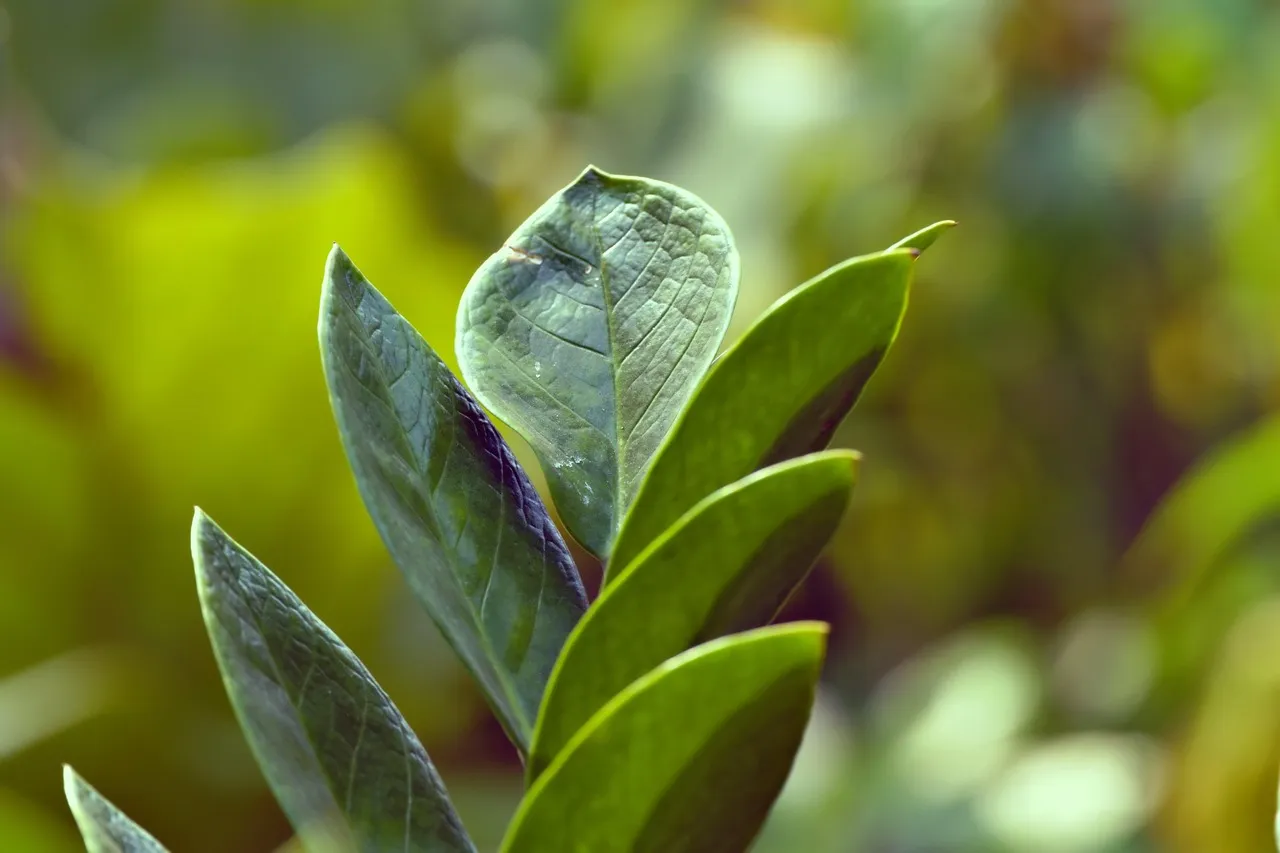
ZZ plant owners often turn out to be people who plan ahead, quietly storing up energy for the hard stretches instead of scrambling when trouble hits. ZZ plants grow from a rhizome, similar to ginger, that stores water for periods of drought, and a mature plant can grow to be five feet tall despite being slow growing.
It needs the least water of the common hardy houseplants, often going four to six weeks between drinks. Its backstory adds weight to the metaphor: ZZ plants are considered living fossils, an aroid species that evolved roughly 42 million years ago, a lineage alive since the reign of the dinosaurs. That’s not a plant that rushes. It’s one that survives by conserving what it has and trusting the process, which is arguably one of the more mature forms of resilience there is.
Pothos: Bouncing Back Rather Than Never Bending
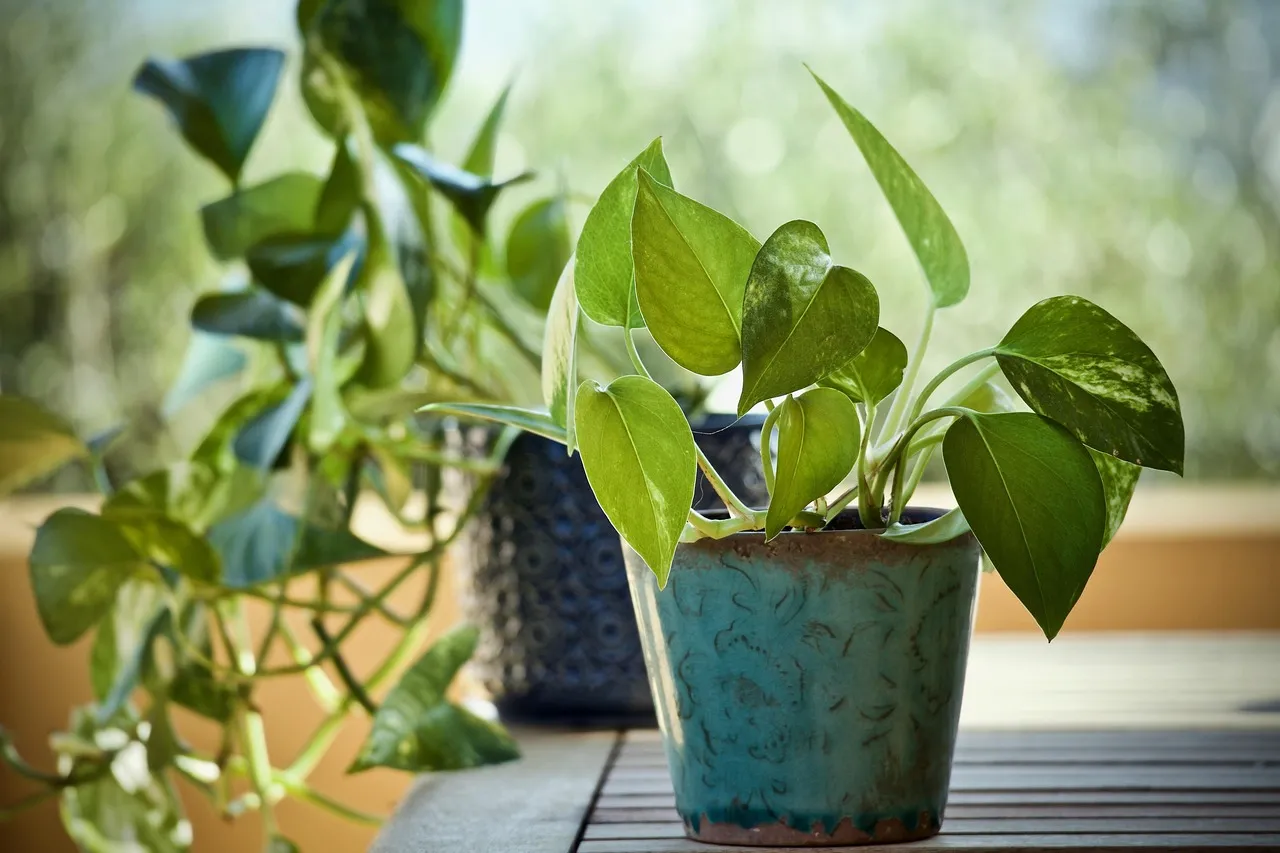
If your plant of choice is pothos, your resilience probably looks less like never struggling and more like recovering fast once you do. Its popularity has spanned decades due to its ability to withstand uneven care and less-than-ideal environments that a semi-attentive owner throws at it, even though it does appreciate consistent water and bright, indirect light.
The plant tells you when something’s wrong instead of dying quietly. In the rare cases where pothos does show signs of neglect, it bounces right back with just a little attention. That responsiveness, struggle followed by quick recovery, is a very human kind of resilience, the sort that doesn’t pretend hardship never happened but doesn’t dwell in it either.
The Spider Plant: Resilience That Multiplies Through Sharing
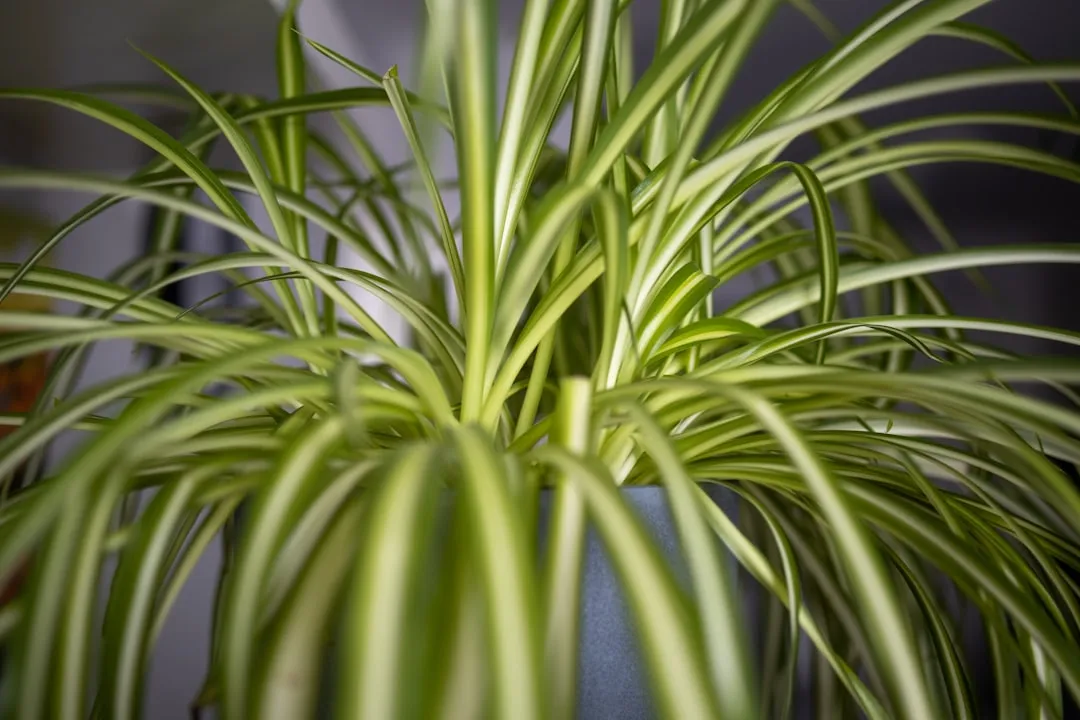
Spider plant fans often build resilience socially, by leaning on and giving back to their communities rather than toughing things out alone. Its thick roots store water, so if you go on vacation or get too busy to water it, it’ll survive, making it forgiving in the way a good friend is forgiving. But the more telling detail is what it does next.
Spider plants produce baby plants on long shoots that arch out from the parent, and these little plants can be potted up and shared, turning one resilient plant into dozens passed between friends, coworkers, and neighbors. There’s something worth noticing in the fact that this particular survivor’s superpower is generosity rather than isolation.
The Cast Iron Plant: Resilience as Sheer Stubborn Toughness
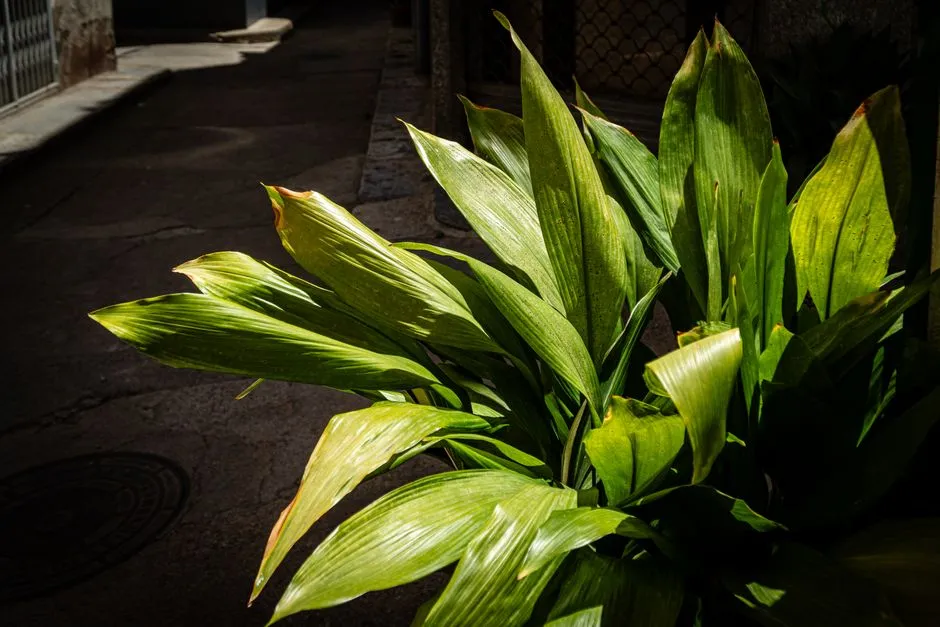
Nobody names a plant “cast iron” by accident, and the people who choose it tend to have a similarly unbothered relationship with adversity. The name says something about this plant, which laughs off very low light, irregular watering, dry air, near-freezing temperatures, dust, and worse. It isn’t flashy about its endurance; it just keeps existing, leaf after leathery leaf, regardless of what’s thrown at it. If you’re the type who doesn’t need to talk about how hard something was, you just get through it and move on, this one probably feels like home.
Chinese Evergreen: Resilience That Still Finds Room for Color
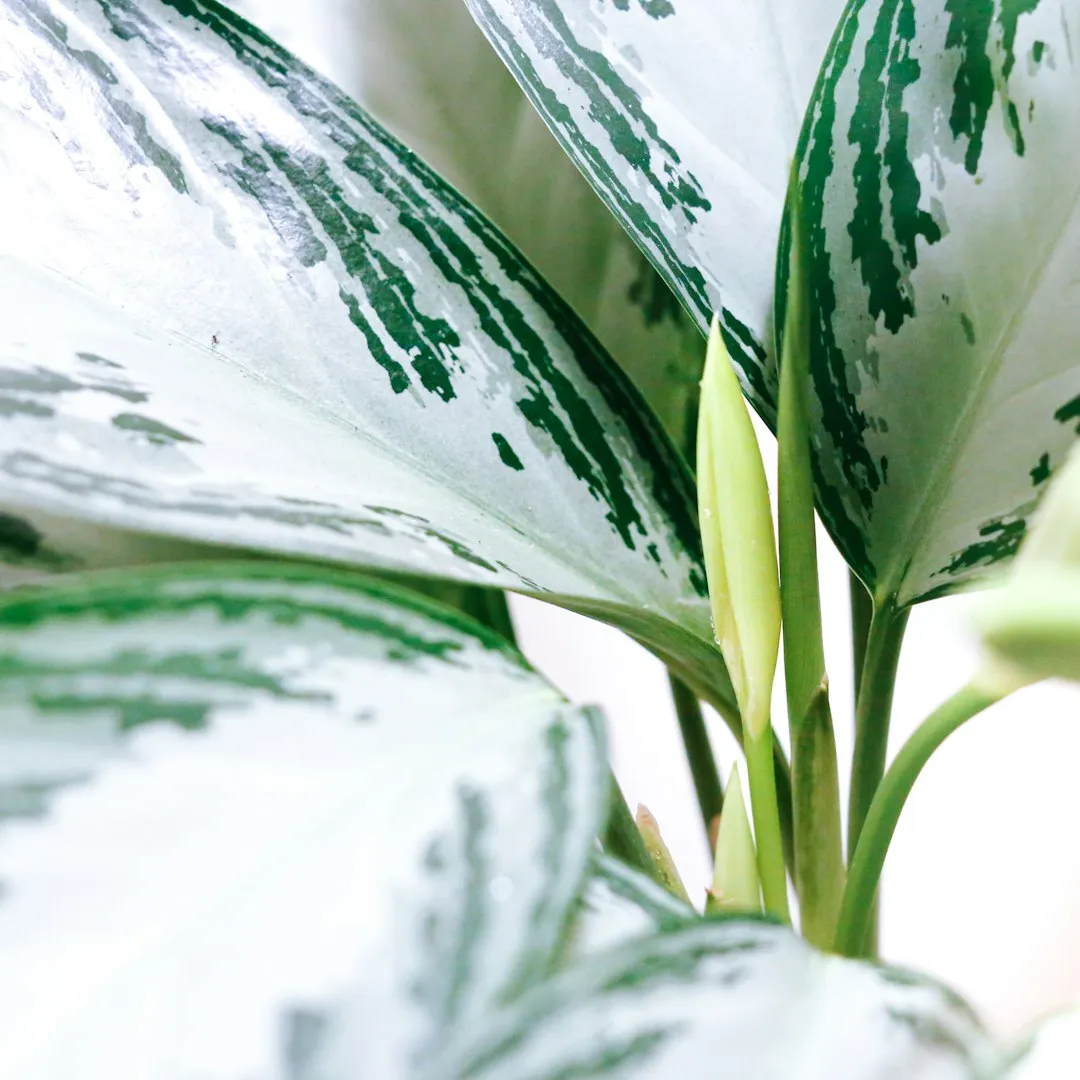
Chinese evergreen owners often manage to stay tough without going gray about it, so to speak. It’s a plain-Jane foliage plant on the surface, but it gives bright color through its striped silvery-white and green variegated leaves, and it will take low light and much neglect. It’s a tried-and-true houseplant that’s been popular for decades, which suggests its appeal isn’t a passing trend but something people keep coming back to.
That combination, durability plus a refusal to be dull, describes a specific kind of resilient person: someone who gets through hard seasons without losing their sense of self along the way.
Philodendron: Quiet, Steady Growth Through Low-Light Seasons
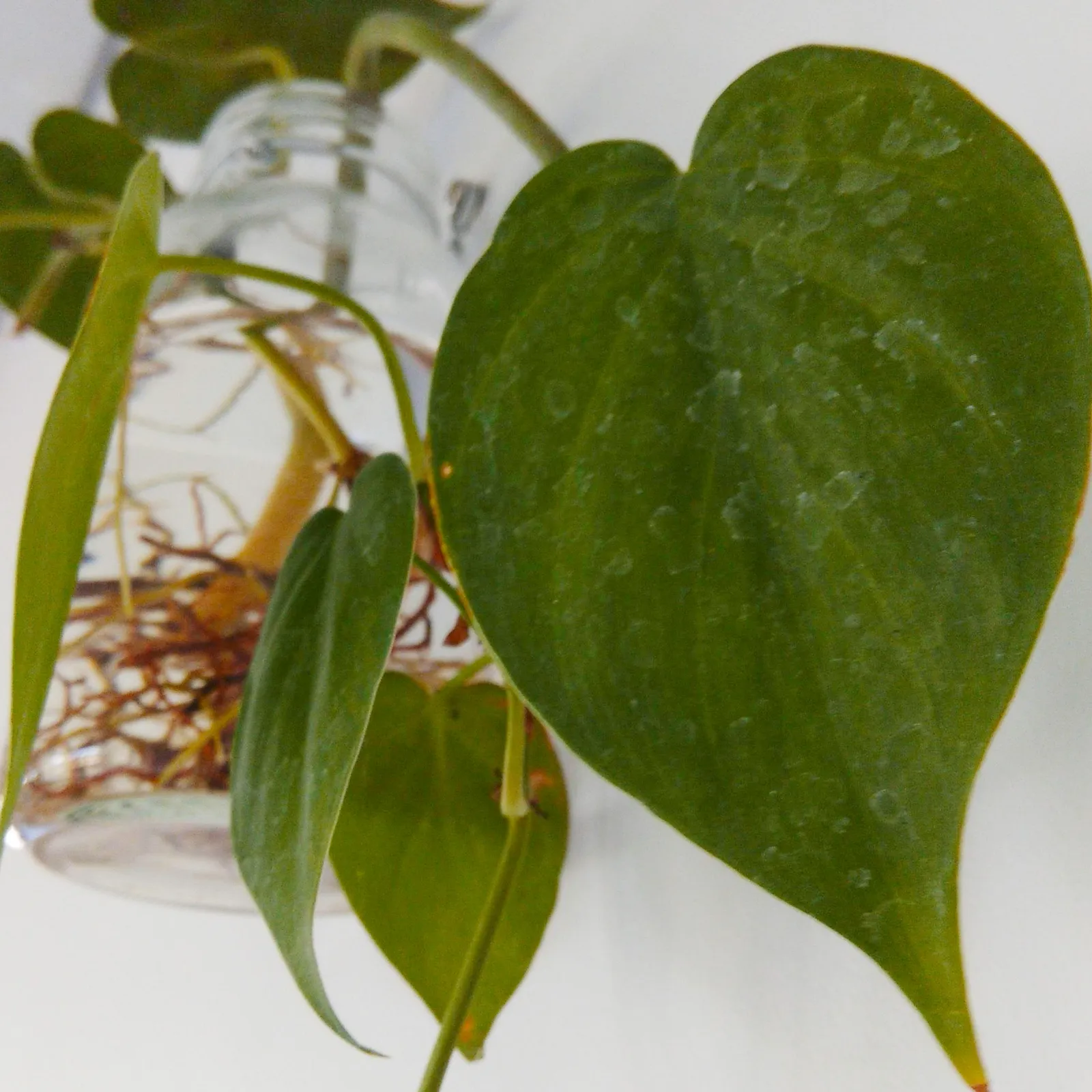
Philodendron people tend to be the ones who keep growing during periods everyone else assumes are dormant. Heart-leaf philodendron is a close relative of pothos, and the two easy-care plants share similar needs, both being gorgeous, air-purifying houseplants. It grows in low, medium, or bright light and likes for the top inch or two of the potting mix to dry out between waterings, meaning it doesn’t demand ideal conditions to keep progressing.
That’s a fairly accurate description of resilience in real life too. Growth doesn’t stop just because the light isn’t perfect; it just slows down and waits.
Peace Lily: Resilience That Isn’t Afraid to Show the Struggle
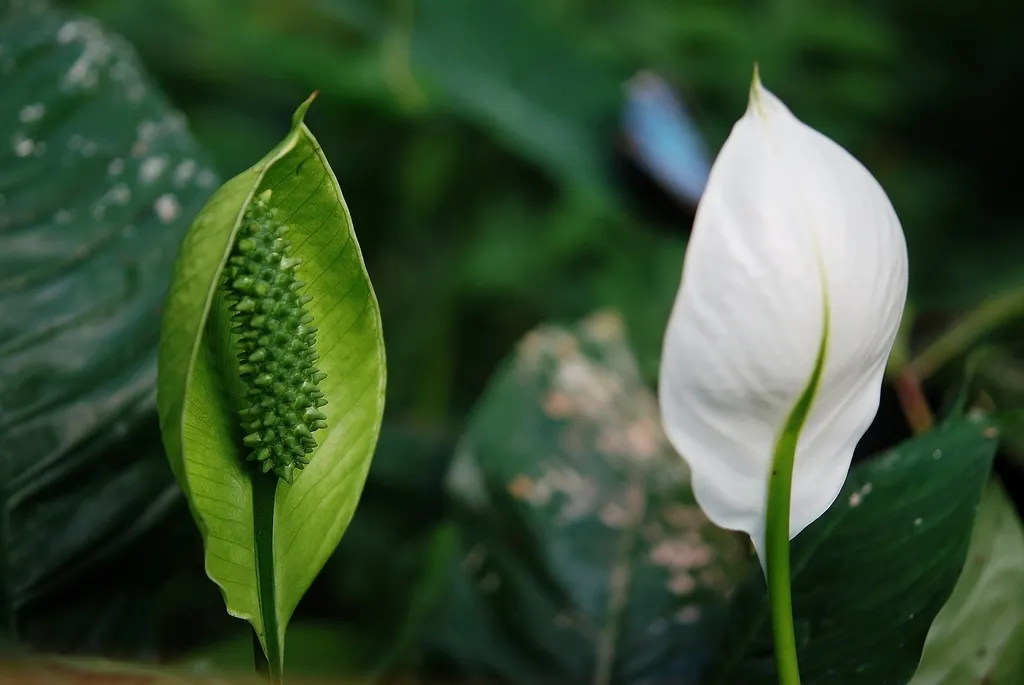
Peace lily owners are often comfortable with visible vulnerability, the kind of resilience that doesn’t hide when things get hard. Peace lilies require more water and light than ZZ plants or snake plants, but they’re known for their air-purifying ability and produce large, glossy leaves along with white, lily-like flowers.
Its signature trait is dramatic wilting the moment it’s thirsty, followed by a full, near-instant recovery once watered. People drawn to this plant tend to process stress the same way: they show it plainly, deal with it, and come back upright without pretending the dip never happened.
Succulents: When Perceived Toughness Meets Reality
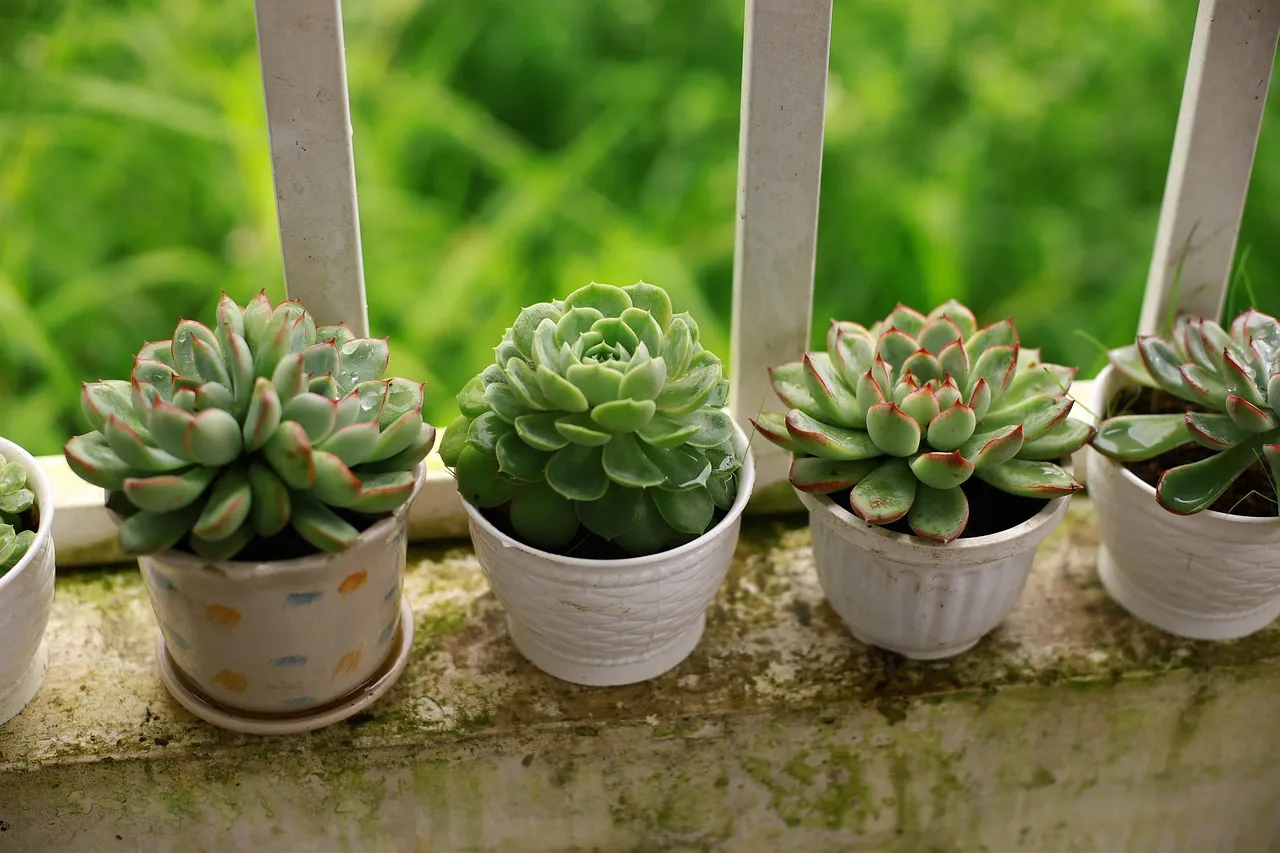
Succulent owners sometimes learn a harder lesson about resilience, that looking tough and being suited to your environment are two different things. For years, succulents were considered the ideal choice for first-time gardeners, irresistible in their round, plump shape and willingness to survive dry conditions.
Yet even with their low-maintenance reputation, many owners have found them unexpectedly challenging, since they need direct, intense sunlight that most interior spaces simply don’t get, performing best under desert-like conditions that are hard to replicate indoors. That’s a useful, humbling reminder. Real resilience isn’t about looking hardy on a shelf; it’s about actually matching your effort to the conditions you’re in, not the conditions you wish you had.
What the Research Actually Says About Plants and Personal Resilience
Beyond the metaphors, there’s real data behind the idea that tending a hard-to-kill plant can build something in us too. A 2025 study published in the International Journal of Environmental Research and Public Health had participants care for a Zamioculcas zamiifolia, the ZZ plant, for one month and found tending to indoor plants was significantly effective in reducing depressive symptoms, perceived stress, negative affect, and rumination, as well as enhancing resilience compared to a control group.
The qualitative side of that same study found that participants described the plant as something that grows and thrives alongside its owner, with indoor plants acting as a symbolic representation of resilience and renewal. It’s worth being clear-eyed here too: the popular claim that houseplants meaningfully purify home air stretches the original research further than it goes, since the NASA Clean Air Study was conducted in 1989 to research air purification in sealed environments like space stations, and its results don’t translate directly to typical buildings. The honest takeaway isn’t that plants fix our air or our psychology on their own. It’s that the small, repeated act of caring for something that depends on us, and watching it survive despite our imperfect attention, seems to reinforce the same muscles we use to survive our own harder weeks.
There’s no strict science linking a specific houseplant to a specific personality type, and it would be overselling the evidence to claim otherwise. What does hold up, across multiple studies and a lot of ordinary experience, is that caring for something resilient tends to remind us we can be resilient too. Maybe that’s the real reason these tough, unglamorous plants keep finding their way onto our windowsills, not because they’re trendy, but because keeping them alive quietly proves we’re managing to do the same.AI Disclaimer: This article was created with the assistance of AI tools and reviewed by a human editor.