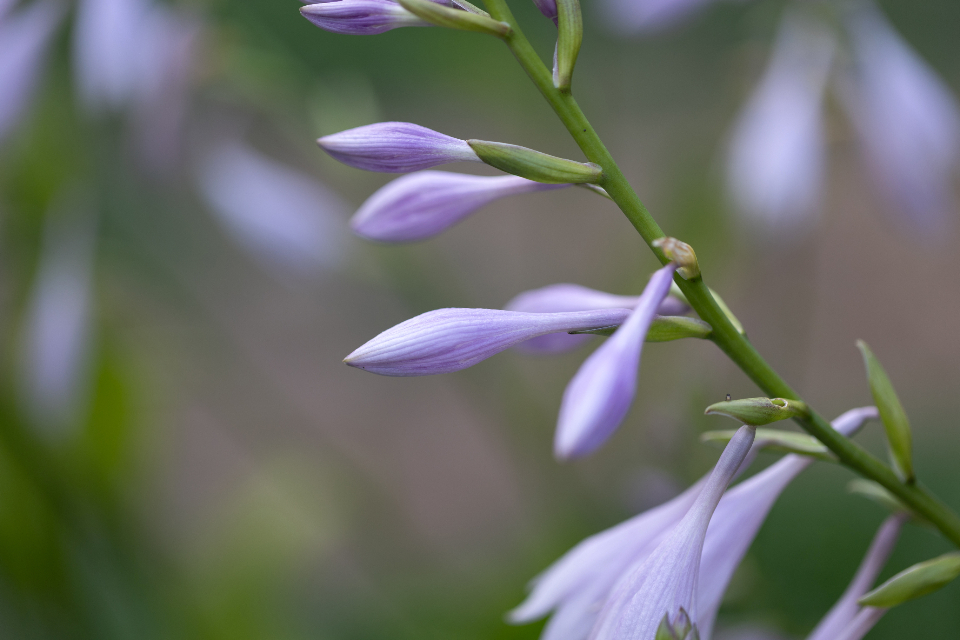

Walk through almost any garden in full bloom and you’ll notice something: not everyone stops at the same spot. One person buries their nose in a lavender bush. Someone else kneels to press their cheek close to a rose. Another just stands near a pile of turned earth with their eyes closed, perfectly content. These aren’t random preferences. Research has quietly been building a case that the smells we’re drawn to in a garden reveal something genuine about who we are, how our brains are wired, and what we’re unconsciously reaching for in a given moment.
Our sense of smell is directly linked to the limbic system, the part of the brain responsible for emotions, memories, and survival instincts. That’s why garden scents feel so loaded with meaning. Olfactory perception appears to be linked to personality traits, and research has demonstrated a significant association between personality traits and attitudes toward sense of smell. So that instinctive pull toward one particular scent over another is worth paying attention to.
Lavender: The Quiet Worrier Who Craves Order

People who list lavender as their all-time favorite garden scent tend to seek comfort above novelty. Inhaling lavender oil has consistently been linked to lowered anxiety levels, enhanced relaxation, and better sleep patterns, with clinical trials even documenting its efficacy in high-stress environments such as hospital ICUs, where patients report reduced agitation. Those who are most drawn to it often know, on some level, that they need it.
A 2025 brain imaging study found that smelling lavender for just 14 minutes changed how major brain networks worked, and those changes lasted for up to two hours afterward. This is a remarkable piece of evidence for why lavender lovers are often described as deliberate, careful people who rely on routine to feel safe. Scientific studies show that the smell of lavender really is relaxing and, as a plus, it makes people more trusting.
Rose: The Romantic With a Hidden Depth
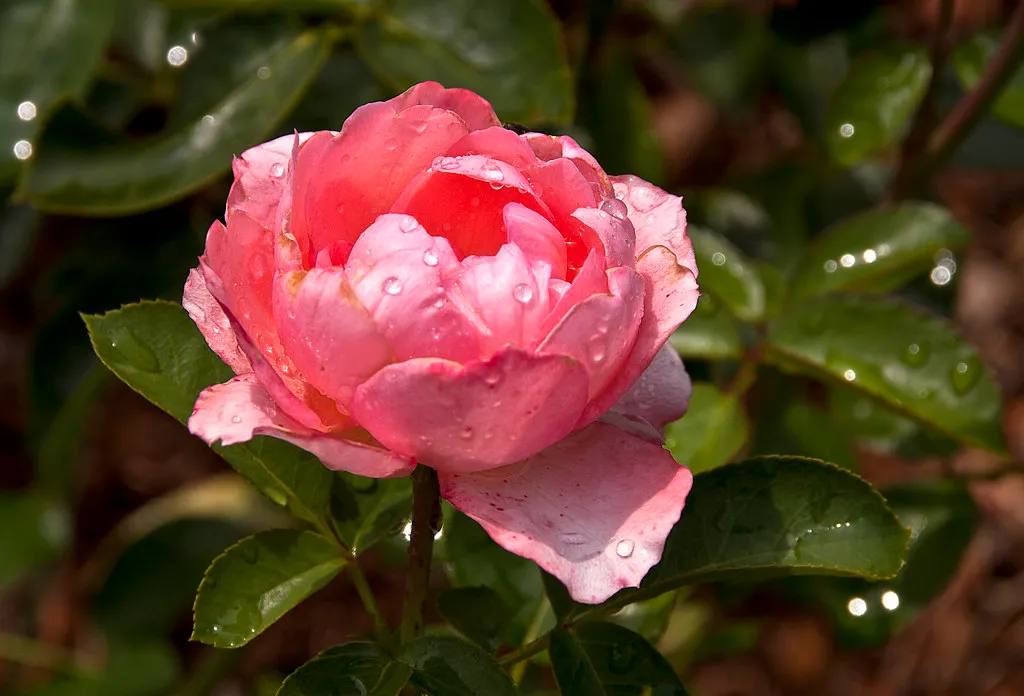
Rose is one of those garden scents that tends to split rooms. Some find it overwhelming; rose devotees find everything else a little lacking by comparison. Research has shown that the scent of roses can alleviate anxiety and reduce mental stress. People who are strongly attracted to rose tend to process emotions intensely and often have a rich inner life that others may not fully see.
In 2024, researchers had women wear rose-scented clothes for a month, and brain scans showed an increase in gray matter, the brain tissue involved in processing thoughts and emotions, especially in the area tied to self-reflection. That connection between rose scent and self-reflection fits neatly with the personality type often attached to it: someone thoughtful, emotionally intelligent, and quietly sensitive to beauty in everyday life.
Rosemary: The Focused Achiever Who Lives in Lists
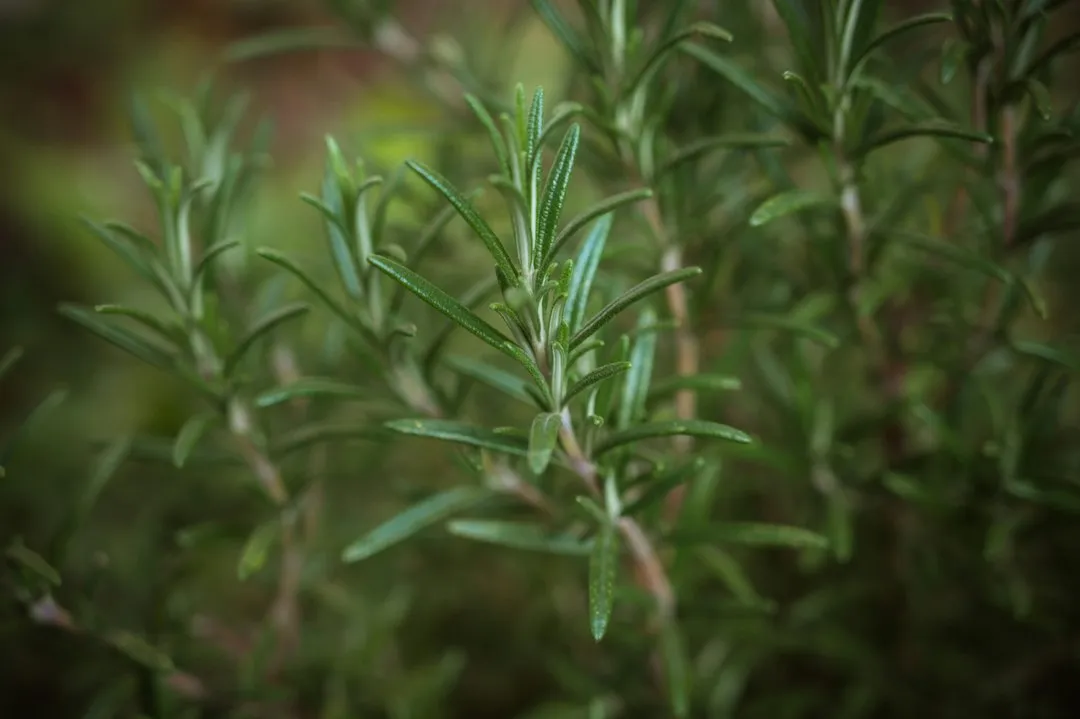
If fresh rosemary is your garden obsession, chances are you’re the kind of person who arrives at appointments five minutes early. Many studies have shown that the scent compounds of rosemary influence the neurotransmitters in the brain responsible for wakefulness and alertness. There’s a reason rosemary has been associated with memory and mental sharpness for centuries.
Rosemary proves valuable for cognitive enhancement, combating mental fog and improving concentration. People drawn to its sharp, herbal quality tend to thrive under pressure and often feel unsettled by ambiguity. The ratio of alpha to high beta, an indicator of brain stability and relaxation, significantly increased when rosemary oil was inhaled. High achievers, planners, and people who genuinely enjoy crossing things off a list very often name rosemary as their favorite garden smell.
Jasmine: The Social Optimist Who Needs Connection
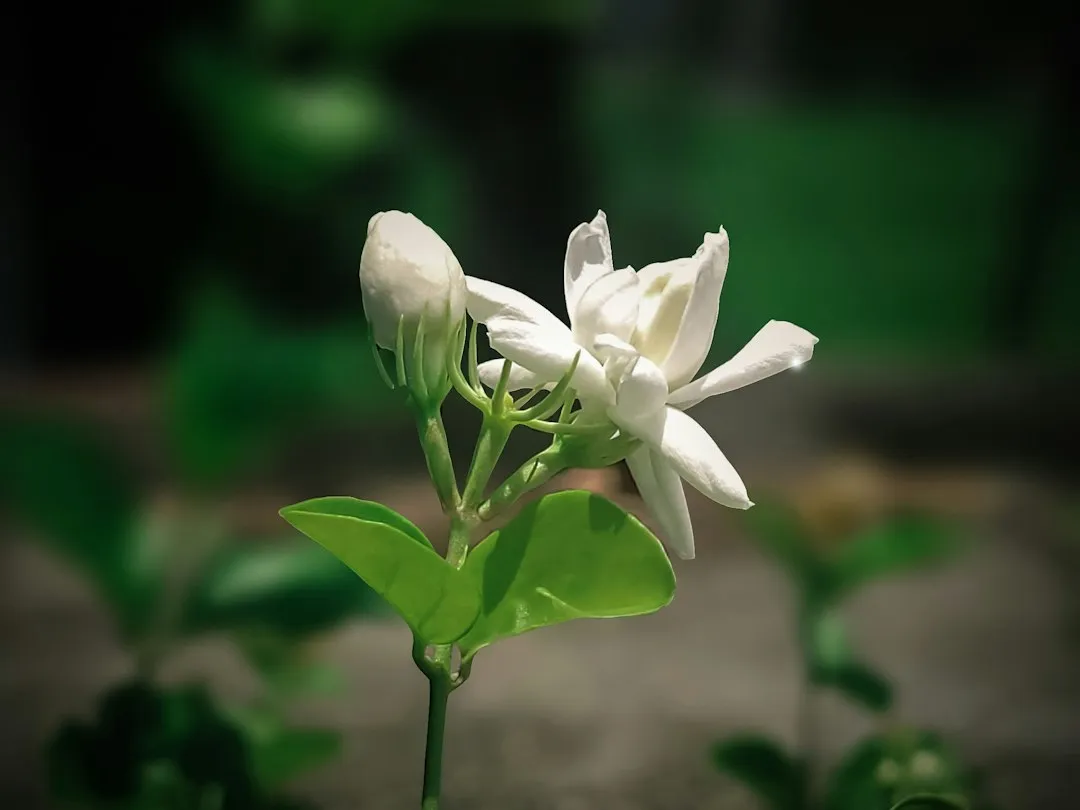
Jasmine is a scent that tends to open people up. Those who love it rarely want to be alone for long. Research on jasmine essential oil has documented that jasmine inhalation affects the autonomic nervous system, producing simultaneous improvements in mood, alertness, and emotional vigor. That energizing quality matches the personality type that jasmine lovers typically display: warm, sociable, and genuinely interested in the people around them.
If you associate a pleasant memory with a scent, smelling that odor will improve your mood. If a jasmine vine encircled your grandmother’s veranda and you had great times on that veranda with your relatives, smelling jasmine today will elevate your mood. Jasmine lovers are often deeply tied to place, memory, and the comfort of belonging somewhere specific. Exposure to the natural aroma of jasmine led to a significant decrease in brain waves associated with tension and stress.
Petrichor (Rain on Soil): The Introvert Who Thinks in Long Arcs

Petrichor is the name scientists gave to that specific, almost electric smell of rain falling on dry earth. It’s not a flower or herb, but it’s one of the most beloved garden scents in existence. People who name it as a favorite are almost always contemplative by nature, comfortable with solitude, and drawn to things that feel elemental and ancient.
Smells from nature can elicit personal and highly positive associations like home, childhood, and vacation season. The perception of smells from nature influences multiple wellbeing domains, including physical comfort, positive emotion, and cognitive restoration. Those drawn to rain on soil often share this same multi-layered relationship with their environments. These connections are related to the concept of olfactory heritage, insofar as they are tied to dimensions of place-based identity for groups and individuals.
Pine: The Pragmatist Who Wants to Clear Their Head

Pine lovers are, as a rule, refreshingly no-nonsense. They prefer a walk in the woods to a dinner party, and they tend to trust actions over words. The science behind their preference is surprisingly specific. The smell of pine can significantly reduce anxiety, and in experiments where respondents were exposed to the smell of pine, even after as little as 90 seconds, participants showed clear evidence of physiological relaxation and reduced anxiety.
Research explored the effect of pine scent on human physiological and psychological wellbeing, simulating the influence of pine aroma, common in garden settings, on various physiological and psychological indicators. People who gravitate to pine tend to be grounded and self-sufficient, the type who decompresses through movement rather than conversation. The scent of pine signals something simple to their nervous system: space, clarity, and room to breathe.
Mint: The Restless Optimist Who Gets Bored Easily
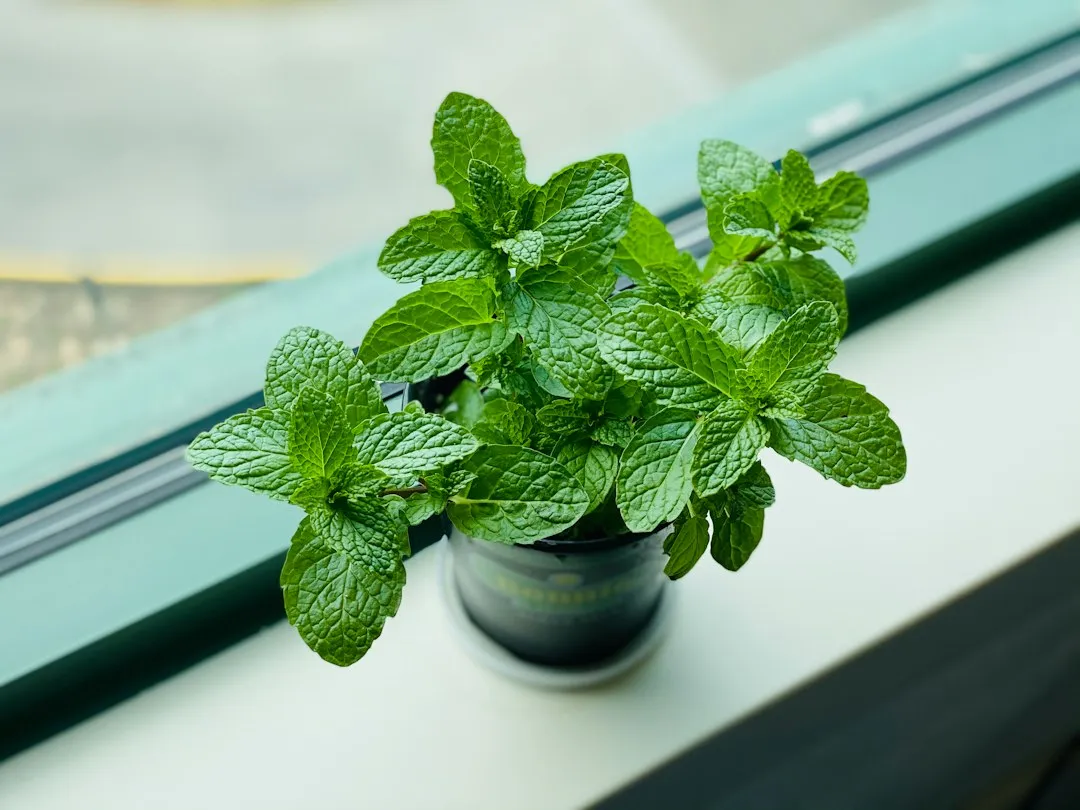
Mint is bold, immediate, and impossible to ignore, and so are many of the people who love it. Peppermint uplifts spirits and may ease mild depressive or anxious symptoms in targeted scenarios. That energizing, almost bracing quality appeals to people who hate feeling stuck. Mint lovers often make decisions quickly, pivot without much drama, and are almost always the ones suggesting something new.
Research on complex and natural smells showed that lavender and mint were among the preferred plants, and their smells elicited highly positive responses, with smells from nature potentially targeting specific human states or cognitive functions. Mint’s stimulating profile suits personalities that are sharp, curious, and easily understimulated by routine. These are people who keep their schedules full, not because they’re anxious, but because they genuinely enjoy the pace.
Gardenia: The Perfectionist With a Flair for Atmosphere
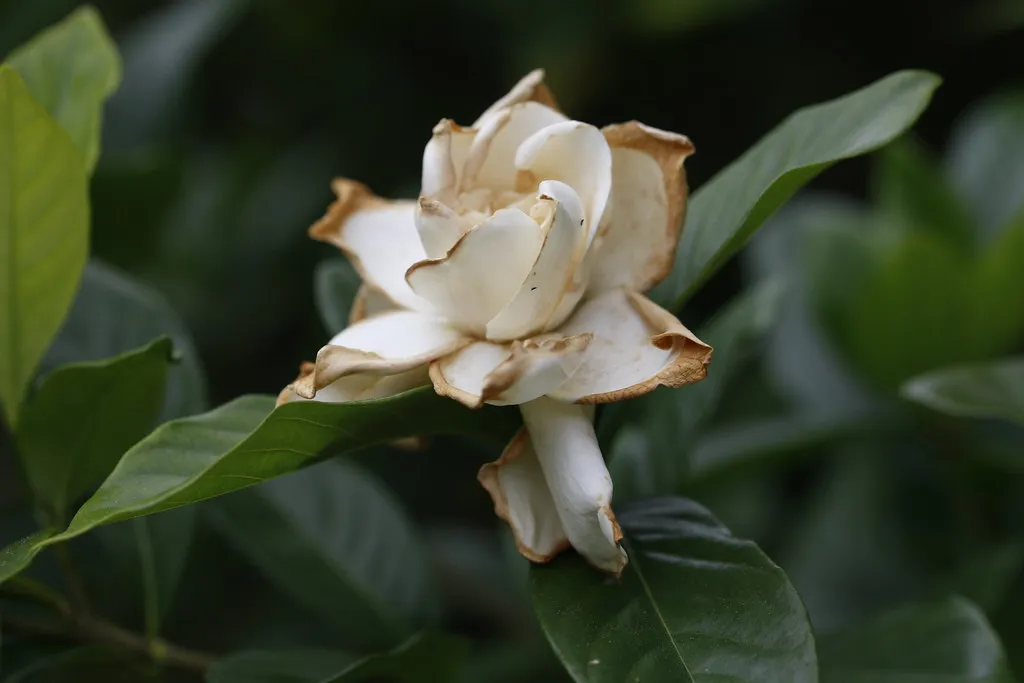
Gardenia has a lush, complex sweetness that either captivates or overwhelms. Those who love it tend to have an unusually strong aesthetic sensibility and a deep appreciation for the craft behind beautiful things. Research involving the scent of Gardenia jasminoides Ellis resulted in a significant decrease in negative emotion scores among participants.
Aromatic plants rich in terpenoids, like gardenia, can modulate blood pressure, induce physical and mental relaxation, alleviate fatigue, and mitigate negative emotions. Gardenia lovers tend to pay close attention to their environments. They notice when a room is poorly lit or when a table is set without care. The experience with smells from aromatic plants in the garden can facilitate stress reduction, increase pleasant feelings, and support mental recovery. For the gardenia devotee, beauty isn’t a luxury; it’s a basic need.
Herbs (Basil, Lemon Balm, Thyme): The Practical Nurturer
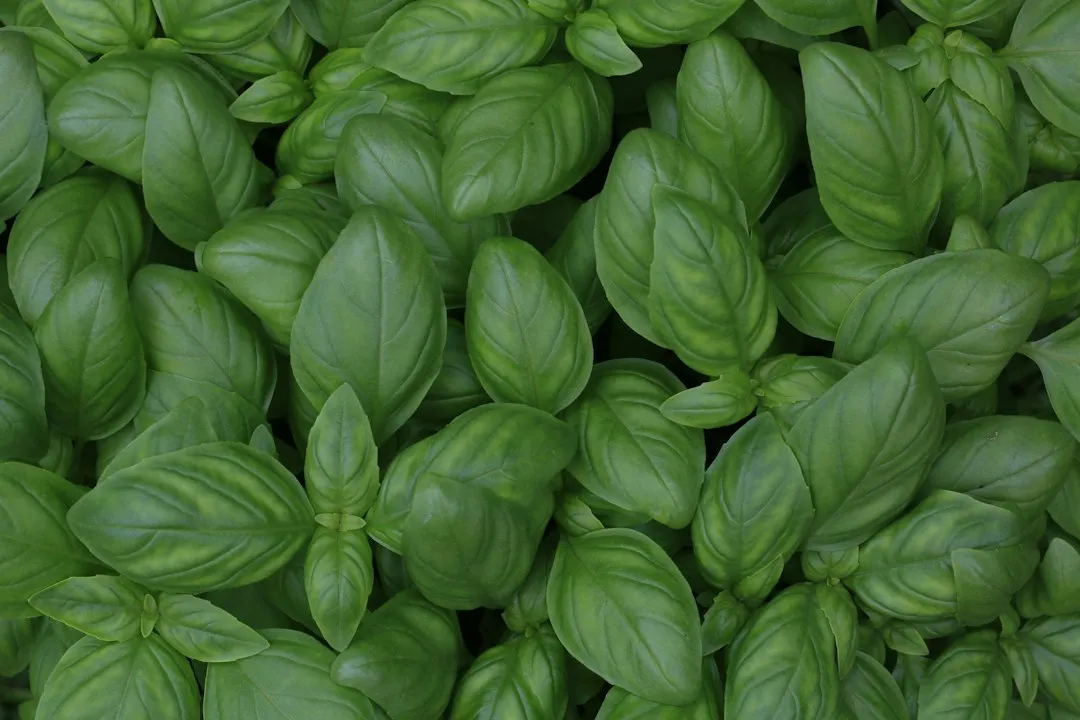
People who are most alive in a kitchen garden, running their fingers along basil or crushing a sprig of thyme to smell it, tend to show up for others in tangible ways. They feed people. They notice when someone needs something before they ask. Scents of edible plants in a garden may increase the desire for fresh vegetables and fruits over processed options, suggesting that these smell preferences connect to deeper values around care and nourishment.
The experience with smells from garden plants including lemon balm, rosemary, lavender, and related herbs can facilitate stress reduction, increase pleasant feelings, and support mental recovery. Those who prefer savory herbal scents over floral ones tend to be grounded, generous, and highly practical. Gender and anxiety are known to affect the perception of odor familiarity and pleasantness, which may partly explain why herbal scent preference can vary so widely, even among people with similar personalities.
Sweet Floral Mixes (Lilac, Osmanthus, Magnolia): The Memory Keeper
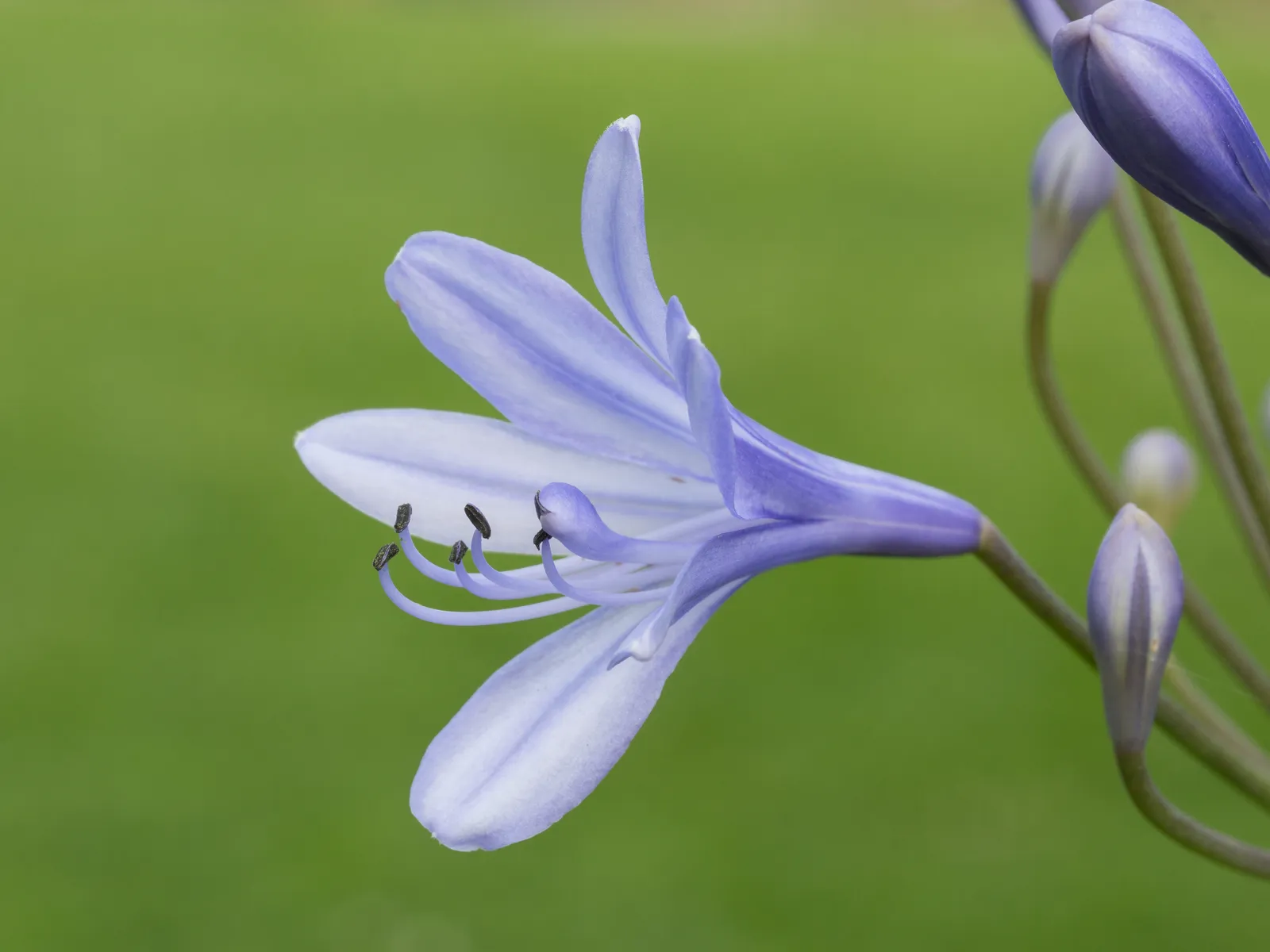
Some people don’t have one favorite garden scent; they’re drawn to that layered, indescribable sweetness that comes in spring when several flowers bloom at once. These people are often the ones keeping photo albums, saving ticket stubs, and texting old friends on their birthdays. Smells from nature elicit personal and highly positive associations like home, childhood, and vacation season, and research has found a clear link between smells from nature and participants’ memories.
Socialized experiences contribute to the shaping of a person’s personality, leading to a link between personality and odor preference. For the sweet floral lover, the garden is never purely a sensory experience; it’s also a time machine. Research using the Big Five personality model found that odor familiarity co-varies the most with aspects of personality, and responses to olfactory stimuli are moderated by specific personality dimensions. The attachment these individuals feel to seasonal blooms is often an attachment to specific people and places that those scents represent.
The Garden Knows You Better Than You Think
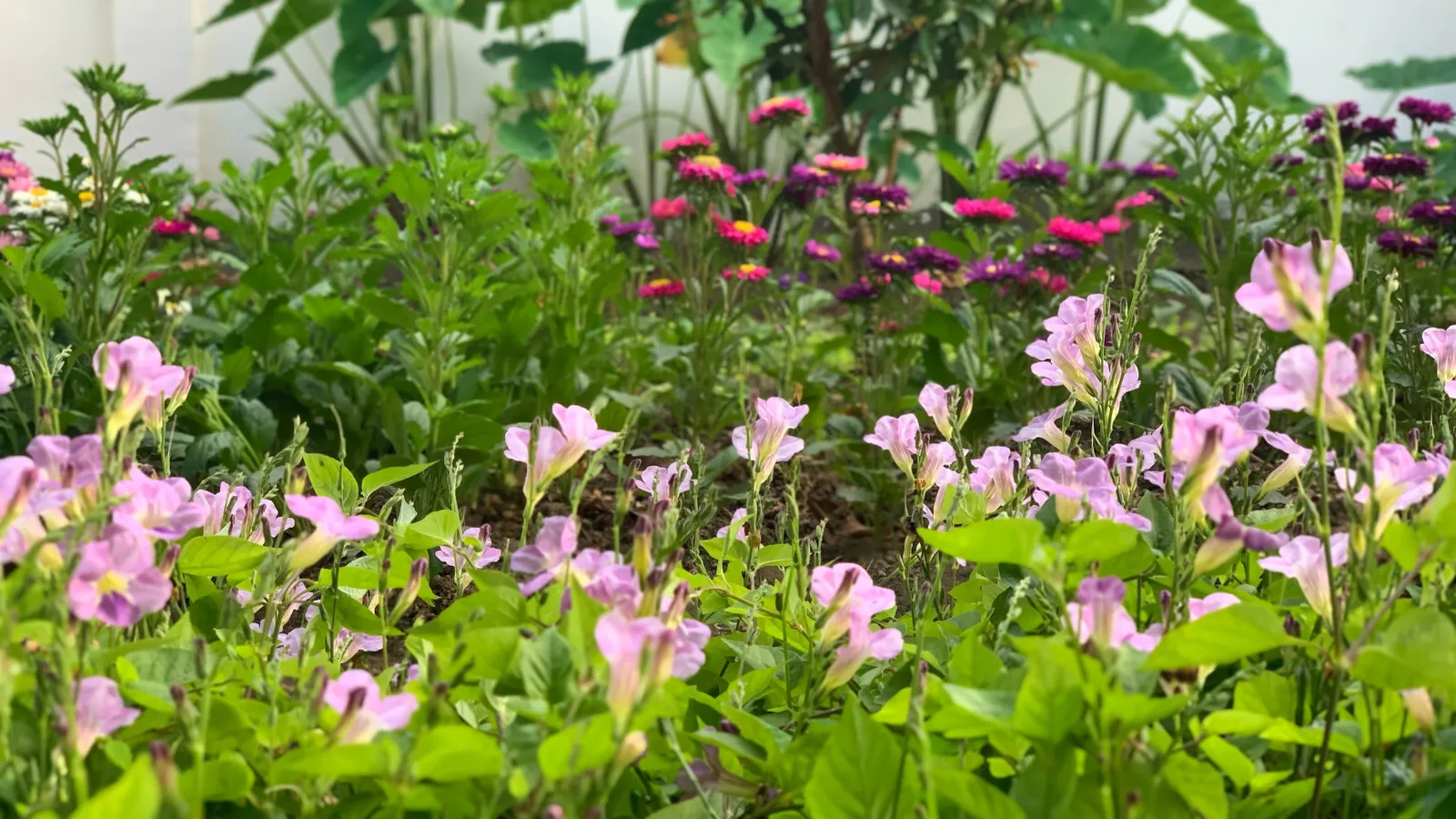
None of this is to say that your favorite garden smell locks you into a fixed personality type. Preferences shift with age, mood, season, and circumstance. Personality traits may alter a person’s ability to identify odors, and earlier studies have highlighted the modulatory effects of personality traits on olfactory perceptions such as odor sensitivity, discrimination, and identification. The relationship runs in both directions: who you are shapes what you smell, and what you regularly smell quietly shapes how you feel.
When we’re in a place that smells good, our mood improves, and when that happens, we are more effective problem-solvers, we think more creatively, and we get along better with other people. The garden, in that sense, is one of the more honest environments available to us. These results reinforce the importance of considering smell, alongside sight and sound, in urban green space planning and policy. Whatever pulls you to a specific corner of the garden is probably not random. It’s worth following that instinct, if only to see what it tells you about yourself.
AI Disclaimer: This article was created with the assistance of AI tools and reviewed by a human editor.