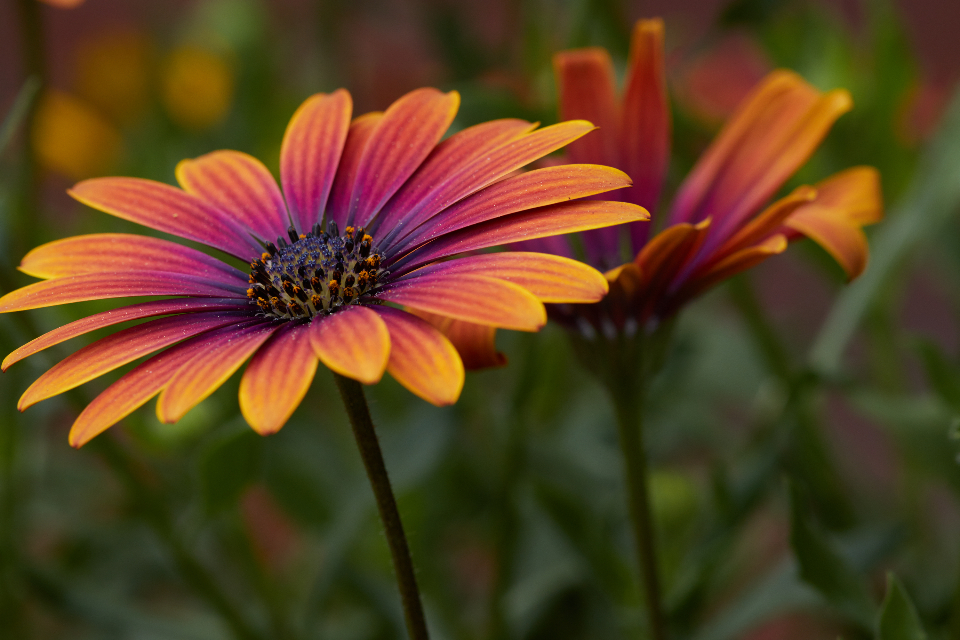

The Rose: Deep Roots, Deeper Feelings
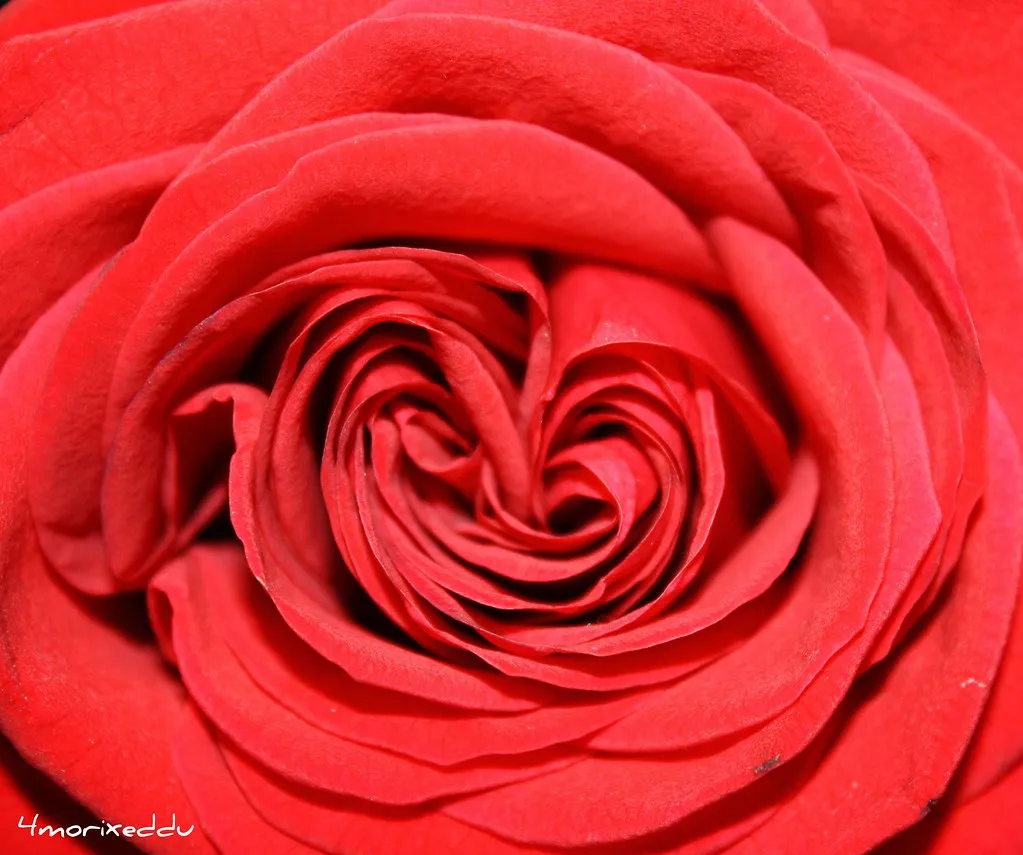
Few flowers carry as much weight as the rose. If you identify with the rose, you might be a classic romantic with a deep appreciation for beauty and tradition. Roses symbolize love, passion, and admiration, and individuals reflected by roses are often charismatic, empathetic, and have a nurturing spirit.
If you have a rose as your favorite flower, you are a person who seeks emotional depth, traditions, and ties that bind. When exploring what your favorite flower says about you, a rose speaks of a personality that values emotional authenticity and meaningful relationships.
Rose psychology points to attachment theory, reflecting how we seek stability in relationships and rituals that keep us grounded. Rose lovers don’t do things halfway. When they love, they commit fully.
The Sunflower: The Optimist in the Room
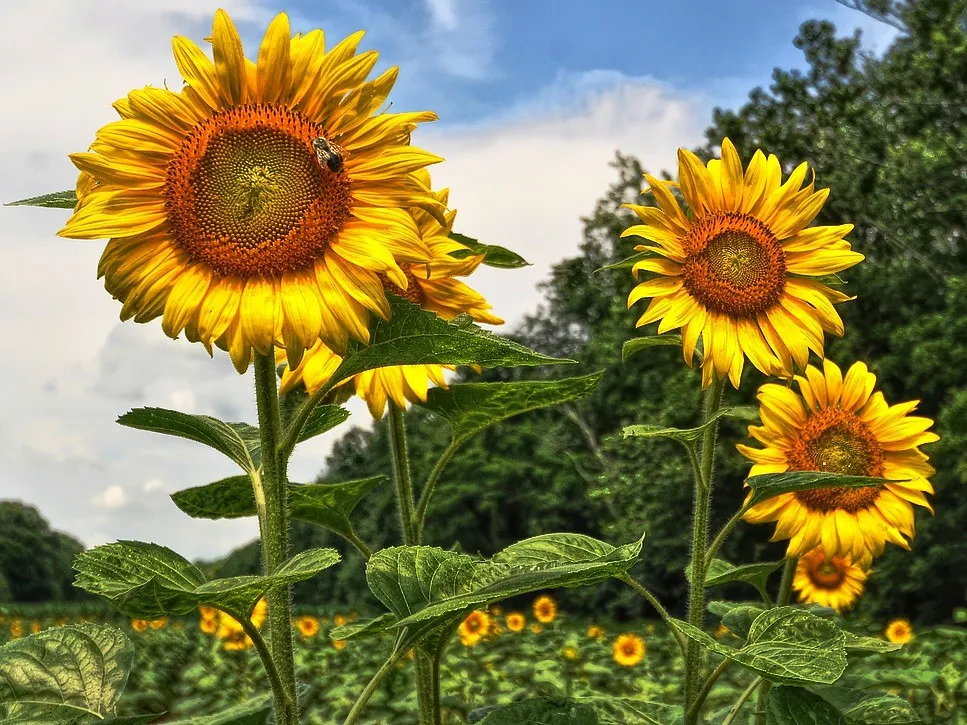
Sunflowers are bright, bold, and always face the sun. If you’re energetic, upbeat, and people love being around you, the sunflower is your match. There’s an almost magnetic quality to sunflower people.
Sunflowers are big, bright, and bold flowers, and those who enjoy them are often the same in their personality. There is a cheerful component with warmth and resilience that can symbolize a cheery, optimistic personality.
The psychological meaning of sunflowers highlights traits of self-assuredness, warmth, and loyalty, which are ideal traits for either personal or business purposes. These are the people who somehow still find the silver lining on a grey Monday.
The Orchid: Rare, Refined, and Quietly Confident
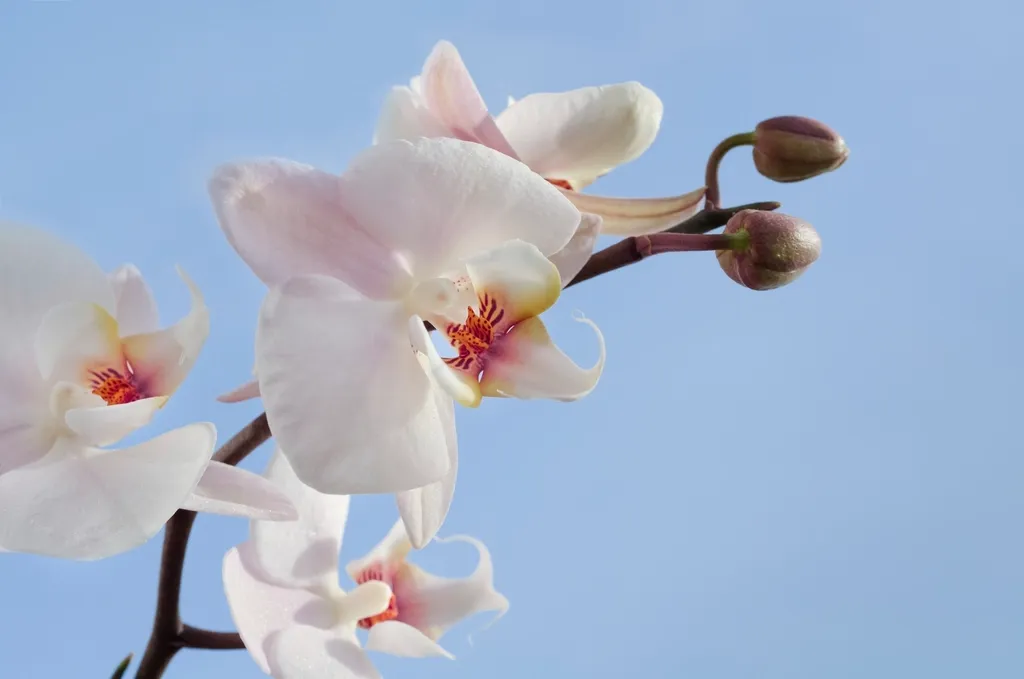
Orchids are exotic, rare, and signify uniqueness and mystery. If you are a deep thinker, a dreamer, and love expressing yourself creatively, orchids mirror your essence.
Orchid lovers are not afraid to stand out and enjoy the finer things in life. People who love orchids are confident and independent, drawing others in with their magnetic personality. Their independence and self-assuredness can sometimes come across as aloofness or detachment from others.
The psychology of orchid patterns ties to cognitive flexibility, the mind’s ability to shift perspectives and find new solutions. Orchid people often thrive in complex situations that would overwhelm others.
The Tulip: Easy to Be Around, Hard to Forget
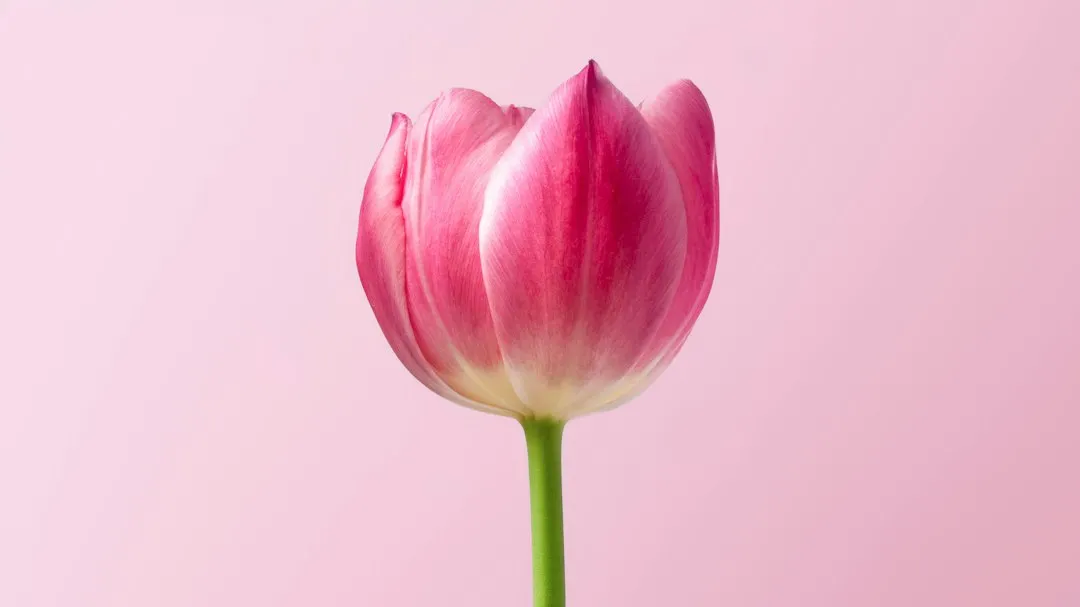
If tulips are your go-to flowers, there’s a good chance you’re incredibly positive, laid back, and have tons of close friends. Tulip lovers tend to radiate a steady, comfortable energy that makes others feel welcome.
If tulips are your favorite, you likely have a refined aesthetic sensibility that favors quality design over ornamentation. There’s an understated elegance to this personality type. They don’t need the loudest voice in the room.
Tulip personalities tend toward balance, order, and harmony, with reliability and consistent presence among their core strengths. People trust tulip personalities quickly, and that trust rarely turns out to be misplaced.
The Lily: Old Soul, Inner Strength
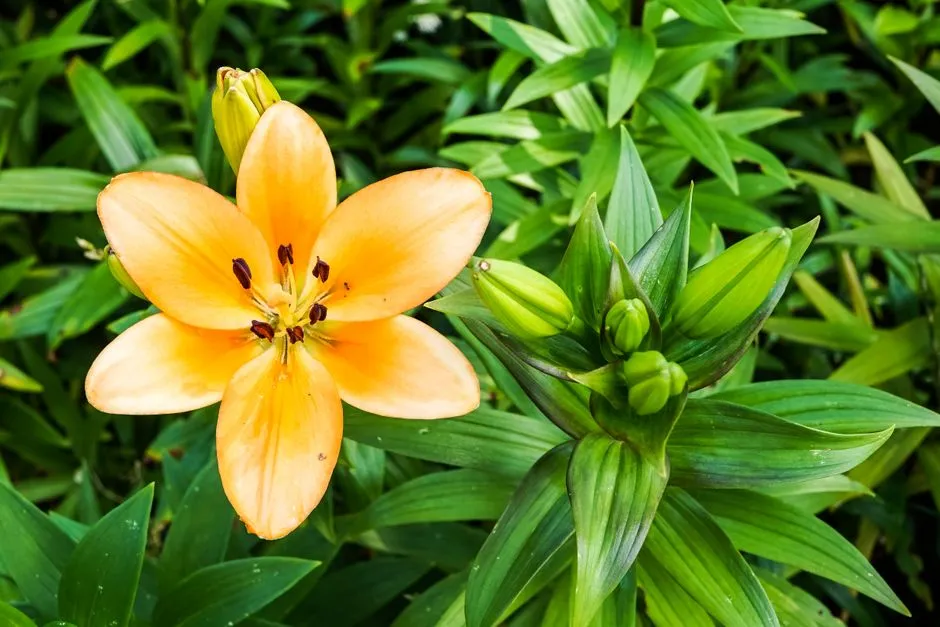
If your personality aligns with the lily, you’re likely an old soul, elegant, introspective, and artistic. Lilies have a sense of purity, renewal, and spirituality.
Lilies are refined, graceful, and symbolize purity and wisdom. If you are introverted but powerful, calm under pressure, and thoughtful, this is your flower. There’s a quiet force to lily people that often goes unnoticed at first.
Lily personalities are adaptable, quietly confident, and often serve as a guiding force for friends and family. Symbolically, lilies are associated with transformation and inner growth. They tend to be the person everyone turns to when things get hard.
The Daisy: Cheerful, Genuine, and Uncomplicated
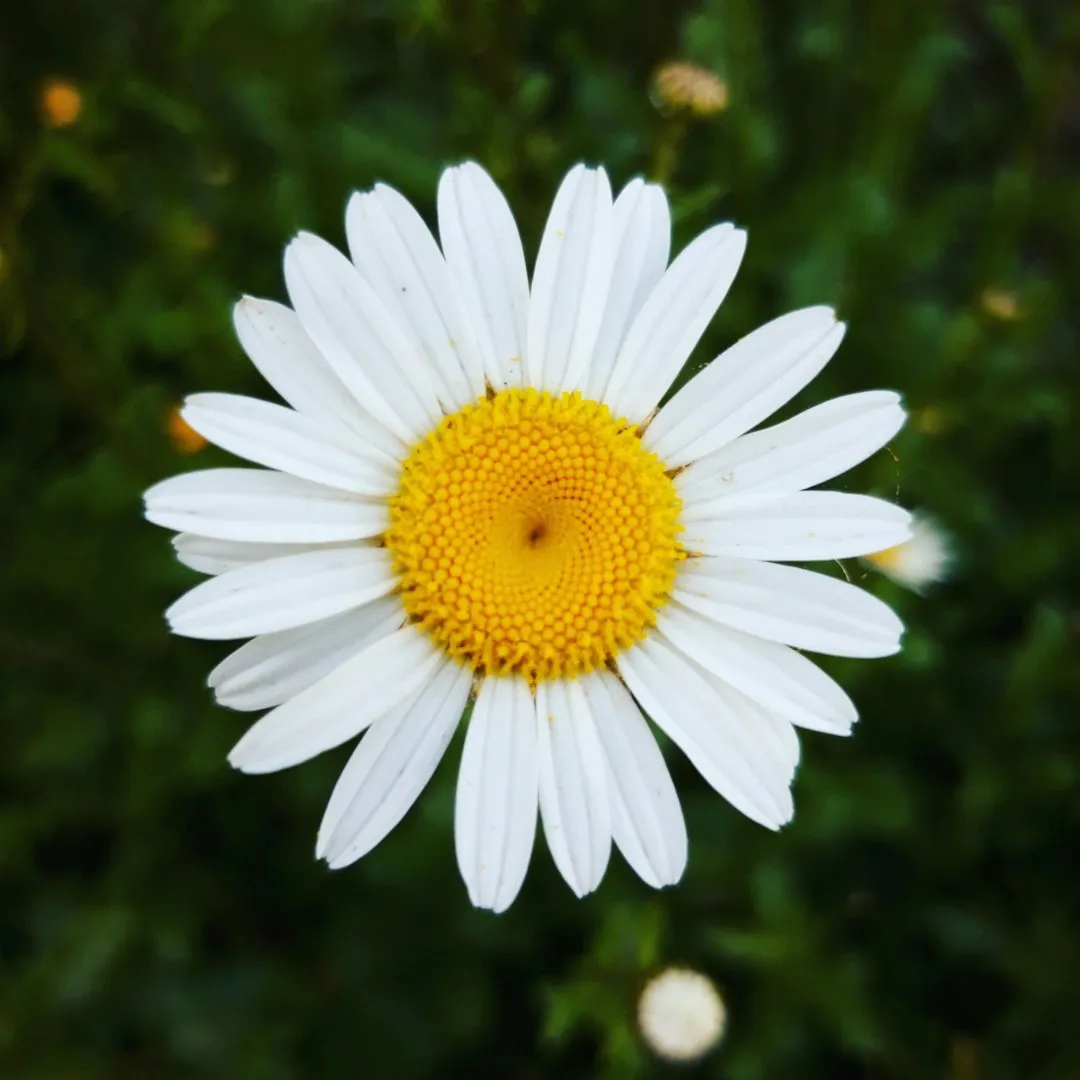
Daisy lovers are often free-spirited individuals who find joy in life’s simple pleasures. Like the daisy itself, they are a symbol of purity and positivity, spreading happiness wherever they go. Their personality traits include being playful, innocent, adventurous, and optimistic.
Daisy people are straightforward, fun-loving, and dependable. If you have an easy laugh and treasure your close friends, the cheerful daisy could be your kindred flower.
Daisy lovers have a childlike wonder about the world. They are full of energy, always looking on the bright side, and love to spread happiness. They have a natural charm that makes them easy to love. What you see is genuinely what you get.
The Peony: Warmth, Romance, and a Generous Heart
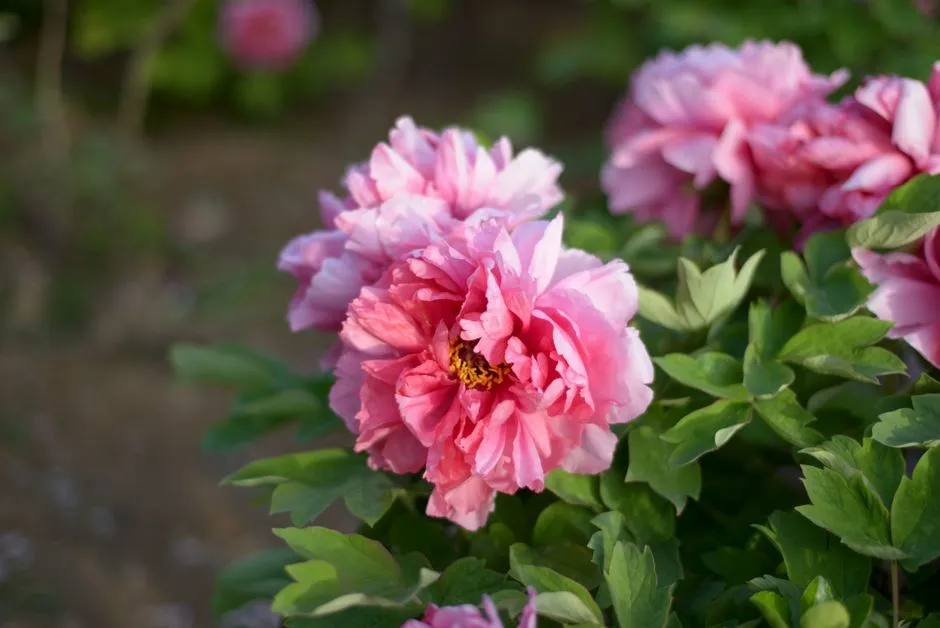
Peony lovers often have a soft, whimsical side and a love for beauty and daydreams. If you adore peonies, you may be someone who enjoys life’s luxuries and is drawn to romance, elegance, and charm.
Peonies represent soft-hearted, nurturing, luxurious, and sentimental traits. They symbolize love, prosperity, and good fortune. If they’re your favorite, you have a deep appreciation for beauty and romance. You believe in true love, grand gestures, and making every moment special.
As a peony personality, you embody ambition alongside empathy, and you’re both a hard worker and a source of encouragement to your loved ones. This combination of softness and drive is rarer than it looks.
The Lavender: Peace, Intuition, and Inner Calm
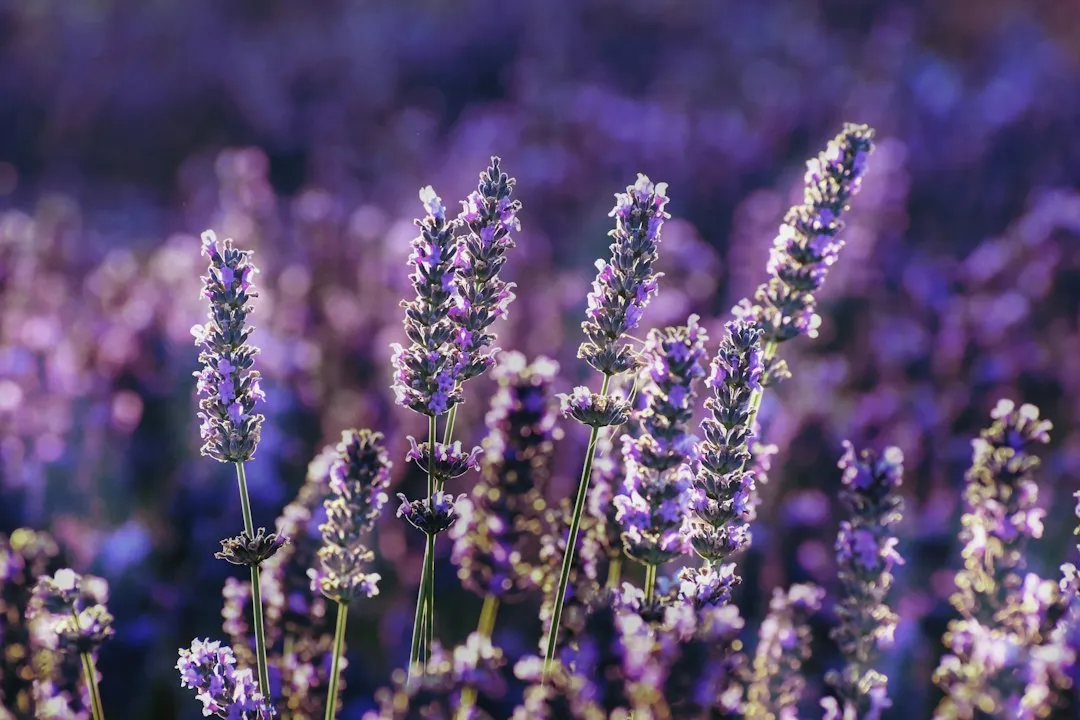
Lavender represents tranquility, peace, and healing. If you’re naturally drawn to lavender, you likely have a nurturing personality and a calm presence.
Lavender represents calm, reflection, and emotional regulation. People drawn to lavender tend to process stress internally and need quiet to reset, value peaceful rituals like journaling or meditation, and seek clarity before taking action.
Those who identify with lavender are tranquil in spirit, often sought out for advice and comfort. If you value peace, both within yourself and among others, the lavender flower suits your personality best. They’re the kind of friend who seems to lower the temperature in any stressful situation, just by being there.
The Wildflower: Independent, Spontaneous, and Free
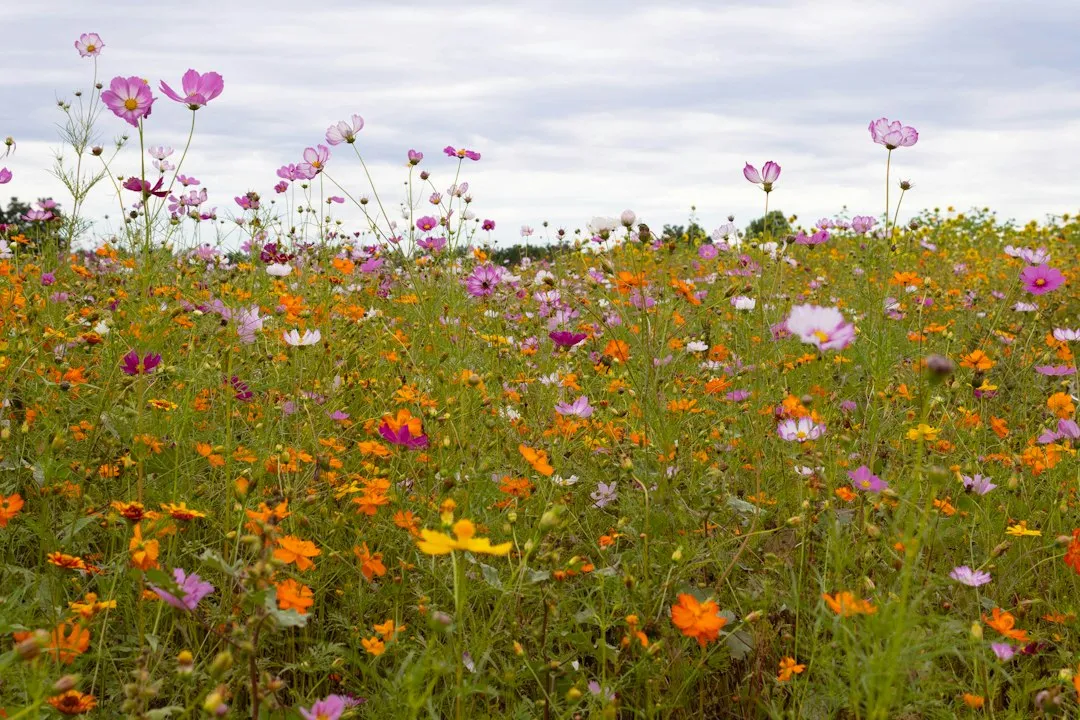
Wildflower personality types tend to be adventurous, independent, creative, spontaneous, and free-spirited. These are people who resist being put in a box, and they’re usually right to.
Wildflower lovers probably don’t enjoy being told how they’re supposed to do things. They carve their own paths, often stumbling into experiences that others with stricter plans never find. The wildflower suggests restlessness in a productive way, as these personalities seek new terrains and ideas.
Wildflower people tend to be the most difficult to categorize, which is probably the whole point. They’re drawn to things that bloom without being planted.
Flower Color and What It Adds to the Picture
A large survey in the Czech Republic asked over two thousand people to rate the beauty of fifty-two flowers differing in shape, color, symmetry, and complexity. The study found that blue flowers were rated most beautiful, followed by purple and pink. Yellow flowers ranked comparatively lower, and shape mattered more than color overall, with radially symmetrical flowers of moderate complexity being most preferred.
A UK study of six hundred and seventy residents explored how different flower colors influenced emotional states. Blue and white flowers were considered most relaxing, while orange, yellow, and red flowers were perceived as most uplifting.
Research published in 2024 demonstrated a significant statistical correlation between a person’s nature-relatedness level and their flower preference. In other words, how connected you feel to the natural world shapes not only which flowers you like but also how deeply they affect your mood and sense of wellbeing. Individuals’ favorite colors tended to amplify the restorative effects of flowers, so if someone particularly likes purple, purple flowers may deliver extra emotional benefit for them even if the general population doesn’t rank that shade as especially stimulating.
The Takeaway
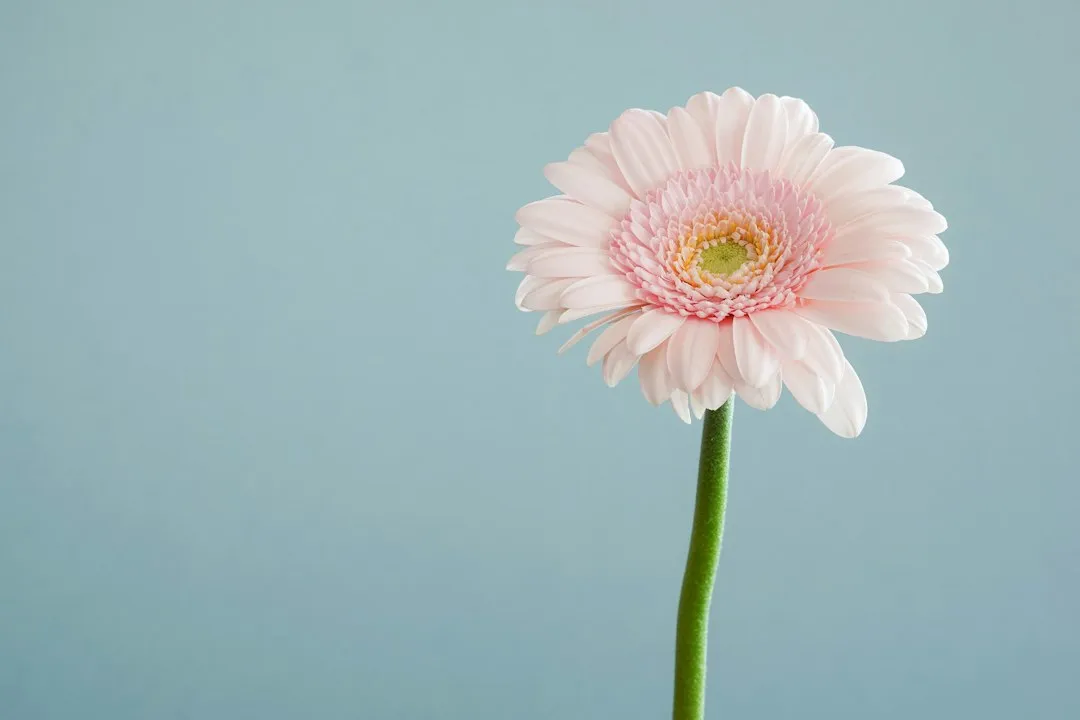
Each type of flower evokes a different type of personality, from interesting and elegant, to optimistic and open, to simple and humble, to gentle and pretty. The match between bloom and character isn’t a strict formula, but it’s worth paying attention to.
Psychologists and cultural researchers have long noted that floral choices tend to correlate with personality traits, emotional tendencies, and values, in the same way that color preferences, music taste, and interior design choices reveal aspects of character. Your instinctive pull toward a particular flower isn’t trivial.
The next time you find yourself reaching for the same bloom without really knowing why, it might be worth pausing for a moment. As you grow, your personality may shift and so might your affinity for different flowers. It’s natural to evolve from a daisy phase to a peony or orchid era as life unfolds. The flowers you love at different points in your life are, in a quiet way, a kind of autobiography.
AI Disclaimer: This article was created with the assistance of AI tools and reviewed by a human editor.