
1. Bleach: The Traditionalist Who Trusts Results Over Trends
Bleach users are rarely swayed by what’s fashionable. They want results, full stop, and bleach delivers. Proper bathroom cleaning with bleach-based products reduces bacteria by up to 99.9%, which is precisely the kind of certainty that appeals to this type of person. They’re not anti-environment, they’re just skeptical of anything that hasn’t proven itself over decades.
Consumer review data from June 2023 to May 2025 shows that bleach still dominates for kitchens and sinks, where it’s strongly linked to deep cleaning and disinfection. The bleach loyalist tends to be methodical, risk-averse, and comfortable with strong rules. Their home is usually very clean. The smell doesn’t bother them at all, in fact, they might find it oddly reassuring.
2. Natural Plant-Based Cleaners: The Values-Driven Consumer
People who reach for plant-based cleaners tend to treat their purchases as a form of self-expression. According to a 2023 Mintel survey, nearly seven in ten U.S. consumers now prioritize natural ingredients when buying household cleaning products. That number has climbed steadily, and it reflects a broader shift in how people connect their buying habits to their identity.
The natural cleaning segment is experiencing accelerated growth with a compound annual growth rate of approximately 7.3%, outpacing the overall market as eco-conscious consumers increasingly replace traditional bleach-based formulas with sustainable alternatives. These consumers tend to score high on openness to experience and are genuinely motivated by long-term thinking. Research published in The Retail and Marketing Review in 2024 found that while consumers have a positive attitude toward green cleaning products, their buying behavior is also shaped by factors like price, quality, convenience, and health.
3. Disinfectant Wipes: The Efficiency-First Personality
If disinfectant wipes are your go-to, you probably hate wasting time. You want something you can grab, use, and toss without filling a bucket or hunting for a cloth. The maintenance cleaner type, often identified by their love of wipes and quick-clean habits, is driven by order, control, and comfort, and tends to score high on conscientiousness, sometimes coupled with perfectionism.
Research analyzing cleaning habits by Big Five personality traits found that those with a high level of conscientiousness were the most likely to report cleaning frequently. Wipe users fit this profile well. They’re often high performers at work, organized by default, and quietly irritated when others don’t share their standards. The wipe is basically a personality test in a canister.
4. Baking Soda and Vinegar: The DIY Minimalist
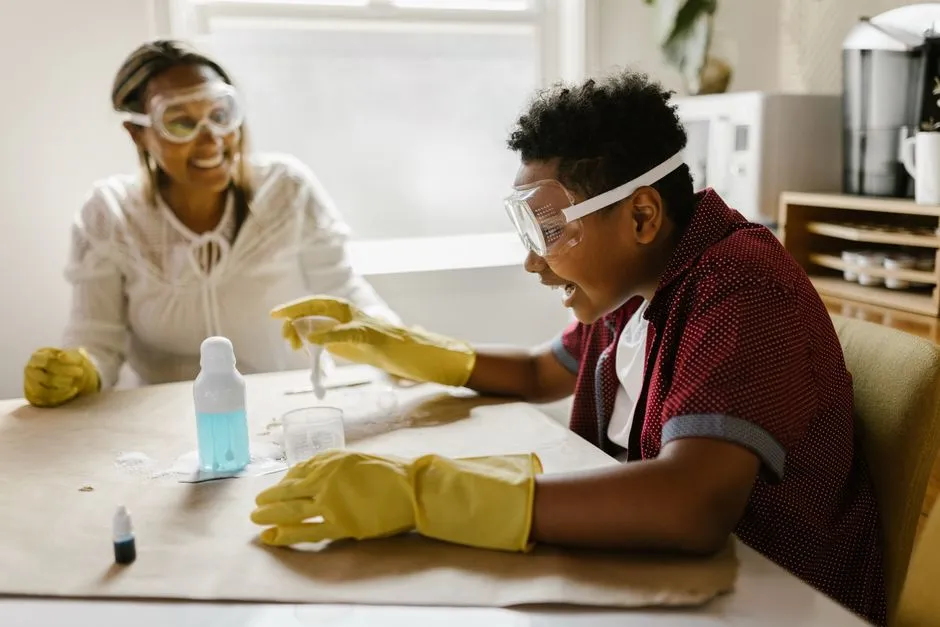
This person has probably watched a lot of zero-waste content online and genuinely believes two ingredients can do everything a cupboard full of products can. They’re not wrong, but they’re also motivated by something deeper than frugality. Research published in July 2024 found that products aligning with consumers’ dominant personality traits are more likely to generate positive evaluations and long-term loyalty, and for this group, simplicity is the personality trait that dominates.
The baking-soda devotee tends to be highly autonomous, a little skeptical of marketing, and deeply satisfied by systems that make sense on a logical level. They’re not trying to convert anyone. They’ve just quietly run their own experiments and arrived at their conclusions. Their cleaning routine doubles as a philosophy.
5. Scented Multi-Surface Sprays: The Experience Seeker

Some people clean to get a space clean. Others clean to feel something. For the scented multi-surface spray user, the ritual matters as much as the result. In a large survey of household cleaning product users, more than a third reported having an emotional connection to the scents found in these products. That’s not a small figure. It points to something genuinely psychological about why fragrance sells.
Most contemporary consumers consider scent an essential component of household products, and survey data found that nearly eight in ten considered it important or somewhat important for scent to be added to household cleaners. The person devoted to their favorite lavender or citrus spray is likely higher in agreeableness and emotionally attuned. They’re usually the one who notices when the house “doesn’t feel right,” which turns out to often be a scent cue more than anything visible.
6. Bleach-Free Disinfectants: The Safety-Conscious Modern Consumer
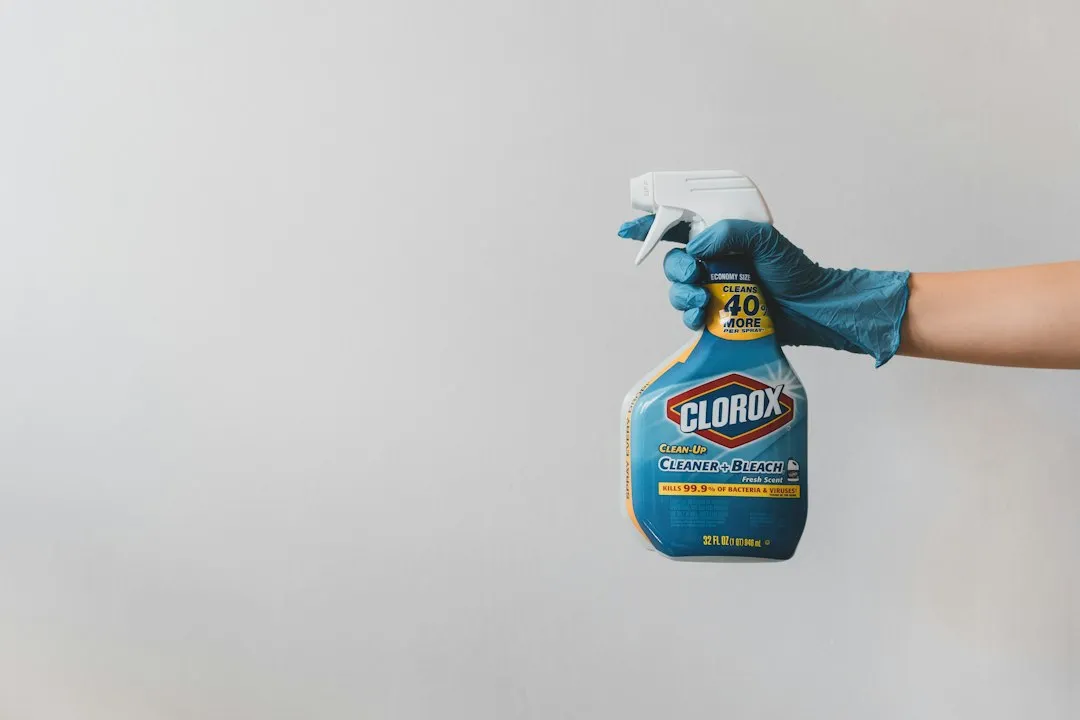
The bleach-free convert wants protection without the harshness. This is someone who reads labels, often has children or pets, and weighs trade-offs carefully. Bleach-free cleaning products are outpacing traditional bleach with stronger review volume growth, and they also received higher consumer sentiment scores, suggesting a growing emotional connection to non-bleach alternatives.
Around half of consumers now read product labels very carefully to check ingredients, and bleach-free users tend to be in that camp. More than half of consumers in one survey described natural ingredients as non-negotiable. This consumer is informed, deliberate, and rarely impulsive. They did the research before they bought, and they’ll probably tell you exactly why their choice makes sense if you ask.
7. Refillable Eco Subscriptions: The System Builder
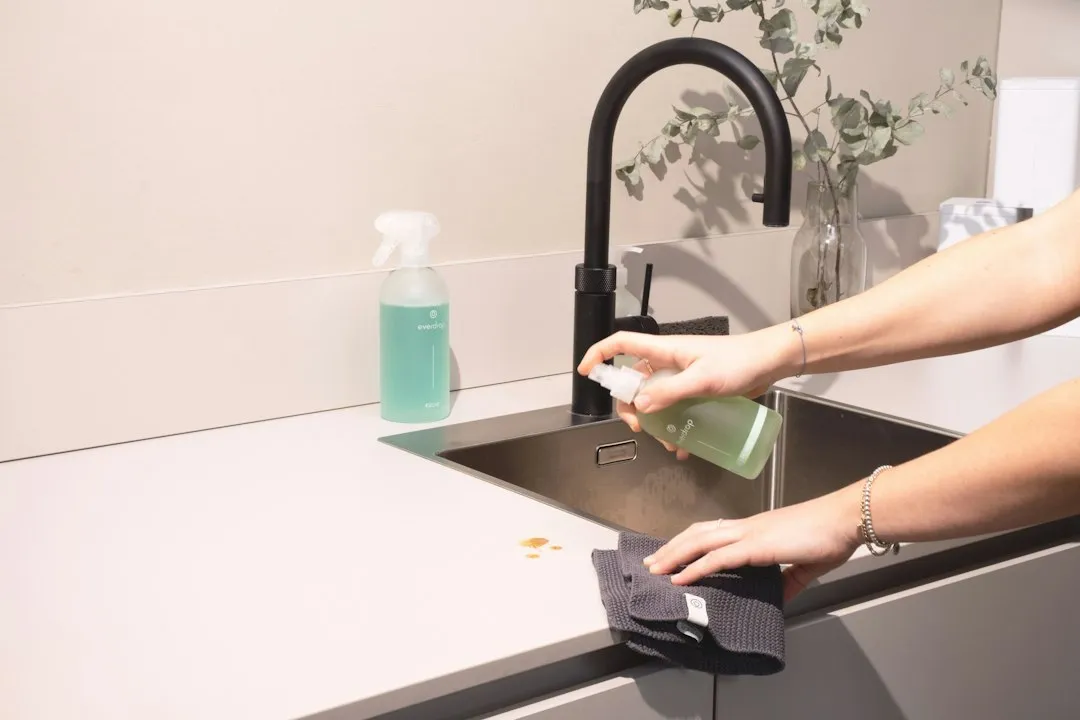
The person subscribed to a refillable cleaning service, the kind that ships you a concentrated tablet and a reusable bottle, has committed to a system, not just a product. Refillable eco-friendly cleaning subscriptions have been gaining considerable ground, with the percentage of users of products from services like Grove Collaborative, Cleancult, or Blueland nearly doubling in a single year.
This personality type tends to be future-oriented, deliberate about habits, and often proud of reducing visible waste. People with a strong future planning orientation tend to be savers rather than spenders, planners rather than spontaneous actors, and goal-oriented rather than process-oriented, which describes the refillable cleaner fan almost exactly. They didn’t just buy a product. They redesigned their shelf.
8. Heavy-Duty Degreasers: The No-Nonsense Problem Solver
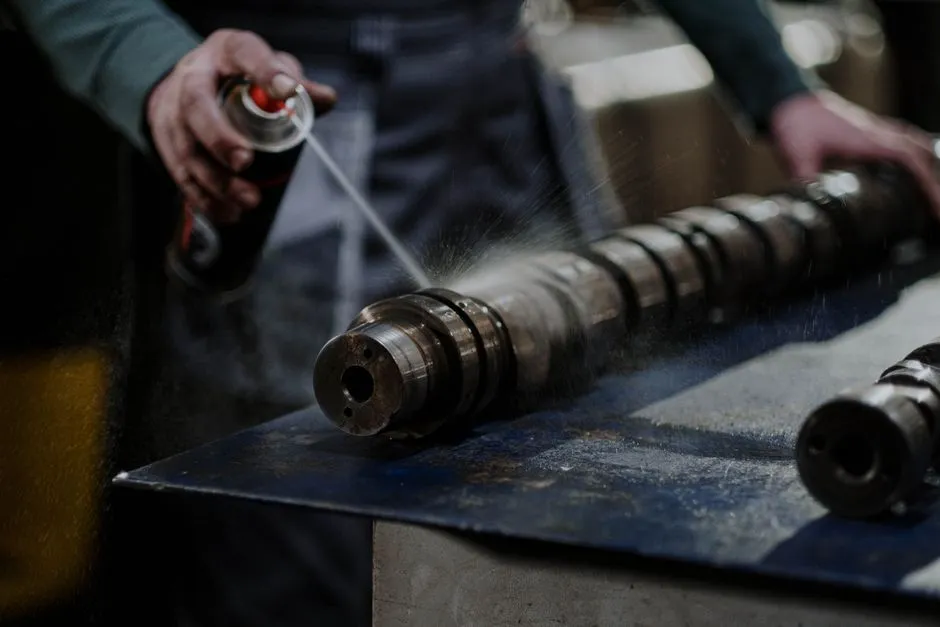
When someone keeps a heavy-duty degreaser under the sink, they’re not interested in ambient scents or eco credentials. They want the job done, especially the ugly jobs nobody talks about. This person tends to be direct, pragmatic, and comfortable with tasks others find unpleasant. They’re often the one people call when something actually goes wrong.
The connection between personality and household cleaning habits continues to intrigue researchers, with evidence suggesting that traits like conscientiousness and openness to experience play a significant role in shaping how people approach their living environments. The heavy-duty degreaser user occupies an interesting space in this framework: they’re conscientious about outcome but completely unbothered by process. Function is everything. The bottle doesn’t need to look good.
9. Foam or Spray Bathroom Cleaners: The Comfort Ritualist
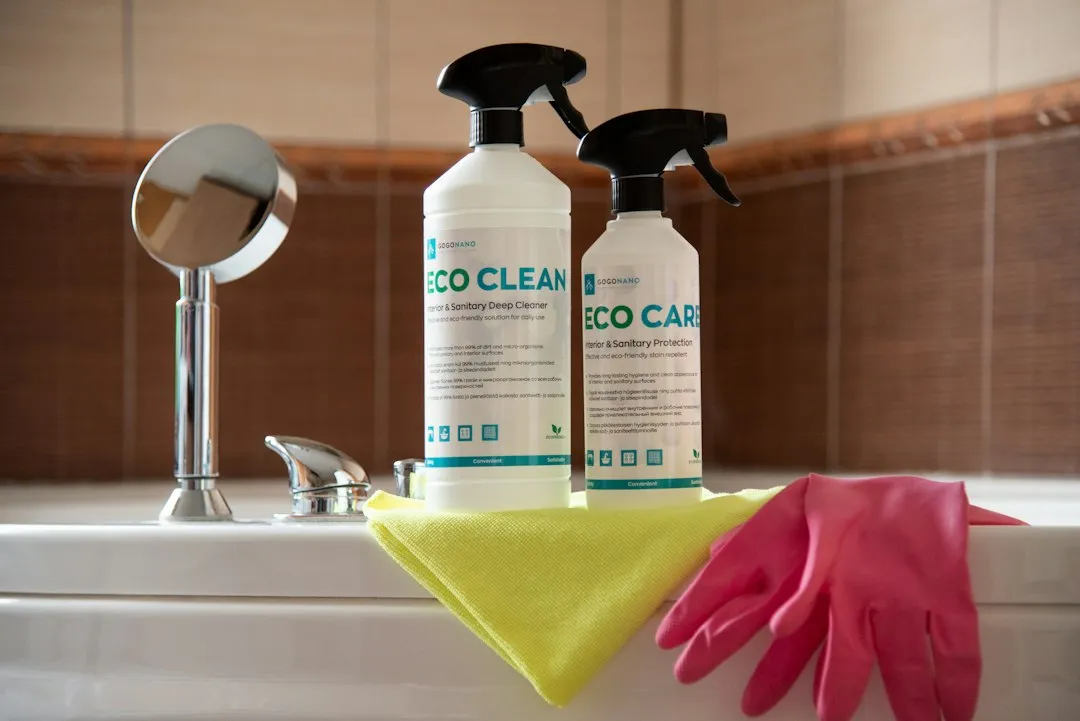
Bathroom cleaner preferences are surprisingly personal. The foam-spray devotee tends to have a weekly routine they stick to without being asked. It’s not about anxiety. It’s about the comfort of small, consistent rituals that make a home feel genuinely maintained. Household cleaning is not just a mundane chore: it intertwines with habits, motivations, and personality, and conscientiousness as a trait, associated with dutifulness and orderliness, correlates with maintaining neat, organized spaces.
Respondents with high levels of conscientiousness and agreeableness were most likely to believe that cleaning before having guests over was essential. The bathroom cleaner loyalist often falls into this group. They’ve probably had the same brand for years. Switching would feel stranger than they’d like to admit.
10. Social-Media-Recommended Products: The Community-Oriented Shopper
This is the person who tried that viral pink stuff or the foaming cleaner they saw on a short-form video and immediately ordered it. They’re not gullible. They’re genuinely social in how they process decisions, drawing on community signals as much as personal research. According to consumer behavior data from 2023, more than a third of consumers are influenced by social media reviews when choosing cleaning products.
Research from 2024 notes that personality involves consistent patterns of thinking, feeling, and acting, including how people engage with products and brands, and that when a brand matches a consumer’s personality and values, it becomes easier to feel satisfied and loyal. For the socially-influenced buyer, the community aspect is part of the product’s value. They’re not just buying a cleaner. They’re joining a conversation, and there’s something genuinely human about that.
The Takeaway
Your cleaning product of choice is probably not something you agonize over. It’s something you just reach for, week after week, often without much conscious thought. Cleaning routines are often deeply ingrained habits, established through years of practice, operating as automatic responses triggered by context. That’s precisely what makes them revealing.
The global cleaning products market reached $315.9 billion in 2024, which means there are an extraordinary number of choices competing for your attention. What you end up with on your shelf reflects, quietly and honestly, something about how you see yourself and what you believe a clean home is actually for. That’s worth at least a brief look under the sink.
AI Disclaimer: This article was created with the assistance of AI tools and reviewed by a human editor.