

Most people spend more time deciding on a sofa than they do choosing a dining table. It anchors the room, shapes the energy of the space, and quietly signals something about who you are to everyone who walks through the door. That instinct to invest in a couch isn’t just practical. It runs a little deeper than that.
Research on spatial psychology, color response, and first impressions reveals that people read a sofa quickly, often correctly, and usually without being consciously aware they’re doing it. Your couch is in the frame before you even say hello.
1. The Gray Sofa: Safety and Self-Awareness
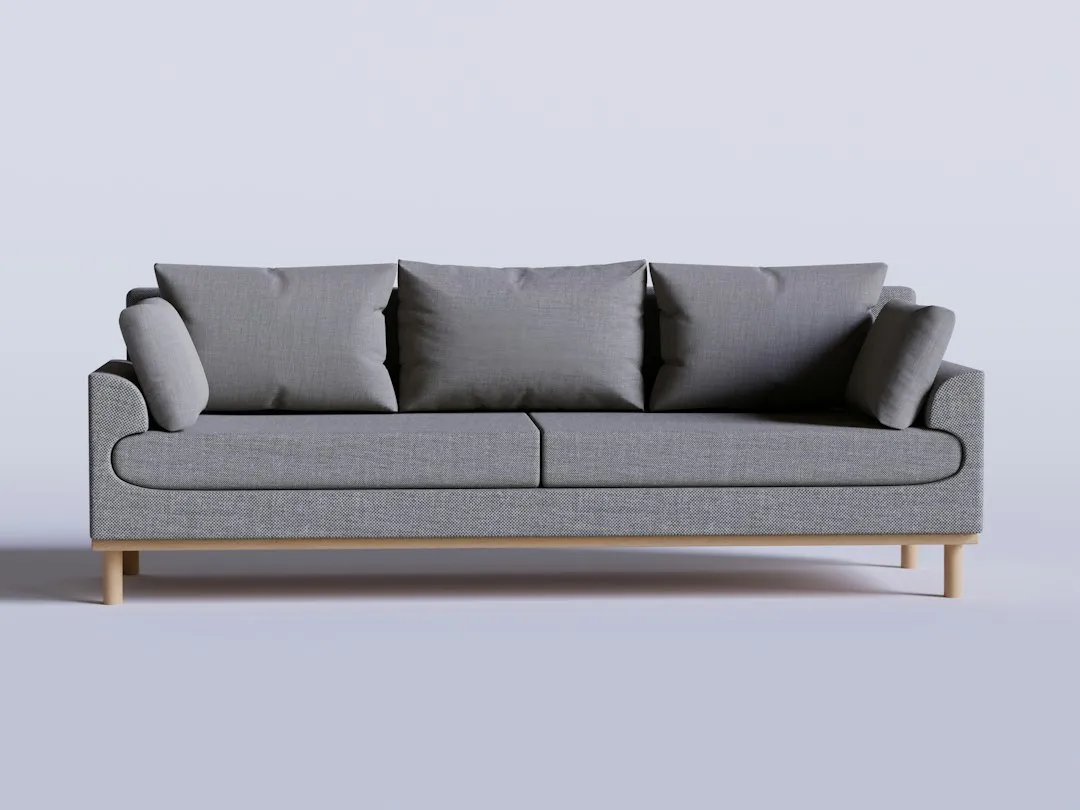
Gray has become the dominant couch color choice in recent years, and it makes sense. Gray balances contemporary and classic elements, providing a sofa color that manages to be trendy yet timeless. The soothing neutral shade aligns with minimalist styles and color psychology that favors calm, relaxing spaces.
People who gravitate toward gray tend to be thoughtful and low-drama. They rarely make impulsive decisions, and they’re not particularly interested in showing off. What they want is a room that works without requiring too much explanation.
There’s a subtle self-awareness to it too. Gray is chosen by people who know they might redecorate in a few years, and they’re leaving room for that.
2. The Bold Red Couch: Dominance and Energy
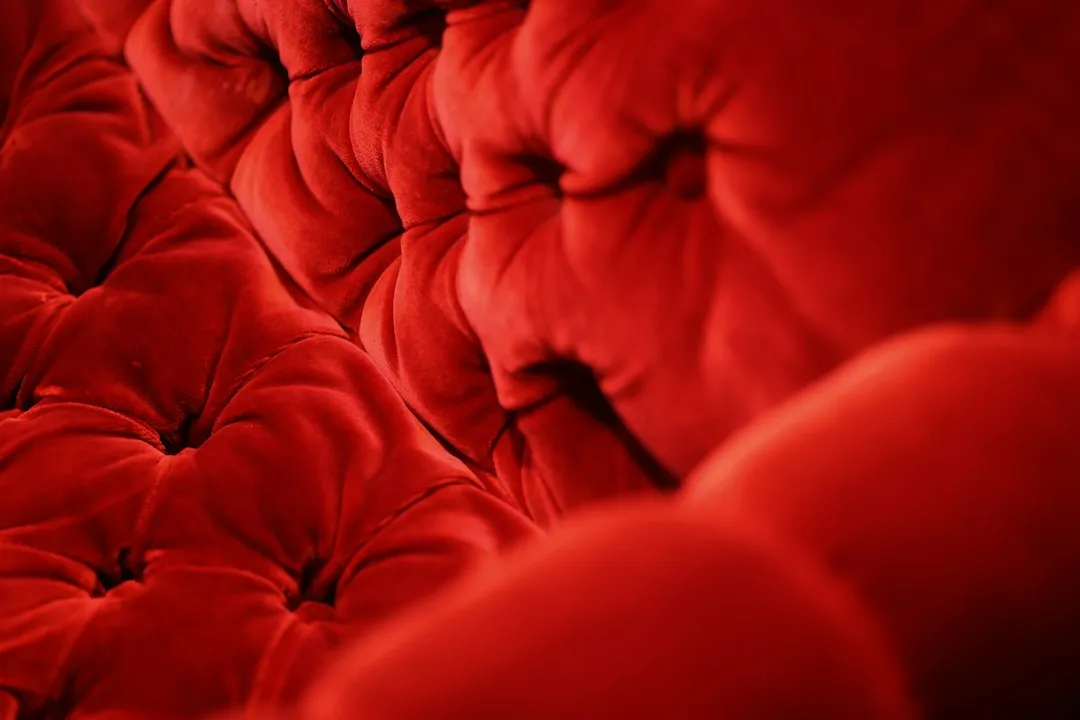
A red sofa functions as a dominance cue parked in the middle of your living room. That’s not a bad thing. It signals that you’re not afraid to take up space. People who choose red sofas tend to be confident, socially engaged, and comfortable being noticed.
Red reflects a personality that is vibrant, passionate, and full of energy. These aren’t people who fade into the background at parties. Color research has found that blue and green were rated as more pleasurable than red, but far less dominant, which tells you something about what a red sofa communicates the moment a guest walks in.
3. The White Sofa: Conscientiousness and Control
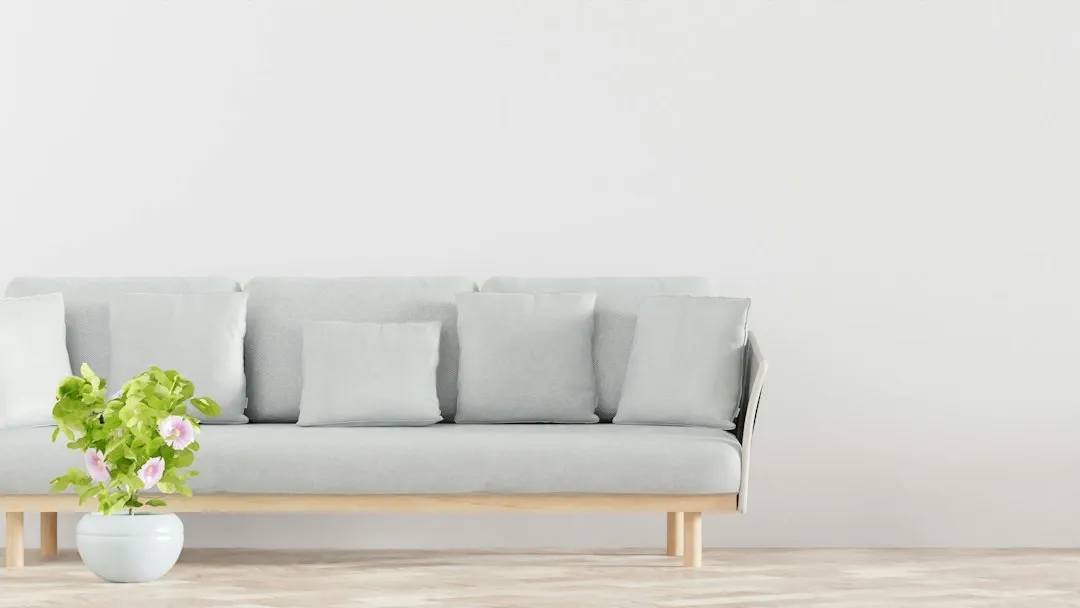
A pristine white sofa often signals high conscientiousness and a desire to control one’s environment. Maintaining a white couch is a commitment. It says that you take cleanliness seriously, that you notice messes that others might not even register, and that you’re willing to put in real effort to maintain a certain standard.
Psychologists who study living spaces have found that strangers sent into a person’s rooms with no other information could guess personality traits like conscientiousness almost as accurately as close friends, just from the objects and the order. The white sofa doesn’t lie. It tells the room exactly who you are before you open your mouth.
4. The Blue Couch: Calm and Groundedness
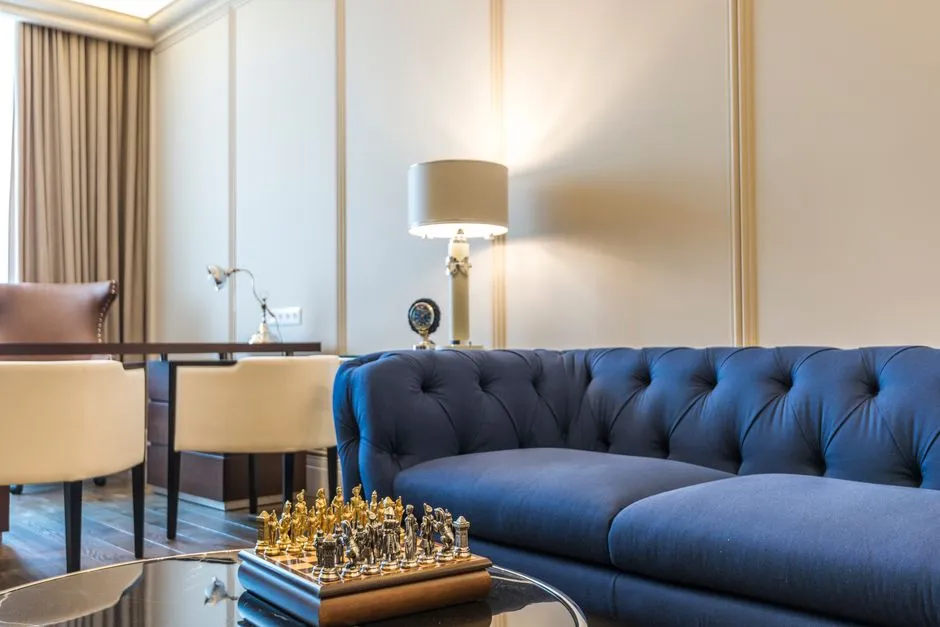
Blue sofas are having a major moment, and they deserve it. Blue is one of the most universally calming colors in psychology. It lowers heart rate slightly, reduces stress, and makes people feel more at ease. People who choose blue couches often genuinely value tranquility in their home life, not just as an aesthetic preference, but as an emotional priority.
Blue sofas enhance the feeling of relaxation and soothing ambiance. Light blue is great for a calm and peaceful vibe, while darker shades tend to ooze confidence and sophistication. The shade you pick within the blue spectrum says something too. Navy leans serious and grounded; sky blue leans open and easygoing.
5. The Beige or Cream Sofa: Warmth and Approachability
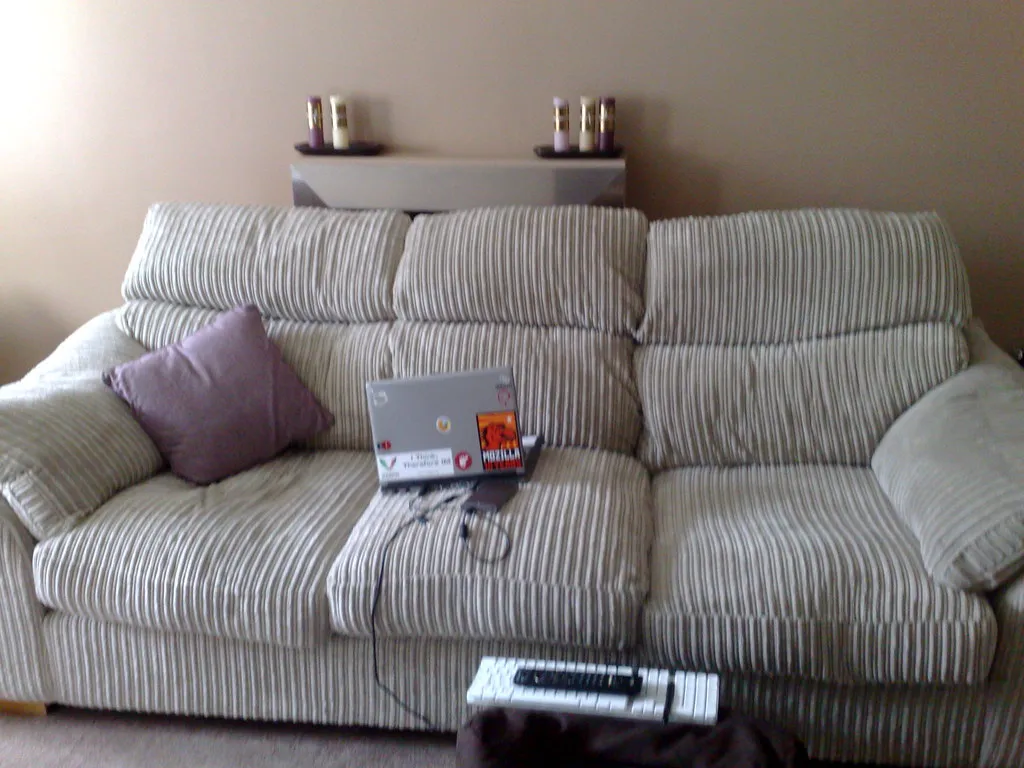
Beige sofas get dismissed as boring sometimes, but in color psychology, warm neutrals create a sense of openness and approachability. That’s actually a generous quality in a home. People who choose beige are often genuinely welcoming and unpretentious. They want guests to feel comfortable, not intimidated.
If you find yourself gravitating toward a sofa in warm beige, you might be seeking simplicity and stability to ground a fast-paced life. If you prefer beige, simplicity, calmness, and elegance might define your personality. There’s a quiet confidence in choosing something warm over something flashy.
6. The Green Sofa: Individuality and Old-Soul Taste
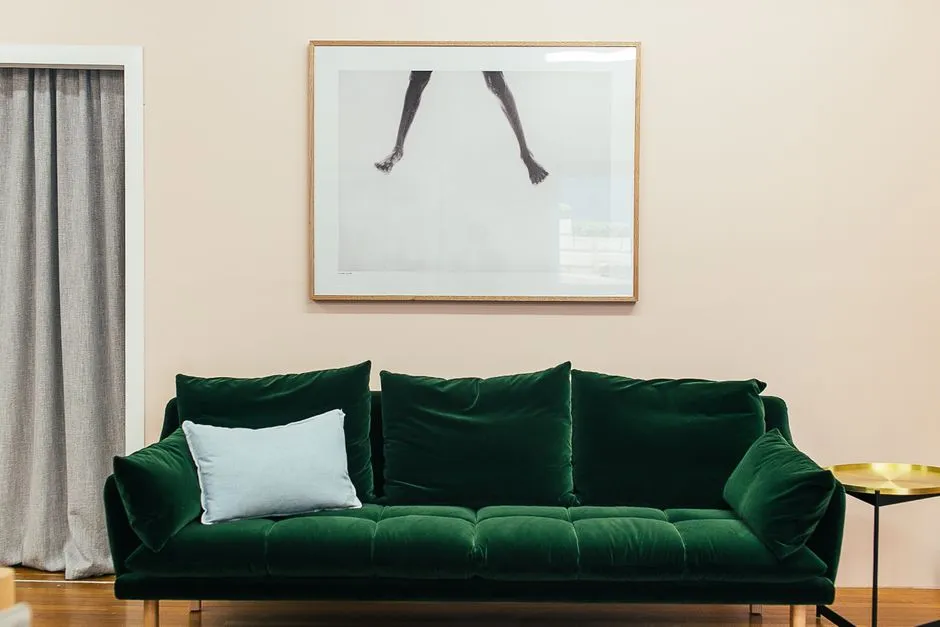
Green carries a quiet double signal that almost no other color pulls off. A deep green sofa doesn’t announce itself the way a red one does. Instead, it establishes a kind of understated authority. People who choose a forest green or olive velvet sofa tend to have a strong personal aesthetic and usually don’t follow trends too closely.
Bold green sofas tend to make people feel at home faster than almost any other color. There’s something about green, particularly in deeper, saturated tones, that reads as both inviting and intentional. The person who owns a green sofa has usually thought hard about what they actually like, rather than defaulting to whatever was popular that season.
7. The Cluttered Couch: Creativity and Mental Load

What’s on the couch matters as much as the couch itself. Throw blankets stacked in one corner, books piled on the cushions, three different remote controls scattered across the seat – these details paint a picture. A messy space may indicate creativity or a free-spirited nature, but it can also reflect stress or decision fatigue.
Some research even suggests that a slightly messy environment can sometimes encourage original thinking and help break free from conventional habits. So a couch buried under a creative person’s current projects isn’t necessarily a sign of chaos. While clutter can look chaotic, psychology views it as a sign of active mental energy and emotional depth. A cluttered space doesn’t always equal disorder; it might reflect an imaginative and open-minded personality.
8. The Perfectly Styled Couch: Openness as a Trait
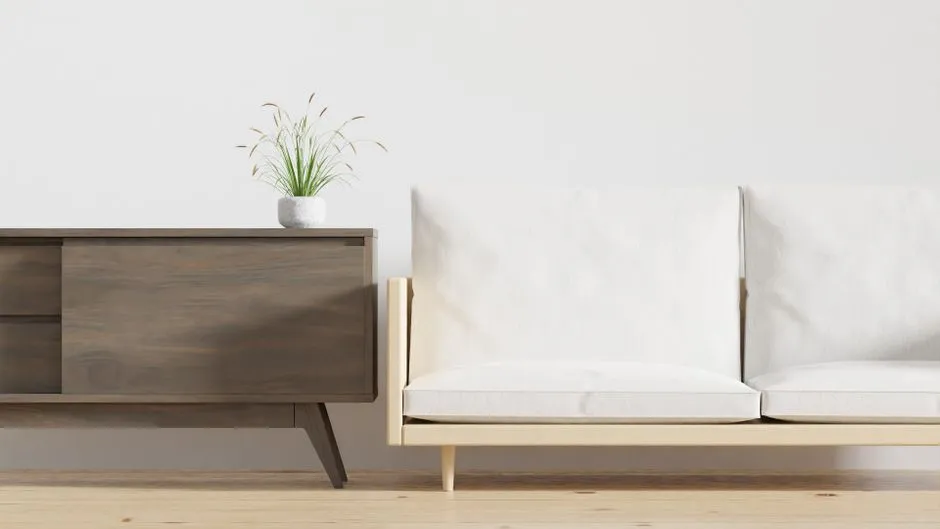
Some people arrange their throw pillows with intention, choose cushions that complement the wall art, and style the sofa as if it might appear in a magazine spread. This isn’t vanity. It’s a form of self-expression. Researchers found many cues that people use to judge openness, such as distinctive decorating, and neatness for conscientiousness.
Research by psychologist Samuel Gosling found that openness is actually the most accurately judged trait when strangers observe a personal space. A carefully styled couch, with deliberate choices in texture, color, and arrangement, communicates creative openness clearly, even to people who’ve never met you. It’s one of the more visible personality signals in a room.
9. The Oversized, Comfort-First Sectional: Extraversion and Generosity
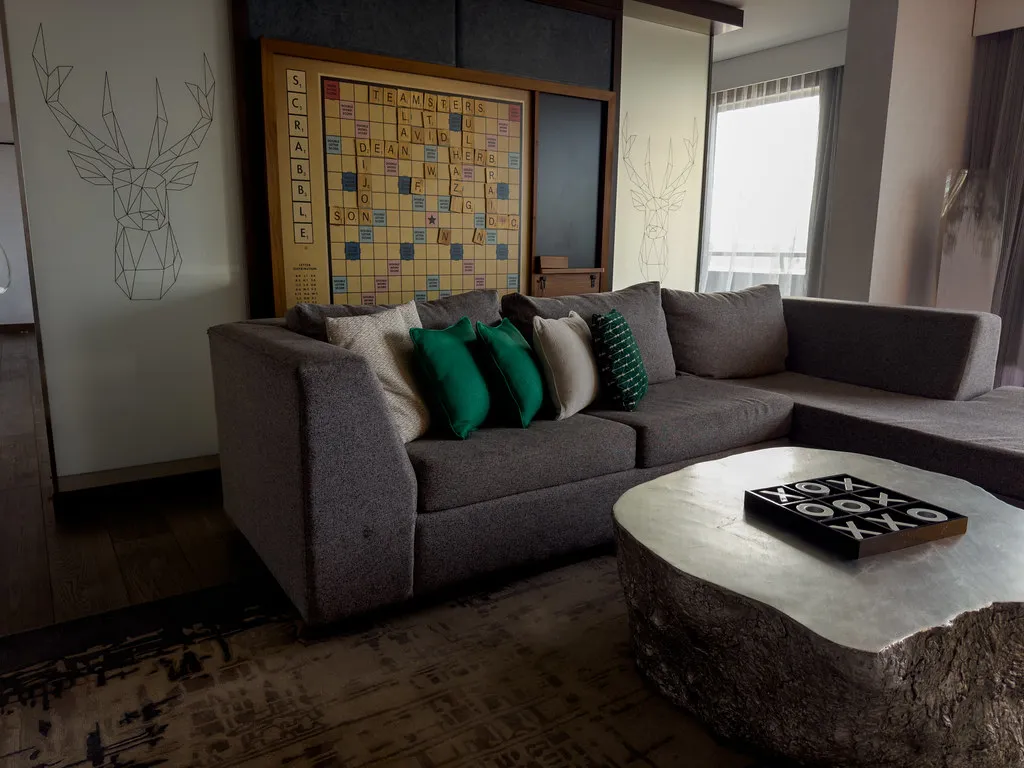
A sprawling sectional that seats eight isn’t just furniture. It’s an invitation. People who invest in large, sink-into-them sofas tend to be natural hosts. They think about how others will feel in the space, often before thinking about their own preferences. Research from the University of Texas at Austin found that extraversion was associated with greater brightness and more color in living spaces.
Introverts tend to build homes optimized for restoration and low stimulation; extroverts tend to build homes optimized for social energy and interaction. A massive sectional loaded with cushions fits squarely into the extrovert’s toolkit. It’s built for people who genuinely enjoy having a full house on a Friday night.
10. Couch Placement and What It Signals
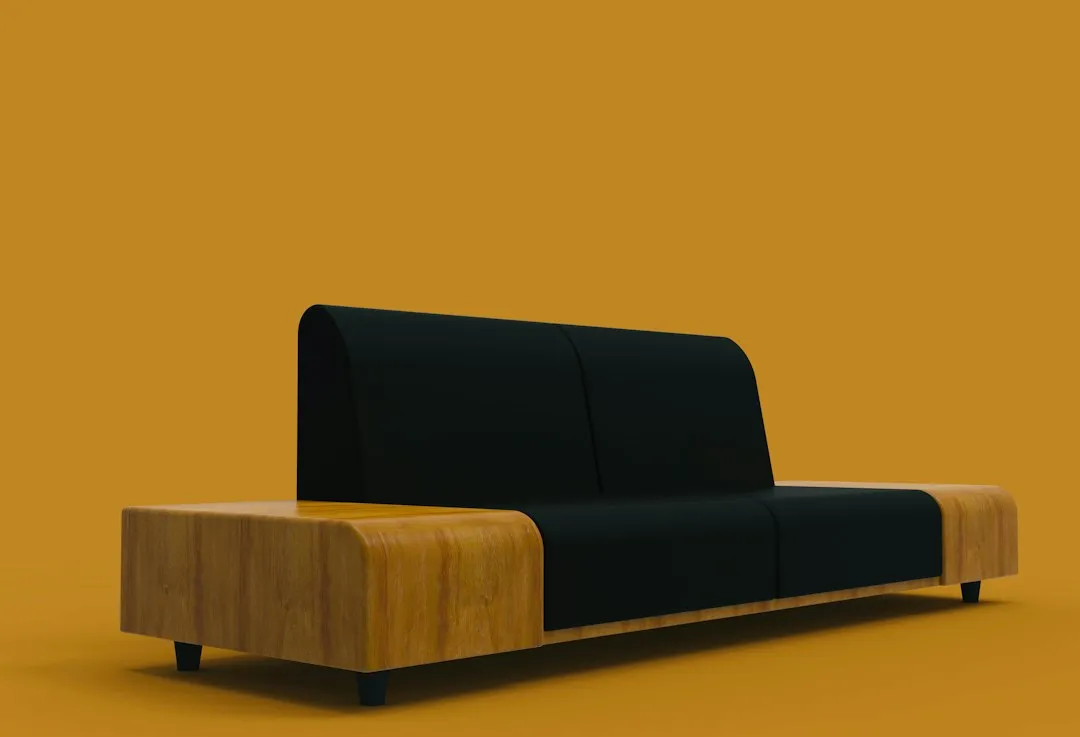
In modern living rooms, the sofa is no longer just a background piece of furniture but a visible statement of taste, lifestyle, and intent. Where you put it matters almost as much as the style you choose. A couch pushed against the wall signals caution, a preference for open space, and a slight reluctance to fully commit to decorating. A couch floating in the center of the room signals confidence and design awareness.
Individual personality traits are powerful determinants of behavior, and they can profoundly influence consumer decisions. This extends to how people arrange their homes. Research found that certain personality traits were associated with architectural and interior design choices, and that personality traits are linked with the outer and inner design preferences in a space, which might help the design to meet personalized needs and promote mental health and well-being. Where the couch lands in a room is rarely an accident.
The Takeaway

While a single room can’t capture the full complexity of a person, psychologists say that certain choices in our environments often reflect our underlying personality traits. Your couch sits at the center of that. It’s the first thing guests see, the place where daily life actually happens, and the object that most clearly broadcasts your taste, your values, and your sense of comfort.
You feel most like yourself at home because your living space functions as an extension of your identity and personality. The couch, more than almost any other piece of furniture, is where that identity takes a seat. It’s worth paying attention to what yours is quietly saying.
AI Disclaimer: This article was created with the assistance of AI tools and reviewed by a human editor.