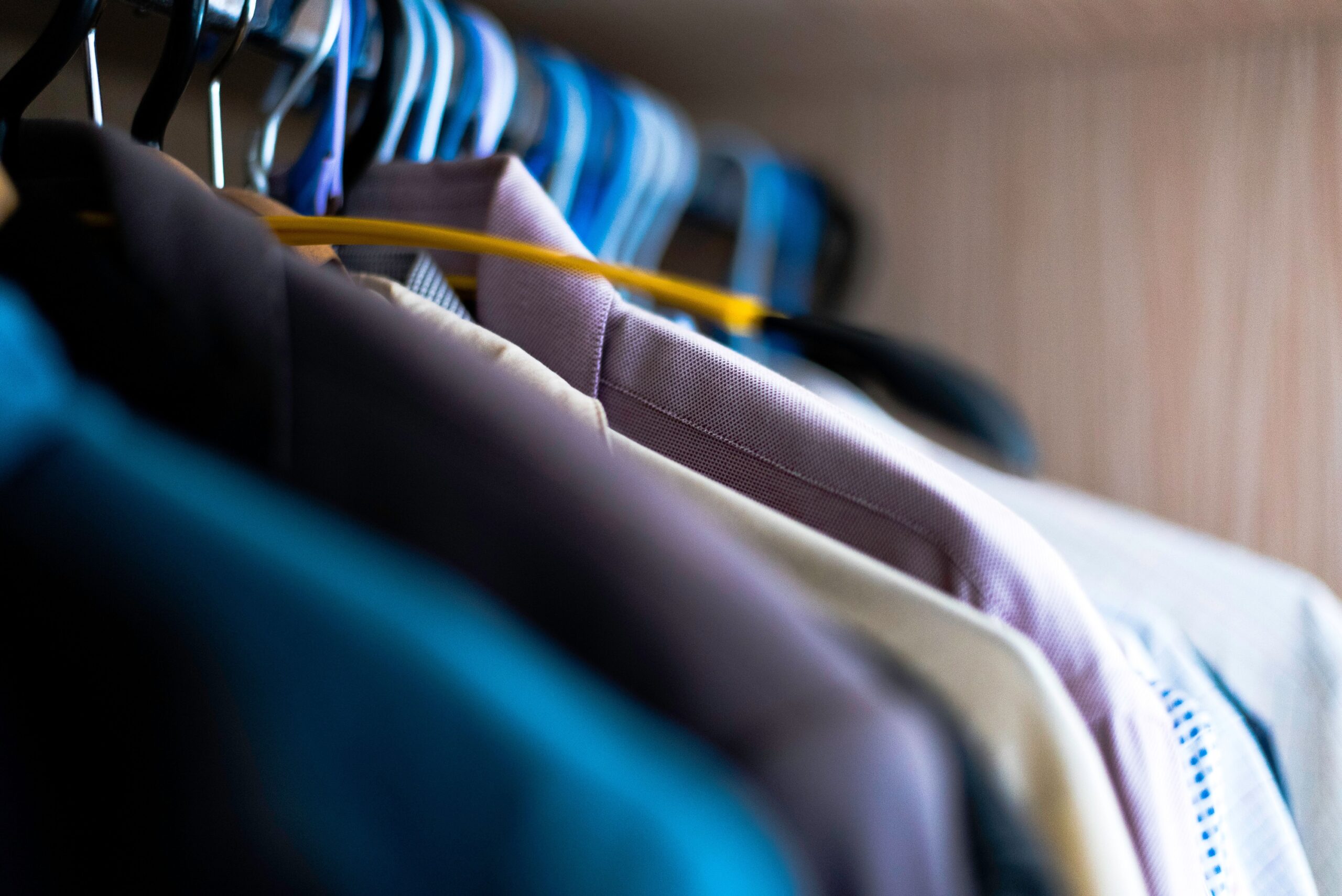

Most people open their closet doors every morning without giving the experience a second thought. Grab something, go. Yet the way that closet looks, whether it’s immaculate, chaotic, color-coded, or somewhere in between, is surprisingly telling about how you think, what you value, and even how you’re currently feeling.
Psychologists have spent years studying how our physical environments reflect and influence our inner lives. The closet is one of the most intimate spaces in a home, and what happens inside it is worth a closer look.
The Perfectly Color-Coded Closet: Detail-Oriented and In Control
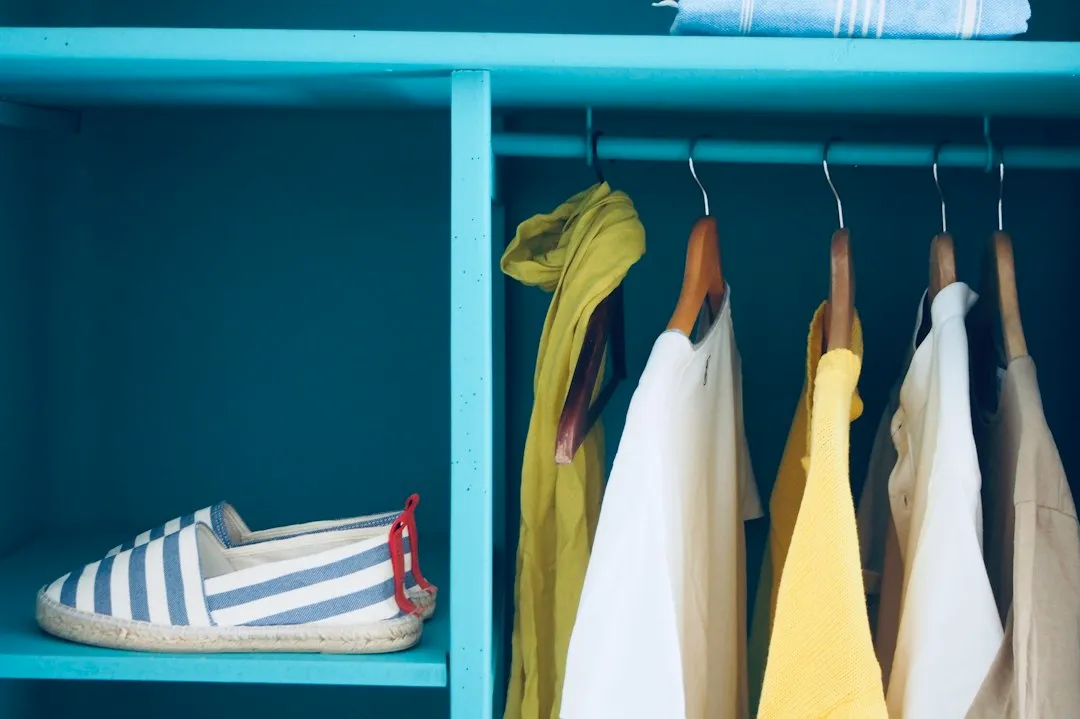
Organizing a closet by color is a task that requires genuine focus. Each item needs to land in exactly the right spot, and a single misplaced shirt can throw the entire visual system off. People who do this naturally aren’t perfectionists in the clinical sense; they simply find comfort in visual order.
These individuals tend to have an attention to detail that extends far beyond their closets. They notice the small things others overlook, and their carefully arranged wardrobe is an expression of precision and a love for structure.
People with color-arranged closets also tend to be decisive and value efficiency. They reduce clutter, both physical and mental, and work to streamline processes wherever possible.
The Overflowing, Packed Closet: Attachment and Avoidance
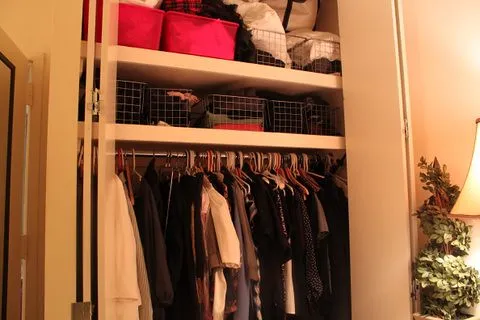
According to a 2024 survey of 2,000 homeowners, roughly four in ten are afraid of facing the clutter in their homes, and nearly a third have difficulty keeping their homes organized. An overflowing closet is rarely just about having too many clothes. It often reflects a pattern of postponed decisions.
Owning things provides comfort, and it can be genuinely challenging to let go of items that once brought joy, even when they no longer serve any real purpose in your daily life. The packed closet is not laziness. It’s often emotional attachment in physical form.
Clutter frequently stems from over-accumulation, buying things that are out of sight, out of mind. Organizing the closet can help by forcing you to confront what you actually already own.
The Minimalist Closet: Intentional and Efficiency-Driven
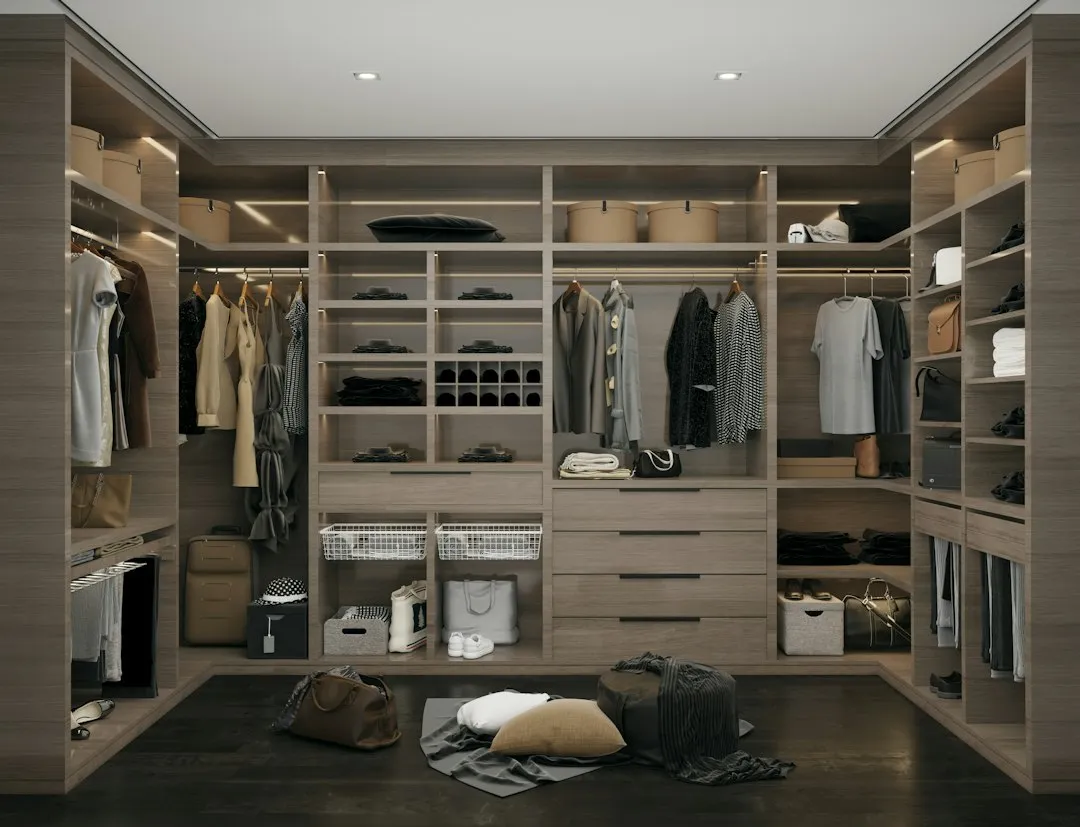
High conscientiousness predicts neat, coordinated, and well-maintained wardrobes, always intentional rather than necessarily formal. Minimalist wardrobes typically signal intentionality, cognitive efficiency, and a reduced need for daily decision fatigue.
Several famously productive people, from Steve Jobs to Barack Obama, have described deliberately simplifying their clothing choices to reduce daily decision fatigue. The minimalist closet is a strategy, not just an aesthetic.
Every item in a closet represents a micro-decision that must be processed. An overstuffed or disorganized closet increases decision fatigue, the mental exhaustion caused by making too many choices, which can subtly degrade cognitive performance across the whole day.
The Stress Connection: What Clutter Is Actually Doing to You
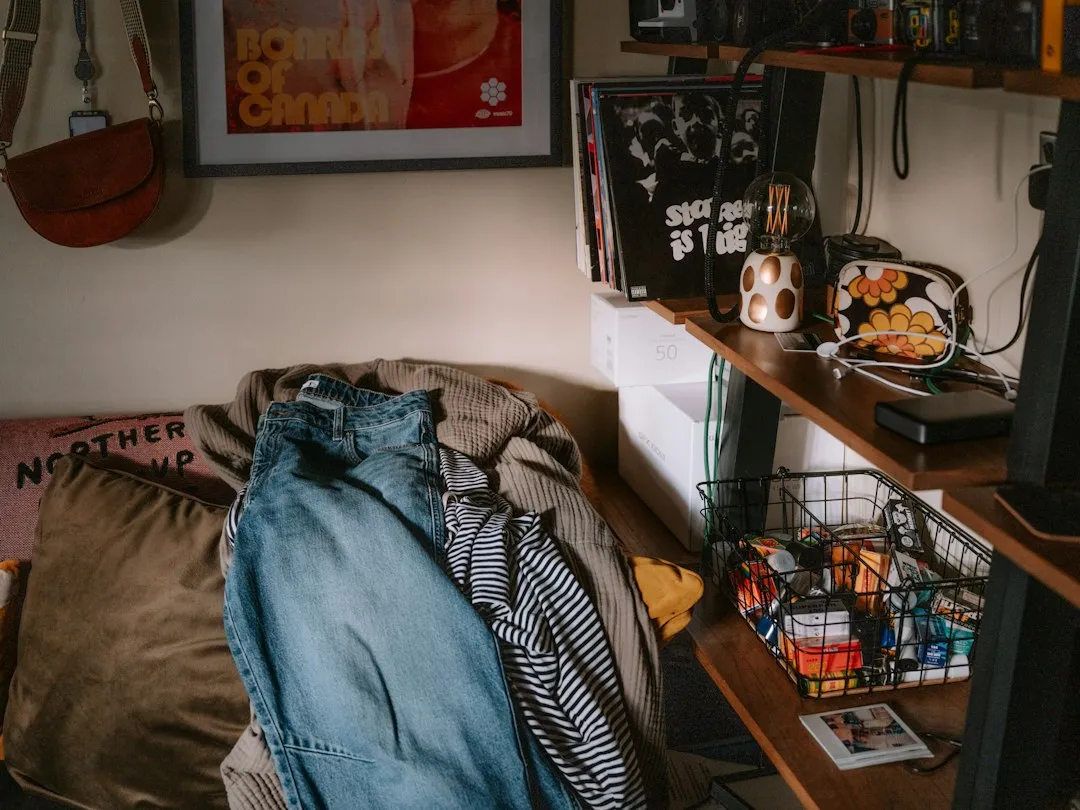
Research has shown that cluttered environments are linked to increased levels of stress and anxiety. A study published in the journal Personality and Social Psychology Bulletin found that individuals who described their homes as cluttered experienced higher levels of the stress hormone cortisol.
Research from the University of California, Los Angeles established one of the most cited findings in this field: clutter raises cortisol levels by approximately 25 percent in the people who live with it. That’s not a minor effect. Cortisol is the same hormone that spikes during acutely stressful situations.
A 2025 study of 501 adults found that greater home clutter was associated with lower mental well-being, lower life satisfaction, less positive affect, and more negative affect. The researchers were careful to note that because the study was cross-sectional, it cannot definitively establish that clutter caused lower well-being. Still, the pattern across the literature is consistent.
The Closet and Your Personality Traits: What Psychology Says
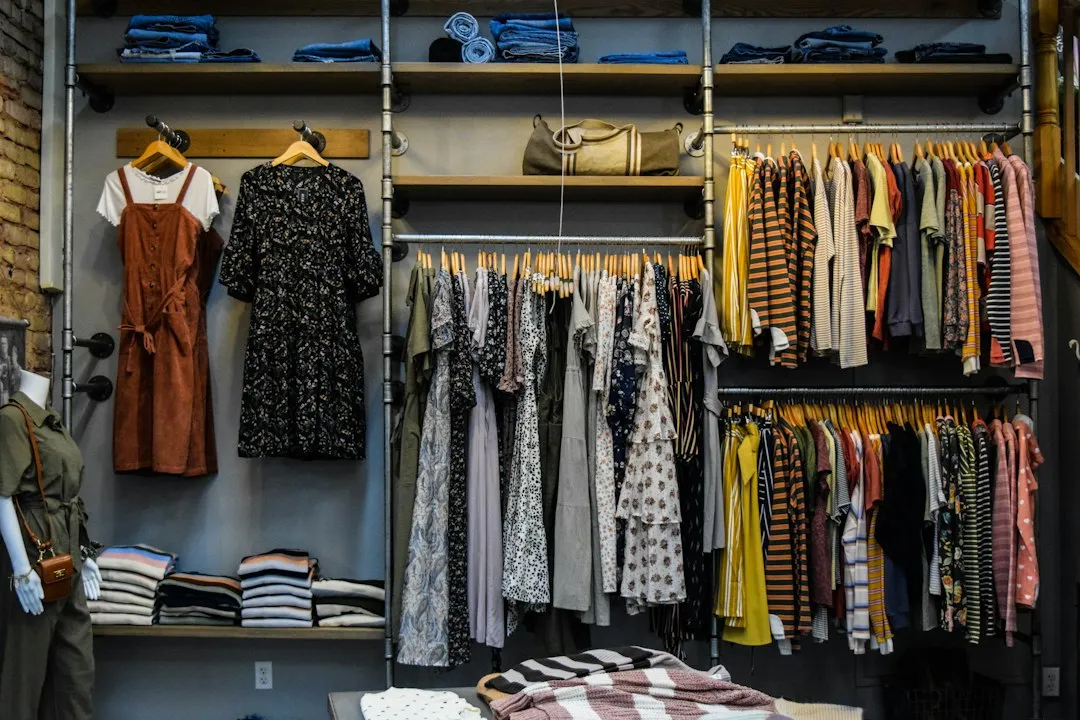
Research has shown that baseline personality can predict how people dress and organize their wardrobes. This can be examined through the Big Five personality traits: openness to experience, conscientiousness, extraversion, agreeableness, and neuroticism.
People high in openness tend to value creativity, aesthetics, and unconventional ideas. According to a 2024 paper published in the Polish Psychological Forum, those high in openness are more likely to seek out original and fashionable clothing. They are the early adopters who experiment with identity through style, while those lower in openness often prefer subdued choices and consistent silhouettes.
Conscientiousness, in contrast, is associated with a strong desire for control and structure. Those high in this trait tend to keep their closets planned, neat, and functional rather than exploratory.
Morning Mood and the Getting-Dressed Experience

When a wardrobe feels chaotic, decision fatigue kicks in before the day has even started. Visual clutter in the closet directly translates to mental clutter, and when you open those doors to a jumbled mess, the stress response activates before you’ve consciously processed what you’re looking at.
Most people who struggle to get dressed in the morning don’t have a wardrobe problem. They have an organization problem. Most people wear only about 20 percent of their wardrobe 80 percent of the time, a statistic that should reframe how we think about closet organization entirely.
According to a 2024 report by at-home styling service Stitch Fix, over half of their clients said they felt mentally overwhelmed or stressed when deciding what to wear. That’s not a personality flaw. It’s a system design problem.
The Gender Gap in Clutter Sensitivity

Research consistently shows that women experience stronger stress responses to household clutter than men. Men in the same households often show no such pattern. This gap is real and documented across multiple studies.
Clutter weighs more heavily on women, and it is not simply a matter of perception. A peer-reviewed UCLA study found that women who described their homes as cluttered had a flatter daily cortisol pattern, a stress-hormone profile linked to worse health outcomes.
The UCLA research revealed notable gender differences in cortisol response to household clutter, pointing to complex social and psychological factors that influence how clutter affects different people. Social conditioning around homemaking likely plays a significant role here.
Motivation, Control, and the Organized Space

According to survey data, 91 percent of Americans feel overwhelmed by clutter at least sometimes, while 57 percent feel stressed and 42 percent feel more anxious when their home is cluttered. Those are remarkably high numbers for something most people treat as a minor inconvenience.
Nearly half of respondents said that the organization of their home has a direct impact on their mental health, and 80 percent feel more motivated when their home is not cluttered. Research shows that roughly six in ten Americans find home reorganization a significant de-stressor.
The simple act of maintaining an orderly closet can reinforce feelings of capability and self-efficacy. Visual accessibility is also crucial for reducing decision fatigue. These are practical gains, not just aesthetic ones.
The Avoidance Closet: When Disorganization Is a Signal
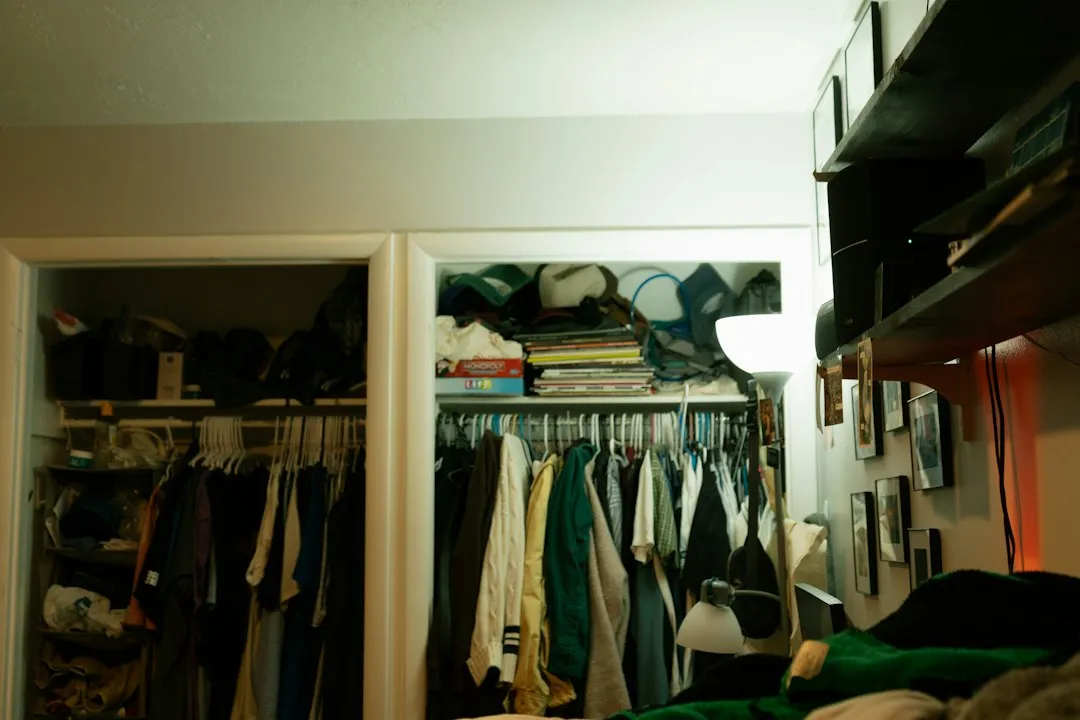
Clutter can trigger anxiety, panic, depression, feelings of low self-worth, and an overall sense of being overwhelmed, all of which negatively impact life satisfaction. Sometimes a messy closet isn’t a sign of a busy life. It can quietly indicate that something else is going on.
In a recent survey, 74 percent of respondents reported experiencing stress or anxiety when confronted with cluttered areas, while 32 percent said they avoid inviting guests into their homes because of clutter. Another 26 percent said clutter had negatively affected their relationships.
Research consistently shows that clutter can negatively impact an individual’s health by increasing stress and anxiety, reducing focus and productivity, and contributing to mental health issues like depression or mood disorders. When avoidance becomes a habit, the closet can become a kind of mirror for it.
Closet Organization as a Form of Self-Care
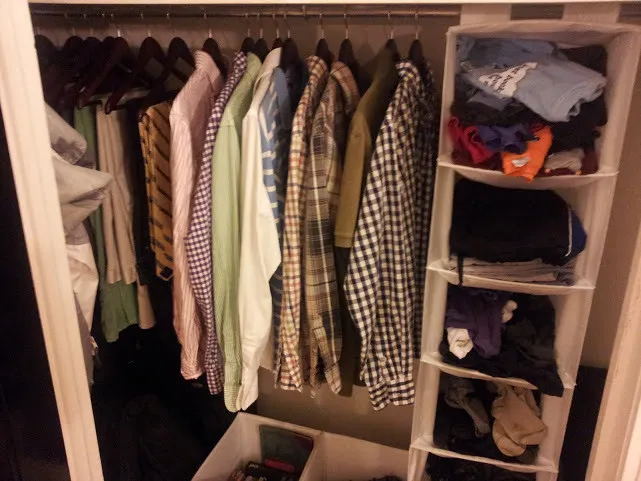
A well-organized closet can make morning preparation easier, set a positive tone for the day, save time, reduce decision fatigue, and ultimately create a space that actively supports mental health and daily routines.
Decluttering and organizing a closet can function as a form of mindfulness, helping you feel more in control and fostering genuine mental clarity. That framing shifts the task from chore to something closer to intentional self-maintenance.
The investment of time and energy required to organize a wardrobe pays dividends in reduced decision fatigue, increased confidence, and greater satisfaction with the clothes already owned. Approaching organization as a form of self-care rather than just household maintenance creates lasting positive changes that extend far beyond the closet.
The Takeaway
Your closet is a small space, but it holds a lot of information. How it looks on any given month tells you something about where your head is, what you’re holding onto, and how much cognitive friction you’re quietly absorbing every morning before the day has even started.
Psychologists have long explored how personality traits shape behaviors, decisions, and preferences, including what we wear and how we store it. The Big Five personality traits offer a useful lens through which to understand those daily choices. You don’t need to have a Pinterest-perfect wardrobe to benefit from that understanding.
The real insight isn’t about tidiness for its own sake. It’s that the state of your closet often reflects the state of your mental bandwidth, and sometimes, addressing one genuinely helps the other.
AI Disclaimer: This article was created with the assistance of AI tools and reviewed by a human editor.