


1. The Snake Plant Owner Wants An Edge While They Sleep
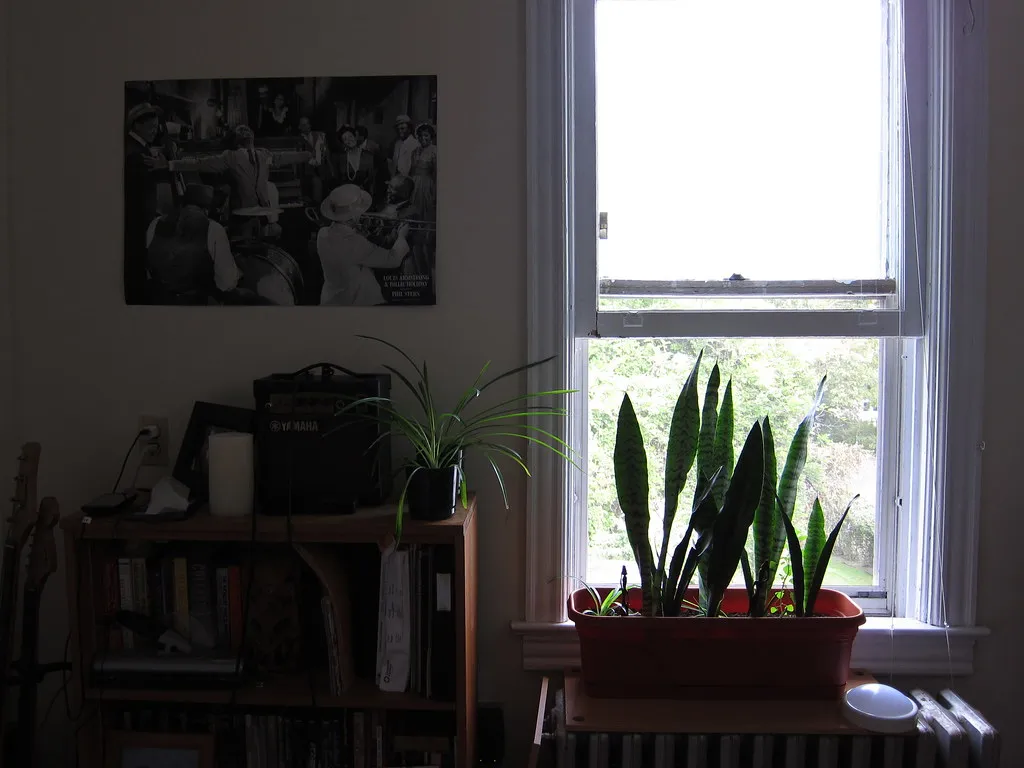
People who gravitate toward snake plants tend to be the sleep optimizers, the ones who track their sleep app data and read up on tiny biological hacks. That instinct isn’t baseless. Snake plants use a rare process called CAM photosynthesis, which means they use CAM photosynthesis to absorb CO2 at night and release oxygen, making them ideal for bedrooms where fresh air is needed while sleeping. NASA’s original testing on the plant found it could remove 52.6 percent of airborne benzene along with a substantial amount of formaldehyde. Independent plant researchers are quick to add a dose of realism though, noting that the increase in oxygen is small, and a few snake plants will not transform a bedroom into an oxygen bar. So the snake plant person isn’t wrong to want the benefit, they’re just chasing a small edge rather than a miracle fix.
2. The Lavender Grower Is Building A Wind Down Ritual

Someone who keeps a potted lavender on the windowsill is usually the type who treats bedtime as a process rather than a light switch. That habit lines up with actual clinical findings. In a randomized pilot study, researchers found that lavender was able to increase the percentage of deep or slow wave sleep in both men and women, while also decreasing the amount of time spent awake after first falling asleep in women. A separate trial with midlife women showed measurable changes in heart rate variability after regular lavender inhalation, hinting at a real physiological calming effect and not just a placebo. For this person, the plant is less about air chemistry and more about a signal to the brain that it’s time to slow down.
3. The Jasmine Keeper Is Fighting A Racing Mind
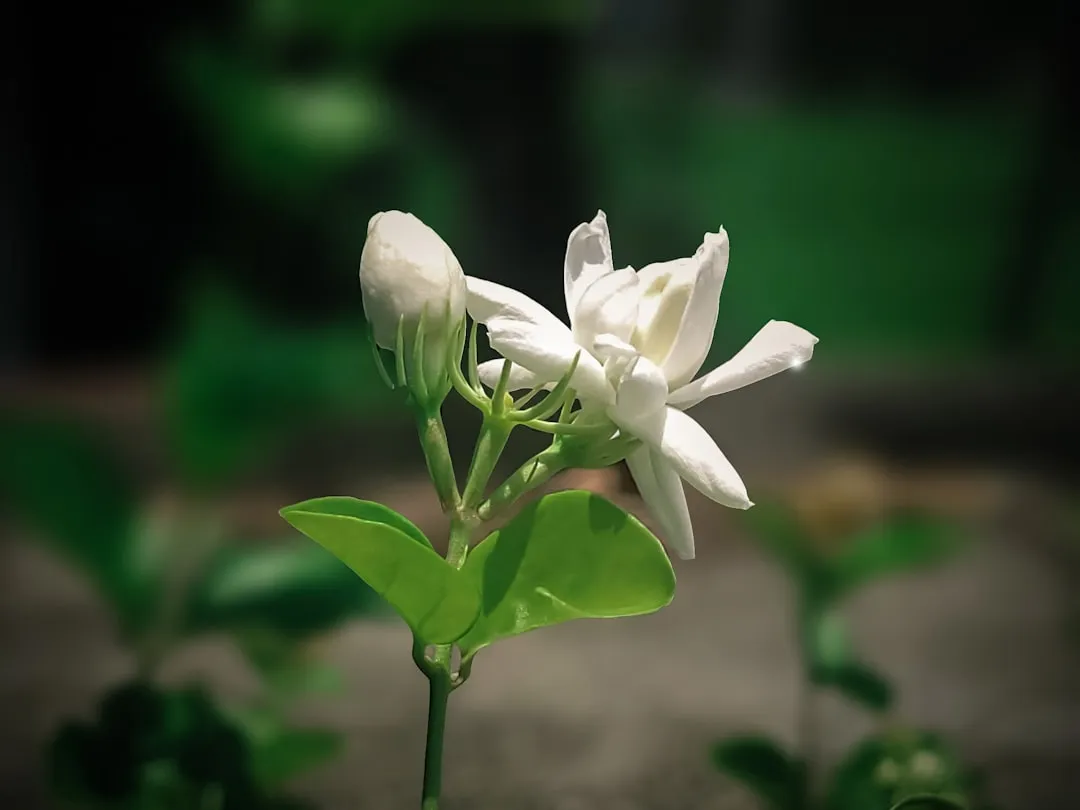
Jasmine is a fussier plant to keep alive indoors, so choosing it usually means someone was motivated enough to push through the extra care. That motivation often traces back to anxious nights. Early research from Wheeling Jesuit University found that people who slept in rooms with jasmine scent reported better sleep quality and experienced less anxiety upon waking. More recent clinical work backs this up. A 2024 randomized crossover trial presented in the journal SLEEP tested nightly jasmine exposure on people with delayed sleep onset and frequent disturbances and found that both sleep quality and total sleep time improved compared to baseline, with jasmine reducing wake time after sleep onset. If jasmine is on your nightstand, there’s a decent chance racing thoughts are part of your nighttime story.
4. The Pothos Person Sleeps On Their Own Schedule
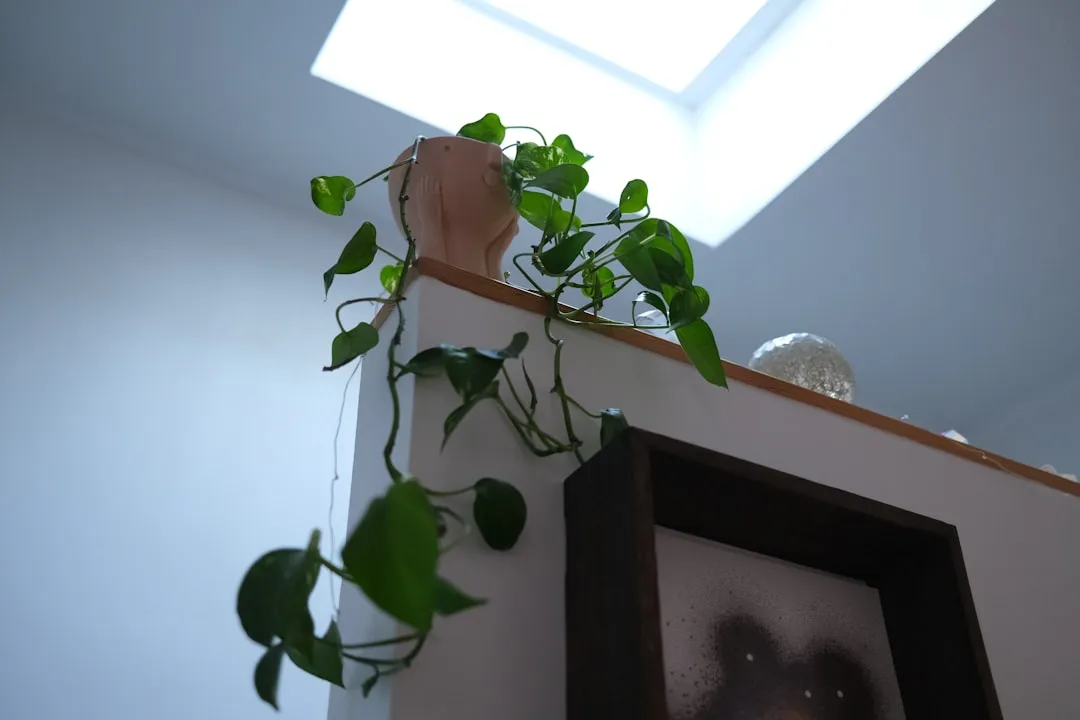
Pothos is one of the most forgiving houseplants around, able to survive missed waterings, low light, and general neglect for weeks. People who choose it tend to want greenery in the bedroom without adding another task to their routine, which often mirrors an inconsistent or irregular sleep schedule. It was one of the original plants NASA highlighted for indoor air benefits, so the choice isn’t purely lazy, it’s practical. This is the plant of shift workers, new parents, and anyone whose bedtime shifts by two or three hours depending on the day.
5. The Peace Lily Fan Cares About Air Quality First
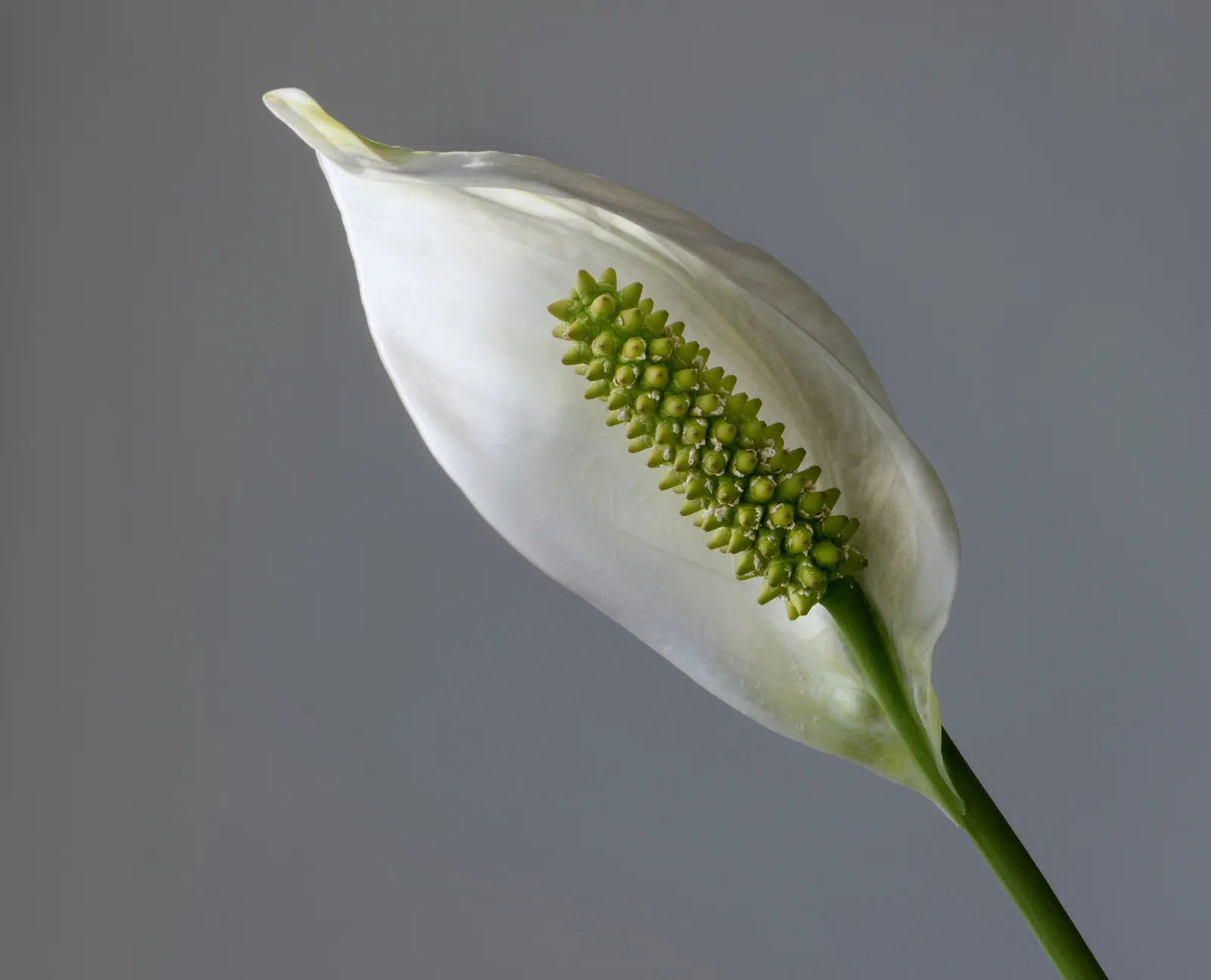
Peace lilies show up again and again on lists of bedroom-friendly plants, largely because of their history in early indoor air research. NASA’s Clean Air Study, conducted in sealed chambers, suggested that in addition to absorbing carbon dioxide and releasing oxygen through photosynthesis, certain common indoor plants may also remove volatile pollutants such as benzene, formaldehyde, and trichloroethylene. Someone who picks a peace lily is usually thinking about what they’re breathing overnight, whether that’s from new furniture, paint, or synthetic fabrics. This tends to be the sleeper who notices stuffiness or a scratchy throat before anything else, and who treats air quality as step one of a good night’s rest.
6. The Aloe Vera Or Succulent Owner Wants Passive Benefits
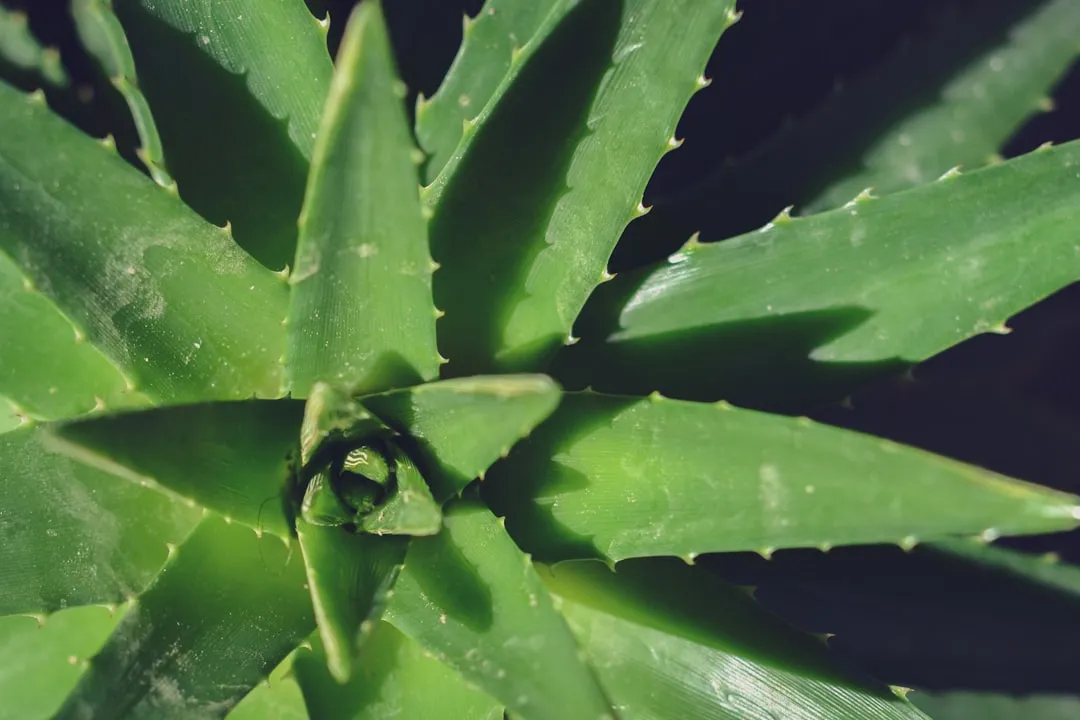
Succulents and aloe vera share the same nighttime trick as snake plants. They are CAM plants that take in carbon dioxide at night and release oxygen then, unlike most plants which do the opposite. People drawn to these plants usually want a low-effort setup, something that survives forgotten watering schedules the same way they survive forgotten bedtimes. It’s a plant choice that suits the person whose sleep routine is more improvised than scheduled, but who still likes the idea of the room doing a little work for them overnight.
7. The Spider Plant Owner Adapts To Anything
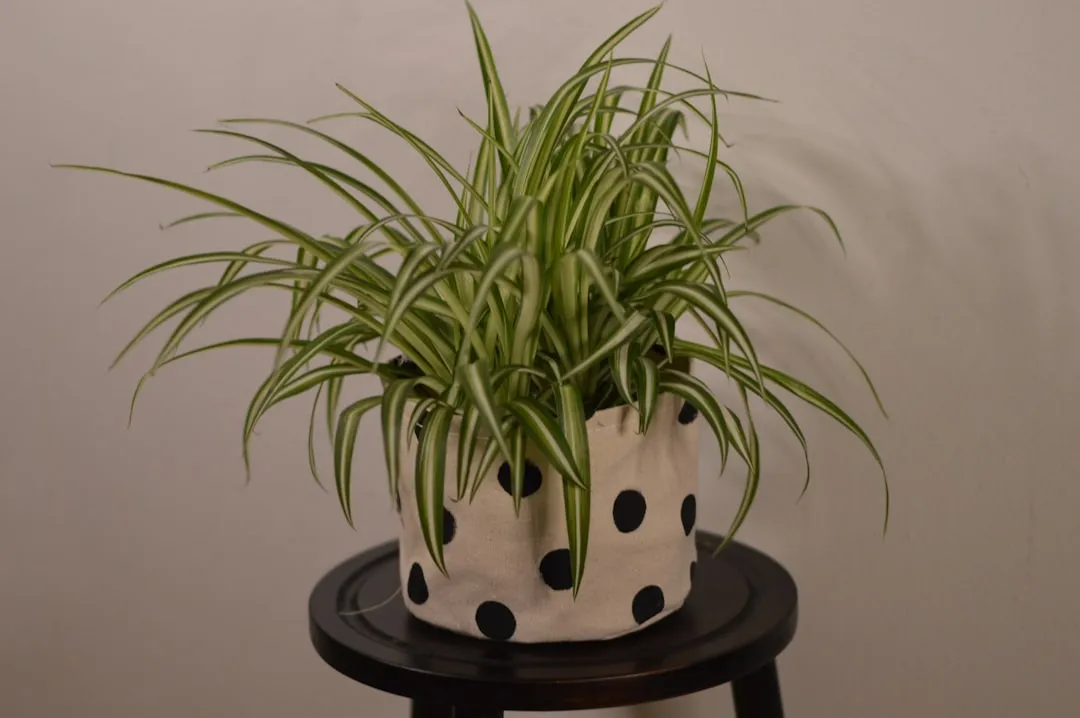
Spider plants sit right alongside snake plants, pothos, and peace lily on the original NASA Clean Air Study list, chosen partly because they tolerate a wide range of indoor conditions. People who keep them tend to be flexible sleepers themselves, the type who can doze off in a bright room, a noisy house, or an unfamiliar bed without much fuss. The plant asks for very little and forgives a lot, which fits someone whose sleep habits bend around whatever the day throws at them rather than sticking to a rigid routine.
8. The ZZ Plant Owner Has Given Up On Perfect Routines

Few houseplants tolerate neglect the way a ZZ plant does, surviving weeks without water and thriving in low light where most other greenery would wilt. Choosing one usually signals someone who has made peace with an imperfect schedule, whether that’s due to travel, unpredictable work hours, or simply not being a naturally tidy sleeper. This isn’t the person chasing an ideal eight hours every night. It’s the person who wants something alive in the room that won’t punish them for missing a step, plant or otherwise.
9. The English Ivy Grower Is Sensitive To Their Environment

English ivy was one of the plants tested in NASA’s original chamber study, and it has a long-standing reputation for helping with allergens and airborne particles. It is well known for its air-purifying properties, which explains why it often ends up in the bedrooms of people who deal with allergies, mild asthma, or general sensitivity to indoor air. This is the sleeper who notices dust, pet dander, or a musty smell faster than most, and who treats their bedroom almost like a small wellness project. The plant choice reflects a person paying close attention to the small environmental details that others might overlook.
10. The Boston Fern Owner Is Chasing Better Air Moisture
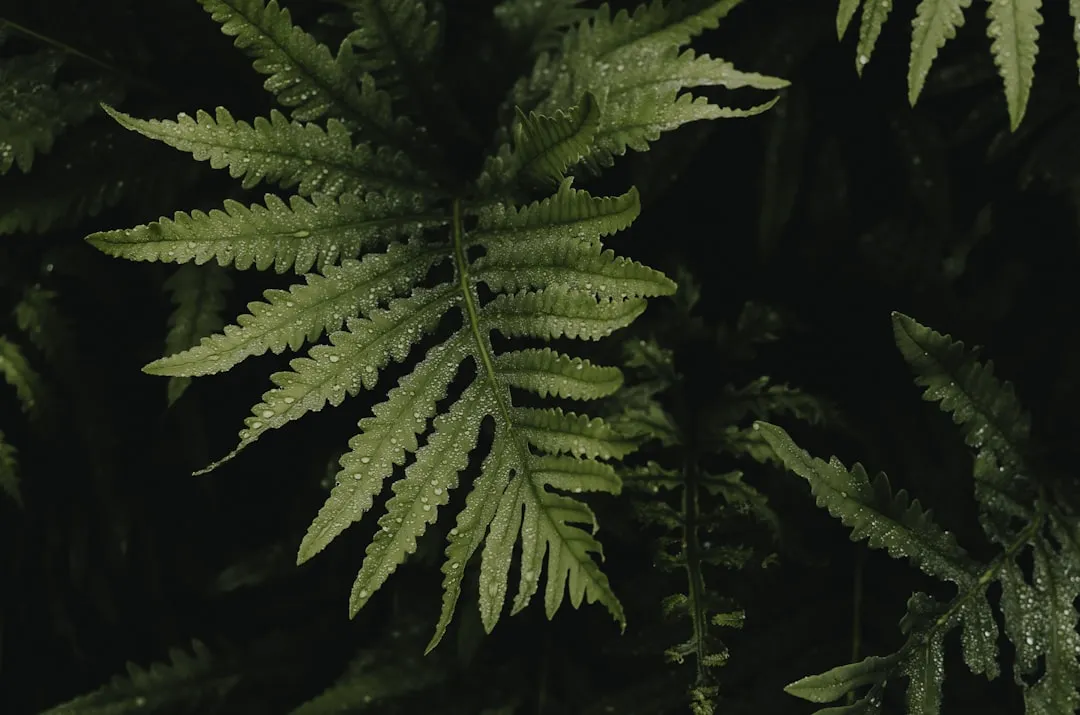
Boston ferns are humidity lovers by nature, releasing moisture into the air as part of their normal growth cycle, which makes them a common pick for people dealing with dry winter air or occasional congestion at night. Someone who keeps one on a shelf or in a hanging planter is often trying to solve a specific problem, whether that’s a scratchy throat on waking or a partner who snores less in more humid air. It takes a bit more attention than a snake plant or pothos, since ferns dry out and show it quickly. That extra care usually points to a sleeper who has identified a real, physical reason their nights feel worse and is willing to put in the work to fix it.
None of this amounts to a diagnosis, and no single plant is going to rewrite a person’s sleep schedule on its own. What the pattern does suggest is something simpler: the plant on a nightstand is rarely a random pick. It’s a small, honest clue about what someone is hoping their nights will feel like, whether that’s calmer, cleaner, more humid, or just a little less demanding than the day that came before it.AI Disclaimer: This article was created with the assistance of AI tools and reviewed by a human editor.