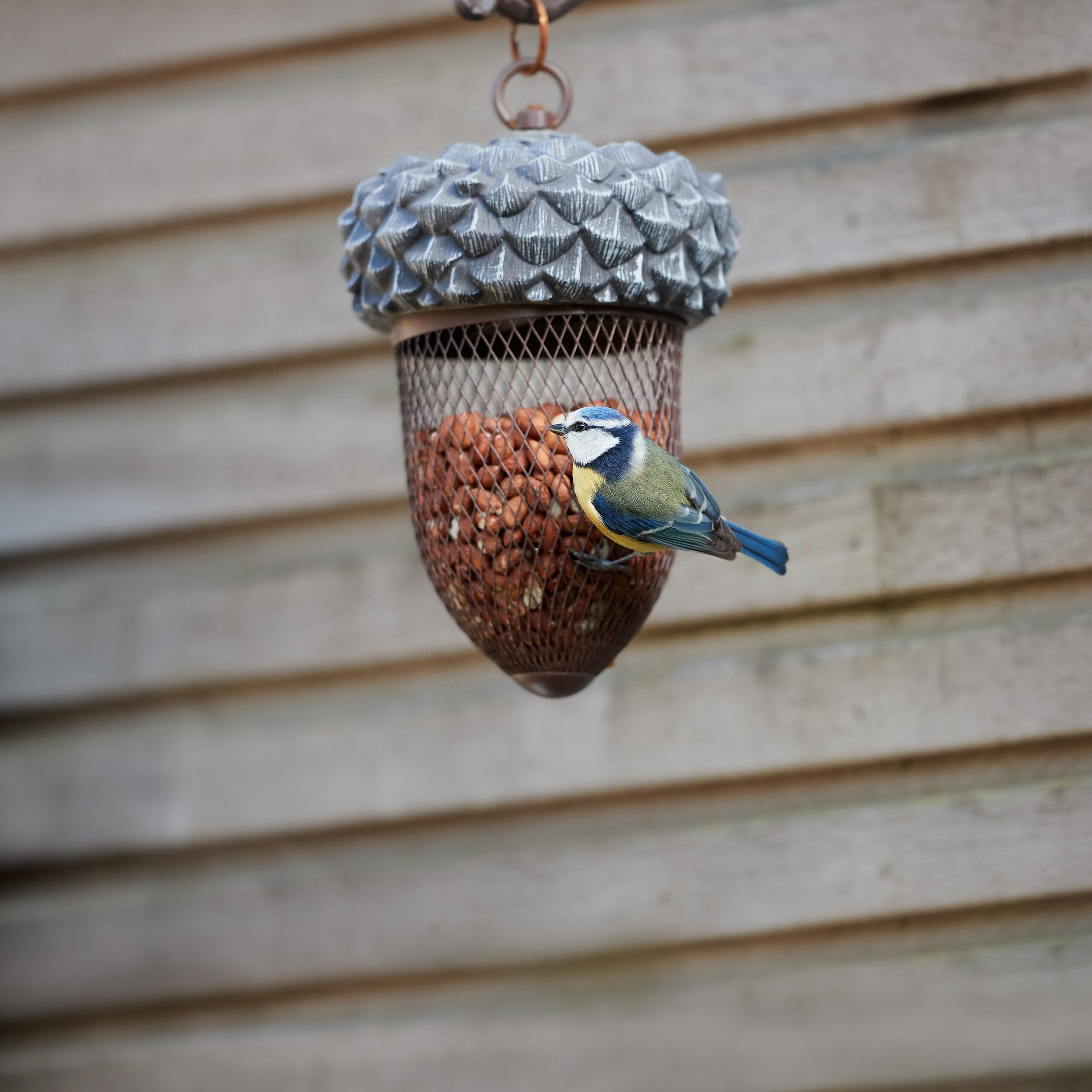

Tens of millions of Americans hang a bird feeder outside and think little of it. It’s just seeds and a hook, they’d say. Yet the feeder you choose, where you put it, what you fill it with, and how often you clean it tells a surprisingly detailed story about how you move through the world.
Bird feeding has quietly grown into one of the most popular outdoor pastimes in the country. Roughly 96 million Americans engaged in wildlife watching in 2025, with residential bird feeding representing the largest home-based activity of that group. The choices behind that activity are rarely random.
The Hopper Feeder: You Like to Welcome Everyone
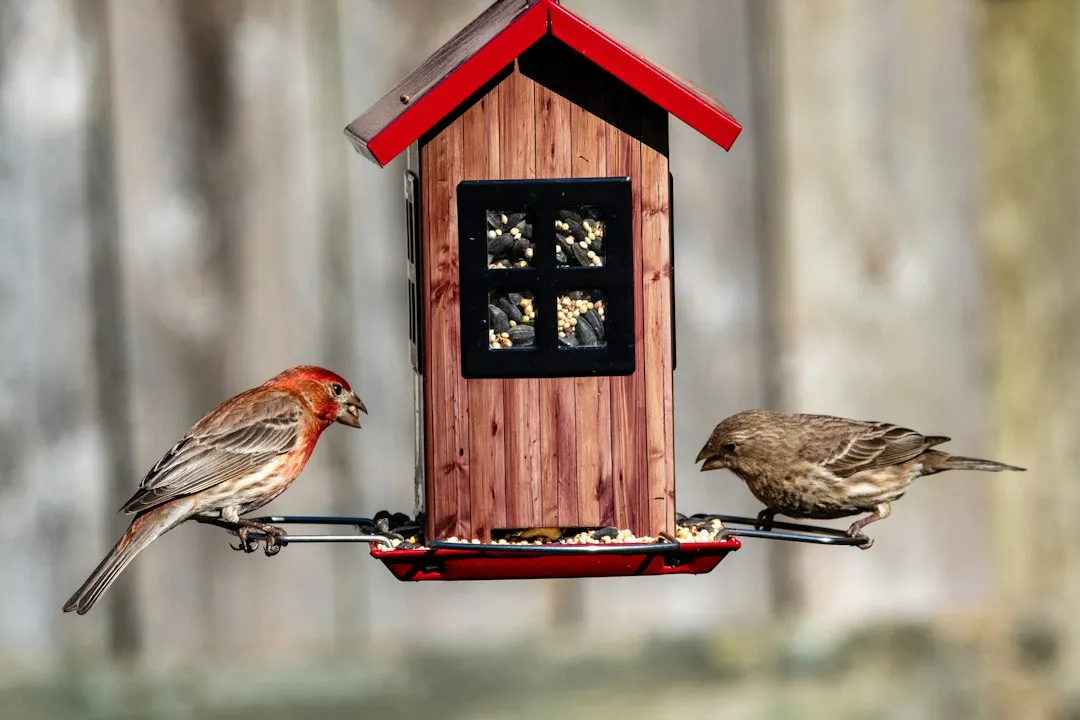
Hopper feeders, sometimes called “house feeders,” have a roof, walls, and a tray at the bottom, with seed gravity-feeding as birds eat. They host the broadest range of species, including cardinals, blue jays, sparrows, chickadees, and finches. If this is your feeder of choice, you probably have an open-door personality to match.
You’re the person who makes enough food for extra guests at dinner without being asked. Hopper bird feeders account for roughly 30 percent of market share among all feeder types, making them the crowd-pleaser of backyard birding. There’s something honest about that preference. You’re not fussy about who shows up, you’re just glad someone did.
The Tube Feeder: You Appreciate Simplicity and Order
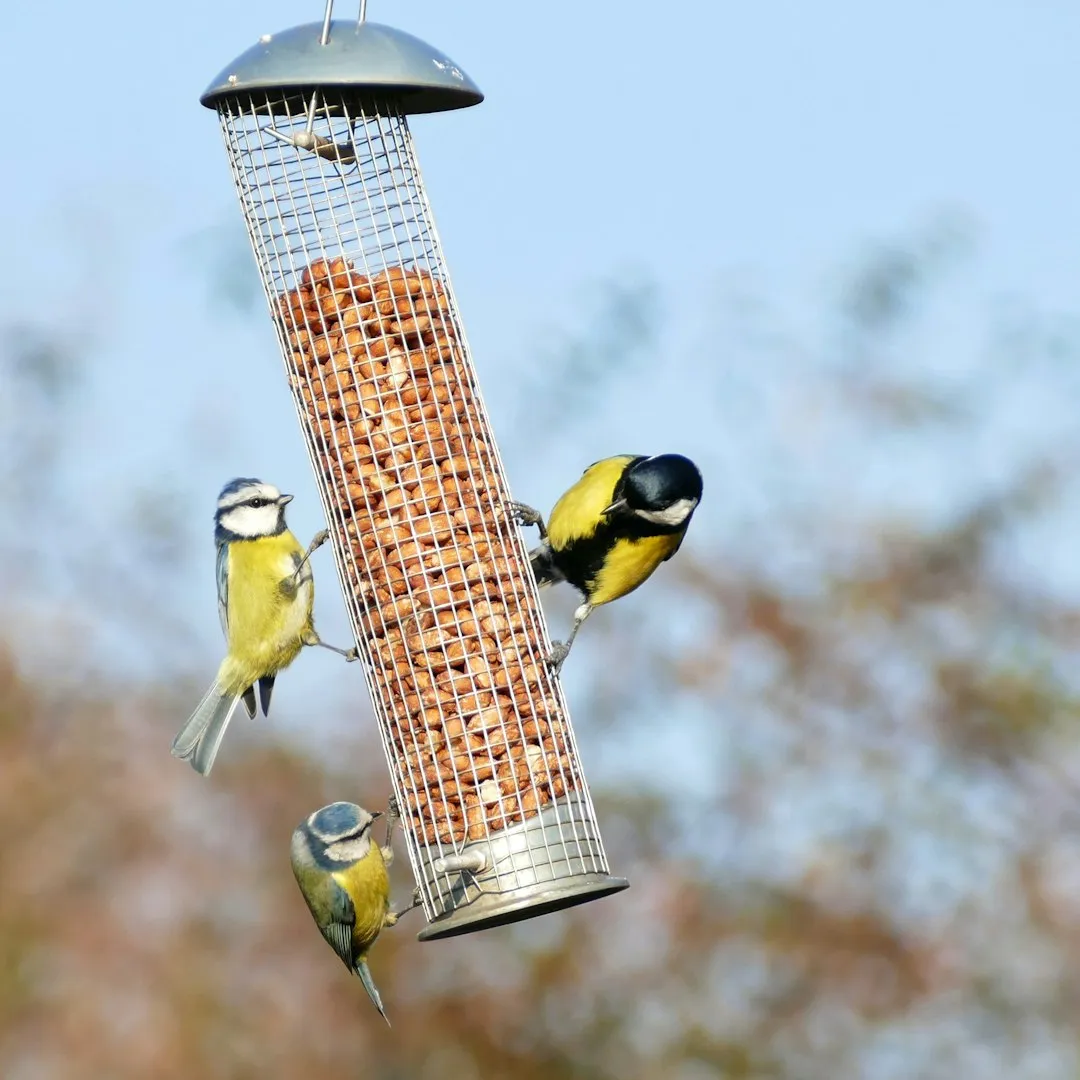
Tube feeders are the most common backyard feeder design and attract sparrows, chickadees, titmice, finches, and grosbeaks. They’re elegant in their logic: a clean cylinder, a few ports, and gravity does the rest. If this is hanging in your yard, you likely prefer things that work without fuss.
In 2024, roughly 40 percent of first-time bird feeder buyers selected tube feeders because of their simple installation and maintenance advantages. There’s a reason beginners reach for them: clarity feels good. Tube feeder people tend to be practical, organized, and genuinely satisfied by watching the right system do its job quietly and well.
The Nyjer or Thistle Feeder: You Are a Specialist at Heart
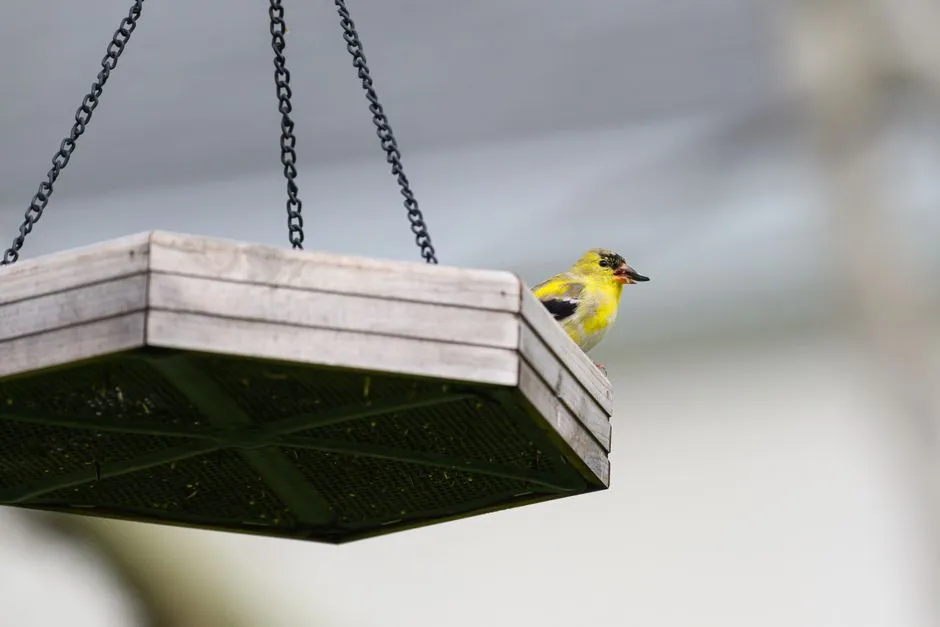
A nyjer feeder is a specialized tube feeder with very small ports, designed exclusively for thin-billed finches that eat nyjer seed. It’s the most species-specific feeder design, drawing goldfinches, house finches, purple finches, pine siskins, and redpolls, and almost nothing else can use it. Choosing this feeder is a deliberate act.
Nyjer feeders attract species such as goldfinches, pine siskins, redpolls, and indigo buntings, giving these small songbirds their own spot away from larger species that may dominate sunflower feeders. You didn’t hang this feeder by accident. You did your research, you have a target species in mind, and you likely have an opinion about the difference between common and nyjer-grade thistle seed. Specialist tendencies run through everything you do.
The Suet Feeder: You Think About the Hard Seasons
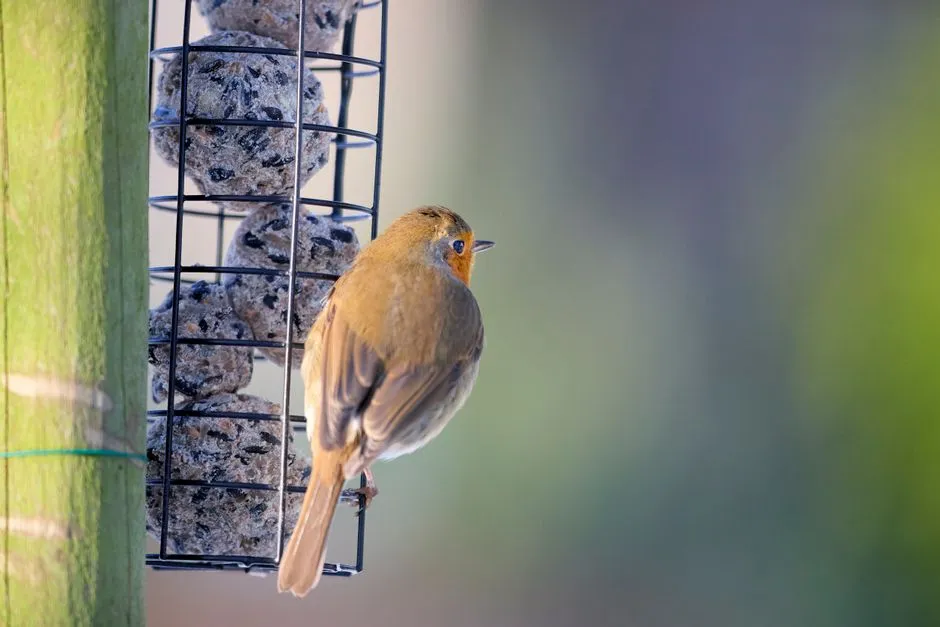
A suet feeder is a wire cage or mesh holder for blocks of suet, rendered animal fat mixed with seeds, nuts, or fruit. Suet is high-energy food, especially valuable in winter, and it attracts species that mostly ignore seed feeders. Reaching for suet in November says something specific: you’re thinking about survival, not just scenery.
Suet feeders are typically made of wire mesh and hold suet cakes, blocks of fat mixed with seeds and other bird foods. Suet is a high-energy food perfect for colder months, attracting woodpeckers, nuthatches, and chickadees, though these feeders require more frequent maintenance during warm weather as suet can melt and spoil. People drawn to suet feeders tend to be the same ones who keep an emergency kit in their car. Preparedness isn’t anxiety for them. It’s just good sense.
The Hummingbird Feeder: You Have a Flair for the Dramatic
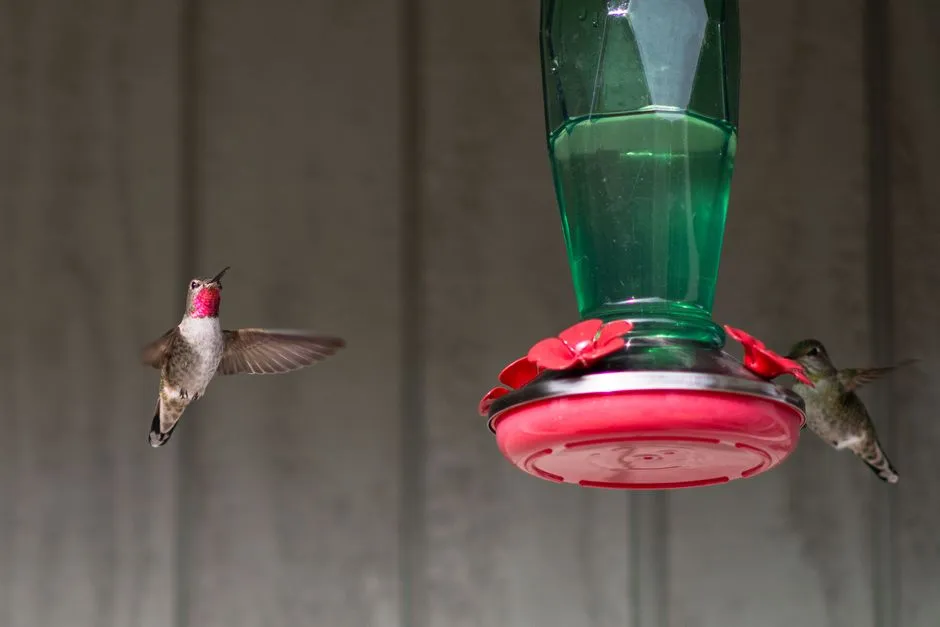
A hummingbird feeder is in its own category. The birds are tiny, famously fast, and spectacularly territorial. Designs such as squirrel-proof and solar-powered feeders are gaining serious commercial traction, but nothing turns heads in a backyard the way a hummingbird hovering at a red glass bottle does. If that’s your setup, you enjoy a bit of theater.
Hummingbird feeder owners tend to be patient watchers. They’ll sit very still for long stretches hoping for that moment of iridescent green catching the light just right. Adding a nectar feeder for hummingbirds, alongside a bird bath, attracts even more species than seed feeders alone. These are people who notice the details others walk past entirely.
The Platform or Tray Feeder: You Believe in Radical Inclusion
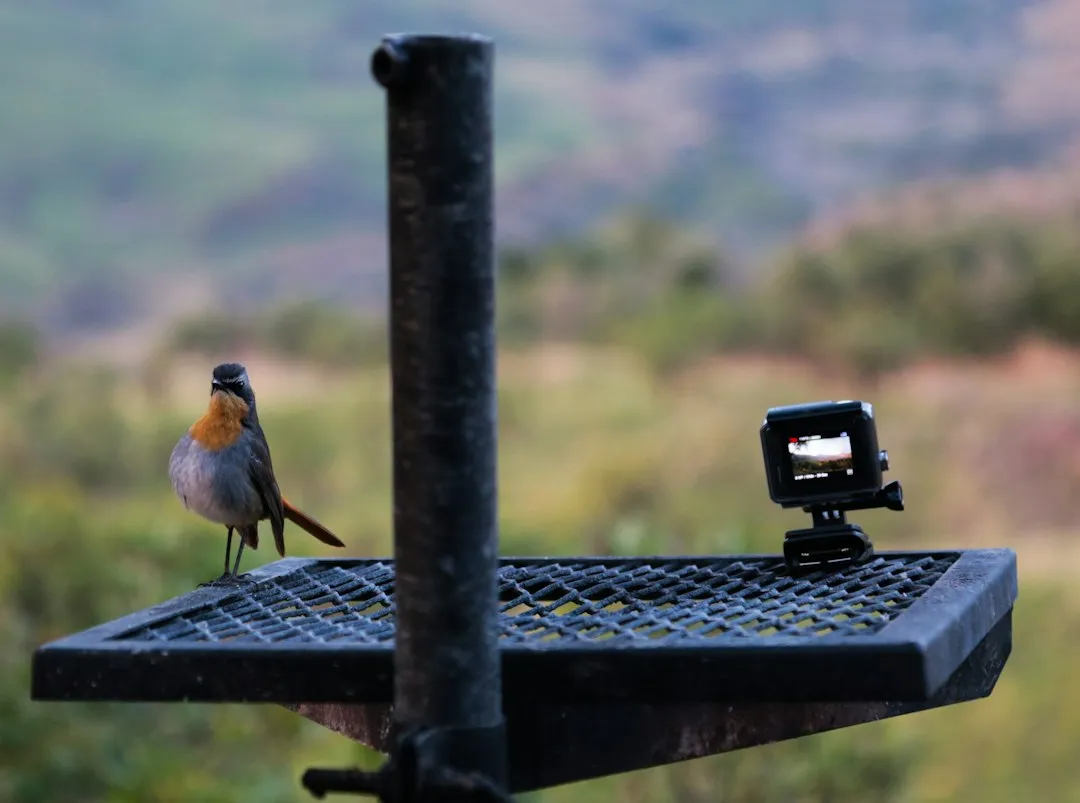
Platform feeders attract a wide variety of bird species due to their open design, including jays, towhees, juncos, chickadees, and nuthatches. Nothing is excluded. No roof, no ports, no cage. Just a flat surface with food on it, available to whoever lands. That’s a philosophy as much as a feeder design.
Platform feeder people are often genuinely unbothered by the messy guests. Doves scattering seed everywhere? Fine. A grackle muscling through? No problem. Platform feeders offer an open surface that welcomes the widest variety of species, and the person who chooses one tends to extend that same wide welcome to the humans in their life too. Some might call it easygoing. Others call it wisdom.
The Squirrel-Proof Feeder: You Are Not Here to Lose
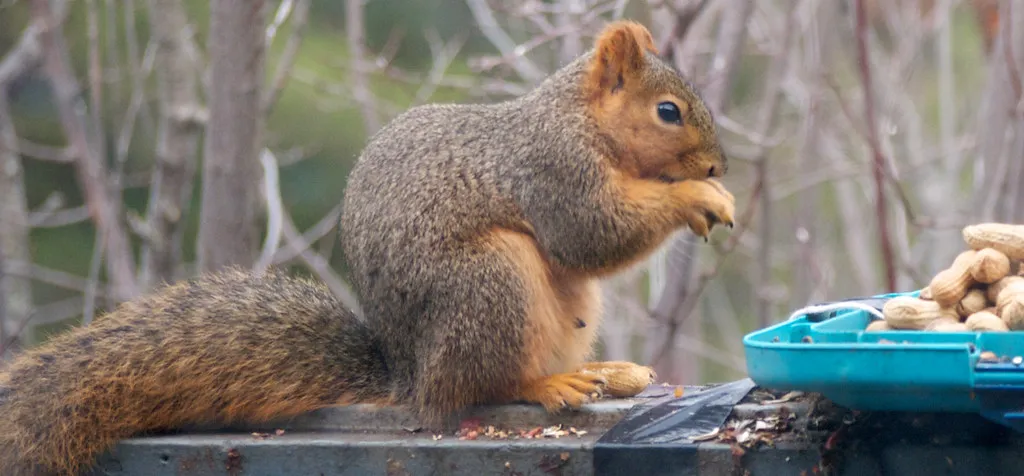
There is a whole category of person who has declared war on the local squirrel population. Not out of malice, mostly out of principle. Squirrel-proof feeder designs were valued at roughly 200 million dollars in 2024, which suggests the conflict is widespread and serious. Somebody is spending real money on this battle.
These feeders come baffled, caged, weight-sensitive, and spring-loaded. The engineering involved is legitimately impressive. Hanging a tube feeder with a squirrel baffle is a common first line of defense when you don’t want squirrels crashing the party. If you’ve upgraded to a fully squirrel-proof system, you’re someone who refuses to accept preventable losses. Competitive, slightly stubborn, and usually right in the end.
The Window Feeder: You Want the World to Come to You
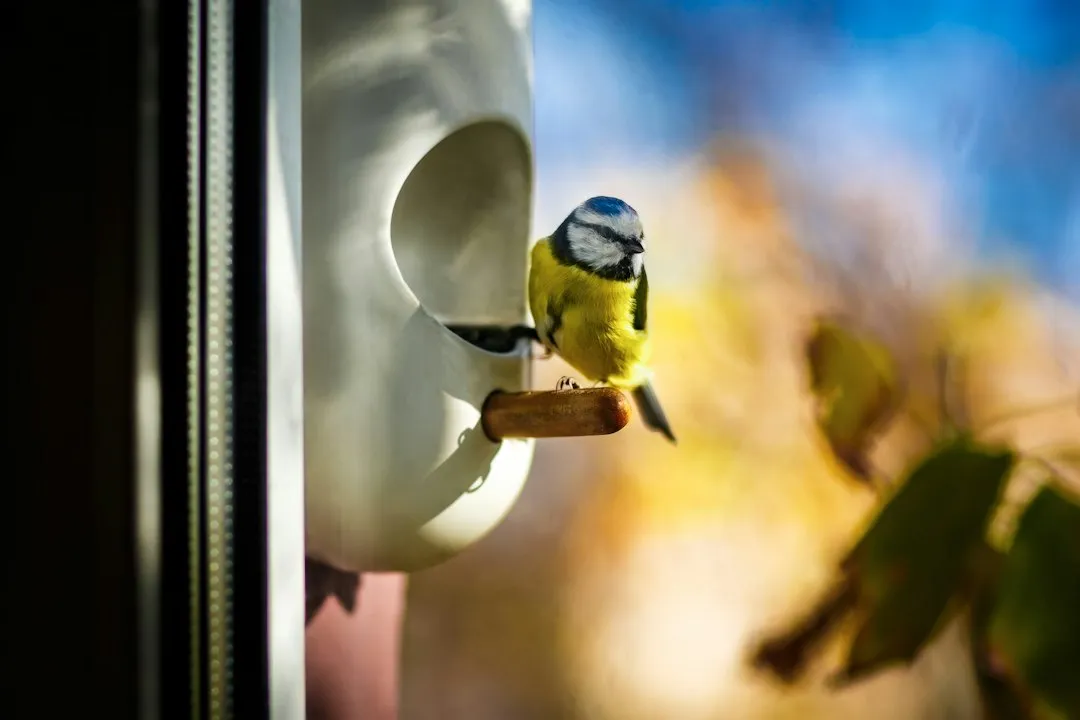
Window feeders are suitable for seeds, suet, or nectar and provide an up-close bird watching experience. They stick directly to the glass, bringing birds within arm’s reach of wherever you’re sitting. The whole point is proximity, the feeling that something wild is visiting you personally.
Window feeder owners are often homebodies in the best sense. They’ve built their comfort zone deliberately and want the natural world to participate in it. There’s also real scientific value to this closeness. Spending enough time watching chickadees at a feeder, you might start to recognize individuals by their behavior, and if you think feeder birds have distinct personalities, you’re not imagining things. The window feeder makes that kind of detailed observation possible.
The Person With Multiple Feeders: You Are a Committed Enthusiast
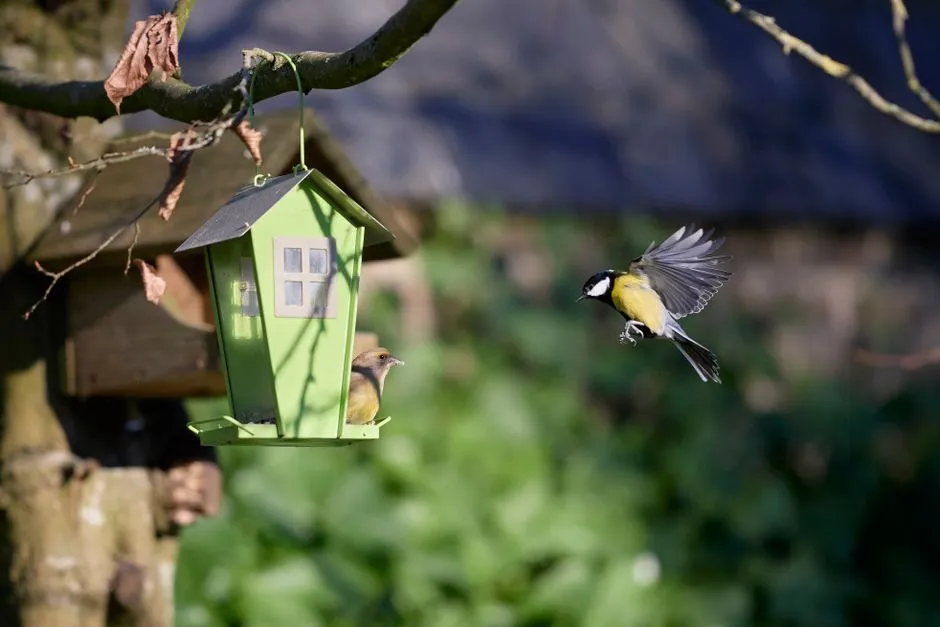
Some people have one feeder. Others have a whole system: a tube here, suet cage there, nyjer sock on the left, platform tray by the garden bed. To attract the greatest variety of birds, providing several different feeder types and offering a variety of foods is the most effective approach, with black-oil sunflower seed being the most widely used starting point because it attracts the largest range of species.
Multi-feeder households are enthusiasts in the truest sense. Around 65 percent of bird feeding households regularly purchase bird seed and related accessories, supporting continuous demand for feeder products. The dedicated multi-feeder person is in that group and probably keeps a life list of species spotted in their own backyard. This isn’t a casual hobby. It’s a practice, and they’d use that word without embarrassment.
The Person Who Hasn’t Cleaned Their Feeder in Months: You Mean Well
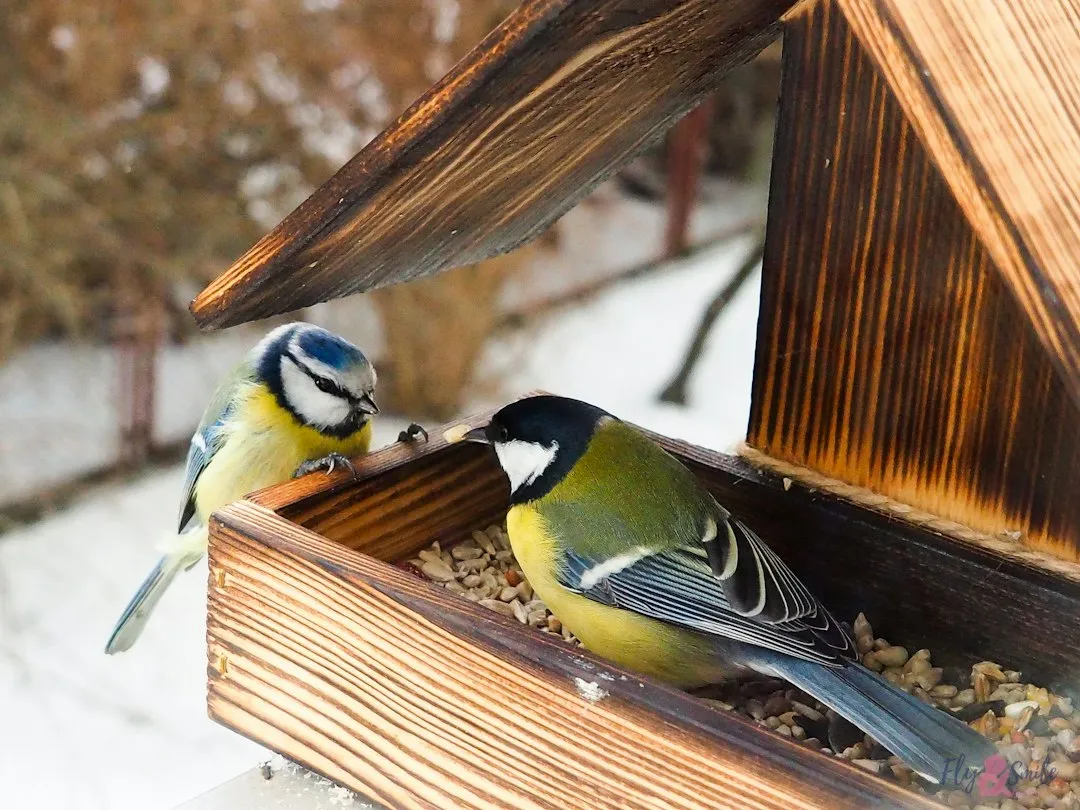
This entry exists because it describes a genuinely large portion of bird feeder owners. The feeder went up with good intentions, got filled twice, and now sits half-full with compacted seed while the birds regard it with appropriate skepticism. No judgment here. Life is busy.
What’s worth knowing is that feeder maintenance actually matters for the birds. Wild bird numbers are down by almost 30 percent since 1970, and habitat alteration is having major impacts on bird populations, with thousands of species in decline worldwide. A clean, stocked feeder is a small but meaningful contribution to that larger picture. The person who eventually gets around to scrubbing it out and refilling it properly hasn’t failed. They’ve just been reminded why they started.
The Takeaway
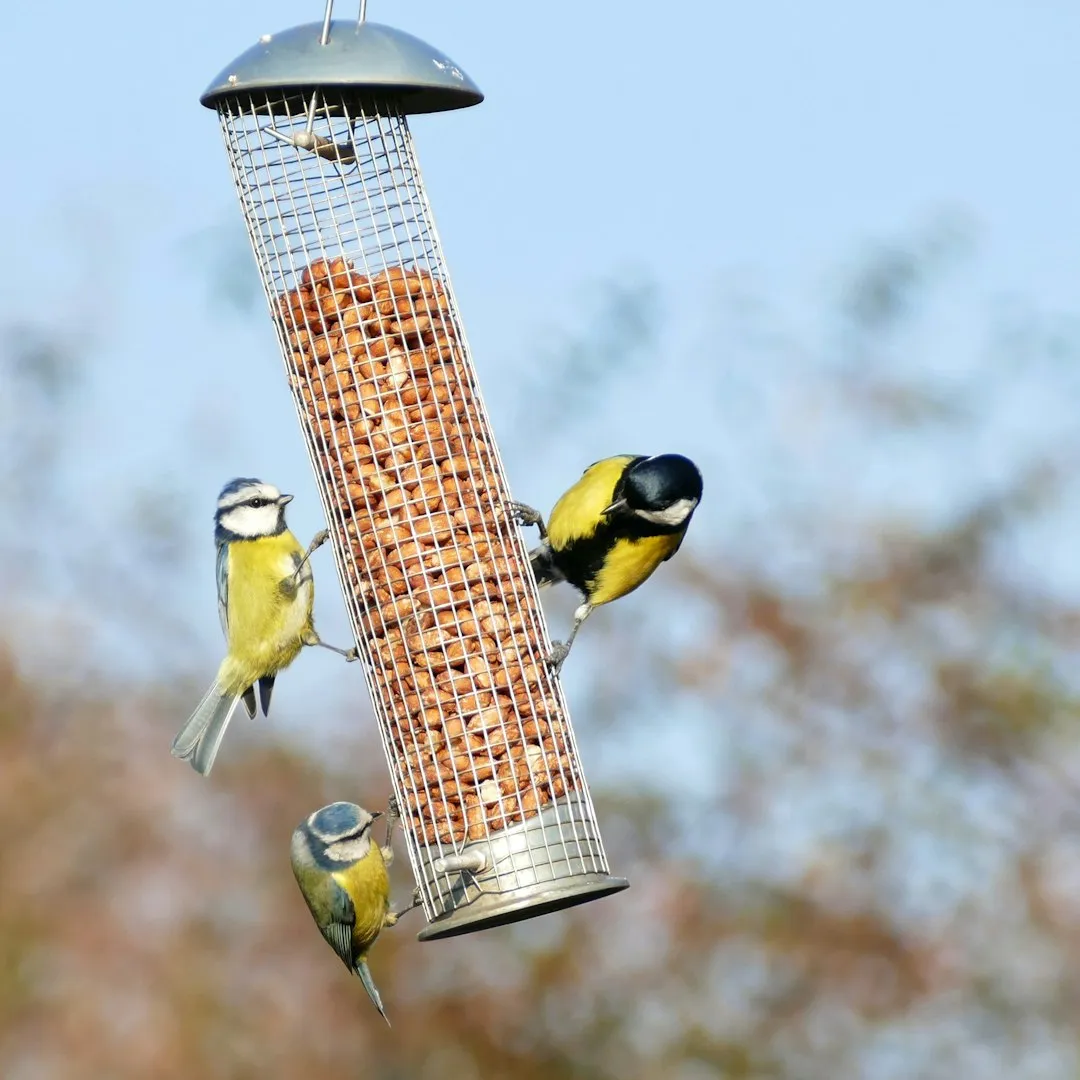
Bird feeders are small objects with outsized meaning. The type you choose, the seed you fill it with, and the care you give it all reflect something real about your habits, your patience, and what you think you owe the natural world. Americans spend more than 107 billion dollars annually on birding-related activities, including travel and gear, with 12.6 billion of that total spent on bird food and feeders alone, which suggests this is not a trivial pastime.
What makes bird feeding quietly compelling is that it doesn’t demand anything dramatic from you. You hang something outside, you fill it, and then you watch. The birds show up or they don’t. The northern cardinal, a popular feeder bird in the East and Midwest, has gradually expanded its range northward over recent decades, a change scientists attribute in part to consistent backyard bird feeding. Even a simple plastic feeder, maintained with reasonable care, turns out to be part of something much larger than a backyard hobby.
AI Disclaimer: This article was created with the assistance of AI tools and reviewed by a human editor.