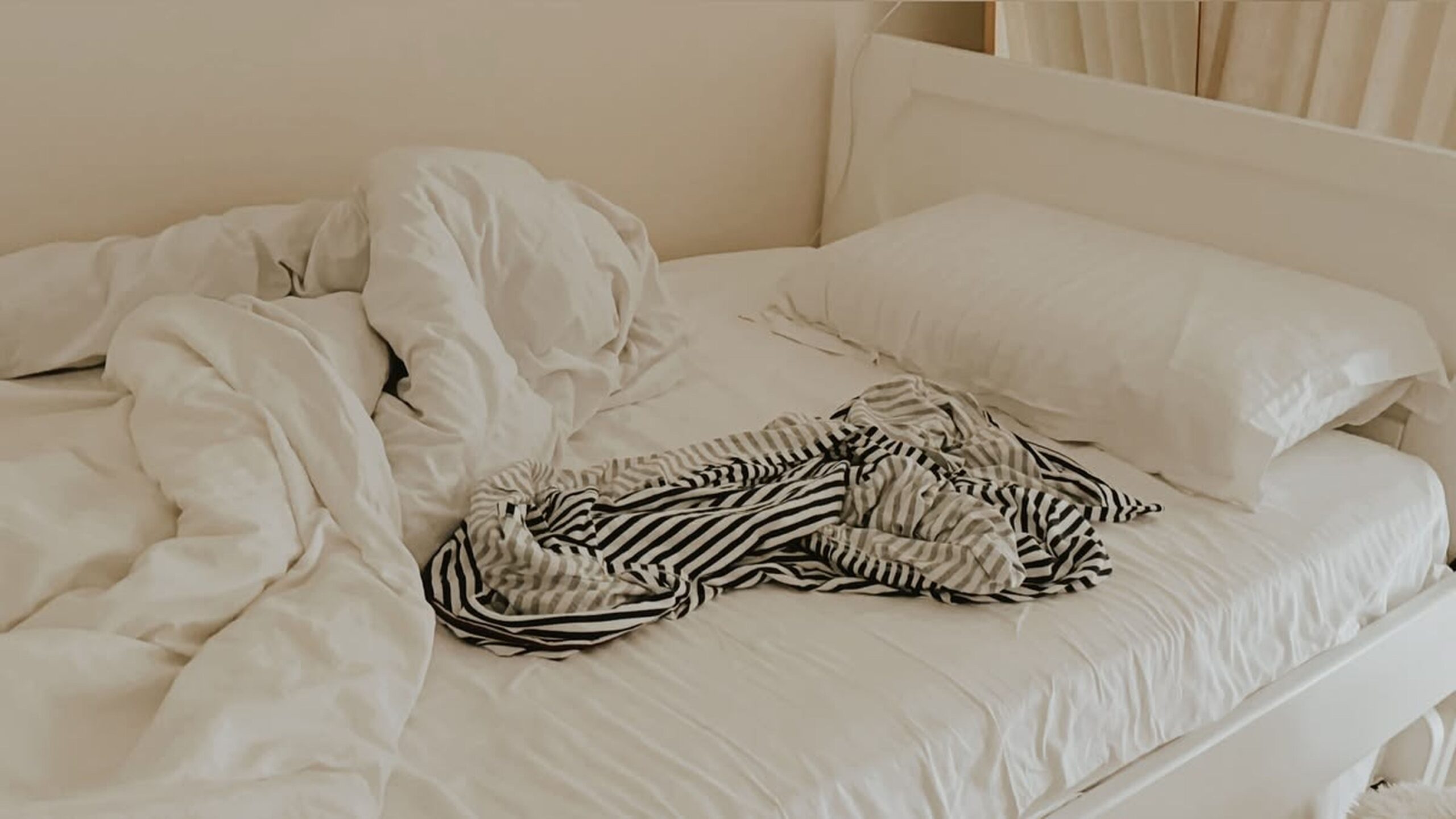

The Daily Bed-Maker: You Value Order as a Foundation

According to the National Sleep Foundation Bedroom Poll, around 70 percent of Americans make their bed each morning. That’s a significant majority, and for most of them it isn’t about appearances. Research connects the habit of consistently making the bed with traits like conscientiousness, self-control, and emotional regulation. People who value structure tend to find that one completed task at the start of the day makes everything else feel more manageable.
Psychology Today has explored how establishing a morning bed-making routine can benefit mental health by providing structure and predictability, which are especially helpful during stressful times. It’s less about the bed itself and more about starting from a place of intention.
The Non-Maker: You Prioritize Differently, Not Lazily
An unmade bed is often read as laziness, but psychology perspectives describe it more as a matter of priorities. A University of Minnesota study found that messy environments can actually encourage creative, unconventional thinking. That’s a meaningful distinction worth sitting with.
People who don’t make their beds tend to prioritize productivity over physical order, have a more relaxed relationship with perfectionism, and prefer flexible mornings to rigid routines. None of that is a character flaw. It’s simply a different operating style.
You’re a Morning Person or a Night Owl

Non-bed-makers are more likely to be night owls who snooze their alarm in the morning, while those who make their bed tend to wake up naturally without needing one. The correlation is consistent enough that some sleep researchers treat it as a rough proxy for chronotype. If you bounce out of bed and immediately tidy up, your internal clock likely runs early.
Among survey respondents, bed-makers were more likely to describe themselves as morning people who wake without an alarm. Your bedding isn’t just a reflection of your tidiness; it may also hint at when your brain hits its natural peak.
Your Sense of Happiness May Be Connected
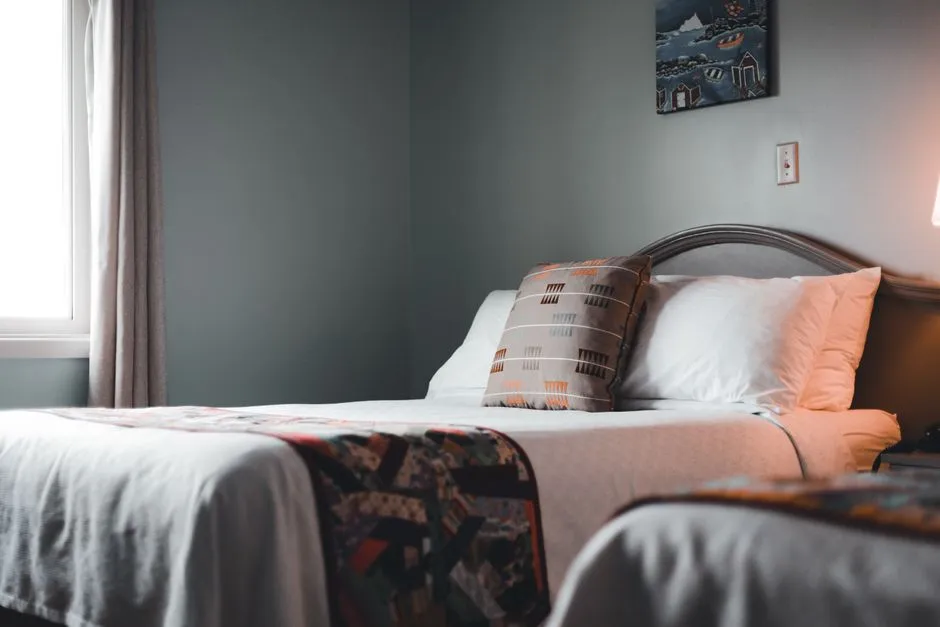
A survey of 68,000 people, reported by Psychology Today, found that of respondents who made their bed each morning, 71 percent considered themselves “happy,” while only 38 percent of non-bed-makers said the same. That’s a striking gap, though it’s worth being clear: the survey measured association, not cause and effect. Making the bed doesn’t guarantee happiness, but the two tend to show up together.
Organization has been suggested to have a positive effect on mental states, and a 2009 study found a direct link between home clutter and elevated stress. A made bed is, in that sense, a small environmental intervention.
The Keystone Habit: You May Be Wired for Follow-Through
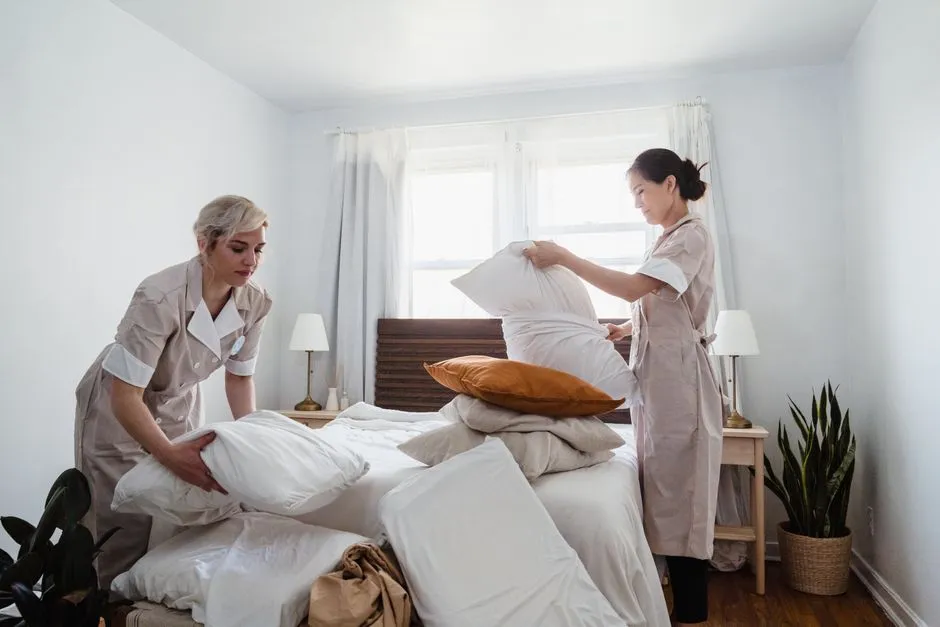
Research in behavioral psychology shows that small, consistent actions build what scientists call “keystone habits,” behaviors that naturally trigger other positive patterns. Bed-making is one of the most commonly cited examples of this dynamic. It’s not the action that matters as much as the mindset it activates.
A study of 1,000 people found that 82 percent of regular bed-makers believed that completing a small task early in the day helped them remain productive throughout the rest of it. Whether the habit causes that productivity or simply co-exists with it, the signal is consistent enough to take seriously.
Your Sleep Quality May Reflect the Habit
People who made their bed every day were 19 percent more likely to say they got a good night’s sleep every night than people who did not, according to data from the National Sleep Foundation Bedroom Poll. The relationship is likely perceptual as much as physical. The reasoning is intuitive: a made bed is an inviting bed.
Research on morning bed-making and personality suggests the habit may influence bedtime perception rather than sleep physiology itself. You end the day returning to something that looks and feels like it was set up for you, and that matters psychologically more than it might seem.
The Messy Bed Might Actually Be Healthier for Allergy Sufferers
Dr. Stephen Pretlove from Kingston University’s School of Architecture is among a group of specialists who have advised leaving beds unmade to reduce house dust mites, which cause asthma and other allergies. The scientists discovered that mites cannot survive in the warm, dry conditions found in an unmade bed. This flips the conventional wisdom on its head.
The average bed could be home to up to 1.5 million house dust mites. They feed on scales of human skin and love to share our beds, with the allergens they produce being a major cause of illnesses such as asthma. Something as simple as leaving a bed unmade during the day can remove moisture from the sheets and mattress, so the mites will dehydrate and eventually die. It’s worth noting, though, that not all health experts agree, with some noting that homes can be humid enough for dust mites to thrive regardless.
Your Bed Style Reflects How You Handle the Unexpected
One survey of 2,000 people found that bed-makers tend to be adventurous, confident, and sociable, while people who don’t make their beds are typically more curious and sarcastic. Read that with a healthy skepticism. No single study can reliably sort the whole human personality spectrum by bedding habits. Still, the data gives a rough sketch worth considering.
People who leave beds unmade often prioritize productivity over physical order and see the task as time taken from something more urgent. They tend to have a more relaxed relationship with perfectionism and tolerate a little disorder without anxiety. That tolerance for loose ends can be a genuine strength in fast-moving environments.
The Occasional Maker: You’re Probably Situational by Nature

Some people make the bed only when guests are coming, or only on days when nothing else is pressing. That in-between behavior has its own personality signal. It suggests someone who is pragmatic rather than dogmatic, applying effort where it seems useful rather than following rules for their own sake.
Research on morning bed-making habits suggests the patterns align more strongly with orderliness than raw productivity. The occasional maker likely scores somewhere in the middle on the conscientious scale. Not indifferent to order, but not driven by it either. That kind of flexibility has real value.
The Habit Itself Is Easier to Build Than You Think

Repeating a morning task such as making the bed may help that behavior become more automatic over time through familiar cues and consistent practice. Habit research generally supports a rough two-month window for a new routine to feel natural, though individual timelines vary considerably.
Establishing a morning bed-making routine can benefit mental health by providing structure and predictability, especially during stressful times. Maintaining a tidy environment can also reduce stress and improve mood, leading to a more positive mental state. Even a simplified version of the habit, pulling up the duvet and straightening the pillows, appears to carry many of the same psychological benefits as a fully made bed.
The Bigger Picture

It’s tempting to over-read a two-minute morning chore. None of the studies have tested bed-making itself as a definitive personality marker. An unmade bed is a habit, not a diagnosis. Still, habits are rarely random. They tend to reflect the values and rhythms we’ve quietly built into our daily lives.
What the research collectively suggests is that how you treat your bed each morning is a small but honest signal of how you tend to approach the rest of your day: with structure or flexibility, with routine or spontaneity. Neither camp has a monopoly on success or happiness. The more useful question isn’t whether you make it, but whether your morning routine, whatever it looks like, is actually working for you.
AI Disclaimer: This article was created with the assistance of AI tools and reviewed by a human editor.