
Most people think of weeding as one of gardening’s least glamorous chores. You crouch down, pull something up, repeat. It doesn’t seem like a window into anyone’s inner life. Yet the way you actually handle those uninvited plants, whether you attack them daily, ignore them entirely, or let a few stay, reflects patterns in how you think, make decisions, and manage the world around you.
The garden turns out to be a surprisingly honest mirror. Psychologists and horticulture researchers have been building a solid body of evidence connecting gardening behavior to mental well-being, personality, and stress response. Weeding, as one of gardening’s most repetitive and tactile tasks, sits right at the center of that research. Here’s what your particular approach likely .
1. You Weed Every Single Day: The High-Controller
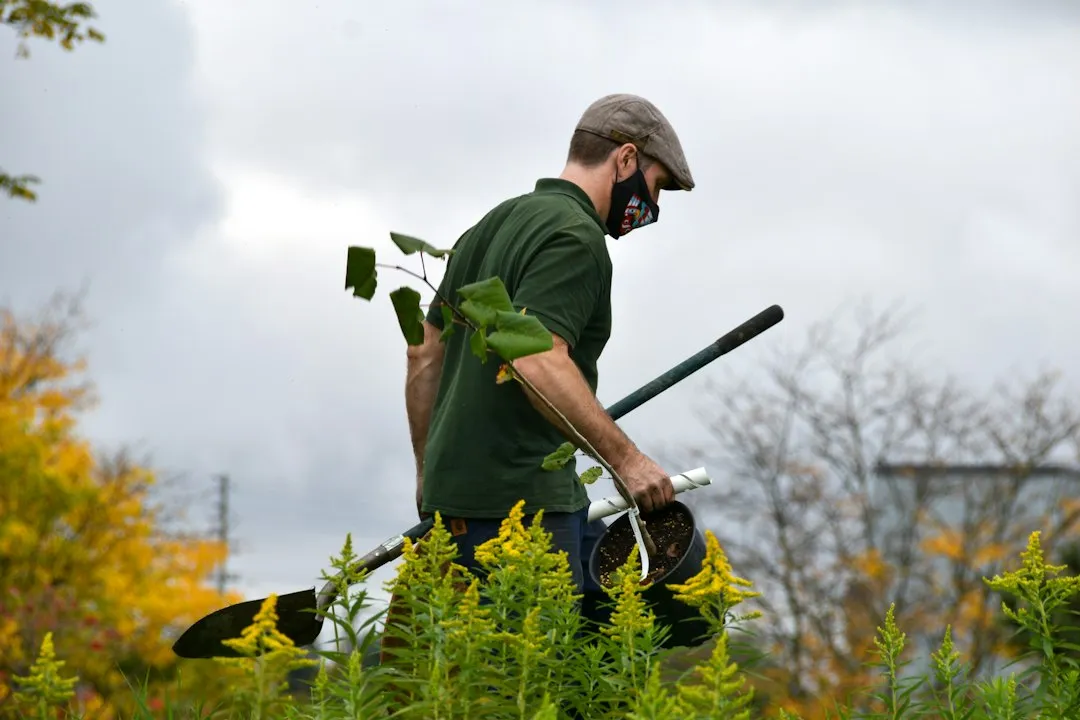
If you can’t walk past the garden without pulling something, you probably score high on what psychologists call conscientiousness. Of the Big Five personality traits, conscientiousness consistently stands out as a significant predictor of health behaviors. In the garden, that translates into an almost compulsive attention to order. You notice the small weed before anyone else does, and it bothers you until it’s gone.
This isn’t necessarily a flaw. Daily attention to a garden is an effective strategy, and it keeps workload manageable over time. The risk is tipping from healthy order-keeping into rigidity, where imperfection in the garden starts to feel like personal failure. Perfectionists set exceptionally high standards for themselves, and their fear of failure often leads to avoidance when the garden feels beyond rescue, some daily weeders simply shut down rather than start.
2. You Let Weeds Take Over Until It’s Unbearable: The Avoider
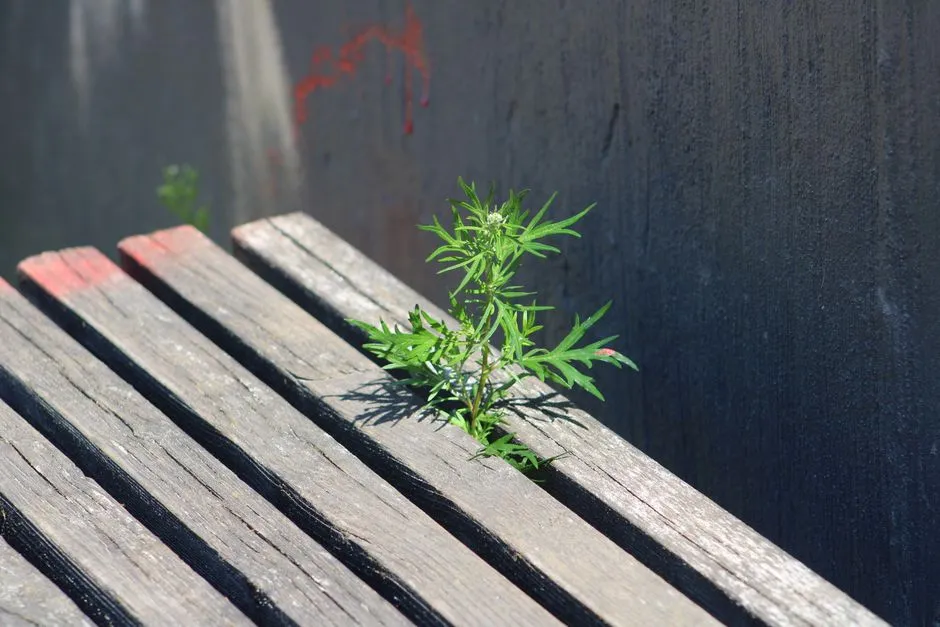
Some gardeners watch the weeds multiply for weeks, intending to deal with them “this weekend,” until the border looks more wild than planted. This pattern maps closely onto what researchers understand about procrastination and task avoidance. Research shows that perfectionism is one of the strongest predictors of procrastination, and desire for perfect outcomes contributed to roughly a third of procrastination cases. Ironically, the person who avoids weeding might care deeply about how the garden looks, but that very high standard makes starting harder.
There’s also a simple attention-drain at work. The literature most frequently names attention restoration as a key mechanism: the soft fascination of repetitive, low-stakes tasks like weeding allows the directed-attention system to recover. If your directed attention is completely depleted by work or stress, weeding can feel impossible to initiate, even when you genuinely want to. That’s not laziness. It’s often a signal that your mental reserves are running low.
3. You Weed While Listening to Music or Podcasts: The Multi-Tasker
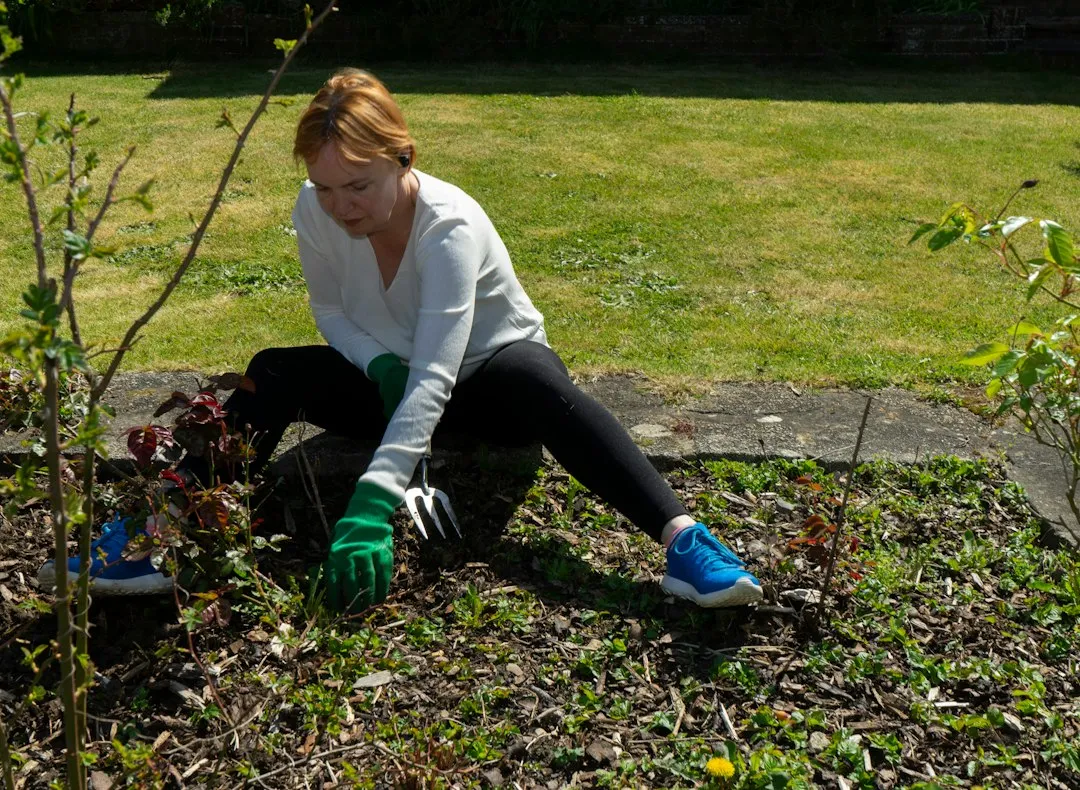
Plugging in earphones before getting your hands dirty suggests you’re someone who struggles to tolerate low stimulation. You’re efficient by nature, possibly extroverted, and you treat weeding as background activity rather than the main event. There’s nothing wrong with this approach, and it certainly gets the job done. Researchers found that the level of emotional well-being reported while gardening was similar to what people reported while biking, walking, or dining out.
What you might be missing, though, is the full psychological reset that the task can offer. Gardening helps individuals distract themselves from worries and find a quiet, relaxed state of mind, and that state can be enhanced when gardeners combine mindfulness practices with the activities of weeding. Filling that quiet with content means you’re doing a garden chore rather than experiencing a genuinely restorative act. It’s a small distinction that adds up over a whole season.
4. You Weed Mindfully and in Silence: The Introvert Who Actually Recovers
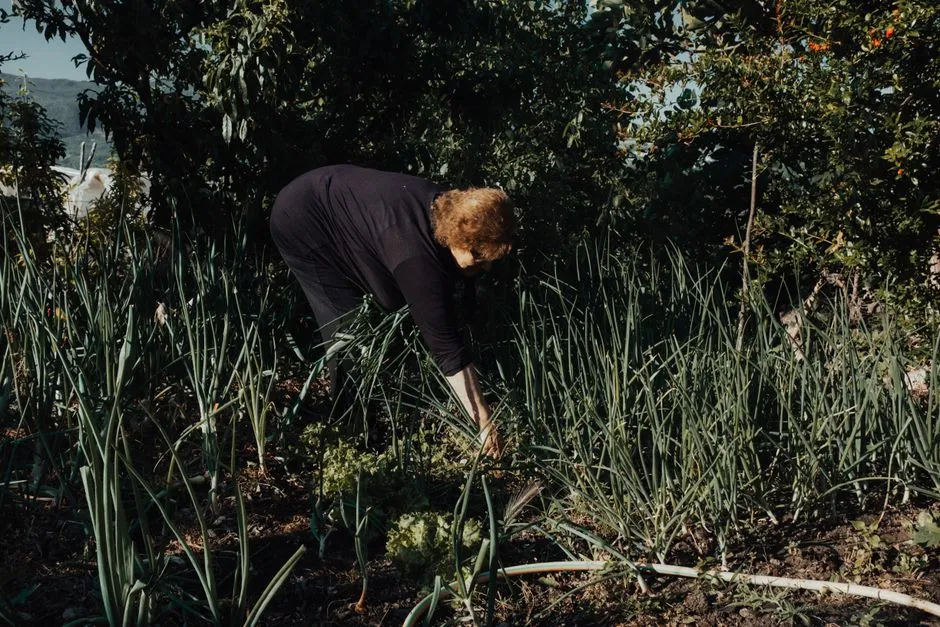
If you use weeding as genuine quiet time, pulling slowly and paying attention to roots, soil texture, and the smell of disturbed earth, you’re tapping into something that research has consistently validated. Researchers set out to evaluate the emotional processing and responses of gardeners using fMRI and self-report assessments, specifically looking at brain activity during activities including fertilizing, weeding, and watering. The findings showed measurable changes in brain activation patterns following those tasks.
The most useful finding from recent research is that ten to thirty minutes of gardening activity is the threshold at which measurable mood and cortisol changes begin to appear. Silent, attentive weeding for even a short session gives you a real physiological return. People who gravitate toward this style tend to be more introverted and self-aware, and they often leave the garden in a noticeably different mental state than when they arrived.
5. You Pull Weeds Aggressively After a Bad Day: The Stress Displacer
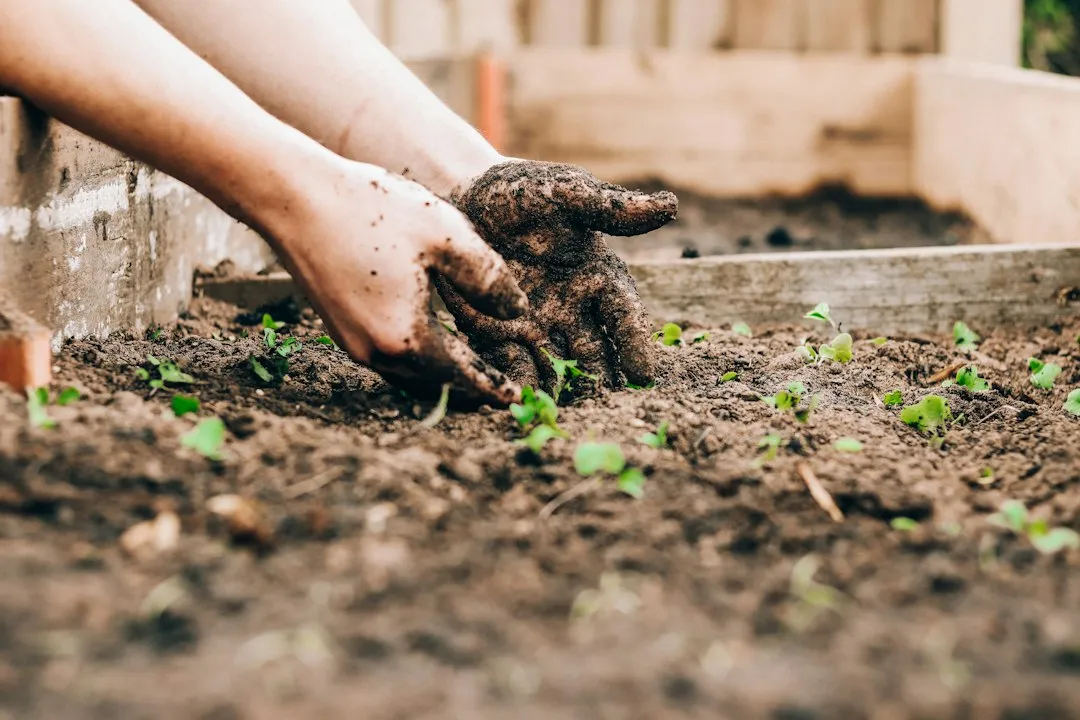
Using the garden as a physical outlet for frustration is more common than people admit. Some gardeners specifically head outdoors after difficult meetings or stressful news, and weeding becomes a form of controlled aggression that feels socially acceptable. The physical act of uprooting something unwanted carries obvious emotional satisfaction. A study published in PLOS ONE by University of Florida scientists found that gardening activities lowered stress, anxiety, and depression in participants.
What’s interesting here is that the displacement is genuinely effective, not just a coping myth. Research suggests that simply touching or inhaling soil while gardening may be a pathway that contributes to enhancing mood and reducing anxiety through immune-brain interactions. So even when you’re pulling weeds out of sheer irritation, your body is processing real biochemical benefits. The garden absorbs the stress that might otherwise stay in your head.
6. You Decide Which Weeds to Keep and Which to Pull: The Pragmatist
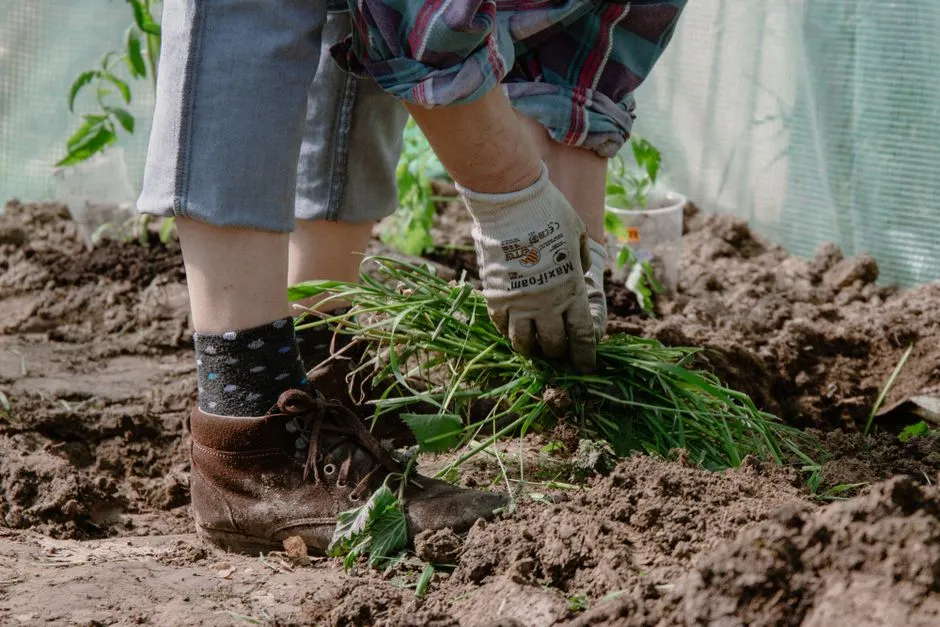
Not everyone pulls every uninvited plant on sight. Some gardeners look at a self-seeded verbena or a clump of clover and decide it can stay. This selective approach reflects cognitive flexibility, the ability to revise categories and question inherited rules. The classic definition of a weed, a plant in the wrong place, leaves a lot of room for judgment, and pragmatists use it. Active engagement in gardening fosters mindfulness and presence, and research suggests that people develop emotional bonds with their gardens, much like they do with pets or meaningful places.
Pragmatic weeders tend to be open to experience, another of the Big Five personality traits, and are often the gardeners whose plots look most interesting. They’re not being lazy. They’re applying genuine aesthetic and ecological reasoning to each decision. The trade-off is that this approach requires more mental engagement than a simple pull-everything rule, and it can frustrate anyone they garden with who prefers clear standards.
7. You Use Chemical Weedkillers Without a Second Thought: The Efficiency-First Thinker
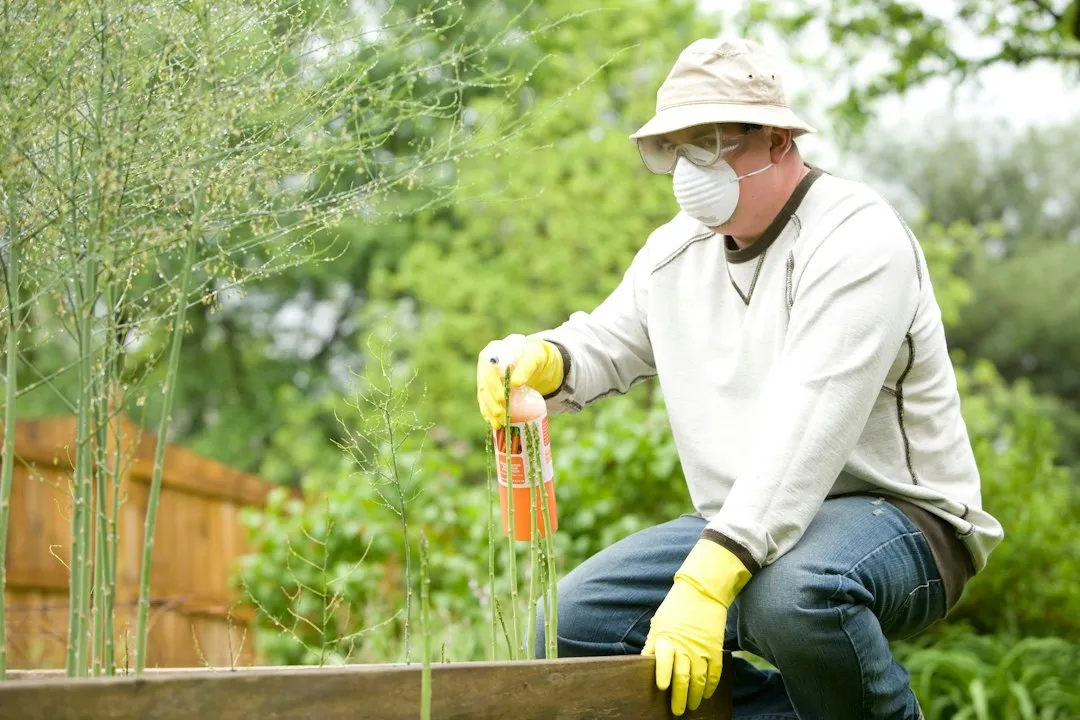
Reaching for a spray bottle signals that your priority is outcomes, not process. You want a tidy garden and you want it without spending your weekends on your knees. This pragmatic efficiency often reflects a more analytical, task-oriented personality. The garden is something to manage, not something to commune with. That’s a legitimate relationship with outdoor space, even if it looks very different from the mindful-weeder model.
The research on gardening’s mental health benefits, however, points mostly toward the physical, hands-in-soil engagement as the active ingredient. Within the gardening group, those with less than one hour of weekly gardening time had significantly lower scores in mental resilience and several resilience factors, compared to those with more weekly gardening time. Delegating the task to a chemical means you get a tidy plot but skip most of the psychological return. It’s the difference between eating a meal and ordering someone else to eat it for you.
8. You Recruit Others to Weed with You: The Connector
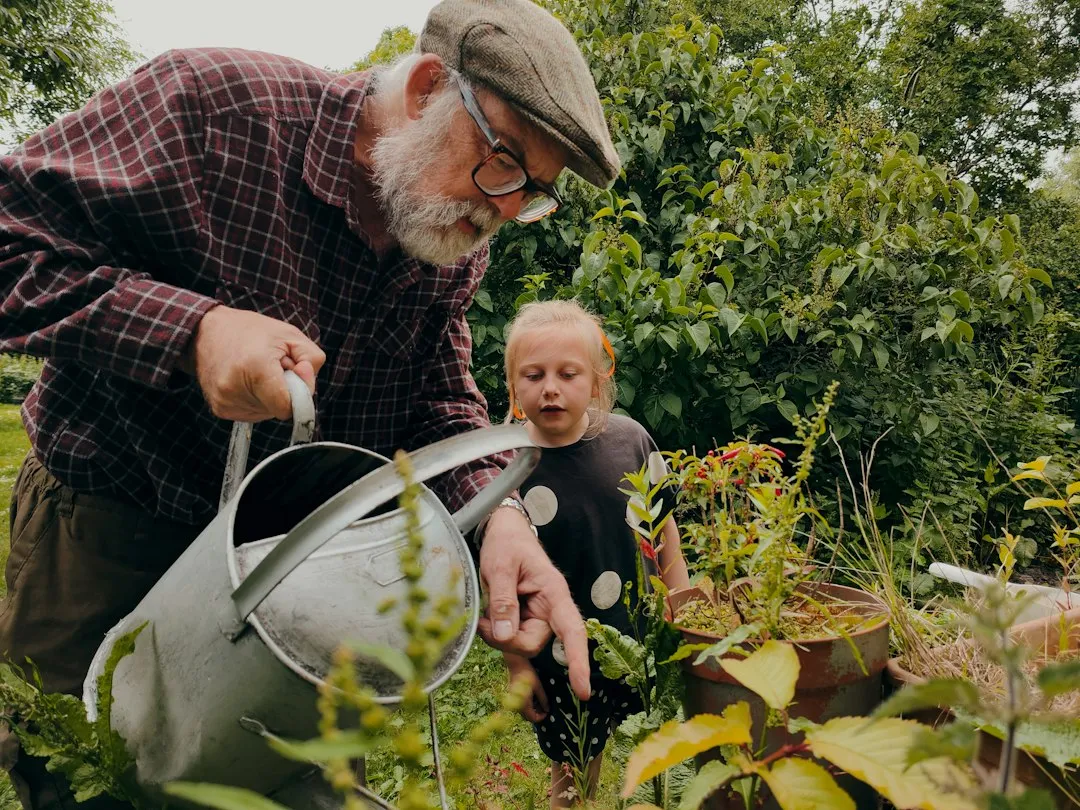
Turning weeding into a social activity says something clear about how you recharge and find meaning. Community gardeners, or people who rope in family and friends for a Saturday session, are drawing on the relational dimension of outdoor work. A case-control study showed that gardeners who engaged in allotment or community gardening reported higher levels of mood and self-esteem, and a reduced level of psychological distress, compared with non-gardeners.
The community gardening group also reported higher resilience scores and higher optimism scores than the non-gardening control group. People who weed socially are often high in agreeableness and extraversion, and they intuitively know that shared repetitive tasks loosen conversation in ways that sitting across a table never quite does. Weeding side by side is, in its way, one of the more effective forms of informal connection humans have ever stumbled across.
9. You Genuinely Enjoy Weeding and Look Forward to It: The Grounded One
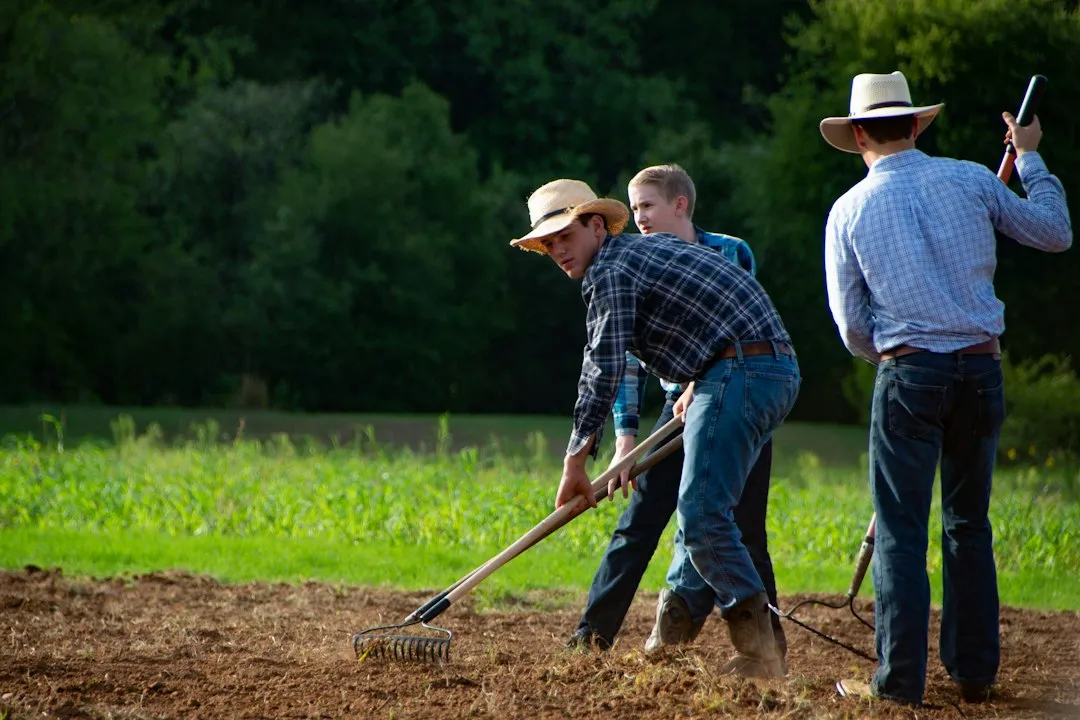
Some people actively enjoy weeding. Not merely tolerate it, but find it satisfying in a way that’s hard to fully explain to non-gardeners. If this is you, the research provides a fairly clear account of why. A 2024 umbrella review in BMC Public Health pooled forty systematic reviews of gardening’s effects on well-being and found a moderate-to-large effect size, statistically significant, in favor of the gardening group. People who get more of that benefit tend to be those who engage most fully and consistently with the physical tasks.
Frequent gardening and perceiving it as a leisure activity were associated with stronger attachment to gardening, which was linked to higher reported mental well-being. People who genuinely look forward to weeding have usually reached a state where the task feels restorative rather than obligatory. That shift in framing is itself a marker of psychological stability. They’ve found a form of active rest that most people spend years searching for.
10. You Never Weed at All: The Philosophical Abstainer
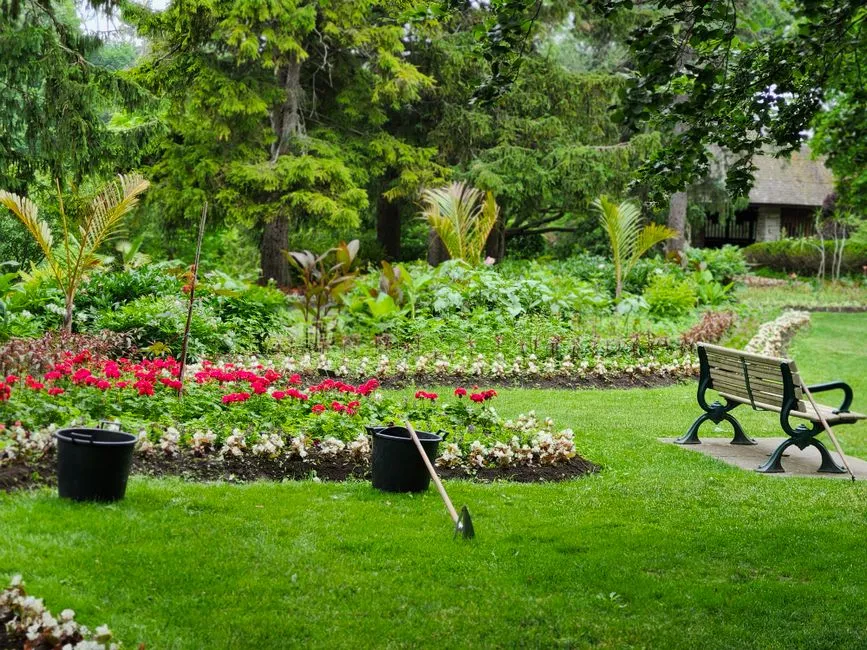
Then there are gardeners, or at least garden-owners, who simply don’t weed. Sometimes this is benign neglect, sometimes it’s a principled stance rooted in permaculture or ecological thinking, and sometimes it’s a signal that the garden has become a source of guilt rather than pleasure. Research on gardening and cognitive health in a nationally representative sample of over 136,000 adults found that gardening was associated with better cognitive status, partly attributed to better depression status and energy expenditure. People who have disconnected from their garden entirely may be missing more than they realize.
That said, not weeding as a deliberate choice deserves more respect than it usually gets. Wild gardens support biodiversity in ways that manicured beds rarely do, and the person who makes peace with disorder is often genuinely at ease with ambiguity in other areas of life too. Research suggests that early and ongoing exposure to gardening can support immune system development and foster lifelong health-conscious behaviors, but that research doesn’t require a weed-free plot to deliver its benefits. Presence in the garden matters more than tidiness.
The Takeaway
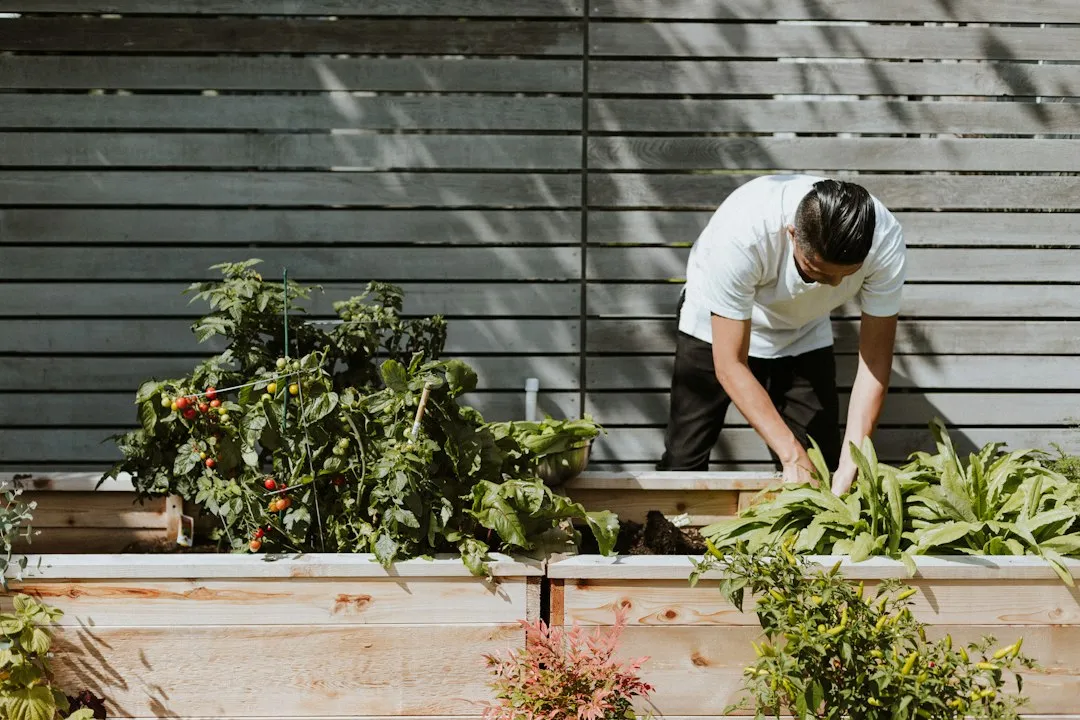
Weeding is one of those rare activities that reveals more than it conceals. The pace you bring, the tolerance you have for disorder, whether you need company or silence, all of these small choices add up to a fairly honest self-portrait. Research confirms that any regular gardening engagement, regardless of frequency, offers substantial stress-reduction benefits. The specific style matters less than the consistency.
What the garden reflects back is ultimately useful information. If you notice you’ve been avoiding it, or attacking it, or only enjoying it with earphones in, those patterns probably extend beyond the plot’s edge. The weeds will keep coming regardless. What you do with them, and how you feel while you do it, is worth paying attention to.
AI Disclaimer: This article was created with the assistance of AI tools and reviewed by a human editor.