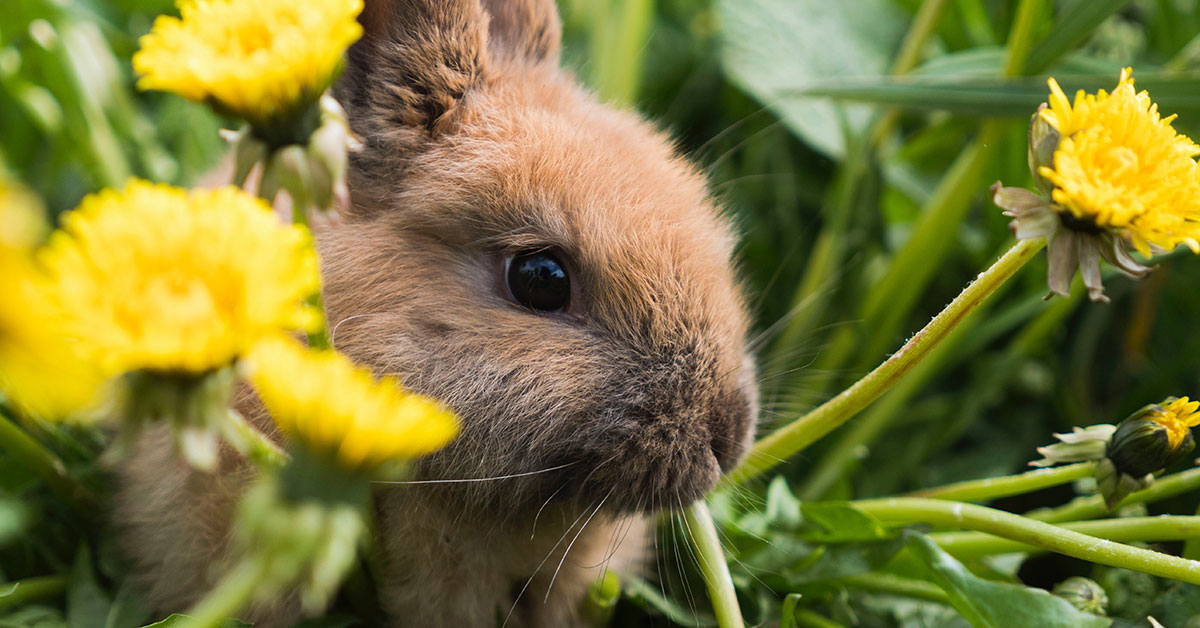

Spring has arrived in all its vibrant glory, and with it often comes the delightful surprise of baby bunnies appearing in your yard! As a passionate gardener who cherishes every moment of the season’s renewal, I understand both the wonder and the responsibility that comes with finding these tiny creatures. While their soft fur and timid eyes can instantly brighten your day, it’s essential to know how to respond in a way that supports their natural development. After all, it’s such a bummer when well-meaning actions inadvertently disturb a delicate nesting situation!
In this article, I’ll share my insights on how to handle the unexpected appearance of baby bunnies with care and compassion. From assessing the situation to understanding their natural behaviors and creating a safe environment, these tips are designed to guide you through every step of this gentle encounter. I know how frustrating it can be to balance the needs of your flourishing garden with the welfare of visiting wildlife, so let’s explore together how to ensure both thrive harmoniously this spring!
Assess the Situation Calmly
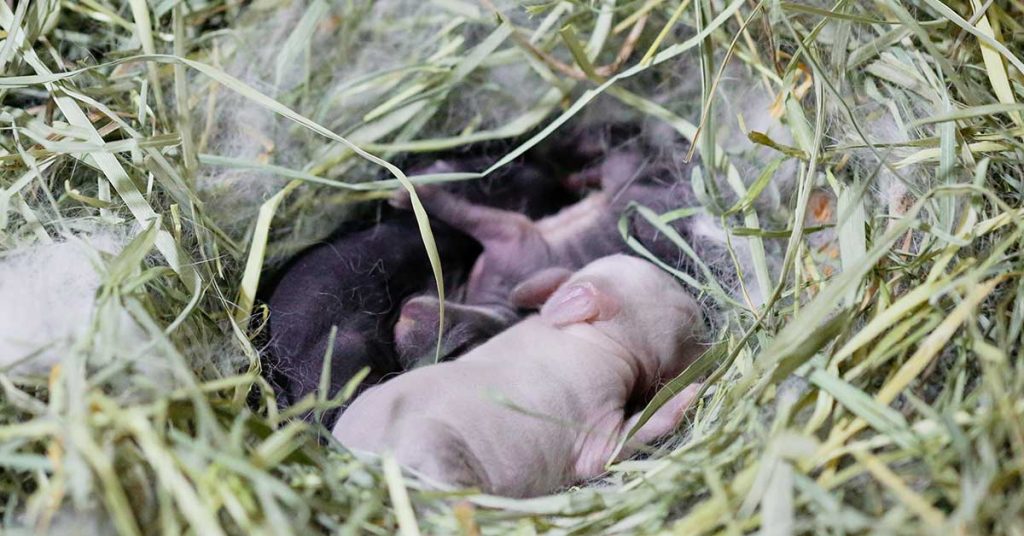
When you first spot a cluster of baby bunnies in your yard, take a deep breath and observe from a distance. These little ones are incredibly delicate, and their presence is often a sign of a nearby nest where their mother is diligently caring for them. I’ve learned that the key here is to remain calm and avoid making any sudden moves that might startle them. It’s important to note that wild rabbits, such as the Eastern cottontail, are native to many parts of North America and are not considered invasive—they’re a natural part of our ecosystem!
From my own experience, taking a few moments to quietly observe can reveal a lot about their behavior and condition. Notice if the baby bunnies seem active and alert or if they’re unusually lethargic, which might signal distress. This gentle observation not only helps you gauge their well-being but also gives you a clear understanding of their natural routines. Remember, these creatures are simply following their instinctive cycle of rest, play, and growth!
Avoid Disturbing Their Nest
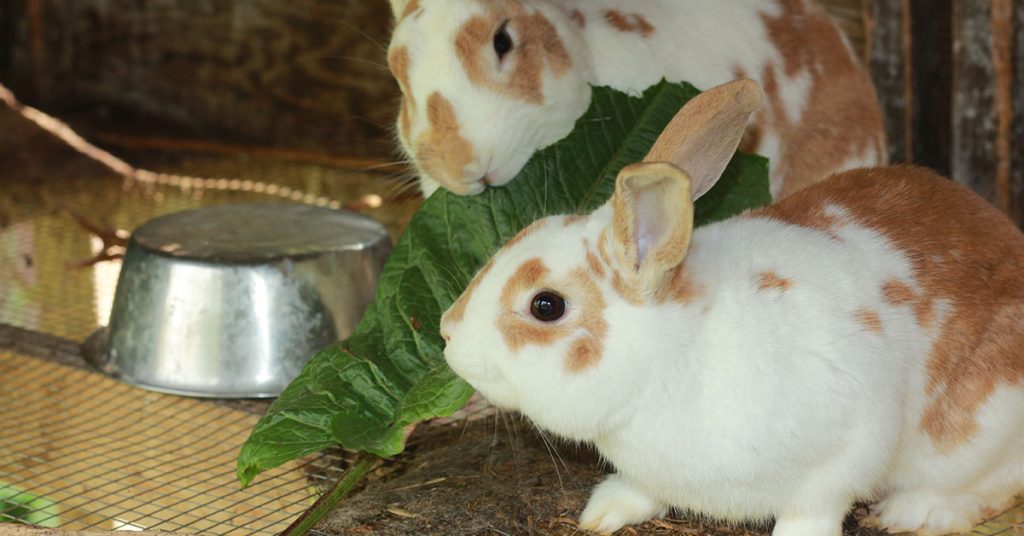
It’s vital to resist the urge to handle or relocate the baby bunnies, as doing so can disrupt the delicate balance of their nesting environment. Baby bunnies are incredibly vulnerable, and their nest—often hidden in tall grass or a secluded corner—is designed to protect them until they’re ready to explore. I’ve seen firsthand how even well-intentioned interference can cause undue stress and potentially lead to the nest being abandoned by the mother. Trust me, letting nature take its course is usually the best approach!
Additionally, understanding that the nesting behavior of wild rabbits is a sophisticated survival strategy can help you appreciate the importance of leaving the nest undisturbed. The location of the nest is carefully chosen by the mother, taking into account factors like shade, concealment, and proximity to food sources. By giving them the space they need, you’re supporting the natural development of these bunnies while maintaining the harmony of your garden’s ecosystem. It’s all about balancing curiosity with caution!
Provide a Safe, Quiet Environment
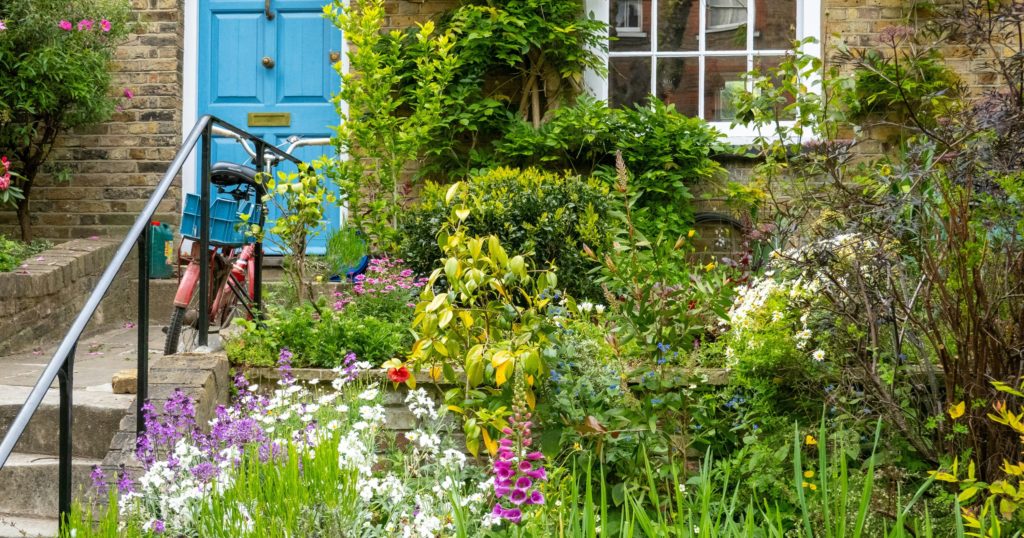
Creating a calm and secure atmosphere in your yard can be incredibly beneficial for both your garden and its unexpected visitors. If you notice baby bunnies settling in, try to minimize any loud noises or sudden movements around the area. I always find that when the environment is peaceful, it encourages the natural behaviors of these little ones—allowing them to feed, play, and eventually venture out with confidence. A quiet space also means that the mother is less likely to feel threatened, which is crucial for the safety of her offspring!
In my own gardening practice, I’ve learned that maintaining a tidy, undisturbed area near the suspected nest can make a world of difference. Consider postponing any noisy garden chores or heavy machinery use in that section until the bunnies have had time to grow stronger. This approach not only benefits the wildlife but also enhances the overall serenity of your garden. Every little effort to preserve a tranquil spot adds to the nurturing energy of your outdoor sanctuary!
Understand Their Natural Behaviors and Habitat
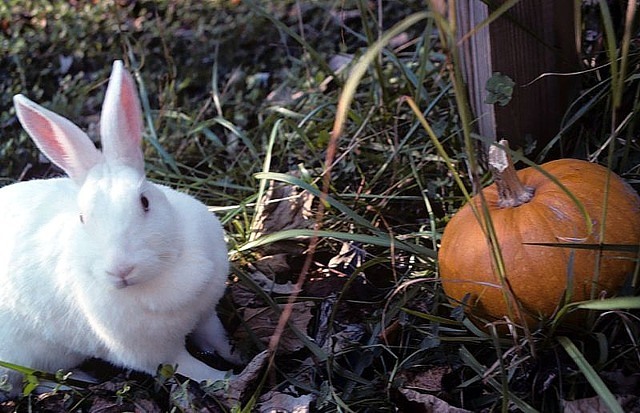
Baby bunnies are a natural wonder, perfectly adapted to the cycles of the wild, and understanding their habits can ease any concerns you might have. These little critters are born in hidden nests and spend their early days sheltered by their mother, gradually developing the instincts needed to forage and evade predators. Many species, such as the Eastern cottontail, are native to our local environments and have evolved over generations to thrive in natural settings that are often quite different from our manicured gardens. Recognizing their origin and behaviors helps us coexist with them in a respectful way!
It’s fascinating to observe how their activities—like timid peeking from the nest, quick dashes through the grass, and even playful frolicking—are all part of their survival strategy. Their interactions with the environment, including seeking cover and slowly exploring the territory, reflect a finely tuned instinct for survival. Over time, these behaviors can even enhance the biodiversity of your garden, as the presence of native wildlife encourages a balanced ecosystem. Embracing this natural rhythm can be a rewarding experience for any gardener!
Protect Your Garden Gently
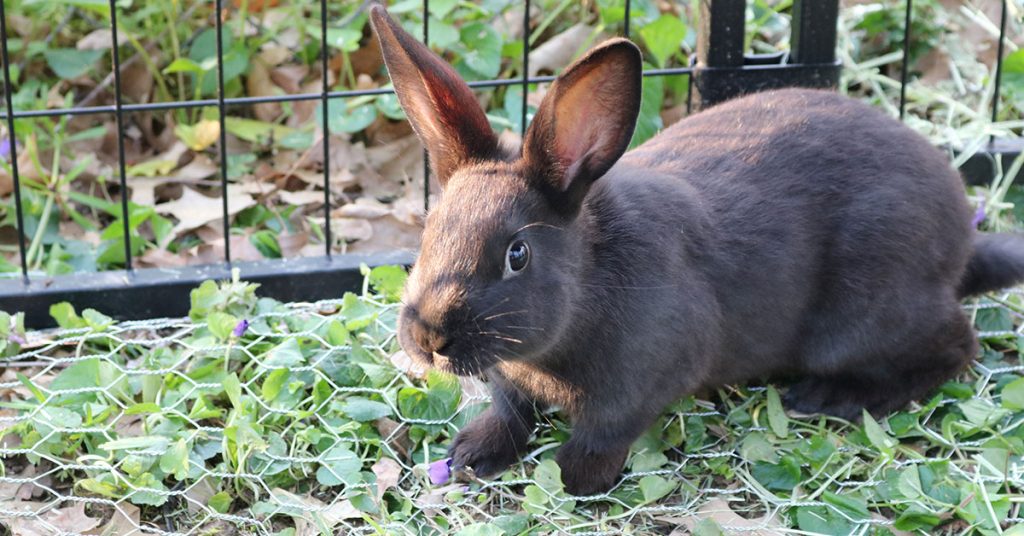
While baby bunnies can be adorable, they may also nibble on tender garden plants, which might be a concern for those of us who work hard to maintain a vibrant landscape. However, it’s important to address this issue with care and understanding. I always recommend using gentle, non-toxic repellents or protective barriers to safeguard your prized blooms without harming the bunnies. This approach ensures that your garden continues to flourish while providing a safe haven for wildlife.
In my own garden, I’ve found that creating designated areas for the bunnies—using natural deterrents like mesh fencing or strategically placed plantings—can help balance their needs with the health of my crops. It’s all about finding that harmonious middle ground where both your garden and its furry visitors can coexist. With a little ingenuity and empathy, you can design your space to be both productive and wildlife-friendly. Every solution that respects nature’s balance is a step towards a more sustainable and joyful garden!
When to Contact a Wildlife Expert
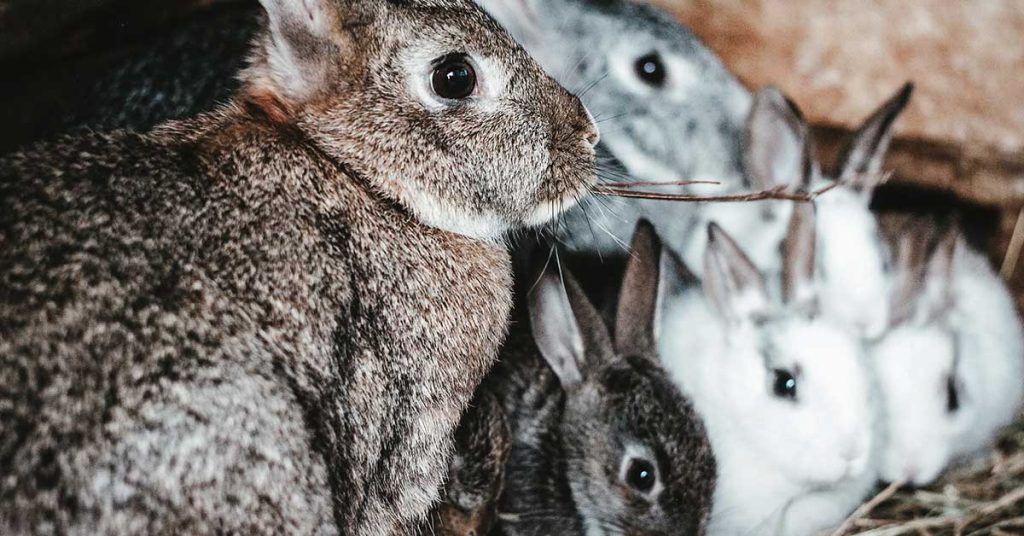
Sometimes, despite our best efforts, you might come across a situation where the well-being of the baby bunnies appears compromised. If you notice signs of distress, such as injuries, prolonged lethargy, or abandonment, it’s crucial to seek the advice of a local wildlife expert or rehabilitator. I’ve learned that professionals can provide the necessary care and guidance in these delicate situations, ensuring that the young bunnies receive the support they need while keeping the natural cycle intact. It’s always better to be safe and informed when dealing with wildlife!
From my experience, reaching out to experts is not a sign of failure but rather an essential part of responsible gardening and wildlife stewardship. Local wildlife centers or animal control services can offer valuable insights, and in some cases, they might even arrange for the safe relocation of the animals if the situation demands it. Their expertise not only benefits the bunnies but also contributes to maintaining the natural balance of your garden. Remember, every little creature plays a role in the ecosystem, and professional help can make all the difference when nature needs a helping hand!