

Most couples approach wedding planning with a solid budget in mind and genuine confidence they can stick to it. That confidence, unfortunately, tends to erode fast once the contracts start coming in. The gap between what you’re quoted and what you actually pay is one of the industry’s most persistent open secrets, and by the time many couples figure it out, they’ve already signed on the dotted line.
The Budget You Set Is Almost Never the Budget You’ll Spend

The overall average wedding cost sits at $34,200, according to The Knot 2026 Real Weddings Study, which surveyed more than 10,000 U.S. couples married in 2025. That number sounds like a planning benchmark, but it rarely functions as one. More than half of all couples end up spending more than they originally planned.
Nearly three-quarters of surveyed couples who married in 2024 spent more than what they originally budgeted. Planners know this pattern well. What they don’t always volunteer upfront is that the original quote is just the starting point, not the finish line.
Hidden Fees Are Nearly Universal, Not Occasional

Three out of four couples hit at least one surprise fee during their planning journey. These aren’t rare exceptions or unlucky accidents. They’re a structural feature of how wedding vendors price their services.
Hidden costs add an average of $3,314 to a couple’s budget, and service charges, gratuities, overtime fees, and weather contingencies can typically add nine to fifteen percent to your total costs beyond vendor quotes. That’s a meaningful chunk of money that most couples never factor in at the beginning.
The Service Charge Is Not the Same as a Tip
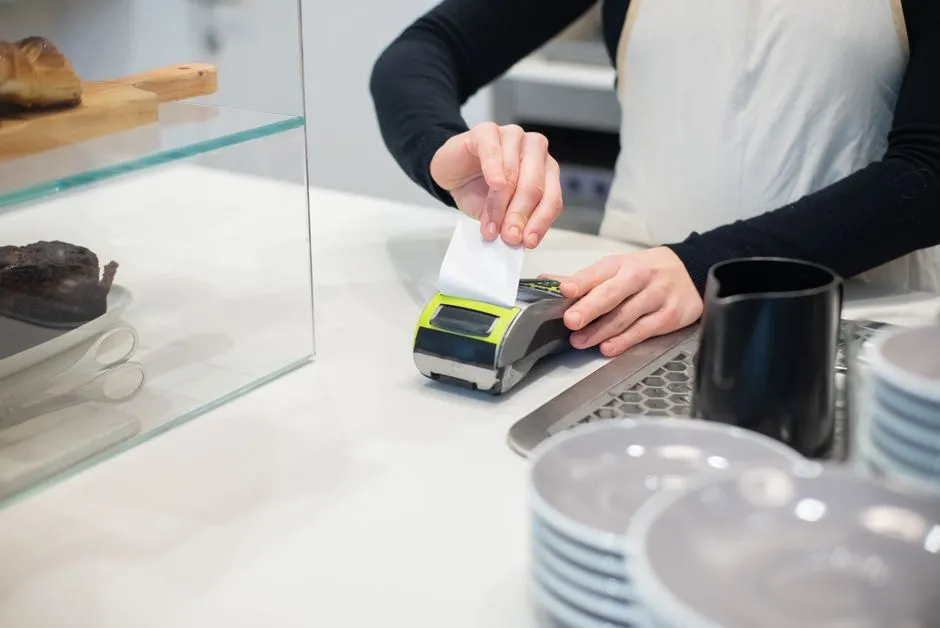
The biggest shock for many couples is what’s called the percentage stack. A service charge of 20 to 25 percent of the food and beverage total typically goes to the venue, not the staff, and gratuity, sales tax, and card processing fees can all land on top of the same subtotal. This is one of the least-understood line items in any catering agreement.
Most service charges go to administrative costs and a general labor pool, not directly to the captain, bartenders, and waitstaff working your wedding. You should ask your venue manager in writing what the service charge actually covers and plan to tip 15 to 20 percent of the pre-tax bar bill and $20 to $30 per server on top of that. Planners understand this distinction clearly. Many just don’t bring it up until after the contract is signed.
The “Wedding Tax” Is Real and Well-Documented

A 2024 Consumer Reports investigation found that identical floral arrangements were quoted 20 to 40 percent higher when described as “for a wedding” versus “for a formal event.” Simply using the word “wedding” triggers a different pricing tier at many vendors.
Cakes follow the same pattern, with a 30 to 50 percent markup appearing when described as a “wedding cake” rather than a “celebration cake.” It’s a quiet industry norm that most planners are aware of and few warn couples about proactively.
Overtime Charges Can Derail Your Budget on the Day Itself

Buried in most contracts: if your reception runs long, vendors charge $100 to $500 per hour of overtime, often doubling past midnight. A reception that runs just 45 minutes over schedule can quietly add thousands to your final bill.
A few line items that consistently surprise couples include cake cutting fees of $2 to $7 per slice, corkage fees of $15 to $35 per bottle, vendor meals of $35 to $75 each, and overtime rates that can reach $1,500 to $3,000 per hour. Ask whether your block of hours includes vendor load-in and teardown, or only the time guests are present. The answer changes the whole math.
Vendor Meals Are a Required Budget Line That Gets Forgotten
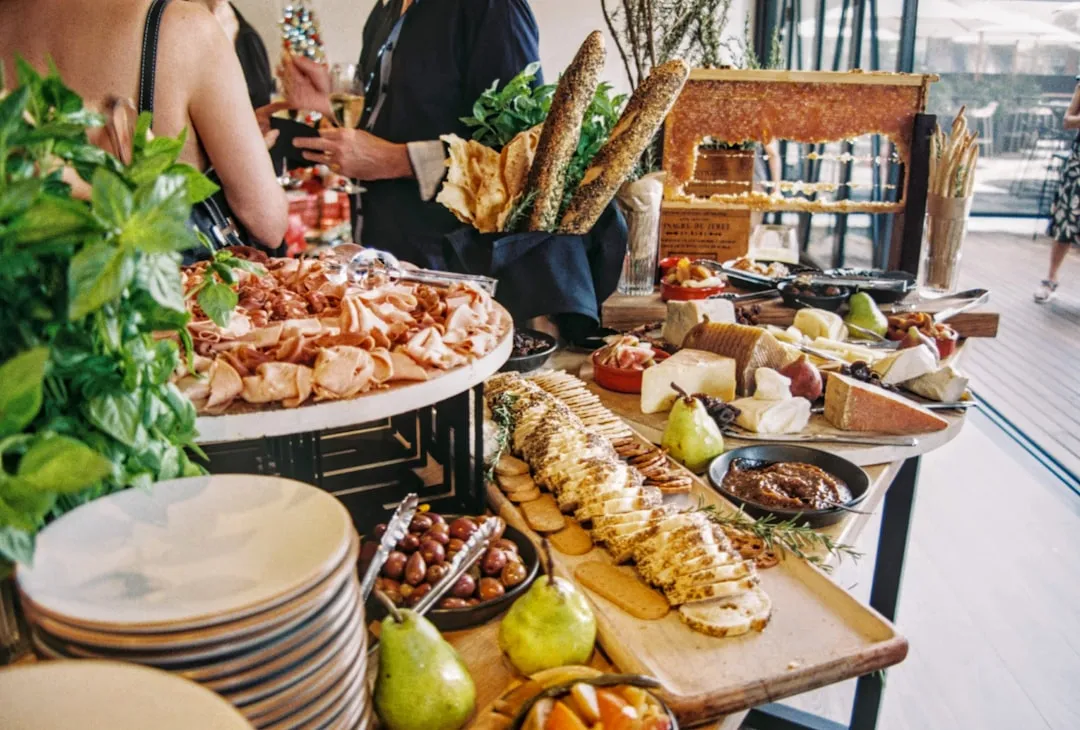
Most catering contracts require you to feed every working vendor, and couples hire an average of 13 vendors, all of whom need plates. It sounds minor until you do the arithmetic across a full vendor team.
Setup and breakdown fees on rentals, and bridal suite or “getting ready” rental fees ranging from $300 to $1,200 at many venues, are also among the line items that consistently surface as surprises. None of them appear in the opening quote. They simply appear on the final invoice.
Peak-Season Saturdays Cost Significantly More Across the Board
Peak-season Saturday nights carry the highest markup across almost every wedding category. Photographers, bands, venues, and florists often charge 20 to 40 percent more for a Saturday in May, June, September, or October than for the same service on a Friday or Sunday.
A Friday evening or Sunday afternoon wedding can unlock lower-tier pricing from vendors who otherwise quote the full wedding rate, and a winter wedding in January, February, or early March usually beats peak pricing across the board. Planners know which dates carry premiums. That information is rarely volunteered in an initial consultation.
Vendor Contracts Are Often Written in the Vendor’s Favor
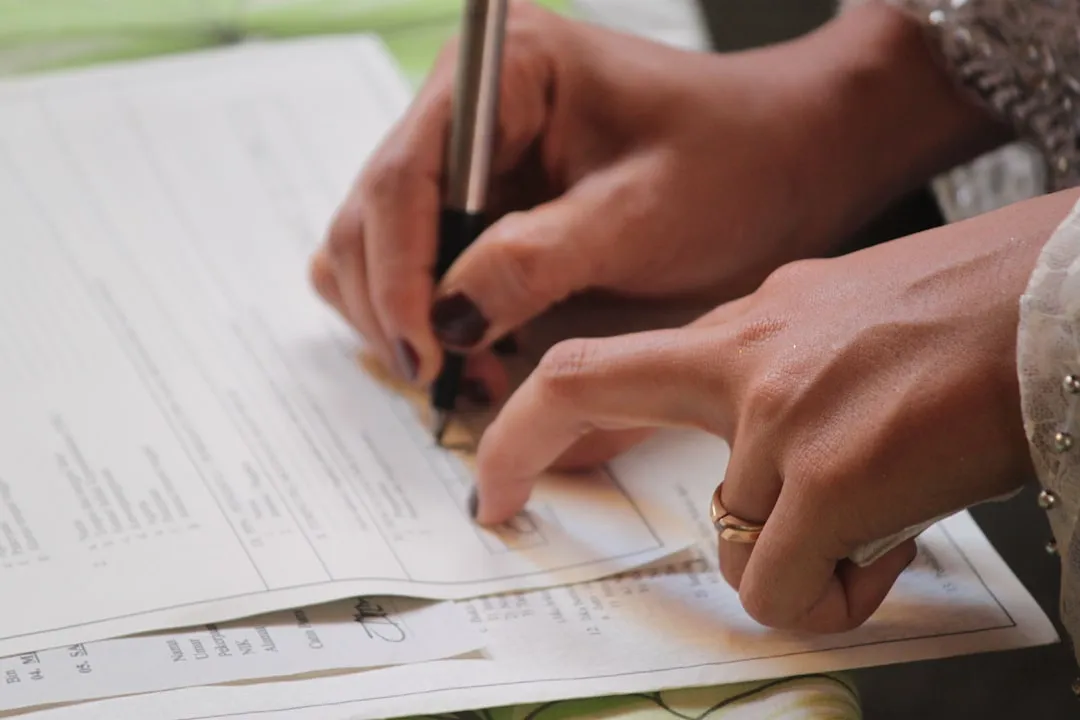
Despite the average U.S. wedding cost reaching $35,000 in 2025, an alarming number of wedding vendor agreements are informal, incomplete, or heavily tilted in the vendor’s favor, leaving couples exposed to significant financial risk. A contract that looks complete often contains important omissions.
A 2024 survey by The Knot found that 18 percent of couples experienced at least one major vendor issue, including cancellations, no-shows, substituted services, substandard quality, or pricing disputes. Watch out for contracts that require a signature within 48 hours. That’s a pressure tactic, and a reputable vendor will hold your date for a week while you review the terms.
Wedding Debt Is Common and Rarely Discussed Before the Planning Begins

In the U.S., 28 percent of couples go into debt as a result of paying for their wedding. That figure rarely comes up in early planning conversations, when the mood is celebratory and the contracts are still blank.
Wedding prices have jumped 30 percent since 2019 for similar venues and guest counts. When inflation is layered on top of structural pricing patterns, the risk of overspending becomes harder to avoid without real transparency from the people guiding the process. Planning a wedding takes 200 to 300 hours on average, time taken away from work, relationships, and everyday life.
Booking One Vendor Actually Means Managing Many More Steps

There are a lot of steps and logistics behind every vendor and every decision. Booking one vendor actually has another ten steps behind it, and those steps are not always immediately known when couples first start planning. A single signature on a venue contract, for example, sets off a chain of decisions about layout, delivery access, external rentals, and guest count guarantees.
Booking a venue has a lot more to it than just signing a contract. You need to make note of what the venue provides and does not provide, delivery details, floorplan constraints, storage space, and the process for submitting final guest counts. Those details weave into other decisions, and couples often don’t find out about them until close to the wedding date, which is where overwhelm starts to set in.
The Takeaway

The wedding industry isn’t built on deception, but it is built on assumptions. Vendors assume couples know to ask the right questions. Planners assume clients have read the fine print. And couples, understandably swept up in the excitement of it all, often assume the quoted price is the final price.
Asking for a fully itemized, all-in estimate before signing anything is the single most protective step a couple can take. The difference between the opening quote and the final invoice is where most of the stress, the debt, and the regret tends to live. Going in with open eyes doesn’t diminish the celebration. It protects it.
AI Disclaimer: This article was created with the assistance of AI tools and reviewed by a human editor.