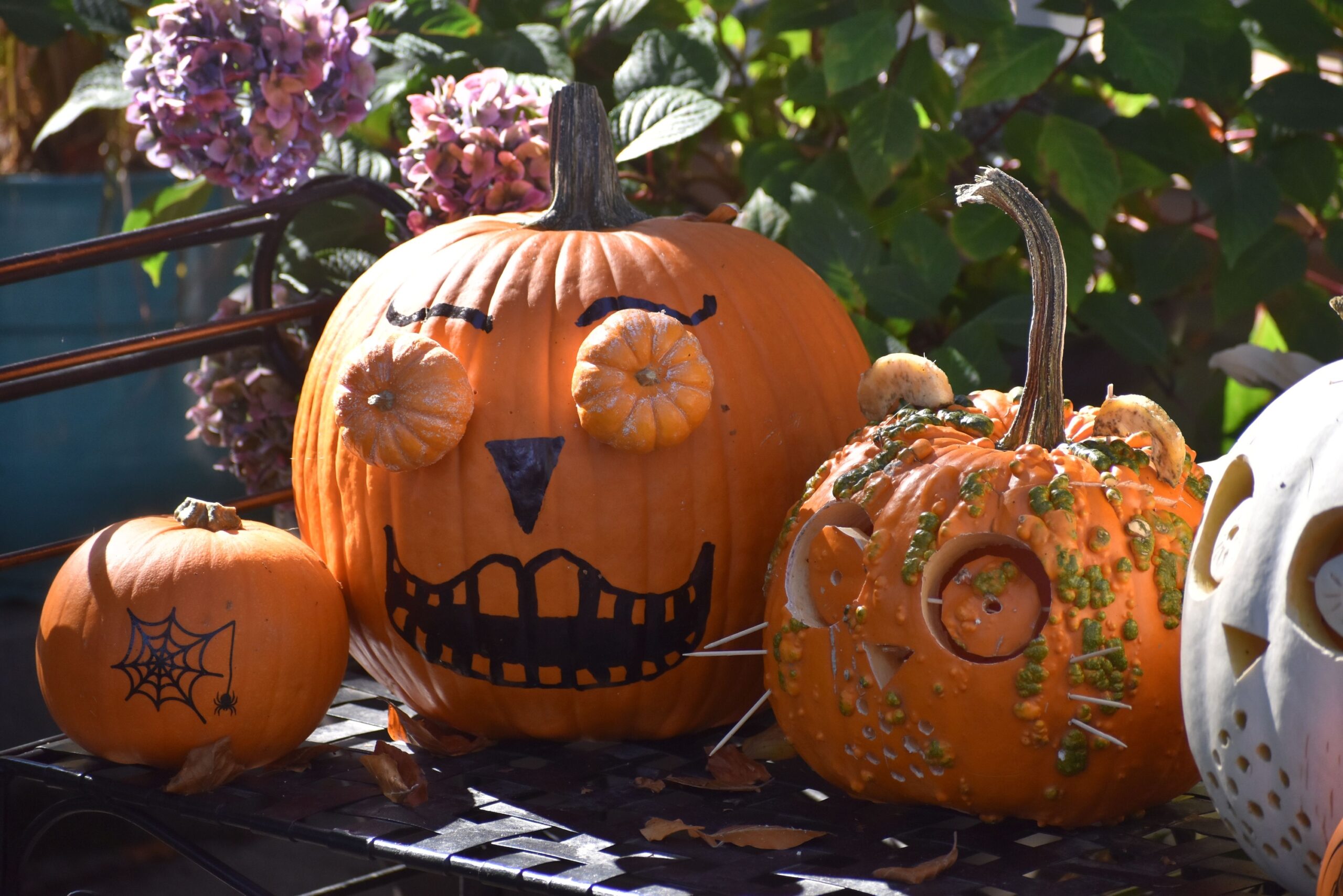

Understand Why Tossing Them Is Actually a Problem
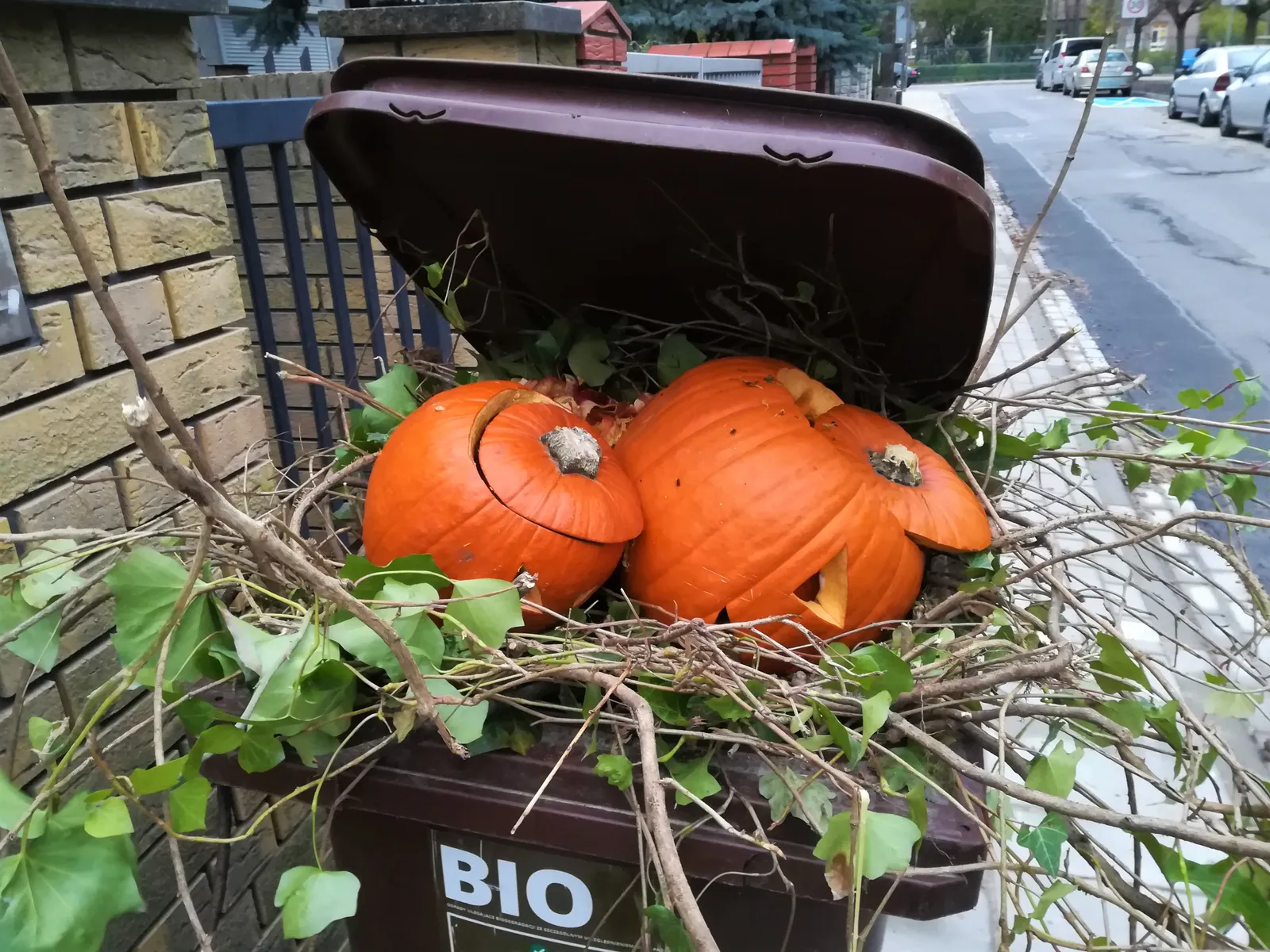
Before diving into solutions, it’s worth understanding what actually happens when a pumpkin hits the landfill. The U.S. Department of Agriculture estimates that more than 1 billion pounds of pumpkins are discarded in U.S. landfills each year, where they can contribute 83 million pounds of methane emissions into the atmosphere. That methane production occurs because microorganisms break down waste without oxygen, making landfills one of the top producers of this potent greenhouse gas.
Compared to carbon dioxide, methane gas is 25 times as potent at trapping heat in the atmosphere, further contributing to the climate crisis. So tossing a pumpkin isn’t just wasteful of food; it’s a real, measurable environmental issue. Over 80% of Halloween pumpkins are thrown away each year. The USDA estimates that Americans purchase 1.3 billion pounds of pumpkins each year for Halloween, and approximately over 1 billion pounds are thrown away after the holiday.
Compost It at Home
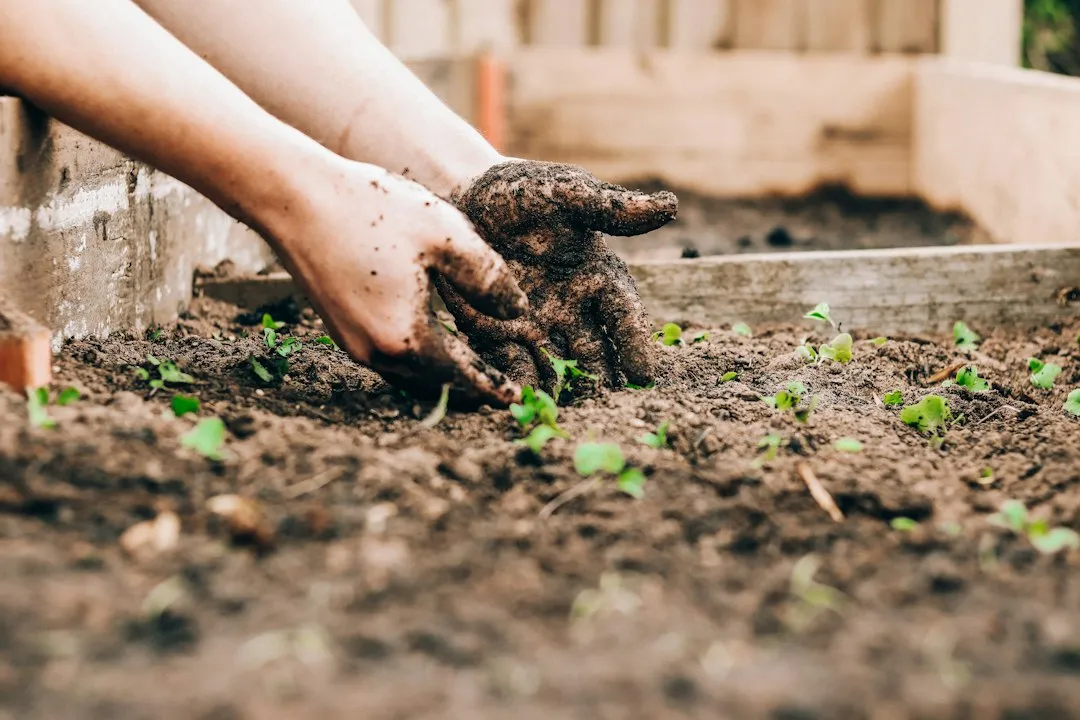
One of the most eco-friendly ways to repurpose pumpkins is by composting them. Pumpkins are moisture-rich and break down relatively quickly compared to tougher organic material, which makes them an ideal addition to a backyard compost pile. Remove candles, paint, glitter, and stickers first. Then chop the pumpkin into smaller pieces to help it break down faster. Pumpkins are rich in moisture and nutrients, which makes them perfect for turning into healthy compost that can enrich your soil come spring.
According to the Environmental Protection Agency, a healthy compost pile should include a mix of “greens,” like pumpkin scraps and food waste, and “browns” like dry leaves, straw, or cardboard, in roughly a three-to-one ratio. Unlike landfills that trap waste, bacteria in your backyard release very little methane when they break down organic material. That distinction alone is reason enough to choose the compost bin over the trash can.
Feed Local Wildlife
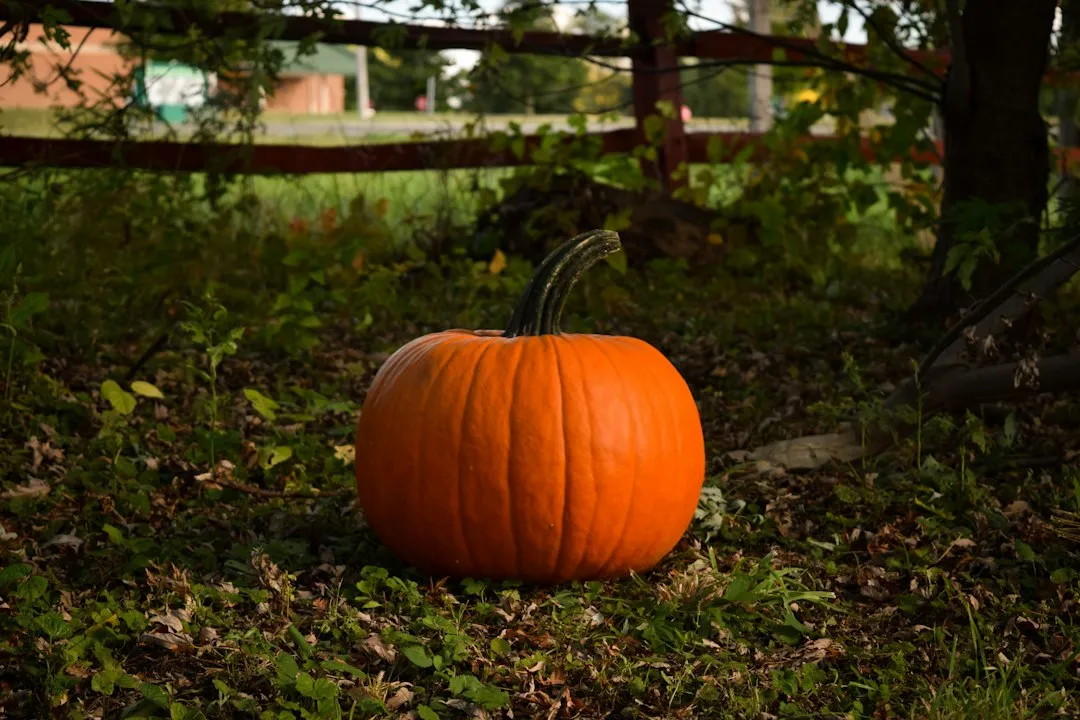
Instead of discarding aging pumpkins after Halloween, consider sharing them with local wildlife. Birds, squirrels, and other critters will appreciate the treat, especially as food sources become scarcer during the colder months. It’s a simple act that takes all of two minutes to set up. You can chop up your pumpkin and leave it out for local wildlife to enjoy. The Nature Conservancy says that many animals, from squirrels to porcupines, enjoy feasting on this fall treat.
Avoid using pumpkins that were painted or have wax inside, as these can be harmful to animals. A clean, undecorated pumpkin or one that was only carved is fine for outdoor wildlife. You should ask for permission before leaving it at a park or a managed open space like a state or national park, as some discourage this practice.
Roast the Seeds as a Nutritious Snack
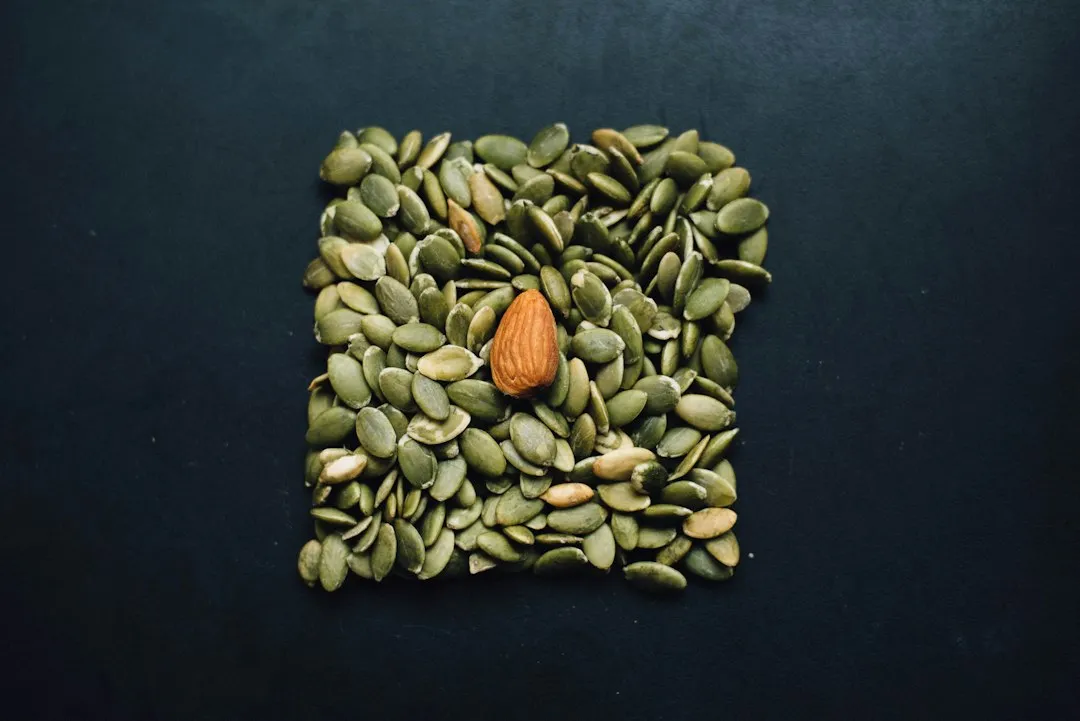
Before you do anything else with the pumpkin itself, pull out those seeds. Eating roasted pumpkin seeds provides fiber and is an excellent source of zinc, phosphorus, potassium, magnesium, and iron. According to the USDA National Nutrient Database, one ounce of pumpkin seeds provides approximately 126 calories, 5.3 grams of protein, and 5 grams of total dietary fiber.
Pumpkin seeds are also a good source of magnesium, zinc, and manganese, plus antioxidants like Vitamin E, which support everything from immune function to heart health. Roasting them is straightforward: rinse, dry thoroughly, toss with oil and salt, and bake at around 350°F for 15 to 20 minutes. Pumpkin seeds are a delicious treat for many animals, including squirrels, chipmunks, and some birds, according to the National Wildlife Federation, so any seeds you don’t roast can go outside instead.
Cook With the Flesh
Pumpkins are more than just a decoration but an extremely versatile fruit with every part, bar the stalk, completely edible. The flesh from carving pumpkins tends to be more watery than the small sugar pumpkins sold specifically for cooking, but it’s still perfectly usable in soups, stews, and purées. The larger jack-o’-lantern candidates usually contain too much water and too many strings for baked goods, but they can make decent soup.
Only about 59% of people are aware that pumpkins are edible, proof that these have become such a novelty that people have forgotten, or simply don’t know, that the pumpkin was originally just a fruit intended for consumption, not modification. That’s a surprisingly low number for something sitting on millions of porches every October. If your pumpkin was carved only a day or two before Halloween and hasn’t started to decay, the flesh is still fair game for the kitchen.
Turn It Into a Temporary Bird Feeder
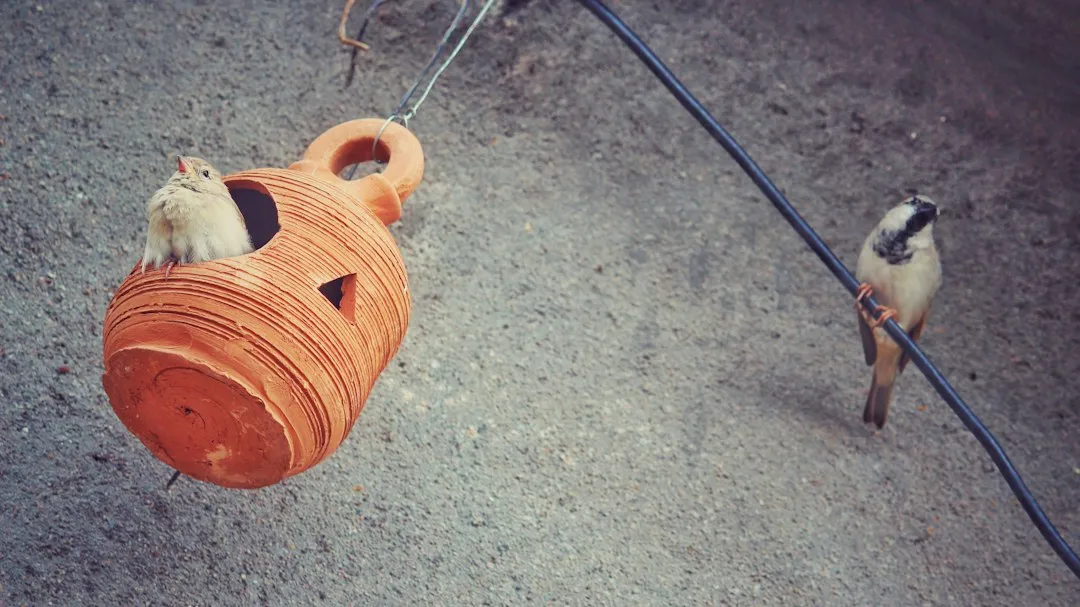
You can transform your pumpkin into a lovely bird feeder by carving a hole large enough for a bird to access the seeds inside, then filling it with birdseed and placing it on the porch or suspending it from a tree branch in your garden. It’s a creative reuse that costs nothing and keeps the pumpkin doing something useful for another week or two.
You can also cut the pumpkin in half, scoop out the insides, and fill it with birdseed. The pumpkin halves can be hung from a tree or simply placed on the ground for birds to enjoy. Once the pumpkin itself starts to break down, the whole thing can go straight onto the compost pile without any sorting required.
Donate It to a Local Farm or Zoo
Many animal farms accept pumpkin donations after Halloween to feed their animals. It’s worth checking with local farms or even neighbors who have livestock. Pigs, goats, chickens, and cattle all tend to enjoy pumpkin, and farms are often actively looking for this kind of seasonal organic feed. If you don’t want to compost at home, look for local events and nonprofits, like Pumpkins for the People, that collect used pumpkins for farms and community composting. Some zoos and local farms also accept pumpkins and use them to feed their animals.
Many places gladly accept leftover pumpkins, including gardens, farms, and even zoos. They can be repurposed as nutrient-rich compost or as tasty treats for animals. A quick search for local pumpkin drop-off programs in your area around November 1st usually turns up several options.
Bury It Directly in the Garden
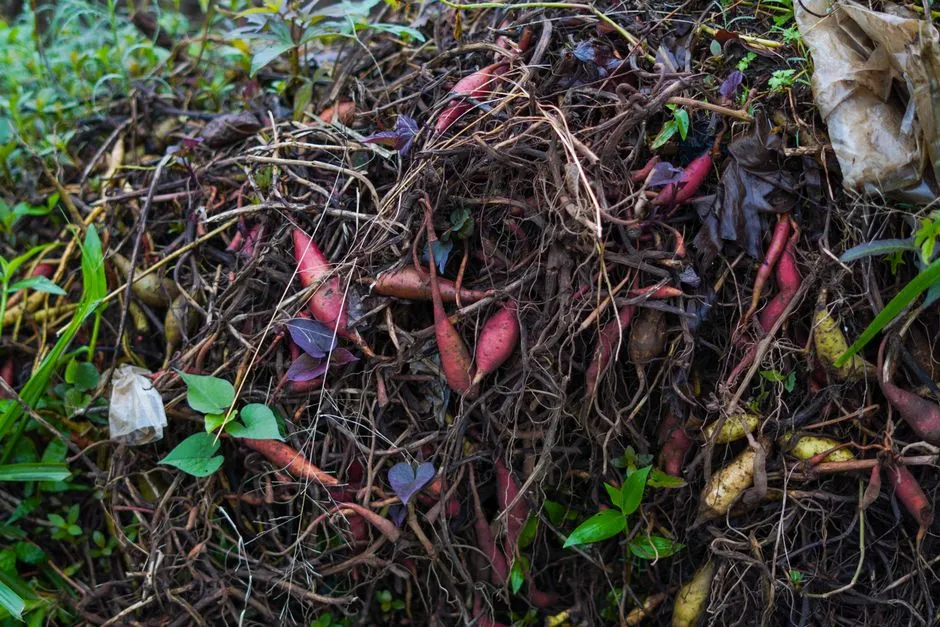
You can bury pumpkin chunks directly into your garden soil. They’ll break down naturally, adding organic matter and nutrients that improve soil structure. This method is sometimes called “trench composting,” and it works especially well heading into winter when the soil is still workable. Simply dig a hole, place the pumpkin pieces inside, and cover them with soil. Over time, the pumpkin will decompose, adding valuable organic matter to your soil.
One small note: make sure you remove the seeds before burying or composting, or your garden could turn into a pumpkin patch. That might sound charming in theory, but a surprise pumpkin vine taking over your spring garden beds is less fun than it sounds. Remove the seeds first, roast them or set them aside for wildlife, and then bury the rest.
Use It as a Planter for Fall or Winter Plants
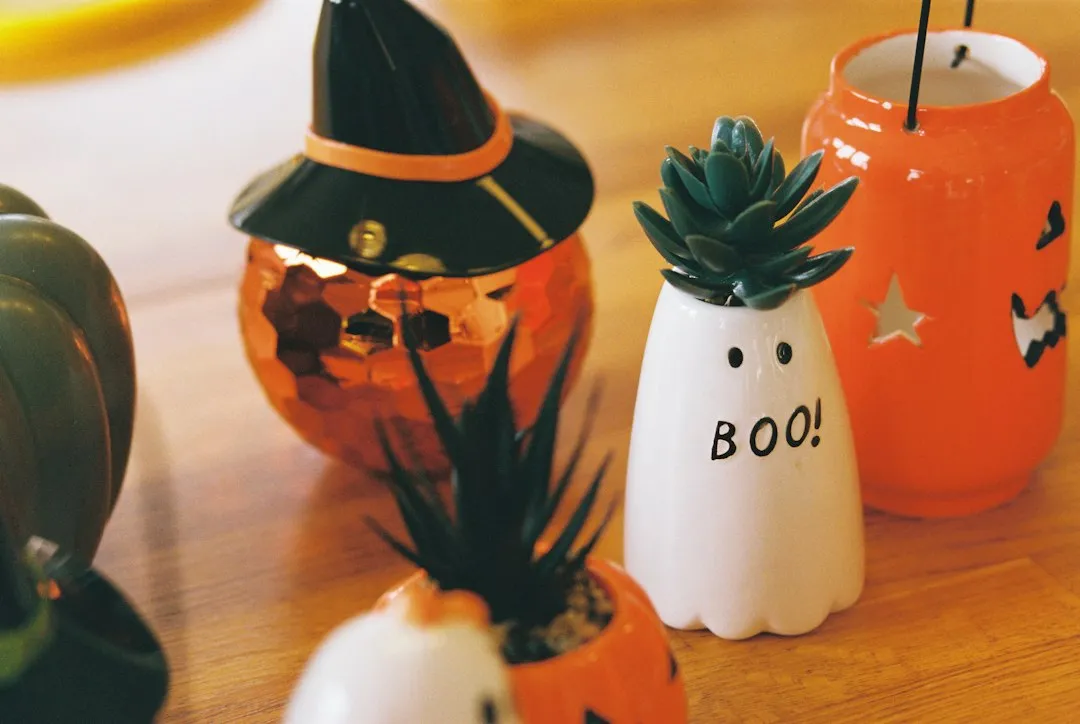
One fun option is to use a hollowed pumpkin as a natural planter. Fill it with soil and tuck in pansies, violas, or kale for a colorful fall container. When the pumpkin eventually breaks down, you can simply compost the whole thing. This bridges the gap between Halloween and Thanksgiving decor while giving the pumpkin a genuine second purpose.
Pumpkins can also be incorporated into holiday décor beyond Halloween. A stack of uncarved pumpkins and gourds on the porch looks festive through Thanksgiving. Paired with dried corn stalks, chrysanthemums, or evergreen boughs, they carry the season forward gracefully. An uncarved pumpkin stored in a cool, ventilated place can last considerably longer than a carved one, so it’s worth holding onto intact decorative pumpkins for seasonal display.
Look for Community Pumpkin Smash Events
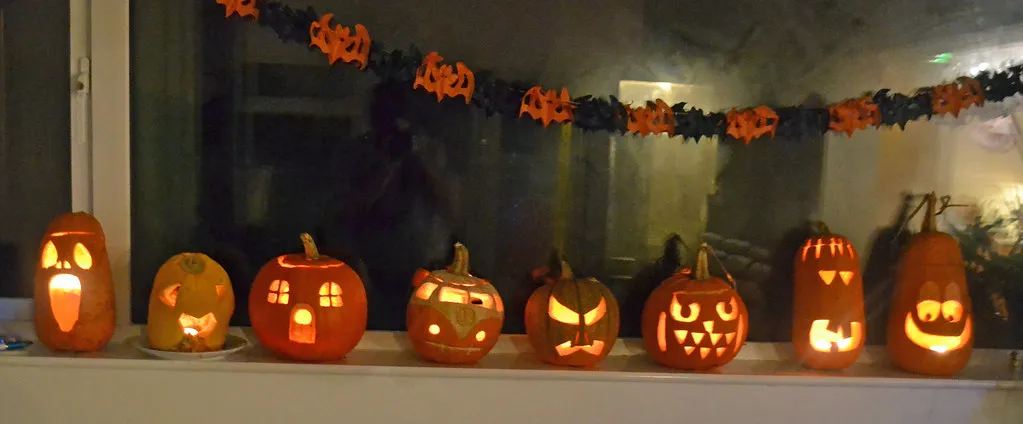
Each year after Halloween in Illinois, Scarce, an environmental and educational nonprofit, organizes pumpkin smash events, also known as pumpkin drop-off parties. Similar community composting events have sprung up across the country, giving people a fun, low-effort way to dispose of their pumpkins responsibly. Breaking the pumpkin up into smaller pieces before dropping it off also speeds up the composting process significantly.
There are a number of ways to reduce the amount of pumpkin waste that occurs each year after Halloween, including composting pumpkins at home and checking with a local farm or neighbor who has livestock to be used as animal feed. Community events combine both angles, collecting large volumes of pumpkins at once and redirecting them to local composting or farming operations. They’re worth looking for every year around the start of November.
The Bigger Picture Worth Keeping in Mind
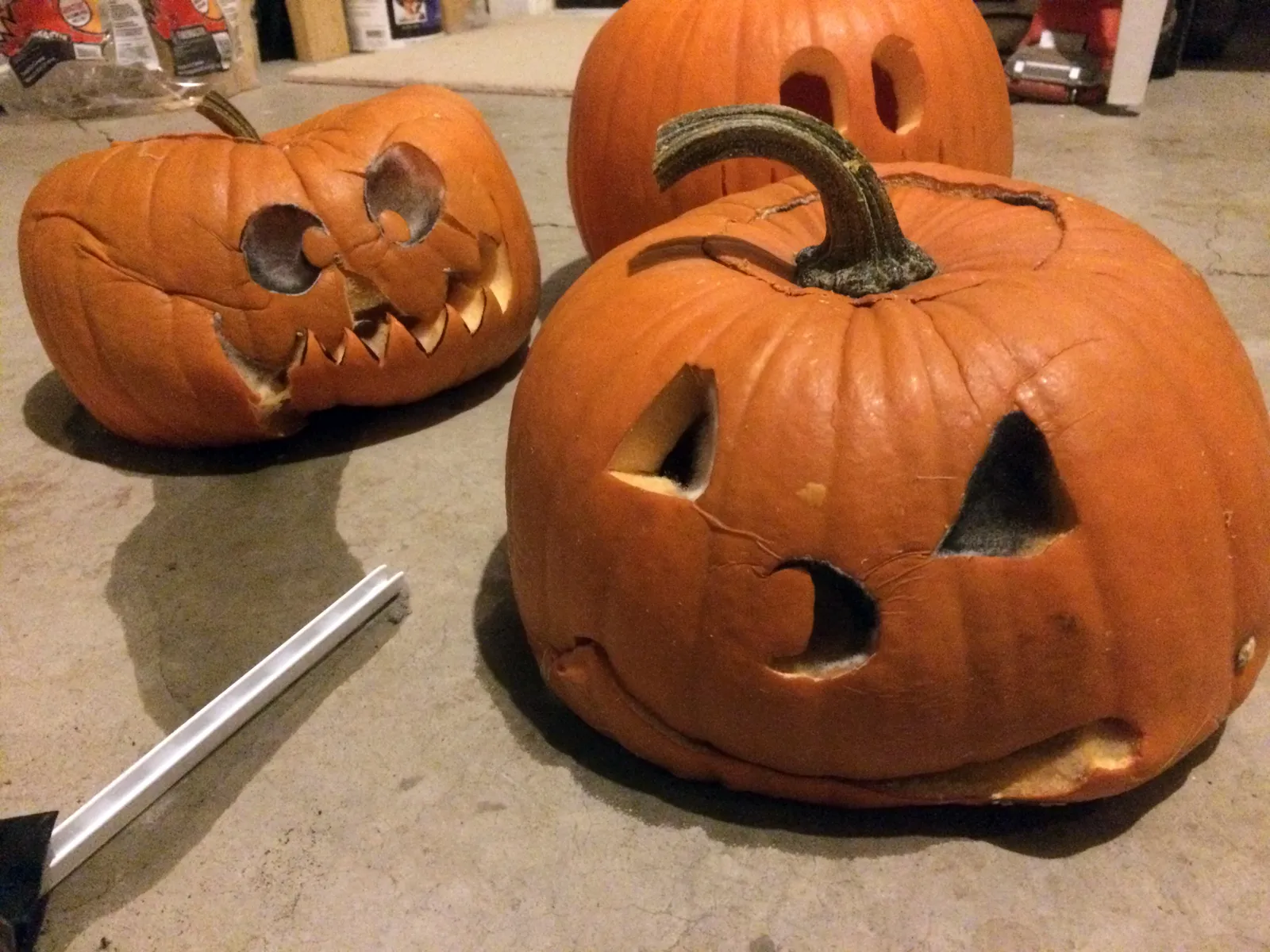
Wasting pumpkins means wasting not just the pumpkins themselves, but all the resources that went into growing them: water, energy, land, labor, capital, and inputs such as fertilizers. That embedded cost is easy to overlook when you’re dragging a sagging jack-o’-lantern to the curb. The pumpkin you bought was grown, harvested, transported, and purchased, and all of that work evaporates the moment it hits the landfill. Growing pumpkins requires lots of freshwater, which means when pumpkins are thrown away, the freshwater used to produce them is also wasted.
Every year, millions of pumpkins end up in landfills after Halloween, where they contribute to methane emissions as they rot. By finding alternative uses such as composting, cooking, and feeding wildlife, we not only reduce waste but also honor the harvest season. None of the options on this list require special equipment, unusual effort, or any real expertise. Most of them take five minutes or less. That’s a reasonable trade-off for keeping over a billion pounds of food out of American landfills each year.
AI Disclaimer: This article was created with the assistance of AI tools and reviewed by a human editor.