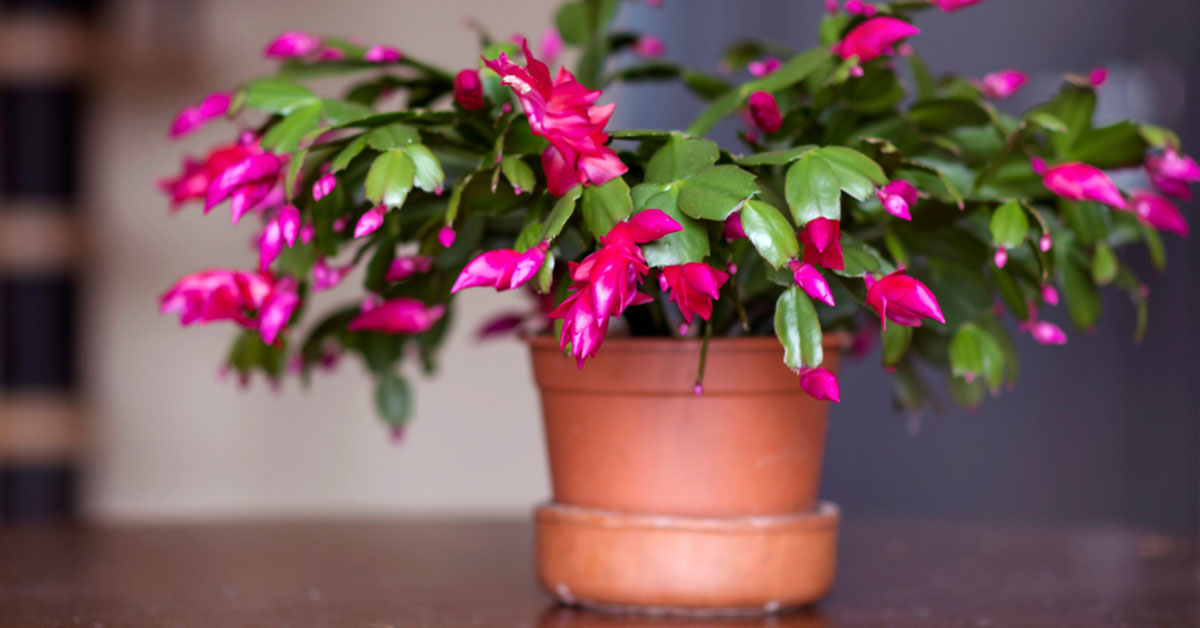

If you want your Christmas cactus to put on a dazzling display of blooms during the holidays, September is the month to set the stage. These unique plants are known for their vibrant, cascading flowers that brighten up homes in the winter, but they need a little help to bloom on time. Proper care this month ensures your plant produces buds right when you want them and bursts into color when the cold season arrives.
By focusing on light, temperature, watering, and feeding, you can encourage your Christmas cactus to shift from its summer growth phase into the flowering stage. Here are ten essential steps to take in September to make sure your plant puts on its best show this year.
Reduce Watering to Trigger Dormancy
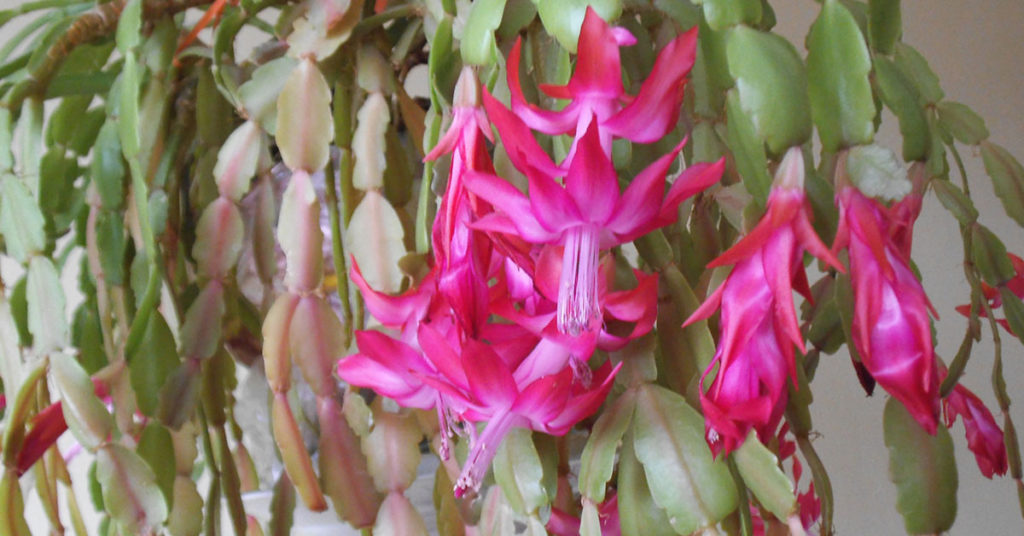
In September, begin easing back on watering to help your Christmas cactus enter a short rest period. This dormancy signals the plant that it is time to prepare for blooming. Allow the top inch or two of soil to dry out before watering again, but do not let it become completely bone dry for extended periods.
This slight stress encourages bud formation later in the season. Once the plant starts setting buds, you can gradually return to a more consistent watering schedule. Getting this timing right now ensures a stronger bloom cycle later.
Give Your Plant Longer Nights

Christmas cactuses are short-day plants, meaning they need extended periods of darkness to trigger blooming. Starting in September, aim to give your plant at least 12 to 14 hours of darkness each night for several weeks.
You can achieve this by moving the plant into a dark room in the evening or covering it with a light-proof cloth or box overnight. Consistency is key here. Providing regular, uninterrupted darkness trains the plant’s internal clock and encourages it to set buds right on schedule.
Adjust the Temperature for Bud Formation

Cooler nighttime temperatures help Christmas cactuses transition into their blooming phase. In September, try to keep evening temperatures between 55 and 65 degrees Fahrenheit. The slight dip in temperature signals the plant to slow its growth and redirect energy toward bud production.
If your home is too warm, consider moving the plant near a cooler window or even outside for a few weeks, as long as nighttime temperatures stay within the safe range. Just avoid sudden drops below 50 degrees, which can shock the plant and set back bud development.
Feed With a Low-Nitrogen Fertilizer

While Christmas cactuses benefit from regular feeding during their active growth period, September is the time to switch to a fertilizer that supports blooming rather than leafy growth. Look for a low-nitrogen, high-phosphorus formula that helps stimulate flower bud production.
Feed the plant every two to three weeks, following the instructions carefully. Overfertilizing can actually delay blooms, so moderation is important. By transitioning to a bloom-boosting fertilizer now, you give the plant the nutrients it needs at exactly the right stage.
Prune Lightly to Encourage Branching

A little trimming in early September can help your Christmas cactus bloom more abundantly later. Snip off any overly long or weak segments just above a joint to encourage branching. New growth that emerges from these cuts will often produce more flower buds.
Do not overdo it, though. Removing too much growth can stress the plant and limit its ability to produce energy. A gentle pruning session now sets the stage for a fuller, bushier plant covered in blooms when the holidays arrive.
Provide Bright, Indirect Light

While your plant needs longer nights in September, it still requires plenty of indirect sunlight during the day to fuel the energy needed for bud formation. Place it near a bright window where it gets filtered light rather than direct sun, which can scorch its leaves.
If natural light is limited, especially as fall days grow shorter, you can supplement with grow lights. Ensuring your cactus has a consistent balance of darkness at night and bright, gentle light during the day is one of the most effective ways to keep it blooming reliably.
Avoid Repotting This Month

Repotting in September can stress your Christmas cactus right when it should be focusing on preparing buds. When the plant senses environmental stress, it redirects energy to its roots instead of flowers, which can delay or even prevent blooming entirely.
Unless the plant is severely root-bound and struggling, wait until spring to refresh its soil or give it a larger pot. Allowing the plant to remain undisturbed during this transition period supports a healthier, more predictable flowering cycle.
Maintain Proper Humidity Levels

Christmas cactuses are native to tropical forests, where humidity is naturally higher than in most indoor environments during the fall. Dry air can stress the plant and slow bud development, so aim to maintain moderate humidity levels in September.
You can place a humidity tray beneath the pot, group plants together, or run a small humidifier nearby. Keeping the surrounding air slightly more moist helps mimic the cactus’s natural habitat, which encourages healthy buds and longer-lasting blooms.
Stop Moving the Plant Once Buds Appear

As buds begin to form later in the season, avoid moving or rotating your Christmas cactus. These plants are highly sensitive to changes in orientation once they start setting flowers, and even small shifts can cause buds to drop prematurely.
In September, choose a stable location where the plant can remain for the next several months. Consistent positioning helps maintain steady light exposure and reduces stress, giving your cactus the best chance of producing a full display of blossoms.
Be Patient and Consistent

Getting your Christmas cactus to bloom beautifully is all about timing and consistency. September is the month to lay the groundwork, but the process requires patience. It takes several weeks of controlled light, cooler temperatures, and reduced watering for buds to form.
By sticking to a routine and paying attention to your plant’s specific needs, you set yourself up for success. Come December, your Christmas cactus will reward your efforts with a spectacular burst of color, making all your care and planning worthwhile.
Encouraging a Christmas cactus to bloom right on schedule takes a little planning, and September is the perfect time to start. By adjusting light cycles, controlling temperature, feeding strategically, and creating a stable environment, you guide the plant naturally into its flowering stage.
With the right care, this holiday favorite can produce dozens of blossoms year after year, becoming a reliable centerpiece during the winter season. A little preparation now means a breathtaking display when the holidays arrive, and few gardening rewards are sweeter than that.