

1. The Seams and Fabric Folds for Bed Bugs
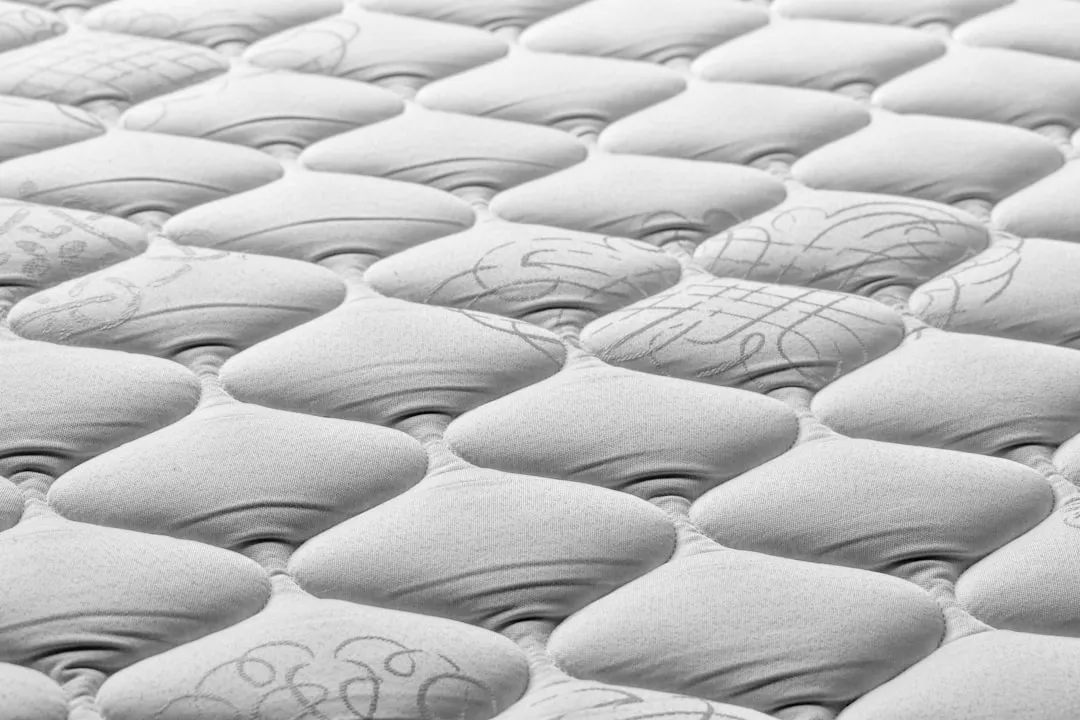
Bed bugs are the single biggest risk with any second-hand mattress, and they rarely announce themselves in the open. When bed bugs aren’t actively feeding, they hide in the dark. In a bedroom, they might hide in the seams and tags of a mattress or box spring. They can fit anywhere as small as the width of a credit card.
Grab a flashlight and carefully inspect all the folds and crevices of your mattress and furniture for brown bugs, translucent egg shells, or reddish-brown stains. Run a stiff card slowly along the piping seams to flush out anything hiding in the folds.
These tiny insects hide in the seams and corners of the mattress, so they are hard to notice. Getting rid of bed bugs can cost hundreds or even thousands of dollars, and they can spread throughout your home. The inspection takes ten minutes. A full infestation can take months to resolve.
2. Stains and Discoloration on Both Sides
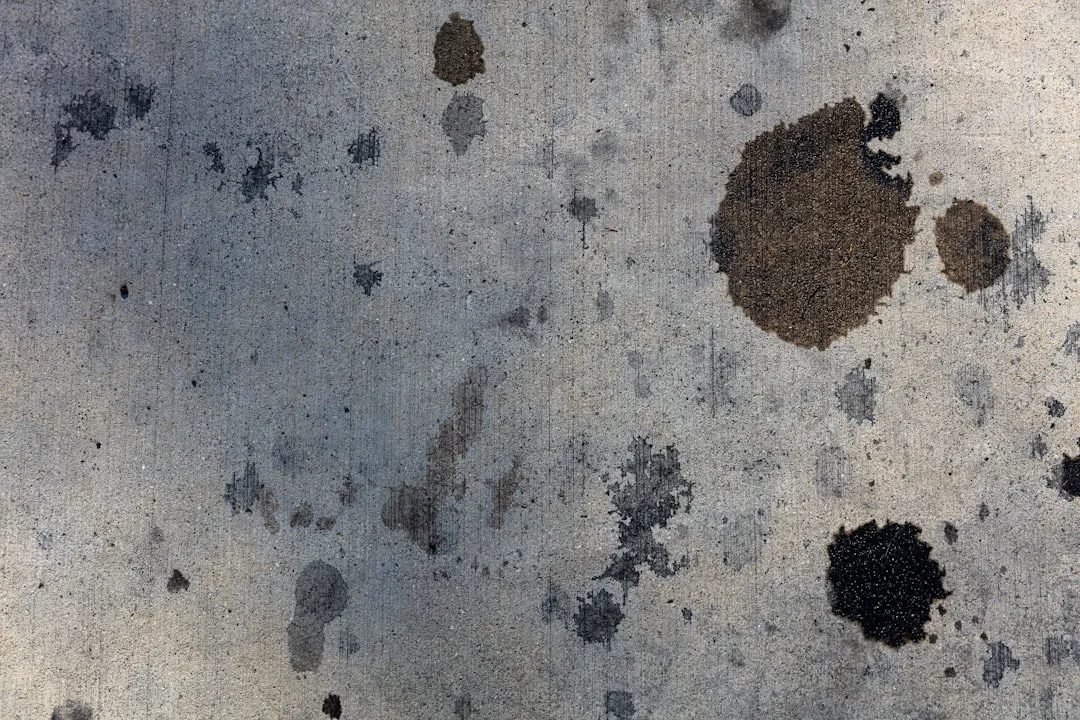
Examine the entire mattress surface in bright, natural light. Yellowing or brown stains indicate bodily fluids or mold growth. Lift the mattress to check the underside, as many sellers only clean the top. Visible tears not only affect comfort but also create entry points for pests and moisture.
Used mattresses are unhygienic. Each night, they absorb sweat, saliva, dead skin, bodily fluids and even traces of food and drink. Over years, those absorbed fluids create the conditions for bacterial growth that no surface wipe-down will fully address.
Pay close attention to the underside and the edges. Sellers frequently flip or rotate a stained mattress before listing it, so inspecting only one face will leave you with an incomplete picture.
3. The Smell

Examine the mattress for any unusual odors or smells. Trust your nose on this one. A musty, sour, or distinctly chemical scent can each point to a different problem, and none of them are minor.
While a used mattress may seem like a bargain, it can actually be a breeding ground for mold, dust mites, and other harmful bacteria. In addition, used mattresses may also contain dangerous chemicals that can off-gas and potentially cause serious health problems.
A musty smell specifically suggests mold or mildew has taken hold inside the foam or spring layers. That kind of contamination typically cannot be cleaned from the interior. If the smell is there, walk away.
4. Sagging and Surface Indentations
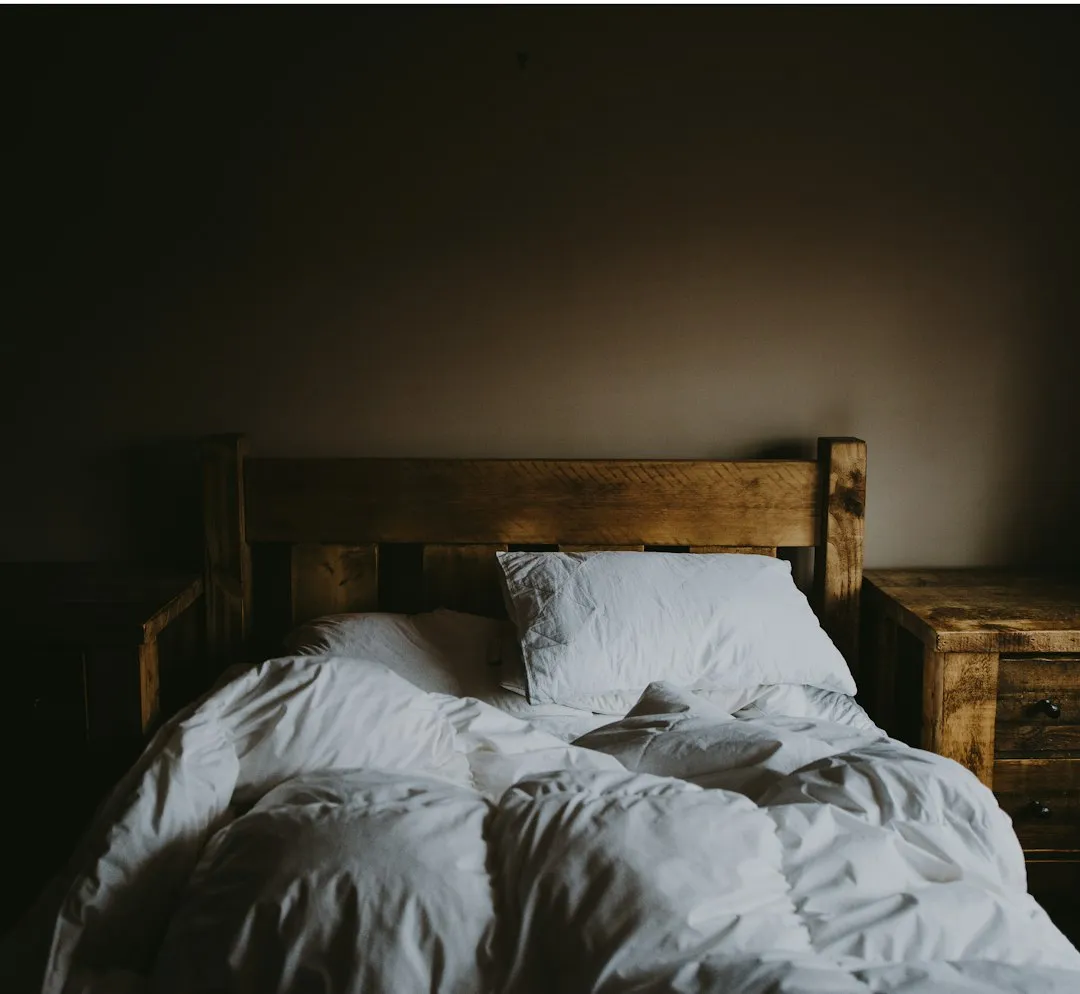
If depressions exceed two inches, the mattress has excessive sagging. Uneven support leads to poor sleep quality and potential back pain. Press firmly across different zones of the surface with both hands and pay close attention to the center and the edges.
Memory foam and polyfoam develop permanent body impressions over time. A used mattress has adapted to someone else’s body shape and weight distribution. Your body is different, and the foam’s ability to adapt further is reduced.
Research published in Applied Sciences examining mattress degradation confirmed that foam density decreases with extended use, leading to higher body interface pressures and reduced comfort (Leilnahari et al., 2024). This degradation is permanent and cannot be reversed through any cleaning or reconditioning process. That’s worth keeping in mind when a seller describes the mattress as “barely used.”
5. The Condition of the Coils and Internal Support

Springs in innerspring and hybrid mattresses lose tension with use. Fatigued coils provide less support and can create uneven spots that force your spine out of alignment. Sit and press across the full width of the mattress. Listen for squeaking or crunching, and feel for spots that offer noticeably less resistance than others.
Over time, the components inside the mattress will deteriorate due to wear and tear. The springs might poke through the mattress, and not only will this feel uncomfortable, but it could also cause bruises, marks, and cuts to your skin. The mattress will develop an uneven surface, and there may be a lack of support, particularly around the edges, increasing the risk of falling out of bed.
It’s your mattress’ job to support you and evenly distribute your body weight. If an older used mattress can’t perform this job, it could cause your spine to fall out of alignment and your joints to experience pressure. This could lead to back pain, joint pain, and other problems that disrupt your sleep.
6. Dust Mites and Allergen Load
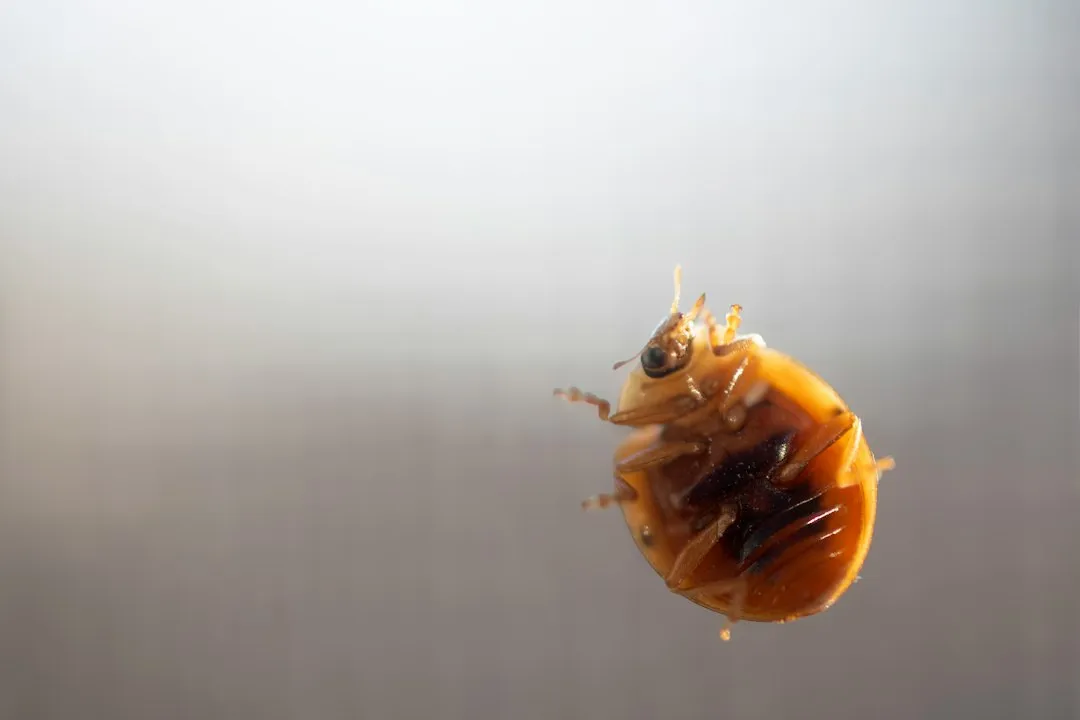
Old mattresses harbor dust mites, dead skin cells, and all sorts of other allergens. These microscopic villains can trigger or exacerbate allergies, asthma, and other respiratory diseases. Unlike bed bugs, dust mites leave no visible trace on the surface, which makes them easy to underestimate.
Used mattresses can also contain dust mites. These microscopic pests feed on dead skin and are almost impossible to remove completely. Dust mites can cause allergies and asthma problems. For anyone who already has respiratory sensitivities, this risk alone may be reason enough to reconsider.
Used mattresses can harbor various contaminants, including dust mites, bed bugs, allergens, mold, mildew, and bacteria. These pose potential health risks, especially for allergy sufferers or those with respiratory issues. While some problems can be mitigated through cleaning, others may be deeply embedded and difficult to eliminate.
7. Fire Safety Labels and Compliance Tags

If you are buying a second-hand mattress from an unknown seller, it may not meet the required safety standards. It might be made with materials that aren’t fire-retardant and can ignite easily, or contain chemicals that are potentially harmful to your health. New mattresses, on the other hand, must meet strict fire and safety standards before they can be sold, and they must have a permanent label to indicate this.
Regulations for selling used mattresses vary by location. Common requirements include clear labeling, professional sanitization, and meeting current fire safety standards. Some areas ban used mattress sales entirely. A missing compliance tag isn’t a minor cosmetic issue. It removes your ability to verify whether the mattress was legally manufactured to safety standards.
Always look for the permanent label sewn into the mattress, usually on the side or bottom. If it has been removed or is illegible, that’s a hard stop.
8. Torn Seams and Cover Damage

Check the bed for visible sagging, rips, punctures, indentation, and soaked-in stains. While typical wear and tear may not ruin the integrity of the mattress, larger damage or numerous defects can jeopardize the mattress’s support system.
Check for any visible damage or wear on the bed frame, such as cracks or dents. Inspect the mattress for any stains, tears, or sagging areas. Torn seams on the cover are a direct pathway for pests and moisture to reach the interior layers, and once that happens, the damage compounds quickly.
Run your hands across every edge and corner. A small rip at a seam junction is easy to miss but can mean the interior foam or coil system is already exposed to outside contaminants. It also signals that the mattress has been used hard enough to wear through the stitching.
9. The Age and History of the Mattress
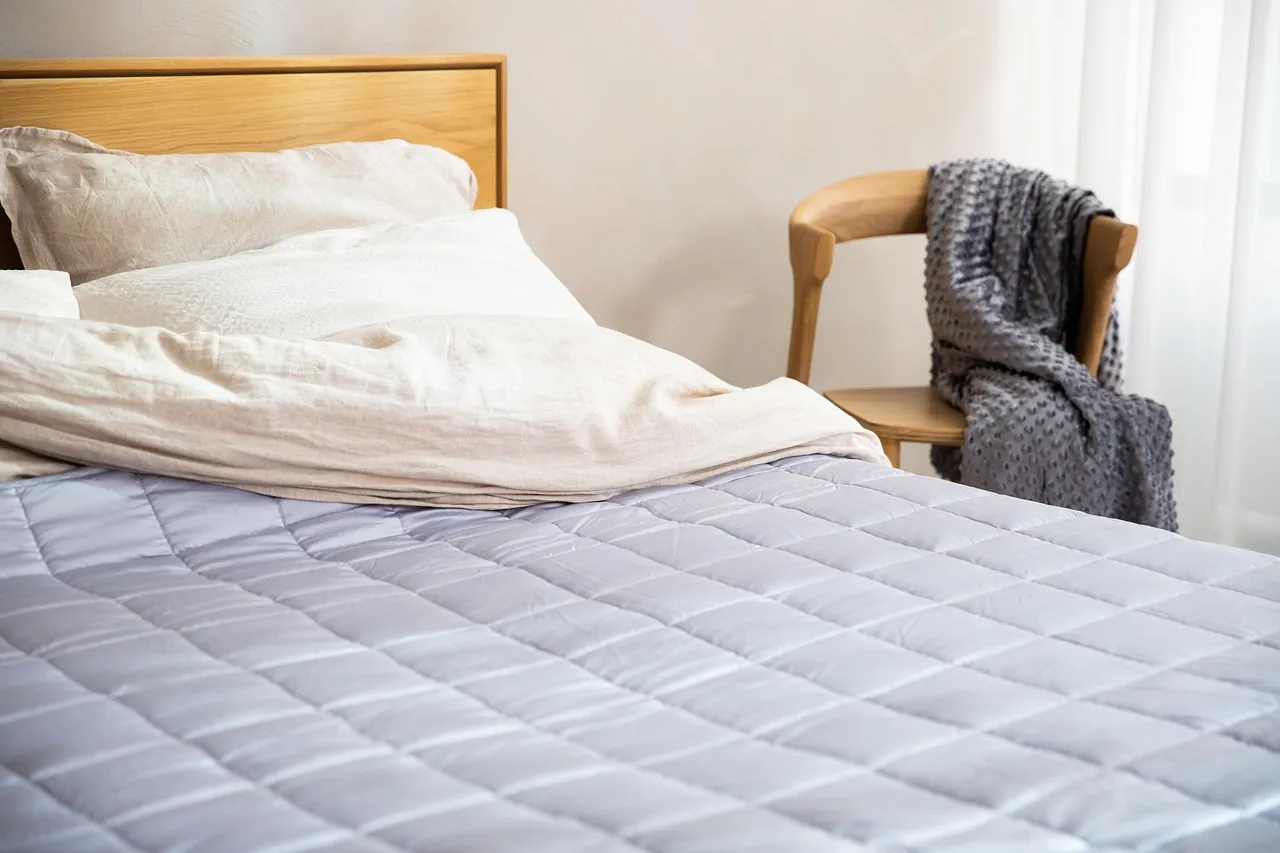
Always check for stains, odors, sagging, and safety labels before purchasing. Ask honest questions and avoid mattresses older than seven years. Most mattresses are designed with a lifespan of roughly seven to ten years under normal use conditions.
Always inspect for stains, odors, sagging, torn seams, and missing fire safety labels. Ask the seller about age, usage, home conditions such as smoke or pets, and reason for selling. A pet-owning household introduces a different contamination risk, including fleas.
In some cases, fleas may also be present, especially if the mattress came from a home with pets. The seller’s answers may not always be fully reliable, so treat the physical inspection as your primary source of truth rather than their description.
10. Mold, Mildew, and Moisture Damage
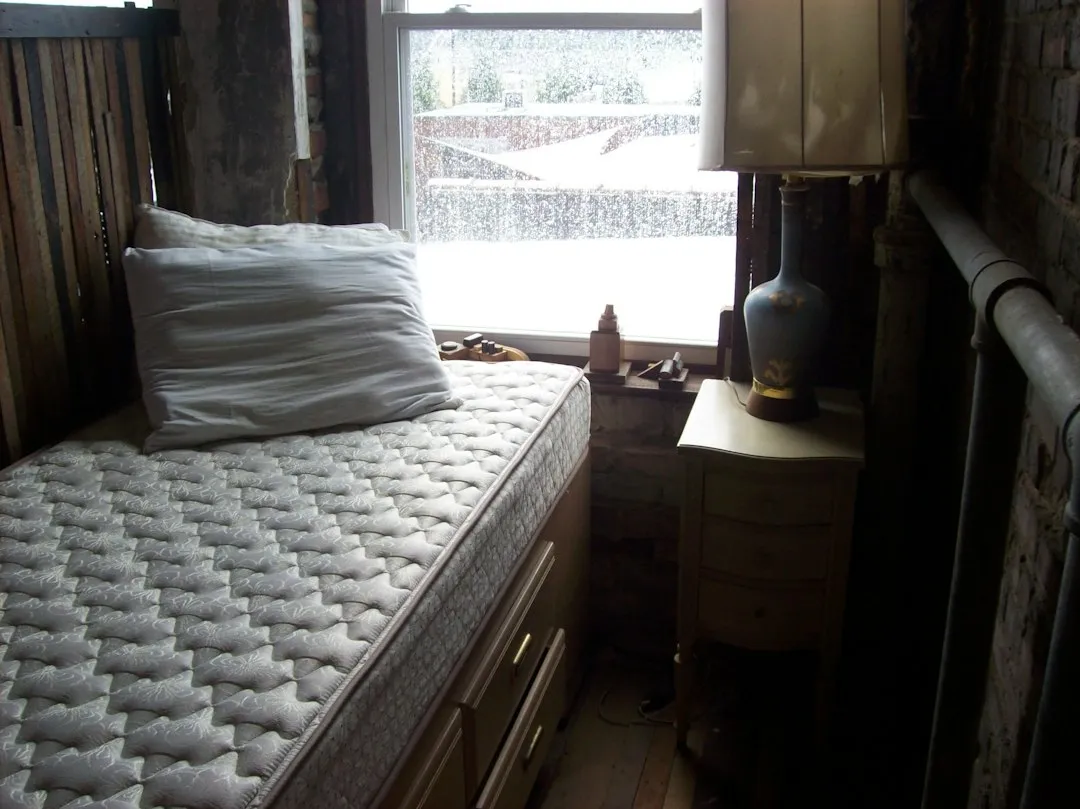
There are several dangers associated with used mattresses, including the potential for mold, dust mites, and harmful bacteria. Used mattresses can pose serious health hazards, including the potential for off-gassing of harmful chemicals and the growth of mold and bacteria.
Over time, a mattress collects dead skin, sweat, body oils, allergens, and microorganisms. While a new mattress arrives sealed and sanitary, a used one could be harboring years of someone else’s residue, and that is where the risks begin. Check the underside and the edges for dark spots, visible spores, or a consistent damp feel to the fabric.
Deep-set allergens, mold spores, and certain bacteria can be difficult to eliminate completely. Mold inside a mattress is not a surface problem. It grows through layers of foam and fabric, and no amount of airing out will reverse it. If there are dark patches or persistent dampness anywhere on the mattress, that mattress should stay where it is.
The Takeaway
Buying a used mattress isn’t automatically a bad decision, but it demands a level of scrutiny that most people skip in the excitement of finding a cheap deal. Buying a used mattress can save money, but it requires careful inspection and cleaning. Health risks like bed bugs, mold, and allergens must be taken seriously. Always check for stains, odors, sagging, and safety labels before purchasing.
A mattress that looks fine on the surface may have internal compression, coil fatigue, and foundation wear that you cannot assess until you sleep on it for several nights. That’s the core tension with any second-hand mattress: the most consequential damage is invisible.
Go through every item on this list before committing. Take your time. Bring a flashlight. Lift the mattress. Press the edges. Smell it carefully. The inspection itself costs nothing, and a thorough one can save you from a decision that follows you home in ways you really don’t want.
AI Disclaimer: This article was created with the assistance of AI tools and reviewed by a human editor.