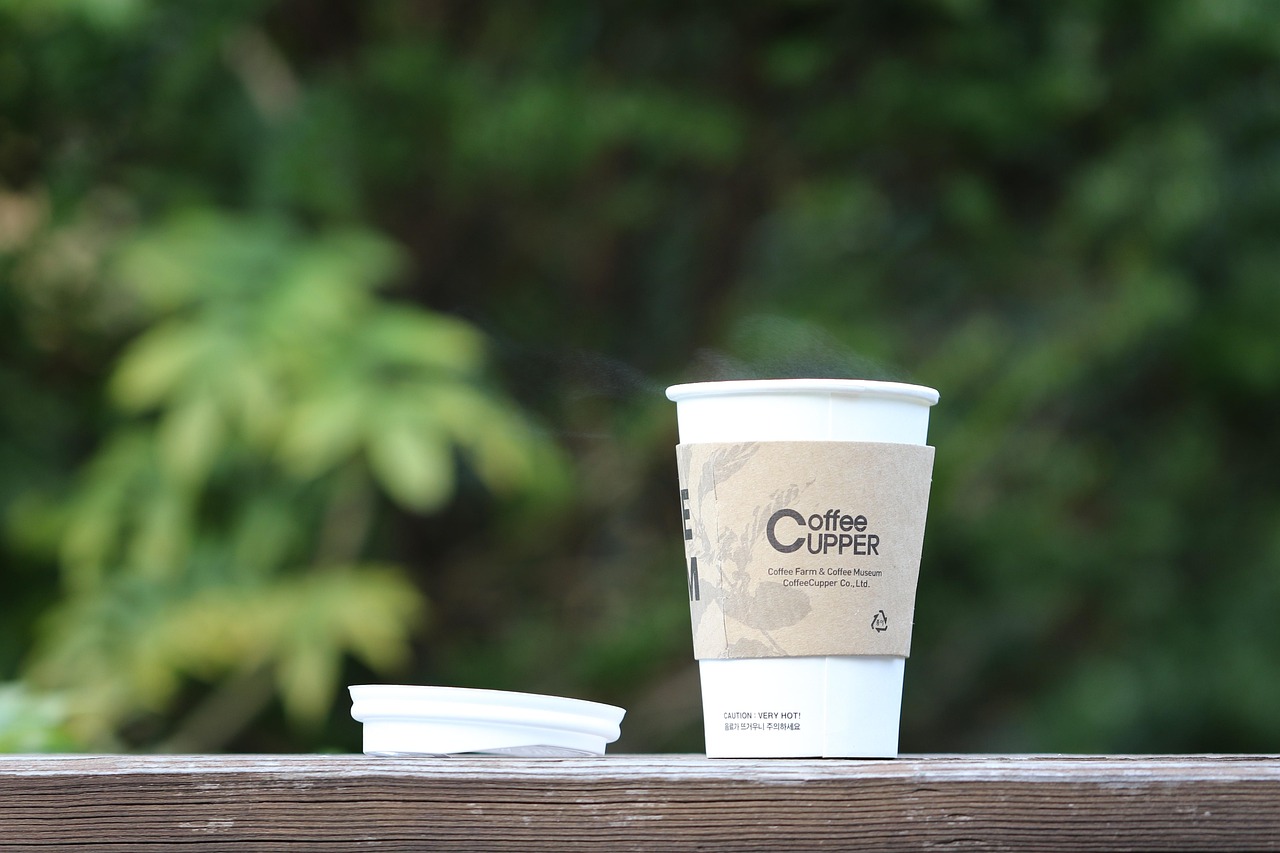

The cup holder is arguably the most overlooked corner of someone’s daily life. It sits right there, in plain sight, collecting the evidence of every rushed morning, every forgotten errand, and every meal eaten in motion. Most people never stop to read it.
There’s a reason the car functions as a kind of rolling diary. U.S. auto commuters spent an average of 63 hours sitting in traffic in 2024, according to the Urban Mobility Report from Texas A&M’s Transportation Institute. That’s a lot of time accumulated in a small, enclosed space. And the cup holder, more than any other spot in the vehicle, quietly absorbs every habit along the way.
The One Pristine, Empty Cup Holder: A Week That Finally Caught a Breath
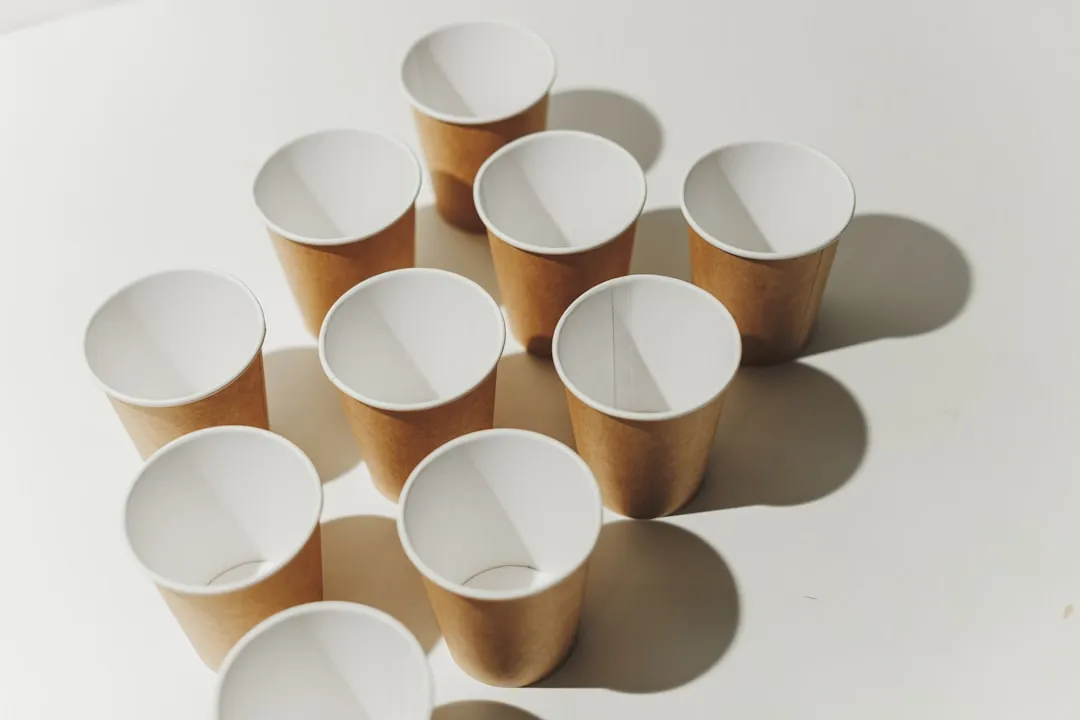
There’s something almost startling about a cup holder that’s genuinely empty and clean. No rings from old coffee cups, no forgotten receipt jammed into the base, no ancient coin wedged in the seam. It signals a deliberate pause, someone who either had a lighter week than usual or made a conscious effort to reset.
Behavioral science research refers to this as the “fresh start effect,” the idea that clean slates and new beginnings genuinely motivate better habits. When you clear that cup holder out on Sunday night, you’re not just tidying. You’re telling yourself something about the week ahead. It’s a small ritual that carries real psychological weight.
The Tower of Coffee Cups: A Week That Started Early Every Single Day
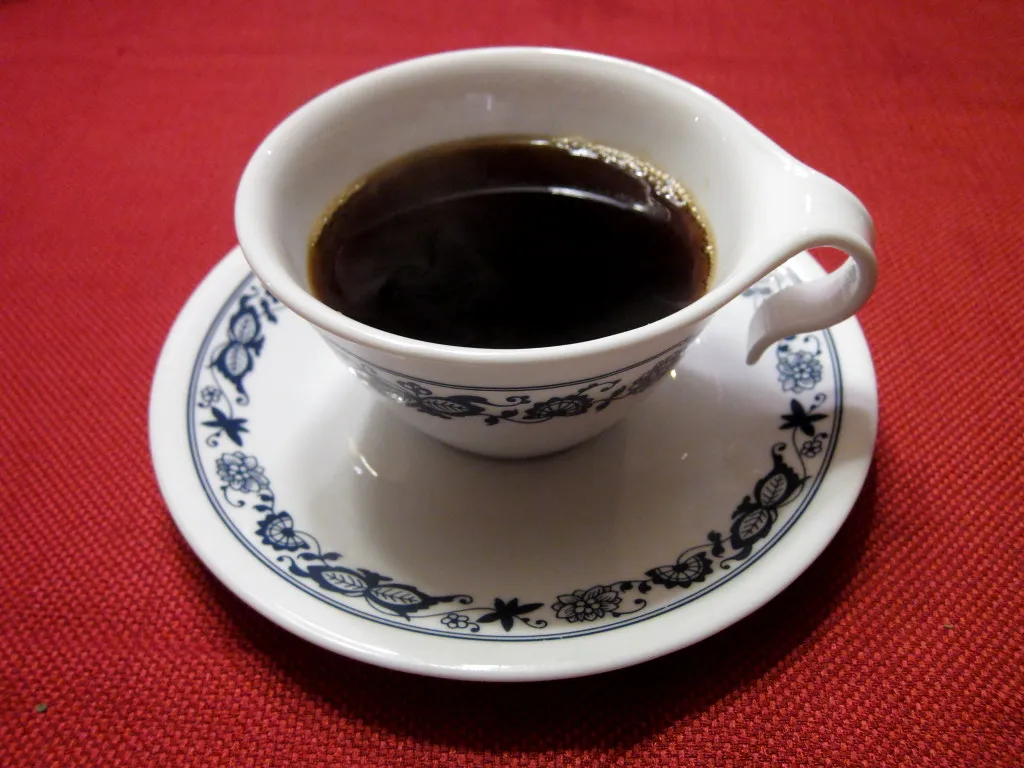
Two cups is a pattern. Three cups is a confession. When someone’s cup holder has become a graveyard of stacked disposable coffee cups from three different chains, you’re looking at a week that demanded a lot before 9 a.m. In 2024, U.S. workers age 16 and older spent an average of 27.2 minutes commuting, up from 26.8 minutes in 2023. That’s enough time to drain a large coffee and realize you need another one before you even park.
The stacking is the real tell, though. When someone doesn’t throw the cups away but nests them instead, that’s a person running on fumes who hasn’t had three free minutes to clean out the car. It’s not laziness. It’s a week that had no margin.
Receipts and Wrappers Crammed Into the Cup Holder: A Week of Eating on the Move
Drive-through bags, crumpled receipts, a straw still in its paper sleeve. When the cup holder starts doubling as a trash can, it typically means someone has been eating most of their meals in transit. The average American’s total commute time is 55 minutes per day, and considering that the average one-way trip takes 27.6 minutes, many commuters spend nearly an hour each day traveling.
Those minutes add up, and they get filled with food eaten at red lights. The wrapper-stuffed cup holder isn’t a sign of someone who doesn’t care about cleanliness. It’s usually a sign of someone who hasn’t had a proper sit-down meal in four days and is fully aware of that fact.
A Single Reusable Water Bottle Wedged in Tight: A Week of Intentional Routine
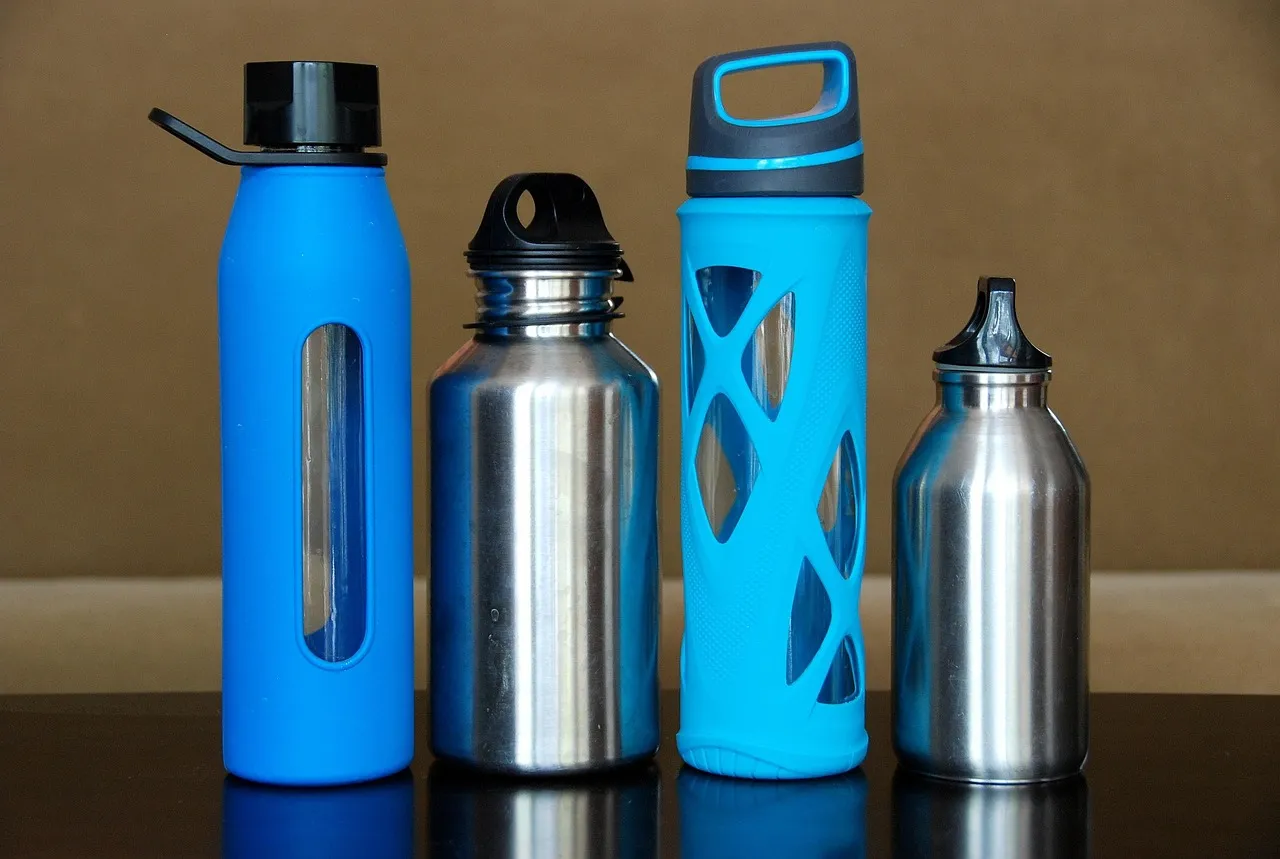
The reusable bottle in the cup holder is a studied choice. It’s someone who remembered to fill it the night before, someone who has a routine and is, for now, sticking to it. It often indicates a week where things went more or less according to plan. The routine held.
Environmental psychology shows how our surroundings shape mood and behaviour, and how we then reshape those surroundings in a repeating loop. When the environment inside the car stays organized, it tends to reflect a week where the person felt some degree of control over their schedule. The bottle is a small but real clue to that larger picture.
Coins, Hair Ties, and Mystery Items: A Week of Slow Accumulation
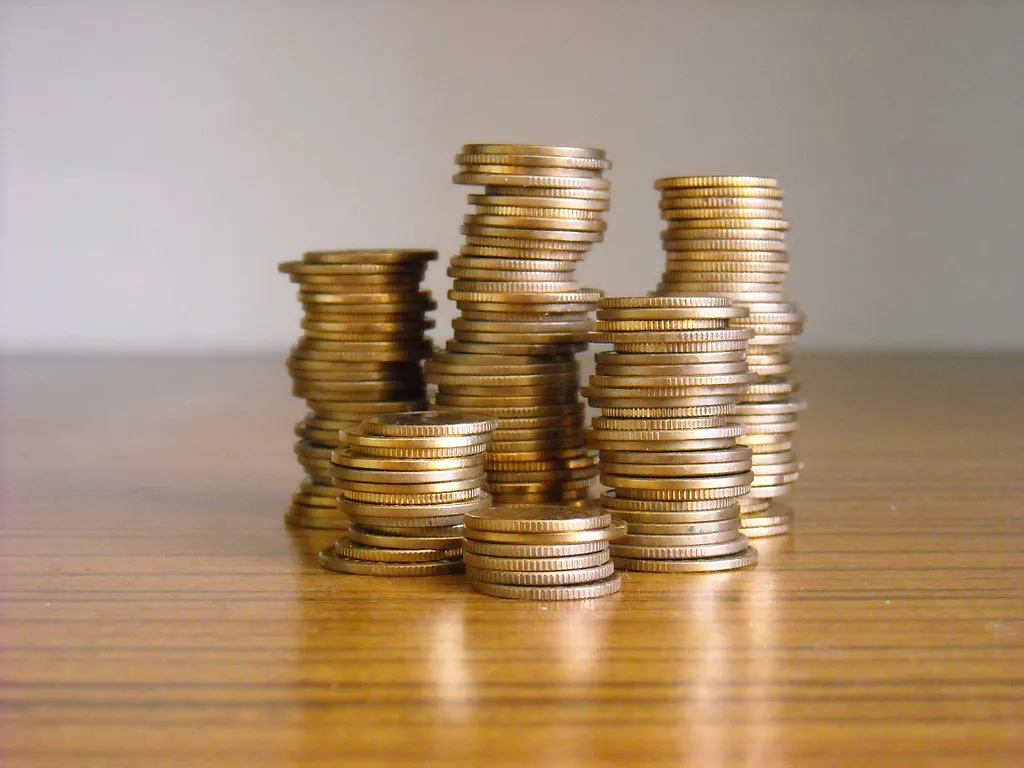
Every cup holder has a stage where it quietly becomes a junk drawer. A few coins from a gas station purchase, a crumpled loyalty card, a hair tie, a lip balm that rolled from the seat. This stage doesn’t happen overnight. A few misplaced items left each week add up faster than most people expect. Small habits turn into an invisible backlog.
The interesting thing is that most people don’t notice it happening until there’s nowhere to actually put a drink. By then, the cup holder has been functioning as a catch-all for at least two or three weeks of small, unconsidered decisions. It’s one of the more honest records of how rushed someone’s daily rhythm actually is.
The Cup Holder That’s Been Cleaned Out Perfectly But the Rest of the Car Is a Mess: A Week of Selective Control
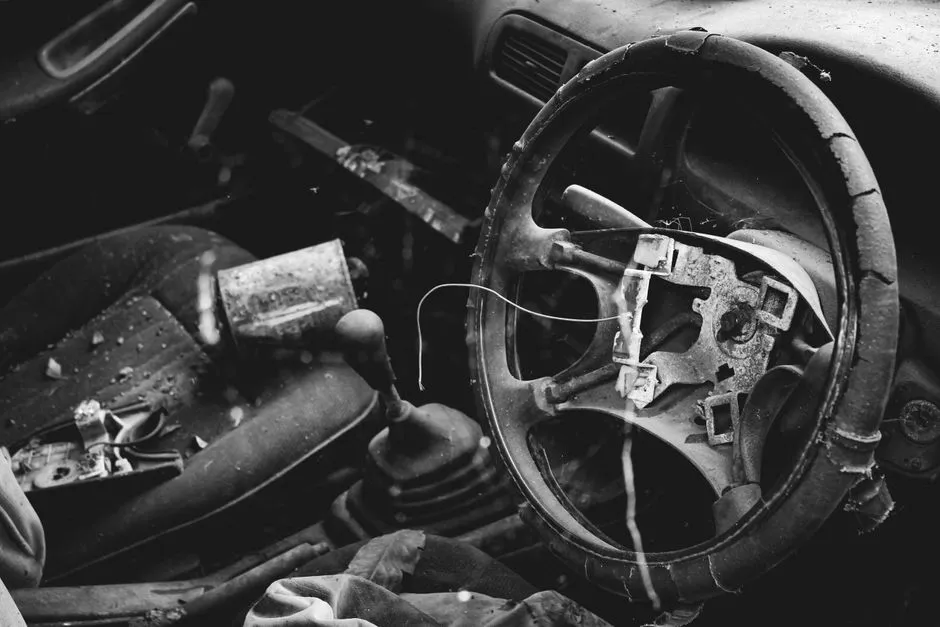
This one is specific but common. The cup holder is spotless while the back seat has a gym bag, three shopping bags, and a jacket from two Tuesdays ago. Some people have a system, a small bag for trash, a designated spot for sunglasses, a particular angle the phone has to sit at, and experience a low hum of distress when the system is disturbed. The cup holder is their one controlled zone.
Psychology research suggests this kind of selective tidying often reflects someone managing a high-pressure stretch by maintaining whatever small domains they still can. The cup holder gets cleaned because it’s the one thing that takes thirty seconds and actually feels manageable. Everything else waits.
An Overflowing Cup Holder During an Otherwise Tidy Week: Stress That Landed Fast
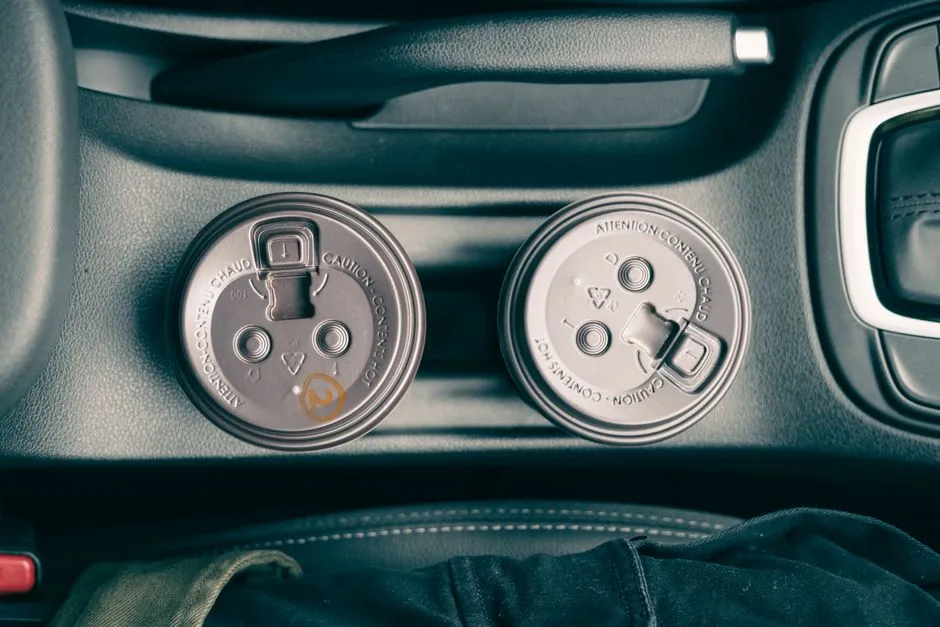
Feeling stressed by a messy home during a hectic week is completely normal. Most people experience mild annoyance when clutter accumulates, and motivation to organize naturally ebbs and flows with life’s demands. The same is true of a car. When an usually tidy driver suddenly has a cup holder full of junk, it tends to mean something changed quickly, a work crisis, a family obligation, or a week that ran off the rails by Tuesday morning.
The speed of accumulation is often more revealing than the accumulation itself. One bad week shows up in the car almost immediately. It’s not a character flaw. It’s just a timeline, drawn in coffee cups and gas receipts.
Medication Bottles or Vitamins Kept in the Cup Holder: A Week of High Mental Load

When someone keeps medication or a daily vitamin bottle in the cup holder, they’re usually using the drive as a reminder system. It suggests a week where the mental checklist is long enough that even a daily supplement needs a visual cue to get done. The car becomes part of the routine infrastructure.
Research shows disorganization and clutter have a cumulative effect on our brains, and our brains like order. Constant visual reminders of disorganization drain cognitive resources, reducing our ability to focus. On the flip side, placing an intentional object in a visible spot is the brain working with its own limits rather than against them. It’s a practical adaptation to a full week.
Children’s Items and Snack Wrappers: A Week Spent Mostly Driving Others Around
Juice box straws, a half-finished packet of fruit snacks, a small toy crammed into the base of the cup holder because there was nowhere else to put it. This particular cup holder belongs to someone who has been as much a driver as a parent this week. An estimated 69 percent of Americans drive to work solo in 2024, but parents often add a second unpaid driving shift in the afternoon and evening entirely separate from their commute.
Cars are basically rooms of a house taken out in public. Same clutter, same cortisol, now with witnesses. The snack wrapper in the cup holder is not a sign of a chaotic family. It’s a sign of a family that is very much in motion, which is a different thing entirely.
The Completely Cleared Cup Holder on a Friday Afternoon: The Weekly Reset
There’s a particular satisfaction to the person who cleans out their cup holder on Friday afternoon before heading home for the weekend. It’s a closing ritual, almost like logging off a computer. A study conducted by the Princeton University Neuroscience Institute found that a cluttered environment overwhelms the brain and impairs its ability to process information, contributing to heightened stress levels. Decluttering has been associated with reduced cortisol levels, providing a tangible pathway to stress reduction.
The Friday clean-out is the car equivalent of making the bed on a Sunday night. It’s not about cleanliness for its own sake. It’s about drawing a small, clear line between one week and the next. People who do it consistently tend to be people who understand that transitions need markers, even small, practical ones that take less than two minutes and leave the car smelling slightly better than it did at noon.
What It All Adds Up To
The cup holder won’t tell you everything about a person. It won’t reveal their ambitions or their fears or what they’re like to know. What it will do, reliably and without editorial comment, is give you a snapshot of the week they just lived through.
According to a study by scientists at UCLA, being surrounded by too many things increases cortisol levels, a primary stress hormone. Chronically high levels of cortisol can make us more susceptible to depression, insomnia, and other mental disorders, as well as stress-related physical disorders. The cup holder is a microcosm of that larger environment, small enough to overlook, honest enough to matter.
Next time you get into someone’s car, or your own, take a glance. The evidence is sitting right there, cooled to room temperature, quietly telling the truth.
AI Disclaimer: This article was created with the assistance of AI tools and reviewed by a human editor.