

The last box leaves. The door clicks shut. You walk back inside and the house feels… unexpectedly large. For many parents, the moment the kids move out doesn’t immediately feel like freedom. It feels like unfamiliar territory, and the rooms are the clearest evidence of that.
is one of the most personal home projects a person can take on, yet it rarely gets the same cultural attention as a kitchen renovation or a first-home setup. There’s a lot of well-meaning advice about paint colors and furniture styles, but very little about the actual experience of reimagining a space that was built around someone else’s life stage. Here’s what that process really looks like.
The Emotional Weight Nobody Warns You About
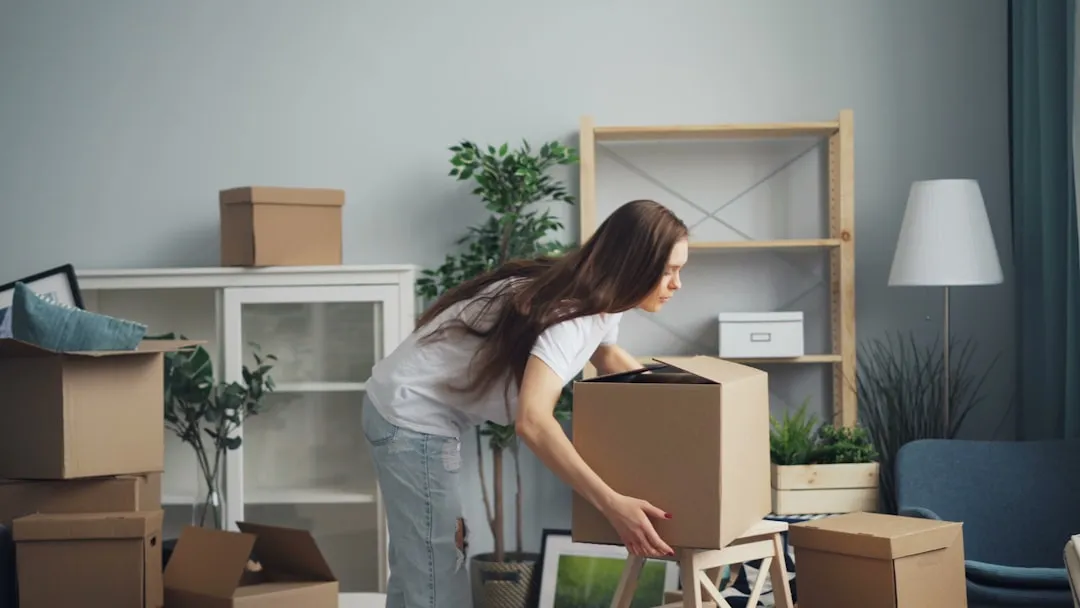
It can be bittersweet when adult children decide the time has come to move out of the family home. That’s not just a sentimental observation. It has real consequences for how and when parents choose to redecorate. Many people delay touching their children’s old rooms for months, sometimes longer, simply because the act of changing the space feels like erasing a chapter.
When the time comes and homeowners are emotionally ready to tackle bedroom conversions, these tips can help the process go smoothly. The key phrase there is “emotionally ready.” Timing the redesign to match your own emotional readiness, rather than any external pressure, makes the process far more rewarding. Rushing because you feel you “should” move on often leads to half-hearted results that don’t serve anyone well.
Most Empty Nesters Reinvest in the Home Rather Than Move
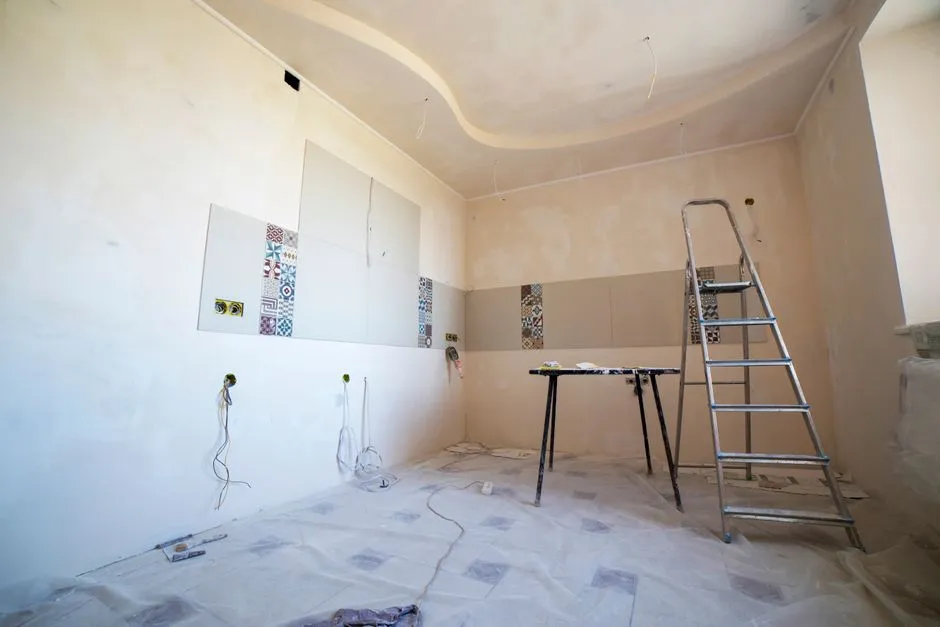
Research shows that a majority of high-income empty nesters plan to undertake major home improvements within three years of their children moving out, with planned renovation budgets frequently falling into the mid-five-figure range, with a meaningful portion exceeding six figures. This isn’t a niche trend. It reflects a broad shift in how this life stage is being lived.
Homeowners are pouring more money into renovations thanks, in part, to a challenging housing market. With high prices and rising interest rates making homeowners reluctant or unable to move, many are opting to change their current home to meet their needs. For empty nesters specifically, staying put and reshaping the space makes both financial and personal sense. The home already holds the history. The goal is to make it fit the future.
The Kids’ Rooms Are Actually the Hardest Part
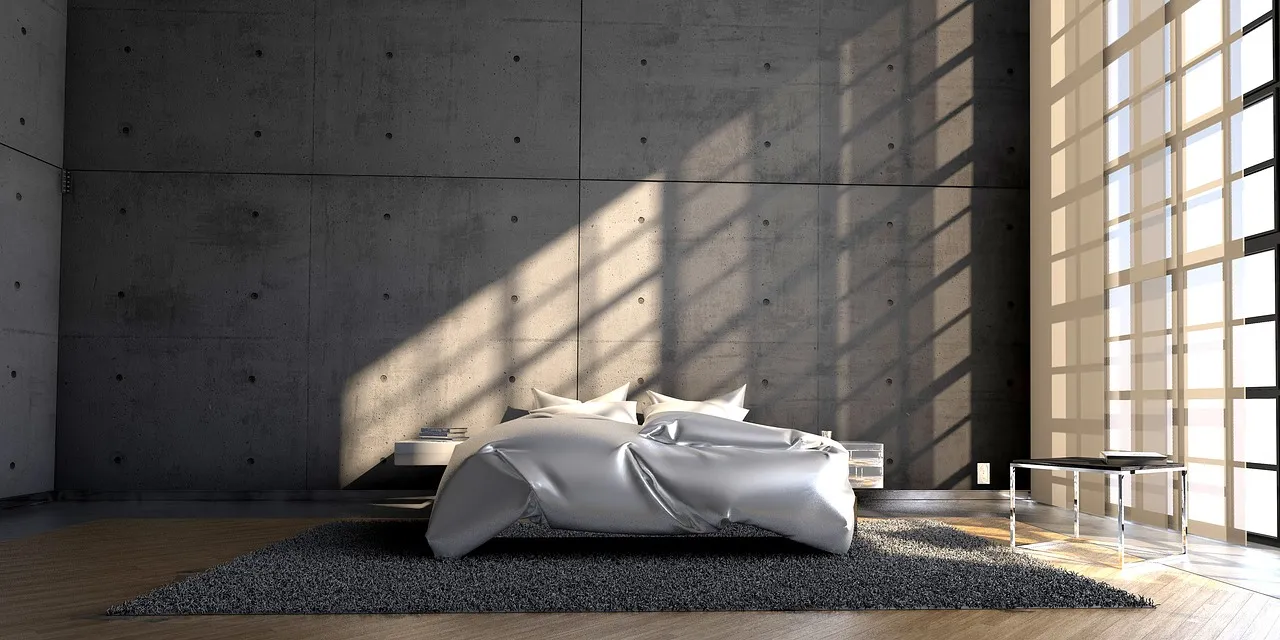
As kids move out, their empty bedrooms present a canvas for creative reinvention. In practice, though, that blank canvas can feel more like a loaded question. What do you actually want this room to be? For many parents, it’s the first time in years they’ve been asked to design purely for themselves.
Usually the most common choice for empty nesters is turning their children’s old bedrooms into guest rooms. Some empty nesters may fear the loneliness of living in a childless home, but having a new guest room will help combat that loneliness by giving more opportunities to host and entertain. It’s a practical solution that also keeps the door open, literally and symbolically, for the people who used to fill those rooms.
Home Offices, Gyms, and Hobby Rooms Are the New Nurseries

No more working from the kitchen table. A dedicated office with a closed door, good light, and a color that keeps you calm through a long workday changes how your whole day feels, not just how the room looks. This is one of the most consistently reported conversions among empty nesters, and it makes practical sense given how normalized remote and hybrid work has become.
Sewing, painting, woodworking, whatever got pushed to a corner of the garage for two decades, it finally gets a real room. Good light and the right wall color make a hobby space feel worth using. There’s something genuinely satisfying about that. Years of deferred personal space, now finally reclaimed. Skipping the crowded commercial gym in favor of a dedicated workout space, painted in an energizing color instead of leftover teenage decor, is one of the most popular empty nester conversions.
The Budget Reality Is Bigger Than Most People Expect
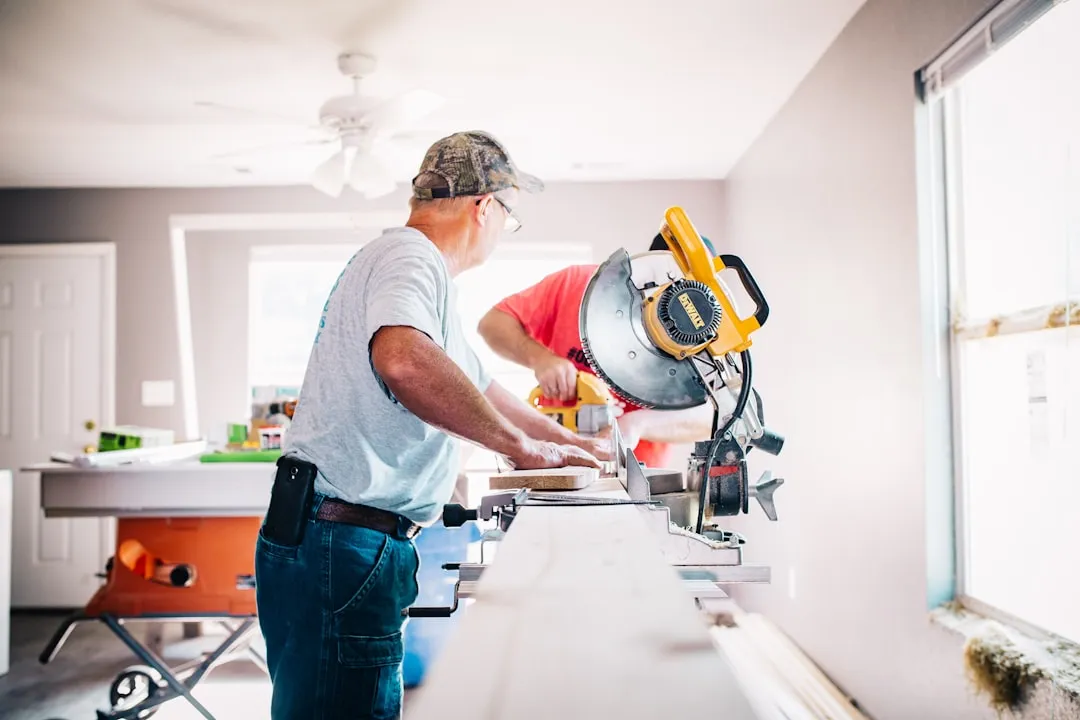
Spending patterns point to overall stability, with the median renovation spend holding at $20,000 year over year, following a peak of $24,000 in 2023. That’s the median. Many empty nesters, particularly those who have been deferring updates for years, land considerably higher. Higher-end spending has increased, with the 90th percentile rising to $150,000 in 2025, up by 7% from $140,000 in 2024.
While three-quarters of homeowners set an initial budget, nearly two in five exceeded their set amount in 2025, slightly outpacing those who came in on target. Going over budget isn’t unusual or necessarily a problem, but it’s worth planning for it. A realistic contingency buffer, typically ten to fifteen percent above the initial estimate, saves a lot of stress mid-project.
The Master Bedroom Finally Gets Its Turn
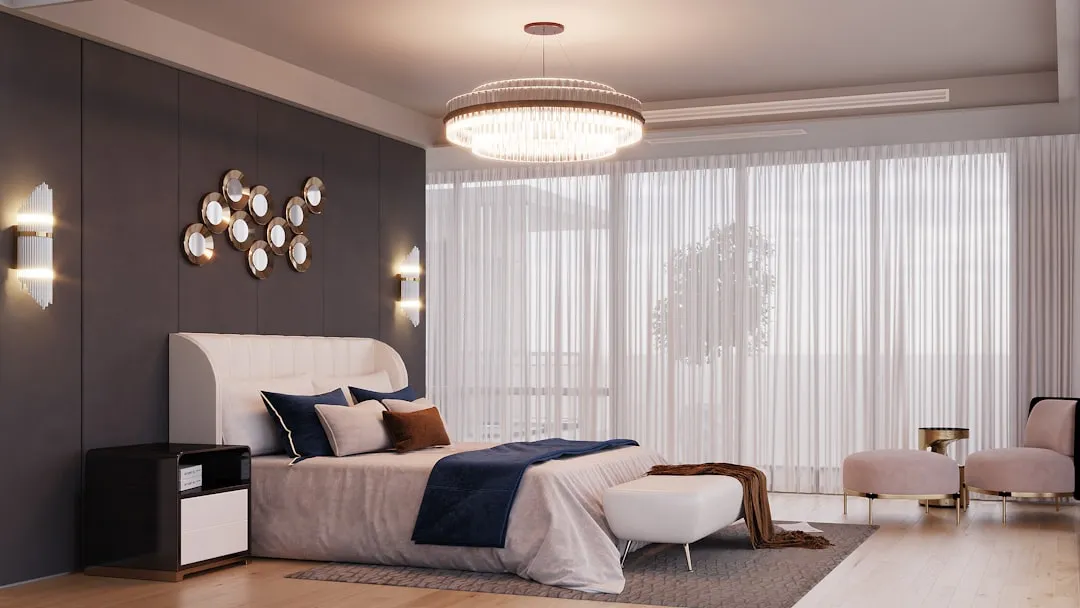
After years of prioritizing family spaces, it’s time to reclaim your personal sanctuary. Consider expanding your master suite to include luxury additions such as a walk-in closet, an en-suite spa-like bathroom, or even a private lounge area. These upgrades not only create a peaceful retreat but also add value to your home.
For many couples, the master bedroom has functioned as just a place to sleep for years. Redirecting attention and budget toward it, with better bedding, improved lighting, and a layout designed for two adults rather than two exhausted parents, often produces the most immediately felt quality-of-life improvement. It doesn’t require a full renovation. Sometimes it’s just about treating the room as if it actually matters.
Kitchens Become Social Spaces Again

Kitchens are the centerpiece of the house, even for empty nesters. The children may not be living in the home, but they still come home. When they do, they want home cooking and conversations around the kitchen table. This is the perfect time to create a kitchen with more space for these special occasions.
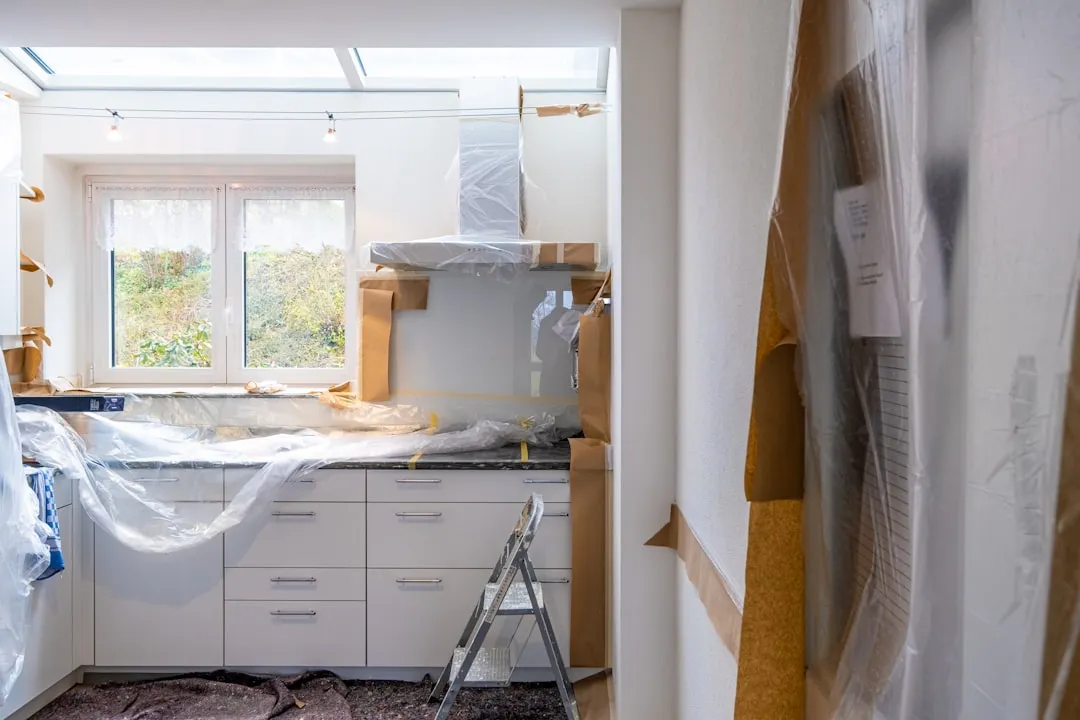
High-end spend on kitchens surged, with the median spend for major remodels of small kitchens rising by nine percent to $35,000. The empty nest phase is a natural trigger for kitchen investment, partly because the function of the kitchen shifts. It moves from feeding a family on a schedule to hosting, entertaining, and genuinely enjoying cooking. That change in purpose often justifies a change in the layout.
Design Trends Are Moving in the Right Direction for Empty Nesters
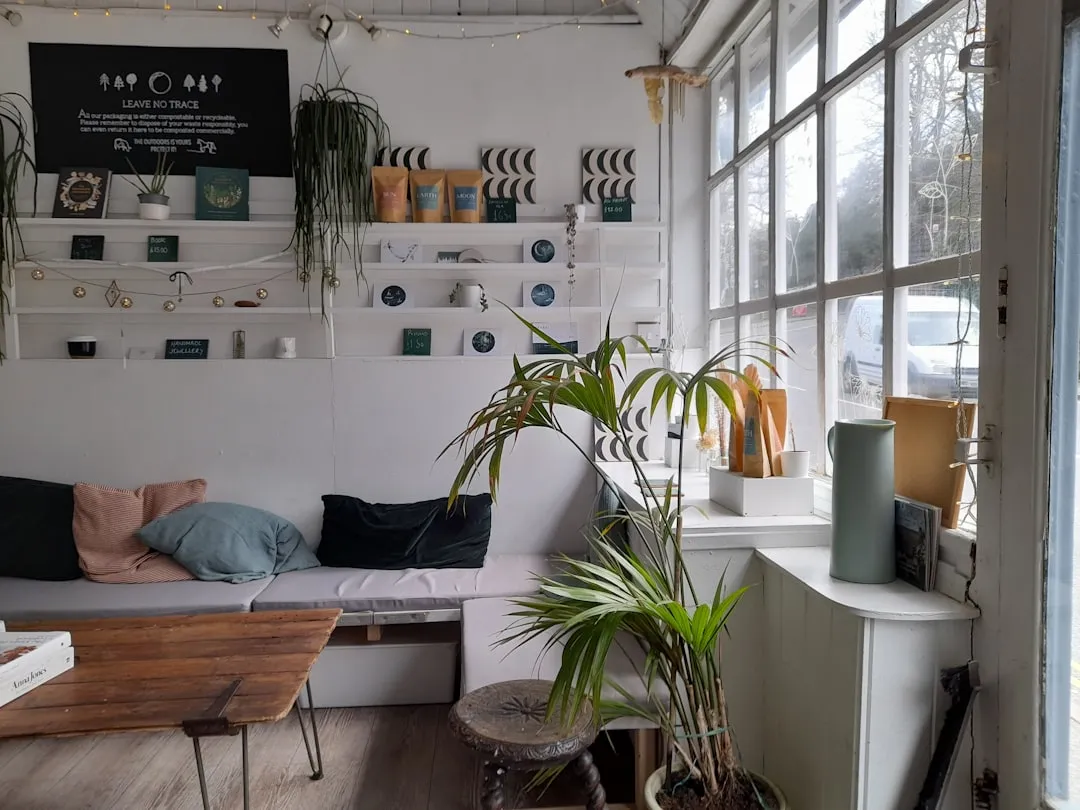
The interior design trends of 2025 continued the momentum first seen in 2024. There’s been a noticeable shift away from fleeting, pop-culture-driven fads toward designs inspired by the past and focused on longevity. This aligns well with what most empty nesters are actually looking for: something personal, durable, and genuinely reflective of who they are now rather than a trend they’ll grow tired of in three years.
Current home decorating guides highlight blended styles, mixing vintage with modern, as well as natural materials, sustainable and upcycled furniture, layered textures, and warm neutrals. These are all sensibilities that suit a home being redesigned for two adults who know exactly what they like. The empty nest phase, it turns out, is one of the most creatively interesting moments to approach interior design.
Baby Boomers and Gen X Are Driving the Renovation Market
Baby Boomers account for the largest share of homeowners undertaking renovation projects in 2025, though their share has declined slightly, while Gen Xers follow closely, up five points year over year. These are precisely the generations moving through the empty nest phase right now. Their spending reflects it.
Seniors lead in median renovation spend at $25,000, while Gen X homeowners have outpaced Baby Boomers with a median spend of $24,000 compared with $22,000. At the high end, both Gen X and Baby Boomer projects reach $150,000 at the 90th percentile, underscoring the significant investment among these groups. The empty nest isn’t a period of scaling back. For a growing number of homeowners, it’s a period of meaningful investment.
The Whole-Home Approach Works Better Than Room by Room
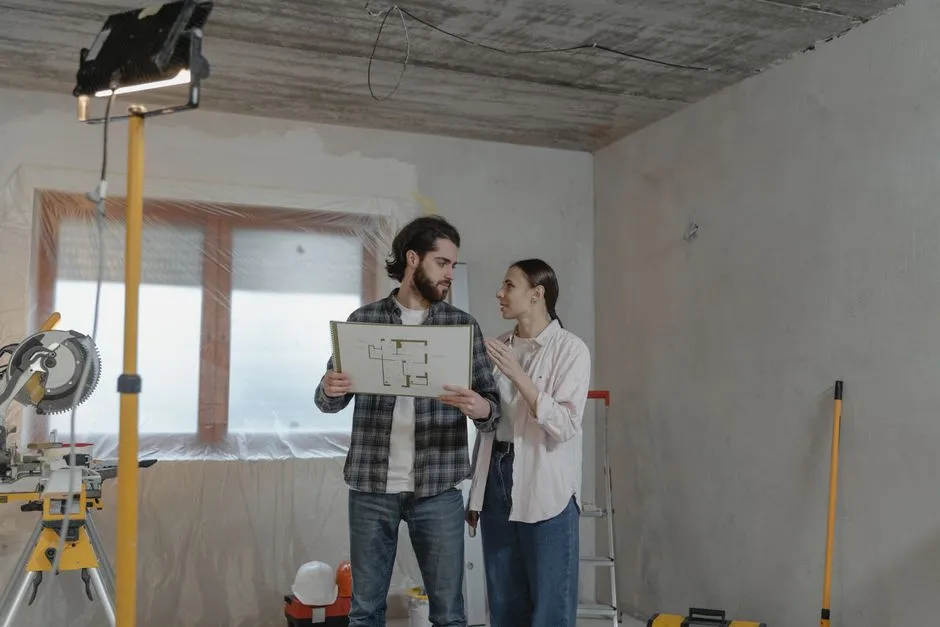
For many respondents, the spending marks a shift in purpose. The home is no longer organized around child-rearing. It is being reshaped around lifestyle. That’s an important distinction. Decorating one room at a time without a coherent vision for the whole house often produces a patchwork result that doesn’t feel unified.
Starting with a clear picture of how the entire home should function, then working room by room within that framework, tends to produce far more satisfying results. Homeowners dedicate about twice as much time on average to the planning phase of a renovation project compared with the construction phase, across all rooms. That time investment in planning is not wasted. It’s the difference between a home that’s been refreshed and one that’s been genuinely transformed.
The Takeaway
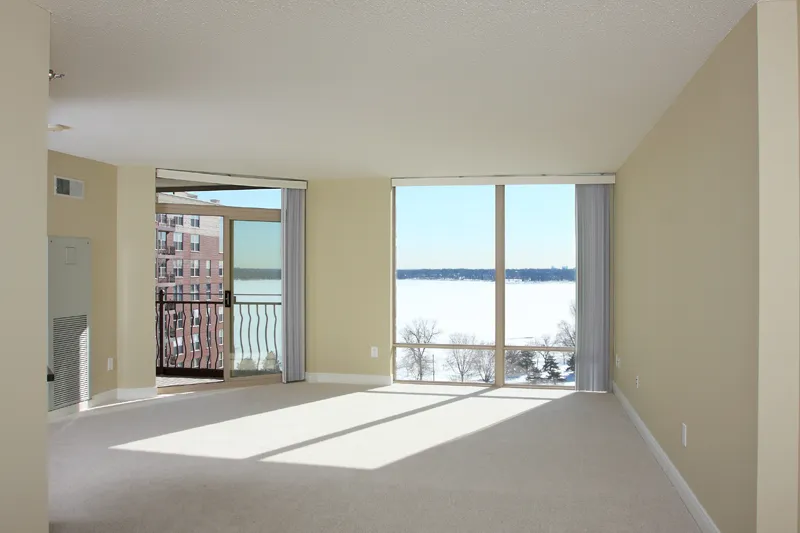
Decorating an empty nest is less about filling rooms and more about asking an honest question: what does this home need to be now? The answer will be different for everyone, shaped by how you work, how you relax, how you host, and what you’ve been quietly wanting for years.
Upward trends in both remodeling permit activity and single-family home sales suggest that demand for home improvement will remain stable, with total homeowner remodeling spending expected to reach $524 billion in early 2026, a new record high. The broader data confirms what most empty nesters already sense: this phase of life has real energy behind it. The rooms are empty, but the possibilities aren’t.
AI Disclaimer: This article was created with the assistance of AI tools and reviewed by a human editor.