

Most people choose their front door based on curb appeal. Color, hardware finish, whether it matches the shutters. Security tends to be an afterthought, something assumed to be “handled” once a lock is installed. But the professionals who get called after a break-in tell a different story.
Locksmiths see the same vulnerabilities again and again, across all kinds of neighborhoods and all kinds of homes. Some of what they know is counterintuitive. Some of it is surprisingly simple. All of it is worth understanding before something goes wrong.
Your Front Door Is the Most Targeted Entry Point, by a Wide Margin
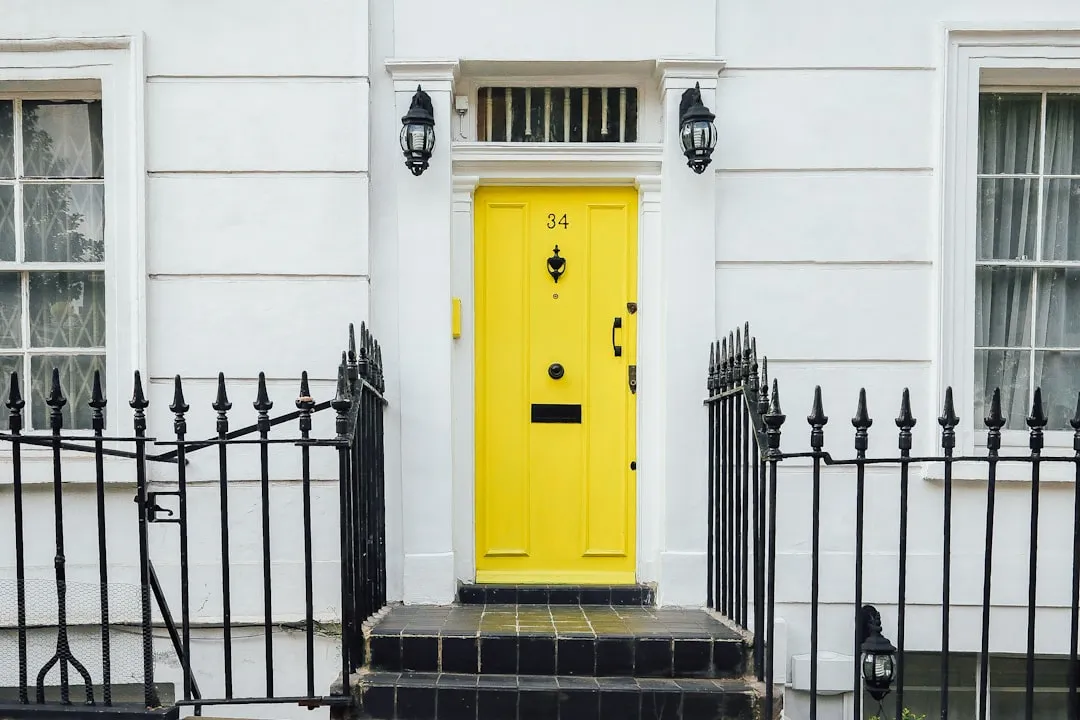
According to ADT security research, the front door accounts for 34 percent of all home break-in entries, making it the single most common access point for burglars. That number consistently holds across multiple data sources, and it’s not a close contest. Back doors account for about 22 percent of entries, and first-floor windows for around 23 percent.
According to the FBI, there were 376,005 residential burglaries in 2024, and roughly 34 percent of those involved entry through the front door. That’s a staggering number of incidents tied to one piece of hardware most homeowners haven’t thought about since they moved in.
Nearly One in Five People Don’t Lock Their Door While They’re Home
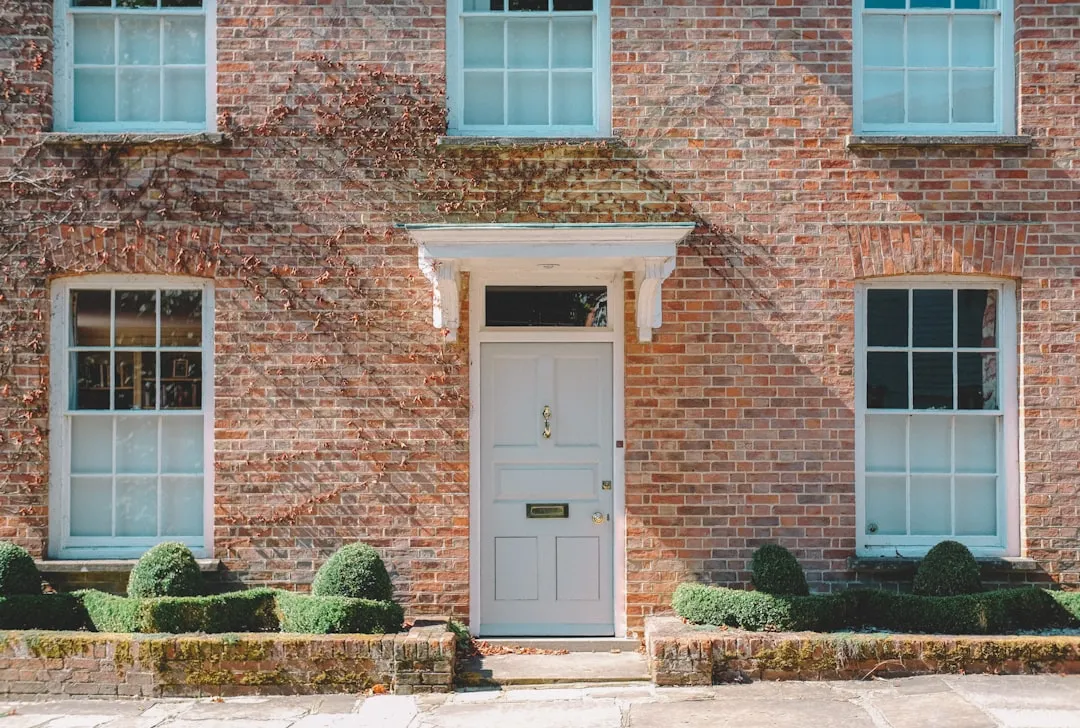
Data compiled by The Zebra in 2026 found that 17.2 percent of people do not lock their front doors while at home, despite the front door being the access point for 34 percent of burglars. That gap between awareness and behavior is something locksmiths find quietly baffling. The lock on the door only works if it’s engaged.
Surveys of convicted burglars reveal that 34 percent say they entered through an unlocked front door, and once inside, many spent less than 10 minutes in the home. Speed and ease of access are the deciding factors for most opportunistic break-ins. An unlocked door removes every barrier.
The Strike Plate Is Almost Always the Weakest Link
Homeowners focus on the lock itself, the brand, the keyway, the finish. Locksmiths focus on what the lock bolt actually extends into: the strike plate and the surrounding door frame. A high-end deadbolt attached to a poorly anchored strike plate offers surprisingly little real protection.
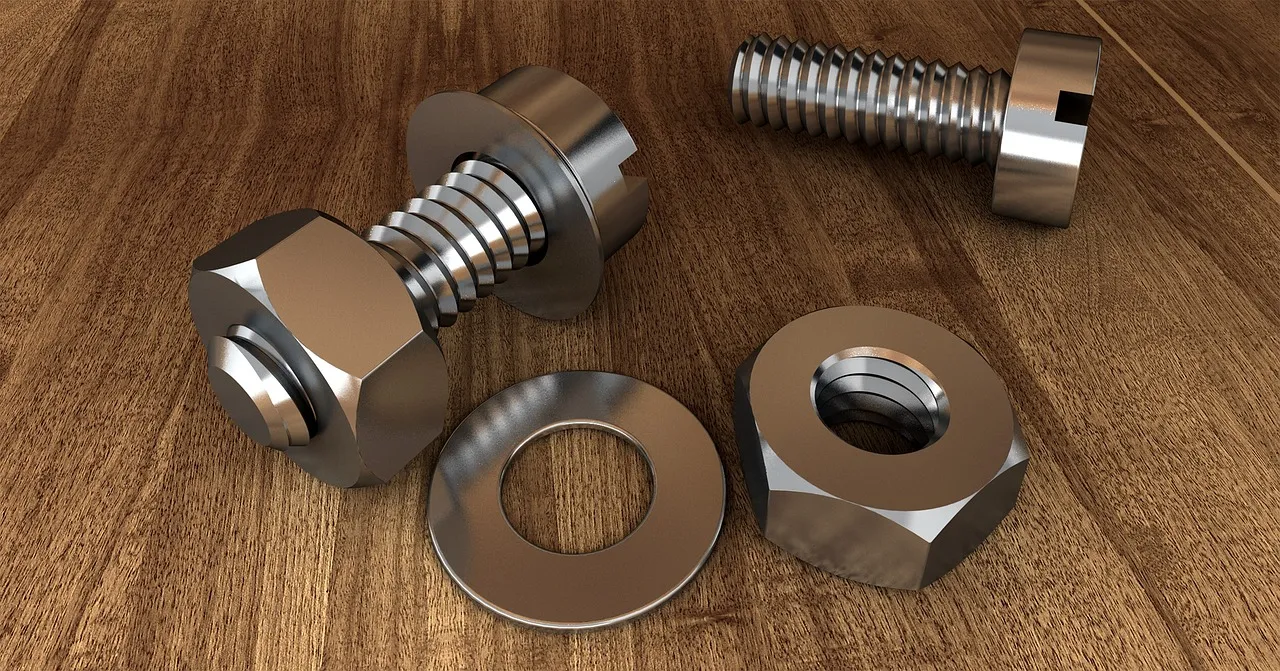
Most deadbolts ship with one-inch screws in the strike plate. Upgrading to three-inch screws, which reach the door frame studs, dramatically increases resistance to kick-in attacks. A Grade 1 lock installed in a soft pine door with a basic strike plate is not actually secure, regardless of the lock’s rating. The frame is where the force goes during a forced entry, and most frames are not reinforced at the factory.
Lock Grade Matters More Than Lock Brand
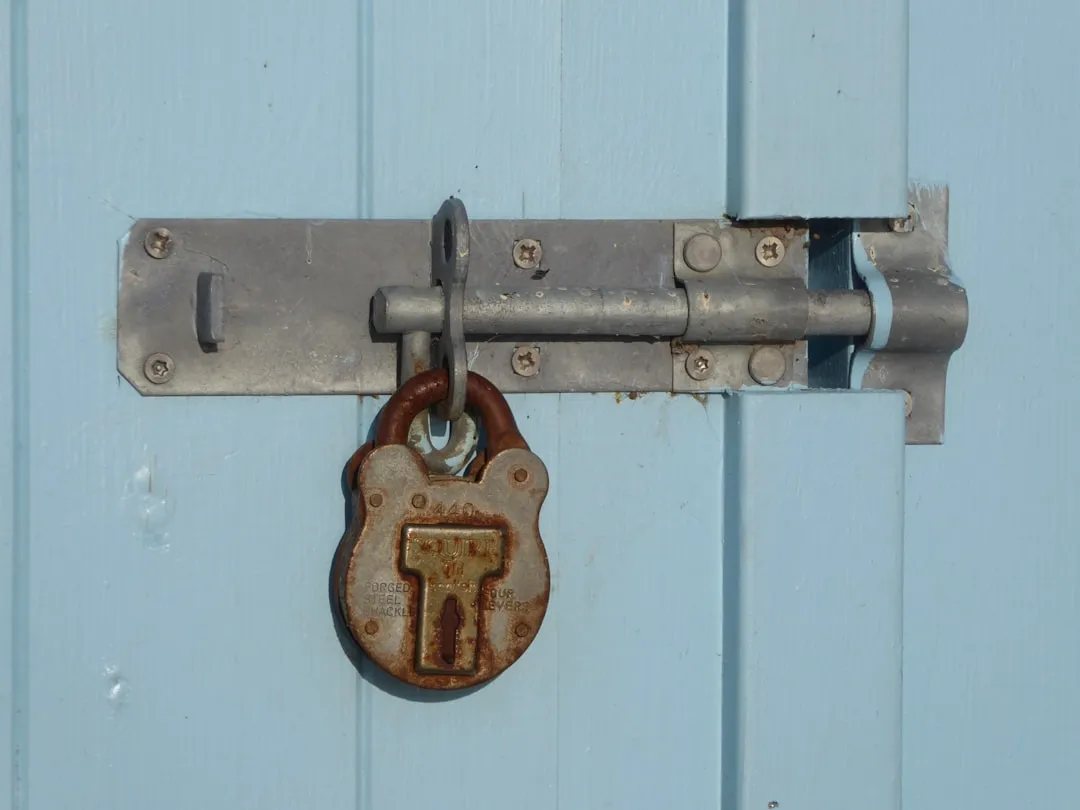
For residential security, an ANSI Grade 1 deadbolt is the recommended standard. The Builders Hardware Manufacturers Association rates Grade 1 locks to withstand 10 blows of 75 foot-pounds of force. Grade 3 locks, which are common in builder-grade homes, offer significantly less resistance and are often the hardware that fails first.
For most homes, a Grade 1 deadbolt with a bump-resistant cylinder and a reinforced strike plate covers the realistic range of threats homeowners actually face. Locksmiths often find that homeowners with expensive locks are still using Grade 3 hardware on secondary doors, which creates an obvious weak point anyone can spot.
Burglaries Happen Mostly in Broad Daylight
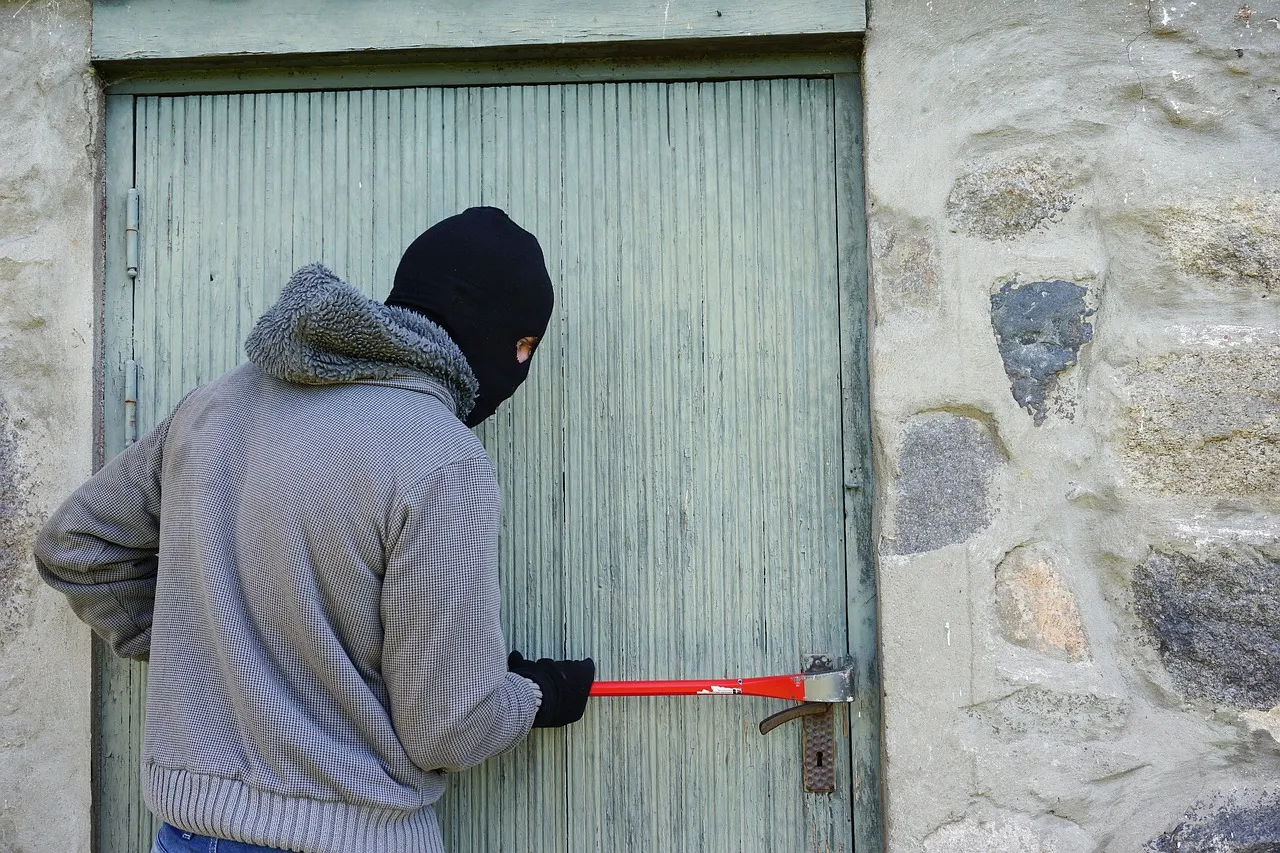
Contrary to popular belief, the majority of home invasions occur during the daytime. FBI 2024 data shows 216,601 daytime residential burglaries versus 174,053 at night, confirming that burglars strategically target typical work and school hours. The image of a nighttime break-in is largely a myth.
The peak window for residential break-ins is 10 AM to 3 PM, with the noon hour being the single busiest time for entries. This matters for front door habits. A door left unlocked during a mid-morning errand, a grocery run, or school pickup sits in the highest-risk window of the day.
Rekeying After a Move Is Not Optional, It’s Essential
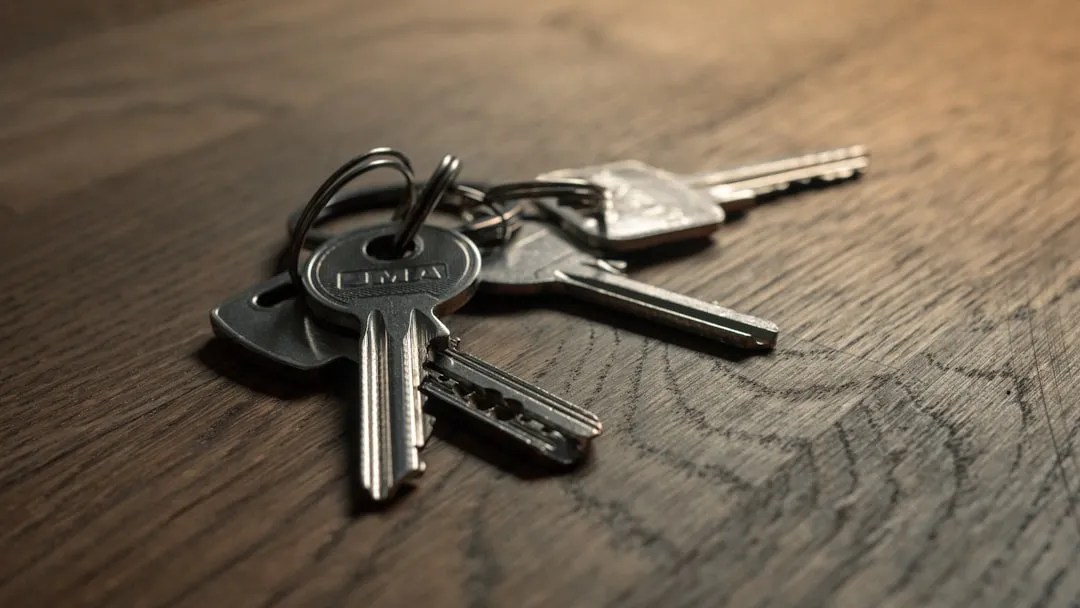
When you move into a home, you genuinely have no idea how many copies of the existing key are out in the world. Previous owners, contractors, housekeepers, real estate agents, neighbors holding spares, all of them potentially retain access. Most new homeowners don’t think about this for months, if at all.
If existing deadbolts are decent Grade 1 or Grade 2 hardware, rekeying is faster and cheaper than full replacement. Rekeying changes the pins inside the cylinder so that all old keys stop working, which is exactly what you want after a move, a breakup, or losing track of who has a copy. It’s a routine job that takes a locksmith minutes and costs far less than replacing the hardware entirely.
Smart Locks Are Increasingly Common, but They Come With New Responsibilities
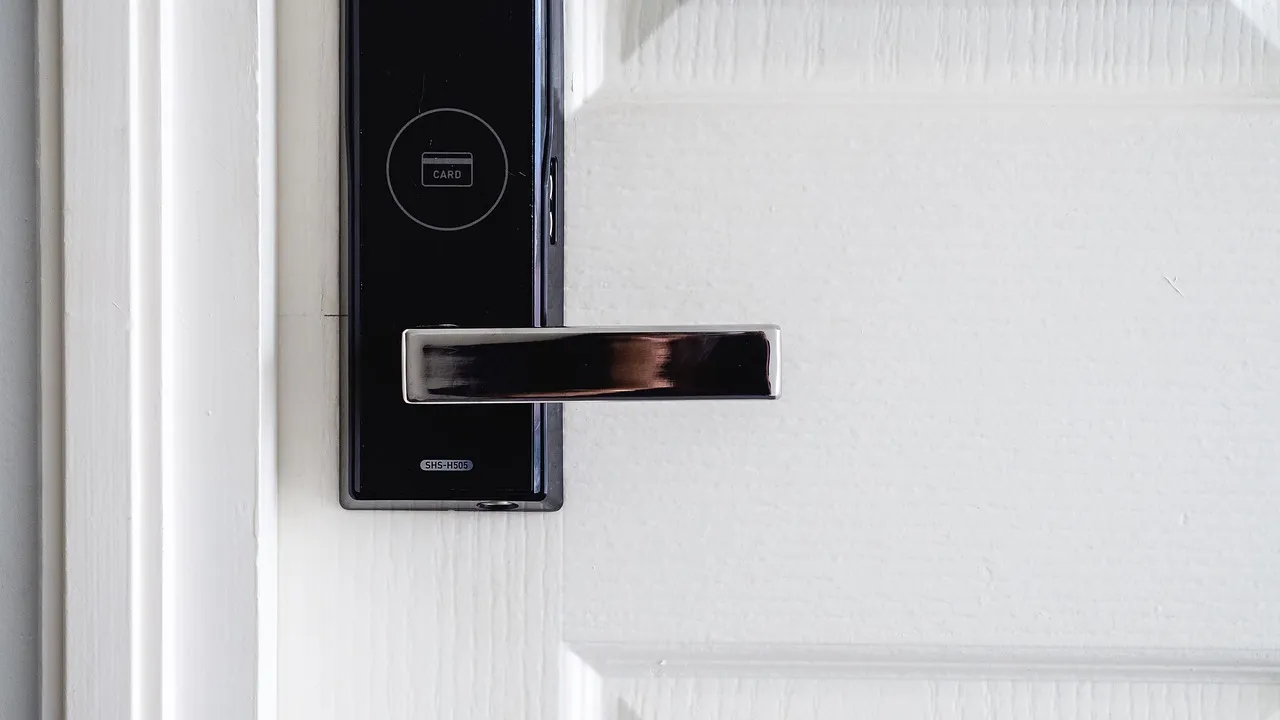
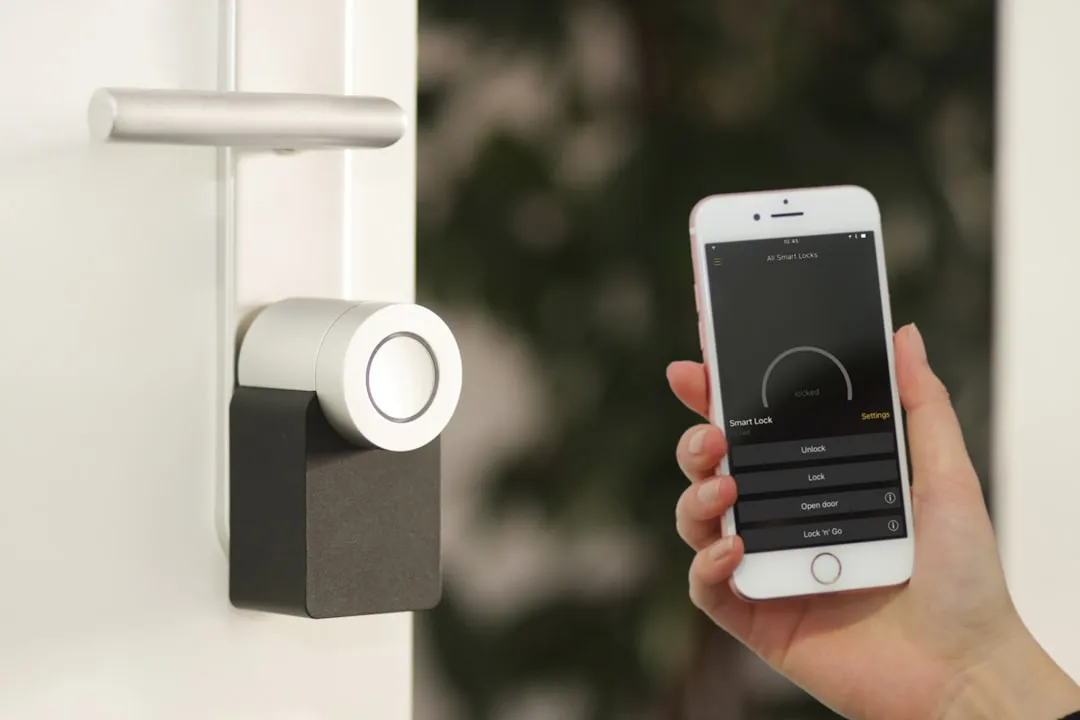
One in four new residential locks sold in 2025 are smart or keyless entry models. The convenience is real, and for many households the ability to grant temporary access, check lock status remotely, and eliminate physical key copies is genuinely useful. However, digital locks bring a different kind of vulnerability that mechanical locks simply don’t have.
Cybersecurity risks associated with IoT-connected locks now account for 17 percent of home tech service calls in the United States. Top-rated smart locks are highly secure, but they require professional installation and regular firmware updates to perform at their best. Skipping updates is the digital equivalent of leaving a door unlocked.
Visible Security Measures Genuinely Deter Most Burglars
Homes without security systems are three times more likely to be targeted. A University of North Carolina study surveying convicted burglars found that 83 percent would avoid homes with visible security systems, and 60 percent said they would choose a different neighborhood entirely if they saw extensive security measures. That’s not a marginal effect. It’s a near-complete deterrent for the vast majority of would-be intruders.
Research also shows that 41 percent of burglaries are impulsive rather than pre-planned, with the decision to enter made in minutes. A visible deadbolt, a doorbell camera, or even a well-placed exterior light can be enough to push that impulsive calculation toward “not worth it.” Deterrence doesn’t require a full alarm system. It requires visible friction.
Door Material and Frame Condition Are Frequently Overlooked
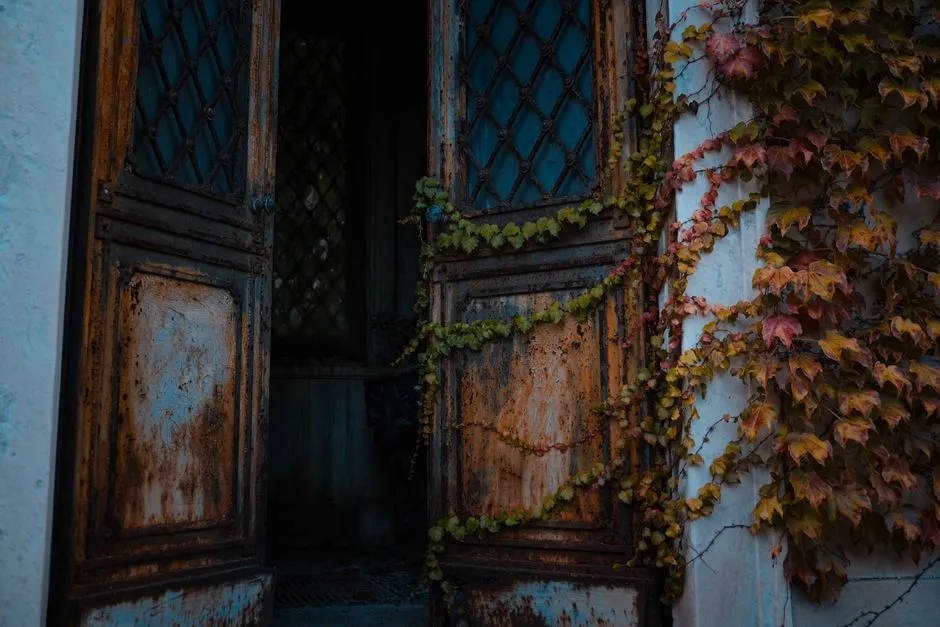
Locksmiths occasionally arrive at a job where the lock is fine and the door itself is the problem. Hollow-core doors, aging wooden frames with rot, or doors that don’t sit squarely in their frames can all compromise security no matter how good the hardware is. A solid-core or steel door is meaningfully harder to breach than a standard hollow interior door.
Research into convicted burglars found that when doors and windows were locked, most chose to kick in the door rather than break glass, because kicking makes less noise than broken glass and poses no safety risk to the burglar. That means the frame around the lock is absorbing the real attack. A door that looks solid but has a soft or compromised frame is a liability hiding behind good aesthetics.
Most Homeowners Are Investing More in Security, but Gaps Remain
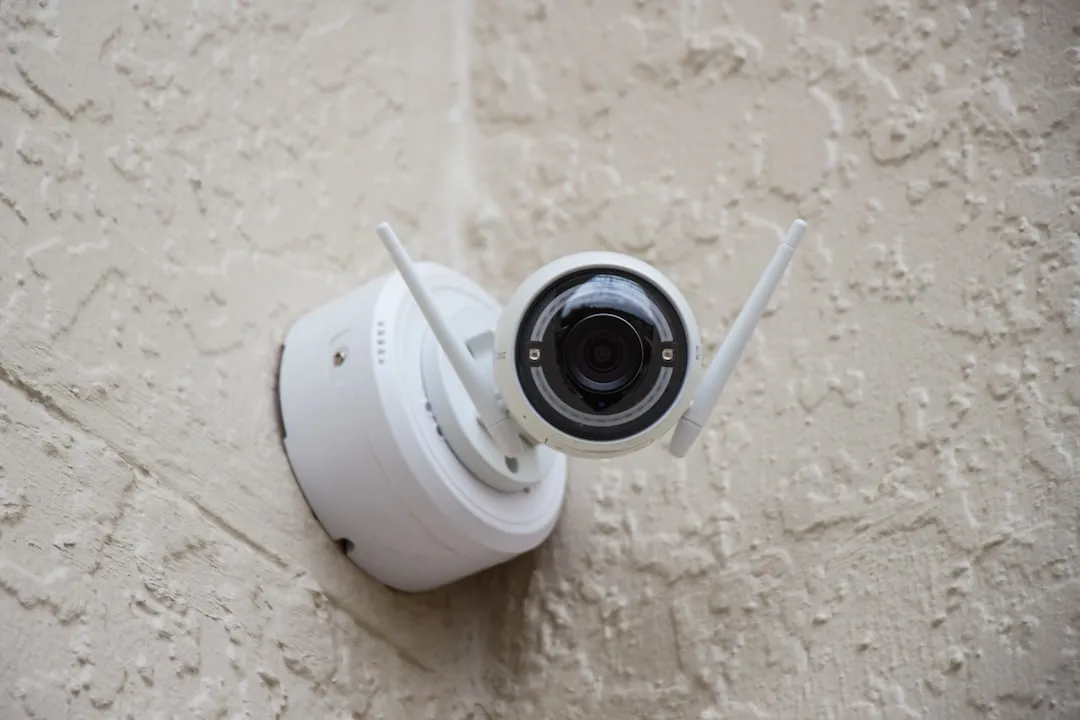
According to Insurify, about three in five homeowners have spent $1,000 or more on security due to genuine concerns about property crime. Security cameras are the most adopted measure at 71 percent, with video doorbells at 62 percent and alarm systems at 54 percent. Awareness is clearly growing, and spending reflects that.
Still, nearly 47 percent of people still don’t have a security system installed at home, and basic lock hygiene remains inconsistent. Residential burglaries did decrease by 19 percent in the first half of 2025, following an 8.6 percent drop in 2024 compared to the year prior. The trend is encouraging, though it doesn’t change what locksmiths see on individual doors every day.
The Takeaway
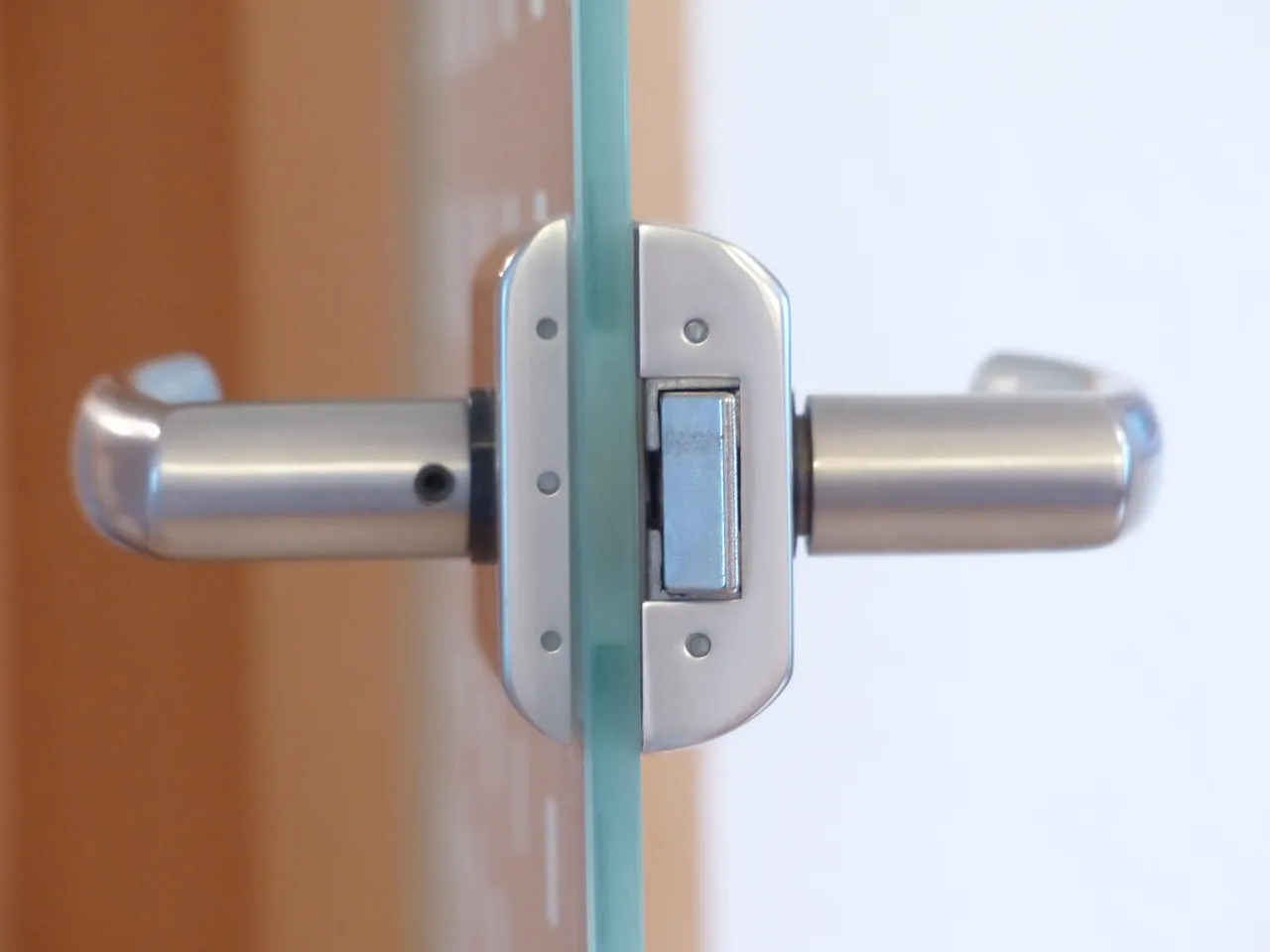
The front door is the first thing a burglar evaluates, and it’s often the last thing a homeowner seriously examines. The good news is that the gap between a vulnerable door and a well-secured one is usually smaller than people expect. Grade 1 hardware, three-inch screws in the strike plate, a habit of locking up consistently, and at least one visible deterrent cover the realistic threat profile for most homes.
None of this requires a major renovation or a sophisticated smart home system. It requires paying attention to the same door you walk through every day, with the same careful eye a locksmith brings when they’re called in after the fact. Better to close those gaps now, before that call needs to be made.
AI Disclaimer: This article was created with the assistance of AI tools and reviewed by a human editor.