

Roaming the Neighborhood Freely vs. Staying Close to Home

In the ’90s, kids routinely walked or biked through neighborhoods without an adult in tow. That kind of independence was ordinary, unremarkable. Research published in 2025 found that participants recalled outdoor play as their favorite childhood activity, with memories of bike riding, tag, hide-and-seek, and games that took place across large, unsupervised spaces.
Today, that picture has changed dramatically. Children now spend significantly less time playing outdoors compared to previous generations. In the UK, for instance, children engage in roughly half as much unstructured outdoor activity, with only about one in four playing outside regularly.
A 2025 study noted a clear shift in children’s play, with a decline in outdoor activities attributed to heightened parental concern about safety and the prevalent use of electronic devices. The freedom to wander has been quietly replaced by the comfort of staying visible, and monitored.
Unstructured Free Play vs. Scheduled Enrichment

Time-use data show that children’s discretionary time in free play has steadily shrunk over the past few decades, with several researchers also noting a sharp historical decline in child-led social play. In the ’90s, most of that afterschool window was genuinely unscheduled. Kids invented games, argued over rules, and figured things out without adult mediation.
Studies from 2020 to 2025 show a clear decline in unstructured free play in children’s daily lives, with many children today spending significantly more time in structured activities or digital environments than previous generations. This shift matters because decades of developmental research suggest that free play builds emotional skills, helping children practice creativity, self-regulation, and social problem-solving.
The irony is that parents are often scheduling more precisely because they want to give their kids every advantage. The trade-off is a reduction in the kind of loose, inventive time that builds resilience in ways structured programs simply can’t replicate.
Watching Saturday Morning Cartoons vs. Streaming on Demand

Television in the ’90s had a rhythm. You waited for your show, you watched it live, and when it was over, you went outside. There was no algorithm feeding you the next episode. The screen had a natural off-ramp built in.
Today, nearly two-thirds of all screen time for kids ages 0 to 8 is spent watching shows, movies, or online videos. Streaming has overtaken traditional TV, with children watching less live TV or cable than in previous years, shifting instead to on-demand platforms and YouTube.
Watching videos remains the most common activity for young kids, averaging about an hour and a half of screen time per day. Short-form videos on platforms like TikTok, YouTube Shorts, and Instagram Reels are on the rise, with nearly half of children ages 0 to 8 already watching them. The content is no longer chosen or timed. It just keeps coming.
Playing Outside Until Dark vs. Heavy Screen Time Indoors
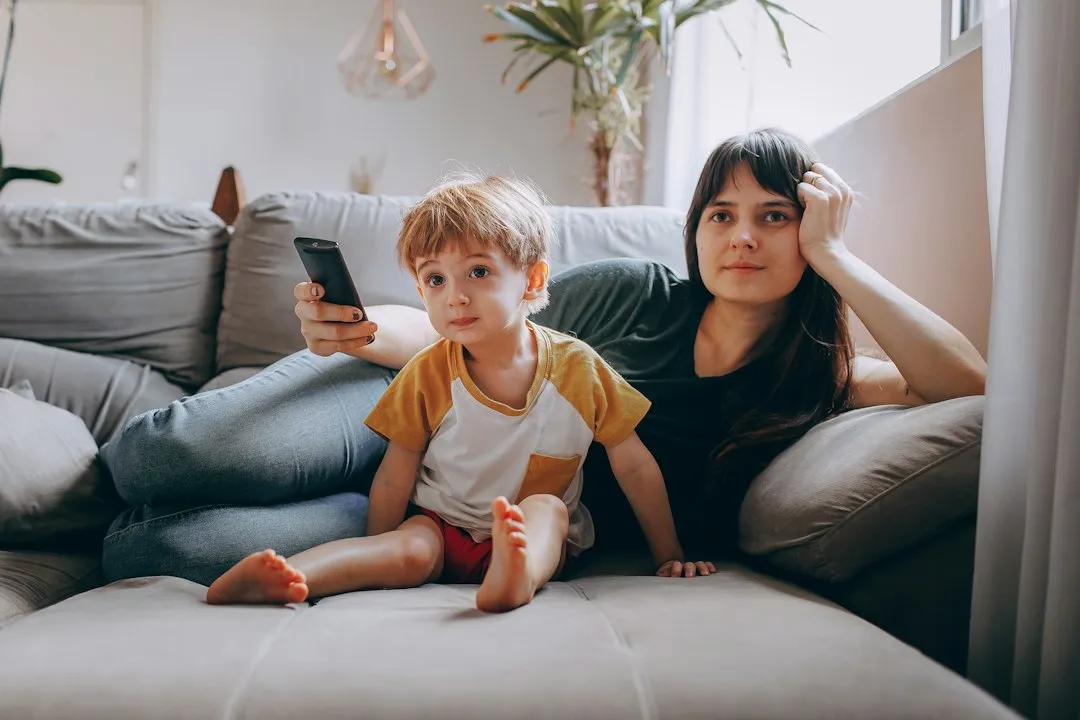
Children and adolescents today spend a lot of time watching screens, including smartphones, tablets, gaming consoles, TVs, and computers. On average, children age 8 to 18 in the United States spend seven and a half hours a day watching or using screens, according to the American Academy of Child and Adolescent Psychiatry as of June 2025.
Half of U.S. teens get four or more hours of daily screen time outside of schoolwork, according to CDC data from 2024. Children 8 and under average about two and a half hours of screen media a day. In the ’90s, the closest equivalent was a Nintendo session that parents eventually ended by calling kids to the dinner table.
Research reviewing dozens of studies from 2020 to 2025 found that higher levels of digital play and screen time were often associated with poorer sleep, lower physical activity, and some social-emotional challenges. That’s a meaningful shift from the afterschool hours that once belonged almost entirely to the outdoors.
Video Games as a Social Activity vs. Gaming as a Daily Routine

In the ’90s, gaming was largely a shared, in-person experience. Two kids on a couch with a single controller, taking turns. It was social in the most literal sense. The console was a gathering point, not an escape from gathering.
Today, 85 percent of U.S. teens play video games and roughly two-fifths play daily. Notably, nearly three-quarters say they play to spend time with others, according to Pew Research Center’s 2024 Teens and Video Games report. The social motivation remains, but it now happens across networks and headsets rather than on the same couch.
Gaming time among young children has jumped 65 percent since 2020, with kids now spending about 38 minutes per day on games, a figure that climbs higher for children ages 5 to 8. What was once an occasional treat has become a regular feature of the afterschool hours for a large portion of children.
Doing Homework Independently vs. Structured Academic Support

Most ’90s kids handled homework at the kitchen table, with a parent occasionally available to help with long division. There were no tutoring apps, no online resources, and no after-school academic programs for the majority of families. You figured it out, or you didn’t.
In 2024 to 2025, 85 percent of the nation’s public K-12 schools offer after-school programs for students, and 60 percent of public schools have after-school programs with an academic focus, according to the National Center for Education Statistics.
Despite widespread availability, the ability for schools to meet student demand remains a challenge. Only about a third of public schools offering any afterschool programming reported they are able to accommodate all students who want to participate. Demand for structured academic support after school has grown considerably, but supply still lags noticeably behind.
Riding Bikes and Playing Sports Casually vs. Organized Team Leagues

A pickup basketball game in the ’90s needed nothing more than a hoop and enough kids to split into teams. The rules were negotiated on the spot. There were no coaches, no schedules, no registration fees. Sports were something kids organized for themselves.
Club participation among children has steadily decreased over time regardless of household poverty level. Among children in households below the poverty threshold, participation dropped from roughly one in four in 1998 to about one in seven by 2020, according to U.S. Census Bureau data.
Today, sports for many children are increasingly formal, expensive, and adult-directed. Travel leagues, specialized coaching, and year-round training schedules have replaced the casual, self-organized games that were common in the ’90s. For families who can afford it, after-school sports have become a significant commitment. For those who can’t, access has actually narrowed.
Calling Friends on the Landline vs. Constant Digital Connection

The ’90s phone call was an event. You picked up the receiver, dialed, and hoped someone answered. If the line was busy, you waited and tried again. Social access was rationed by the technology itself, which gave kids natural breaks from social pressure.
As of 2025, 46 percent of U.S. teens say they are online almost constantly, and 95 percent have smartphone access, according to Pew Research Center. The afterschool hours that once provided a genuine pause from peers are now continuous social territory, with group chats, notifications, and social media running throughout the evening.
The top three fears parents in 2025 have about screen time are exposure to inappropriate content, sleep issues, and addiction. These weren’t concerns a ’90s parent could have recognized in the same way. The social landscape after school has been fundamentally rewired.
Reading Books and Comics vs. Short-Form Digital Content

Libraries and bookstores were legitimate afterschool destinations in the ’90s. Comics, paperback series, and library books occupied real hours in children’s time. Reading was a solitary but common default activity when there was simply nothing else to do.
A study released in December 2024 by HarperCollins UK found that fewer than half of parents with children aged 0 to 13 say that reading aloud is “fun for me,” suggesting a broader cultural shift in how families relate to books.
Platforms like TikTok, YouTube Shorts, and Instagram Reels have become a major fixture in kids’ screen habits, with older children increasingly watching short DIY and “how to” videos. The appetite for stories and information hasn’t disappeared. The format delivering it, though, has compressed into something shorter, faster, and designed to hold attention in a completely different way.
Parental Presence vs. Screens as Childcare
In many ’90s households, afterschool hours meant a parent either at home or a neighbor keeping a loose watch. The social fabric of neighborhoods played a genuine supervisory role. Kids were informally looked after by the community around them.
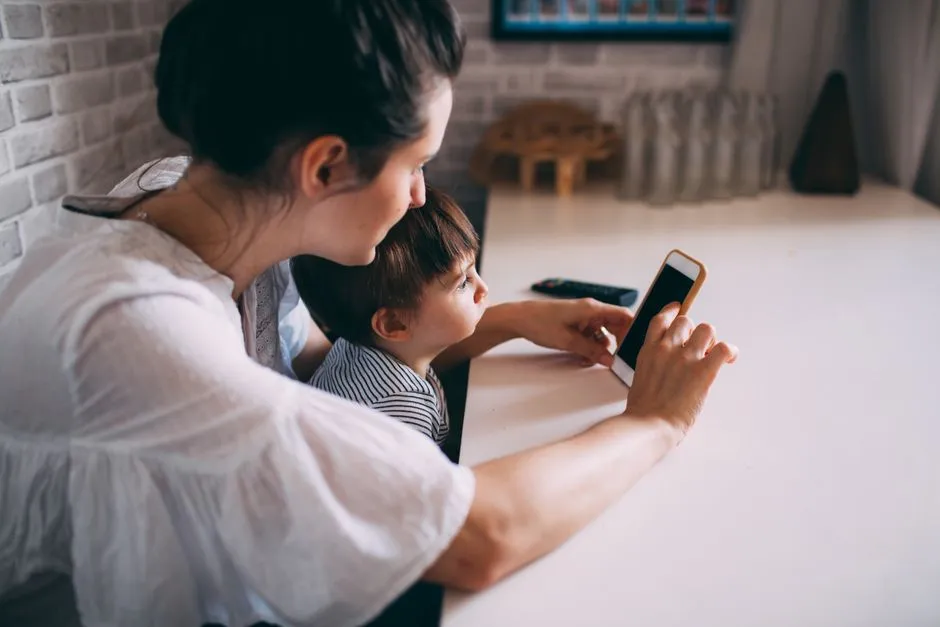
Research from Lurie Children’s in 2025 found that nearly half of parents rely on screen time every day to help manage parenting responsibilities. One in four parents say they’ve used screens because they couldn’t afford childcare, and about a third have turned to screens when they couldn’t find it.
In 2025, parents are navigating a complex digital relationship with screens serving as education tools, entertainment, and even stand-in babysitters during busy moments. That’s not a moral failure. It’s a practical reality shaped by childcare costs, longer working hours, and the simple fact that a screen is always available when other options are not.
What This Shift Actually Means
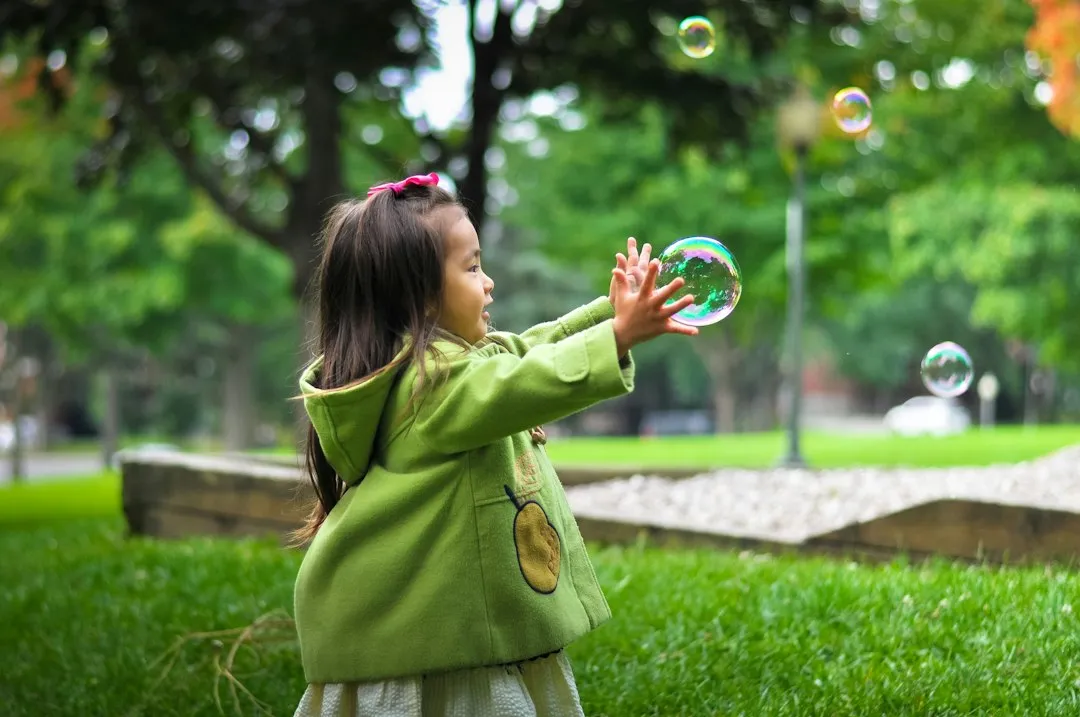
Looking at the arc from the early ’90s to today, the biggest change isn’t technology alone. It’s the erosion of unstructured time itself. A 2025 study found that outdoor play consistently improved attention, memory, and cognitive control, with measurable differences from as little as 45 minutes after play. That’s the kind of benefit that was built into the ordinary ’90s afternoon almost by accident.
Children today are spending less time in child-led, open-ended play and more time engaging with screens, according to researchers reviewing 35 studies published between 2020 and 2025. The shift is documented, measurable, and carries real implications for development.
None of this means the ’90s were a golden era without problems, or that today’s kids are somehow failing. The context has genuinely changed. What’s worth holding onto from that older model isn’t nostalgia for a particular decade. It’s the underlying principle that kids need time that belongs to them, with space to make small decisions, get bored, and figure out what comes next on their own terms.
AI Disclaimer: This article was created with the assistance of AI tools and reviewed by a human editor.