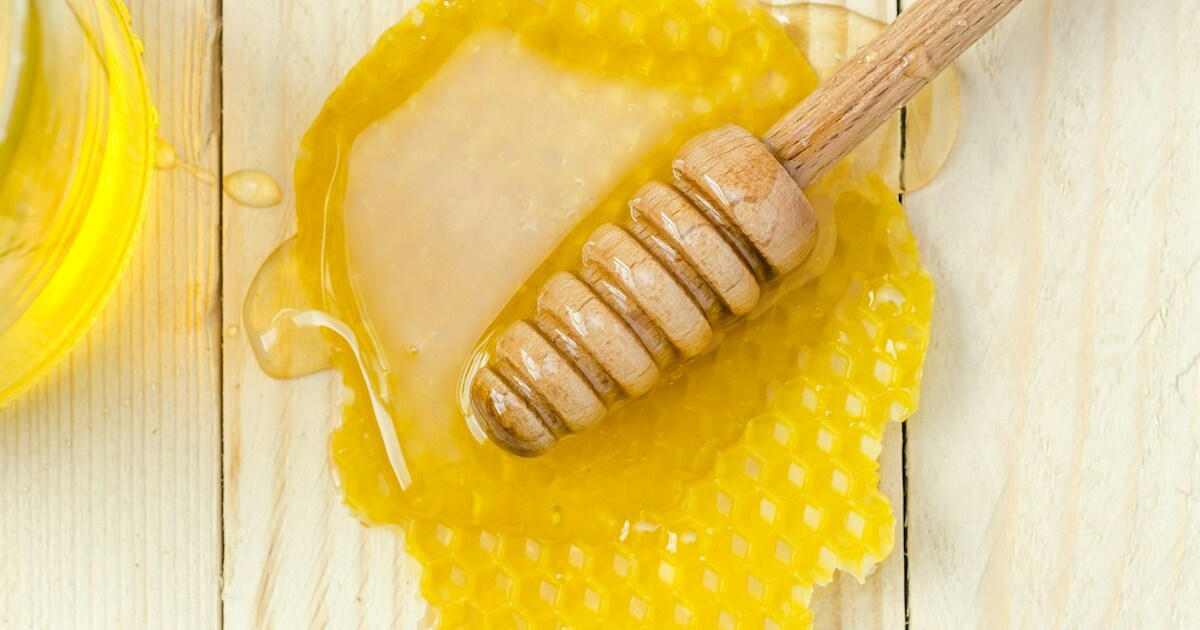

Exploring the world of clover honey is like stepping into a secret garden where nature’s wonders and human ingenuity intertwine! As a dedicated gardener and enthusiastic beekeeper, I’ve witnessed firsthand how clover and bees create a magical synergy that yields a honey like no other. In my own garden, clover patches have always been a delightful surprise—bursting with color, attracting a flurry of buzzing activity, and ultimately offering a harvest of nectar that transforms into a uniquely mild, sweet honey.
For many of us, the journey to understanding clover honey is filled with curiosity and a touch of nostalgia for simpler, natural times. I know how disheartening it can be when your garden seems to battle pests or when other honey varieties just don’t capture that special essence you’re after. This guide is my way of sharing the detailed, practical, and heartfelt insights I’ve gathered over the years, from the clover’s origins to the fascinating process by which bees turn its nectar into one of nature’s most beloved products!
Clover’s Background And Habitat

Clover, a plant native primarily to Europe, has spread its charm across the globe, becoming a staple in many meadows and gardens. In my experience, the vibrant clover not only adds a lush, green carpet to any landscape but also creates a welcoming habitat for various pollinators and small critters that sometimes find cozy nesting spots among its leaves! While clover is treasured for its beauty and soil-enhancing properties, it’s important to note that in some regions it’s considered invasive, demanding careful management to balance its benefits with responsible gardening practices.
What fascinates me about clover is its adaptability and resilience—qualities that have made it a favorite among gardeners seeking natural solutions for soil improvement. Its nitrogen-fixing ability enriches the soil and supports the health of neighboring plants, creating a thriving ecosystem that extends far beyond just its aesthetic appeal. Whether you’re using it as a cover crop or enjoying its role in attracting bees, clover offers a living example of nature’s generosity and the intricate balance between cultivation and wild growth!
Health Benefits And Usage

Clover honey stands apart from other honey products due to its subtle, floral taste and light texture, making it a versatile addition to both culinary and medicinal pursuits. This type of honey is renowned for its high antioxidant content and mild antibacterial properties, which can be a soothing remedy for sore throats or a natural booster in your daily wellness routine! Over the years, I’ve found that a spoonful of clover honey not only sweetens a cup of tea but also brings a gentle reminder of nature’s healing power, harvested straight from the vibrant meadows where clover thrives.
In my own kitchen, clover honey has become a cherished ingredient in recipes, from salad dressings to baked goods, thanks to its delicate flavor profile. It’s such a relief when you discover that something so natural can enhance both the taste and nutritional value of your meals. Embracing clover honey means tapping into a world where health benefits and culinary versatility coexist, offering a product that not only delights the palate but also contributes to a healthier lifestyle!
Production Process Of Clover Honey

The journey from clover blossom to the jar of honey is an intricate dance between bees and nature, filled with moments of wonder and precise natural engineering. Watching the bees busily flit from one clover flower to another is an experience that never ceases to amaze me; these tiny pollinators are responsible for collecting the nectar that, over time, transforms into the golden clover honey we all cherish! Each drop of nectar carries the distinct aroma of clover meadows, and the bees’ natural processes, including enzyme activity and moisture reduction, create a product that is both delicious and naturally preserved.
From my perspective as both a gardener and an amateur beekeeper, the production process of clover honey is a perfect example of nature’s efficiency. The bees not only ensure the pollination of clover plants—boosting the overall health of the ecosystem—but also work diligently to create a honey that is prized for its clarity, flavor, and light texture. This transformation is a testament to the remarkable collaboration between flora and fauna, a partnership that embodies the beauty of sustainable living and the rewards of patient, mindful cultivation!
Bees And Clover: Nature’s Partnership

There’s something truly captivating about the relationship between bees and clover, a natural partnership that embodies mutual benefit and harmony! Clover’s abundant nectar acts as a magnet for bees, drawing them in with its gentle allure and providing them with the sustenance needed to maintain their hives. I’ve often marveled at how the bees not only visit clover patches but also sometimes choose these areas to rest and even nest temporarily, making the garden feel alive with natural activity and continuous buzz.
This intricate interaction is not just about honey production—it also plays a crucial role in maintaining the balance of the ecosystem. As the bees flit between clover blossoms, they facilitate cross-pollination, which in turn leads to stronger, more resilient clover populations. I empathize with gardeners who have experienced the challenge of attracting pollinators in less-than-ideal conditions; with clover, however, you get a double win: a thriving plant that enriches your soil and a busy bee population that supports the entire garden’s health!
Flavor And Unique Characteristics
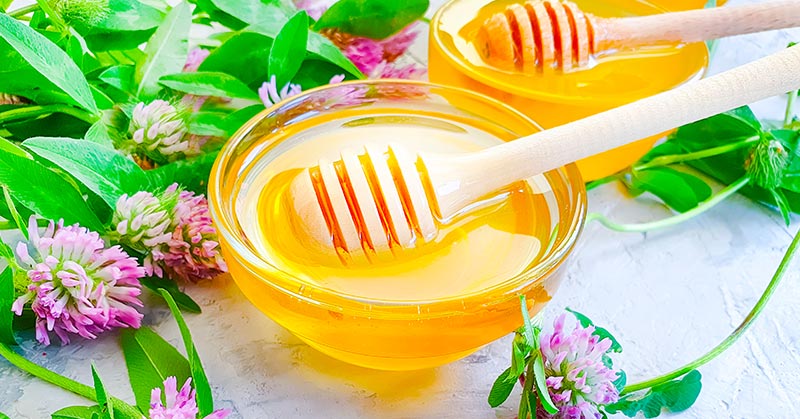
What sets clover honey apart is its delicately mild flavor and smooth, creamy texture—a taste that whispers of sunlit meadows and gentle floral breezes! Unlike some darker, more robust honeys, clover honey’s subtle sweetness makes it an ideal complement to a variety of dishes without overpowering them. I’ve found that its light taste allows for greater creativity in the kitchen, whether you’re stirring it into a warm beverage or drizzling it over fresh yogurt for a nutritious breakfast treat.
The unique characteristics of clover honey also extend to its visual appeal; its light amber hue and clarity can brighten any table setting, evoking the charm of a summer day spent among blooming fields. Its nuanced flavor profile has been honed by the very nature of clover—native to Europe and now flourishing in many parts of the world—creating a product that balances tradition with modern tastes. For those who appreciate the finer details in life, clover honey is a celebration of nature’s subtle artistry and the remarkable way it transforms simple nectar into a gourmet delight!
Embracing Clover Honey In Your Garden And Kitchen

In wrapping up this exploration of clover honey, I invite you to appreciate the delicate art of nature that goes into each jar! From the resilient clover meadows that act as the starting point of this remarkable product to the diligent bees whose labor culminates in a uniquely flavored honey, every step is a celebration of ecological harmony and natural bounty. I truly understand the joy—and occasional frustration—of nurturing your garden and watching every small element contribute to a larger, thriving ecosystem.
Whether you’re a seasoned gardener or just beginning your journey with clover in your landscape, incorporating clover honey into your life is like adding a touch of nature’s magic to your everyday routine. Let this wonderful product remind you of the intricate beauty of plant and pollinator relationships, and enjoy the sweet reward that results from a blend of dedication, care, and the timeless rhythms of the natural world!