
It’s such a bummer when you pile up those fallen leaves, pruned branches, and spent annuals only to think, “I’ll just burn this later,” and then watch a smoky haze drift across your yard. I know how frustrating it is to deal with garden cleanup—especially when invasive species like Japanese knotweed or bittersweet vine just keep coming back—but lighting it all on fire may seem like an easy fix. Trust me, a quick blaze can unleash a cascade of unintended consequences that far outweigh the convenience.
Before you reach for the lighter, let’s dive into what really happens when you burn garden debris. From soil scarring to air pollution and the loss of tiny wildlife homes, each puff of smoke carries costs that can haunt your garden (and your neighbors) for seasons. As a fellow gardener who’s learned the hard way, I’m thrilled to share why you’ll want to reconsider ever striking that match again!
Release of Toxic Pollutants

When you burn plant material—especially treated wood, invasive vines with chemical control residues, or diseased foliage—you’re releasing a cocktail of harmful compounds into the air. Polycyclic aromatic hydrocarbons (PAHs), volatile organic compounds (VOCs), and fine particulate matter can aggravate respiratory conditions in both humans and pets. Those tiny particles don’t just float away; they linger, contributing to local smog and health hazards.
I once ignited a pile of diseased rose clippings and immediately regretted the acrid, choking smoke that wafted into my home. Even my non-invasive herbs like basil or oregano, when burned, can generate unpleasant oil-laden smoke. The lesson? Burning garden debris isn’t a harmless backyard ritual—it’s an airborne pollutant factory!
Loss of Soil Fertility
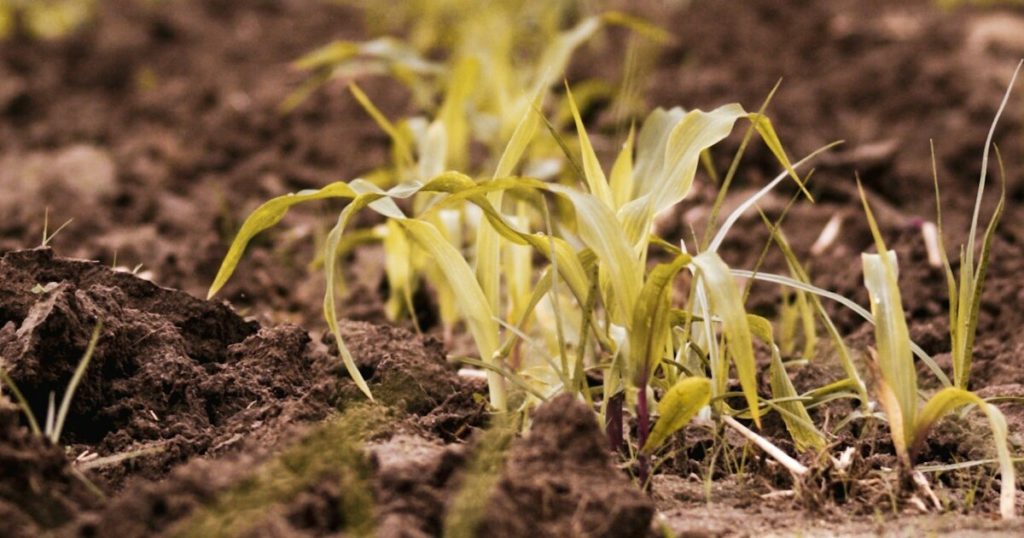
Burning organic matter turns potential garden gold—nutrient-rich leaves, stems, and roots—into ash that often blows away before it even settles. You’re effectively removing nitrogen, phosphorus, and potassium that would have slowly leached into the soil and fed your plants. Instead of nourishing next season’s tomatoes or native asters, you’re left with depleted beds that require more fertilizer inputs.
I remember when I burned autumn leaves instead of composting them; the very next spring, my hostas (native to northeast Asia) looked pale and stunted. It was a stark reminder that those leaves were better off broken down in a compost bin, creating a sponge-like humus layer that holds moisture and supports beneficial microbes.
Fire Hazards and Property Damage

A small garden bonfire can quickly escalate if winds pick up or if hot embers land on dry grass or mulch. Wildfire season seems far away—but a rogue spark can ignite dry brush, fences, or even neighboring homes. Invasive species like English ivy introduce dense, flammable mats, making the risk even greater in overgrown areas.
I’ve seen neighbors lose sheds and garage siding to stray embers before, and it’s terrifying. Instead of a controlled burn, you might end up with an out-of-control blaze that firefighters have to tackle. Don’t trade convenience for catastrophe—always choose safer disposal methods!
Smothering Beneficial Wildlife

That pile of debris you’re burning was providing tiny havens for springtails, beetles, and the occasional frog or toad, all of which forage among damp leaves and woody detritus. When you incinerate these habitats, you’re erasing crucial shelters and breeding grounds for beneficial garden helpers. Without them, you may see pest populations—like aphids or slugs—explode, since their natural predators are gone.
I once lost a thriving springtail colony in my peace lily pot when I burned nearby compostables—and it showed instantly in slower decomposition and poorer soil health. These little critters may not nest in trees indoors, but they’re the unsung heroes of a balanced garden ecosystem!
Erosion and Soil Compaction
Burning debris often involves raking back soil and removing protective leaf layers, which exposes bare ground to rain impact. Without that organic mulch, soil can compact under the force of water droplets or run off entirely, taking precious topsoil with it. That’s especially problematic on slopes or near water features where erosion can damage hardscapes or clog ponds.
I know how demoralizing it feels to see fresh trenches carved in your beds after a rainstorm—been there! Instead of fuel for flames, leave debris in place as a natural mulch layer, or turn it into compost to build soil structure and resist compaction.
Legal Restrictions and Fines
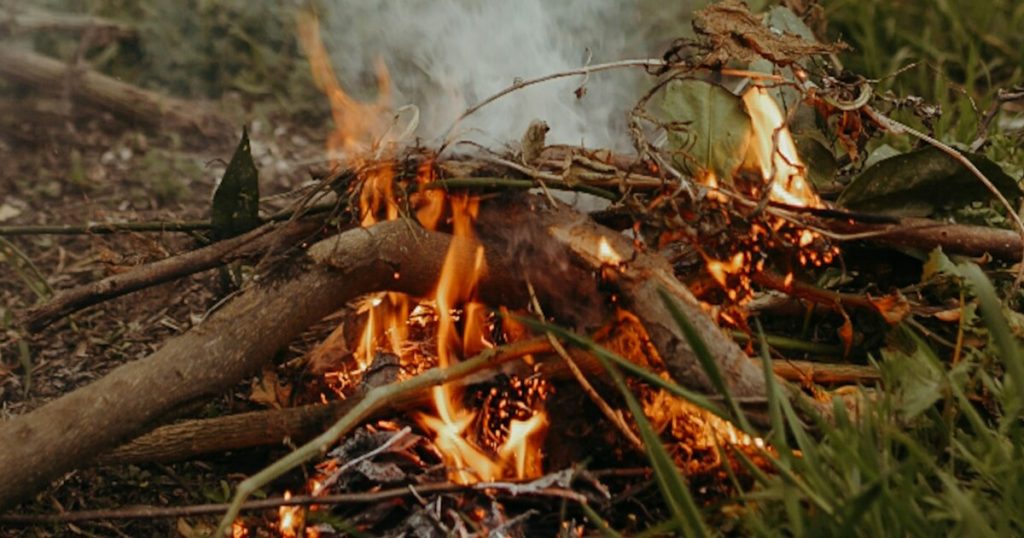
Many municipalities ban or strictly regulate open burning due to health and safety concerns. You could face hefty fines if caught igniting leaves, branches, or treated wood without a permit. In some regions, even small fires require notification to local fire authorities. It’s not worth the hassle when alternative disposal—like curbside yard waste pickup or community composting sites—is often available.
I once nearly got cited for a smoke plume drifting onto a neighbor’s yard. The county officer gently reminded me that my “backyard bonfire” was technically illegal without a permit. Lesson learned: check local regulations before you even think about burning!
Climate Impact and Carbon Emissions

Every time you burn plant material, you release stored carbon dioxide back into the atmosphere—accelerating climate change. While natural decomposition sequesters carbon in the soil over time, combustion returns it immediately to the air. Multiply that across countless gardeners burning yard waste, and you’ve got a significant contribution to greenhouse gas emissions.
I’m passionate about reducing my carbon footprint, so turning debris into mulch or compost is a no-brainer. It locks carbon into the soil and encourages earthworms and microbes to thrive, rather than sending CO₂ skyward in a smoky rush.