

Feeding birds in your backyard is a rewarding way to connect with nature and support local wildlife. However, not all bird species are attracted to the same types of seeds, and offering the right food can make a big difference in which birds visit your feeders. By understanding the dietary preferences of different bird species, you can create a diverse and inviting environment that attracts a wide range of feathered friends.
In this article, we’ll explore the best types of bird seed to use for various bird species commonly found in gardens and backyards. Whether you’re hoping to attract colorful finches or keep the energetic chickadees happy, knowing what to offer can help you create a bird-friendly oasis right outside your window. Let’s dive into the specifics and make sure your bird feeders are filled with the perfect seeds!
Black Oil Sunflower Seeds for Cardinals and Finches

Black oil sunflower seeds are a favorite among many bird species, but they’re particularly loved by cardinals and finches. These seeds have a high fat content, providing the energy that birds need, especially during the colder months. The thin shells are easy for small birds to crack open, making them accessible to a variety of species, including the Northern Cardinal and American Goldfinch.
Cardinals, with their striking red plumage, are especially drawn to black oil sunflower seeds. These seeds are also popular with finches, such as the vibrant yellow American Goldfinch, which can be seen flocking to feeders filled with this seed type. To attract these birds, consider placing feeders in a quiet area of your garden with plenty of perches nearby. A tube feeder or a platform feeder is ideal for dispensing black oil sunflower seeds, as it allows easy access for both small and larger birds.
Nyjer Seeds for Goldfinches and Pine Siskins
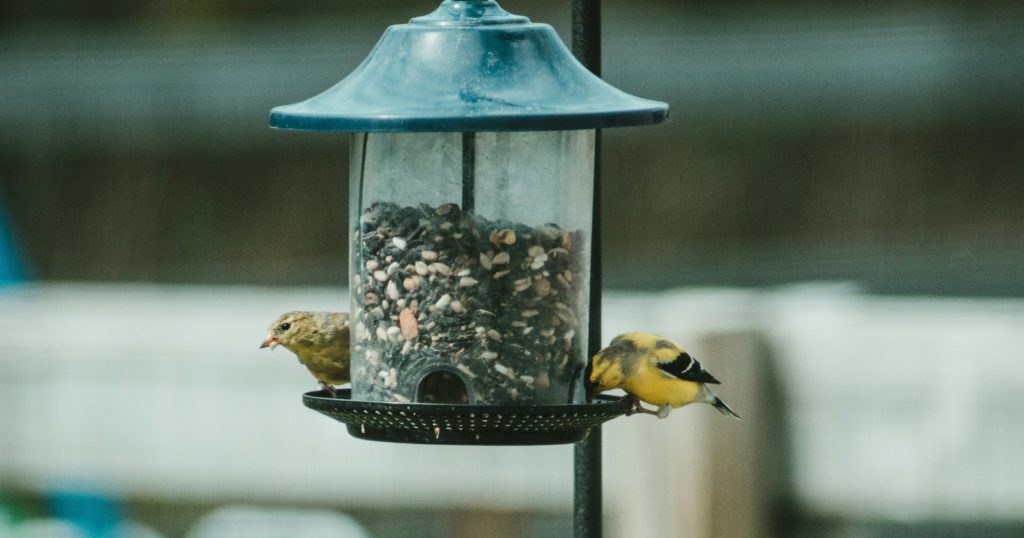
Nyjer seeds, also known as thistle seeds, are tiny, oil-rich seeds that are particularly appealing to finches, including the American Goldfinch and Pine Siskin. These seeds are high in fat and protein, making them an excellent choice for providing the energy these active birds need. Because of their small size, Nyjer seeds require a special feeder with small openings that prevent spillage while allowing finches to access the seeds easily.
Goldfinches are known for their bright yellow feathers during the breeding season, and offering Nyjer seeds is one of the best ways to attract these cheerful birds to your garden. Pine Siskins, which are often seen in mixed flocks with goldfinches, also flock to feeders filled with Nyjer seeds. To maximize your chances of attracting these birds, hang Nyjer seed feeders in a sunny, open area where finches feel safe and can easily spot the feeder. Remember to clean the feeder regularly to prevent the buildup of mold, as Nyjer seeds can spoil quickly if they become damp.
Safflower Seeds for Cardinals and House Finches

Safflower seeds are a great option for attracting cardinals and house finches, as well as deterring less desirable birds like grackles and starlings. These seeds have a tough shell that some birds, particularly those with smaller beaks, find difficult to crack. However, cardinals, with their strong beaks, and house finches, with their persistence, have no trouble accessing the nutritious seed inside.
Safflower seeds are also less appealing to squirrels, which can be an added bonus if you’re trying to keep these furry intruders away from your bird feeders. Placing safflower seeds in a platform or tube feeder will attract the brilliant red cardinals and the rosy-colored house finches to your yard. To increase your chances of attracting these birds, place the feeder in a semi-shaded area near shrubs or trees, which provide cover and a sense of security.
Cracked Corn for Sparrows and Mourning Doves

Cracked corn is a versatile and inexpensive bird seed that is particularly appealing to ground-feeding birds like sparrows and mourning doves. This seed is made by breaking whole corn kernels into smaller pieces, making it easier for smaller birds to consume. Cracked corn is rich in carbohydrates, providing a quick energy boost for birds, especially during colder weather.
Sparrows, such as the Song Sparrow and White-throated Sparrow, are frequent visitors to feeders offering cracked corn. Mourning doves, with their soft cooing calls, are also fond of cracked corn and can often be seen foraging on the ground beneath feeders. To attract these birds, scatter cracked corn directly on the ground or place it in a ground feeder. Be mindful of potential spoilage, especially in wet weather, as cracked corn can mold quickly if it becomes damp.
Suet for Woodpeckers and Nuthatches
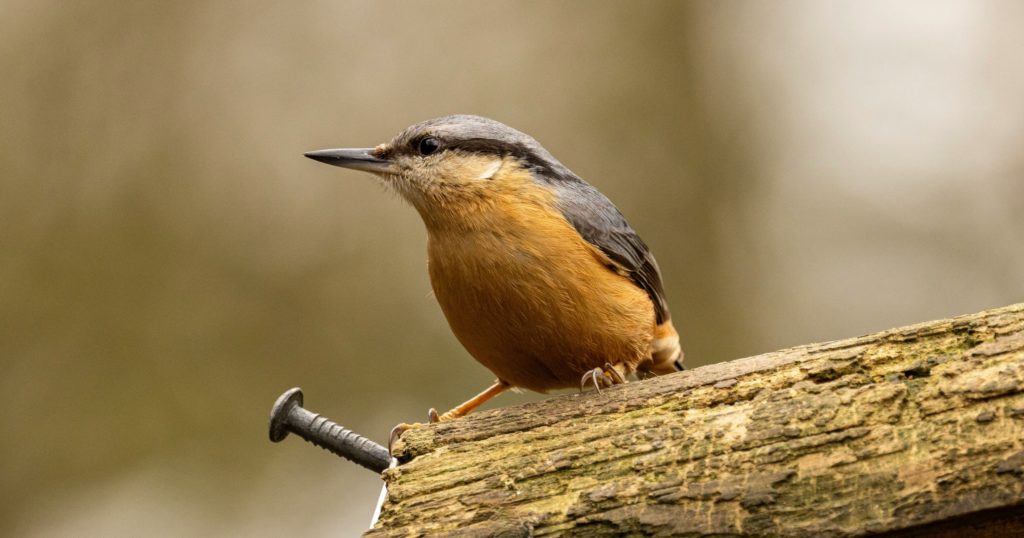
Suet is a high-energy food made from animal fat mixed with seeds, nuts, or dried fruits. It’s particularly popular with insect-eating birds like woodpeckers and nuthatches, who rely on the high fat content to sustain them through the winter months. Suet is often offered in the form of cakes, which can be placed in special suet feeders or directly on tree trunks.
Woodpeckers, such as the Downy Woodpecker and Red-bellied Woodpecker, are frequent visitors to suet feeders. Nuthatches, known for their unique ability to climb headfirst down trees, are also attracted to suet, which they can easily access with their strong beaks. To attract these birds, hang suet feeders near trees or shrubs where woodpeckers and nuthatches are likely to forage. Suet is best offered during cooler weather, as it can melt and spoil in high temperatures.
Peanuts for Jays and Titmice
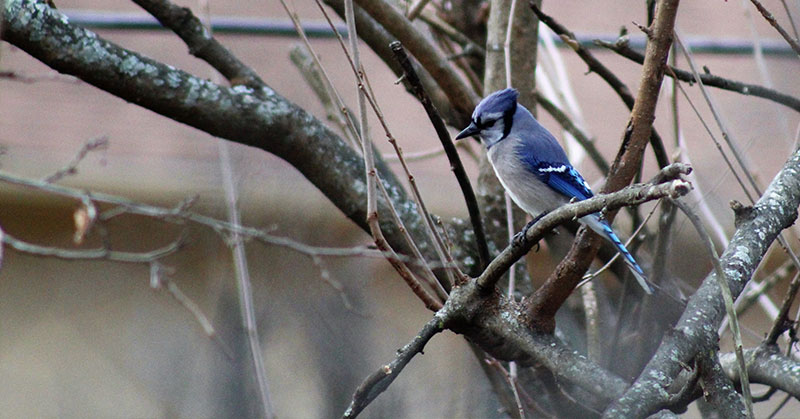
Peanuts, whether whole or shelled, are a favorite food of larger birds like jays and smaller birds like titmice. Rich in protein and fat, peanuts provide the nutrition birds need to stay active and healthy. Jays, including the Blue Jay and Steller’s Jay, are known for their bold behavior and can often be seen swooping down to grab whole peanuts from feeders. Titmice, such as the Tufted Titmouse, also enjoy shelled peanuts and will visit feeders repeatedly to stock up on this energy-rich food.
To attract jays and titmice, offer peanuts in a platform feeder or a peanut feeder designed to hold whole nuts. Be sure to place the feeder in a location where jays can easily spot it from the air, as these birds are keen foragers and will quickly discover a new food source. Titmice, on the other hand, prefer feeders placed near trees or shrubs, which provide cover and a quick escape route if needed. Offering peanuts is a surefire way to attract a variety of bird species to your garden.
Millet for Sparrows and Juncos
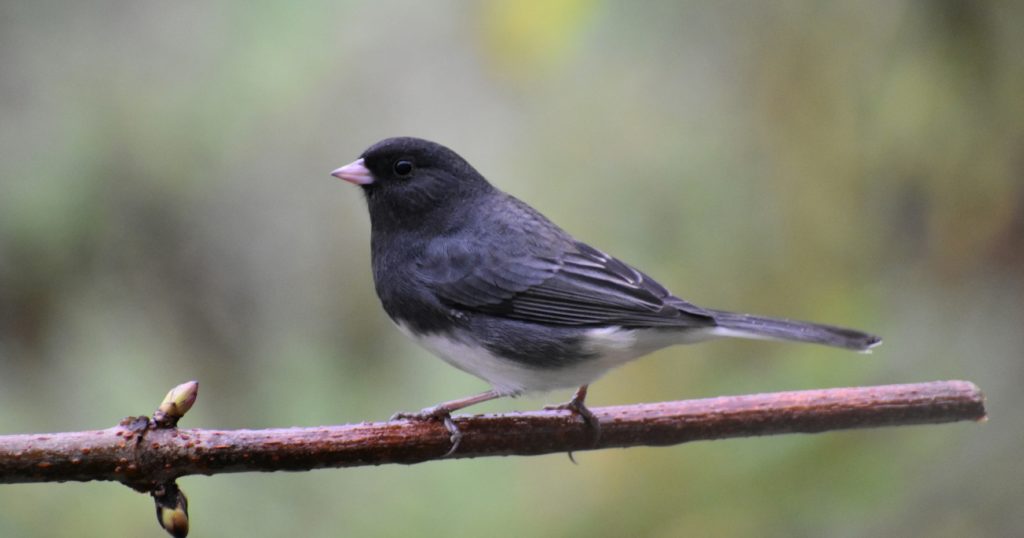
Millet is a small, round seed that is especially popular with ground-feeding birds like sparrows and juncos. This seed is often included in bird seed mixes and can also be offered on its own to attract a variety of small birds. Millet is rich in carbohydrates and provides a valuable food source for birds during the colder months when other food sources may be scarce.
Sparrows, such as the Chipping Sparrow and White-crowned Sparrow, are frequent visitors to millet feeders. Juncos, known for their dark, slate-colored feathers, also flock to feeders offering millet, particularly in the winter months when they migrate to warmer regions. To attract these birds, scatter millet on the ground or place it in a ground feeder. For added variety, consider mixing millet with other seeds like cracked corn or sunflower seeds to create a diverse feeding station that appeals to a wide range of birds.
Mixed Seed for a Variety of Species
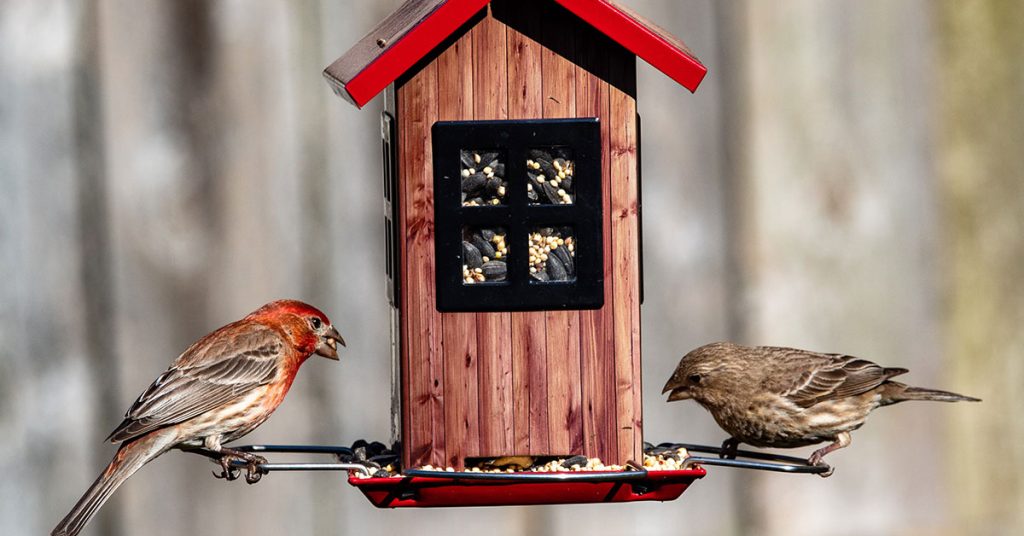
If you’re looking to attract a diverse array of bird species to your garden, offering a mixed seed blend is a great option. Mixed seeds typically include a combination of black oil sunflower seeds, millet, cracked corn, and sometimes peanuts or safflower seeds. This variety ensures that different bird species can find something they like, making your garden a hub of avian activity.
Mixed seed blends are particularly effective for attracting a range of species, from cardinals and finches to sparrows and jays. To make the most of your mixed seed, use a platform feeder or a hopper feeder that allows multiple birds to feed at once. Be sure to place the feeder in a location that offers a good view of the garden, as this will encourage more birds to visit. By offering a mixed seed blend, you can create a welcoming environment for all kinds of birds, turning your garden into a vibrant and lively space.
Final Thoughts
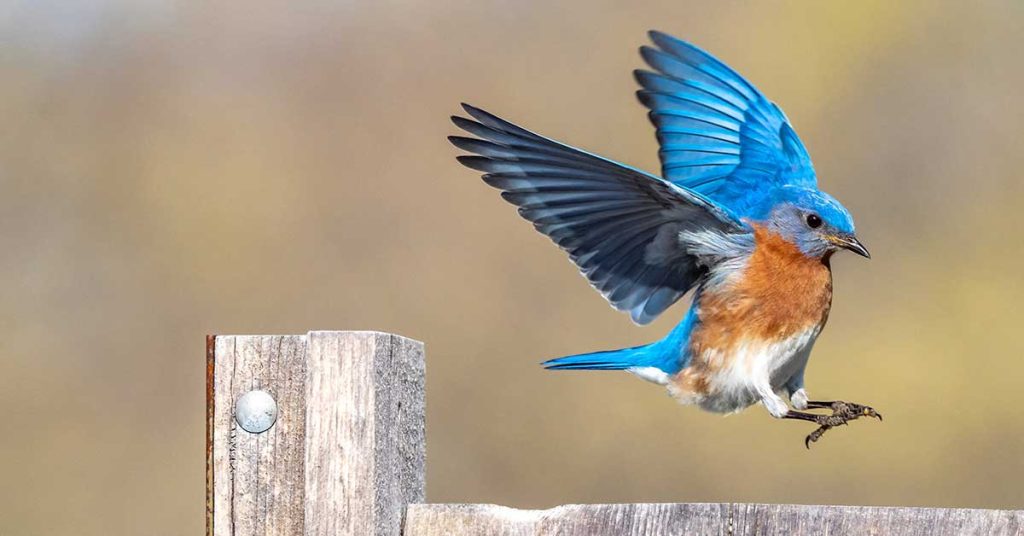
Feeding birds is a delightful way to connect with nature and support local wildlife, but offering the right seeds is key to attracting the species you want to see. By understanding the dietary preferences of different birds, you can choose the best seeds to fill your feeders and create a thriving, bird-friendly garden.
From black oil sunflower seeds for cardinals and finches to suet for woodpeckers and nuthatches, each type of seed plays a crucial role in supporting the birds that visit your garden. By diversifying the seeds you offer and paying attention to the needs of different species, you can enjoy the beauty and diversity of birds throughout the year.