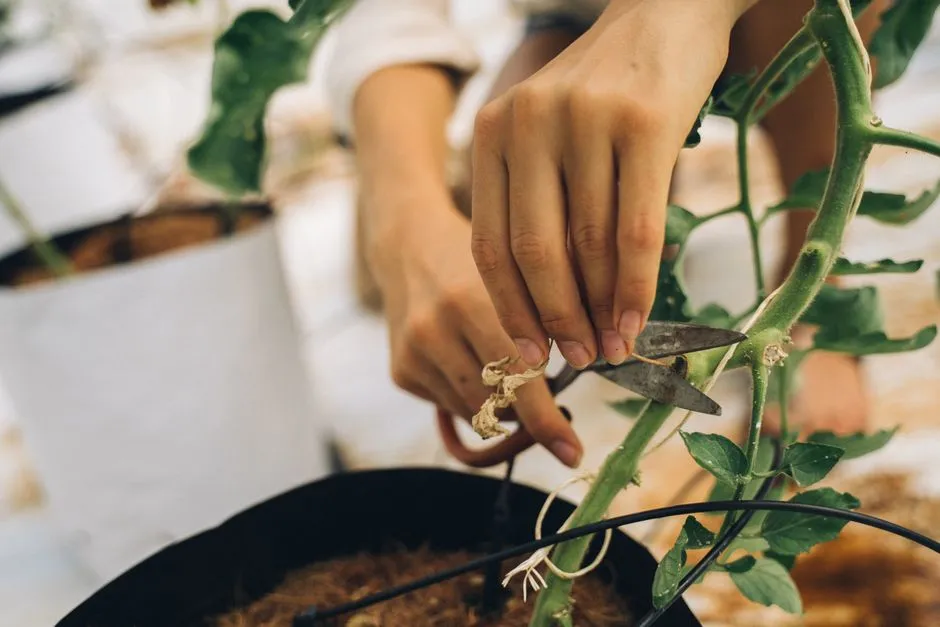

There’s a particular kind of windowsill that tells a story before you even say a word. Glass vessels lined with water, pale roots threading downward, cuttings at various stages of becoming something. A propagation station, in its simplest form, is just a few plants suspended in water. In practice, it says quite a lot about the person who set it up.
Houseplant propagation has surged in popularity among plant enthusiasts, fueled by growing interests in sustainability, cost-effectiveness, and the therapeutic joy of cultivating new life. What started as a niche hobby has quietly moved into mainstream home culture, and the people behind those propagation stations tend to share a few telling qualities.
You’re Drawn to Process, Not Just the End Result
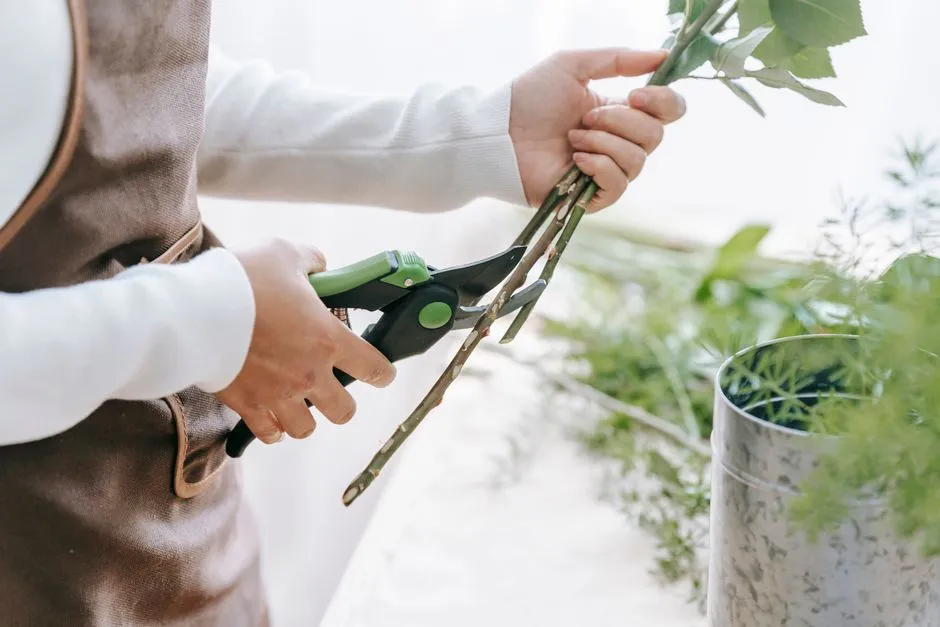
Most people buy a plant and put it in a pot. Propagators do something different: they choose to watch the whole process unfold, from bare stem to rooted cutting to thriving plant. That’s not impatience in reverse. It’s a genuine preference for the journey over the shortcut.
The responsibility of keeping a plant alive introduces a gentle, low-stakes routine. This structured interaction requires mindfulness and attention to the needs of another living thing, shifting focus away from personal anxieties and onto the simple requirements of water, light, and care. People who propagate tend to find that rhythm genuinely satisfying.
The positive feedback loop of seeing a plant thrive under your care can build self-esteem and a sense of accomplishment. It is a quiet, consistent practice that teaches patience and attentiveness. That’s a personality profile worth noticing.
You Value Sustainability Over Convenience
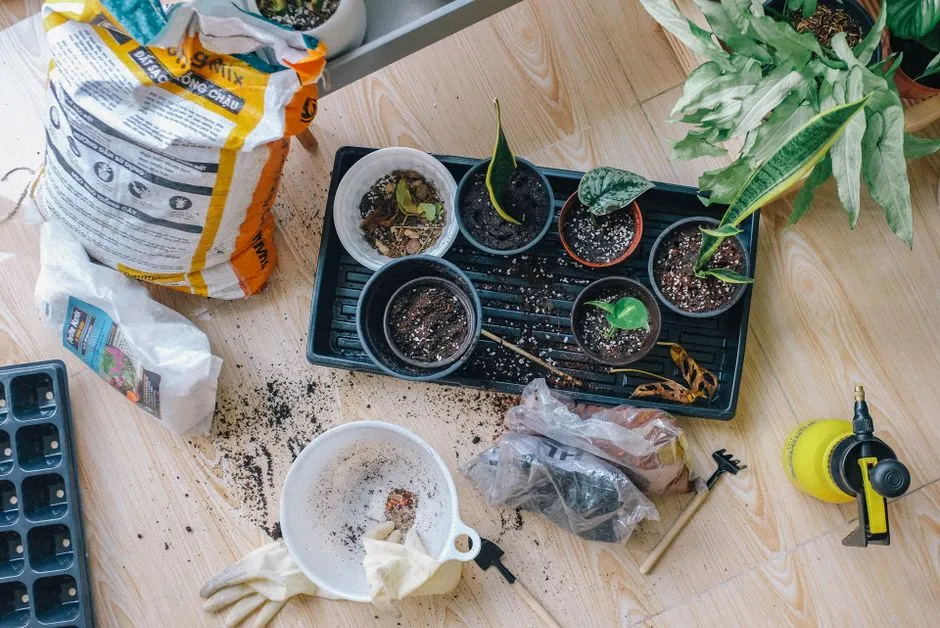
The desire for sustainability and self-sufficiency is influencing the choice of houseplants, with propagating plants from cuttings, seeds, or offshoots allowing enthusiasts to share their love of plants with others and create a strong sense of connection to their green companions. It’s a small but meaningful act of resistance against throwaway consumer culture.
Environmental consciousness is a driving force behind houseplant trends. Sustainable practices such as repurposing containers, using eco-friendly soil, and opting for locally sourced plants are gaining traction. As consumers become more eco-conscious, the demand for ethically sourced and sustainably grown houseplants is influencing choices.
A propagation station is, at its core, a rejection of buying new when you can grow your own. Over roughly a third of commercial houseplants now originate from sustainable cultivation methods, reflecting deepening consumer demand for ethical products. Home propagators are ahead of that curve, even if they’d never frame it that way.
You’re More Social Than You Look
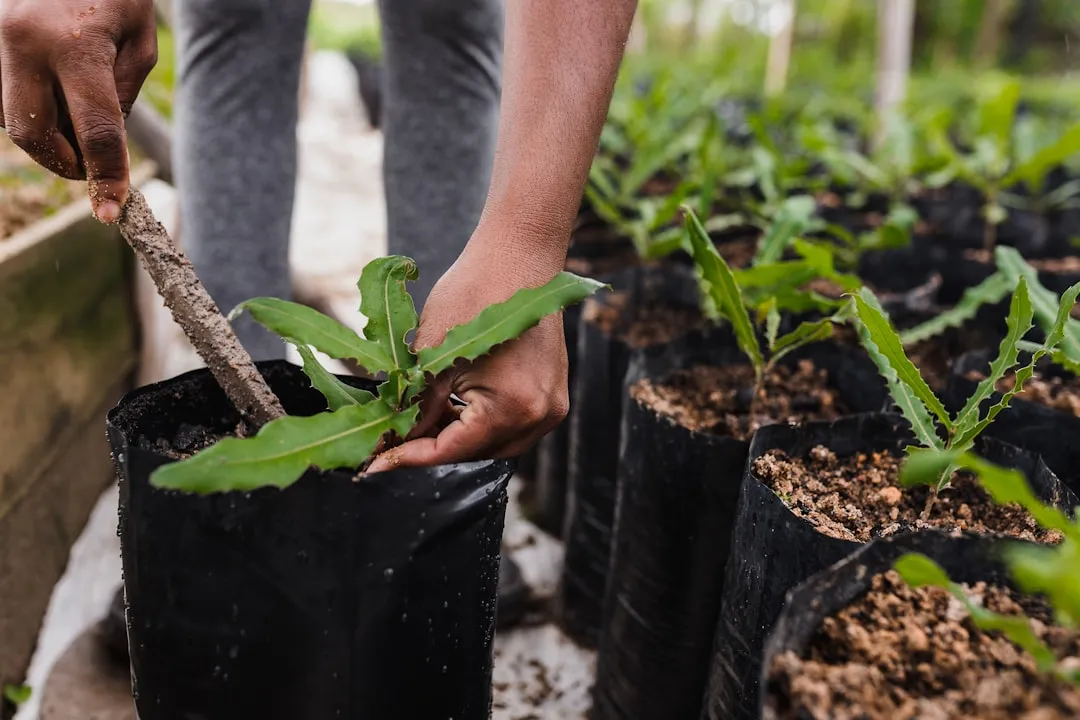
Here’s something not immediately obvious: propagation is often a social act. Cuttings get shared with neighbors, friends, coworkers, strangers on plant swapping apps. Social media has significantly influenced this trend, serving as a powerful tool for sharing propagation knowledge and building communities among hobbyists.
Online tutorials, workshops, and community-driven initiatives are promoting a culture of learning and sharing knowledge about the art of plant propagation. The propagation station often marks the start of someone becoming a connector, a person others come to for cuttings and advice.
A survey of over 1,000 plant lovers explored how plant preferences are linked to personality traits. Highly extroverted people owned an average of 6.8 houseplants, suggesting that the more plants someone tends, the more socially oriented they often are. A shelf of propagation stations fits that pattern well.
You Find Real Comfort in Small, Visible Progress
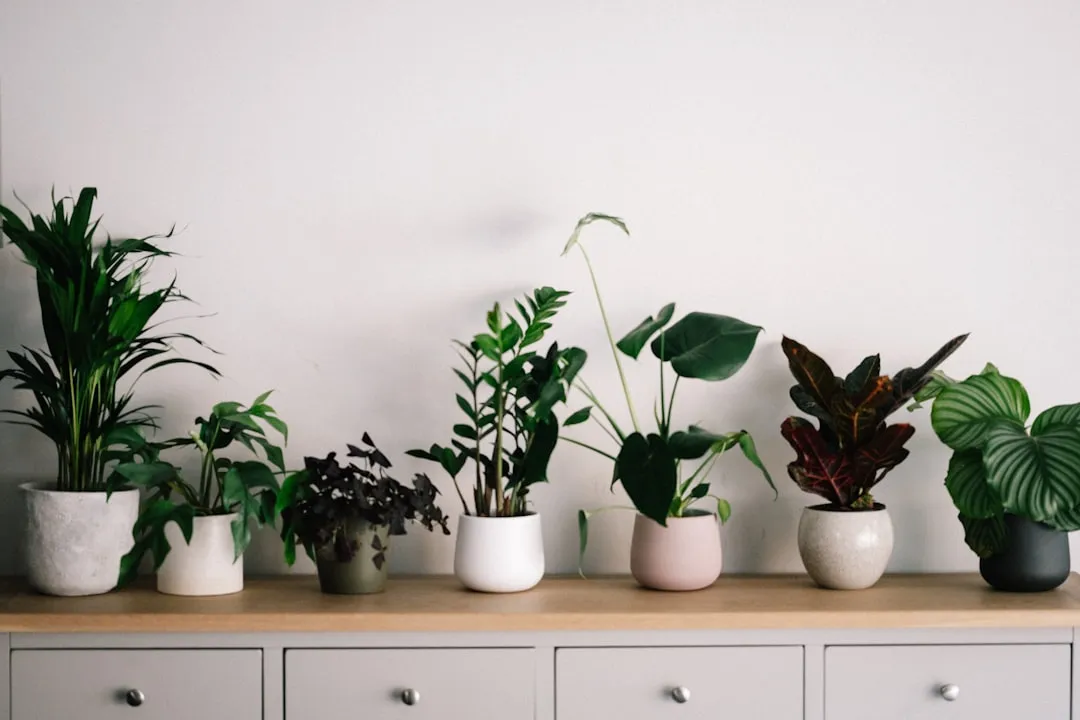
Root growth is slow but unmistakably real. You can see it happening from one week to the next, in a way that most life goals simply don’t allow. A study published in the Journal of Physiological Anthropology found that participants who took part in a planting task felt calmer, more comfortable, and more relaxed than those who completed a tech-related task.
Participants who self-classified as houseplant carers reported higher levels of mental well-being compared with non-carers. Specifically, hours spent on taking care of houseplants, the number of houseplants, and the years of keeping houseplants were all positively associated with greater levels of mental well-being and the trait of mindfulness.
People who gravitate toward propagation stations often appreciate this kind of low-pressure accountability. The cutting either roots or it doesn’t. There’s no judgment in it. Plants can reduce stress and anxiety, improve mood, enhance cognitive function, and foster creativity, contributing to overall mental well-being.
You Have a Collector’s Instinct, Kept in Check
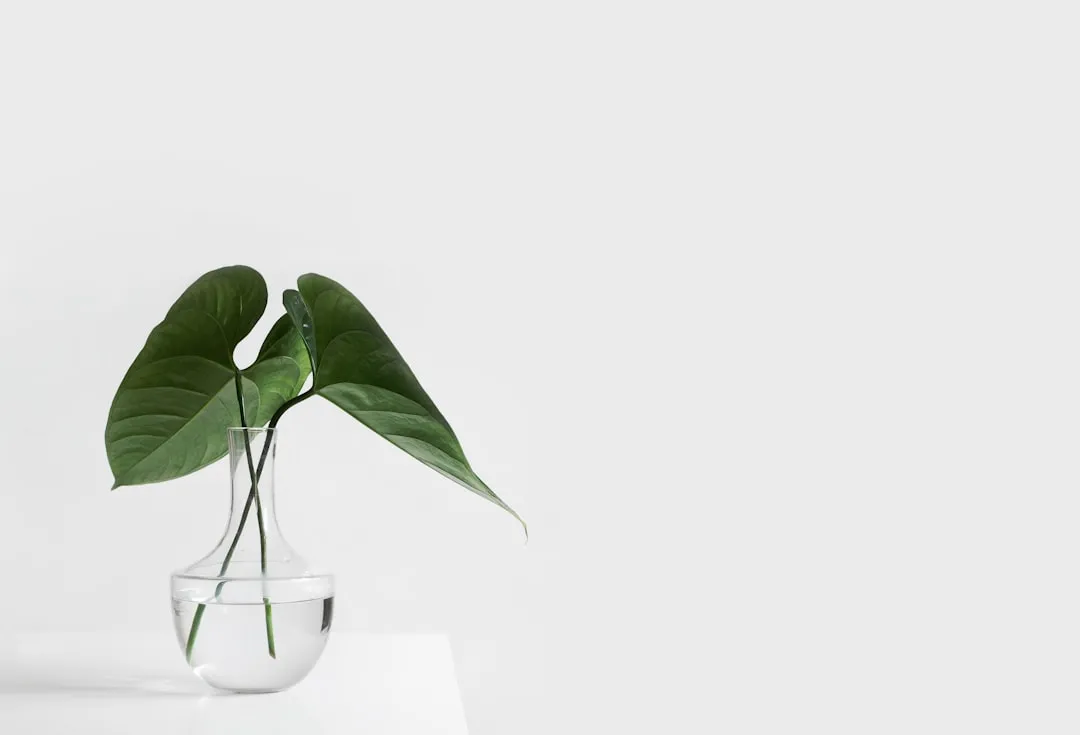
Plant collectors and enthusiasts are increasingly drawn to rare and unusual plant varieties. A surge in popularity for unique and hard-to-find specimens has followed. Propagators often sit in an interesting middle space: they want variety and rare specimens, but they prefer to earn them slowly rather than buy everything at once.
The rising demand for rare and exotic houseplants has further intensified interest in propagation, as collectors seek affordable ways to expand their collections. Propagation stations become a kind of waiting room for new additions, a way to scale a collection thoughtfully.
It’s a restrained form of collecting. Tissue-culture democratization has shifted rare foliage from elite collector circles into mainstream retail, flattening price hierarchies while inflating unit volumes. The home propagator, however, still prefers the hands-on version of acquisition.
You Tend to Be Comfortable With Uncertainty
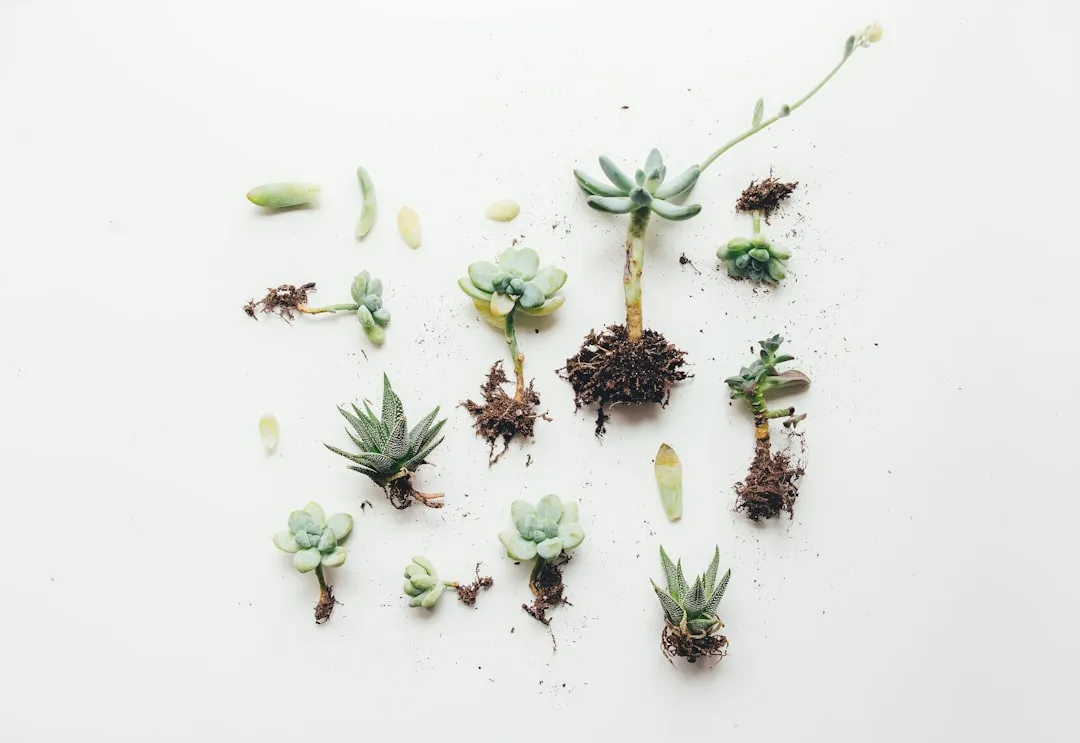
Not every cutting roots. Some rot. Some just sit in water indefinitely and refuse to cooperate. A person who keeps a propagation station has made peace with a certain rate of quiet failure. Traditional propagation techniques such as stem cuttings, leaf cuttings, division, and air layering are widely practiced for their simplicity and high success rates, but success is never guaranteed every single time.
Attention Restoration Theory provides a crucial framework, proposing that exposure to natural stimuli can help restore our capacity for directed attention after periods of mental fatigue. The focused yet effortless engagement required for plant care allows our minds to recover from the demands of modern life.
There’s something mature about tending to living things that might not make it. Propagators tend to be people who understand that not everything can be controlled, and that’s fine. They just start another cutting.
You’re Aesthetically Intentional
There’s real creative satisfaction in making a feature out of propagation cuttings, and beautiful propagation stations have become a popular design element in their own right. The way someone arranges their glass vessels, the choice of containers, the placement relative to light sources: it reflects a deliberate visual sensibility.
The way we display our houseplants is undergoing a creative revolution. From floating shelves and wall-mounted planters to intricate macramé hangers, innovative display ideas are transforming the traditional concept of potted plants. This trend encourages plant enthusiasts to think beyond the ordinary and use their imagination to create personalized displays.
Social platforms have turned plants into lifestyle signifiers as short-form videos and curated feeds elevate rare foliage and creative planters to viral status. The resulting peer-to-peer influence migrates from homes into co-working hubs, cafes, and boutique hotels. The propagation station has become a recognizable aesthetic marker.
You’re Statistically Part of a Growing Tribe
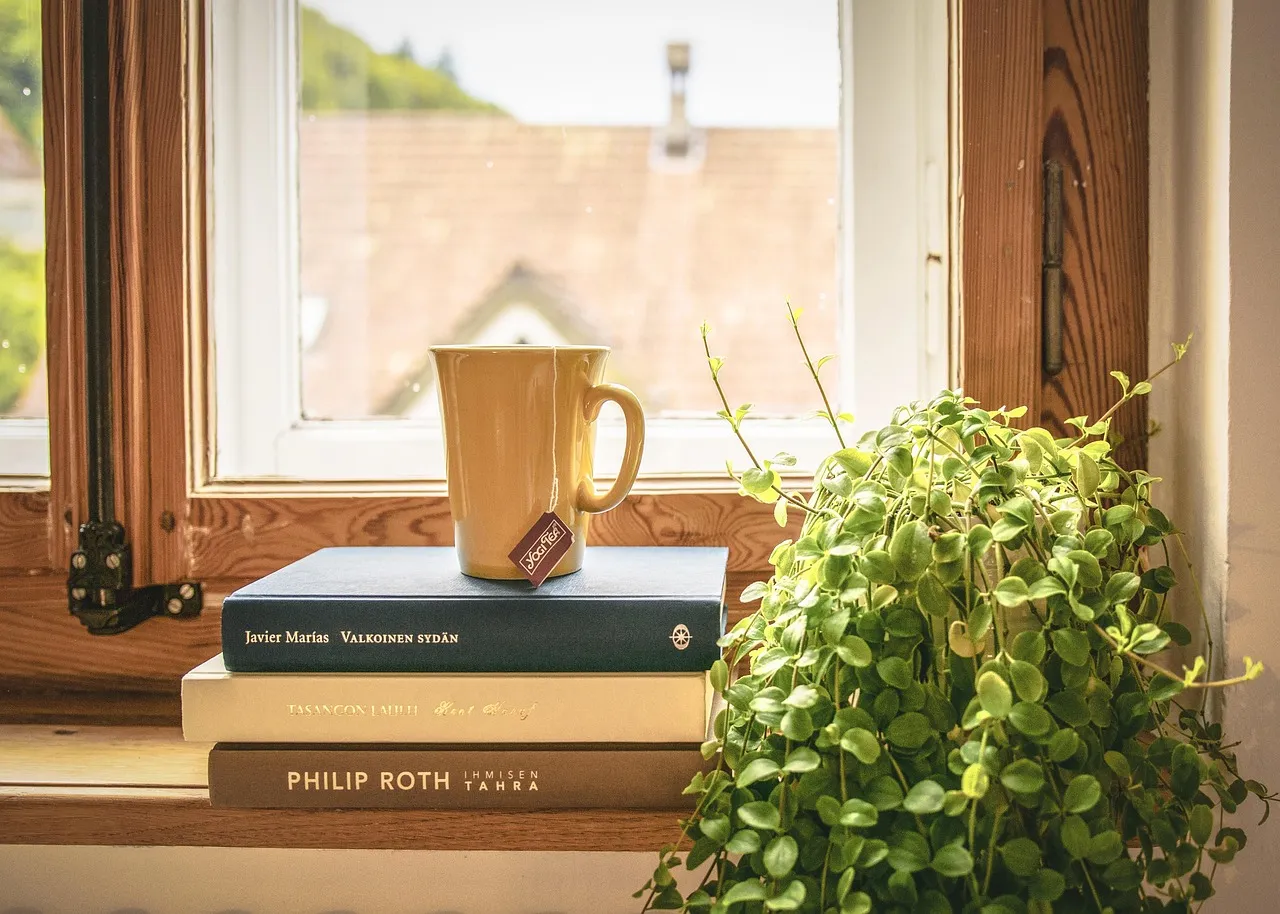
It’s worth putting the propagation trend into broader context. The global indoor plants market was valued at USD 20.68 billion in 2024 and is expected to reach USD 30.25 billion by 2032, primarily driven by increasing consumer interest in home decor, air purification, and wellness benefits of indoor plants.
Google Trends data from 2020 through 2026 shows that search interest for “houseplants” peaked sharply during early lockdown periods in 2020 and gradually normalized through 2022 to 2024, stabilizing at levels above pre-pandemic baselines. January 2026 shows a clear single-month spike in indexed search interest.
The average person surveyed owned five houseplants, while people who owned five or more plants were happier and more productive than those with fewer. A collection full of propagation stations typically means someone is well past the five-plant threshold. They’re in the deep end, and they’re not planning to get out.
You’re Quietly Practicing Mindfulness Without Calling It That
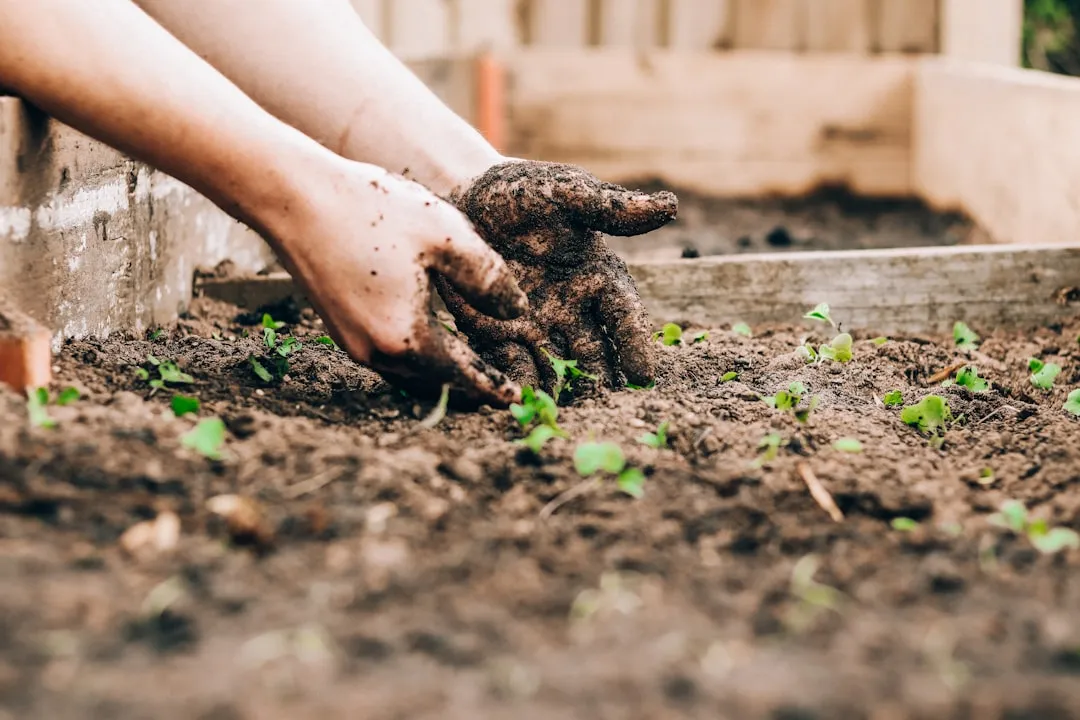
Propagation requires a particular kind of attention. You’re checking water levels, watching for root growth, adjusting light. None of it is urgent, but all of it demands presence. One of the biggest mental health benefits of gardening is how it encourages mindfulness. When you focus on the colors of a leaf, the scent of flowers, or the feel of soil in your hands, you stop worrying about the past or the future.
Research confirms that active interaction with indoor plants can reduce physiological and psychological stress, accomplished through suppression of sympathetic nervous system activity and promotion of comfortable, soothed, and natural feelings.
The practice of maintaining indoor plants is analyzed as a form of “micro-stewardship,” a manageable and symbolic act of ecological care that can shape an individual’s broader environmental ethic. People with full propagation stations are often practicing exactly that, whether they’ve read the research or not.
You Believe in Starting Over, Gracefully
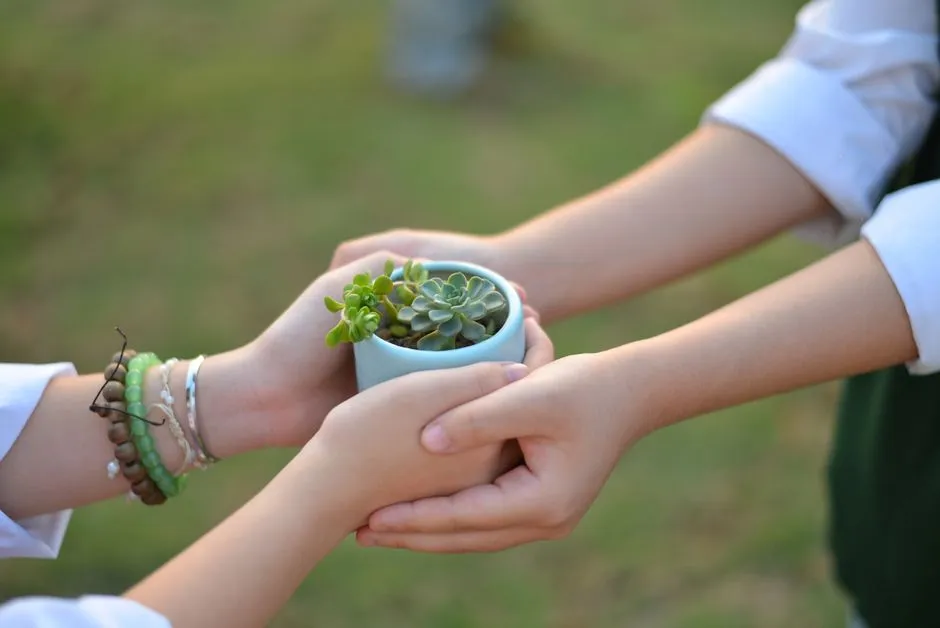
There’s a quiet philosophy embedded in propagation. You take a piece of something living and give it the conditions to become new again. Houseplants continue to play a vital role in our lives, offering beauty, health benefits, and a connection to nature. The propagation of these plants, whether for personal enjoyment or commercial purposes, will be a dynamic and thriving field, reflecting broader trends in technology, sustainability, and lifestyle.
Engaging in gardening activities, whether it’s planting seeds, nurturing plants, or simply spending time caring for green things, has been shown to have profound effects on mental health. Research has demonstrated that gardening can reduce symptoms of anxiety and depression, improve mood, and enhance overall quality of life. By immersing oneself in the therapeutic process, individuals can cultivate a sense of purpose, accomplishment, and connection to the natural world.
People who fill their homes with propagation stations tend to be optimists in the most practical sense: they believe in the potential of small, unformed things. A single node in a glass of water is an act of faith that something worth keeping can grow from almost nothing. That’s not a bad thing to have written all over your living room.
AI Disclaimer: This article was created with the assistance of AI tools and reviewed by a human editor.